Health
Mushroom Allergy Symptoms, Other Reactions, and Urgent Care
Symptoms after mushrooms may reflect allergy, foodborne illness, toxic exposure, or workplace sensitization. Learn emergency signs and what details to record.
By MushroomScope Editorial Team · · Updated · Editorially reviewed
Evidence context
Food, extracts, and supplements differ
Health conclusions depend on species, fungal part, preparation, dose, population, and measured outcome.
Open the nutrition evidence hub →Medical limit
Educational, not medical advice
Do not delay diagnosis or replace prescribed care with mushroom foods or supplements.
Read the editorial policy →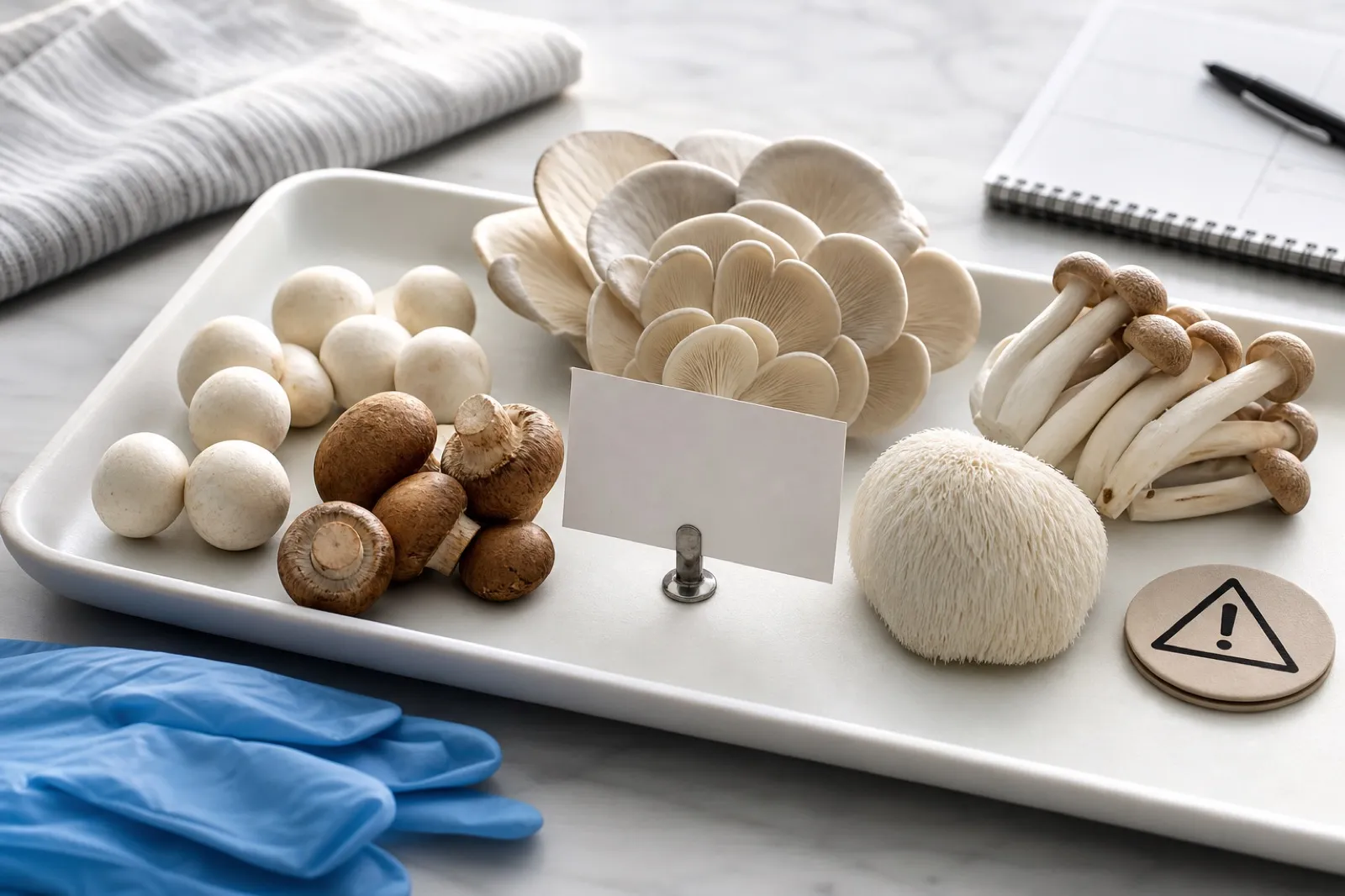
Start with the safety decision, not the label
Direct answer: Hives, swelling, wheeze, vomiting, dizziness, or fainting can occur in a food-allergic reaction, but symptoms alone cannot prove that mushrooms were the trigger. Trouble breathing, throat or tongue swelling, fainting, loss of consciousness, or rapidly worsening symptoms require emergency help. Illness after an unidentified wild mushroom requires prompt poison-control or emergency guidance even when the first symptoms seem gastrointestinal rather than allergic.
Symptoms after eating, touching, or working around mushrooms deserve a careful response, but they do not identify their own cause. A true food allergy, another food hypersensitivity, foodborne illness, toxic exposure from an unknown wild mushroom, and a work-related airborne exposure can overlap in everyday language while requiring very different assessment.
Do not use this page to test a suspected allergy by eating the food again. If there is trouble breathing, throat or tongue swelling, fainting, loss of consciousness, or rapidly worsening symptoms, seek emergency help. The FDA lists these among possible serious food-allergic-reaction symptoms and advises people with a known allergy to stop eating the food, use prescribed emergency medication as appropriate, and seek medical attention.
Why “allergy” is only one possibility
Food allergy is an immune response to a food protein. The FDA notes that reactions can range from hives or lip swelling to anaphylaxis, a severe reaction that can involve breathing problems or shock. Symptoms often start within minutes to a few hours, but timing alone cannot confirm allergy.
By contrast, nausea, vomiting, diarrhea, fever, or abdominal symptoms can also occur with foodborne illness. The FDA’s foodborne-illness guidance explains that onset and symptoms vary by organism and exposure; a single symptom pattern does not tell you which cause applies. If more than one person became ill after the same meal, save the product details and tell a clinician or local health authority—do not assume the shared food was an allergen.
Unknown wild mushrooms are a separate urgent problem. Toxic mushroom exposure is not made safe by an internet identification, a recipe, or a symptom comparison. If an unknown or wild mushroom may have been eaten, contact local emergency or poison-control services promptly and preserve relevant details only if doing so is safe.
Match the response to the exposure, not one symptom
The first useful split is the exposure record. For a packaged cultivated food, retain the package, lot code, complete ingredient list, amount, preparation, time eaten, and other foods in the meal. For a restaurant dish, record sauces, stocks, garnishes, shared equipment, alcohol, exercise, and medicines as well as the mushroom description. A reaction attributed to “mushrooms” may instead involve another ingredient, cross-contact, spoilage, or a mixed product, and the record should allow those possibilities to remain open.
For a wild or unidentified mushroom, do not wait for a symptom pattern to resemble an online poisoning chart. Contact the appropriate local service and retain uncooked material, meal remnants, photographs, location, time, estimated amount, and everyone exposed when this can be done safely. For workplace inhalation or skin exposure, record the task, dust or spore conditions, ventilation, protective equipment, cleaning chemicals, onset during the shift, and improvement away from work. These three records lead to different professional assessments and should not be merged into one home diagnosis.
What the mushroom-specific evidence does—and does not—show
Mushroom-triggered food allergy is documented, but the evidence base is small enough that it should not be turned into a self-diagnosis rule. A 2024 case report and literature review describes anaphylaxis associated with Agaricus bisporus (button, portobello, and Swiss brown varieties) and notes that such reports are uncommon. Case reports establish that a reaction can happen; they cannot tell whether mushrooms caused a particular person’s symptoms, whether cooked and raw forms behave the same way for that person, or whether every mushroom species must be avoided.
The practical implication is conservative: do not infer safety from a prior mild reaction, a negative internet checklist, or a different person’s experience. Keep the relevant product, ingredient list, preparation method, timing, symptoms, and any lot code for clinical assessment. The FDA notes that some symptoms have causes other than food allergy and advises proper care and diagnosis rather than assumption.
Ingestion and workplace exposure are not interchangeable
People who grow, pack, dry, or process mushrooms can have repeated exposure to spores, dust, and workplace materials. An occupational case report involving dried Boletus edulis documented respiratory and skin symptoms from workplace exposure in one worker who did not report symptoms from eating mushrooms. That does not prove that every grower is allergic or that eating and inhaling are equivalent; it shows why the exposure route and work pattern belong in the clinical history.
If symptoms repeatedly occur at work or improve away from work, record the task, material, ventilation, protective equipment, timing, and coworkers’ observations. Discuss the pattern with an occupational-health clinician or other qualified medical professional. Avoid deliberately exposing yourself again to “see what happens.”
A practical record for a clinician
Before discarding packaging, write down:
- The mushroom type as sold, brand, full ingredient list, preparation, and amount eaten or handled.
- The date and time of exposure, first symptom, progression, and any treatment already used.
- Other foods, medicines, supplements, alcohol, exercise, illness, or workplace exposures around the same time.
- Photos of the label and lot code, when safely available.
This is not a home diagnostic test. It makes the history more useful. A clinician may decide that food-allergy evaluation, foodborne-illness assessment, occupational assessment, or a different route is appropriate. Do not exclude food safety simply because a reaction included skin or digestive symptoms.
Separate emergency symptoms from non-urgent patterns
Breathing difficulty, throat or tongue swelling, fainting, confusion, blue or gray skin, or rapidly progressing widespread hives requires emergency care. Follow the local emergency plan and prescribed epinephrine instructions; do not wait to see whether symptoms resolve or attempt a home food challenge.
Vomiting, severe abdominal pain, neurologic symptoms, or illness after a wild or unidentified mushroom also requires prompt poison-control or emergency consultation. Keep uncooked specimens, leftovers, packaging, photographs, time eaten, estimated amount, and all meal ingredients when safe. Do not induce vomiting unless instructed.
Milder recurrent symptoms deserve clinical review when they affect diet, work, or safety. The absence of an emergency during one exposure does not guarantee that a future reaction will remain mild.
Distinguish allergy from intolerance and other causes
Food allergy involves an immune response and may include hives, swelling, wheeze, vomiting, or anaphylaxis. Intolerance is a broader term for reproducible symptoms not established as allergy. Food poisoning, spoilage, contaminants, medication effects, and symptoms from other recipe ingredients can resemble either.
“Mushroom” covers many species and preparations. A reaction to raw shiitake, a mixed wild dish, cultivated button mushrooms, mold exposure in a grow room, and a multi-ingredient supplement are different exposures. Avoid diagnosing a universal mushroom allergy from one poorly documented meal.
Garlic, onion, dairy, wheat, soy, wine, preservatives, and high-fat sauces may contribute. Record the entire recipe and brands, not just the most memorable ingredient.
Create an exposure timeline for a clinician
Write the species or product name, supplier, lot, fresh or dried form, raw or cooked preparation, portion, co-ingredients, time eaten or inhaled, symptom onset, sequence, duration, treatment, and recovery. Photograph the label. Note exercise, alcohol, illness, and medicines around the event.
Do not intentionally repeat exposure to improve the record. A clinician may use history, examination, targeted testing, or a medically supervised challenge, but tests need context. Broad commercial panels can produce sensitization results that do not equal clinical allergy.
Unnecessary avoidance can reduce diet variety and obscure the cause. Any elimination and reintroduction plan should be proportionate to risk and supervised when allergy is possible.
Keep food-reaction and wild-mushroom response records separate
A packaged cultivated product and an unknown foraged mushroom call for different records. For a food-reaction assessment, preserve the package, lot code, ingredient list, preparation, portion, and other foods in the meal. This helps a clinician consider mushroom material, co-ingredients, storage, and other explanations without deciding the cause from symptoms alone.
For a possible wild-mushroom ingestion, the priority is poison-control or emergency guidance, not an allergy-style elimination plan. Preserve uncooked specimens, cooked remnants, photographs, location, time eaten, and everyone exposed when safe; do not sort fragments into guessed species or retry a bite. The wild mushroom safety guide explains why a photo cannot turn an unknown specimen into a safe food decision.
The same person can have only one of these scenarios, or neither. A rash after a restaurant dish is not evidence of toxin exposure; delayed gastrointestinal illness after an unidentified wild meal is not evidence of allergy. The exposure history directs the next professional conversation, while this page deliberately stops short of diagnosis.
Consider inhalation and skin exposure separately
Growers and processors may encounter spores, substrate dust, molds, cleaning chemicals, and wet environments. Cough, wheeze, nasal symptoms, eye irritation, or dermatitis may relate to one or several of these exposures rather than to eating cooked mushrooms.
Document task, duration, ventilation, visible dust or spores, protective equipment, and whether symptoms improve away from work. Do not solve a contaminated-room problem by adding a respirator while leaving the source uncontrolled. Occupational-health assessment should address engineering controls and cleaning.
Skin irritation after handling can be irritant, allergic, or unrelated. Wash exposed skin, avoid rubbing eyes, and seek care for persistent or spreading symptoms. Bleach, pesticides, and culture chemicals can cause reactions of their own.
Supplements need an additional check
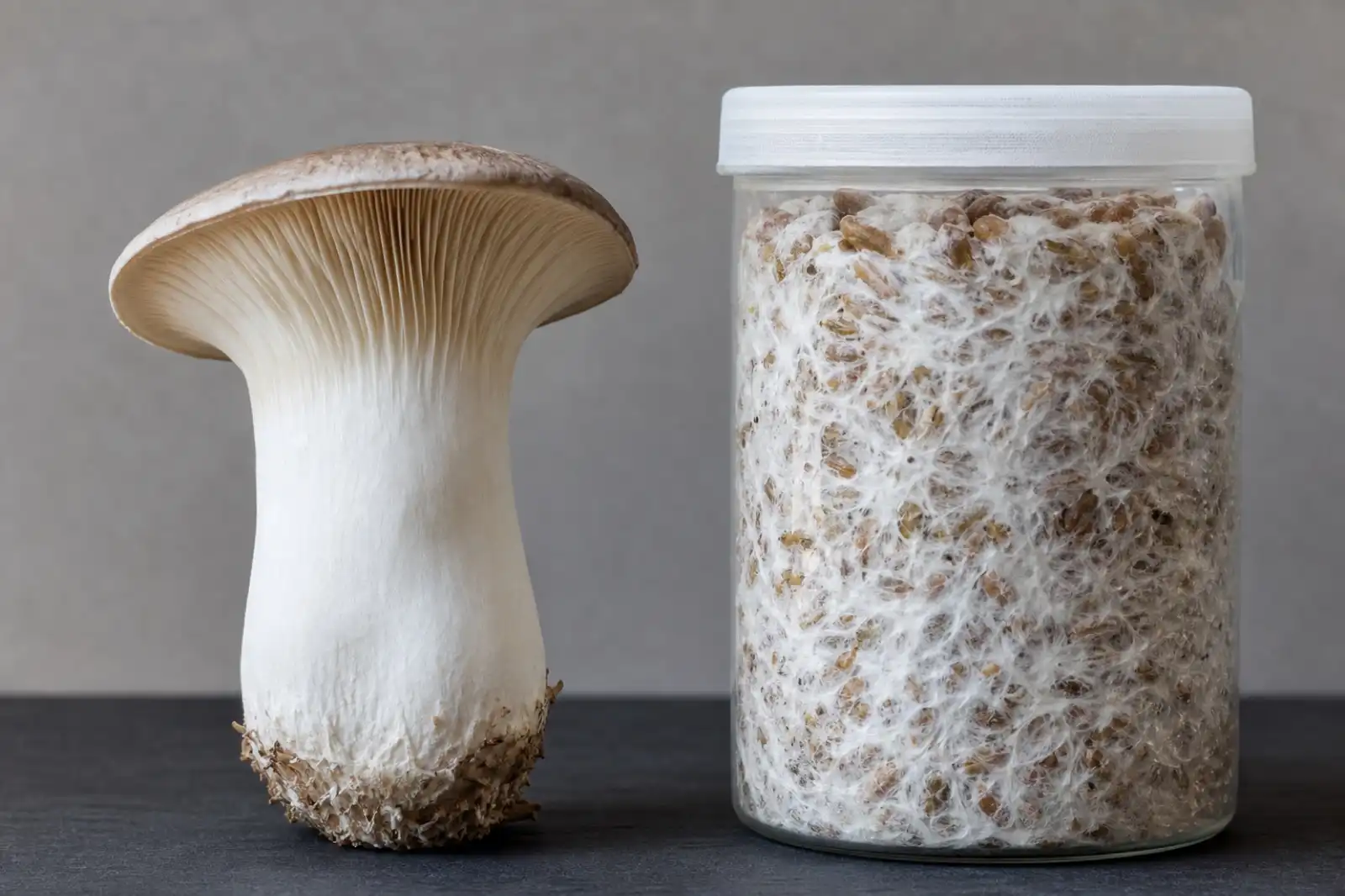
Powders, extracts, blends, and capsules can contain several fungal materials and other ingredients. A reaction after a supplement does not establish which component was responsible, and a study of one mushroom preparation does not predict the safety of another. Bring the exact label to the appointment, including the scientific name when provided, fungal part, dose, and batch information.
For product-selection context, see the mushroom supplements guide. To distinguish the fungal material named on a label, see fruiting body versus mycelium. Neither page substitutes for an allergy or poisoning assessment.
Avoid two especially risky shortcuts
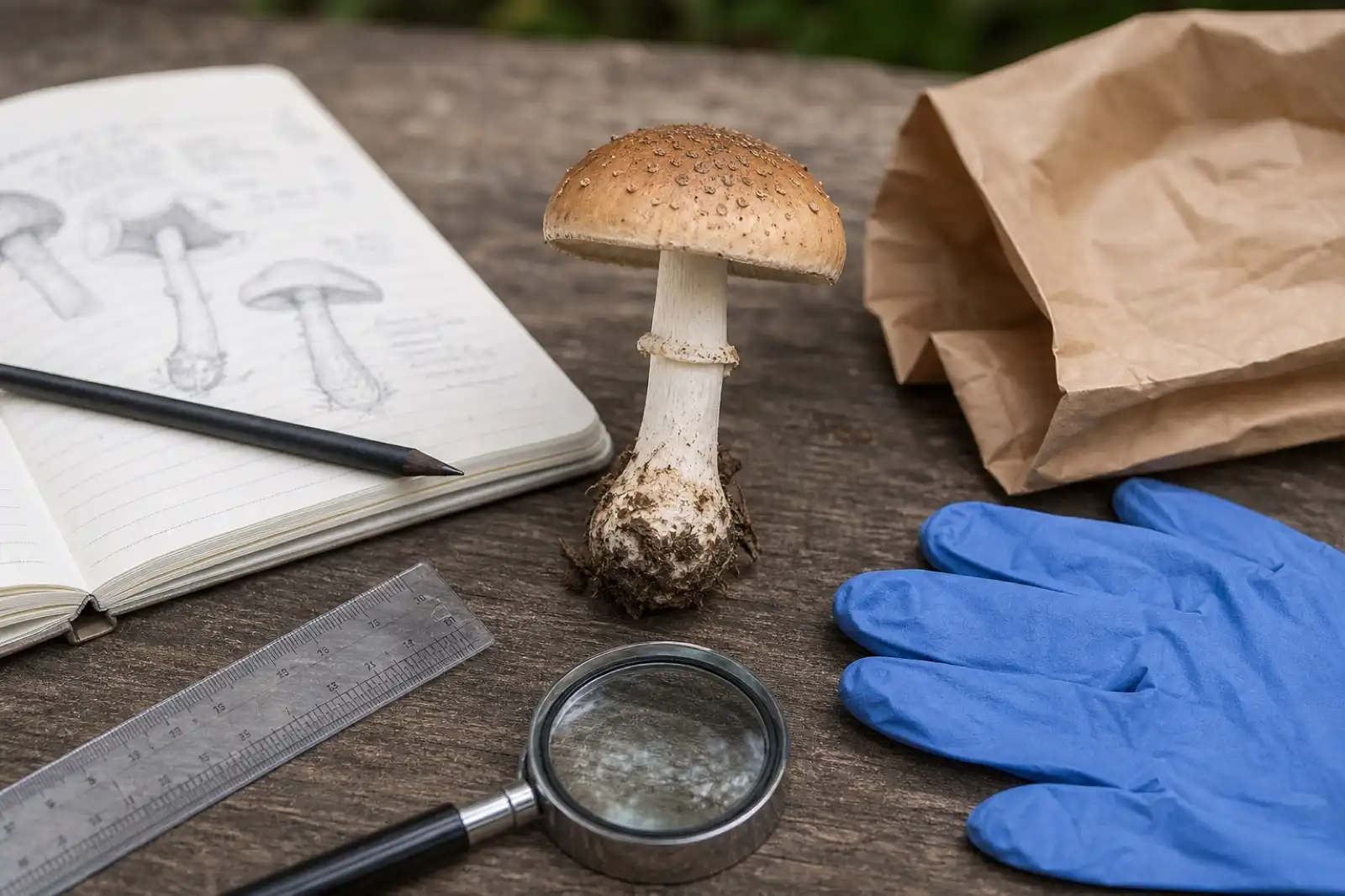
Do not retry a mushroom after a concerning reaction without clinical direction, and do not use online identification to decide whether a foraged mushroom was harmless. The identification safety checklist explains why photographs and web descriptions cannot establish wild-mushroom edibility. In a possible poisoning scenario, emergency or poison-control advice takes priority over online troubleshooting.
Turn the assessment into a practical safety plan
After clinical review, ask for the suspected trigger, evidence level, foods or products to avoid, cross-contact precautions, emergency symptoms, medication instructions, and when reassessment is appropriate. Clarify whether the advice concerns one species, all culinary mushrooms, supplements, airborne cultivation exposure, or another ingredient in the meal.
Restaurants and packaged foods may use mushroom powders, stocks, flavor blends, or mixed species that are not obvious from the menu name. Communicate the clinician-defined restriction clearly and ask about preparation surfaces and shared utensils when relevant. Do not rely on “vegan,” “natural,” or “functional” labels as allergen statements.
If cultivation exposure is suspected, keep contaminated blocks and heavy spore loads out of occupied rooms while an occupational or environmental plan is developed. Respiratory protection, if recommended, belongs within a broader approach that includes source control, ventilation, cleaning, and correct disposal.
Review the plan after any new reaction rather than expanding restrictions independently. Bring updated labels, photographs, and the exposure timeline. This page remains educational and cannot diagnose allergy, prescribe epinephrine, or determine whether a future exposure is safe.
Reassess after the clinical question is answered
If a clinician identifies a different ingredient, preparation problem, or non-allergic condition, update the avoidance plan rather than keeping a broader mushroom restriction indefinitely. Preserve the original reaction record and the basis for the revised plan so future clinicians can understand what changed.
References
- FDA — Food Allergies
- FDA — What You Need to Know about Foodborne Illnesses
- Ali and Smith — Agaricus bisporus mushroom anaphylaxis: A case report and review of the literature
- Del Santo et al. — Occupational allergic IgE-mediated disease from Boletus edulis: case report
- Poison Control — Food poisoning: Symptoms, treatment, and causes
Editorial review: September 10, 2026. No named allergist, clinician, toxicologist, or occupational-health specialist reviewed this page. Emergency guidance and product records should be rechecked at every substantive update.
Source quality notes
MushroomScope cites sources that match the page scope, such as taxonomic databases, extension guidance, food-safety agencies, food-composition databases, and peer-reviewed or institutional health references. Sources support context and uncertainty; they do not turn an online page into specimen identification, medical advice, or a tested recipe record.
Frequently asked questions
Can I tell from symptoms alone whether mushrooms caused an allergy?
No. Skin, gastrointestinal, breathing, and dizziness symptoms can have multiple causes, including food allergy and foodborne illness. A clinician needs the timing, food and ingredient details, medical history, and appropriate testing to determine the cause.
Are mushroom allergies common enough to assume every reaction is an allergy?
No. Published mushroom-allergy literature includes individual case reports and limited case series, which document that reactions can occur but do not diagnose a person or establish the likelihood after a particular meal.
When is a reaction after eating mushrooms an emergency?
Trouble breathing, throat or tongue swelling, fainting, loss of consciousness, or rapidly worsening symptoms require emergency help. Stop eating the food and follow an emergency plan already prescribed by a clinician; do not try to test the food again at home.
Does an occupational reaction mean I will react when eating mushrooms?
Not necessarily. Occupational exposure and ingestion are different routes, and individual case reports cannot predict another person’s response. Recurrent work-related respiratory or skin symptoms need occupational-health or clinical assessment.
Related guides

health
Mushroom Supplements: Labels, Testing, and Safety
Learn how to check mushroom supplement identity, fungal part, extraction, dose, lot testing, claims, interactions, and regulatory limits.
health
Fruiting Body vs. Mycelium: Understanding Mushroom Products
Fruiting bodies and cultured mycelium are different materials; substrate, extraction, identity testing, and measured constituents all affect comparison.
identification
Mushroom Identification Safety Checklist
Use a conservative checklist before handling, documenting, or discussing any wild mushroom, especially when edibility is being considered.
Continue exploring
Browse more practical guides in Health or visit the mushroom encyclopedia.