Skip to content
MushroomScope
Menu

Organizational author profile

MushroomScope Editorial Team

This byline identifies research, writing, illustration, and maintenance performed for MushroomScope. It does not represent a named mycologist, clinician, or dietitian.

Research process

Articles are structured from taxonomic databases, government guidance, university extension resources, peer-reviewed literature, and specialist references appropriate to the topic. Sources are displayed on each page so readers can inspect them.

  1. Define the page’s practical question and safety boundary.
  2. Collect primary and authoritative sources that directly address that question.
  3. Separate observed facts from interpretation, preliminary evidence, and unknowns.
  4. Check names, quantities, instructions, citations, internal links, and image provenance.
  5. Run structured-content validation and a complete production build before publication.

Review disclosure

Editorial review checks source relevance, uncertainty, internal consistency, and safety language. A page is labeled expert reviewed only when a named qualified reviewer, review date, and review scope can be disclosed. MushroomScope does not invent credentials or imply expert review where none occurred.

Ownership and commercial independence

MushroomScope is an independent educational publishing project. Advertising or affiliate relationships, if introduced, will be disclosed and will not give a commercial partner control over editorial conclusions.

Corrections

Report factual concerns to hello@mushroomscope.com. Include the page URL, disputed statement, and supporting source when possible. Confirmed substantive corrections update the page and its modification date.
Published work

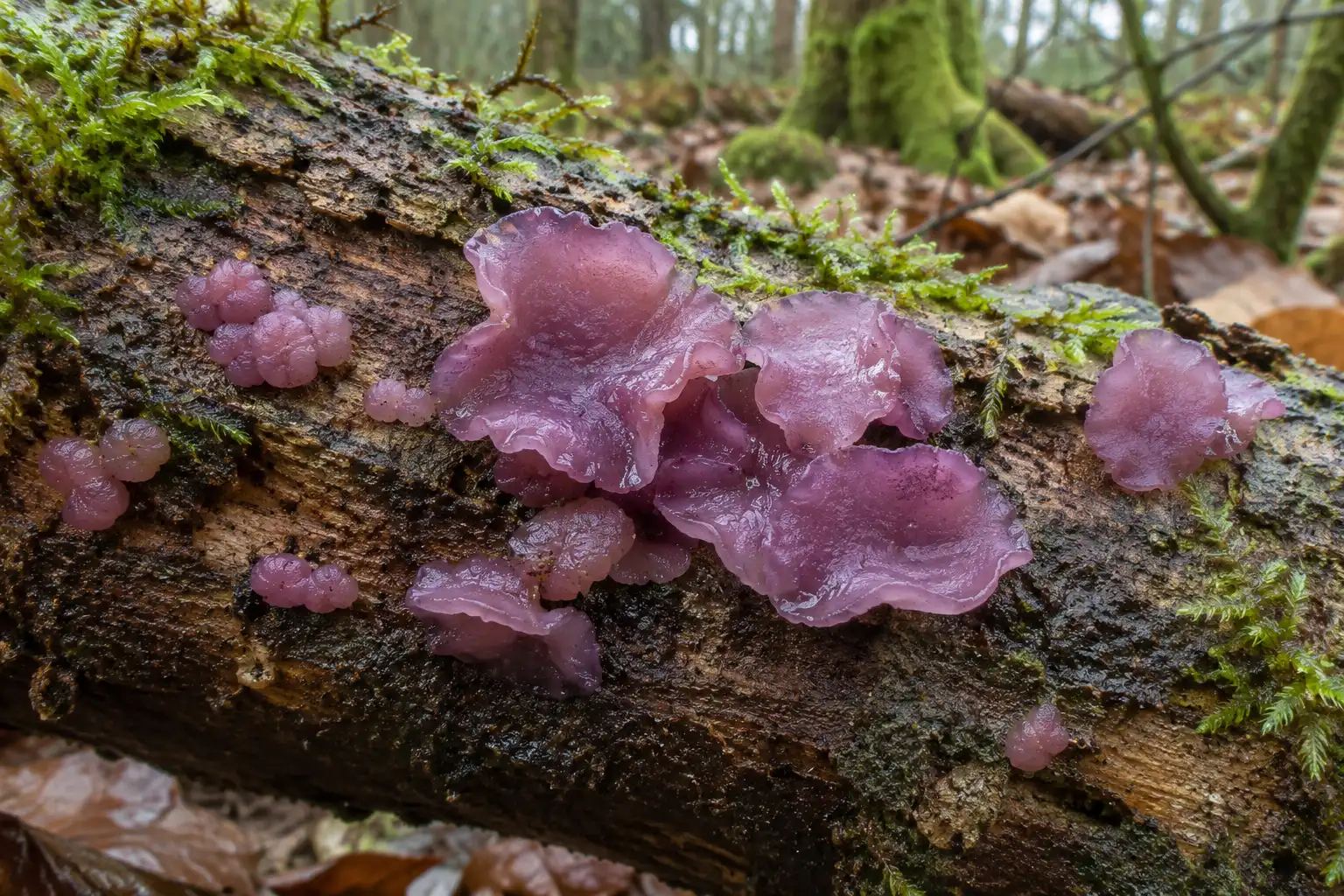
AI editorial macro image of small pink-violet purple jellydiscs on wet decaying hardwood, showing rounded cushions and irregular shallow cups

mushrooms

Purple Jellydisc: Ascocoryne sarcoides Field Guide

Document purple jellydisc by its tiny gelatinous violet cushions and cups, hardwood attachment, two fruiting states, microscopy, lookalikes, and decay context.

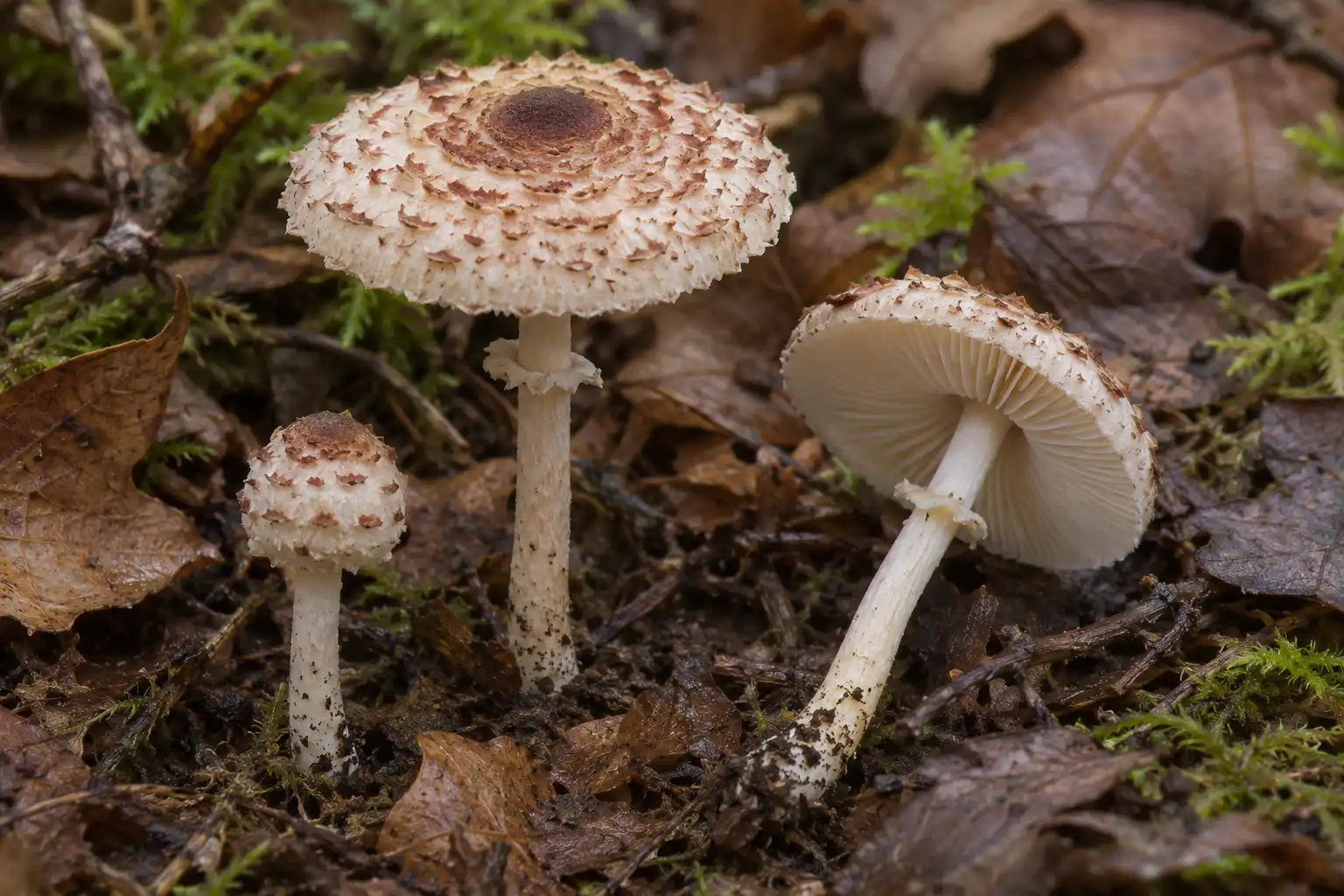
Original AI editorial image of three small stinking dapperlings with brown-scaled pale caps, free white gills, and ringed stems in damp leaf litter

mushrooms

Stinking Dapperling: Lepiota cristata Field Guide

Document Lepiota cristata by its small scaly cap, dark disc, free white gills, fragile ring, odor, litter habitat, spores, and hazardous Lepiota lookalikes.

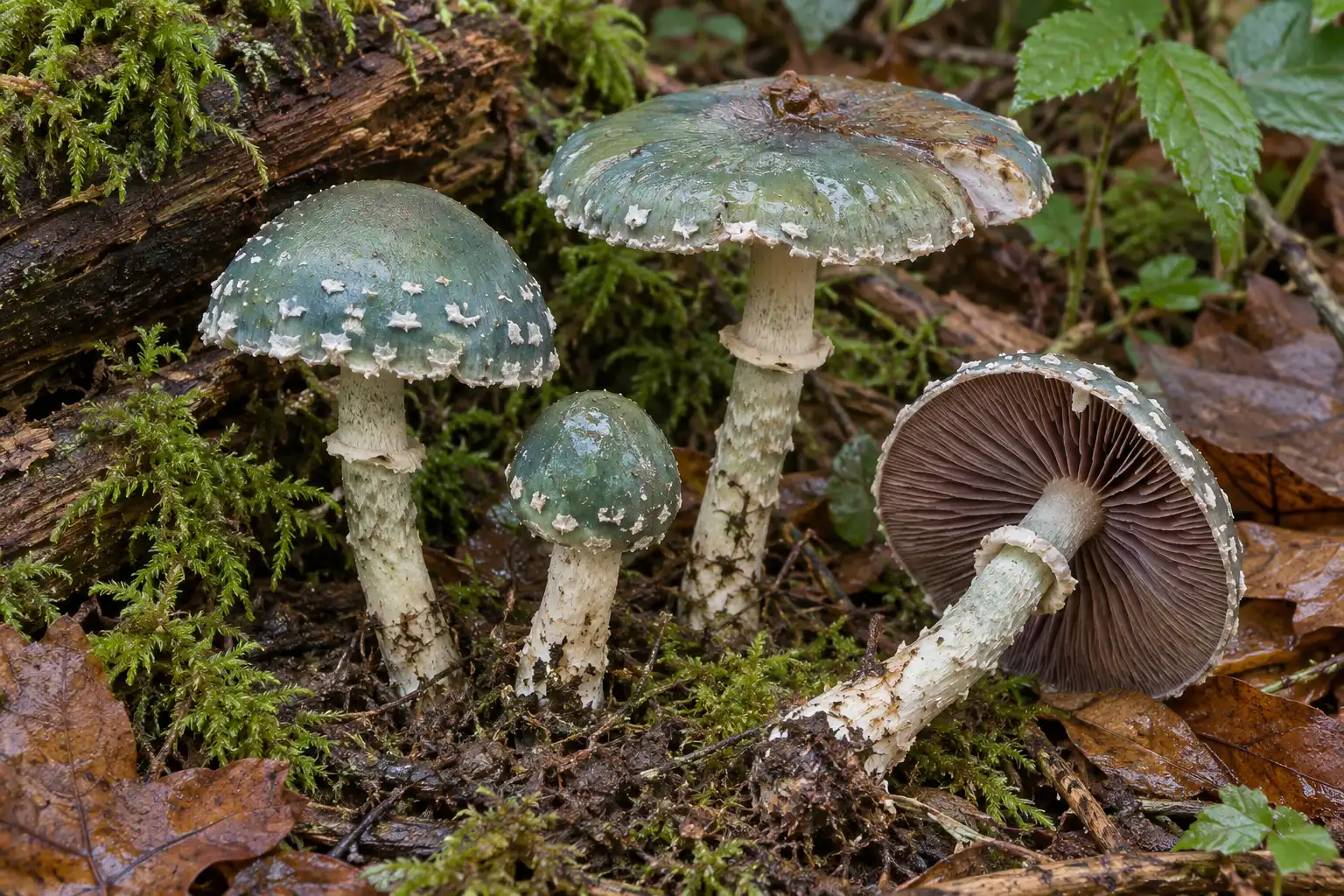
Original AI editorial image of blue-green verdigris agarics in damp woodland litter, showing white veil scales, rings, and mature dark gills

mushrooms

Verdigris Agaric: Blue-Green Caps, Veil Scales, and Dark Spores

Document verdigris agarics by slimy blue-green caps, white veil scales, ringed stems, purple-brown spores, litter habitat, and blue roundhead differences.

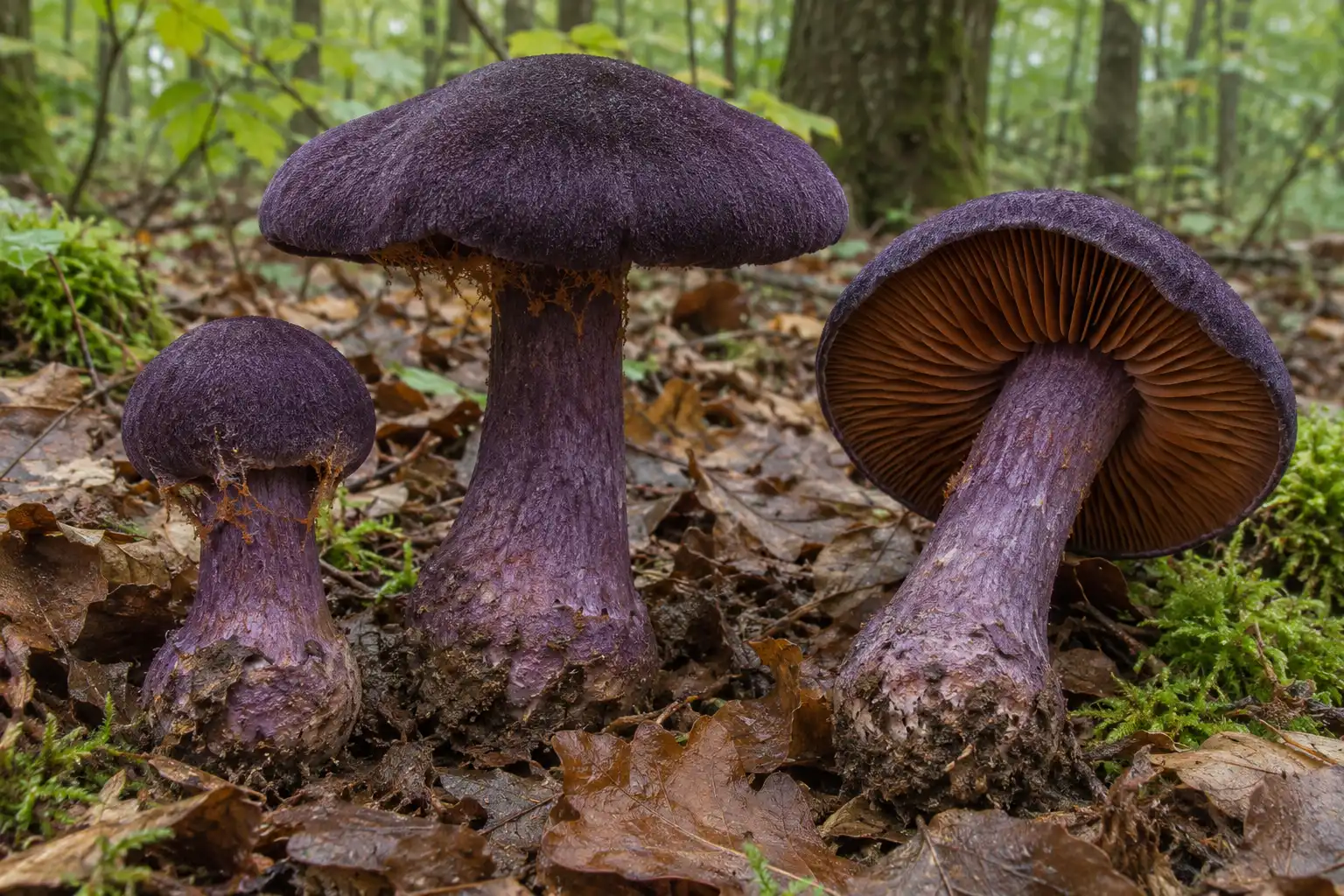
AI editorial image of three deep-violet webcaps in deciduous litter, showing velvety caps, swollen bases, cortina remnants, and rusty mature gills

mushrooms

Violet Webcap: Cortinarius violaceus Field Guide

Document violet webcap by its dry velvety purple cap, bulbous violet stem, cortina, rusty spores, woodland partners, lookalikes, and evidence limits.

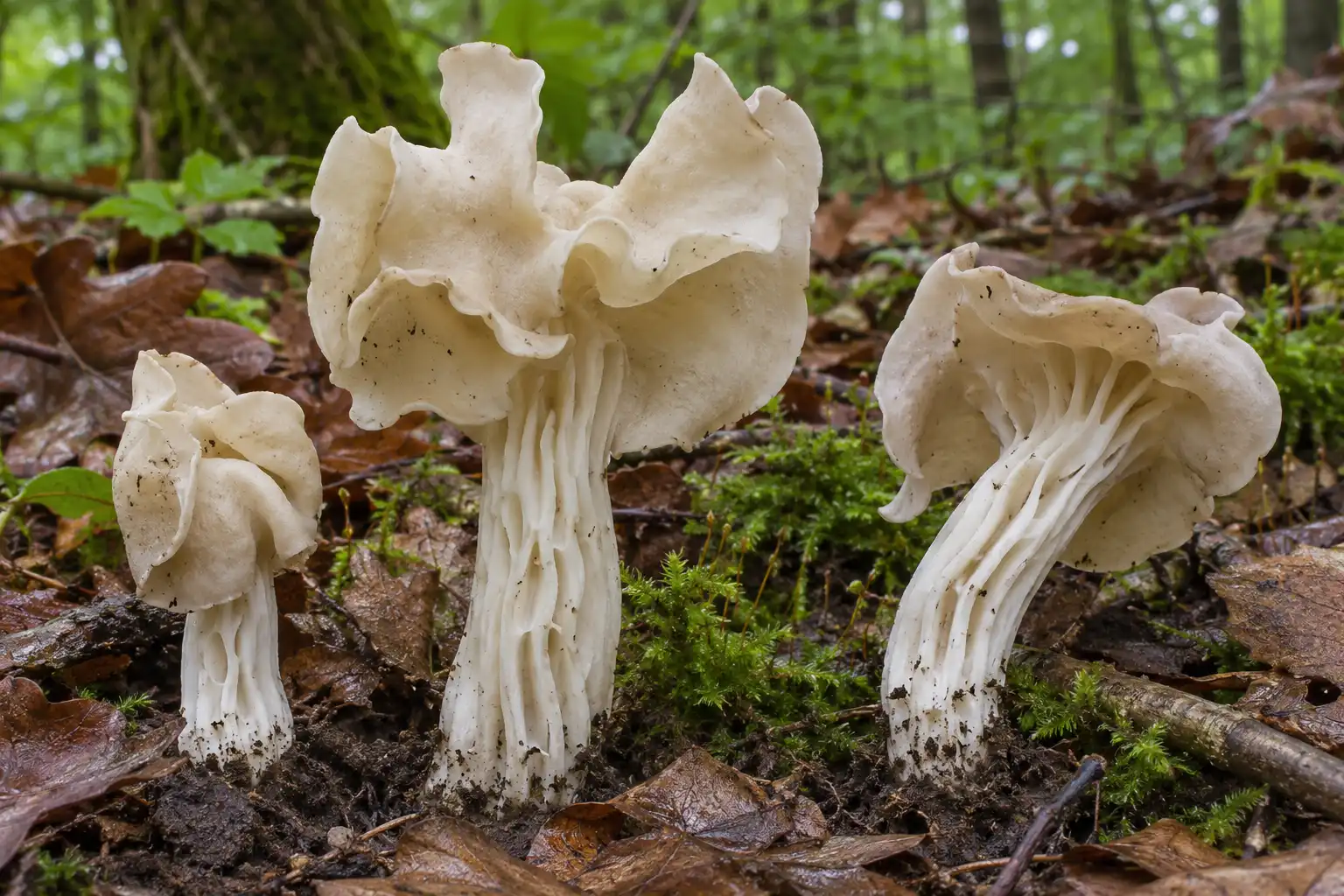
Original AI editorial image of three pale white saddle fungi with irregular lobed caps and deeply fluted stems in broadleaf litter

mushrooms

White Saddle Fungus: Fluted Stem, Lobed Cap, and Lookalikes

Document Helvella crispa by its pale folded cap, deeply fluted stem, woodland substrate, maturity changes, microscopic limits, and saddle-fungus lookalikes.

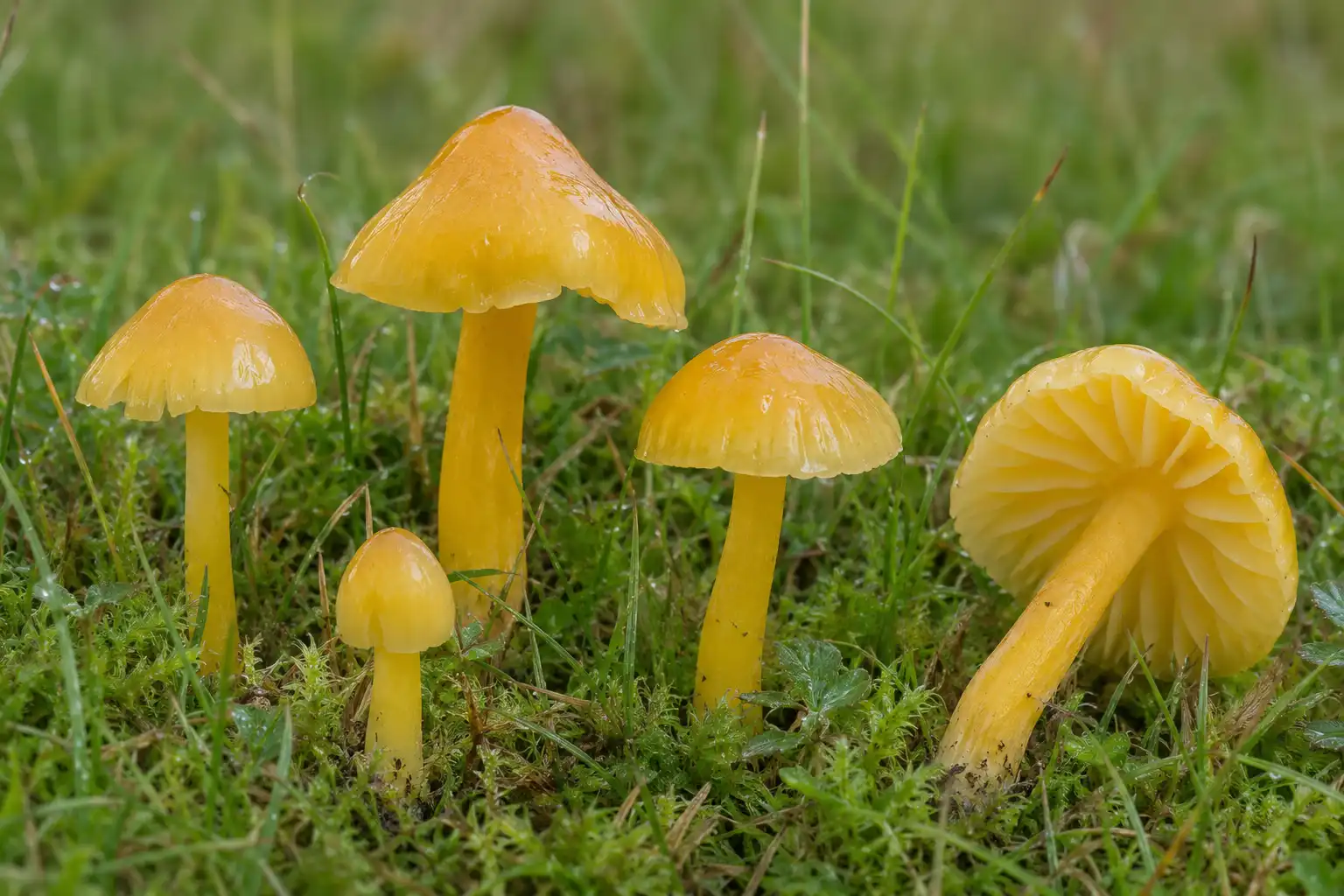
AI editorial image of small golden-yellow butter waxcaps in damp mossy grass, including one cap showing thick gills

mushrooms

Butter Waxcap: Hygrocybe ceracea Field Guide

Document butter waxcap through its small yellow waxy cap, thick gills, slender stem, grassland ecology, lookalikes, and repeatable field records.

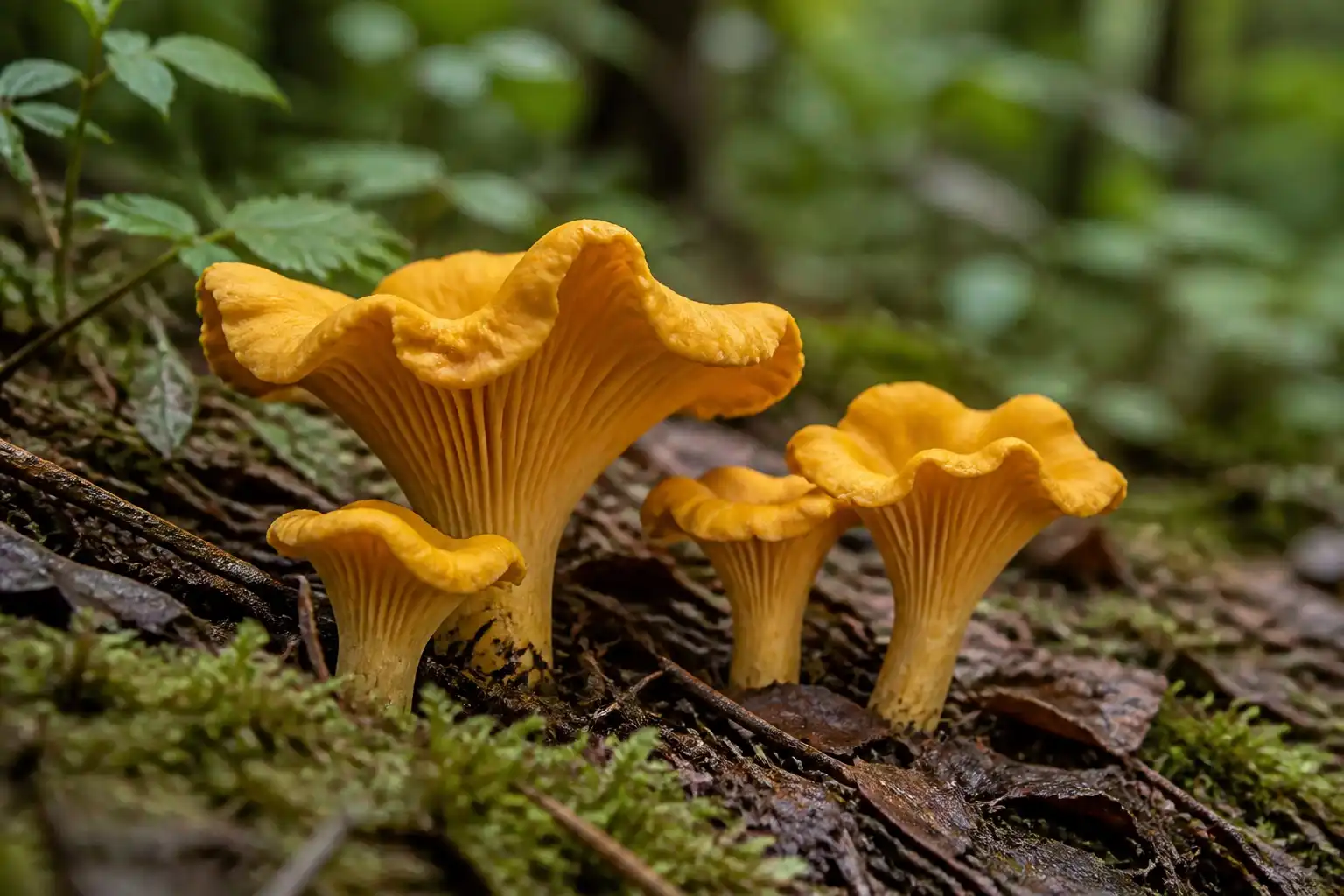
Golden chanterelles with wavy caps and blunt decurrent ridges growing among moss and woodland leaf litter

mushrooms

Cantharellus cibarius: Chanterelle Identification Guide

Learn chanterelle identification, false gills, habitat, season, poisonous lookalikes, edibility, nutrition, and why wild finds need local verification.

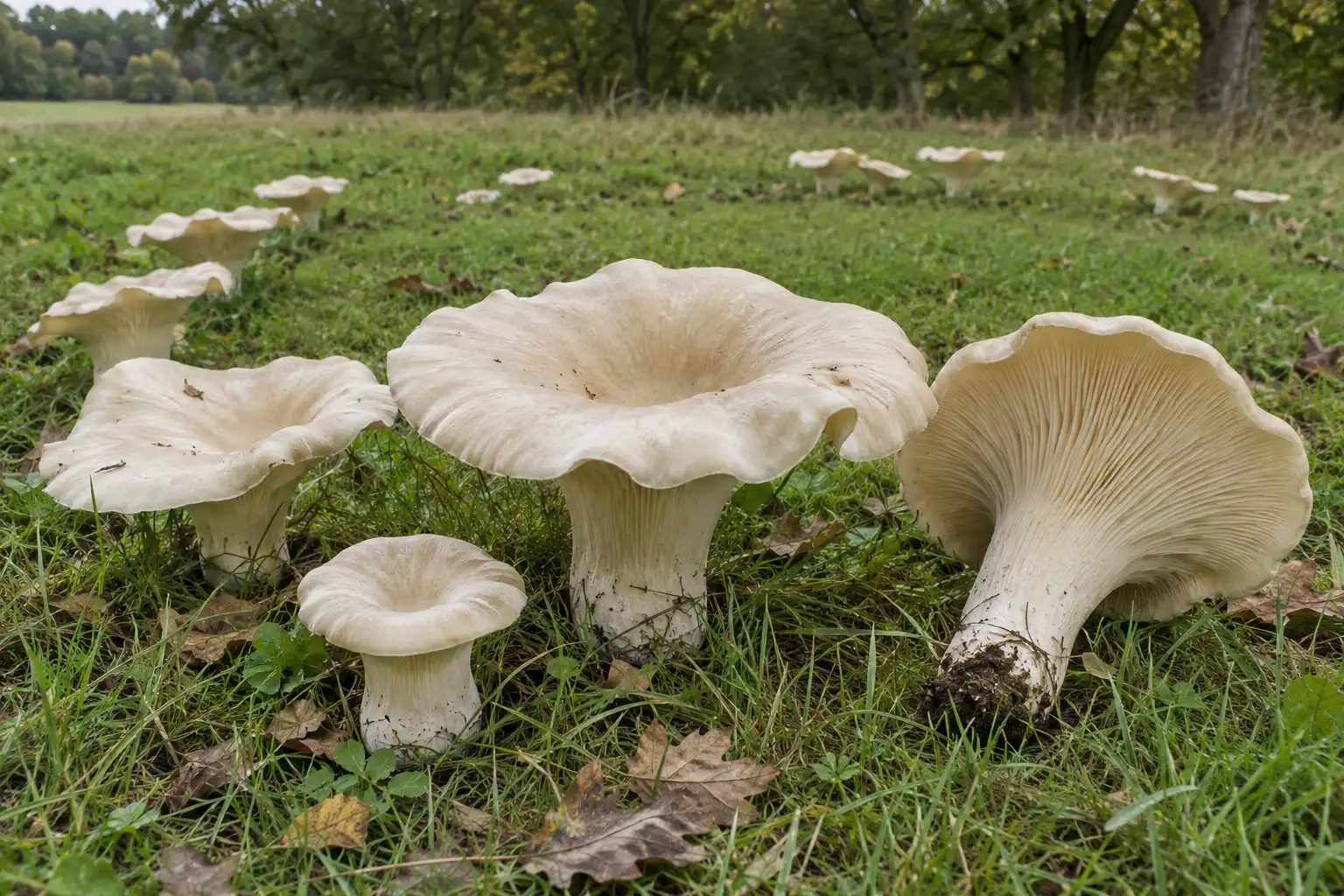
AI editorial image of large cream giant funnels in a grassland arc, including one mushroom showing crowded decurrent gills

mushrooms

Giant Funnel: Leucopaxillus giganteus Field Guide

Document giant funnel through its broad cream funnel, decurrent crowded gills, stout stem, grassland rings, lookalikes, and conservative field methods.

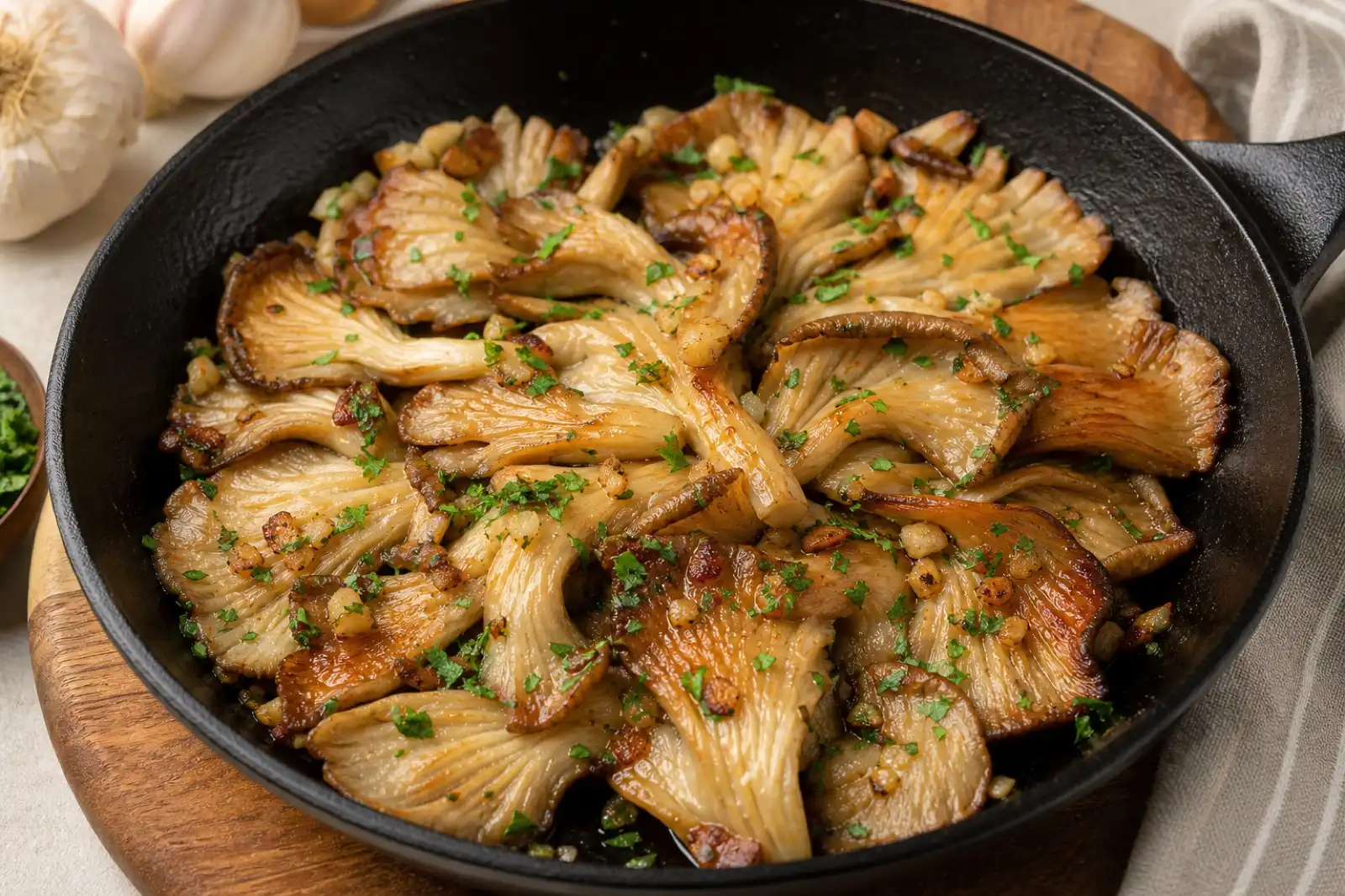
Garlic butter oyster mushrooms browned in a cast-iron skillet

recipes

Garlic Butter Oyster Mushrooms

Make garlic butter oyster mushrooms with cultivated oyster mushrooms, clear steps, practical substitutions, and conservative food-safety guidance.

Cultivated mushroom samples on a clinical evaluation tray with gloves and caution symbol

health

Mushroom Allergy Symptoms, Other Reactions, and Urgent Care

Symptoms after mushrooms may reflect allergy, foodborne illness, toxic exposure, or workplace sensitization. Learn emergency signs and what details to record.

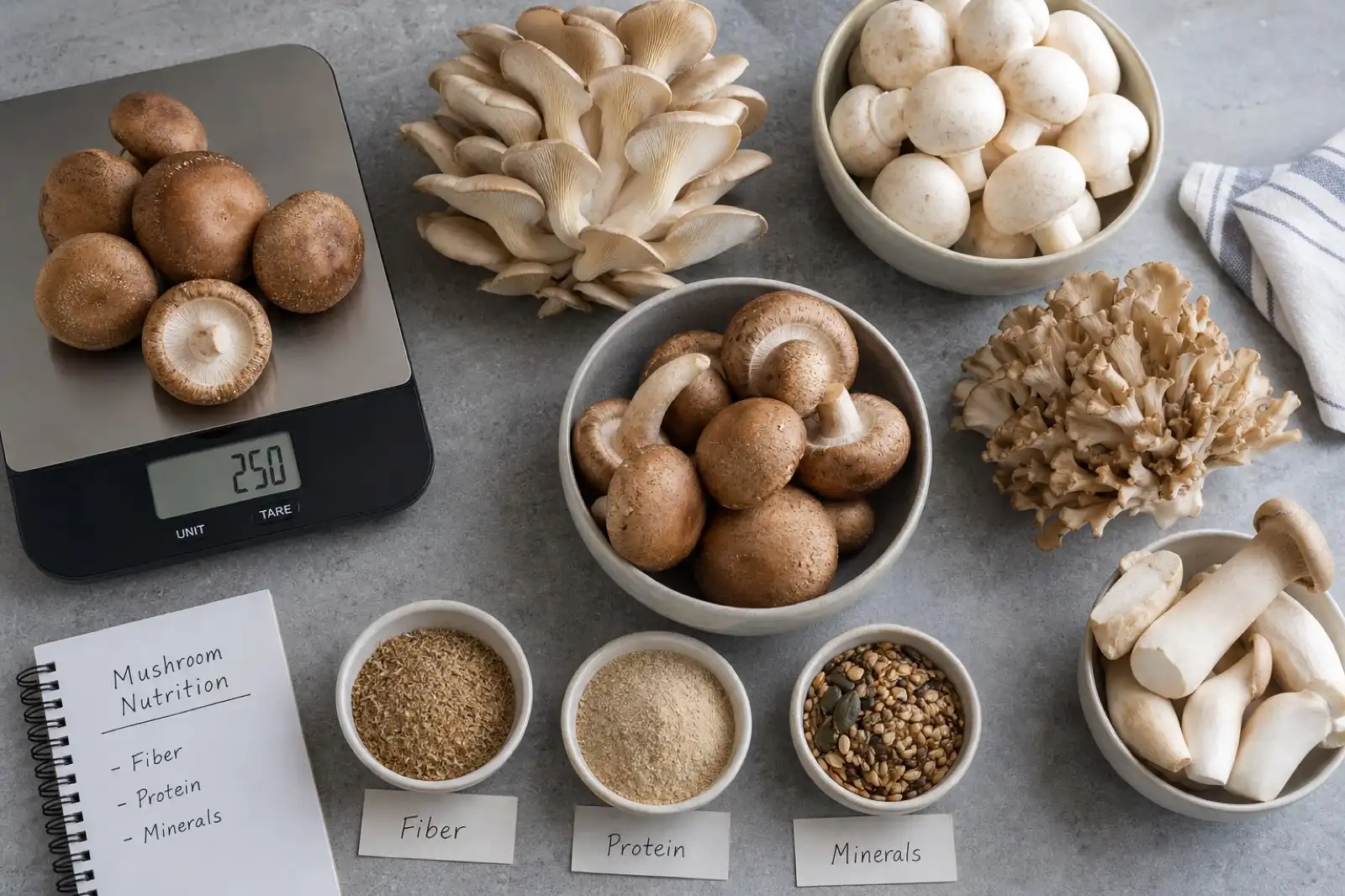
Assorted cultivated mushrooms arranged for a nutrition overview

health

Mushroom Nutrition: Fiber, Protein, Calories, and Vitamins

Are mushrooms a source of fiber or protein? Compare calories, fiber, protein, vitamins, food forms, serving sizes, and preparation without overstating benefits.

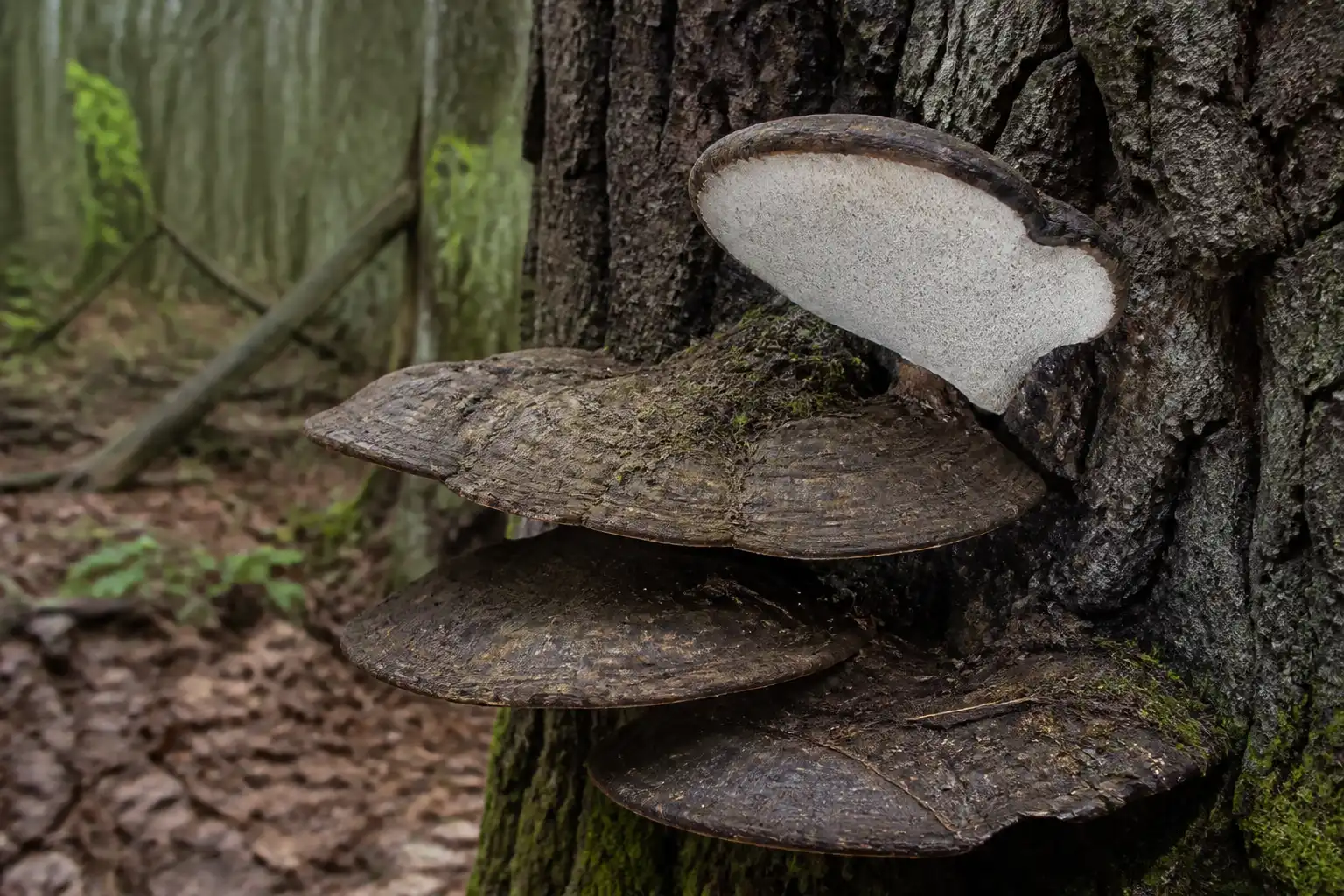
Dull brown artist's conk brackets on a hardwood trunk, with one bracket showing its pale pore surface

mushrooms

Ganoderma applanatum: Artist’s conk Species Guide

Learn Artist’s conk identification, habitat, season, lookalikes, safety, food context, and cultivation limits with current taxonomy and sources.

Browse all published guides →