What this section covers
Useful scope
Guides teach repeatable observation of the complete fruit body, including cap, underside, stem base, substrate, habitat, spore deposit, season, and geographic context.
MushroomScope library
Build methodical identification skills with practical, safety-first field guides.
What this section covers
Guides teach repeatable observation of the complete fruit body, including cap, underside, stem base, substrate, habitat, spore deposit, season, and geographic context.
Editorial method
Each guide separates useful field characters from variable or weak clues and explains when microscopy, chemical tests, DNA, or local expertise may be necessary.
Important limit
Identification guides support learning, not consumption decisions. Keep the complete specimen and seek qualified local examination.
Recommended clusters
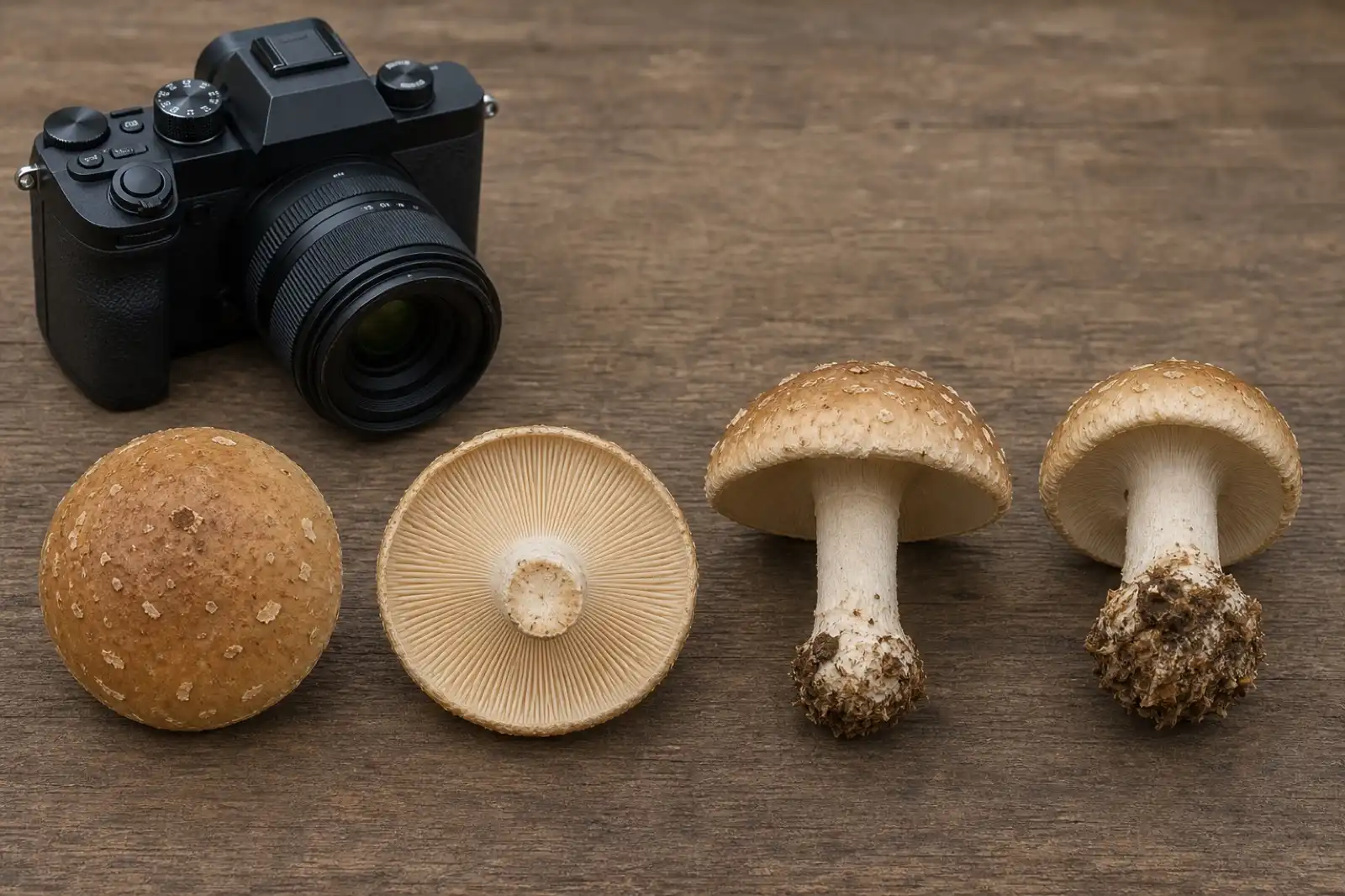
identification
Capture the cap, underside, complete stem base, habitat, scale, and specimens at different ages before asking for identification help.
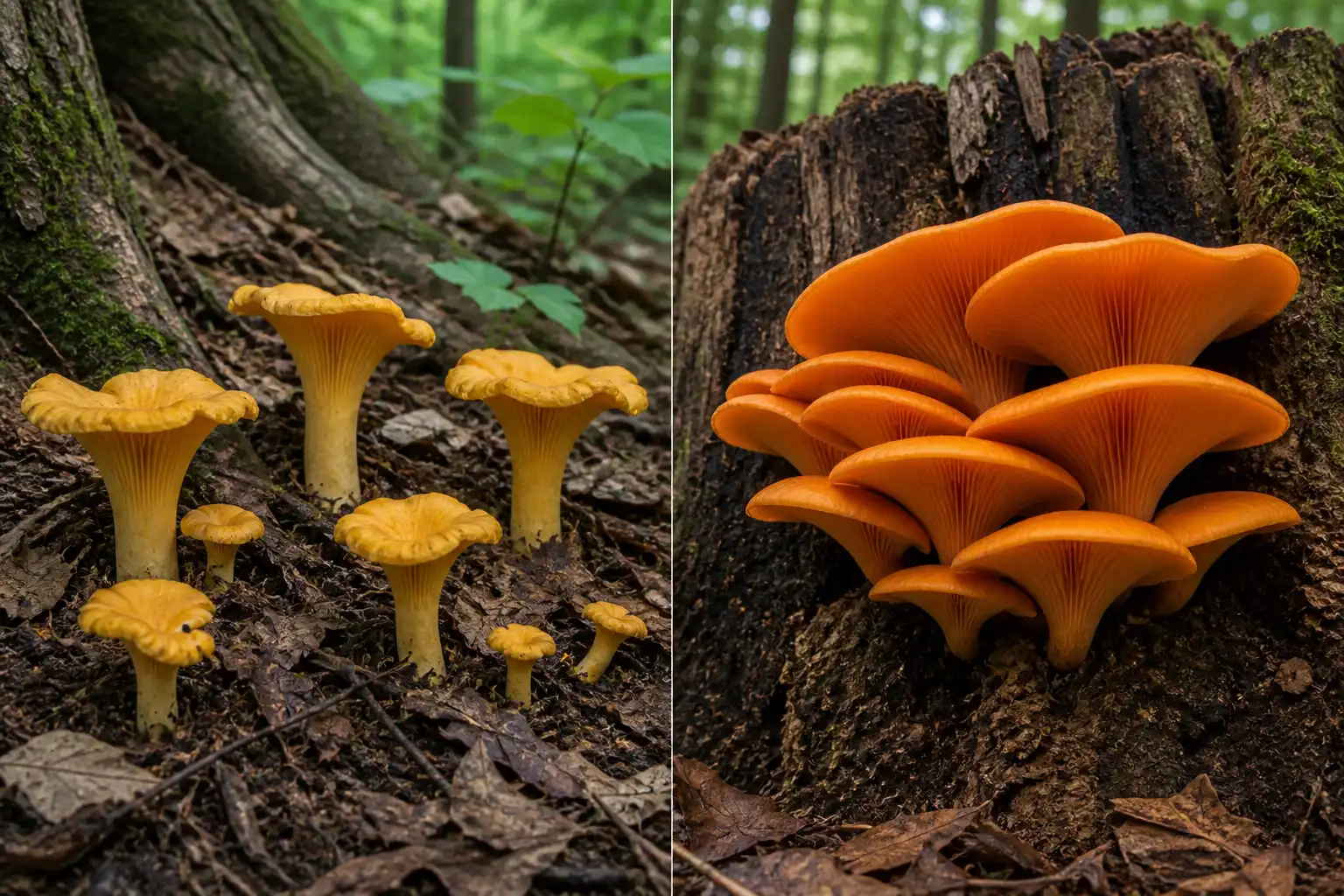
identification
Compare ridge-like folds, growth pattern, color, interior tissue, and habitat without treating an online comparison as an edibility verdict.
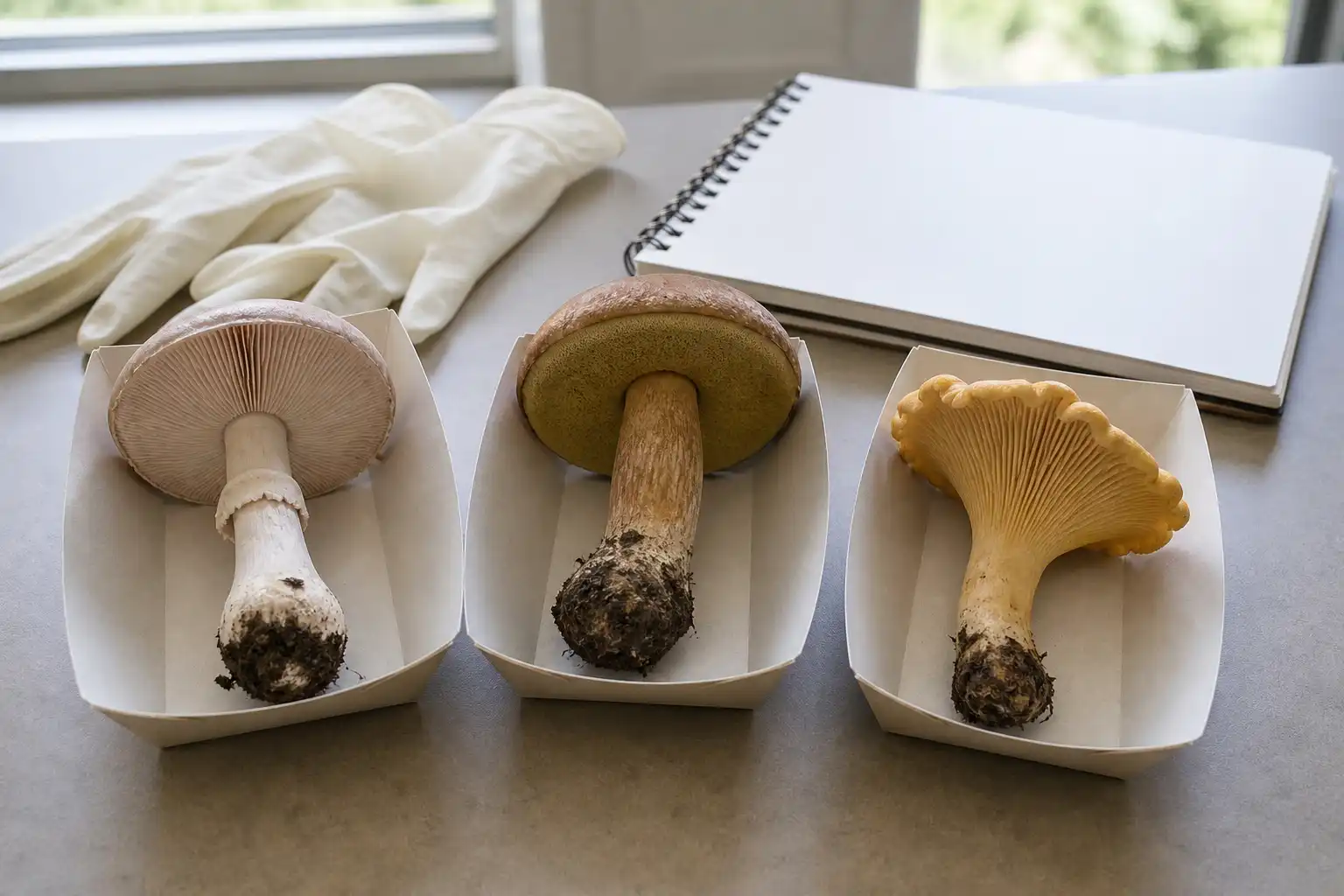
identification
Compare edible mushroom lookalikes by complete structure, habitat, development, and regional evidence without treating a web page as eating clearance.
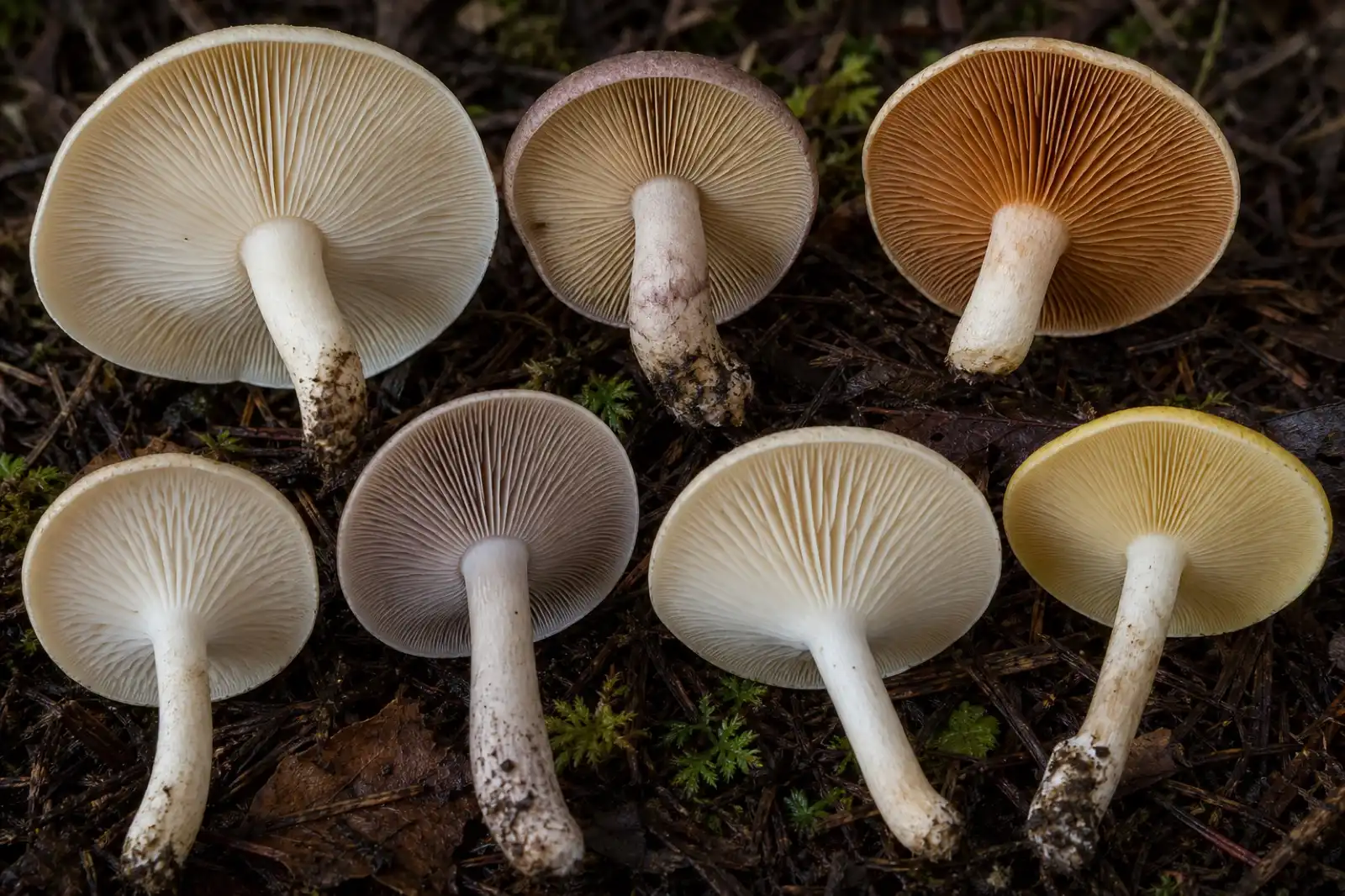
identification
Compare free, attached, notched, adnate, and decurrent mushroom gills while recording spacing, short gills, edge details, bruising, and color changes.
identification
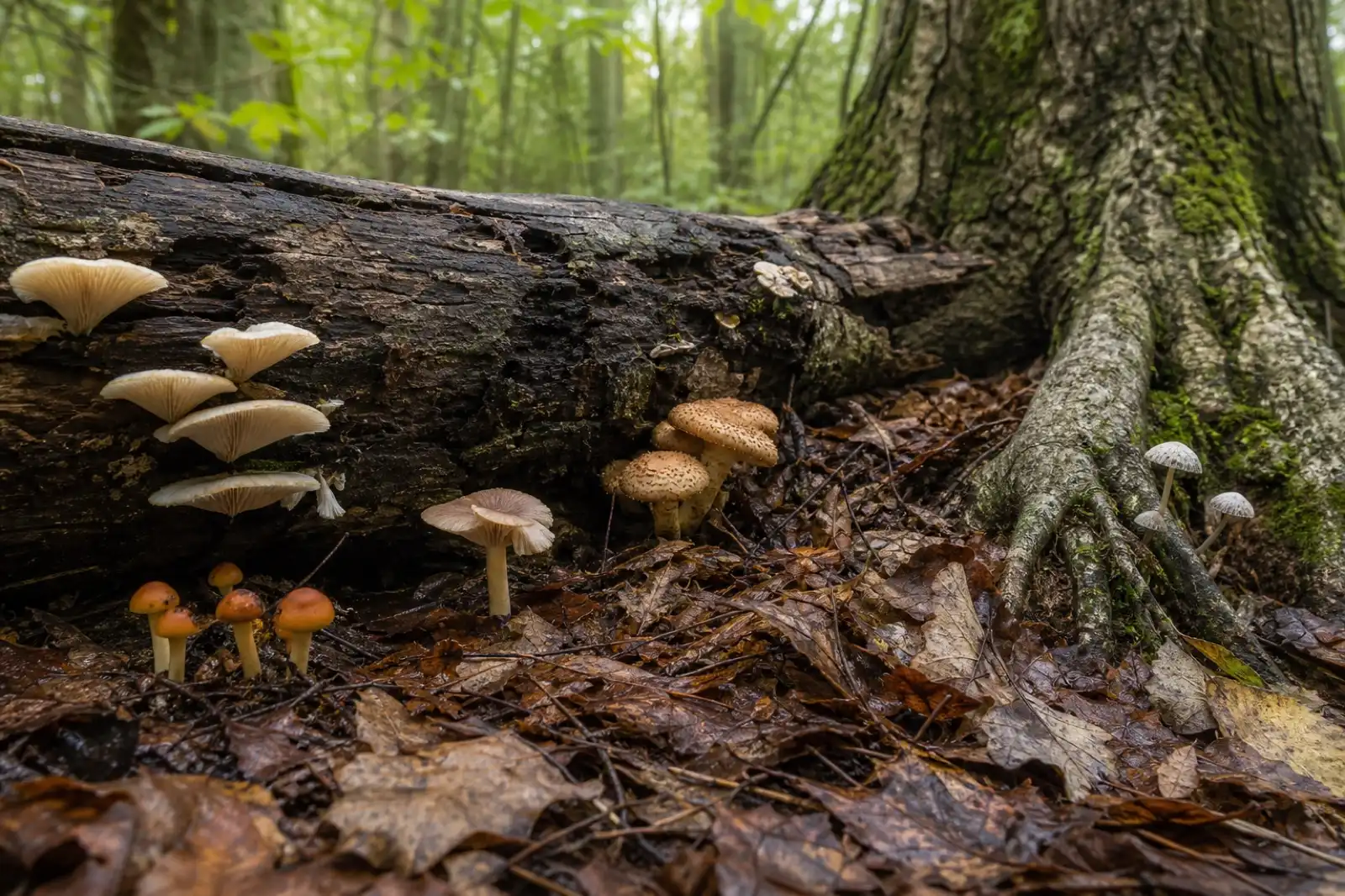
Record substrate, associated plants, soil, wood type, moisture, elevation, and fruiting pattern as identification evidence.
identification
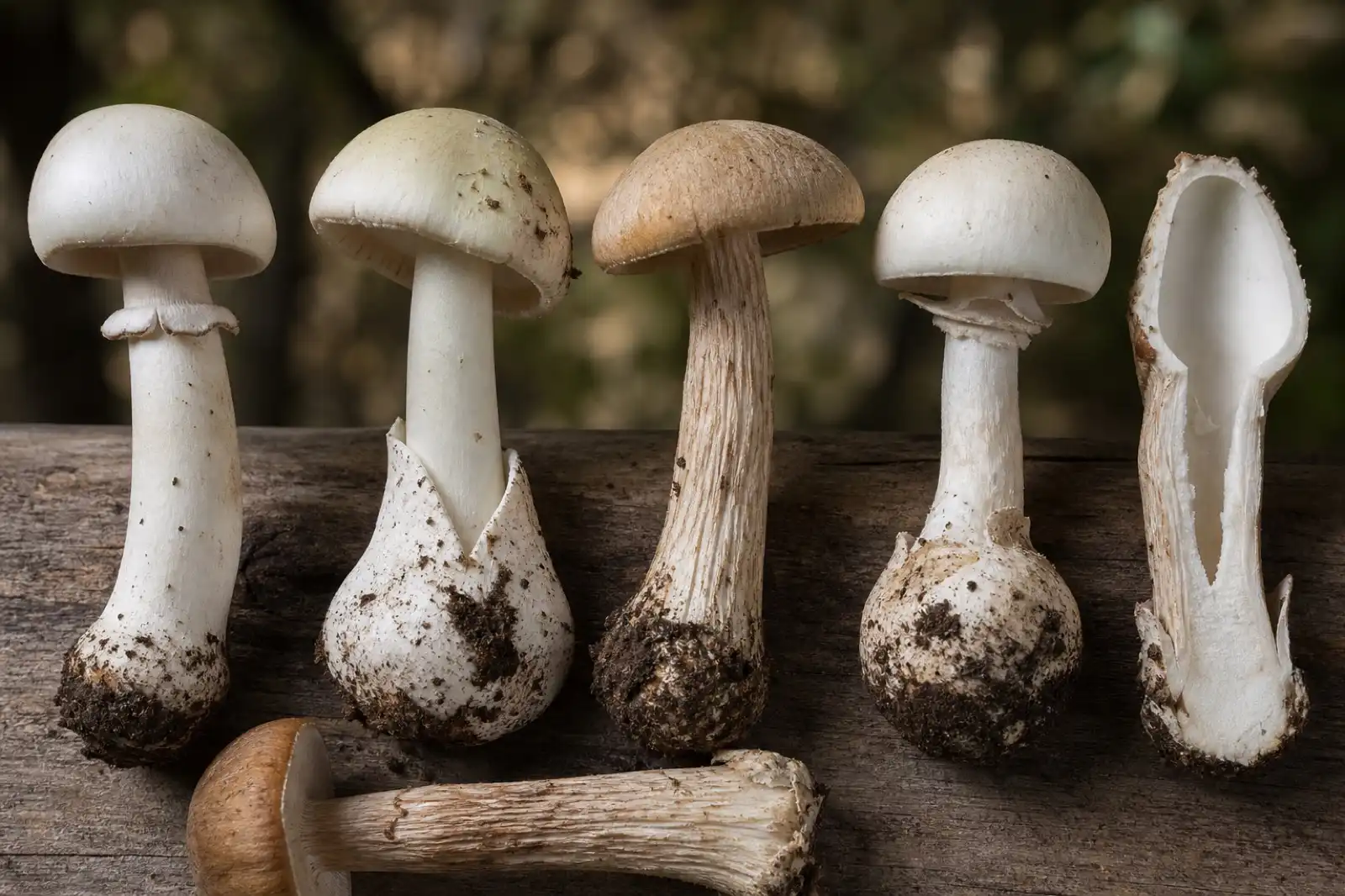
Document mushroom stem shape, attachment, rings, volvas, buried bases, internal structure, bruising, and texture without using one feature to decide edibility.
identification
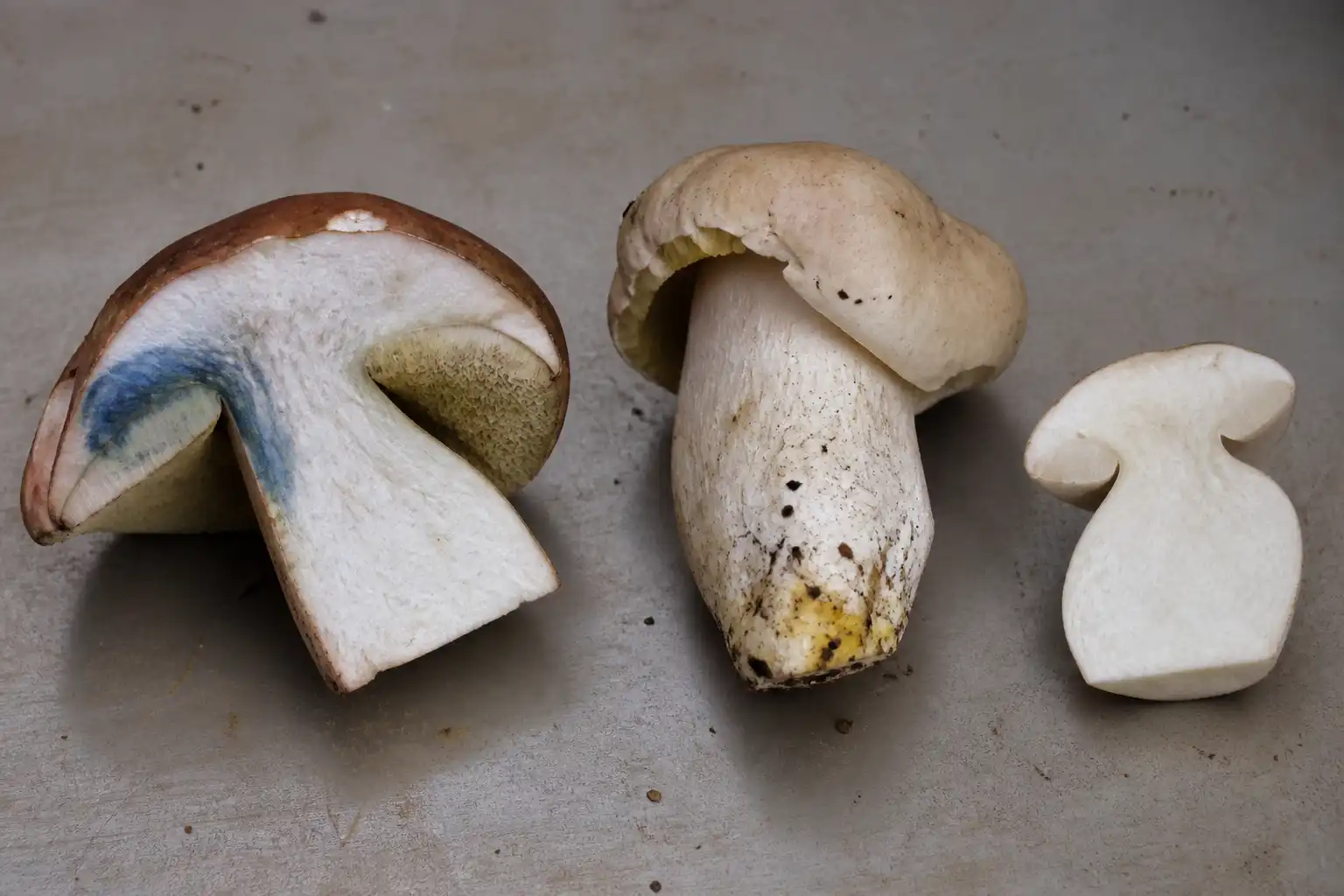
Document mushroom bruising by location, trigger, timing, and color while separating oxidation from age, spores, latex, and damage.
identification
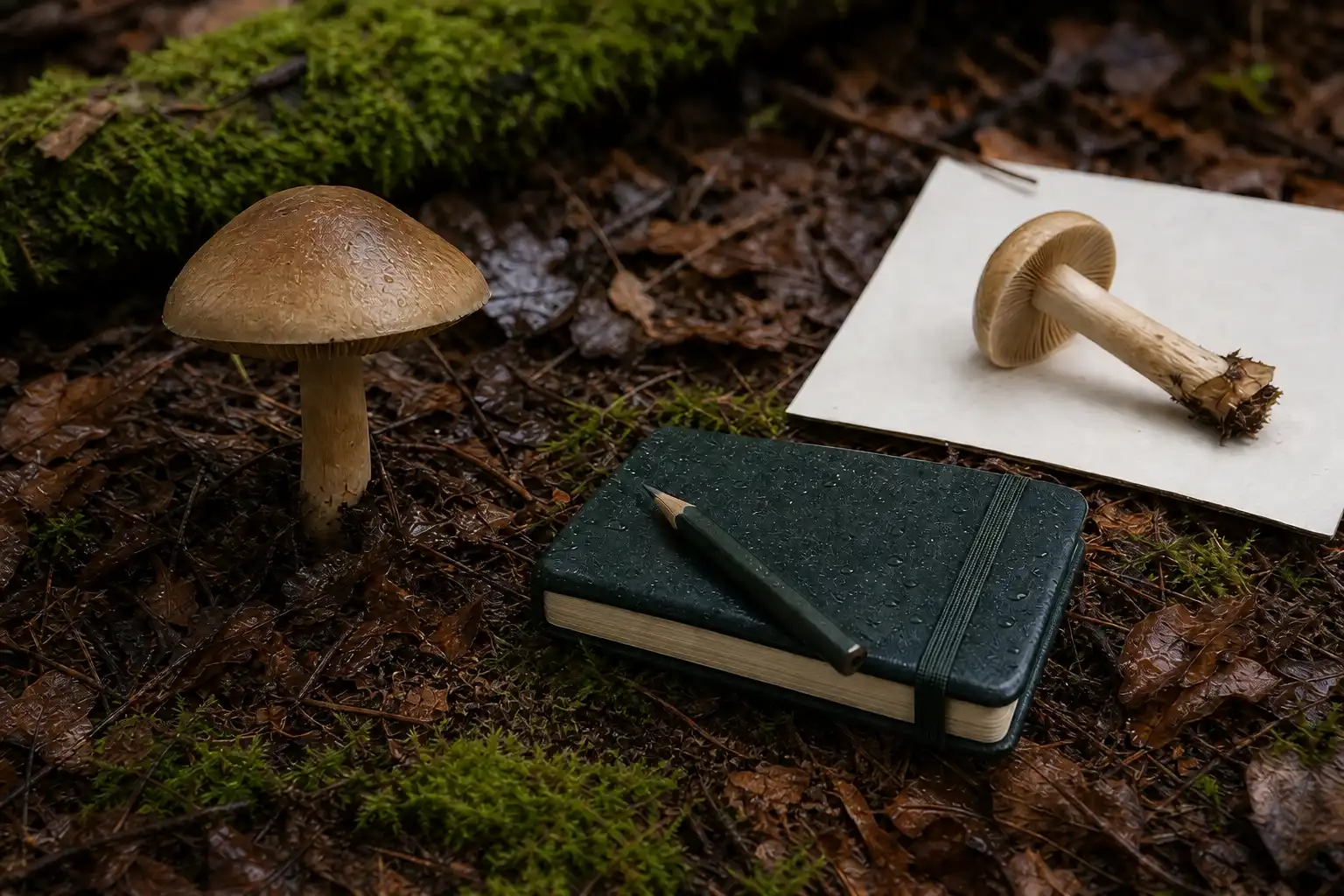
Learn to record mushroom odor safely, compare fresh and cut tissue, control for handling, and never treat smell as an identification or edibility test.
identification
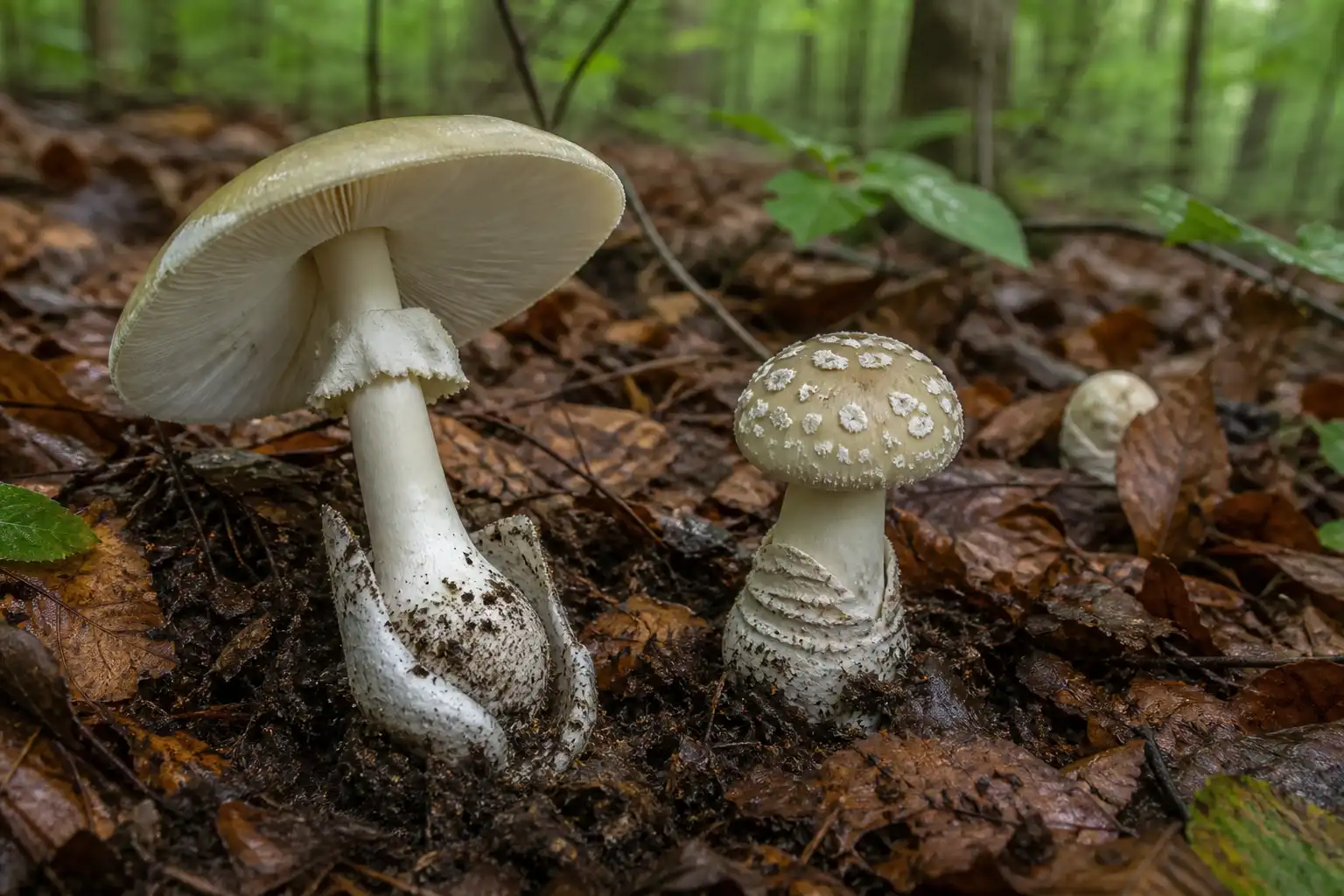
Document Amanita using veils, complete stem bases, free gills, white spores, tree ecology, regional keys, and strict no-consumption safety limits.
identification
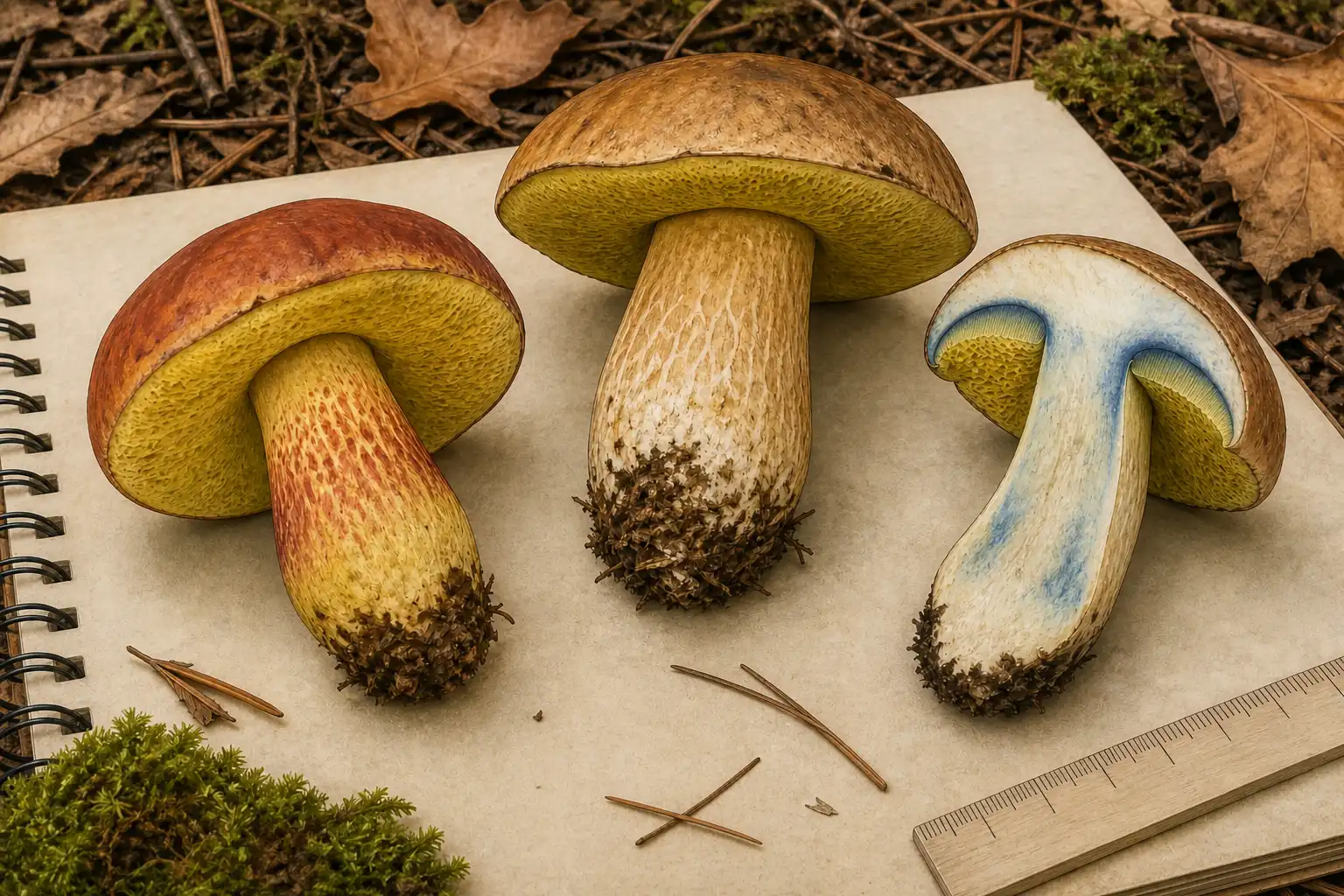
Learn how to document a bolete's pores, flesh staining, stem, habitat, and lookalikes without treating any one feature as an edibility test.
identification
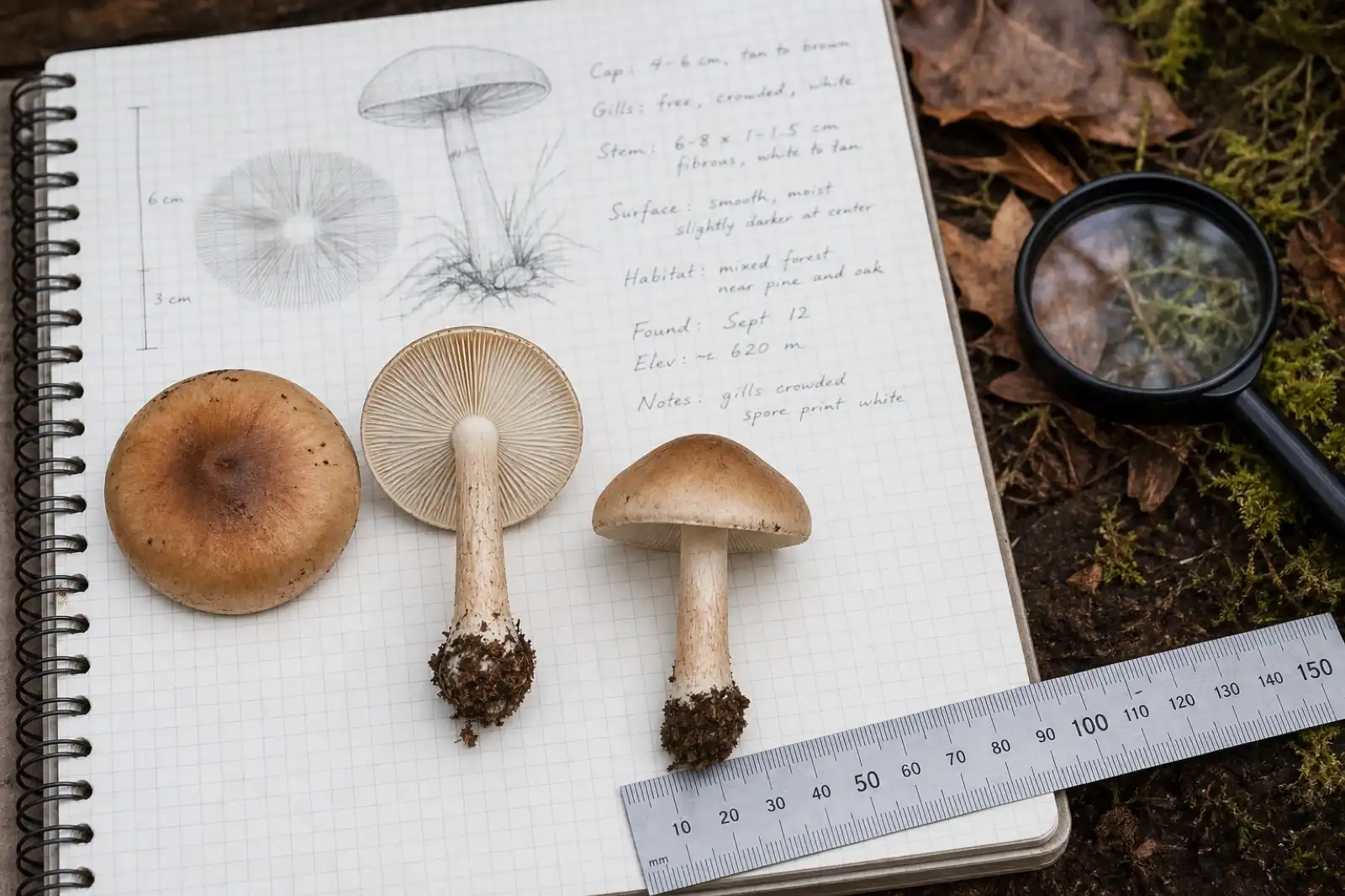
Build an identification from the whole specimen, substrate, habitat, spore deposit, and location—not from a single photograph.
identification
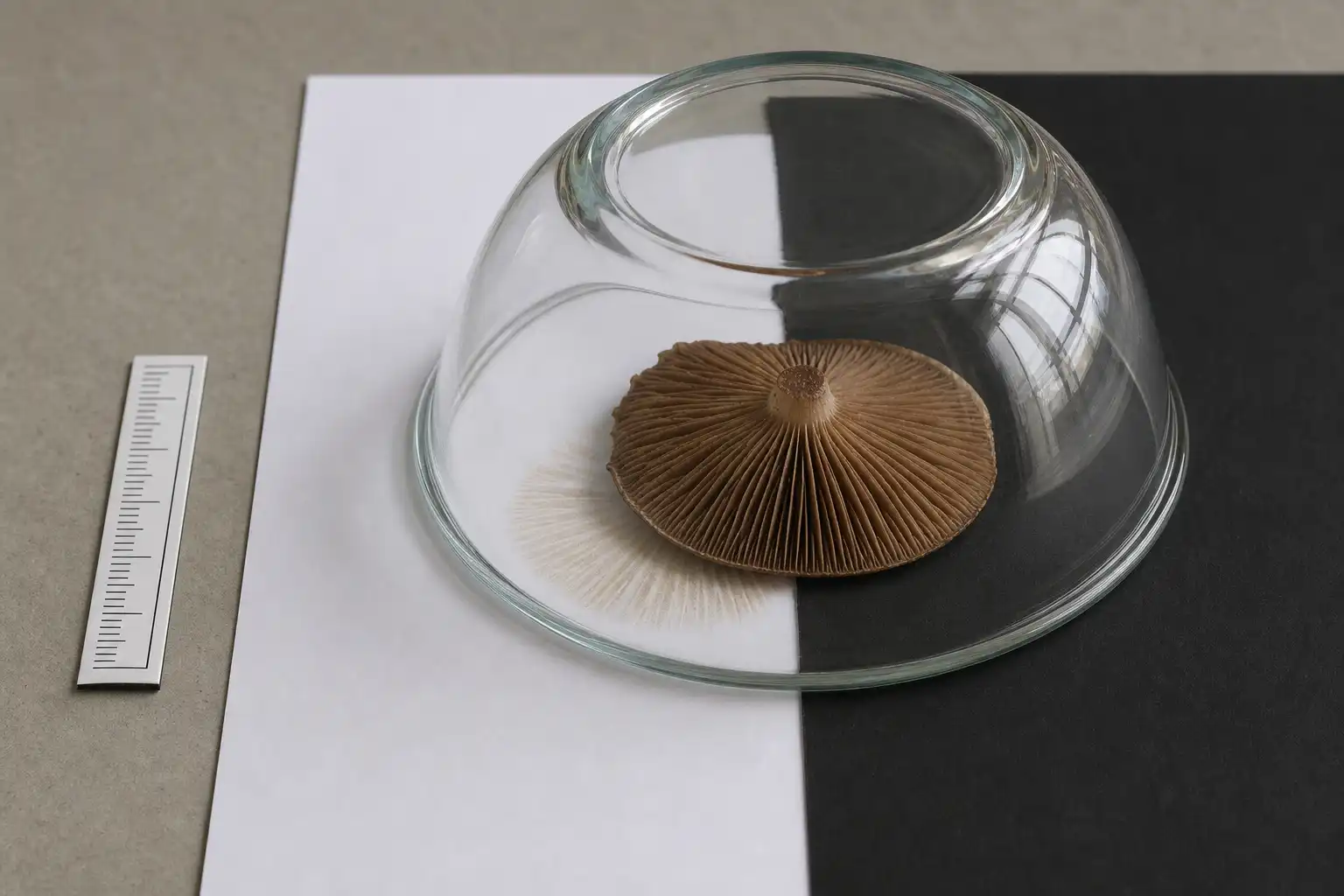
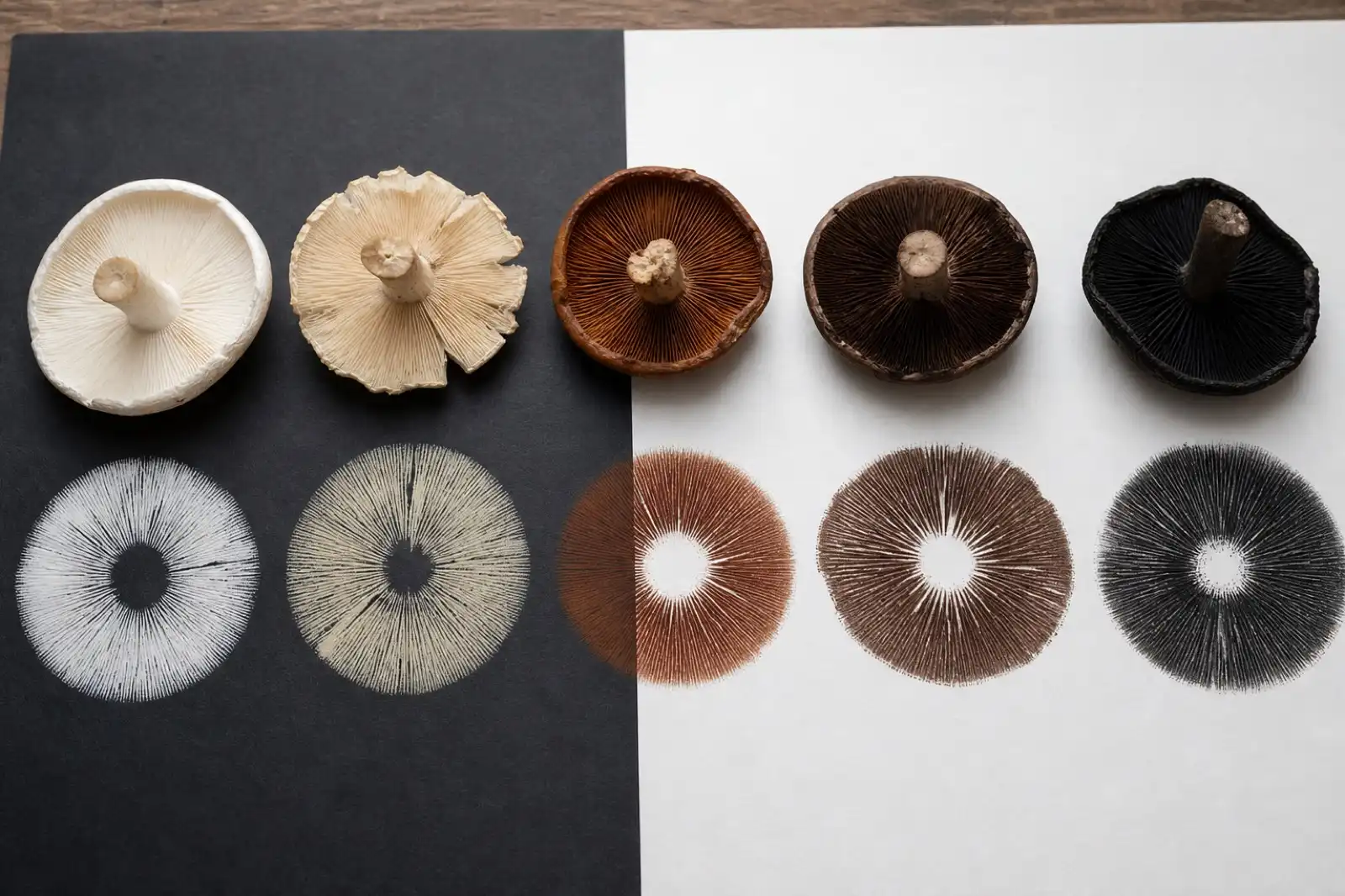
Make a controlled mushroom spore print, record the result clearly, and understand why a print supports—but never proves—an identification.
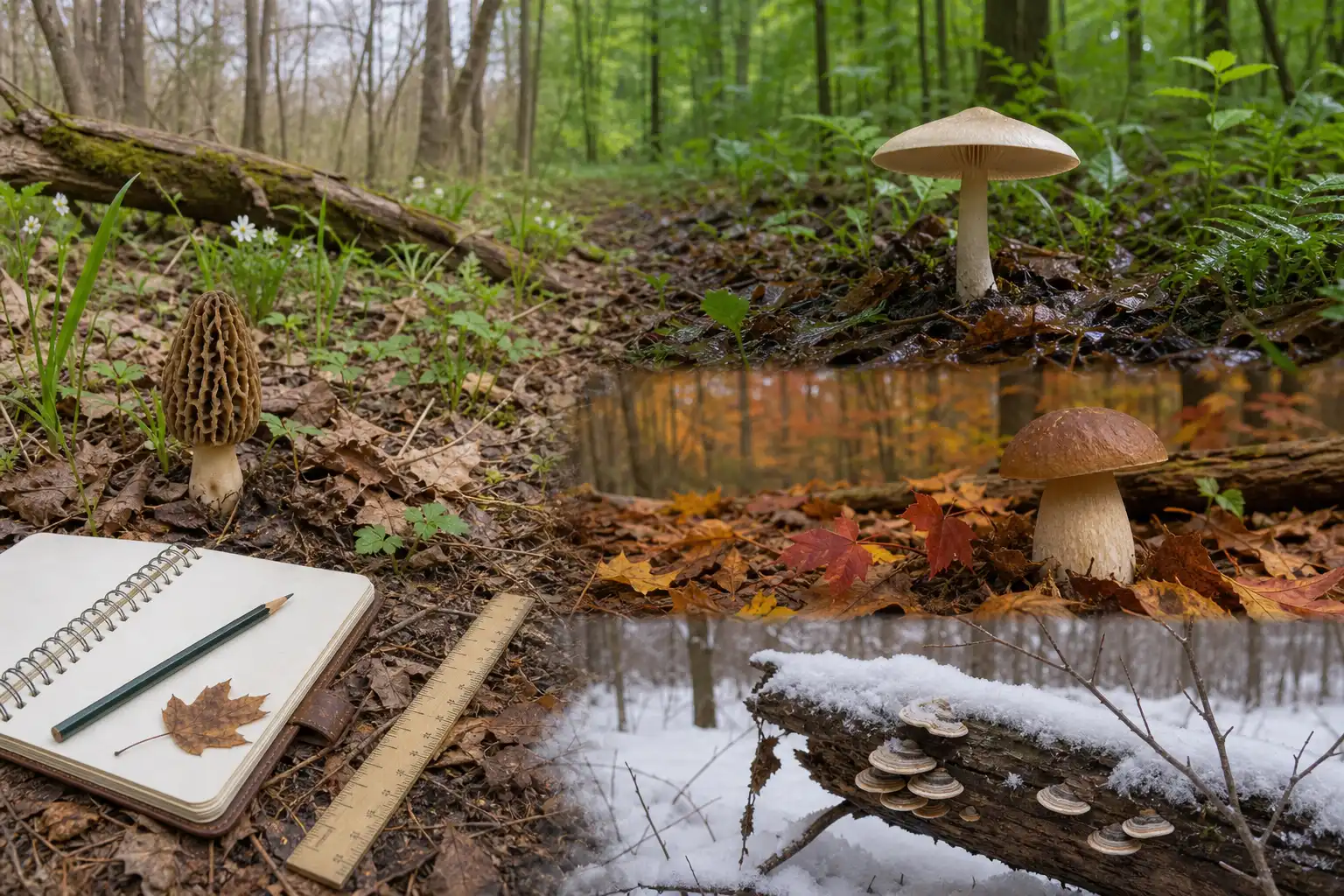
identification
Use season, weather, habitat, and repeat field notes to plan mushroom observations without treating a seasonal window as an identification or edibility test.
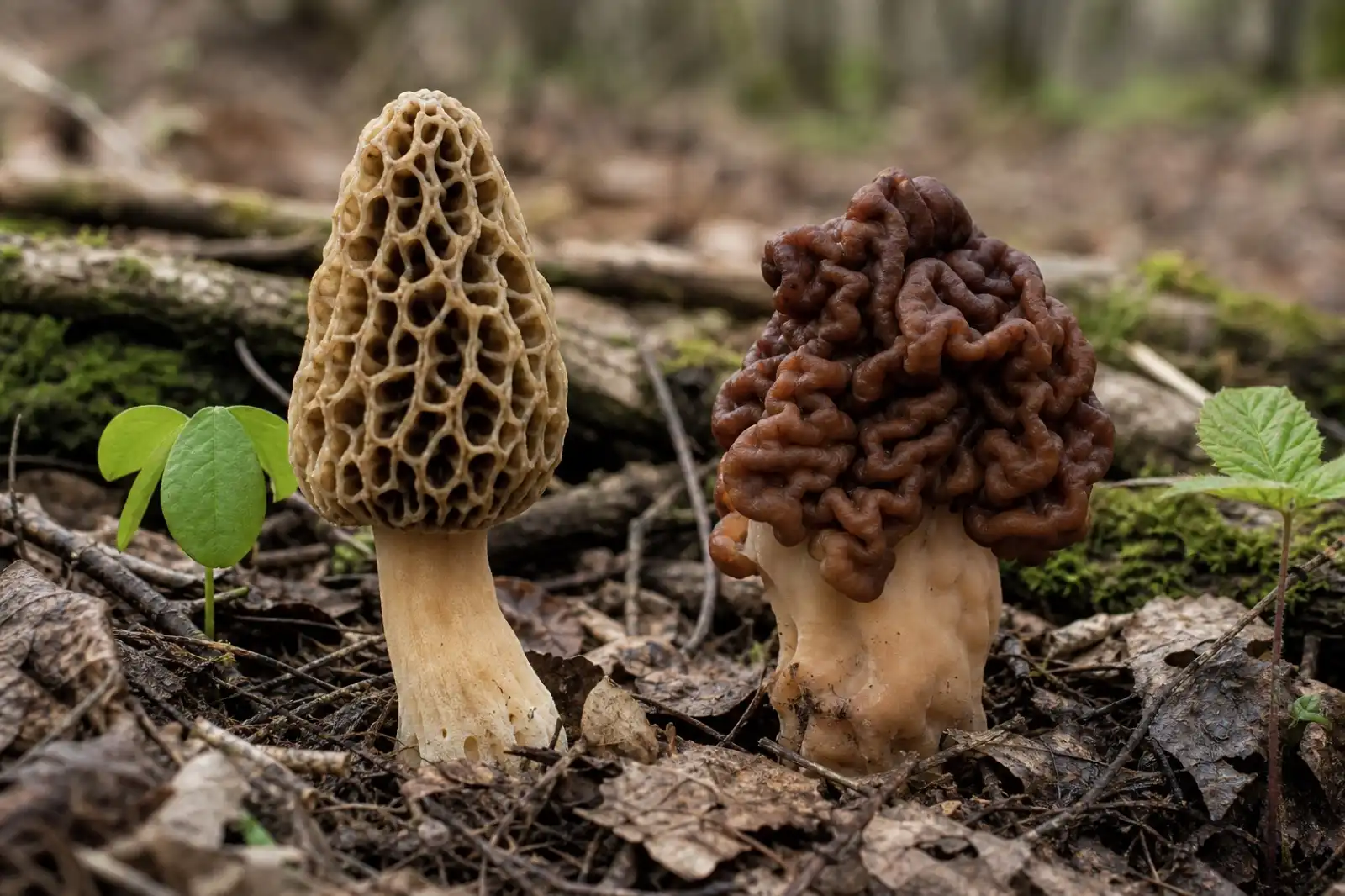
identification
Compare cap attachment, internal structure, folds, habitat, and season while treating every uncertain specimen as unsafe.
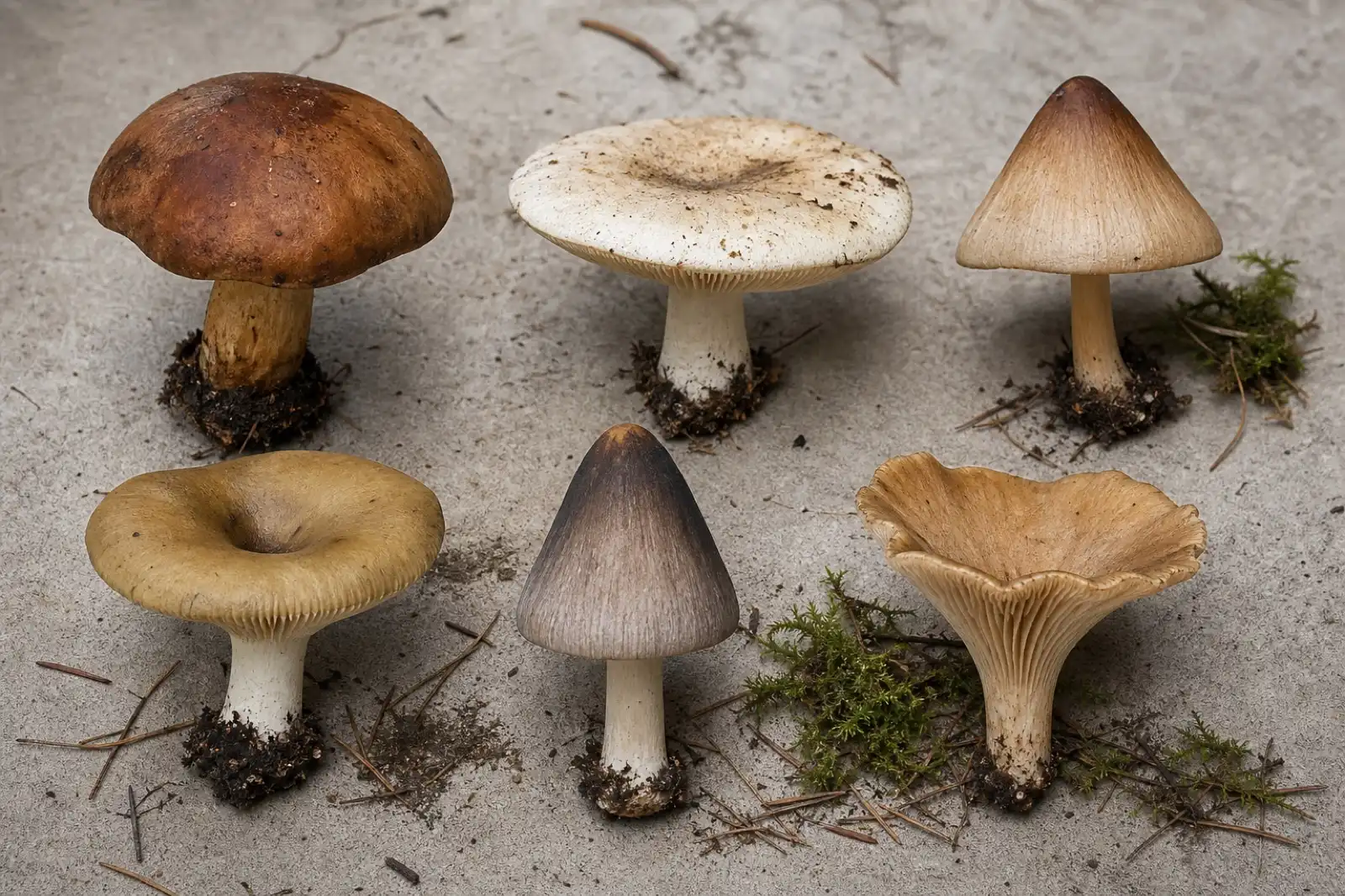
identification
Compare mushroom cap shapes from convex and bell-shaped to flat, depressed, funnel-shaped, and uplifted, while recording age, margin, surface, and profile.
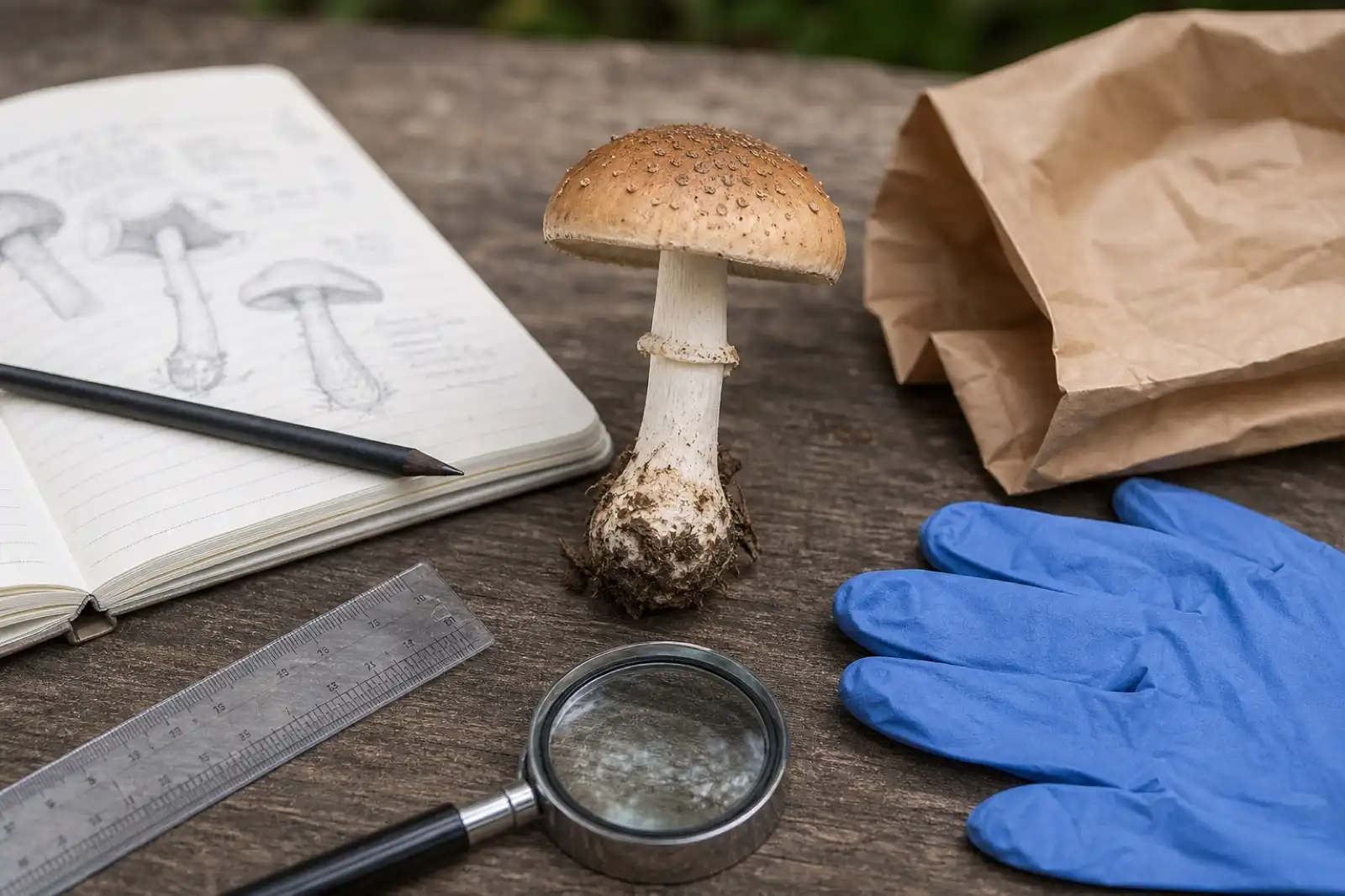
identification
Use a conservative checklist before handling, documenting, or discussing any wild mushroom, especially when edibility is being considered.
identification
Use a controlled spore deposit to distinguish broad color groups while recognizing that print color alone never identifies a species.
identification
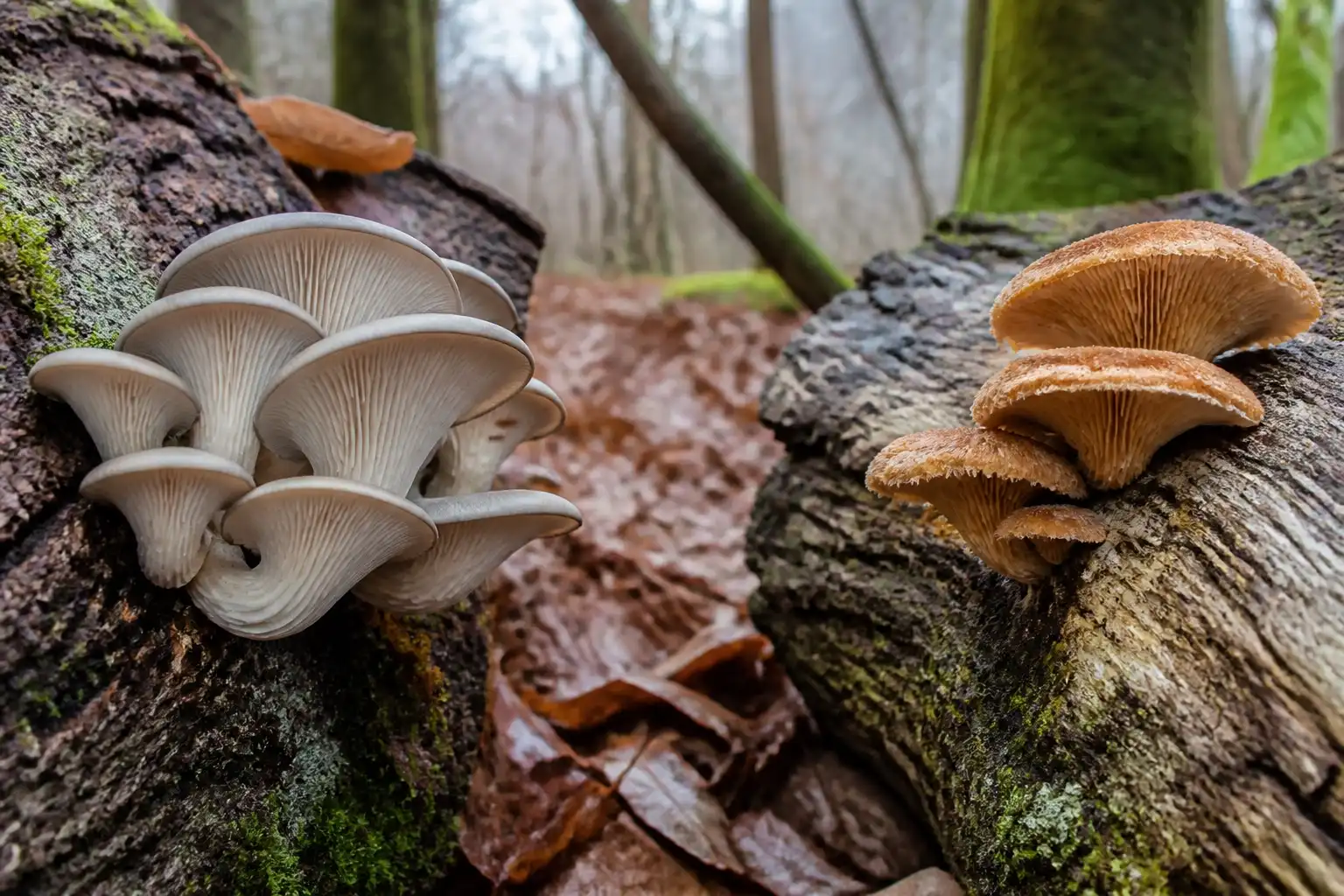
Compare oyster mushroom lookalikes with conservative field observations, documentation steps, safety limits, and reasons to seek local expert help.
identification
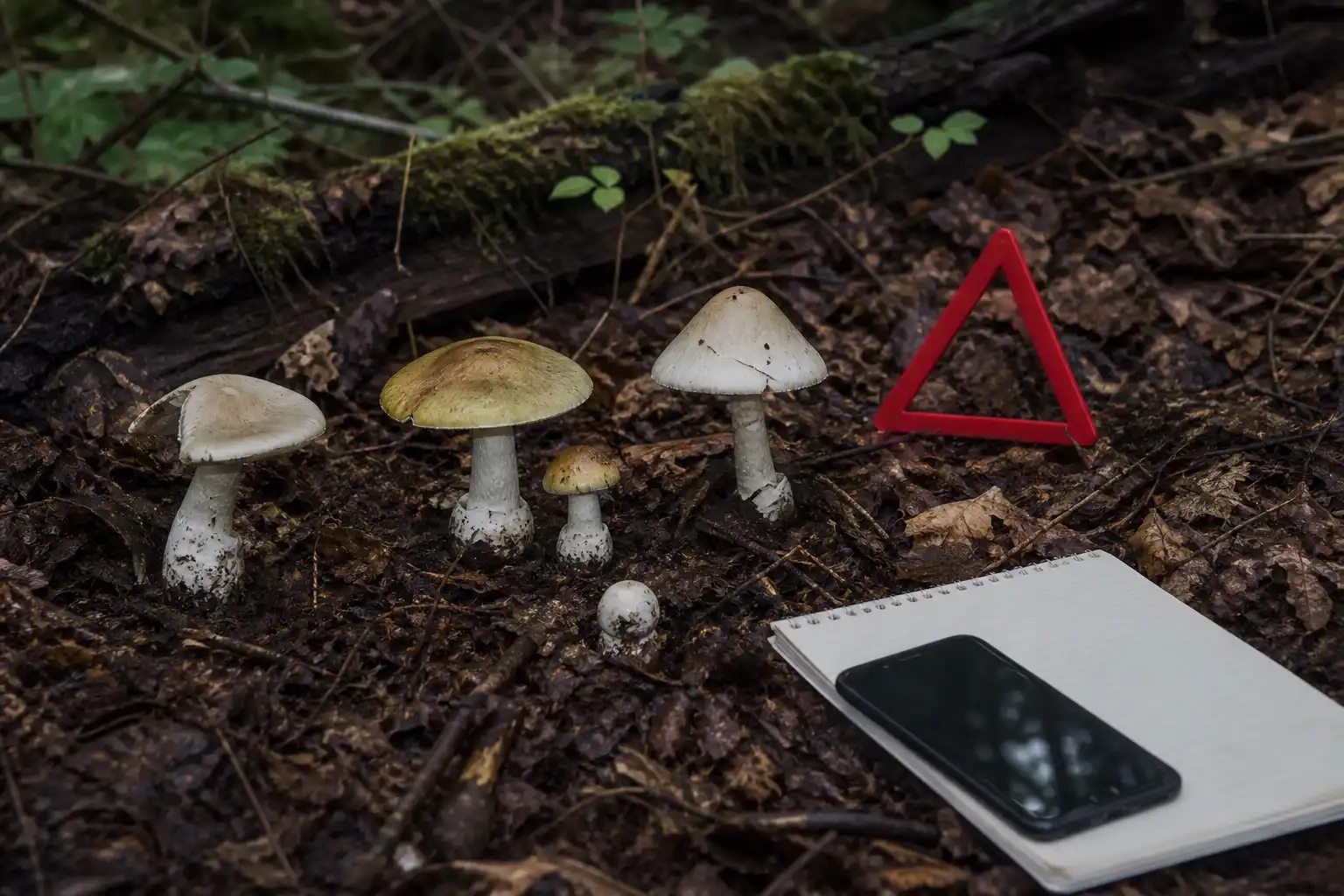
Learn why poisonous mushroom warning signs are unreliable alone, which safety rules matter, what to document, and when to seek urgent help.