Health
Antioxidants in Mushrooms: Ergothioneine, Glutathione, and Evidence
Understand mushroom antioxidants, laboratory assays, food variability, human evidence, and why ergothioneine findings do not prove disease prevention.
By MushroomScope Editorial Team · · Editorially reviewed
Evidence context
Food, extracts, and supplements differ
Health conclusions depend on species, fungal part, preparation, dose, population, and measured outcome.
Open the nutrition evidence hub →Medical limit
Educational, not medical advice
Do not delay diagnosis or replace prescribed care with mushroom foods or supplements.
Read the editorial policy →
Review status: Editorial review only. No named physician, dietitian, pharmacist, or other clinical expert independently reviewed this page.
Antioxidant content is not a health outcome
Mushrooms contain compounds that can participate in redox chemistry, including ergothioneine, glutathione, phenolic compounds, and micronutrients that support normal metabolism. Measuring one of these in food or a test tube does not show that eating that food prevents disease. The defensible conclusion is that mushrooms can contribute to dietary variety and selected compounds; clinical benefit requires human outcomes measured in an appropriate trial.
What ergothioneine is
Ergothioneine is a sulfur-containing amino-acid derivative made by certain microbes and obtained by humans through diet. Human cells express a transporter that can concentrate it in tissues, which makes it biologically interesting. Mushrooms are notable food sources, but content varies by species and production conditions. A plausible transport mechanism and antioxidant behavior provide a research rationale, not proof of longer life, improved cognition, or treatment of cardiometabolic disease.
Glutathione and other measured compounds
Glutathione is part of cellular redox systems and is measured in some mushrooms. Phenolic measurements and vitamin or mineral composition add other layers. These compounds differ in stability, absorption, metabolism, and quantity eaten. Adding their laboratory activities into a single antioxidant score obscures those differences. It also ignores the rest of the meal and the body’s regulated enzyme systems.
The comparison that matters
Record the material before comparing numbers: species, fruiting body or mycelium, fresh or dry basis, extraction solvent, serving mass, and analytical method. A dry extract reported in milligrams per gram cannot be ranked directly against a fresh cooked serving reported per 100 grams. Even two papers using “total phenolics” may use different standards and extraction conditions. A defensible comparison converts units where possible and labels the remaining mismatches instead of presenting a false leaderboard.
Why laboratory antioxidant assays mislead
Assays such as DPPH, ORAC, FRAP, and radical-scavenging tests expose samples to simplified chemical conditions. A high result can compare extracts inside that assay, but digestion, transformation, distribution, tissue concentration, and excretion intervene in people. Test-tube potency should never be translated directly into detoxification, anti-aging, cancer prevention, or immune protection. Biomarker change also needs validation before it can stand in for a clinical outcome.
Species, substrate, and cooking change values
Species, strain, maturity, substrate, storage, drying, extraction, and analytical method can all change reported content. Cooking introduces water gain or loss and heat effects, so raw and cooked figures need matched units. A concentration per dry gram can look dramatic beside a fresh serving because fresh mushrooms contain substantial water. The cooked-versus-raw guide explains this denominator problem.
Observational evidence cannot prove causality
Studies may find that people with higher mushroom intake or blood ergothioneine have different health outcomes. Such associations can be valuable signals, yet diet quality, income, activity, smoking, medical care, and reverse causation may contribute. Statistical adjustment cannot guarantee all confounding is removed. Observational evidence should generate and refine hypotheses, not establish that an isolated mushroom compound caused the association.
Questions to ask before accepting the claim
- For antioxidant claims, was the outcome measured in people, animals, cells, or a chemical assay?
- Does the tested species, fungal part, preparation, and dose match the food or product?
- Was the outcome prespecified, clinically meaningful, and measured long enough?
- Were adverse events, withdrawals, funding, and conflicts reported?
- Has an independent group replicated the result?
Intervention studies must match the claim
A strong intervention would pre-register outcomes, characterize the food or compound, use an appropriate control, measure adherence and adverse events, retain participants, and follow them long enough for a meaningful endpoint. A short change in oxidative-stress markers is narrower than reduced disease incidence or improved function. Supplement trials also cannot automatically describe an ordinary mushroom serving.
Food comparisons need a common basis
Compare foods per 100 grams in the same cooked state and per realistic portion. Then consider what the mushroom replaces: swapping some processed meat or refined snack ingredients for a mushroom-rich dish changes several dietary variables simultaneously. Added salt, butter, cream, or frying oil may matter more to the final nutrition profile than an antioxidant ranking. The mushroom nutrition guide keeps that whole-meal context visible.
How to read an antioxidant headline
When reading a headline, identify whether the evidence is chemical, cell-based, animal, observational, or interventional. Check the species, preparation, dose, comparator, outcome, study duration, conflicts, and replication. Ask whether the reported effect is clinically important rather than merely statistically detectable. The nutrition evidence hub separates compound mechanisms from food-level conclusions.
A reader’s evidence worksheet
Bioavailability is the bridge laboratory claims often skip
Before a compound can influence a human tissue, it must survive food preparation and digestion, become available for absorption, enter circulation, reach a relevant site at an adequate concentration, and persist long enough to matter. Metabolites may differ from the original molecule. Ergothioneine has a dedicated transporter, an important biological observation, but transporter presence does not state the optimal intake or prove a disease endpoint. Those questions require pharmacokinetic work and controlled human research.
The body does not operate as a beaker of free radicals waiting to be neutralized by the highest-scoring food. Reactive species participate in signaling as well as damage, and endogenous systems regulate redox balance. This is why the phrase more antioxidants is automatically better is scientifically weak. Trials need to identify a relevant deficiency or exposure, select a validated outcome, and test benefit alongside harms rather than assuming every reduction in an oxidation marker improves health.
Food-content studies need representative sampling. One farm, harvest, or laboratory method cannot define an entire species. Cultivar or strain, compost or wood substrate, flush, storage temperature, and time before analysis may contribute to variation. Analytical papers should describe sample preparation, recovery, calibration, detection limits, and whether values refer to fresh or dry matter. Consumer summaries often remove these details while retaining an overprecise number.
Glutathione in food illustrates another translation problem. It can be quantified in a mushroom sample, yet digestion and human glutathione regulation determine what follows ingestion. It is inaccurate to imply that eating a food transfers its measured glutathione directly into a target organ. Likewise, phenolic content expressed as gallic-acid equivalents is an assay convention, not a count of one uniform therapeutic ingredient.
A better dietary message avoids ranking a single superfood. Mushrooms can add flavor and variety alongside vegetables, legumes, whole grains, fruit, nuts, and other foods appropriate to the person. The resulting pattern supplies many nutrients and phytochemicals without requiring a disease-prevention claim for each. This conclusion is less dramatic than an antioxidant leaderboard, but it is better aligned with the uncertainty and the way foods are actually consumed.
Antioxidant evidence audit: write the claim in one sentence without words such as supports, boosts, detoxifies, or wellness. Name the exact outcome and time frame. Then record the study design, participant number, comparison group, attrition, preparation, dose, funding, and absolute result. Separate statistical significance from clinical importance. If the paper studies a concentrated ingredient while the claim concerns cooked food, mark that as an indirect comparison. If it studies a surrogate marker while advertising promises disease prevention, mark that as an outcome mismatch. Uncertainty should remain visible rather than being converted into a recommendation.
Antioxidant product comparison: photograph the full label and retain its lot number. Compare every ingredient with the paper rather than matching only the mushroom name. Ask what the control received and whether participants could guess their assignment. Look for preregistration and whether the reported primary outcome matches the registered one. A single study can inform a decision, but reliability grows through consistent results, appropriate methods, clinically meaningful endpoints, and independent replication.
Frequently asked questions
Why antioxidant deficiency is not diagnosed from a food ranking
There is no clinical diagnosis of needing the mushroom with the highest antioxidant assay. Oxidative stress is a broad research concept measured with multiple biomarkers, many of which are sensitive to collection, storage, illness, exercise, and laboratory method. A seller cannot infer a personal deficiency from fatigue, aging, or an online questionnaire and then validate a product using a food-composition paper.
Dose language should also distinguish adequacy from pharmacology. Eating a varied diet and testing a purified compound at a concentrated dose are separate research questions. A higher intake may reach a plateau, be metabolized, or produce effects not predicted by a test tube. Without dose-ranging human studies and meaningful outcomes, an optimal ergothioneine target cannot be derived merely by selecting the highest reported mushroom value.
For editors, the safest verbs are contains, contributes, was associated with, or was tested, followed by the study type and limitation. Verbs such as prevents, protects, reverses, or detoxifies require substantially stronger outcome evidence. This language discipline preserves what is interesting about fungal chemistry without turning early science into a clinical promise.
Are mushrooms high in antioxidants?
Some mushrooms contain measurable ergothioneine, glutathione, and other compounds, but values vary and a high assay result is not a clinical outcome.
Does ergothioneine prevent disease?
Research is promising, but current evidence does not establish that mushroom-derived ergothioneine prevents or treats disease.
Is an ORAC or DPPH score proof of benefit?
No. These are laboratory assays and do not reproduce digestion, metabolism, tissue exposure, or patient outcomes.
Does cooking destroy every antioxidant?
No simple rule applies; heat, water, time, food form, and the specific compound affect measured retention.
Are supplements equivalent to eating mushrooms?
No. Dose, matrix, processing, co-ingredients, and evidence differ.
References
Source quality notes
MushroomScope cites sources that match the page scope, such as taxonomic databases, extension guidance, food-safety agencies, food-composition databases, and peer-reviewed or institutional health references. Sources support context and uncertainty; they do not turn an online page into specimen identification, medical advice, or a tested recipe record.
Frequently asked questions
Are mushrooms high in antioxidants?
Some mushrooms contain measurable ergothioneine, glutathione, and other compounds, but values vary and a high assay result is not a clinical outcome.
Does ergothioneine prevent disease?
Research is promising, but current evidence does not establish that mushroom-derived ergothioneine prevents or treats disease.
Is an ORAC or DPPH score proof of benefit?
No. These are laboratory assays and do not reproduce digestion, metabolism, tissue exposure, or patient outcomes.
Does cooking destroy every antioxidant?
No simple rule applies; heat, water, time, food form, and the specific compound affect measured retention.
Are supplements equivalent to eating mushrooms?
No. Dose, matrix, processing, co-ingredients, and evidence differ.
Related guides
health
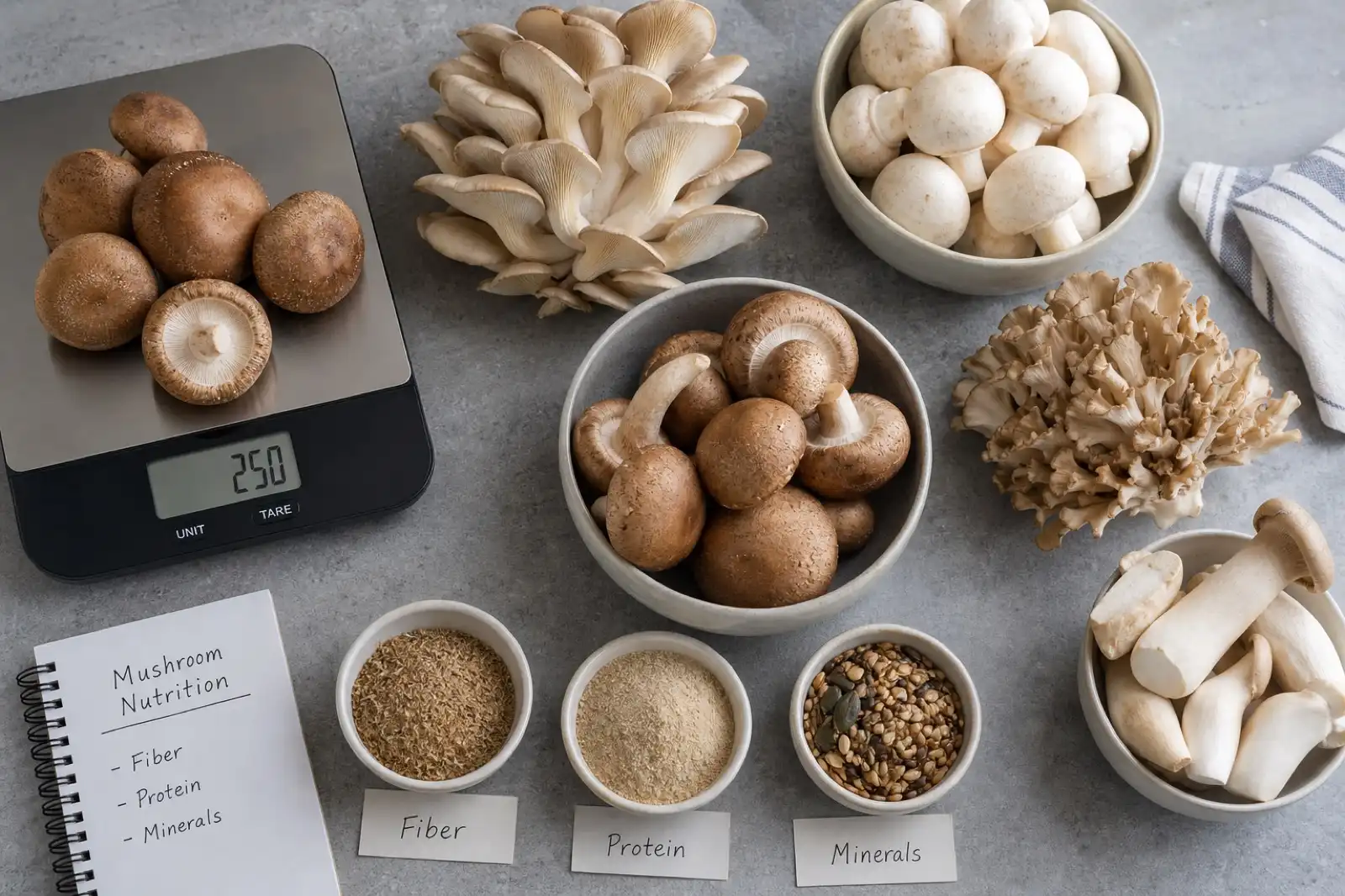
Mushroom Nutrition: Fiber, Protein, Calories, and Vitamins
Are mushrooms a source of fiber or protein? Compare calories, fiber, protein, vitamins, food forms, serving sizes, and preparation without overstating benefits.
health
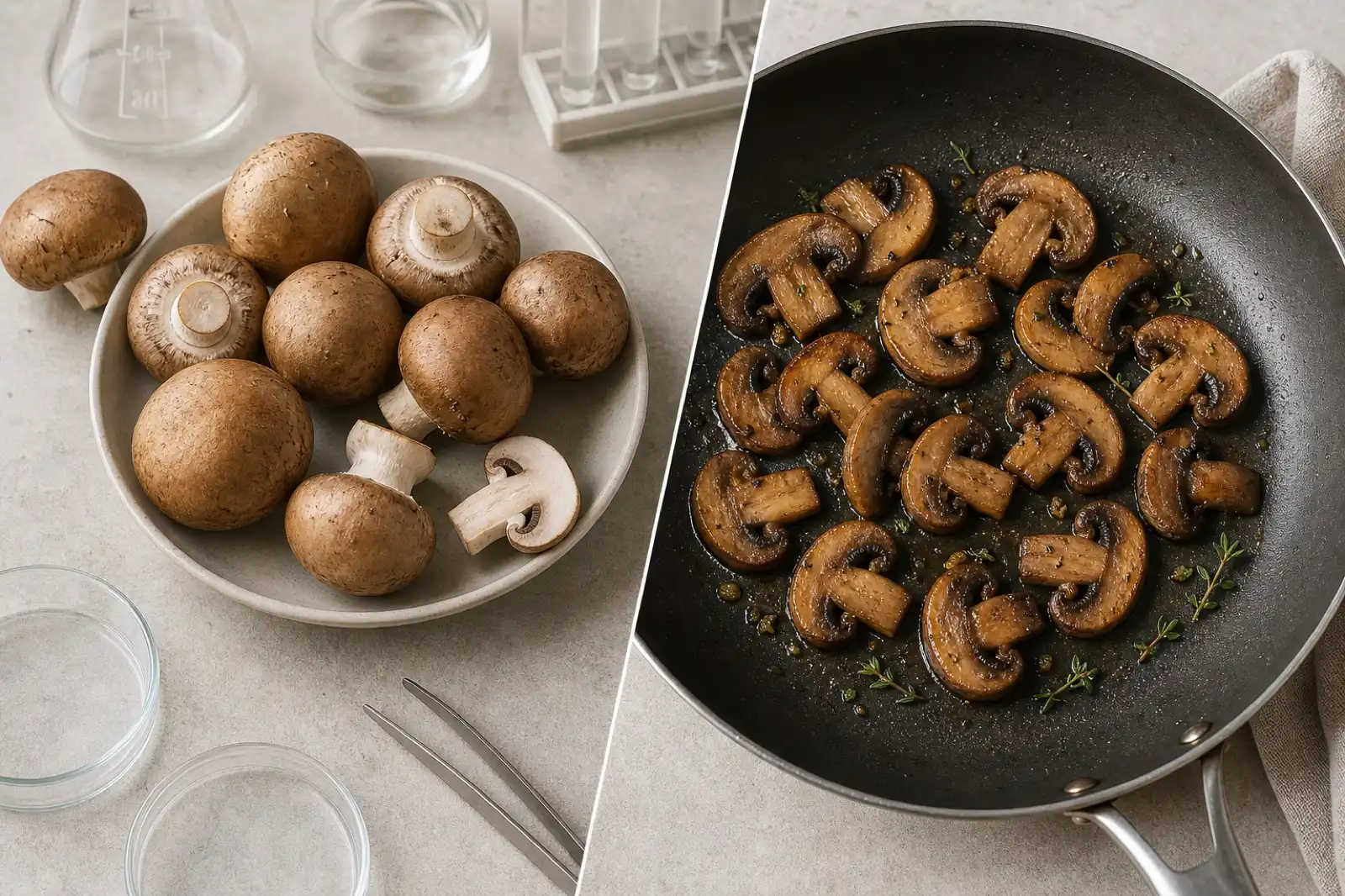
Cooked vs. Raw Mushrooms: Nutrition and Safety
Cooking changes water content, texture, digestibility, and measured nutrient concentration; it also supports safer produce handling.
health
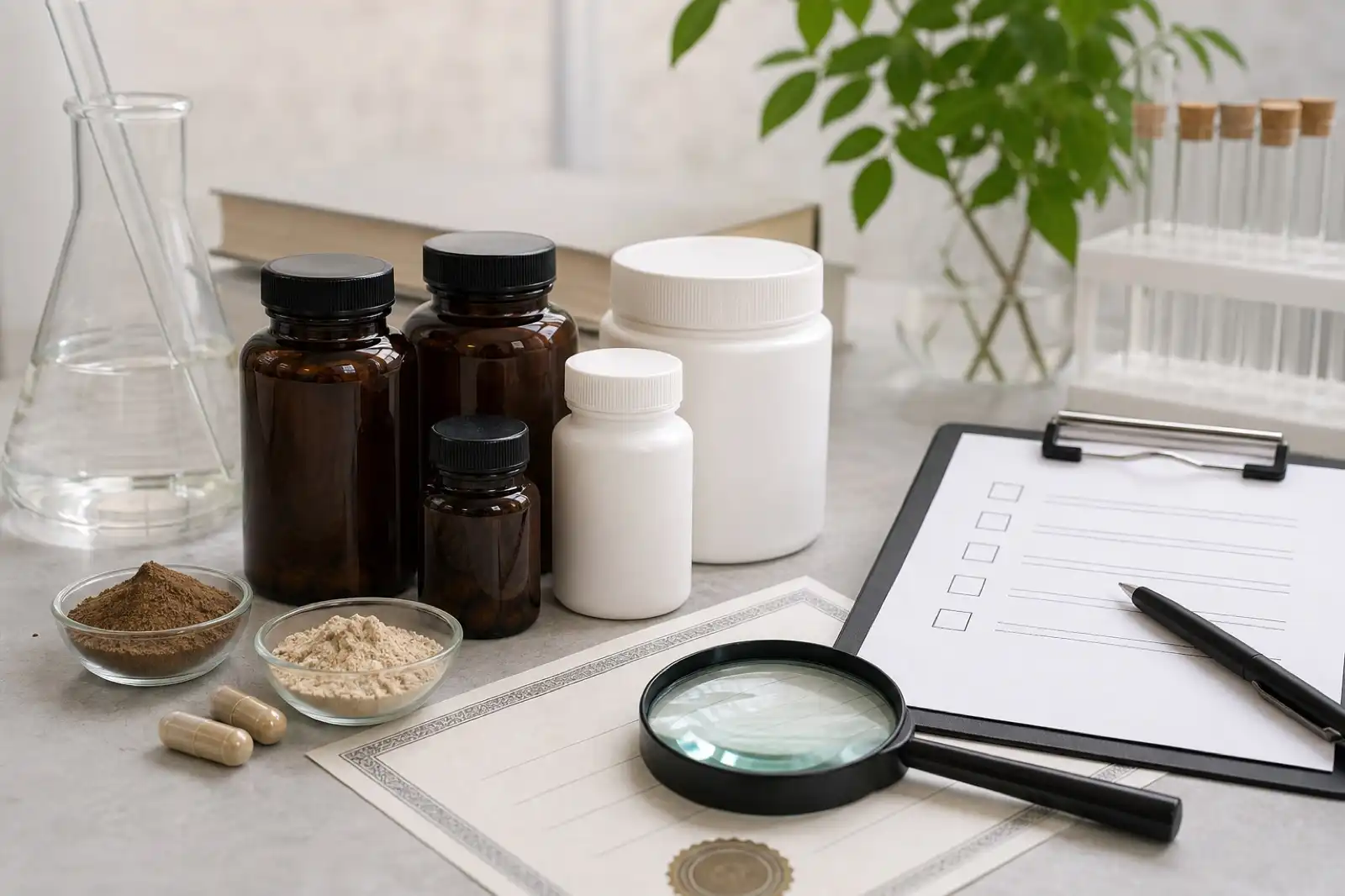
Mushroom Supplements: Labels, Testing, and Safety
Learn how to check mushroom supplement identity, fungal part, extraction, dose, lot testing, claims, interactions, and regulatory limits.
Continue exploring
Browse more practical guides in Health or visit the mushroom encyclopedia.