Health
Mushrooms and Heart Health: Nutrition and Evidence
Review mushrooms and heart health through nutrients, dietary patterns, evidence limits, supplement cautions, and practical food-safety guidance.
By MushroomScope Editorial Team · · Updated · Editorially reviewed
Evidence context
Food, extracts, and supplements differ
Health conclusions depend on species, fungal part, preparation, dose, population, and measured outcome.
Open the nutrition evidence hub →Medical limit
Educational, not medical advice
Do not delay diagnosis or replace prescribed care with mushroom foods or supplements.
Read the editorial policy →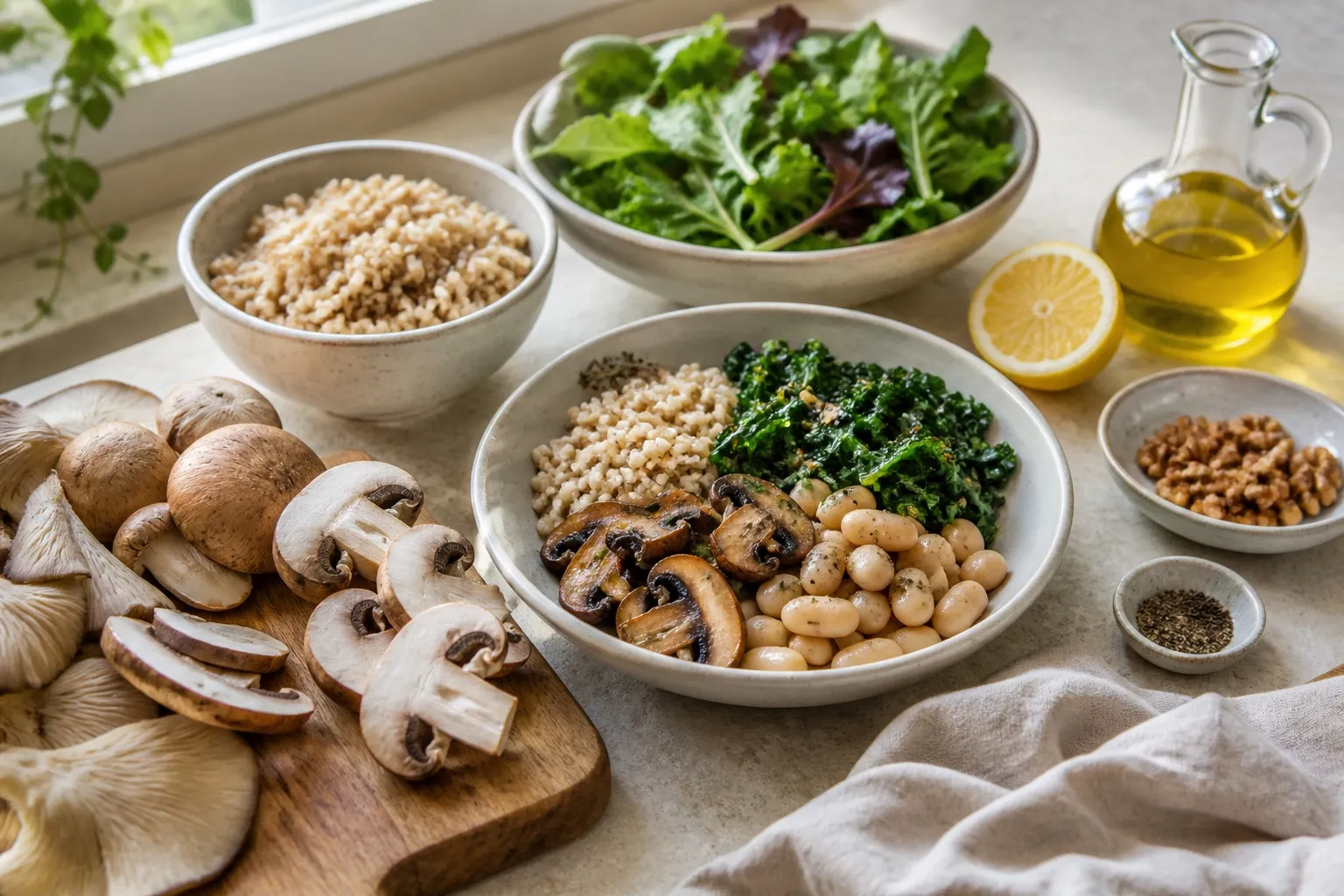
Key takeaways
Mushrooms can be useful in a heart-conscious kitchen because they add savory flavor, moisture, and texture with relatively few calories. They can help replace some higher-sodium or higher-saturated-fat ingredients in meals, but that is a dietary pattern benefit, not proof that mushrooms themselves prevent heart disease.
The strongest practical case is ordinary food use: identified edible mushrooms, prepared safely, inside a diet rich in vegetables, beans, whole grains, nuts, seeds, and unsaturated fats. Evidence for mushroom supplements and isolated compounds is more product-specific and should not be treated as a substitute for proven cardiovascular care.
Nutrients that matter
USDA FoodData Central shows that mushroom composition varies by species and preparation. Many cultivated mushrooms contribute water, some fiber, B vitamins, potassium, copper, selenium, and savory amino-acid flavor. They are not a major protein replacement by themselves, but they can stretch meat-based dishes or make plant-forward meals more satisfying.
For heart-oriented cooking, the preparation often matters as much as the mushroom. A skillet of mushrooms cooked with moderate oil, herbs, garlic, and a splash of acid is very different from the same mushrooms buried under large amounts of butter, cream, and salty processed ingredients.
What the evidence can and cannot say
Food-composition data can explain why mushrooms fit into nutritious meals. Observational studies can suggest dietary associations. Small clinical trials can test specific outcomes in specific groups. None of these automatically proves that a mushroom food, powder, tea, or extract reduces heart attacks, strokes, cholesterol, or blood pressure.
Be cautious with broad claims about beta-glucans, antioxidants, ergothioneine, or “immune support.” These are plausible research topics, but a mechanistic claim is not the same as a demonstrated clinical outcome. For a deeper ingredient-level discussion, see the mushroom beta-glucans guide and the broader mushroom nutrition guide.
A heart-health claim checklist
When an article or product claims that mushrooms are “good for the heart,” ask what kind of evidence is being used. A nutrient database can show that a food contains potassium or fiber. A diet study can suggest that people who eat certain food patterns have different outcomes. A trial can test whether a defined intervention changes a measured endpoint. Those are useful, but they are not the same type of evidence.
The strongest public-health advice usually concerns whole dietary patterns rather than one ingredient. A meal with mushrooms, beans, vegetables, whole grains, and unsaturated fats is different from a meal where mushrooms are added to a very salty, creamy, processed dish. The mushroom has not changed identity, but the cardiovascular context has changed completely.
Also watch for endpoints. Lower sodium cooking, more vegetables, and less saturated fat are practical goals. Claims about preventing heart attacks, reversing plaque, replacing medication, or treating high blood pressure are medical claims and need a much higher standard of evidence. MushroomScope does not treat ordinary mushroom foods or mushroom supplements as cardiovascular treatments.
How mushrooms can improve a plate without making a drug claim
Mushrooms are useful in heart-conscious cooking because they provide umami, moisture, and a chewy texture. Those qualities can help a cook use smaller portions of sausage, bacon, cream, cheese, or salty sauces while keeping a dish satisfying. This is a culinary strategy, not a pharmaceutical effect.
For example, finely chopped cremini mushrooms can be cooked with lentils or ground meat to make a pasta sauce taste deeper with less meat. Sliced mushrooms can add substance to barley soup. Roasted mushrooms can make a grain bowl feel more complete without depending on a heavy dressing. In each case, the benefit comes from the total meal design.
There is also a behavioral advantage: foods that taste satisfying are easier to repeat. If mushrooms help someone enjoy more vegetables, beans, and whole grains, they can support a more sustainable eating pattern. That is a better claim than promising that mushrooms directly lower cholesterol or blood pressure.
Heart-conscious ways to cook mushrooms
Use mushrooms to add flavor before adding salt. Brown them in a wide pan so their water evaporates and the edges develop color. Then finish with herbs, black pepper, lemon, vinegar, low-sodium stock, or a measured amount of cheese. This gives a dish more depth without depending on salt alone.
Good everyday uses include mushrooms in barley soup, vegetable pasta, omelets, grain bowls, and stir-fries. If you are trying to reduce saturated fat, let the mushrooms carry the savory note while cream, butter, sausage, or cheese become accents rather than the base of the meal.
Sodium, fat, and cooking style
The most heart-relevant decision in a mushroom recipe may be what else goes into the pan. Mushrooms absorb flavor readily, so they can become a vehicle for either herbs and acid or excess salt and saturated fat. A small knob of butter in a large vegetable dish is different from a cream sauce where mushrooms are only a garnish.
If sodium is a concern, brown the mushrooms first and season late. Browning creates flavor before salt is added, and late seasoning makes it easier to use less. Choose low-sodium stock when making soups or sauces. Use soy sauce, miso, Parmesan, or bouillon carefully because a small amount can change the sodium load quickly.
If saturated fat is a concern, use olive oil or another unsaturated cooking fat as the main fat and reserve butter or cheese for finishing flavor. For creamy textures, try blended beans, cooked cauliflower, yogurt-style sauces, or a small measured amount of dairy rather than making cream the foundation of every mushroom dish.
Food versus supplement exposure
Whole mushrooms and mushroom supplements should be evaluated separately. A serving of cooked mushrooms contains water, fiber, micronutrients, and food texture. A capsule or extract may contain concentrated material from a fruiting body, mycelium, grain substrate, or a blend. Labels may not make the studied material clear enough for readers to compare products.
The FDA regulates supplements under rules that differ from conventional foods and drugs, and companies are responsible for safety and labeling before products reach consumers. NCCIH also notes that supplements sold in stores or online may differ from products used in research. For heart-related readers, this matters because people may already take anticoagulants, blood-pressure medicines, cholesterol medicines, diabetes medicines, or multiple prescriptions.
Bring the exact product label to a clinician or pharmacist before using concentrated mushroom supplements alongside cardiovascular medicines. Do not stop prescribed treatment because a label mentions beta-glucans, antioxidants, circulation, cholesterol, blood pressure, or “heart support.”
Safety and supplement cautions
Use mushrooms sold as food by reputable suppliers unless a qualified local expert has identified a wild collection in person. Cooking does not make a poisonous mushroom safe, and a heart-health article cannot identify a field specimen.
The FDA regulates dietary supplements differently from drugs. Labels may not prove clinical effectiveness, and products can differ in species, fungal part, extraction method, dose, contaminants, and interactions. People taking blood thinners, blood-pressure medicines, diabetes medicines, or heart medications should discuss supplements with a clinician before use.
Practical weekly meal ideas
Use mushrooms as part of balanced meals rather than as a daily rule. One day might be mushroom barley soup with beans and vegetables. Another might be mushroom toast served with a salad and fruit. A stir-fry can combine mushrooms with tofu, greens, and brown rice. A pasta can use mushrooms to deepen flavor while the portion is balanced with vegetables and legumes.
The common theme is not that every meal contains mushrooms. It is that mushrooms can help make plant-forward meals feel savory and complete. Rotate them with other vegetables and protein sources so the diet stays varied.
When to get individualized advice
People with heart disease, kidney disease, diabetes, hypertension, food allergies, swallowing issues, or medication changes should treat online nutrition articles as background reading, not personal medical instructions. Sodium, potassium, fiber goals, alcohol use, body weight, medication timing, and supplement interactions can all be individualized.
If a clinician has given you a diet plan, use mushrooms inside that plan rather than using them to override it. If a supplement seller suggests replacing medication, avoiding standard care, or using a mushroom product to treat a diagnosed cardiovascular condition, that is a strong reason to pause and seek professional advice.
Practical bottom line
Mushrooms are a useful food, not a cardiovascular treatment. They can help make meals more plant-forward and flavorful, especially when used in place of some highly salted or high-saturated-fat ingredients. Keep the claim modest: mushrooms can support better cooking choices, while medical risk factors still need evidence-based care.
Frequently asked questions
Do mushrooms contain cholesterol?
Plain mushrooms do not contain dietary cholesterol. The final dish may still contain cholesterol, saturated fat, or excess sodium depending on how it is cooked and what is served with it.
Are raw mushrooms better for the heart than cooked mushrooms?
Not necessarily. Cooking changes water content, texture, and measured nutrient concentration, and it often makes mushrooms easier to use in balanced meals. See cooked vs. raw mushrooms for preparation and safety context.
Should I eat mushrooms every day?
Daily use can be reasonable for people who tolerate them, but variety matters. Rotate mushrooms with other vegetables, legumes, whole grains, fruits, nuts, and seeds rather than making one food carry the entire heart-health strategy.
References
- American Heart Association. Suggested Servings from Each Food Group.
- USDA. FoodData Central.
- FDA. Dietary Supplements.
Source quality notes
MushroomScope cites sources that match the page scope, such as taxonomic databases, extension guidance, food-safety agencies, food-composition databases, and peer-reviewed or institutional health references. Sources support context and uncertainty; they do not turn an online page into specimen identification, medical advice, or a tested recipe record.
Frequently asked questions
Are mushrooms proven to prevent heart disease?
No. Mushrooms can fit into heart-conscious eating patterns, but ordinary servings or supplements have not been proven to prevent or treat cardiovascular disease.
Which mushrooms are best for heart health?
There is no single best mushroom for the heart. Choose identified edible mushrooms you enjoy, prepare them with less sodium and saturated fat, and treat them as one vegetable-like food in a broader diet.
Can mushroom supplements lower cholesterol or blood pressure?
Do not rely on supplements for cholesterol or blood-pressure treatment. Product identity, dose, testing, and human evidence vary, so discuss any supplement with a clinician or pharmacist.
Related guides
health
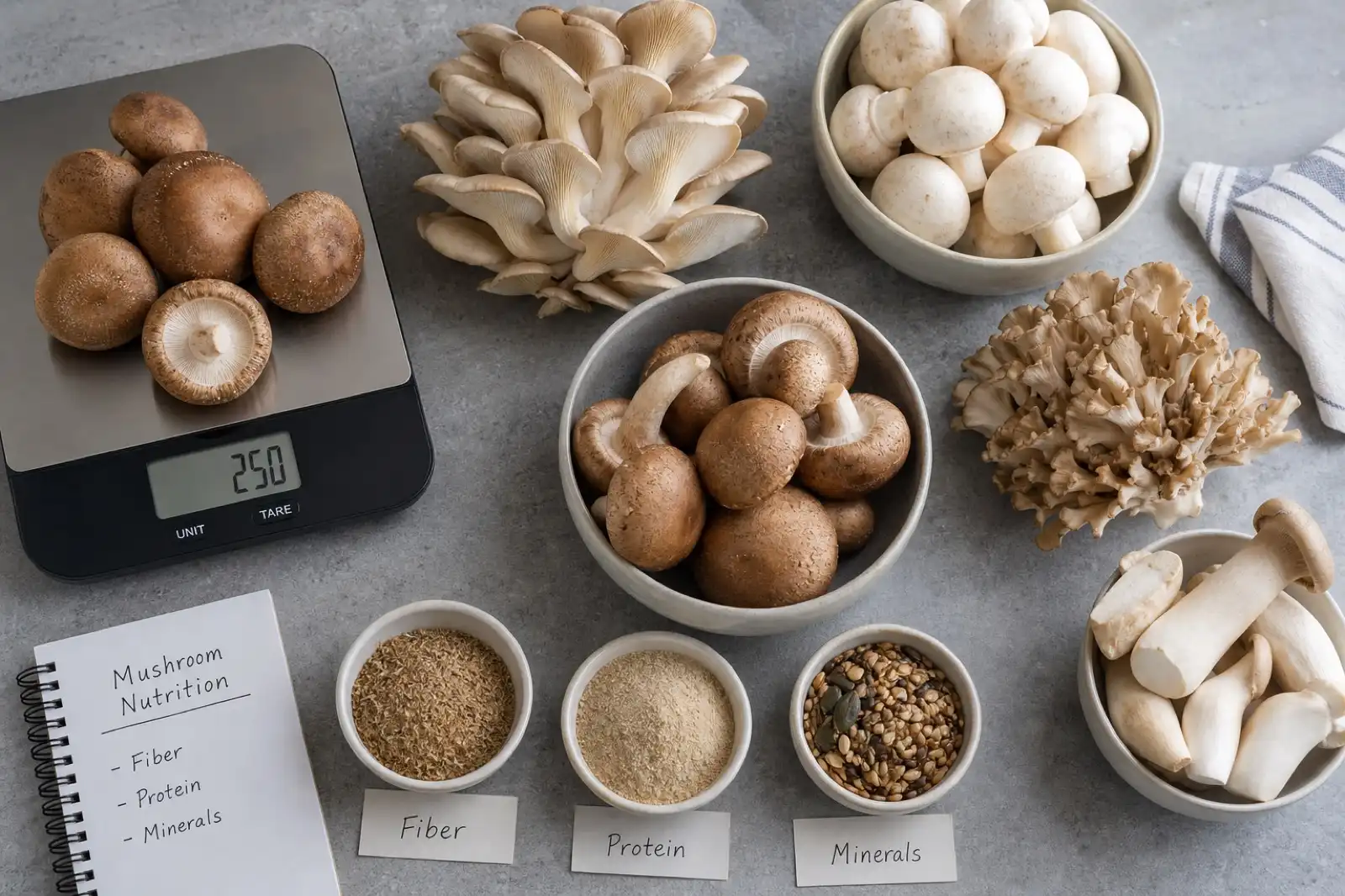
Mushroom Nutrition: Fiber, Protein, Calories, and Vitamins
Are mushrooms a source of fiber or protein? Compare calories, fiber, protein, vitamins, food forms, serving sizes, and preparation without overstating benefits.
health
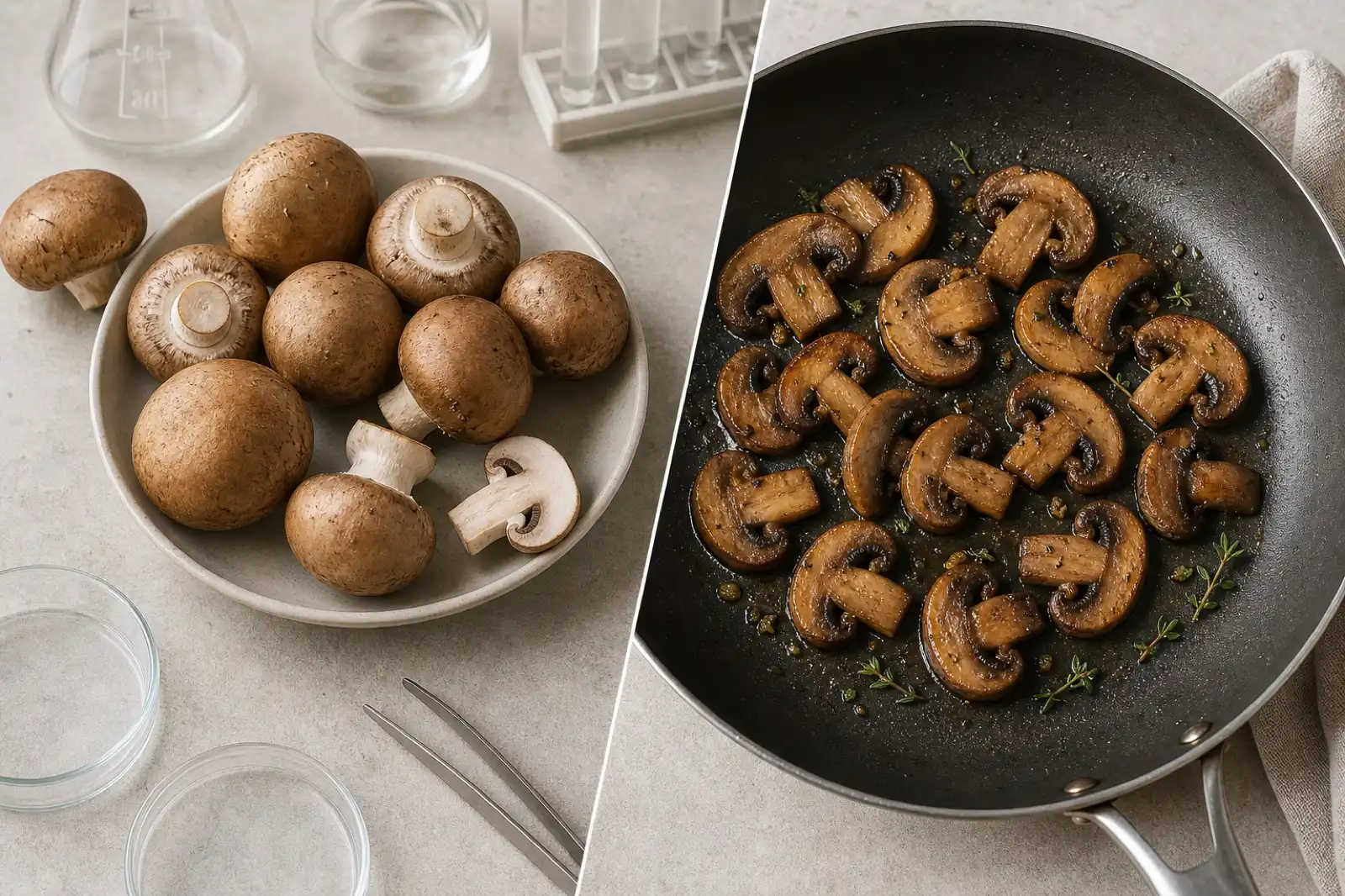
Cooked vs. Raw Mushrooms: Nutrition and Safety
Cooking changes water content, texture, digestibility, and measured nutrient concentration; it also supports safer produce handling.
health
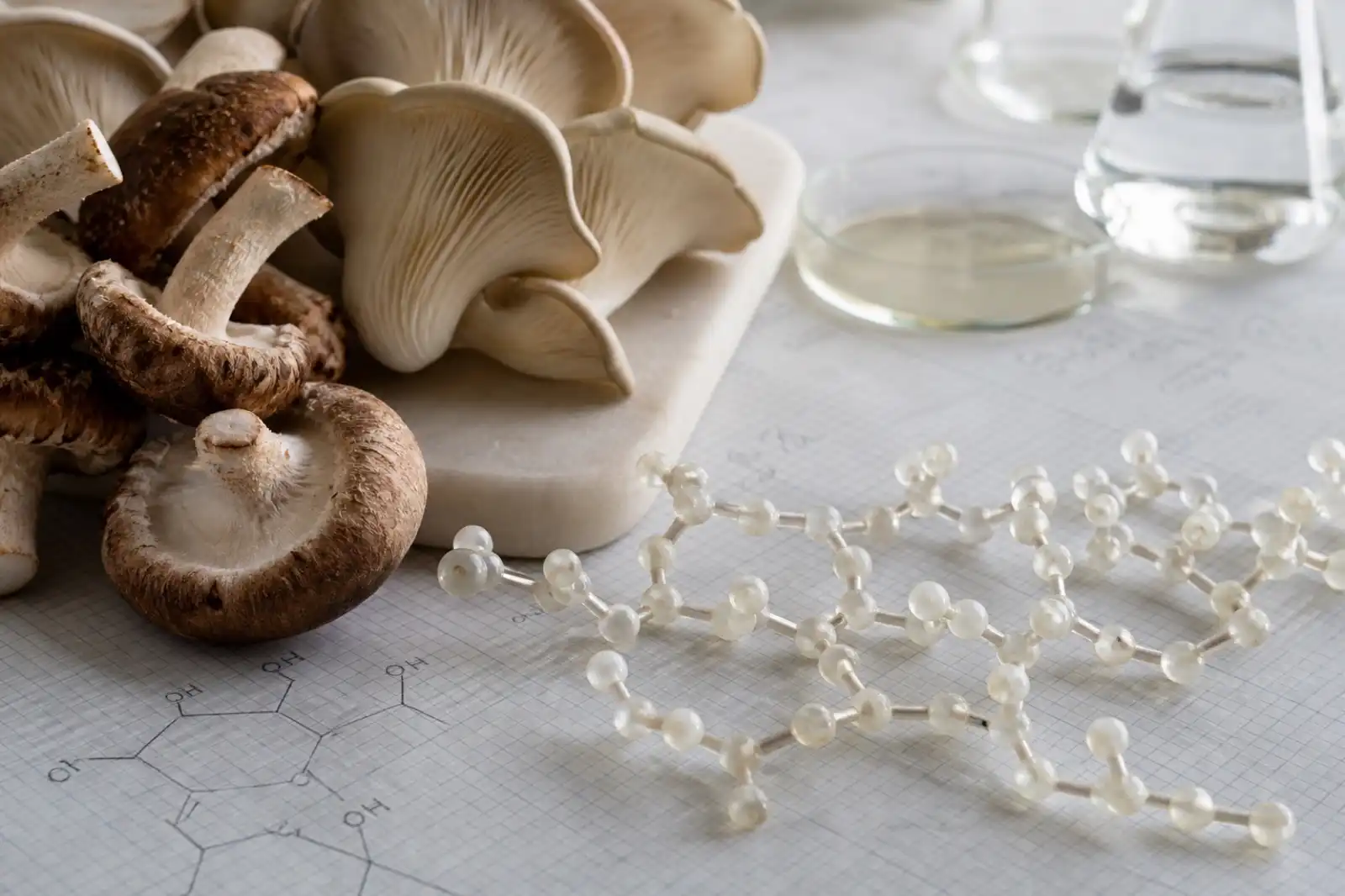
Mushroom Beta-Glucans: Evidence, Sources, and Limits
Fungal beta-glucans differ in structure, source, dose, and preparation; evidence for one purified product cannot validate every mushroom food or supplement.
Continue exploring
Browse more practical guides in Health or visit the mushroom encyclopedia.