Health
Mushrooms and the Immune System: Research Explained
Understand mushrooms and immune research with beta-glucans, study limits, supplement cautions, food use, and conservative medical guidance.
By MushroomScope Editorial Team · · Updated · Editorially reviewed
Evidence context
Food, extracts, and supplements differ
Health conclusions depend on species, fungal part, preparation, dose, population, and measured outcome.
Open the nutrition evidence hub →Medical limit
Educational, not medical advice
Do not delay diagnosis or replace prescribed care with mushroom foods or supplements.
Read the editorial policy →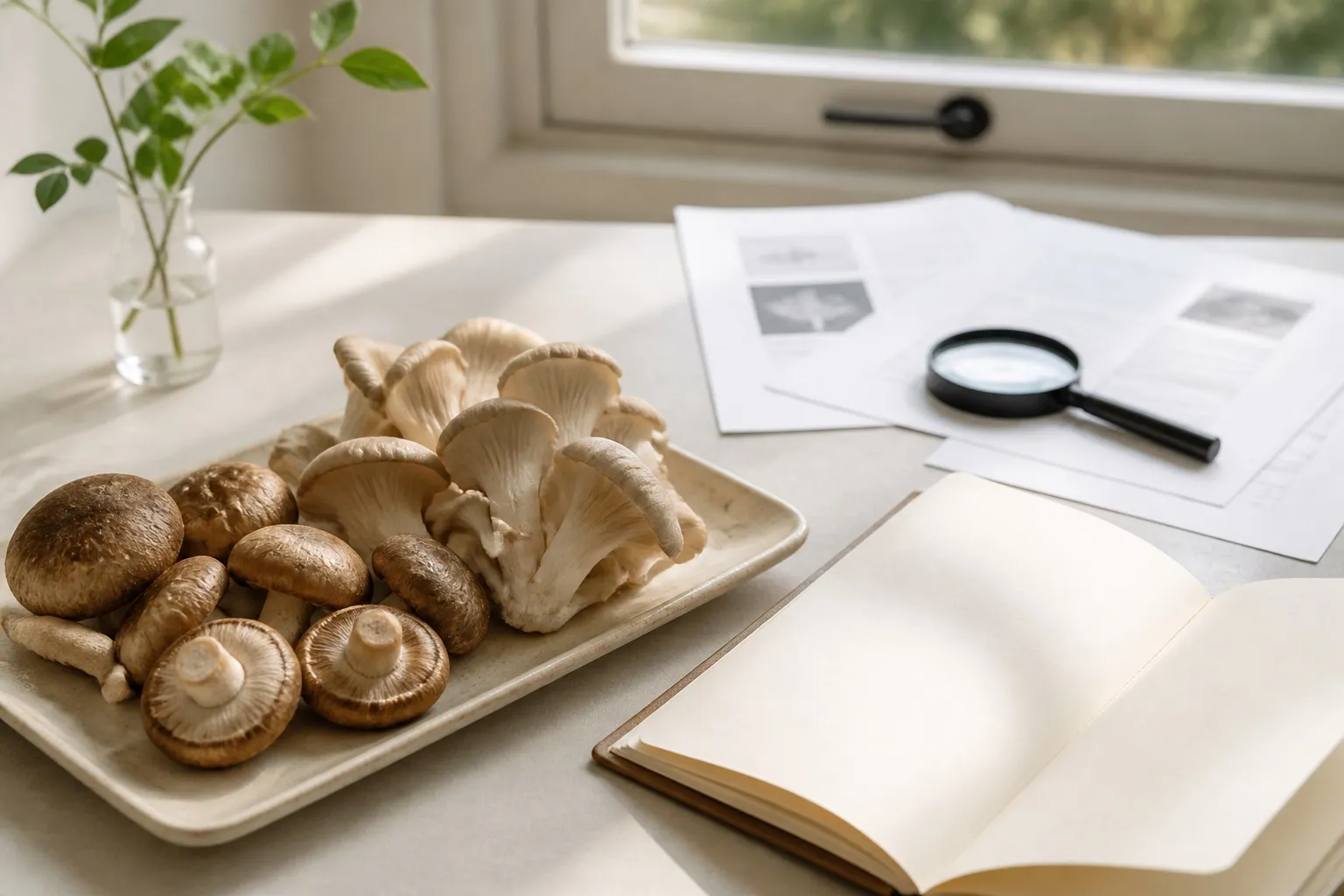
Key takeaways
Mushrooms are often marketed for “immune support,” but that phrase can hide very different claims. Food composition, beta-glucan chemistry, immune-marker studies, infection outcomes, cancer-support research, and supplement marketing are not interchangeable.
The cautious position is this: edible mushrooms can fit into a nutritious diet, and some mushroom compounds are scientifically interesting, but they are not replacements for vaccination, medical care, or prescribed treatment.
What researchers study
Research may examine whole mushrooms, hot-water extracts, purified polysaccharides, mycelium products, or combined formulas. Even when the common name is familiar, the studied material may not match a grocery-store serving or a capsule on a shelf.
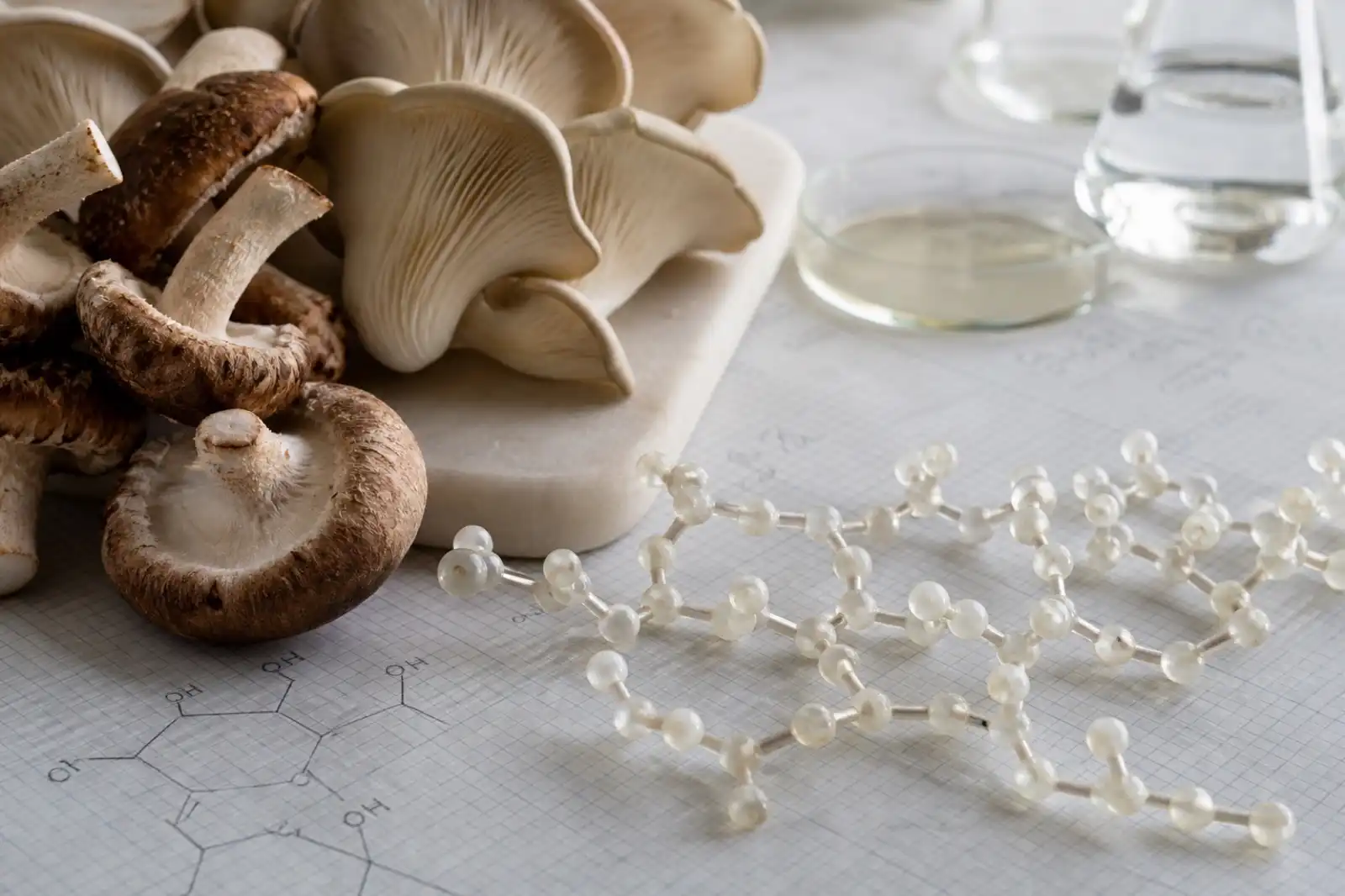
Beta-glucans are one major research topic. Their structure, solubility, dose, and source matter. The mushroom beta-glucans guide explains why one label claim cannot stand in for measured identity and human outcomes.
Why “immune support” is too vague
“Immune support” can mean almost anything in consumer language. It might refer to a nutrient that helps normal immune function, a laboratory marker, a symptom score, a quality-of-life measure, or a marketing phrase that avoids a disease-treatment claim. Without details, the phrase does not tell readers what was tested or what they should expect.
The immune system also is not a simple switch that should always be turned upward. It includes many cell types, signaling pathways, barriers, inflammatory responses, memory responses, and regulatory mechanisms. More activity in one part of the system is not automatically better. In allergies, autoimmune disease, transplant medicine, cancer therapy, and immunosuppressive treatment, immune modulation can be medically sensitive.
That is why this page avoids the word “boost” as a promise. A mushroom compound may be biologically active, but that does not prove fewer infections, faster recovery, safer cancer treatment, or better outcomes for every person.
Evidence limits
Some studies measure immune cells, cytokines, antibody response, symptoms, or quality of life. These outcomes do not carry equal weight. A changed immune marker does not automatically mean fewer infections or better disease control.
Small trials, short duration, mixed products, unclear blinding, and industry funding can reduce confidence. Results also may not apply to children, older adults, immunocompromised people, pregnant people, or people taking immune-modulating medicines.
What a stronger claim would need
A stronger immune-health claim would need a clearly identified mushroom material, consistent manufacturing, an appropriate dose, a relevant comparison group, enough participants, and outcomes that matter to people rather than only laboratory markers. It would also need safety reporting, because immune effects are not automatically beneficial in every context.
This is why MushroomScope avoids language such as “boosts immunity” or “protects against infection.” The immune system is not a simple volume knob. In some conditions, increased immune activity can be harmful. A useful article should help readers understand uncertainty, not encourage them to self-treat complex medical decisions.
Practical food context
Eating mushrooms as food is a lower-claim, more realistic choice. They can add flavor and nutrients to soups, stir-fries, grains, and vegetable dishes. They also help some people cook more plant-forward meals, which can support general nutrition. That general nutrition context is more defensible than promising a specific immune outcome.
If you are comparing products, keep whole foods and concentrated extracts in separate mental categories. A serving of cooked shiitake in dinner and a concentrated capsule with unclear identity should not be described as if they were the same exposure.
Reader decision checklist
Before acting on an immune claim, ask whether the article names the exact species, preparation, dose, study population, and outcome. Also check whether it explains who should avoid the product. If those details are missing, treat the claim as marketing language rather than medical guidance.
How to compare product claims
When comparing mushroom immune products, start with identity. Does the label provide a scientific name, or only a common name? Does it say fruiting body, mycelium, extract, powder, or a grain-grown biomass? Does it identify hot-water extraction, alcohol extraction, dual extraction, or no extraction? These details matter because a trial on one material cannot automatically validate another.
Next, check dose and testing. A product should state the amount per serving and ideally provide quality-control information. Be cautious when a label highlights a compound class without explaining how it was measured. A number on a label is only useful if the testing method and material are trustworthy.
Finally, check the claim. A structure/function statement is not the same as proof that a product prevents infections or treats disease. FDA and NCCIH materials both emphasize that supplement rules differ from drug approval. Readers should not interpret a supplement label as a prescription.
Food-first immune resilience
For most healthy adults, the practical immune conversation is broader than mushrooms. Adequate calories, protein, micronutrients, sleep, vaccination, hygiene, medical care, stress management, and treatment of chronic disease all matter. Mushrooms can fit into that picture as one food group, especially when they help make meals more varied and plant-forward.
Use mushrooms in soups with beans, stir-fries with vegetables, grain bowls, omelets, or noodle dishes. That approach gives food enjoyment and nutrient variety without asking mushrooms to do the work of a medicine. It also lowers the risk of overconsuming concentrated products based on a vague promise.
Special populations and medication issues
People who are pregnant, breastfeeding, immunocompromised, preparing for surgery, receiving chemotherapy, taking immunosuppressants, using anticoagulants, or managing autoimmune disease should be especially cautious with concentrated mushroom products. The issue is not that every product is dangerous. The issue is that immune-related claims may be more consequential in these contexts.
Children also should not be given mushroom supplements because an adult wellness article sounded promising. Pediatric dosing, safety, product quality, and medical context differ. If a child may have eaten an unknown mushroom, that is an urgent safety situation, not a supplement question.
For anyone taking multiple medicines, bring the exact label to a clinician or pharmacist. The brand, dose, extraction method, other ingredients, and intended use matter.
Food use vs. supplements
Whole edible mushrooms provide flavor and nutrients inside meals. Supplements are more concentrated and more variable. They may use fruiting bodies, mycelium, grain substrate, extracts, or blends. FDA supplement regulation is not the same as drug approval.
Use the mushroom supplements guide to evaluate labels, testing, species identity, and contaminant concerns before buying or using a product.
Red flags in immune marketing
Be skeptical of claims that a product prevents infections, replaces vaccines, treats cancer, eliminates the need for medication, or works for everyone. Also be skeptical of testimonials used as proof, especially when the product identity and dose are not documented. A personal story can be meaningful to the person telling it without being reliable evidence for readers.
Other red flags include pressure to subscribe immediately, claims that doctors are hiding a cure, refusal to discuss adverse effects, and vague blends that do not list species or amounts. Good evidence communication should make uncertainty easier to understand, not harder.
If a claim sounds urgent, secret, or universal, slow down. Reliable health guidance usually explains limits, identifies who may be harmed, and points readers back to qualified care when disease or medication decisions are involved.
Safety boundaries
People taking immunosuppressants, cancer therapies, anticoagulants, diabetes medicines, or multiple prescriptions should talk with a clinician before using concentrated mushroom products. Stop and seek care for severe allergic symptoms, breathing difficulty, swelling, faintness, or persistent digestive symptoms.
Do not eat wild mushrooms for immune benefits unless they have been identified in person by a qualified local expert. An immune claim does not reduce poisoning risk.
Practical bottom line
Mushrooms can be nutritious foods, and mushroom compounds are legitimate research subjects. The problem is when biologic plausibility is translated into broad promises. Treat culinary mushrooms as food, concentrated extracts as supplements requiring scrutiny, and disease-related claims as medical claims needing medical evidence.
If your goal is general wellness, use mushrooms in balanced meals and focus on the habits with stronger evidence. If your goal is treating or preventing a disease, talk with a qualified clinician rather than using a mushroom product as a substitute for care.
Frequently asked questions
Is turkey tail proven for immunity?
Turkey tail has been studied in specific medical contexts, but products and outcomes differ. See the turkey tail evidence guide for a more focused review.
Are culinary mushrooms enough?
They can be part of a balanced diet, but no ordinary food guarantees immune protection. Sleep, vaccination, medical care, sanitation, and overall nutrition still matter.
Should I take mushrooms when I am sick?
Do not use mushroom products to delay medical care. Ask a clinician, especially if symptoms are severe, prolonged, or you have underlying conditions.
Keep immune claims tied to measured outcomes
When reading a new study, write the exact immune marker or clinical endpoint, product, dose, population, duration, comparator, and adverse events. A change in one cytokine or cell count does not automatically mean fewer infections or better health. Apply results only to materially matching products and do not replace vaccination, diagnosis, or prescribed care.
Report null findings and adverse events
A balanced summary includes outcomes that did not change, withdrawals, side effects, and uncertainty intervals—not only the statistically positive result. If a trial measured many immune markers, an isolated change may be a chance finding. Transparent negative evidence helps prevent “immune support” language from outrunning clinically meaningful data.
Separate immune markers from outcomes people feel
An immune study can measure cytokines, circulating cell counts, antibody titers, symptom days, laboratory-confirmed infection, hospitalization, quality of life, treatment toxicity, or survival. These endpoints sit at different distances from a patient benefit. A statistically detectable cytokine change does not establish fewer infections, and fewer self-reported symptom days does not establish prevention of a laboratory-confirmed illness.
Before repeating an “immune support” claim, name the endpoint and absolute result. Record how many participants experienced the event in each group, not only a relative percentage. Check whether the endpoint was prespecified, whether many markers were tested, and whether missing participants differed between groups. A result becomes less portable when the trial is small, short, unblinded, or centered on a proprietary preparation that the retail product does not match.
Cancer-support research is not general wellness evidence
Some mushroom-derived preparations have been studied as adjuncts in particular cancer settings and countries. Those studies involve defined products, treatment regimens, populations, and eras of care. They do not show that a grocery mushroom or an unrelated supplement prevents cancer, replaces oncology treatment, or is safe with every therapy. The turkey tail evidence review keeps preparation, treatment setting, and outcome linked.
People receiving chemotherapy, immunotherapy, transplantation care, or immunosuppressive treatment should not infer that “stimulating” immunity is desirable. Product ingredients, organ function, interactions, and treatment goals require review by the treating team. MushroomScope has no named clinical expert reviewer; this page remains an editorial evidence summary.
Audit a product claim in five lines
Write down: the exact product material; the human population; the dose and duration; the comparator; and the patient-relevant outcome. Next add adverse events, withdrawals, funding, registration, and whether an independent group replicated the result. If the seller changes fruiting body to mycelium, alters extraction, or uses a blend, the evidence match must be reassessed rather than inherited from the species name.
For ordinary meals, no such audit is needed to enjoy identified culinary mushrooms as food. The audit becomes important when the message shifts to infection prevention, disease treatment, immune modulation, or concentrated supplements. Keep food advice modest and keep medical claims tied to the precise tested exposure.
References
- FDA. Dietary Supplements.
- NIH NCCIH. Using Dietary Supplements Wisely.
- USDA. FoodData Central.
Source quality notes
MushroomScope cites sources that match the page scope, such as taxonomic databases, extension guidance, food-safety agencies, food-composition databases, and peer-reviewed or institutional health references. Sources support context and uncertainty; they do not turn an online page into specimen identification, medical advice, or a tested recipe record.
Frequently asked questions
Do mushrooms boost the immune system?
Boost is not a precise medical claim. Mushroom compounds can affect immune markers in research, but that does not prove better health outcomes for every person.
Which mushroom is best for immunity?
No single mushroom is proven best for immunity. Evidence depends on species, preparation, dose, population, and outcome.
Can mushroom supplements replace vaccines or medicines?
No. Do not replace vaccination, diagnosis, or prescribed care with mushroom foods or supplements. Discuss supplement use with a clinician.
Related guides
health
Mushroom Beta-Glucans: Evidence, Sources, and Limits
Fungal beta-glucans differ in structure, source, dose, and preparation; evidence for one purified product cannot validate every mushroom food or supplement.
health
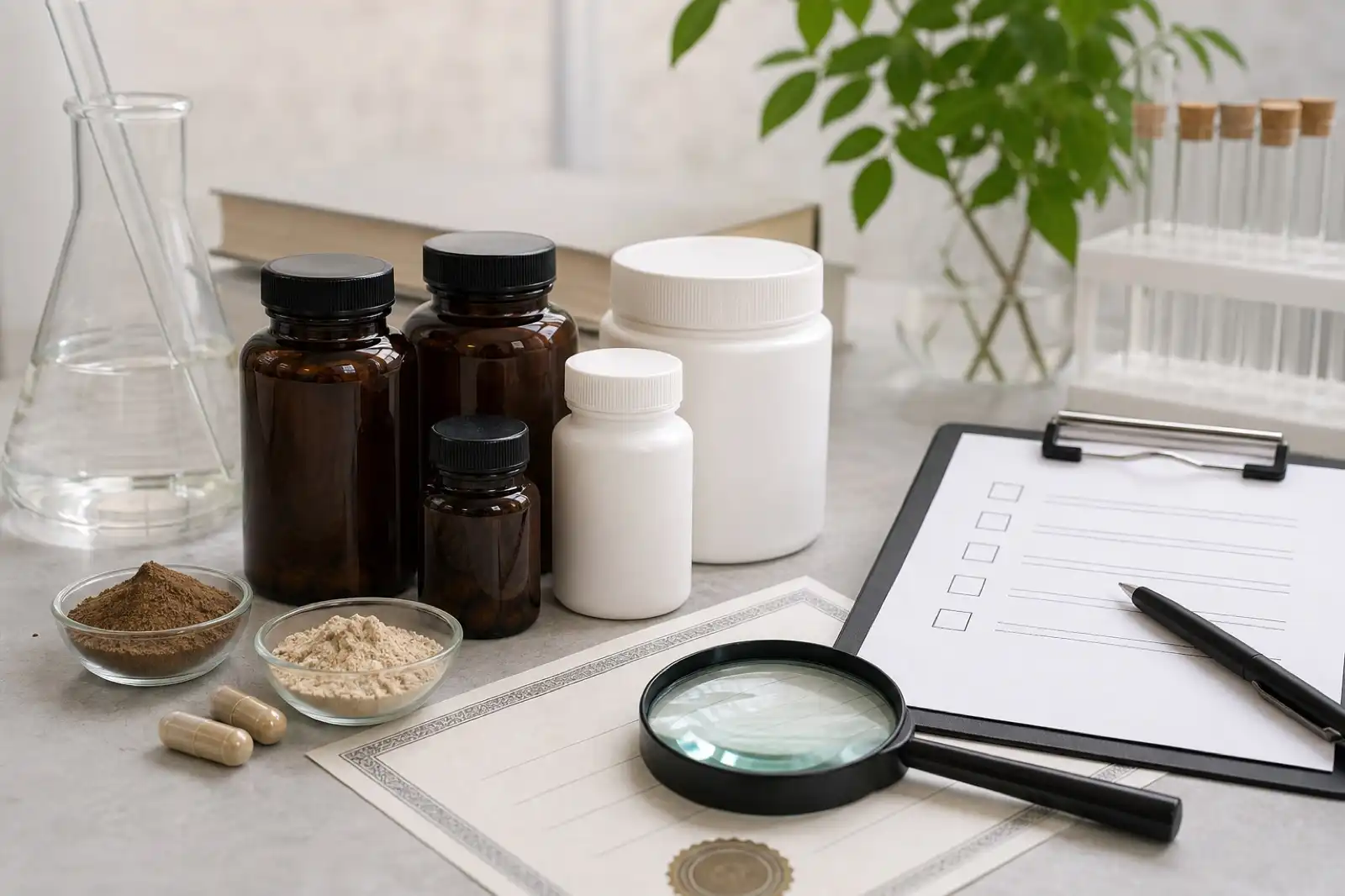
Mushroom Supplements: Labels, Testing, and Safety
Learn how to check mushroom supplement identity, fungal part, extraction, dose, lot testing, claims, interactions, and regulatory limits.
health
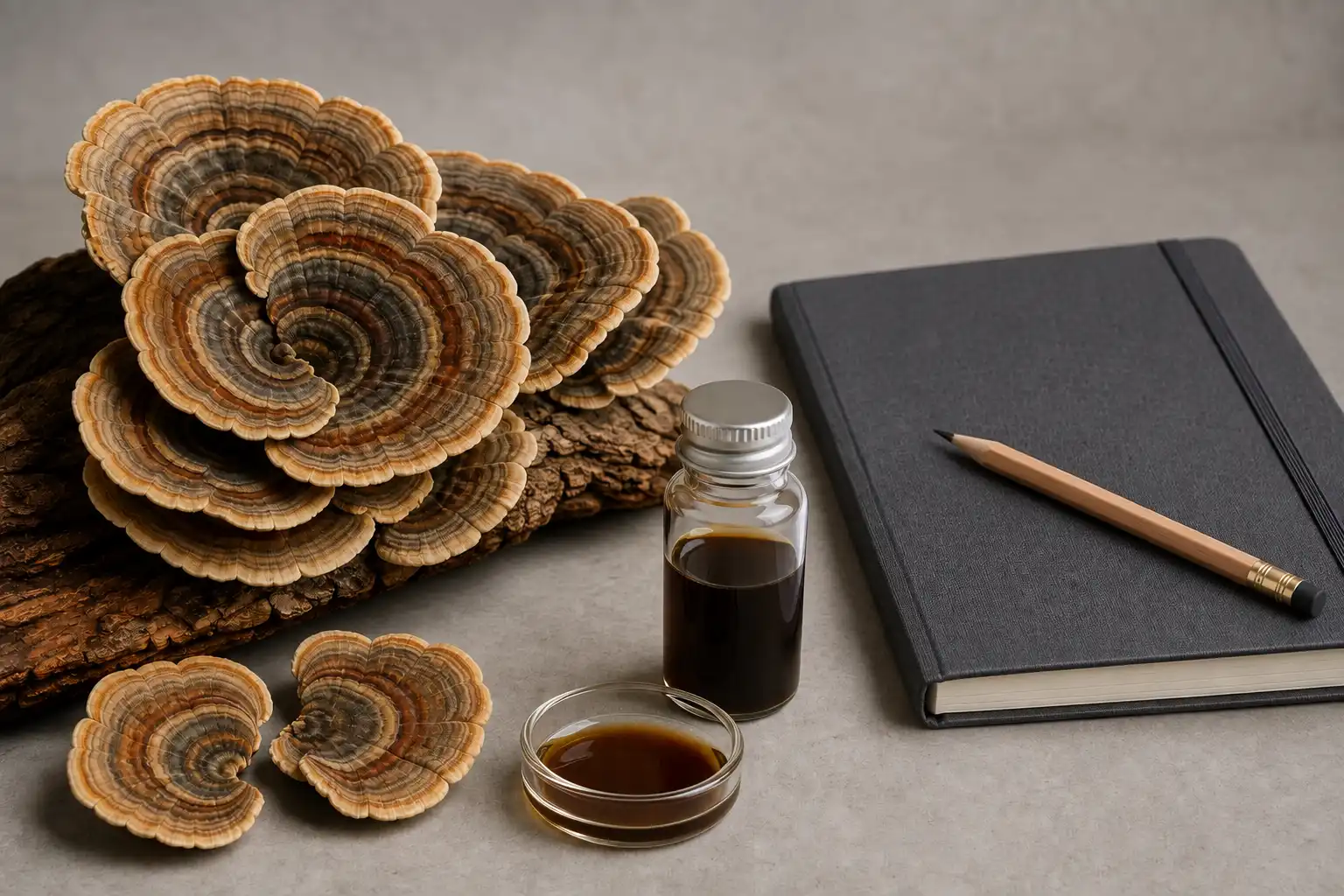
Turkey Tail Mushroom Research: PSK, Products, and Safety
Turkey tail research on PSK and other extracts is product- and setting-specific; it does not validate self-treatment, foraged material, or every supplement.
Continue exploring
Browse more practical guides in Health or visit the mushroom encyclopedia.