Recipes
Grilled Portobello Mushroom Burgers
Make grilled portobello mushroom burgers with cultivated portobello mushrooms, clear steps, practical substitutions, and conservative food-safety guidance.
By MushroomScope Editorial Team · · Updated
Food source
Cook identified edible mushrooms
Recipes assume mushrooms sold as food by a reputable supplier, not foraged specimens needing identification.
Open the recipe hub →Kitchen safety
Handle leftovers promptly
Cool leftovers in shallow containers, refrigerate promptly, and discard food held unsafely or showing spoilage.
Review preparation safety →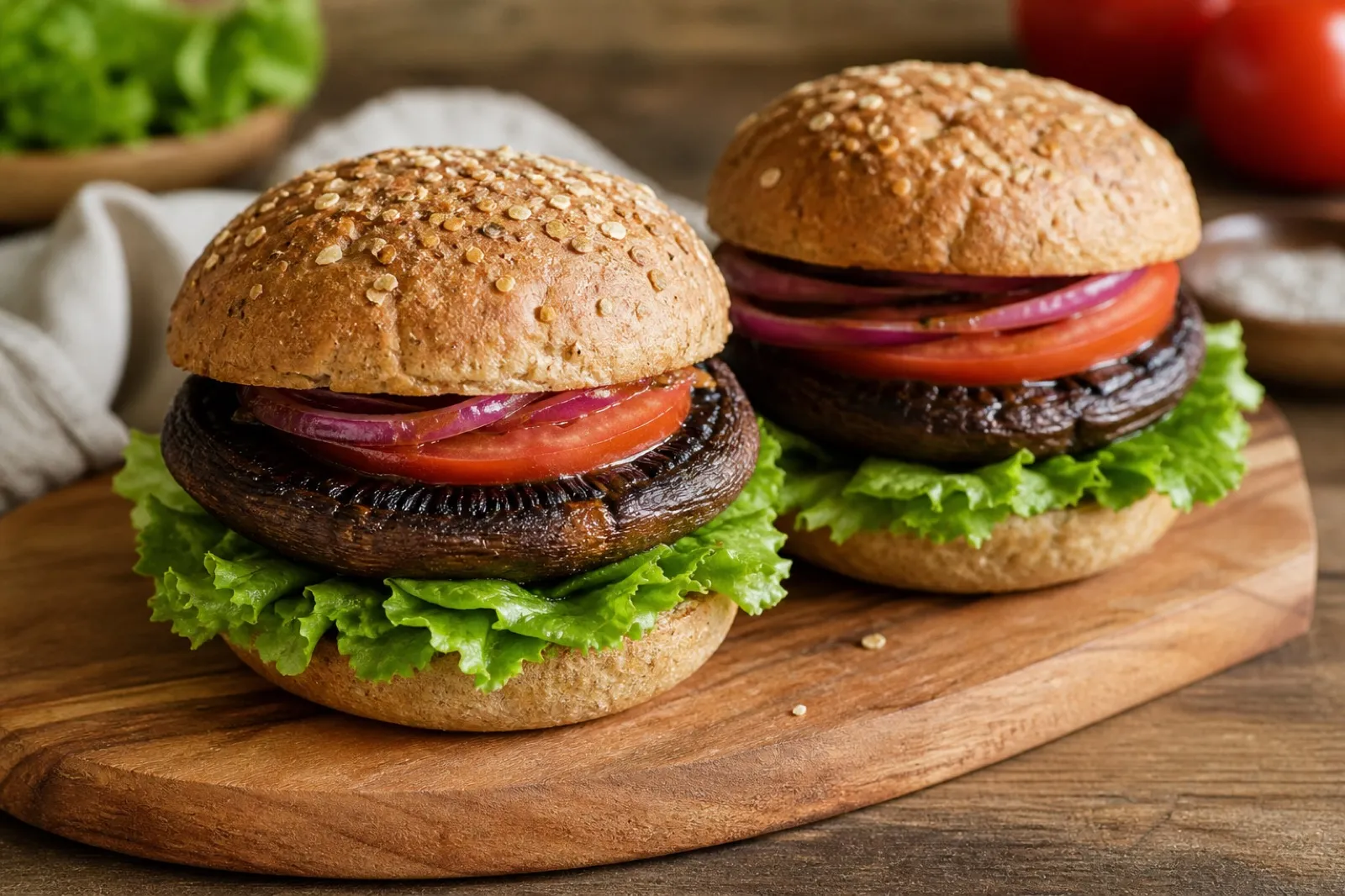
Recipe details
- Prep time
- PT15M
- Cook time
- PT30M
- Yield
- 4 servings
Ingredients
- 4 large cultivated portobello caps
- 4 burger buns
- 2 tablespoons olive oil
- 2 tablespoons balsamic vinegar
- lettuce and sliced tomato for serving
- salt and black pepper to taste
Instructions
- Buy identified cultivated mushrooms from a reputable food supplier and discard spoiled pieces.
- Clean mushrooms with a soft brush or brief rinse, dry well, and cut into even pieces.
- Marinate briefly, grill until tender, and serve promptly on toasted buns.
- Season to taste and serve while hot.
- Cool leftovers promptly in a shallow covered container and refrigerate.
Why a portobello cap works as a burger filling
A mature cultivated portobello has the width and structure to sit on a bun without being chopped or bound into a patty. Its high water content is also the central cooking challenge: a cool grill or long marinade can leave the cap soft and wet, while very high heat can scorch the seasoning before the thick center becomes tender. This method uses a preheated grill, a short marinade, and two-sided cooking so moisture can escape while the surface browns.
The mushroom is not meant to imitate the protein or nutrition of a beef patty. USDA FoodData Central lists foods by specific item and preparation, and values differ across products and serving sizes. Treat this as a mushroom sandwich with its own texture, then build a balanced meal around it according to your needs. Beans, a lentil salad, tofu, dairy, or another suitable side can supply elements that are not provided by a mushroom cap alone.
Only use portobellos sold as food by a reputable supplier. Portobello, cremini, and white button mushrooms are marketed growth stages or color forms of cultivated Agaricus bisporus; the cremini and portobello guide explains that relationship. A recipe cannot authenticate a wild Agaricus, and cooking does not make a poisonous lookalike safe.
Choose caps that will grill evenly
Look for four caps of similar diameter and thickness so they finish at roughly the same time. They should feel firm, with no slime, sour or ammonia-like odor, or spreading wet discoloration. A slightly opened veil and visible dark gills are normal for a mature portobello. Cracked edges are usable if the cap is otherwise fresh, though they can dry faster on the grill.
Store-bought mushrooms may carry soil or growing-medium particles. The FDA recommends washing produce under running water rather than using soap or commercial produce wash. For mushrooms, use a soft brush or a quick rinse, then dry every surface with a clean towel. Soaking adds water to an ingredient that already needs to shed moisture.
Twist or cut out the stems and save sound stems for stock, soup, or a finely chopped filling. Scraping out the dark gills is optional. Leaving them gives a deeper mushroom flavor; removing them reduces dark juices and creates a shallow cavity for cheese or seasoning. Neither choice substitutes for checking freshness.
Ingredients and practical substitutions
- Four large cultivated portobello caps: Similar-sized caps make timing predictable. Do not replace them with unidentified foraged mushrooms.
- Two tablespoons olive oil: Oil helps seasoning spread and limits sticking. A neutral high-heat cooking oil also works. Measure it rather than saturating the caps.
- Two tablespoons balsamic vinegar: This supplies acidity and a small amount of sweetness. Red-wine vinegar can replace it, but use slightly less at first and taste the mixture.
- Salt and black pepper: Season both sides shortly before grilling. Very salty bottled sauces can be used, but reduce added salt.
- Four burger buns: Choose buns close to the cap diameter. Gluten-free buns are suitable if all ingredients and the preparation area meet the diner’s needs.
- Lettuce, tomato, and onion: Dry watery toppings well. Pickles, roasted pepper, arugula, or cabbage slaw provide acidity and crunch.
For a dairy-free burger, skip cheese and check the bun and sauce labels. For a vegan result, also avoid mayonnaise made with egg and confirm that any Worcestershire-style seasoning is fish-free. These substitutions change flavor, not the safe handling requirements.
Mix a short marinade instead of soaking the caps
Whisk the oil, balsamic vinegar, a modest pinch of salt, and black pepper in a shallow dish. Brush or turn each cap in the mixture and let it stand for about 10 to 15 minutes while the grill heats. A long soak does not drive flavor deeply into the dense flesh; it mainly loads the surface with liquid and acid, making browning harder and texture softer.
If adding garlic, use a small amount of finely grated garlic in the marinade or add garlic-flavored sauce after grilling. Large pieces can fall through the grate or burn. Dried herbs tolerate heat better than delicate fresh herbs; reserve basil, parsley, or chives for the finished burger.
Keep the mushroom dish and its utensils away from raw meat, poultry, seafood, and their juices. If the same grill is used for animal foods, use separate clean utensils and platters for cooked items. The FDA’s produce-safety guidance emphasizes clean hands, surfaces, and separation from raw animal foods.
Grill the caps until tender without trapping water
- Preheat a clean grill to medium-high heat. Give the grate time to become fully hot rather than placing the mushrooms over a weak flame as soon as it is lit.
- Clean and oil the grate according to the grill manufacturer’s safe procedure. Remove each cap from the marinade and let excess liquid drip back into the dish.
- Place the caps on the grill with the gill side down first. Close the lid only if that is appropriate for the grill and remain nearby.
- After distinct grill marks form and the cap releases without tearing, turn it with clean tongs. Avoid repeatedly flipping or pressing it; pressing forces flavorful liquid onto the fire.
- Continue until the center is hot and yielding when gently pressed, the edges are browned, and no raw, cool, rubbery center remains. Cap thickness, grill design, wind, and starting temperature make a fixed minute count unreliable, so judge texture and heat as well as time.
- Move the cooked caps to a clean rack or plate for two to three minutes, gill side down or tilted, so loose liquid drains rather than soaking the bun.
Mushrooms can darken substantially as they cook. Browning alone does not show whether a thick cap is tender in the center. Likewise, visible juices do not mean the cap has failed; the goal is controlled moisture, not a completely dry mushroom.
Toast the buns during the final minutes
Split the buns and place the cut sides over moderate heat only near the end. Toasting creates a drier barrier against mushroom and tomato juices. Watch continuously because bread can burn much faster than a thick cap cooks. Move toasted buns to the clean serving platter, not the dish that held uncooked ingredients.
Add cheese without overcooking the mushroom
If using cheese, place a thin slice on the cap only after the mushroom is already tender, then cover briefly to melt. Extending the entire cook just to melt a thick slice can make the edges tough. Plant-based slices vary widely in melting behavior; follow their package directions or use a spread after grilling.
Assemble for contrast and a bun that stays intact
Spread sauce lightly on the toasted bun rather than flooding the cap. Put dry lettuce or a thin cabbage layer under the mushroom to slow moisture migration. Add the drained cap, tomato, onion, pickles, and the top bun. Serve immediately; even a well-grilled mushroom continues releasing moisture as it sits.
A sharp mustard, herb sauce, or yogurt-based sauce balances the cap’s savory flavor. If the marinade is sweet, choose an acidic or peppery topping instead of stacking several sweet sauces. For more portobello preparation ideas, compare the oven-based stuffed portobello recipe.
Troubleshoot texture, sticking, and harsh flavors
The cap is watery and the bun collapses: The grill may not have been fully heated, the marinade was excessive, or the cooked cap went directly onto the bun. Dry the next batch carefully, marinate briefly, cook with space around each cap, drain for a few minutes, and toast the bun.
The mushroom sticks and tears: The grate was dirty, insufficiently prepared, or the cap was turned before it naturally released. Preheat and prepare the grate, use enough oil to coat rather than drench, and wait for browning before turning.
The outside is dark but the center is rubbery: Heat was too intense for the cap thickness. Move the caps to a less direct zone and finish more gently. Do not rely on a charred exterior as proof of doneness.
The vinegar tastes sharp or scorched: Excess marinade pooled on the cap or the balsamic contained enough sugar to burn over aggressive heat. Let excess drip away and use moderate, controlled heat. Finish with fresh vinegar after cooking if more acidity is needed.
The finished burger tastes flat: Add contrast before adding more salt. Pickles, mustard, lemon, peppery greens, or fresh herbs can sharpen flavor. Also check that the cap actually browned; a steamed surface will taste less complex.
Use a skillet or broiler when outdoor grilling is unavailable
For a skillet, heat a wide heavy pan over medium-high heat, add the drained caps without crowding, and cook both sides until browned and tender. Work in batches if the caps touch. Pouring off accumulated liquid can help, but handle the hot pan carefully and never pour cooking liquid into an open flame.
For a broiler, consult the appliance instructions, use a broiler-safe rack and pan, and keep the caps the recommended distance from the heating element. Turn once and watch continuously. Broilers differ sharply in power, so visual and texture checks matter more than copying grill timing.
These alternatives will not create the same smoke aroma, but the same moisture controls apply: dry caps, brief marinade, enough heat, uncrowded cooking, and a short draining rest.
Store components promptly and reheat only what you need
Serve cooked caps promptly. The FDA advises refrigerating perishables within two hours, or within one hour when the surrounding temperature is above 90°F (32°C). Place leftover caps in a clean, shallow covered container and keep the refrigerator at or below 40°F (4°C). Store buns and crisp toppings separately so they do not become wet.
Reheat only the portion needed until it is steaming hot throughout, using a skillet, oven, or microwave as appropriate. A re-grilled cap may become firmer, so gentler reheating is usually better. Discard food left out beyond safe limits or showing slime, mold, or an off odor; tasting is not a safe spoilage test.
If mushrooms cause unexpected symptoms, stop eating and seek appropriate medical advice. For a suspected wild-mushroom exposure, contact local poison-control or emergency services and preserve the remaining material and photographs. This recipe’s handling advice applies only to cultivated mushrooms sold for food.
Browse more tested mushroom recipes and review the evidence-based distinction between cooked and raw mushrooms.
Match cap thickness to a grill zone
Measure the thickest center and group caps of similar diameter and depth. A broad thin cap can finish before a compact thick one becomes tender. Preheat a hotter direct zone for initial marks and a moderate zone for finishing. Begin gill-side down only long enough to set the surface, then turn and monitor the dense center rather than chasing dark grate lines.
Brush on a measured marinade instead of soaking the caps. Portobellos already contain substantial water; a long bath fills the gills and makes the burger release more liquid during cooking. Reserve used marinade only if it has not contacted raw animal foods and will be cooked appropriately; otherwise discard it. Do not keep brushing cool marinade onto a cap just before service.
After grilling, rest each cap gill-side down on a rack for a minute so free liquid drains away from the bun. Toast the cut faces and place wet condiments above a barrier such as lettuce or a thin spread. Assemble cap, crisp vegetables, and sauce only at service. A tall stack traps steam and slides, so use one cap that fits the bun rather than layering several smaller watery pieces.
References
- U.S. Food and Drug Administration. Selecting and Serving Produce Safely. Produce handling for caps and uncooked toppings.
- U.S. Food and Drug Administration. Are You Storing Food Safely?. Refrigeration context for grilled caps stored apart from buns.
- USDA. FoodData Central. Ingredient-composition reference; bun, marinade, cheese, and sauce determine the complete burger.
Source quality notes
MushroomScope cites sources that match the page scope, such as taxonomic databases, extension guidance, food-safety agencies, food-composition databases, and peer-reviewed or institutional health references. Sources support context and uncertainty; they do not turn an online page into specimen identification, medical advice, or a tested recipe record.
Frequently asked questions
Which mushrooms work best for grilled portobello mushroom burgers?
Use cultivated portobello mushrooms from a reputable food supplier. Do not substitute an unidentified wild mushroom.
Can the mushrooms be prepared in advance?
They can be cleaned and cut shortly before cooking. Keep prepared mushrooms refrigerated and prevent cross-contamination with raw animal foods.
How should leftovers be stored?
Refrigerate promptly in a clean covered shallow container, keep the refrigerator at or below 40°F (4°C), and follow local leftover guidance.
How do I keep a portobello burger from becoming soggy?
Dry the cap, use a short measured marinade, grill over a fully preheated grate, and let the cooked cap drain briefly before assembling it with the bun.
Should the dark gills be removed from a portobello cap?
Removal is optional. The gills are edible on a cultivated portobello, but scraping them out can reduce dark liquid and make room for seasoning or cheese.
Related guides
mushrooms
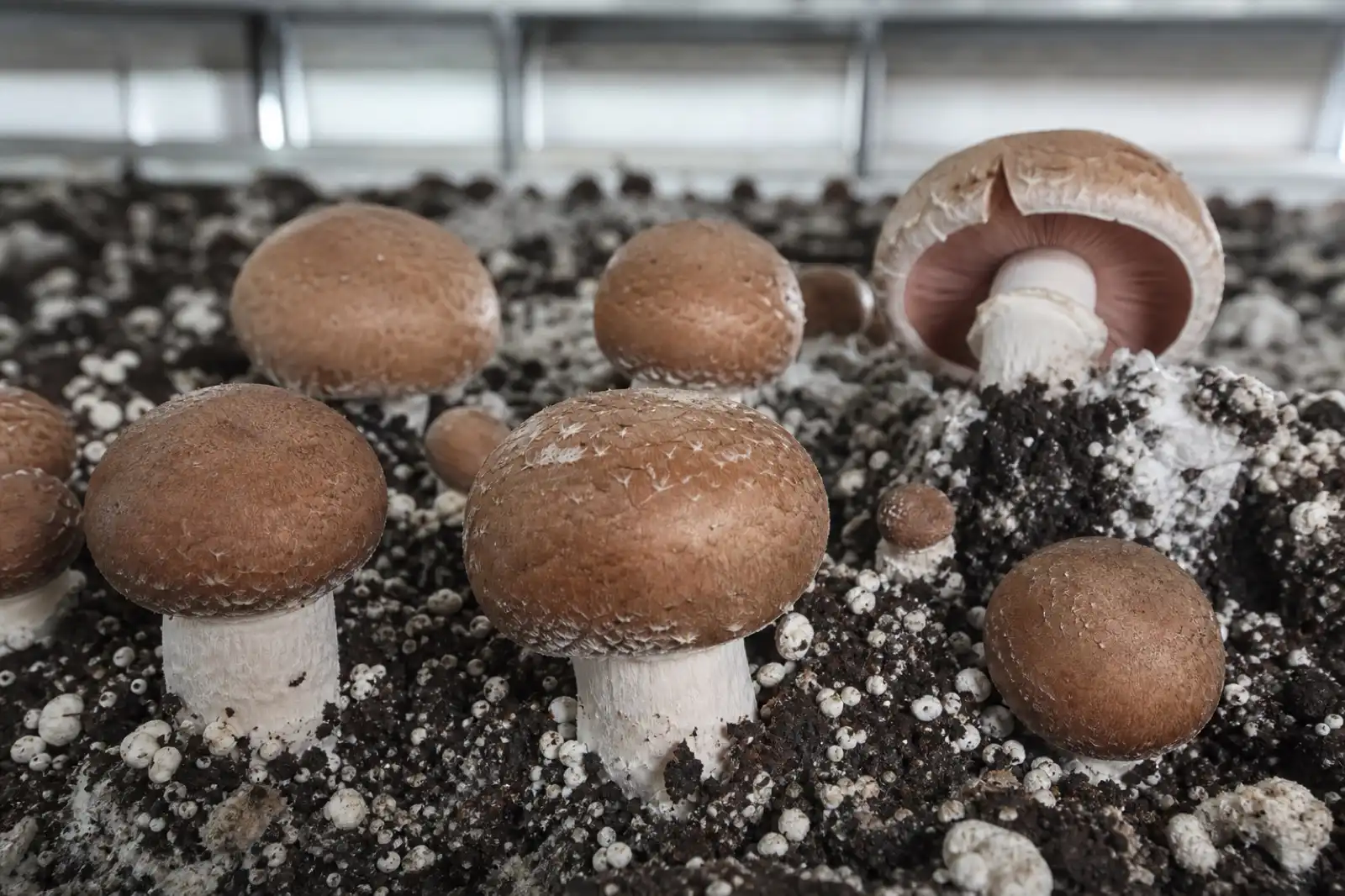
Cremini Mushrooms: Button vs. Portobello, Nutrition, and Uses
Cremini, baby bella, button, and portobello mushrooms are Agaricus bisporus market forms. Compare maturity, cooking uses, nutrition, cultivation, and safety.
recipes
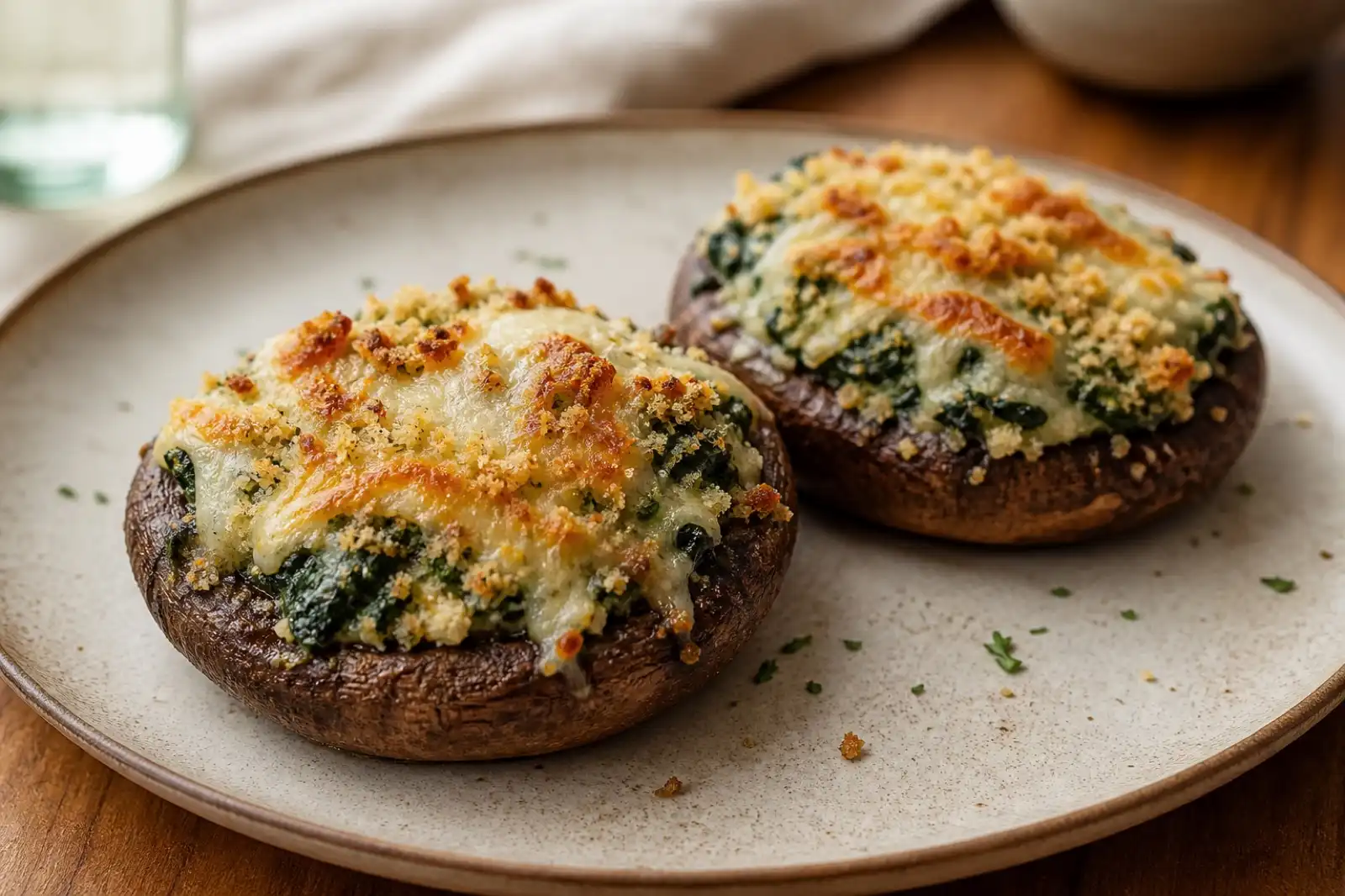
Stuffed Portobello Mushrooms
Make stuffed portobello mushrooms with cultivated portobello mushrooms, clear steps, practical substitutions, and conservative food-safety guidance.
health
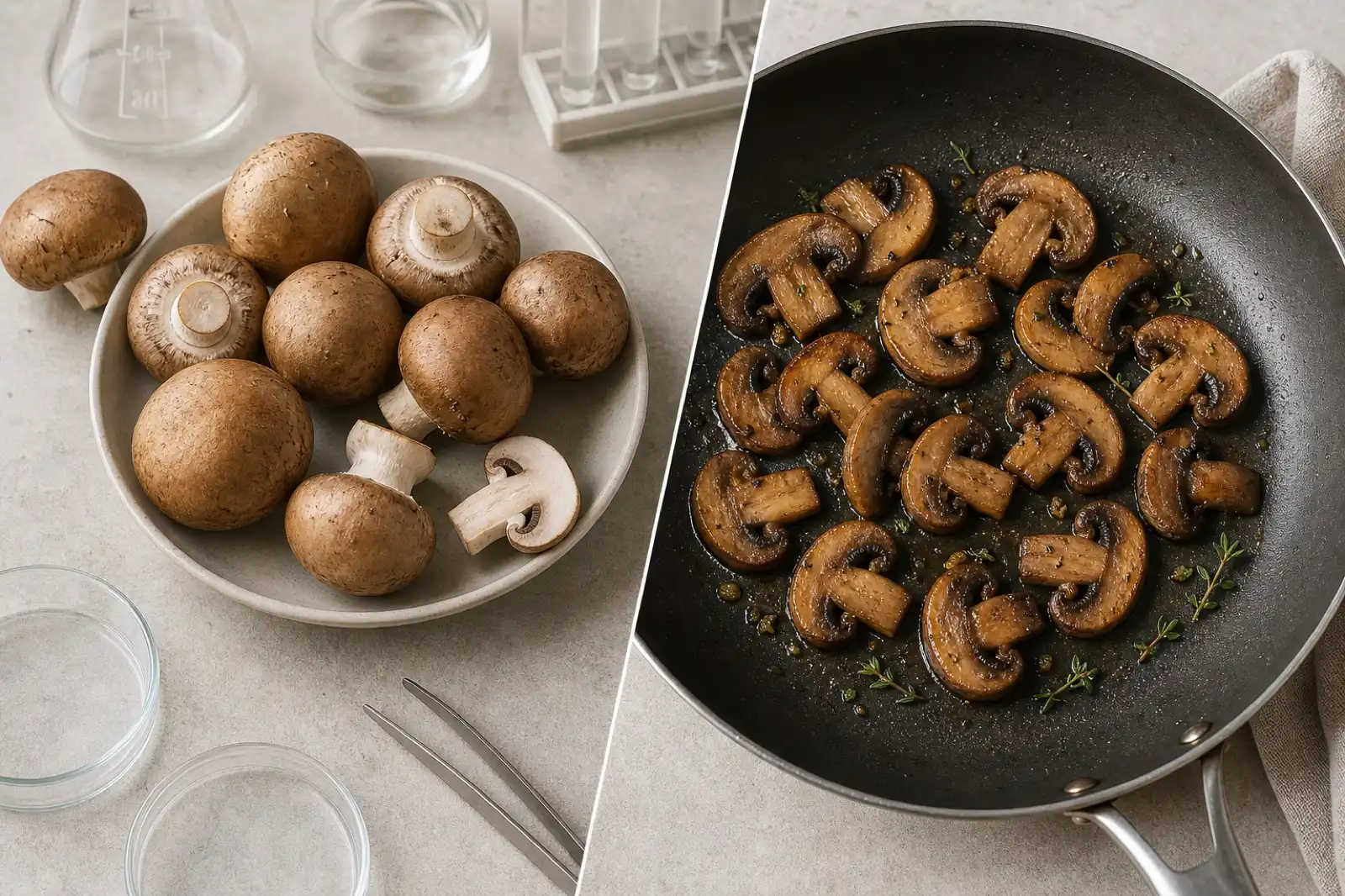
Cooked vs. Raw Mushrooms: Nutrition and Safety
Cooking changes water content, texture, digestibility, and measured nutrient concentration; it also supports safer produce handling.
Continue exploring
Browse more practical guides in Recipes or visit the mushroom encyclopedia.