Recipes
Stuffed Portobello Mushrooms
Make stuffed portobello mushrooms with cultivated portobello mushrooms, clear steps, practical substitutions, and conservative food-safety guidance.
By MushroomScope Editorial Team · · Updated
Food source
Cook identified edible mushrooms
Recipes assume mushrooms sold as food by a reputable supplier, not foraged specimens needing identification.
Open the recipe hub →Kitchen safety
Handle leftovers promptly
Cool leftovers in shallow containers, refrigerate promptly, and discard food held unsafely or showing spoilage.
Review preparation safety →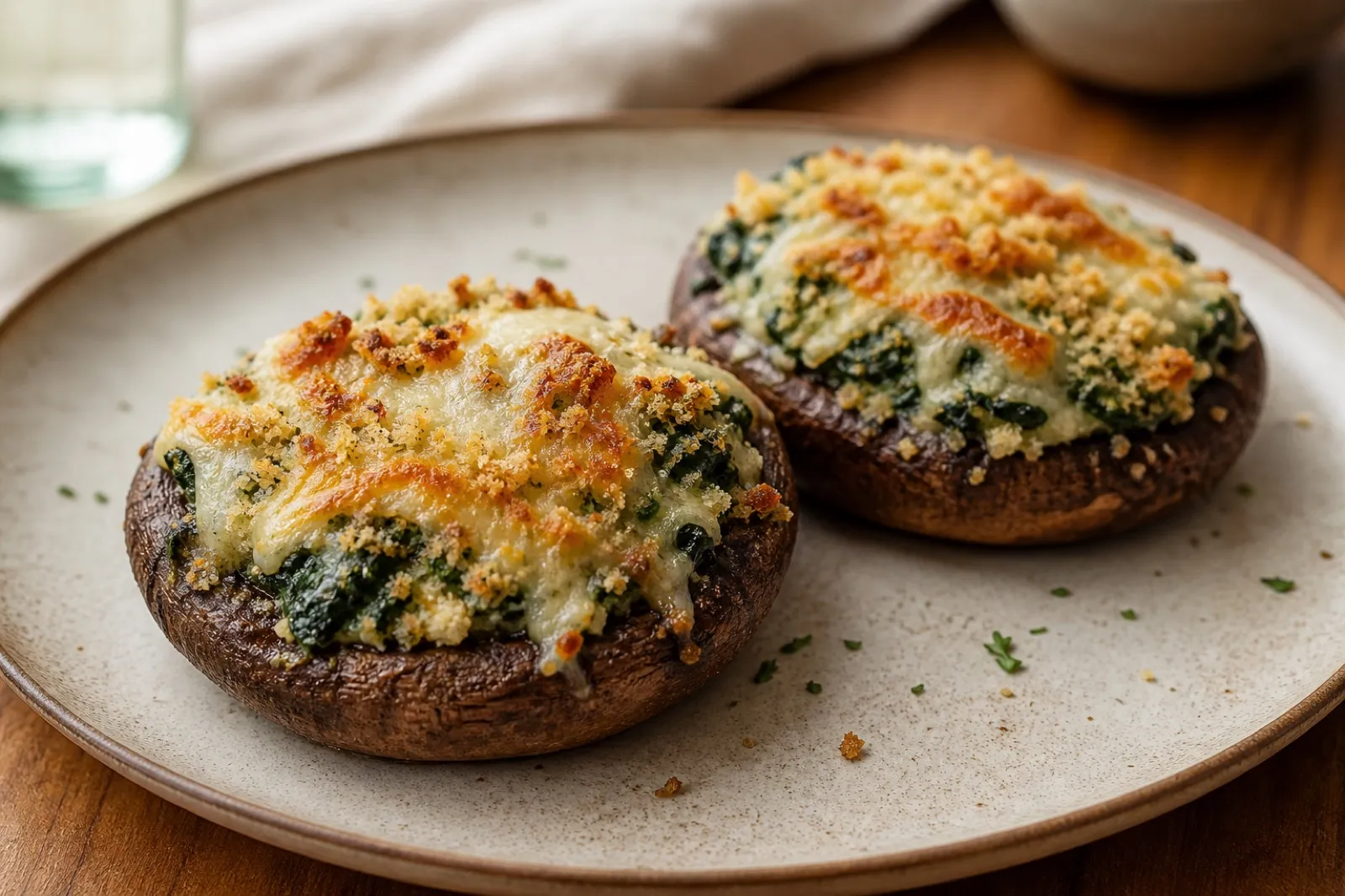
Recipe details
- Prep time
- PT15M
- Cook time
- PT30M
- Yield
- 4 servings
Ingredients
- 4 large cultivated portobello caps
- 100 g breadcrumbs
- 150 g chopped spinach
- 120 g grated cheese
- 1 tablespoon olive oil
- 1 garlic clove, minced
- salt and black pepper to taste
Instructions
- Buy identified cultivated mushrooms from a reputable food supplier and discard spoiled pieces.
- Clean mushrooms with a soft brush or brief rinse, dry well, and cut into even pieces.
- Pre-bake caps, add cooked filling, and bake until the center is hot.
- Season to taste and serve while hot.
- Cool leftovers promptly in a shallow covered container and refrigerate.
Why this recipe works
Make stuffed portobello mushrooms with cultivated portobello mushrooms, clear steps, practical substitutions, and conservative food-safety guidance. Browning drives off surface moisture and builds savory flavor. Crowding a small pan traps steam, so cook in batches when necessary. The recipe uses breadcrumbs, spinach, and cheese to support rather than hide the mushroom flavor.
Use cultivated portobellos sold for food, ideally caps of similar diameter and thickness so the pre-bake is predictable. The recipe is not an identification method: a large brown wild cap cannot be substituted because it resembles a portobello, and heat cannot detoxify an incorrectly identified mushroom. Check the package condition and any current recall notice before preparation.
Ingredients and substitutions
- portobello mushrooms: Choose firm specimens without slime, strong off-odors, or extensive damage.
- breadcrumbs: Provides the main cooking medium or structure. Use a suitable dietary substitute when needed.
- spinach: Add after the mushrooms have begun to brown so it does not scorch.
- cheese: Adjust the amount to balance richness, acidity, or texture.
- Seasoning: Salt gradually and finish with black pepper or fresh herbs.
Pre-bake the caps before adding hot filling
- Buy identified cultivated mushrooms and refrigerate them promptly.
- Clean hands, utensils, and work surfaces. Keep mushrooms separate from raw meat, poultry, and seafood.
- Prepare mushrooms in even pieces and dry their surfaces.
- Pre-bake caps, add cooked filling, and bake until the center is hot.
- Taste, adjust seasoning, and serve hot.
For the filling, spread chopped stems and onion in a skillet wide enough to expose most pieces to the hot surface. Stir once the lower edges color, then continue until the pan leaves a dry trail when a spatula passes through. That visible end point matters more than a fixed minute count because stem mass, spinach moisture, and pan diameter vary.
Troubleshooting
The tray fills with dark liquid: The caps were filled before their initial water release, or they were packed too closely. Pre-bake gill-side down, drain the rimmed tray, blot only the exterior, and return the caps with space for air circulation.
Garlic or spices taste bitter: Add delicate aromatics later or reduce the heat once browning is established.
The finished dish is heavy: Add measured acidity, fresh herbs, or unsalted stock rather than more salt.
Filling and moisture control
Portobello caps release water as they cook, so remove excess moisture before adding heavy fillings. Wipe the caps clean, trim damaged areas, and pre-bake or briefly roast them gill-side down if your filling is especially wet. This prevents a watery baking dish and helps the filling stay distinct from the mushroom.
Balance the filling with texture. Breadcrumbs, cooked grains, chopped herbs, and a measured amount of cheese can make the center satisfying without turning dense. If using vegetables such as spinach or peppers, cook off their moisture first.
Prepare caps without saturating them
Select four caps of similar diameter and thickness so they cook at roughly the same rate. Brush away loose growing medium or rinse briefly under running water, then dry immediately. Do not soak them. Twist or cut out sound stems and chop them for the filling; discard stems that are slimy, moldy, or foul-smelling.
Removing the dark gills is optional for cultivated portobellos. Scraping creates more filling space and reduces dark liquid, while leaving them preserves more mushroom tissue. Use a spoon gently so the cap does not split. The gills are not a safety problem in a fresh cultivated portobello, and removal does not authenticate a wild mushroom.
Brush both sides lightly with oil and arrange gill-side down on a rimmed baking tray. Pre-bake until the caps begin to soften and release liquid, then move them to a clean rack or drain the tray carefully. Turn gill-side up only when ready to fill. This separate step prevents the crumb mixture from absorbing the first large release of water.
Build a filling that holds together without becoming dense
Cook chopped stems and onion in a wide skillet until their moisture evaporates and edges brown. Add garlic only near the end. Cook spinach separately or add it after browning, then continue until no liquid pools. Cool the mixture briefly before adding cheese so the binder does not melt prematurely.
Use breadcrumbs as a measured absorbent, not the bulk of the filling. Add enough to bind moist vegetables while the mixture remains loose. If it compacts like dough, loosen it with chopped vegetables or a small amount of stock. Spoon the filling into the caps without pressing hard; air spaces allow heat to move through and keep the texture lighter.
For a grain filling, use fully cooked and cooled quinoa, rice, barley, or another suitable grain. Grain does not absorb unlimited mushroom water, so the caps and vegetables still need pre-cooking. Beans or lentils can add structure and protein according to individual dietary needs, but mash only part of them to avoid a paste.
Make dietary substitutions safely
For gluten-free cooking, use certified gluten-free crumbs or a suitable cooked grain and verify stock, seasonings, and cheese alternatives. Prevent cross-contact with ordinary bread crumbs and shared utensils. For a vegan version, omit dairy cheese and choose a plant product that is labeled for baking, or use beans, herbs, toasted seeds, and nutritional yeast if appropriate.
“Plant-based” is not allergen-free. Alternatives may contain soy, wheat, tree nuts, coconut, or other allergens. Cheese and crumbs may contain milk, wheat, egg, or shared-facility warnings. Read current labels and tell diners what the filling contains.
Bake to a hot center and tender cap
Return filled caps to the oven on a clean tray. Bake until the cap is tender when pierced at the thickest edge, the center of the filling is hot, and the topping is browned. A dark topping alone does not show that a cold dense center has heated. If the crumbs brown too quickly, tent loosely with foil while the center finishes, keeping foil clear of exposed heating elements.
Fillings containing raw meat, poultry, seafood, or egg require their own validated safe internal temperatures and cross-contamination controls. This base recipe uses a cooked vegetable filling; do not assume its timing is adequate for a raw-animal-food variation. Follow authoritative guidance for the specific ingredient and use a clean food thermometer.
Let the caps rest for about five minutes before moving them. This allows loose juices to settle and reduces the chance of tearing. Transfer with a wide spatula that supports the entire cap.
Troubleshoot common stuffed-portobello failures
Water floods the baking dish: The caps skipped pre-baking, vegetables were added wet, or the tray was crowded. Drain the first cap liquid, cook spinach and chopped stems until dry, and leave space around each mushroom.
The filling falls apart: It may be too dry or loosely proportioned. Add binder in small amounts and press only enough to hold a spoonful together. Allow the finished caps to rest before transfer.
The filling is pasty: Too many crumbs were packed into wet ingredients, or the mixture was compressed. Add more browned mushroom stems or cooked vegetables and spoon lightly. Measure rather than pouring crumbs directly from the package.
The cap is tough while the top is brown: The cap was thick, the oven ran hot, or the pre-bake was too short. Use similar caps, verify oven temperature, and cover the topping while the mushroom finishes.
The dish tastes flat: Add acidity and aroma before more salt. Lemon zest, a small splash of vinegar, fresh herbs, black pepper, or a tomato-based side can balance cheese and breadcrumbs.
Plan serving size and side dishes
One large cap can serve as a main component, while smaller caps work as side dishes or appetizers. Size and filling density vary, so state the actual yield rather than assuming every package contains “large” mushrooms. Pair with a crisp salad, beans, soup, or whole grain according to the meal’s needs.
For a buffet, do not stack the caps or hold them at room temperature for an extended period. Keep hot food within applicable safe-holding guidance and replenish in smaller batches. Label allergen-sensitive variations clearly and use separate serving utensils.
Compare this oven method with grilled portobello burgers and review the cultivated button-cremini-portobello relationship in the cremini guide.
Storage and reheating
Move cooked caps to refrigeration within two hours, or within one hour above 90°F (32°C). Arrange them in a single shallow layer so dense filling does not remain warm at the center, cover once rapid steaming subsides, and keep the refrigerator at or below 40°F (4°C). Reheat only the portion required until the center is steaming; discard any cap with an uncertain holding history, slime, mold, or an off odor.
Cool caps in a single layer rather than stacking them in a deep container. If making components ahead, refrigerate the cooked filling and pre-baked caps separately and assemble close to baking. Do not hold a wet raw filling inside caps overnight unless a tested recipe specifically directs it.
Reheat in an oven or air fryer at moderate heat so the center warms before the topping burns, or microwave in a vented microwave-safe container and pause to rotate. Check for cold pockets. Reheating restores temperature, not freshness; discard food with mold, slime, off odor, or an unsafe holding history.
For another portobello technique, compare the moisture and structure choices in grilled portobello burgers. The cooked-versus-raw guide explains why water loss can change nutrient values per 100 grams without creating new nutrients.
Keep recipe metadata consistent with the actual variation
If the filling is changed substantially, recalculate preparation time, cooking time, yield, allergens, and ingredient list rather than leaving the structured recipe unchanged. A bean-filled vegan cap and a raw-meat-filled cap have different handling needs. Publish only instructions that match the displayed ingredients and tested workflow.
Check the center before plating
Lift one representative cap and inspect the thickest portion and filling center. The mushroom should be tender, the filling hot, and the tray free of a large pool of raw vegetable liquid. Rest briefly, then use a wide spatula so the cap and topping reach the plate together.
References
- FDA — Selecting and Serving Produce Safely — purchasing, washing, and cross-contamination controls for produce.
- FDA — Are You Storing Food Safely? — refrigerator temperature and prompt-storage guidance.
- USDA FoodData Central — food-composition records; values depend on the selected item and preparation state.
Source quality notes
MushroomScope cites sources that match the page scope, such as taxonomic databases, extension guidance, food-safety agencies, food-composition databases, and peer-reviewed or institutional health references. Sources support context and uncertainty; they do not turn an online page into specimen identification, medical advice, or a tested recipe record.
Frequently asked questions
Which mushrooms work best for stuffed portobello mushrooms?
Use cultivated portobello mushrooms from a reputable food supplier. Do not substitute an unidentified wild mushroom.
Can the mushrooms be prepared in advance?
They can be cleaned and cut shortly before cooking. Keep prepared mushrooms refrigerated and prevent cross-contamination with raw animal foods.
How should leftovers be stored?
Refrigerate promptly in a clean covered shallow container, keep the refrigerator at or below 40°F (4°C), and follow local leftover guidance.
Related guides
mushrooms
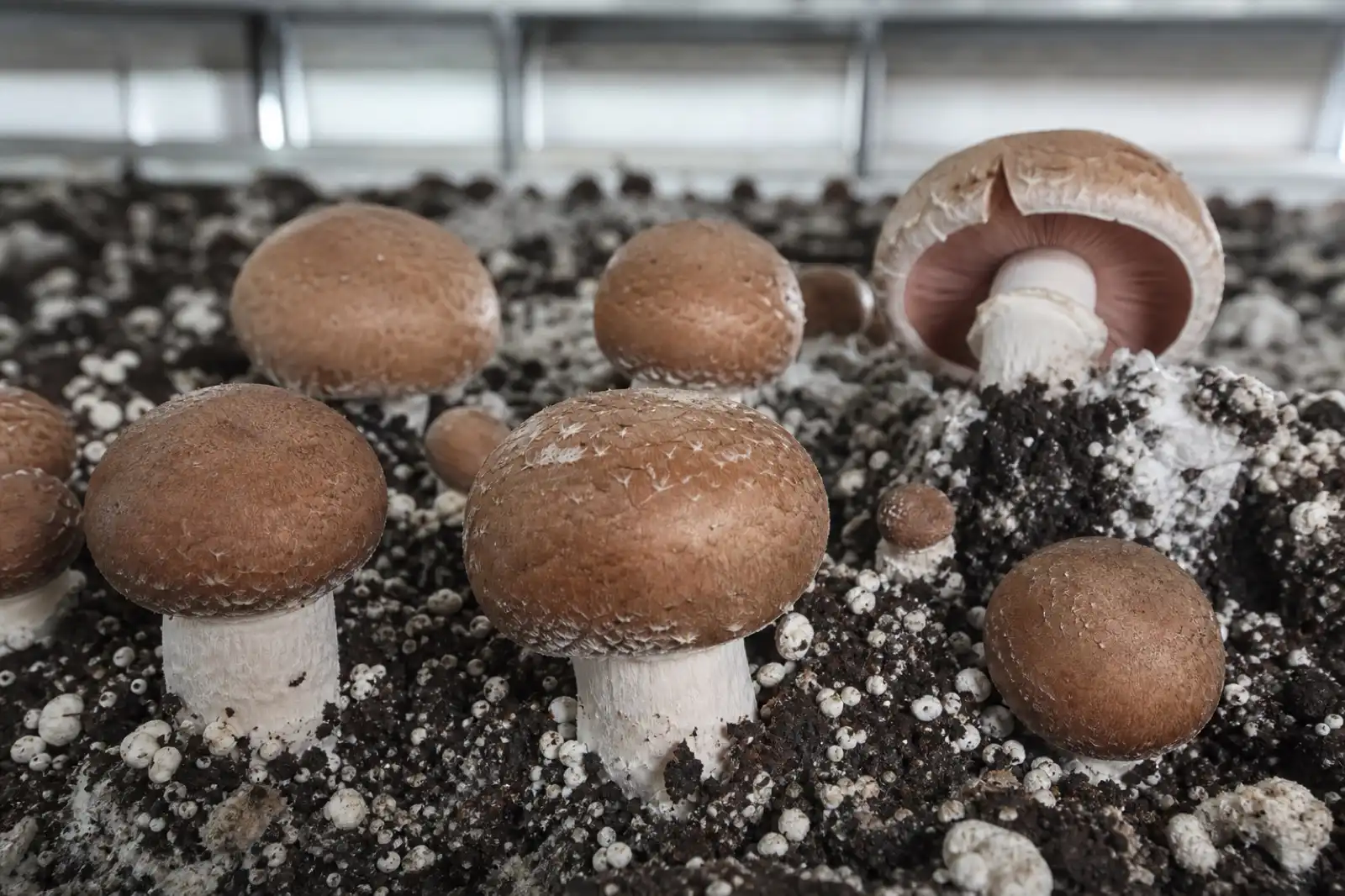
Cremini Mushrooms: Button vs. Portobello, Nutrition, and Uses
Cremini, baby bella, button, and portobello mushrooms are Agaricus bisporus market forms. Compare maturity, cooking uses, nutrition, cultivation, and safety.

recipes
Grilled Portobello Mushroom Burgers
Make grilled portobello mushroom burgers with cultivated portobello mushrooms, clear steps, practical substitutions, and conservative food-safety guidance.
health
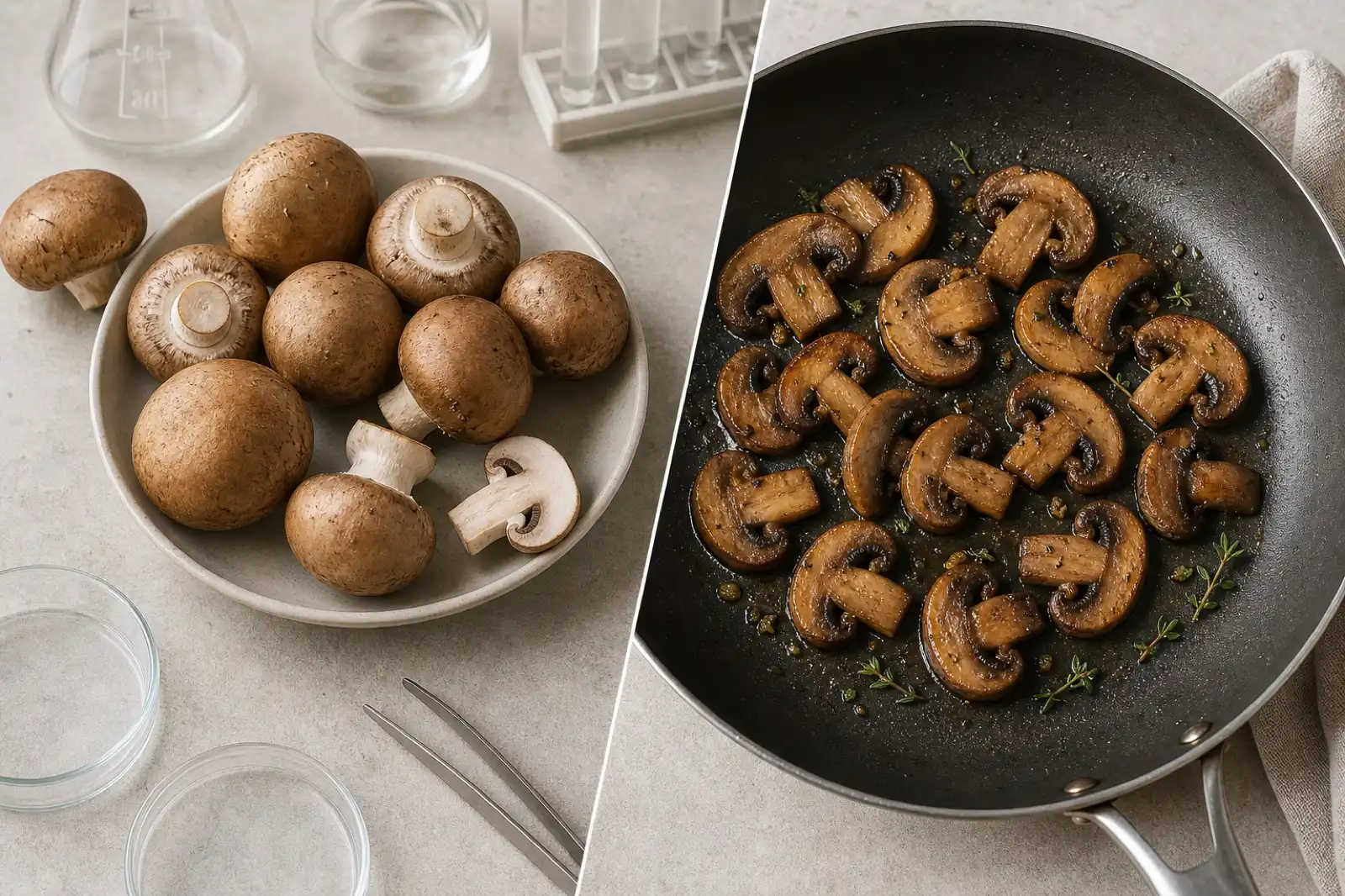
Cooked vs. Raw Mushrooms: Nutrition and Safety
Cooking changes water content, texture, digestibility, and measured nutrient concentration; it also supports safer produce handling.
Continue exploring
Browse more practical guides in Recipes or visit the mushroom encyclopedia.