Growing
How to Grow Shiitake Mushrooms on Logs
Log cultivation is slow but durable: use suitable fresh hardwood, authenticated shiitake spawn, correct inoculation, and patient incubation.
By MushroomScope Editorial Team · · Updated
Growing method
Start with authenticated culture
Use supplier-identified spawn or blocks and record substrate, stage, temperature, humidity, and visible changes.
Open the beginner growing hub →Food safety
Discard suspect batches
Unusual colors, slime, insects, or abnormal odor should be treated as a safety concern, not a climate tweak.
Review contamination guidance →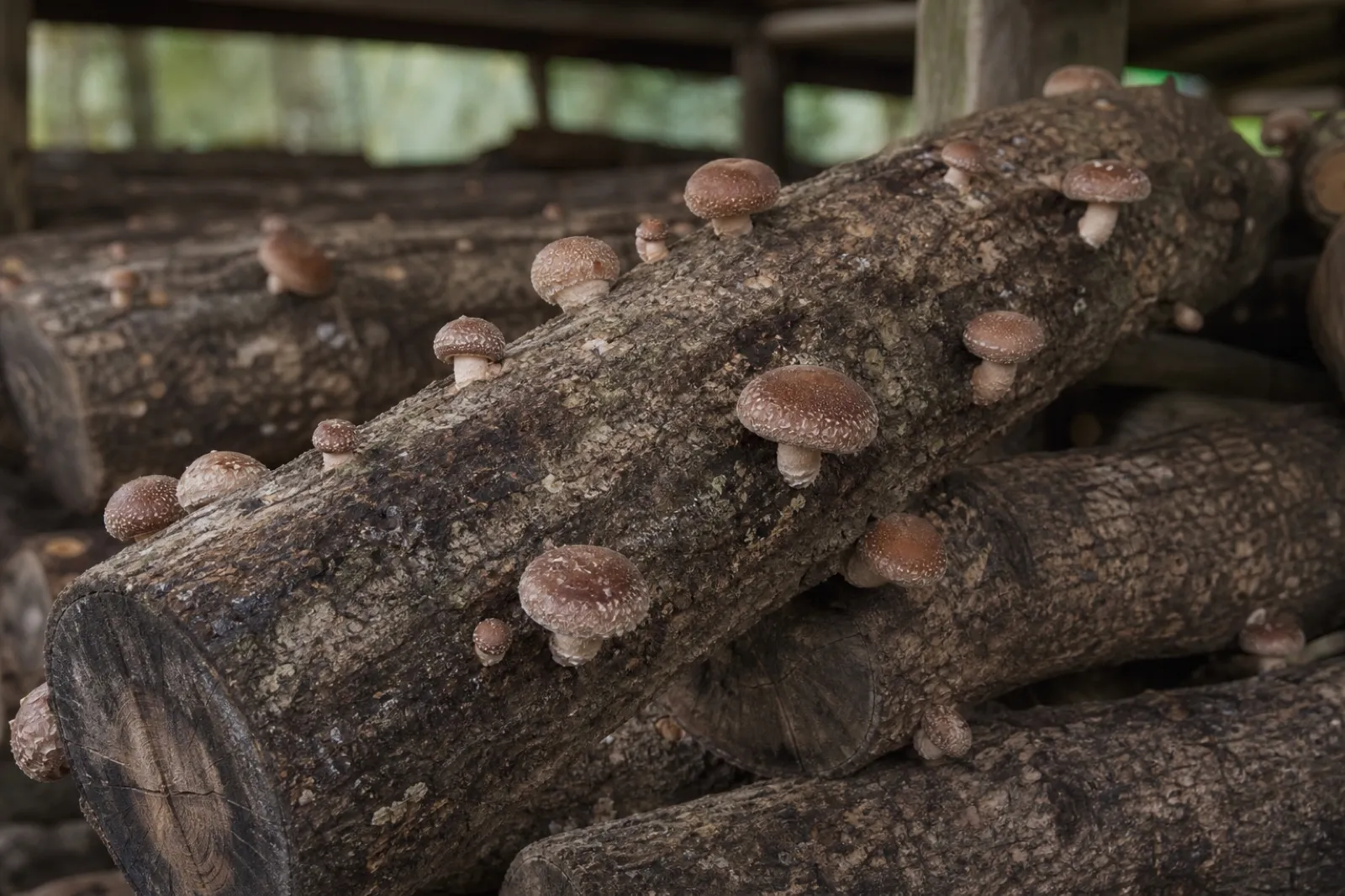
Why log cultivation is a long-term project
Shiitake (Lentinula edodes) can colonize suitable hardwood and produce mushrooms over multiple seasons. Compared with a purchased fruiting block, logs are slower and more exposed to weather, insects, and competitor fungi. Their advantage is durability: a well-established log may fruit repeatedly while the wood is gradually consumed.
Success begins with four matched inputs: authenticated shiitake spawn, a hardwood accepted by the supplier’s method, recently cut healthy wood, and an incubation site that limits drying without trapping stagnant moisture. There is no universal calendar. Strain, tree species, log diameter, climate, shade, inoculation rate, and moisture all affect colonization.
Keep batch records from the day trees are cut. Without dates and log identities, a stalled log and a normally slow log look the same.
Choose authenticated spawn and a compatible strain
Buy spawn from a reputable producer and retain the label, strain name, lot, production date, storage directions, temperature range, and inoculation instructions. Plug spawn is convenient for hand drilling; sawdust spawn can inoculate efficiently with the matching tool. Neither format compensates for old spawn, unsuitable wood, or poor moisture management.
Strains may be described broadly by fruiting-temperature preference or seasonal behavior. Treat those descriptions as supplier-specific operating guidance rather than universal taxonomy. Select a strain suited to the local climate and intended fruiting method.
Do not begin a food-growing project with tissue cloned from a wild mushroom. Identity, culture purity, productivity, and food suitability are all uncertain. The shiitake species guide provides biological context but does not authenticate wild cultures.
Select healthy, untreated hardwood
Use a tree species supported by the spawn supplier or an extension method for the region. Oaks are widely used, but other dense hardwoods may be suitable depending on local availability and strain. Avoid conifers unless a validated method specifically calls for them, and never use pressure-treated, painted, chemically contaminated, or unknown salvaged wood.
Logs should come from healthy living trees rather than wood already colonized by decay fungi. Leave bark intact; it protects moisture and provides a physical barrier. Reject sections with extensive bark loss, obvious fungal fruit bodies, deep decay, or contamination.
A manageable log must still have enough diameter to retain moisture. Very thin pieces dry rapidly, while very large logs are difficult to move and colonize slowly. Follow the supplier’s recommended range and cut lengths that can be safely lifted when wet.
Time cutting and inoculation carefully
Many established methods cut logs during tree dormancy and allow a short rest before inoculation. The rest lets natural antifungal defenses decline, but a long delay allows logs to dry and competitors to enter. Exact timing varies with tree species, weather, and supplier protocol.
Record the tree-cutting date and inoculation date separately. Store waiting logs off bare soil, shaded from direct sun, protected from drying wind, and arranged for airflow. Do not wrap them in airtight plastic.
If logs have dried beyond the method’s acceptable condition, soaking may not restore their original suitability. Start with sound material rather than trying to rescue wood of unknown history.
Assemble tools and protect the work area
Typical equipment includes spawn, a drill with depth stop, the bit specified for the spawn format, an inoculation tool if using sawdust spawn, food-production-appropriate sealing wax, a wax applicator, labels, eye protection, and cleanable gloves. Hot wax and drills create burn and injury risks; stabilize each log and keep bystanders clear.
Clean soil and debris from tools without stripping healthy bark from the log. Separate the inoculation area from firewood, compost, visibly moldy material, and mushroom waste. Outdoor log inoculation is not sterile, but organized, clean handling reduces avoidable competitor load.
Plan the full sequence before drilling so holes are not left open while tools or wax are located.
Drill a complete inoculation pattern
Use the hole diameter and depth specified for the plug or sawdust spawn. A depth stop prevents shallow holes that leave spawn exposed and deep holes that waste spawn or create poorly filled cavities.
Distribute holes in an offset or diamond pattern around the circumference and along the length. The exact spacing should follow the supplier method. Complete coverage shortens the distance mycelium must travel and reduces large uninoculated zones where competitors can establish.
Avoid drilling through loose bark or into visibly damaged tissue. Keep logs labeled throughout the process when several strains or tree species are involved.
Fill holes and seal promptly
Insert plug spawn so it sits flush with the bark. Pack sawdust spawn firmly with the matching inoculator so the hole is full rather than bridged at the opening. Do not mix formats or improvise dimensions without supplier guidance.
Seal inoculation points promptly with the recommended wax. The seal helps reduce moisture loss and physical exposure; it does not sterilize contaminated wood. Some methods also seal cut ends, while others do not, so follow the protocol rather than assuming more wax is always better.
Keep wax at a safe working temperature and away from open flame, dry vegetation, children, and pets. Mark each log with a durable code linked to strain, spawn lot, tree species, cutting date, inoculation date, and pattern.
Incubate in shade with airflow
Stack or lean inoculated logs in a shaded outdoor location protected from persistent drying wind. The site should have airflow and drainage; logs should not sit in standing water or remain sealed beneath impermeable plastic. Direct sun can overheat and dry bark.
Stacking style depends on site and climate. The practical goals are stable contact, safe access, limited soil contact, and exposure of all logs to comparable conditions. Rotate or restack only when the method calls for it; unnecessary handling can damage bark.
Rainfall may maintain moisture in some climates, while dry periods require supplemental watering. Use local extension and supplier guidance rather than a fixed internet schedule. Overwatering cannot repair decayed bark or poor spawn viability, and constantly saturated conditions favor other problems.
Monitor moisture without repeatedly damaging logs
Surface appearance alone does not reveal internal moisture. Logs can look dry after a sunny afternoon yet remain suitable inside, or look wet while having lost substantial moisture over weeks. Batch weight is one useful management tool: weigh representative logs after inoculation and compare them over time under a documented protocol.
Avoid repeatedly cutting or drilling test holes into production logs. Monitor bark integrity, log weight trends, weather, and signs at the ends. Pale mycelial zones may eventually appear at cut faces, but their absence on a particular date does not prove failure, and unrelated fungi can also produce white growth.
Make one management change at a time and record it. This turns troubleshooting into a comparison rather than guesswork.
Recognize colonization without promising a date
Shiitake log incubation is usually measured in months, not weeks. Smaller logs may colonize sooner but lose moisture faster; dense large logs may take longer. Cold or dry periods slow activity. A calendar estimate from another climate is not a guarantee.
Healthy signs can include intact bark, gradual light-colored colonization at log ends, and eventual shiitake primordia under suitable conditions. Warning signs include widespread bark loss, soft decay, persistent foul odor, slime, and prolific fruiting of an obvious competitor fungus.
Do not eat an unknown mushroom merely because it grew from an inoculated log. Wild spores can colonize the same wood. Confirm that harvested fruit bodies match the authenticated crop and supplier expectations.
Natural fruiting and managed soaking
Fully colonized logs may fruit after seasonal temperature and moisture changes. Some established systems use soaking to trigger a flush, but forcing an incompletely colonized log can stress it and reduce performance. Follow the supplier’s minimum incubation signs and seasonal limits.
Use clean water suitable for the food-growing workflow and a container that has not held chemicals. Keep logs submerged only for the protocol’s specified duration. Extremely cold or hot water, prolonged soaking, and repeated forcing can damage the crop or wood.
After soaking, move logs to a shaded fruiting arrangement with airflow and enough space for mushrooms to expand. Protect them from soil splash and animals without sealing them into stagnant plastic.
Manage humidity, air, light, and temperature together
Developing shiitake need moisture, but direct heavy spraying can waterlog caps and encourage surface problems. Maintain a humid microclimate while allowing fresh air and drainage. Fine adjustments depend on outdoor weather and strain.
Indirect natural light is adequate for orientation; fruiting logs do not need intense sun. Excess heat and drying wind can abort pins. Conversely, a continuously wet, stagnant enclosure encourages bacterial and fungal competitors.
Observe the mushrooms and the site. Cracking may accompany dry conditions or rapid weather change; overly wet caps may deteriorate. These signs are clues, not standalone diagnoses.
Harvest cleanly at the correct stage
Use supplier-specific maturity cues. Shiitake are commonly harvested when caps have expanded but before they become overmature and deteriorate. Cut or twist using the method that minimizes bark damage, and remove stem remnants without gouging the log.
Keep harvested mushrooms off soil, use clean hands and containers, and cool them promptly. Do not soak harvested caps to clean them. Discard mushrooms that are slimy, foul-smelling, heavily insect-damaged, or otherwise spoiled.
The harvest guide covers general maturity and handling, while FDA produce guidance provides consumer storage and washing principles.
Rest logs between flushes
After fruiting, logs need time to recover before another managed soak. The appropriate rest depends on strain, wood, season, and system. More frequent forcing is not automatically more productive; it can exhaust or dry the log.
Return logs to the shaded incubation area and continue moisture management. Record flush date, harvested mass, weather, defects, and any intervention. Yield trends help distinguish a normal decline from a sudden site problem.
Eventually the wood will soften and productivity will fall as its resources are consumed. Retire logs according to local disposal or composting practices, away from active production if competitor fungi are present.
Contamination and discard decisions
Outdoor logs exist in a diverse microbial environment, so not every lichen, stain, or surface organism represents failure. At the same time, an inoculation label does not guarantee that every mushroom on the log is shiitake.
Isolate logs with extensive soft rot, foul odor, slime, rapidly spreading abnormal growth, or prolific unidentified fruit bodies. Do not scrape away visible growth and assume the remaining crop is safe. Photograph changes, compare with supplier guidance, and seek experienced cultivation help when the cause is unclear.
Never taste a suspect culture or mushroom. Commercial production also requires applicable food-safety, worker-safety, traceability, and local regulatory controls beyond this home guide.
Use records to improve the next batch
For every log, record tree species, diameter, length, cutting and inoculation dates, spawn format and lot, strain, drill pattern, wax, incubation location, watering, soaking, first fruiting, each harvest, and discard reason. A weather note makes comparisons more meaningful.
Group results by one variable at a time. If two tree species were used, keep strain and inoculation pattern comparable. If two strains were tested, label them unmistakably. This avoids attributing a difference to the wrong factor.
Log cultivation rewards patience and repeatable practice. Sound wood, authenticated spawn, prompt complete inoculation, moisture-aware shade, and conservative contamination decisions matter more than forcing a universal timeline.
References
Source quality notes
MushroomScope cites sources that match the page scope, such as taxonomic databases, extension guidance, food-safety agencies, food-composition databases, and peer-reviewed or institutional health references. Sources support context and uncertainty; they do not turn an online page into specimen identification, medical advice, or a tested recipe record.
Frequently asked questions
Is how to grow shiitake mushrooms on logs suitable for beginners?
This guide rates the method moderate. A reputable ready-to-fruit block is simpler than preparing sterile cultures or supplemented substrate.
What should I do with unusual mold or odor?
Isolate the material, stop handling it near other cultures, and do not eat from it. Follow supplier or local disposal guidance.
Can I clone a wild mushroom for food production?
Beginners should use authenticated commercial spawn. A wild specimen may be misidentified or carry organisms unsuitable for a food-growing workflow.
How soon will inoculated shiitake logs fruit?
The schedule varies with strain, log diameter, wood species, climate, moisture, and inoculation quality. Expect a long incubation measured in months and use supplier guidance plus colonization signs rather than a guaranteed date.
Should freshly cut logs be inoculated immediately?
Follow the spawn supplier's timing window. Logs are commonly rested briefly after cutting so living-tree defenses decline, but excessive delay allows drying and competitor fungi to establish.
Related guides
mushrooms
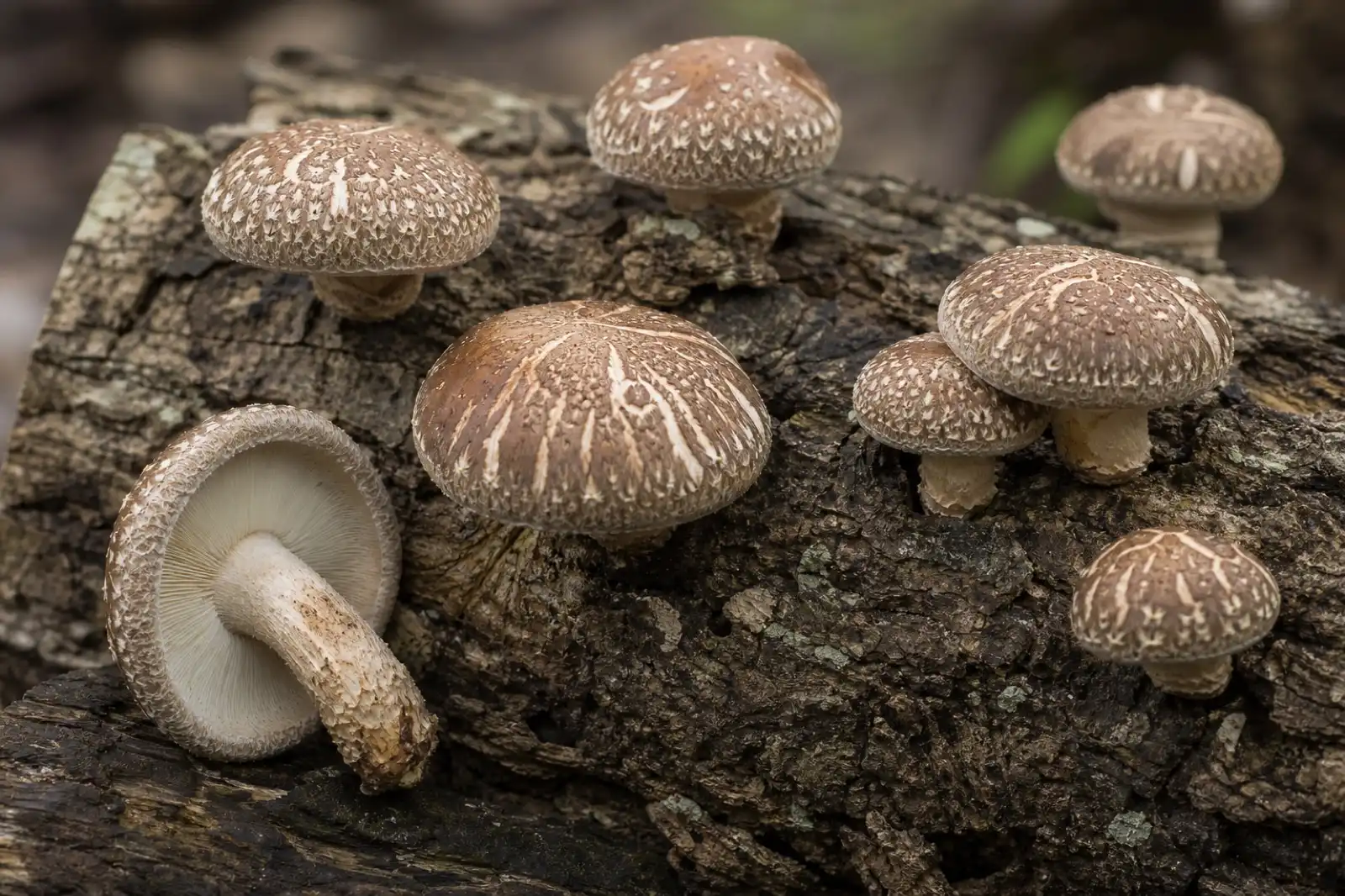
Lentinula edodes: Shiitake Mushroom Identification and Cultivation
An evidence-aware guide to shiitake identification, hardwood cultivation, nutrition, dermatitis risk, safe cooking, classification, and FAQs.
growing
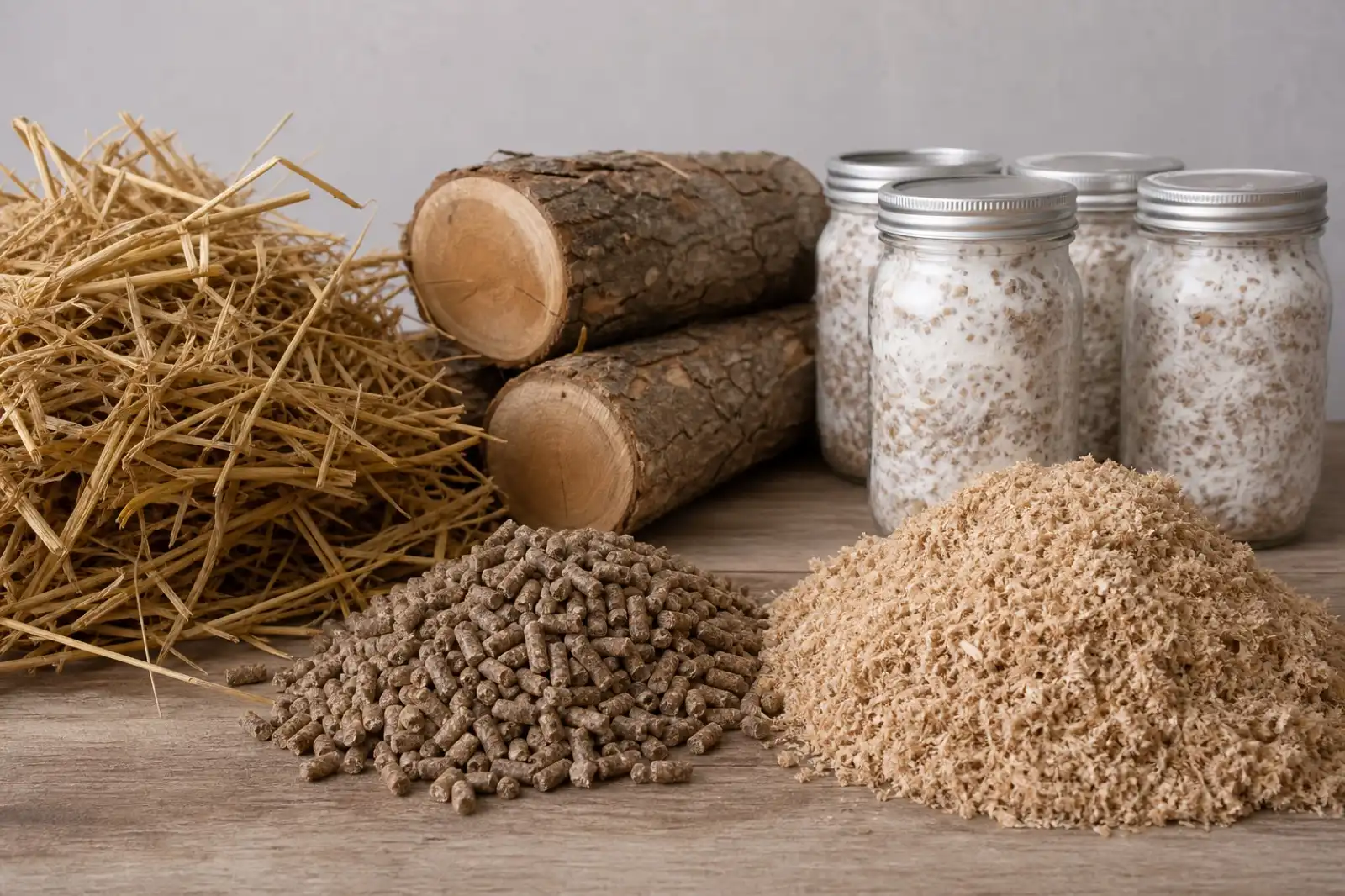
Mushroom Substrate Guide: Match Species to Method
Choose a mushroom-growing substrate by matching a labeled culture to a documented production method, site, and food-safety boundary.
growing
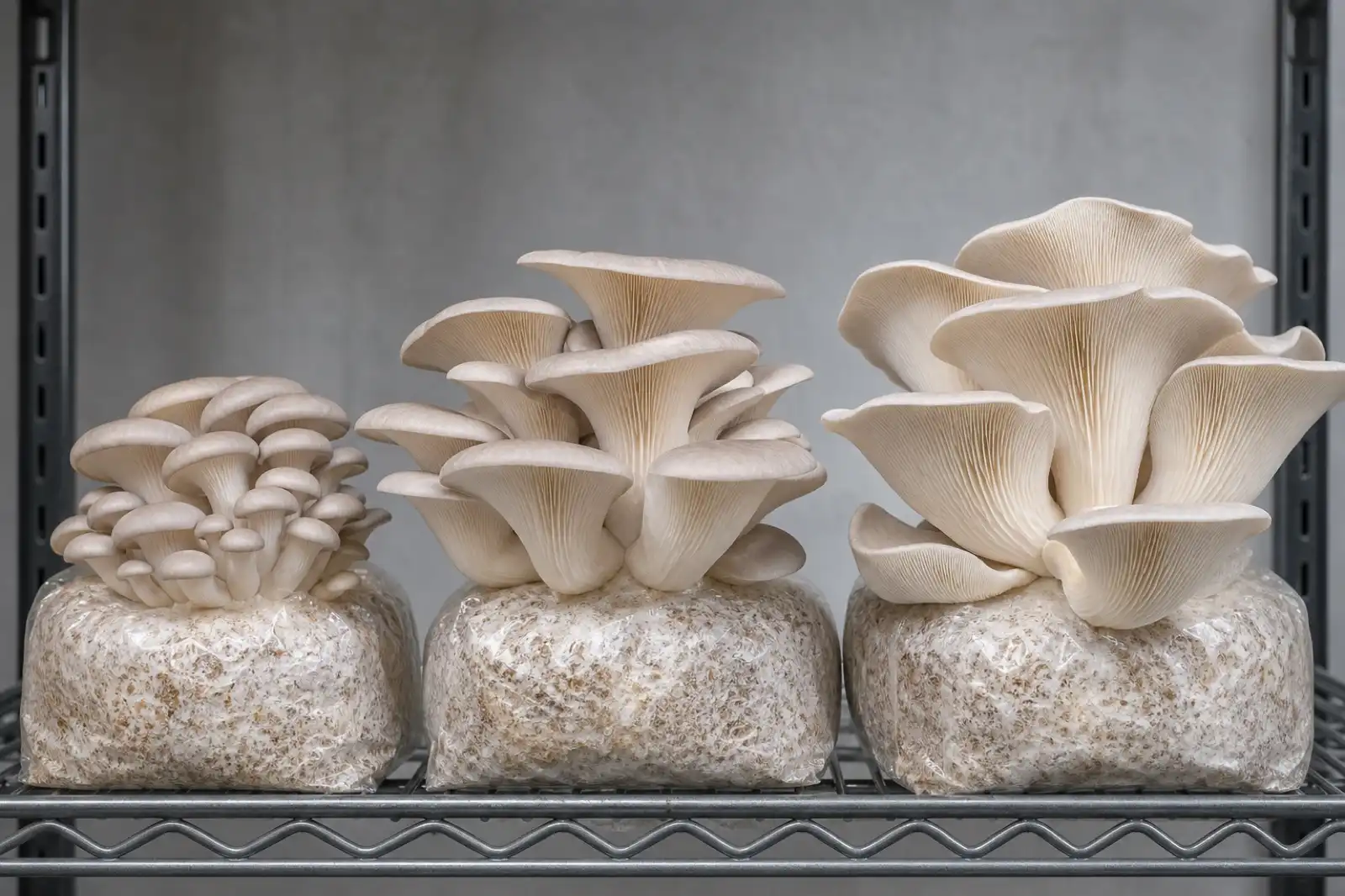
When to Harvest Cultivated Mushrooms
Learn when to harvest cultivated oyster, lion's mane, shiitake, and other mushrooms using species-specific maturity cues, clean handling, and prompt cooling.
Continue exploring
Browse more practical guides in Growing or visit the mushroom encyclopedia.