Health
Lion's Mane Benefits: What Human Research Can and Cannot Show
Small human trials of lion’s mane examine specific products and outcomes; they do not establish prevention or treatment of neurological disease.
By MushroomScope Editorial Team · · Updated · Editorially reviewed
Evidence context
Food, extracts, and supplements differ
Health conclusions depend on species, fungal part, preparation, dose, population, and measured outcome.
Open the nutrition evidence hub →Medical limit
Educational, not medical advice
Do not delay diagnosis or replace prescribed care with mushroom foods or supplements.
Read the editorial policy →
Bottom line: promising research is not proof of treatment
Lion’s mane (Hericium erinaceus) is an edible fungus and a popular supplement ingredient. Laboratory researchers study compounds often described as hericenones and erinacines, along with broader fractions of the mushroom. These findings explain why the species is scientifically interesting, but a plausible biological mechanism is not a demonstrated health outcome.
The clinically useful question is not whether lion’s mane affects a cell or an animal model. It is whether a defined, authenticated preparation produces a meaningful and reproducible benefit in people, compared with an appropriate control, without unacceptable harm. Current human evidence is too small, short, and product-specific to establish prevention or treatment of dementia, depression, nerve injury, or another neurological disease.
A 2025 systematic review found a heterogeneous human literature beside a much larger body of laboratory and animal work. That imbalance is central to interpreting online claims. Preclinical studies can identify hypotheses and possible pathways; they cannot tell a reader that a retail capsule will improve memory, regenerate nerves, or prevent cognitive decline.
The evidence supports describing lion’s mane as under investigation. It does not support calling it a proven nootropic or using it instead of assessment and established care.
What exactly was studied?
“Lion’s mane” does not identify one standardized intervention. Research preparations may use fruiting bodies, liquid-cultured mycelium, solid-state mycelium grown on grain, or isolated and concentrated fractions. They may be consumed as powder or extracted with water, alcohol, or multiple solvents. Each choice changes the material delivered to participants.
The distinction between fruiting body and mycelium is not merely marketing vocabulary. The two fungal structures can have different chemical profiles, and a mycelial product may also contain residual growing substrate. Neither category is automatically superior; the important point is that they cannot be assumed equivalent. Our fruiting body versus mycelium guide explains how to read this distinction without treating it as a shortcut for clinical quality.
Species identity also requires attention. A paper should state Hericium erinaceus and describe authentication. A consumer product should identify the scientific name, fungal part, amount, extraction, manufacturer, and lot. A package showing the right mushroom photograph does not prove that the contents match the preparation used in a trial.
What the best-known human studies can show
The small mild-cognitive-impairment trial
One frequently cited double-blind trial randomized 30 Japanese adults with mild cognitive impairment to lion’s mane or placebo. Cognitive scale scores improved during the intervention and declined after supplementation stopped. The study is a legitimate signal for more research, but its limitations constrain the conclusion.
Thirty participants provide a fragile estimate, especially when a result has not been established through larger independent replications. A rating-scale difference is not the same as showing prevention of dementia, restoration of neurons, improved daily independence, or a durable effect after treatment. The participant group, preparation, dose, and study duration also limit generalization to healthy younger adults or to unrelated retail products.
The responsible summary is that one small trial reported a potentially interesting result in a defined population. It is not that lion’s mane has been proven to treat cognitive impairment.
The acute crossover experiment
A separate randomized crossover study tested a standardized extract in 18 healthy younger adults and assessed acute cognition and mood outcomes. A crossover design lets each participant receive both intervention and control at different times, which can be efficient, but a sample of 18 remains very small. Acute testing cannot answer whether an effect persists for weeks or months, whether it changes disease risk, or whether daily use is safe over the long term.
Small cognitive studies may use multiple tasks and time points. That makes preregistration, correction for multiple comparisons, and replication especially important. A favorable result on one task should not be converted into a sweeping promise of sharper memory or focus. The study authors’ call for further chronic-supplementation research reflects that uncertainty.
Why the systematic review does not settle the question
A systematic review can organize the available studies, but it cannot transform a sparse, inconsistent evidence base into certainty. Trials may enroll different populations, use different preparations, measure different outcomes, and follow participants for different periods. When studies are not asking the same question, a single headline conclusion obscures more than it explains.
Review readers should look for risk-of-bias assessment, product descriptions, sample sizes, adverse-event reporting, funding, and whether authors separate preclinical from human evidence. Mechanistic findings should not be counted as clinical confirmation simply because they appear in the same review.
Cognition, mood, and nerve claims need separate evidence
Marketing often bundles memory, focus, mood, sleep, nerve regeneration, and dementia prevention under one “brain health” label. These are different outcomes requiring different participants, measures, durations, and study designs.
A short attention-task change in healthy adults does not demonstrate treatment of mild cognitive impairment. A mood questionnaire result does not establish treatment of major depressive disorder. A nerve-growth pathway in cultured cells does not show functional recovery after human nerve injury. Evidence must follow the specific claim.
For dementia prevention, convincing evidence would require a sufficiently large and representative population, reliable diagnosis or risk definition, long follow-up, clinically meaningful outcomes, and careful accounting for other health factors. Existing lion’s mane trials do not meet that standard. Anyone with new memory loss, confusion, weakness, numbness, mood changes, or impaired daily function should seek assessment rather than self-treating with a supplement.
Laboratory mechanisms: useful but easy to overstate
Hericenones, erinacines, polysaccharides, and other fractions are studied for effects involving nerve-growth signaling, inflammation, oxidative stress, or the gut-brain axis. These terms sound medically specific, yet several translation steps remain unresolved: whether a compound survives digestion, reaches the relevant tissue, achieves the experimental concentration, produces a beneficial rather than merely measurable effect, and remains safe at that exposure.
Animal models can be carefully designed and still differ from human disease. Experimental injury, genetically altered rodents, controlled diets, and high doses may reveal biology without predicting a consumer outcome. Dose conversion is not as simple as scaling by body weight, and a whole retail powder may not contain the experimental fraction.
Mechanistic plausibility should therefore be treated as a reason to conduct stronger human studies, not as permission to skip them.
How to match a product to a cited trial
When a label or advertisement links to research, compare these details:
- Identity: Is the same Hericium erinaceus material authenticated in both the study and product?
- Fungal part: Was the intervention fruiting body, mycelium, or a defined fraction, and does the label say which one it contains?
- Growing medium: For mycelial material, is residual substrate disclosed or measured?
- Extraction: Does the commercial product use the same solvent and manufacturing approach?
- Composition: Are relevant marker compounds measured with stated methods rather than implied by an extraction ratio?
- Daily exposure: Does the serving provide the studied preparation at a comparable amount and schedule?
- Population: Were study participants similar to the people targeted by the claim?
- Outcome: Did the study measure the exact benefit advertised, and was the difference clinically meaningful?
- Finished product: Was the marketed formulation itself tested, or only an ingredient with a similar name?
A “10:1 extract” statement does not answer most of these questions. It does not confirm species, purity, absorption, marker compounds, contaminant testing, or equivalence to a clinical trial. “Clinically studied mushroom” may mean only that some lion’s mane preparation has appeared in research.
Label and quality checks that reduce uncertainty
Look for the scientific name, fungal part, amount per serving, extraction method, complete ingredient list, allergens, manufacturer, and lot number. If a company provides a certificate of analysis, check that it refers to the same batch and names the testing methods and laboratory. Relevant quality checks may include identity, microbial contamination, heavy metals, pesticides, and undeclared ingredients.
Third-party certification can support specific manufacturing or testing claims, but it does not prove cognitive effectiveness. Likewise, “organic,” “natural,” “full spectrum,” and “high potency” are not substitutes for a defined preparation and reliable human outcomes. The supplement label guide offers a reusable checklist for these comparisons.
Culinary use and supplement exposure are different
Fresh lion’s mane is eaten as food after proper identification and cooking. A serving of cooked mushroom differs from a concentrated extract taken every day. Food experience cannot establish long-term supplement safety, while a supplement trial cannot be assumed to describe the culinary mushroom.
For readers interested in the organism rather than a medical claim, the lion’s mane species guide covers taxonomy and identifying features. The home-growing guide covers cultivation. Neither should be used to identify a wild mushroom as safe to eat from a webpage alone.
Safety, interactions, and higher-risk situations
Reported concerns include gastrointestinal symptoms and allergic reactions. Evidence is limited for pregnancy, breastfeeding, children, long-term continuous use, perioperative use, and people with complex medical conditions. Absence of a reported interaction in small trials is not proof that no interaction exists; small studies are poorly suited to detect uncommon harms.
People taking prescription medicines, preparing for surgery, receiving cancer treatment, managing an immune or autoimmune condition, or living with liver or kidney disease should discuss the exact label with a clinician or pharmacist before use. Bring the full ingredient panel because blends may contain additional substances with their own effects.
Stop using the product and seek urgent help for trouble breathing, facial or throat swelling, fainting, severe rash, or another serious reaction. For less severe but persistent symptoms, stop the product, retain the package and lot number, and seek medical advice. Do not restart simply to test whether the reaction happens again.
A practical way to make a decision
Start with a precise goal. If the goal is to address memory change, depression, neuropathy, or another symptom, appropriate assessment comes before supplement shopping. Some symptoms have treatable causes, and delaying evaluation can matter.
Then identify the exact product and locate human evidence for that preparation, population, duration, and outcome. Separate company summaries from the underlying paper. Consider the size and certainty of any benefit, adverse-event data, interaction burden, cost, and what established options are available.
If an informed clinician agrees that a personal trial is reasonable, avoid changing multiple products at once, keep prescribed care unchanged, record the product and lot, and decide beforehand when to stop. Subjective day-to-day variation can easily be mistaken for an effect, so vague expectations make evaluation unreliable.
What can be said responsibly today
Lion’s mane is a credible research subject with preliminary human studies. Some small trials report signals worth replicating. That is meaningfully different from proving that the mushroom prevents dementia, treats depression, repairs nerves, or reliably improves cognition in healthy people.
Until larger, well-controlled, independently replicated studies test clearly characterized preparations and clinically meaningful outcomes, claims should remain narrow and conditional. Do not delay diagnosis, discontinue medication, or replace treatment with lion’s mane. Product-specific uncertainty is part of the evidence, not a detail that marketing may safely omit.
References
Source quality notes
MushroomScope cites sources that match the page scope, such as taxonomic databases, extension guidance, food-safety agencies, food-composition databases, and peer-reviewed or institutional health references. Sources support context and uncertainty; they do not turn an online page into specimen identification, medical advice, or a tested recipe record.
Frequently asked questions
Has lion's mane been proven to prevent or treat dementia?
No. Existing human studies are small, short, and product-specific. They do not establish prevention or treatment of dementia or another neurological disease.
Do the human trials apply to every lion's mane product?
No. Fruiting body, mycelium, extract method, dose, authentication, and measured constituents can differ, so one study cannot validate unlike products.
Should lion's mane replace prescribed treatment?
No. Do not delay assessment or replace treatment. A clinician or pharmacist should review the exact product alongside medicines and medical conditions.
Does lion's mane improve memory in healthy adults?
Current small, short studies do not establish a reliable or durable memory benefit in healthy adults. Results for one standardized extract cannot be generalized to other products.
Are fruiting-body and mycelium products interchangeable?
No. They can differ in fungal material, growing substrate, extraction, chemical profile, and dose, so evidence for one preparation does not validate the other.
Related guides
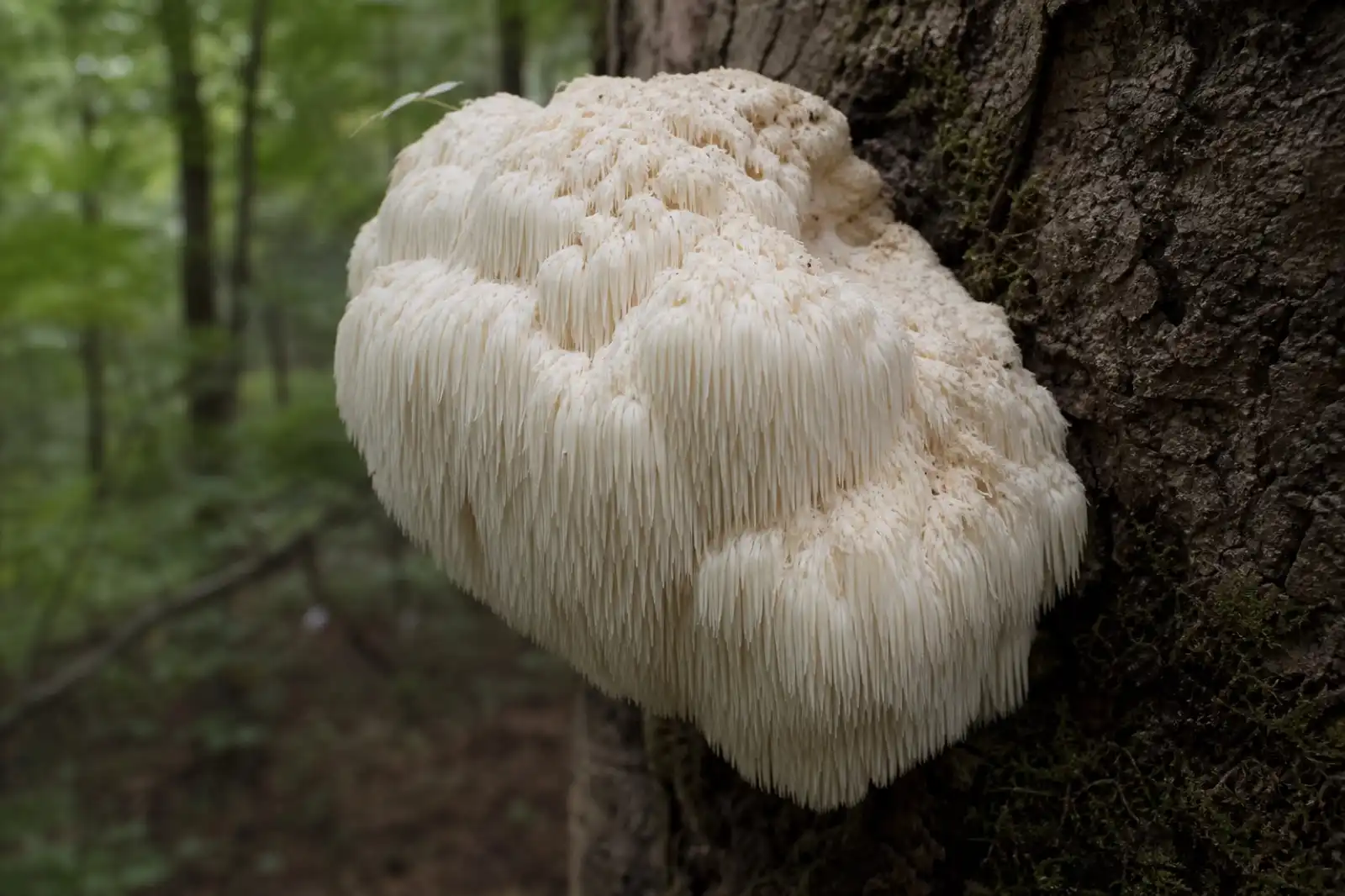
mushrooms
Hericium erinaceus: Lion’s Mane Mushroom Species Guide
Learn lion’s mane identification, hardwood ecology, cultivation, nutrition, supplement evidence, lookalikes, safety limits, and practical FAQs.
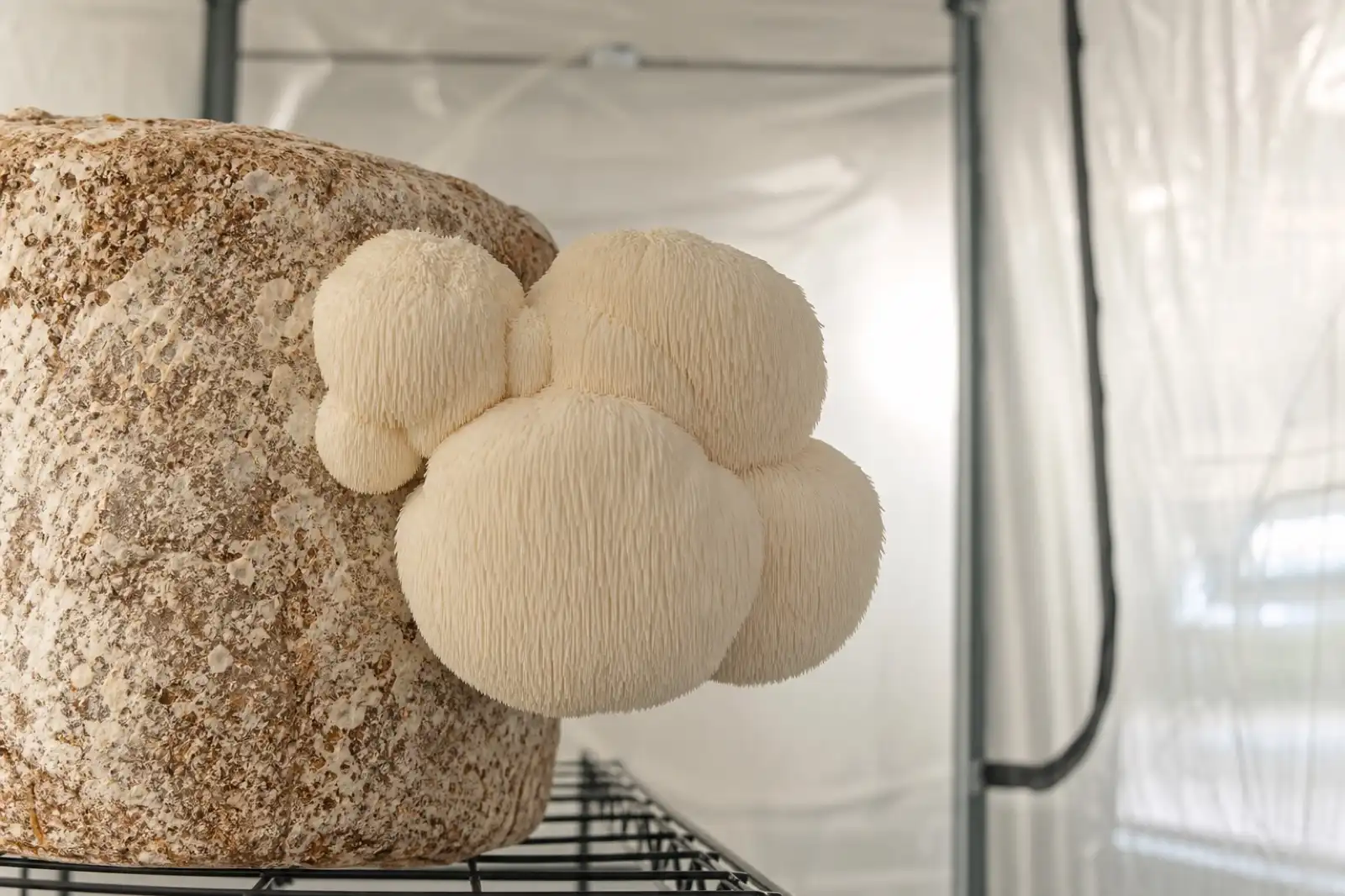
growing
How to Grow Lion's Mane Mushrooms at Home
Lion's mane needs clean culture, hardwood-based substrate, high humidity without saturation, and adequate fresh air for compact fruiting bodies.
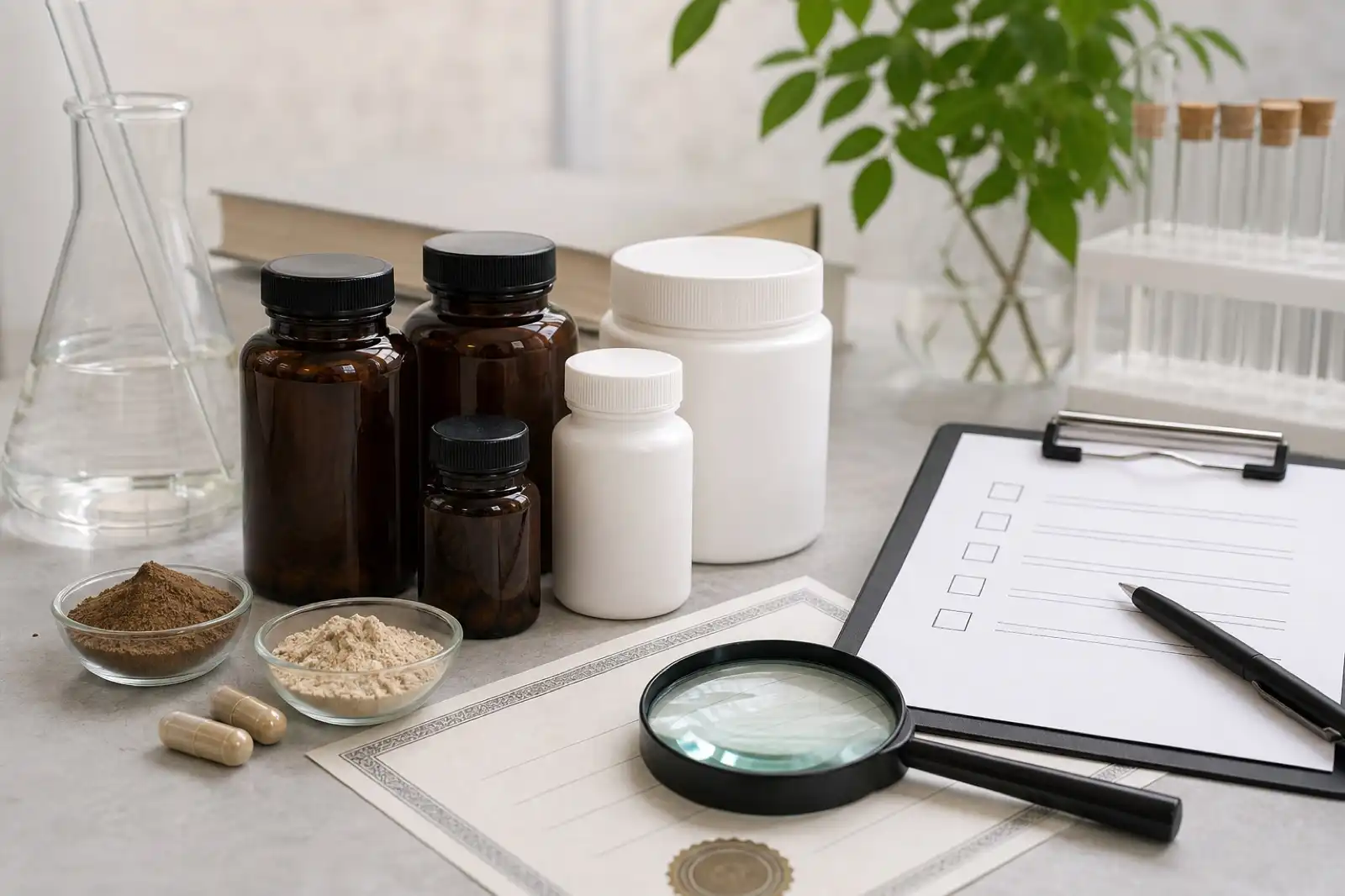
health
Mushroom Supplements: Labels, Testing, and Safety
Learn how to check mushroom supplement identity, fungal part, extraction, dose, lot testing, claims, interactions, and regulatory limits.
Continue exploring
Browse more practical guides in Health or visit the mushroom encyclopedia.