Health
Vitamin D in Mushrooms: UV-Treated Products, Labels, and Evidence
Vitamin D in mushrooms is usually vitamin D2 from ultraviolet treatment. Learn to read labels and keep food choices separate from medical care.
By MushroomScope Editorial Team · · Updated · Editorially reviewed
Evidence context
Food, extracts, and supplements differ
Health conclusions depend on species, fungal part, preparation, dose, population, and measured outcome.
Open the nutrition evidence hub →Medical limit
Educational, not medical advice
Do not delay diagnosis or replace prescribed care with mushroom foods or supplements.
Read the editorial policy →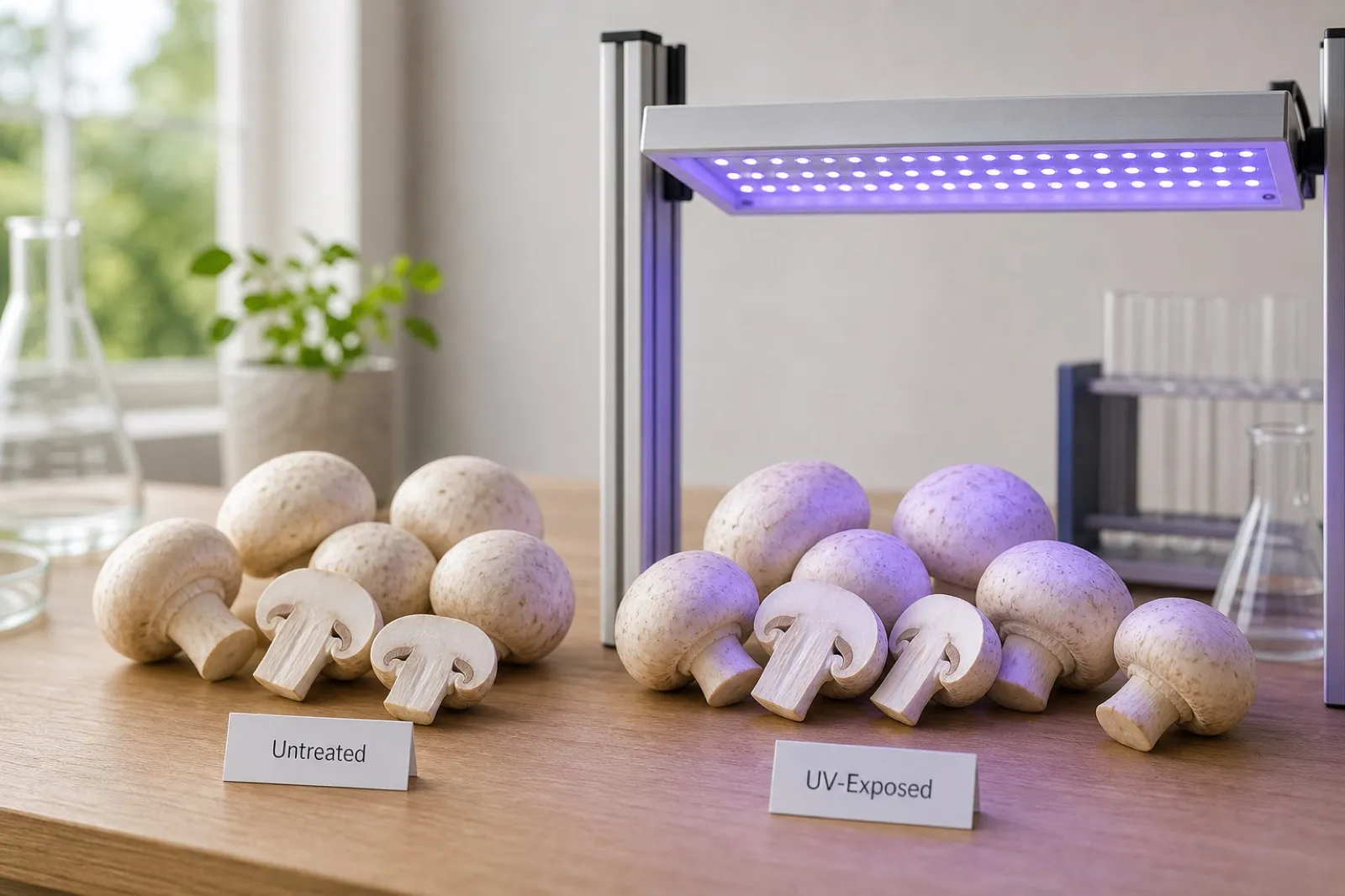
The practical answer
Mushrooms are not automatically a dependable source of vitamin D. The meaningful distinction is whether a specific product was deliberately exposed to ultraviolet (UV) light and whether its label states a vitamin D amount per serving. UV treatment can convert mushroom ergosterol to vitamin D2; the USDA Agricultural Research Service has documented that the amount can vary greatly between commercially treated samples. A mushroom type, a marketing photograph, or a home sunlight experiment is not a substitute for the package’s nutrition information.
For everyday meal planning, use the label on the package you bought. For a health concern such as suspected deficiency, symptoms, an abnormal test, kidney disease, pregnancy, or a prescribed regimen, use a clinician’s advice rather than trying to calculate treatment from foods.
Why UV treatment changes the question
Mushrooms contain ergosterol, which can be converted to vitamin D2 after appropriate UV exposure. That is why an untreated retail mushroom and a UV-treated version of the same general type may have very different vitamin D values. USDA research on UV-exposed portabellas found wide lot-to-lot variation, which is a useful warning against assigning one fixed number to all “vitamin D mushrooms.”
The form matters, too. UV-treated mushrooms are generally a food source of vitamin D2 (ergocalciferol), while foods and supplements may supply different vitamin-D forms. The NIH Office of Dietary Supplements discusses vitamin D2 and D3 together in dietary guidance. This page does not rank one product as right for every person; it explains how to decide whether the food in hand has a stated, relevant amount.
What the human evidence supports—and does not
A small randomized controlled trial in adults with low baseline 25-hydroxyvitamin D tested UV-B-irradiated button mushrooms against comparator groups over five weeks. It is useful evidence that vitamin D2 from a specifically UV-treated mushroom preparation can be bioavailable. It is not evidence that every fresh mushroom, powder, extract, or recipe will have the same amount or effect.
That boundary matters. The trial involved a defined preparation, a defined dose, a short duration, and a small group of participants. It did not establish a home UV protocol, replace clinical assessment, or prove that a person with a medical condition should self-manage vitamin D with mushrooms. A food can contribute a nutrient without becoming a treatment.
How to read a package before you buy it
Use this four-point check for a fresh, dried, powdered, or prepared mushroom product:
- Find the vitamin D line. On a U.S. Nutrition Facts label, look for the amount and percent Daily Value per serving. If vitamin D is not listed or the producer provides no dependable value, do not assume UV treatment.
- Check the serving basis. A claim about a cup, a whole package, or dry powder can describe very different quantities. Compare the stated serving with the amount you intend to eat.
- Look for the product description. “UV-treated,” “UV-exposed,” or comparable wording may explain the nutrient value, but the listed amount is still the usable number.
- Keep the product identifiable. Save a label photo, brand, lot, and best-by date if vitamin D is important to your diet. FoodData Central can provide useful reference entries, but it cannot certify the contents of an untested package in your refrigerator.
FDA explains how the Nutrition Facts panel presents nutrients per serving. Use it to compare products, not to turn a percent Daily Value into a personal diagnosis or a dosing plan.
What not to infer from a mushroom label
- A product described as “mushroom” is not necessarily UV-treated or high in vitamin D.
- A vitamin D value for one brand or lot does not apply to another brand, species, recipe, or supplement.
- A study of UV-treated whole mushrooms does not validate mycelium powders, multi-ingredient blends, or an unlabeled extract.
- Sunshine on a countertop does not give a measured, food-safe, or repeatable vitamin D amount. Do not create a home treatment protocol from research conditions.
- A food contribution does not tell you whether your blood level is adequate or whether a supplement should be changed.
For broader nutrient context, see the mushroom nutrition guide. If you are considering a concentrated product instead of a food, use the supplement label guide to separate ingredient claims from evidence and quality information.
Compare vitamin D2 with total vitamin D needs
Mushrooms primarily provide vitamin D2 after sufficient ultraviolet exposure, while animal foods and many supplements may provide D3. Both forms can contribute to vitamin D status, but dose, baseline status, absorption, adherence, and the duration of use matter. A package value describes the food, not the buyer’s blood level.
Recommended intake and treatment of deficiency depend on age, life stage, health conditions, medications, sun exposure, and local guidance. Do not use a mushroom label to self-treat a diagnosed deficiency or replace a clinician’s plan. Very high supplemental intake can be harmful even though ordinary food portions differ from concentrated pills.
The NIH Office of Dietary Supplements summarizes intake recommendations, testing limitations, and upper limits. Use that source and individualized medical advice rather than converting a laboratory mushroom value directly into a treatment dose.
Read serving units before comparing packages
Check whether vitamin D is listed per 100 grams, per cup, per package, or per labeled serving. Then compare the serving with the amount likely to be eaten. Fresh mushrooms lose water during cooking, so cooked weight and raw package weight are not interchangeable.
Percent Daily Value is a labeling reference, not a personalized prescription. Regional labels use different units and reference values. Vitamin D may appear as micrograms or international units; use an authoritative conversion and avoid estimating from memory.
Compare the same species and treatment. “Mushrooms” is too broad because UV-treated button mushrooms, untreated oysters, dried shiitake, and fortified processed foods can differ sharply. If the package does not state a value or treatment, do not borrow a number from another product.
Understand UV-treated and sun-exposed products
Manufacturers can expose harvested mushrooms to controlled ultraviolet light to convert ergosterol into vitamin D2. Treatment intensity, duration, mushroom orientation, species, storage, and testing determine the finished value. A general “sun-kissed” phrase is less useful than a quantified nutrition panel and lot controls.
Home sun exposure is variable. Sliced surface area, weather, latitude, window glass, season, and time all affect UV, while outdoor handling introduces contamination and temperature concerns. It should not be treated as a precise dosing method. Never use a UV lamp without following its eye, skin, electrical, and food-use safety instructions.
Drying can concentrate values per gram through water loss, but it does not guarantee a specific vitamin D content. Dried products also need species identity, hygienic processing, storage, and serving-size interpretation.
Account for cooking and the complete meal
Cooking changes water content and therefore nutrient concentration per gram. Boiling may transfer soluble components into liquid, while sautéing or roasting adds oils and other ingredients. A published retention percentage from one species and method cannot certify a home batch.
Use the labeled starting value when available, follow normal safe cooking, and count the portion actually eaten. The raw-versus-cooked guide explains why comparisons must use the same weight basis and preparation.
Vitamin D is only one part of dietary planning. Protein, fiber, total energy, calcium, and other nutrients come from the complete meal. A high-vitamin-D mushroom does not make an otherwise unbalanced diet complete.
Know when testing and clinical advice matter
Symptoms alone do not diagnose vitamin D deficiency because they are nonspecific. Blood testing and interpretation should be ordered in the clinical context. People with malabsorption, kidney or liver disease, bone disorders, pregnancy, certain endocrine conditions, or medicines affecting vitamin D need individualized advice.
Bring the exact mushroom or supplement label to the appointment. Record serving, frequency, other fortified foods, supplements, and prescribed products. This helps prevent accidental stacking from multiple sources.
Mushroom supplements marketed for immunity or bone health are not equivalent to UV-treated food mushrooms. Unless vitamin D is measured and labeled, a species name or extract ratio does not establish its contribution.
A sensible way to use the information
Buy identified culinary mushrooms from reputable food sellers and follow ordinary storage and cooking guidance. If vitamin D is a purchasing goal, choose a product with a clear amount per serving and incorporate it as one food in a varied diet. Do not assume every serving provides the same amount after substitutions, different portion sizes, or a switch in brand.
Speak with a qualified clinician or pharmacist about vitamin D supplements and fortified foods if you have a diagnosed condition, take medicines, are pregnant or breastfeeding, are preparing for surgery, or are following treatment for a deficiency. Bring the exact product label. That conversation is safer and more useful than a general claim that mushrooms “fix” vitamin D.
For the culinary species behind many retail products, visit the cremini mushroom guide; its species information is separate from the question of a particular package’s UV treatment and nutrient label.
Keep the label with the dietary record
Photograph the nutrition panel, serving size, UV-treatment statement, lot, and date before discarding packaging. Record the amount actually eaten and other fortified foods or supplements used that day. This supports a clinician’s review and prevents a value from one product being applied to a different mushroom package.
References
- NIH Office of Dietary Supplements — Vitamin D: Health Professional Fact Sheet
- USDA Agricultural Research Service — Vitamin D in mushrooms
- USDA FoodData Central
- Randomized controlled trial: bioavailability of vitamin D2 from UV-B-irradiated button mushrooms
- FDA — How to understand and use the Nutrition Facts label
Source quality notes
MushroomScope cites sources that match the page scope, such as taxonomic databases, extension guidance, food-safety agencies, food-composition databases, and peer-reviewed or institutional health references. Sources support context and uncertainty; they do not turn an online page into specimen identification, medical advice, or a tested recipe record.
Frequently asked questions
Are ordinary fresh mushrooms a reliable vitamin D source?
Not necessarily. Vitamin D content varies substantially with ultraviolet exposure and product handling. Treat a package as a meaningful dietary source only when its label or reliable product information states a vitamin D amount.
Does a UV-treated mushroom supply vitamin D3?
UV-treated mushrooms are generally discussed as a source of vitamin D2. Vitamin D2 and D3 are distinct forms used in nutrition; the relevant amount for a food choice is the vitamin D value and serving stated for that specific product.
Can UV-treated mushrooms treat vitamin D deficiency?
No food guide can diagnose or treat deficiency. A clinician may use blood testing and individual factors to assess vitamin D status and advise on food, fortified products, or supplements. Do not replace prescribed care with a mushroom product.
Related guides
health
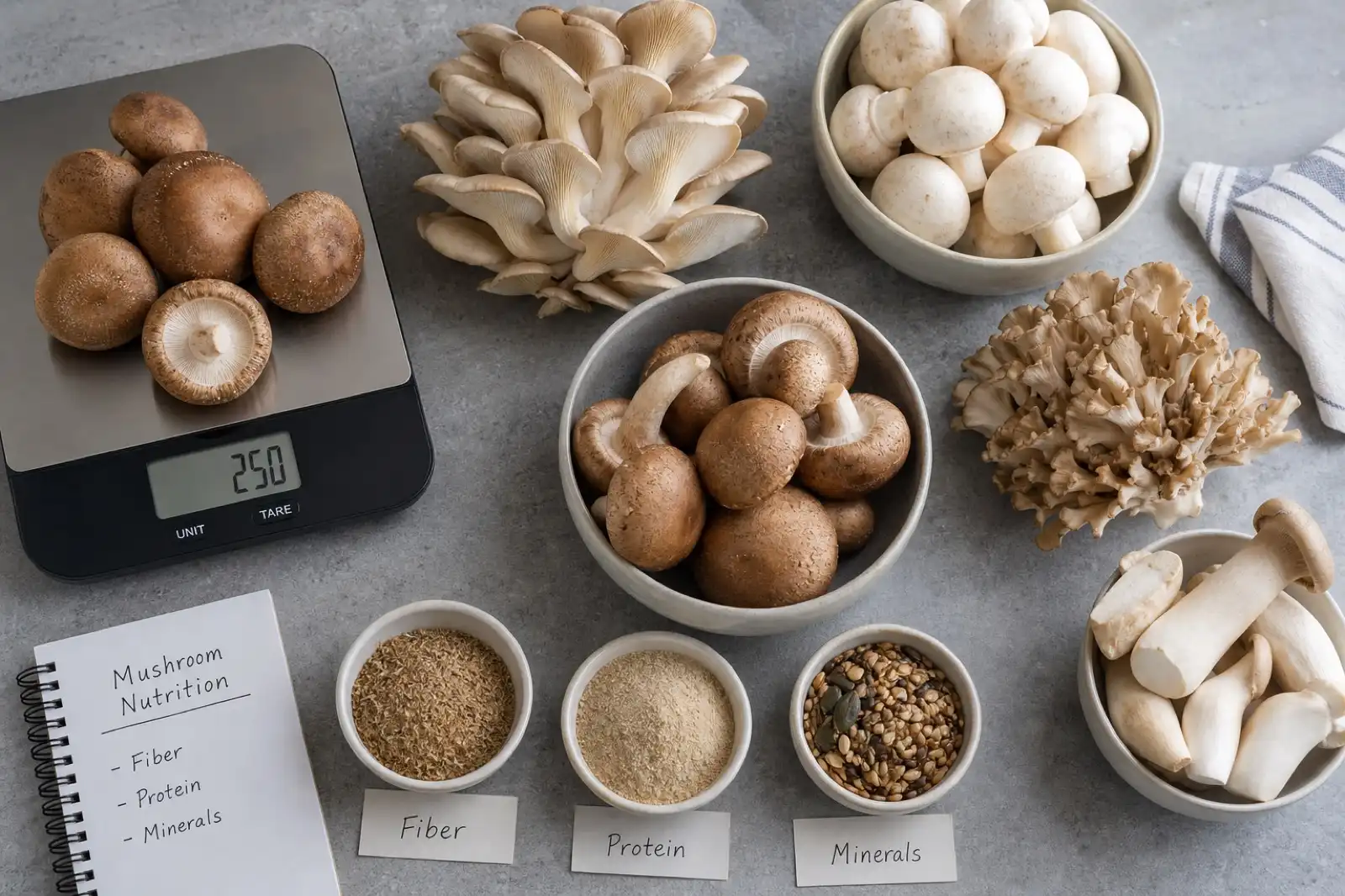
Mushroom Nutrition: Fiber, Protein, Calories, and Vitamins
Are mushrooms a source of fiber or protein? Compare calories, fiber, protein, vitamins, food forms, serving sizes, and preparation without overstating benefits.
health
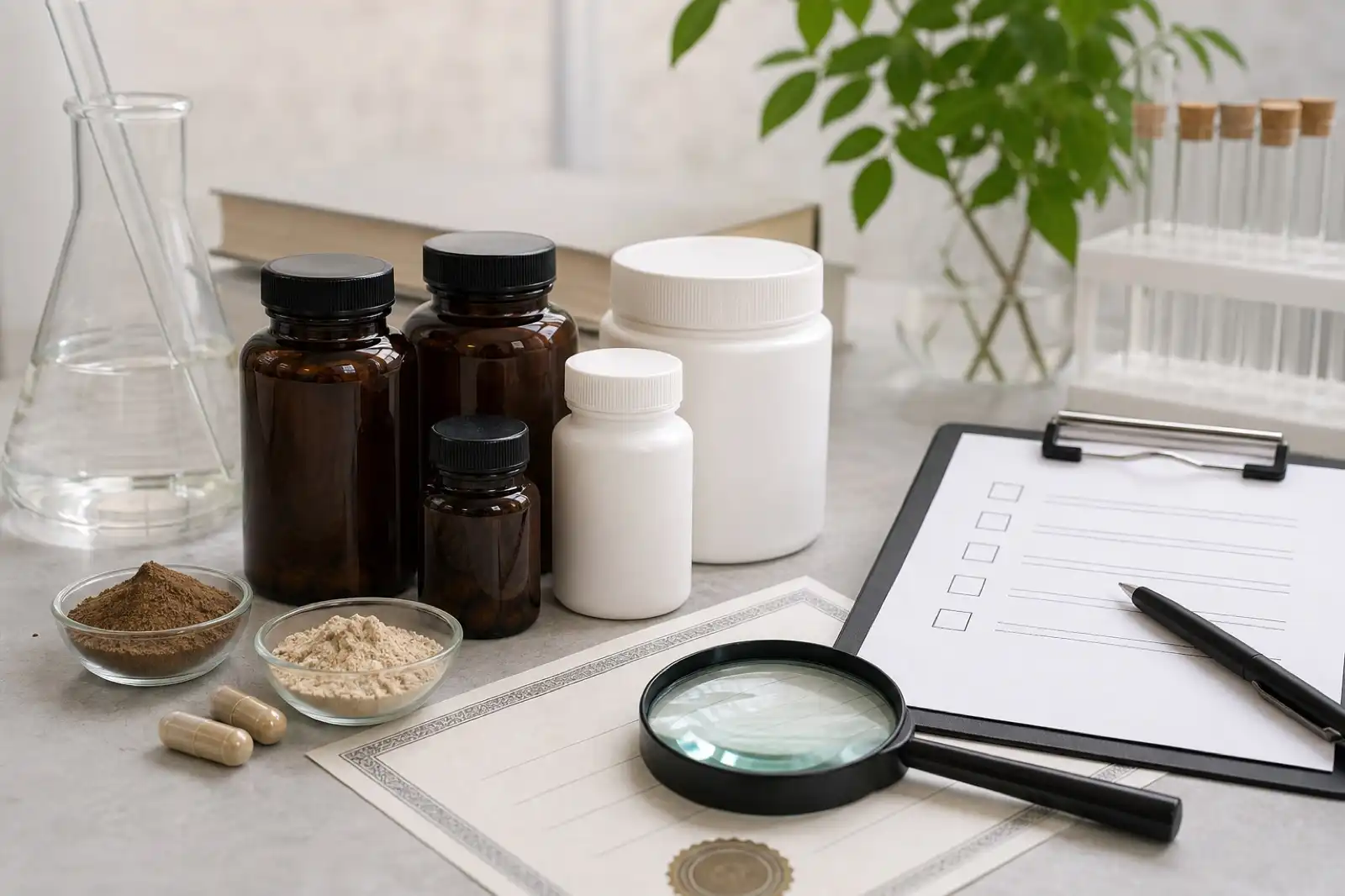
Mushroom Supplements: Labels, Testing, and Safety
Learn how to check mushroom supplement identity, fungal part, extraction, dose, lot testing, claims, interactions, and regulatory limits.
mushrooms
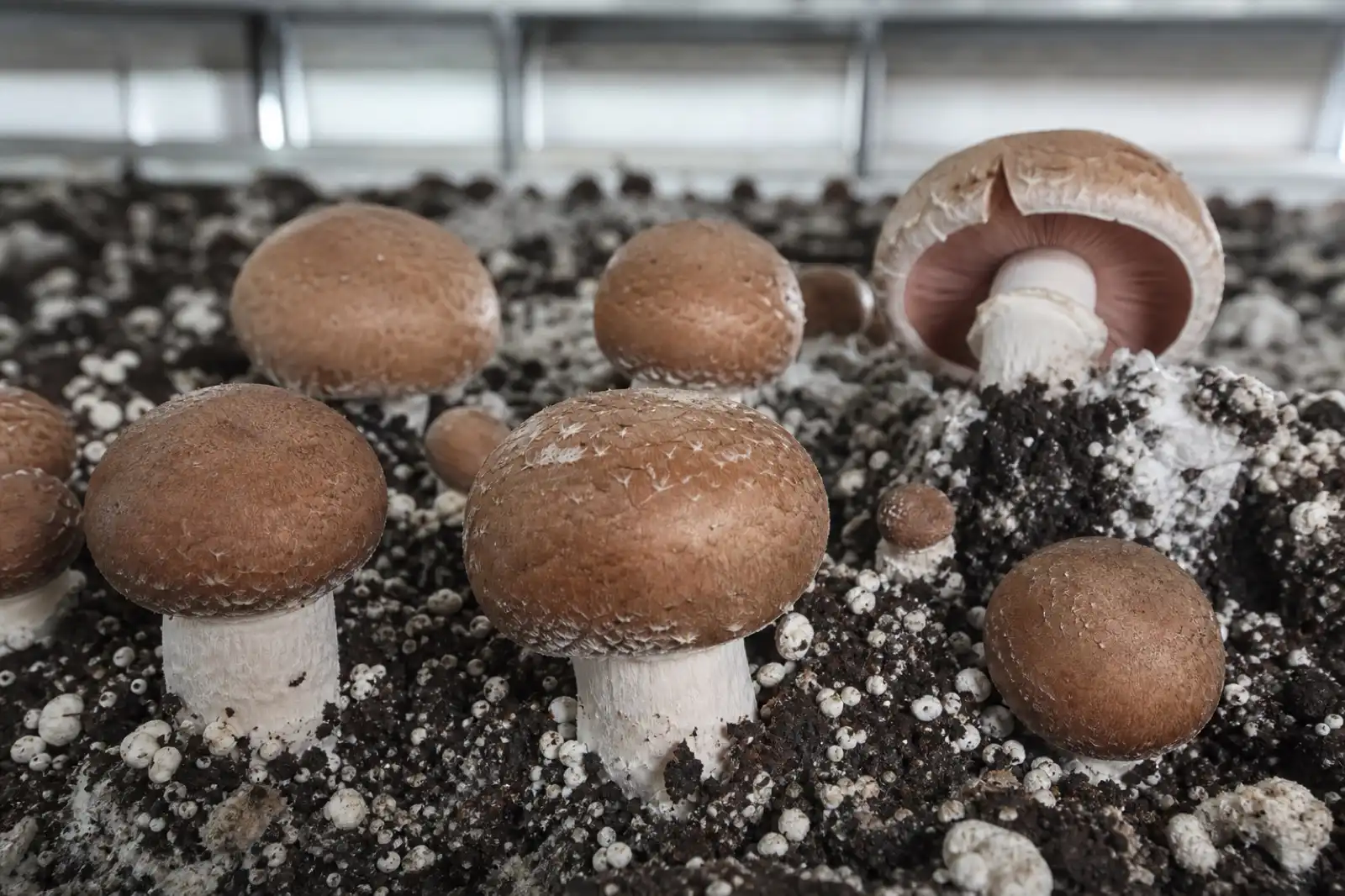
Cremini Mushrooms: Button vs. Portobello, Nutrition, and Uses
Cremini, baby bella, button, and portobello mushrooms are Agaricus bisporus market forms. Compare maturity, cooking uses, nutrition, cultivation, and safety.
Continue exploring
Browse more practical guides in Health or visit the mushroom encyclopedia.