Recipes
Creamy Mushroom Soup from Scratch
Make creamy mushroom soup from scratch with cultivated cremini mushrooms, clear steps, practical substitutions, and conservative food-safety guidance.
By MushroomScope Editorial Team · · Updated
Food source
Cook identified edible mushrooms
Recipes assume mushrooms sold as food by a reputable supplier, not foraged specimens needing identification.
Open the recipe hub →Kitchen safety
Handle leftovers promptly
Cool leftovers in shallow containers, refrigerate promptly, and discard food held unsafely or showing spoilage.
Review preparation safety →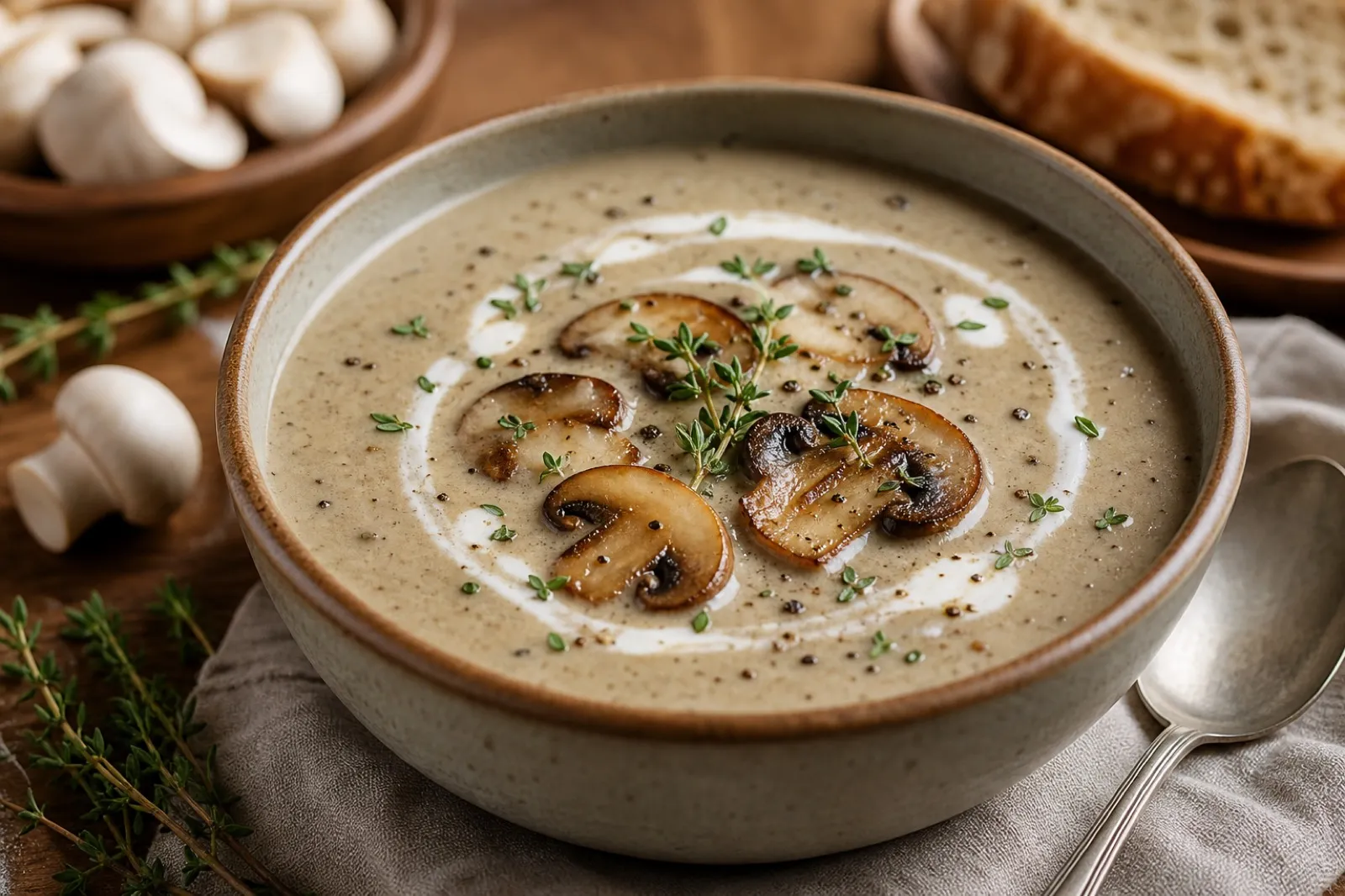
Recipe details
- Prep time
- PT15M
- Cook time
- PT30M
- Yield
- 4 servings
Ingredients
- 450 g cremini mushrooms, sliced
- 750 ml vegetable stock
- 120 ml cream
- 1 teaspoon thyme leaves
- 1 small onion, chopped
- 1 tablespoon olive oil
- salt and black pepper to taste
Instructions
- Buy identified cultivated mushrooms from a reputable food supplier and discard spoiled pieces.
- Clean mushrooms with a soft brush or brief rinse, dry well, and cut into even pieces.
- Brown mushrooms, simmer with stock, blend part of the soup, and finish with cream.
- Season to taste and serve while hot.
- Cool leftovers promptly in a shallow covered container and refrigerate.
Why browning and partial blending work together
Creamy mushroom soup needs two kinds of structure. Thoroughly browned cultivated cremini mushrooms provide concentrated savory flavor, while blending only part of the finished mixture creates body without turning every spoonful into a uniform purée. Cream rounds the texture at the end rather than being used to hide pale, steamed mushrooms.
Use a wide pan for the browning stage and a saucepan or Dutch oven for simmering. If one pot has enough surface area, it can perform both jobs. The recipe yields four moderate servings and takes about 45 minutes when the mushrooms are cooked in two uncrowded batches.
Only use cultivated mushrooms sold for food by a reputable supplier. A recipe cannot identify a wild mushroom, and cooking does not neutralize every mushroom toxin.
Select and store cultivated cremini mushrooms
Choose firm cremini mushrooms with intact surfaces and a mild earthy smell. A few superficial marks are not necessarily spoilage, but slime, leaking liquid, extensive soft decay, or a strong unpleasant odor are reasons to discard them. Check packaged produce for use-by information and relevant recalls.
Refrigerate mushrooms promptly in breathable packaging according to supplier directions. Do not wash them before storage because retained surface water can speed deterioration. Keep produce separated from raw meat, poultry, seafood, and their utensils.
White button mushrooms can replace cremini for a lighter result; mature portobello caps offer a deeper flavor but can darken the soup and may require removal of a tough stem. The cremini guide explains that these market forms are developmental stages of Agaricus bisporus.
Ingredient roles and useful substitutions
Mushrooms and onion
The 450 g of mushrooms are the main flavor source, not a garnish. Slice them evenly enough to cook at a similar rate. Finely chopped onion supplies sweetness and helps thicken the blended portion. Shallot can replace onion, but its smaller size changes the quantity needed.
Stock
Use 750 ml of a vegetable stock you would drink on its own. Concentrated or very salty stock can overwhelm the reduction, so low-sodium stock offers more control. Chicken stock is an option for a non-vegetarian version. Confirm labels when gluten, celery, soy, or other allergens are a concern.
Cream and dairy-free alternatives
Heavy or cooking cream is less likely to split than low-fat milk, but 120 ml is enough for richness without erasing mushroom flavor. For dairy-free soup, use a neutral unsweetened plant-based cooking cream or omit it and blend more of the soup. Coconut milk adds a distinct flavor rather than functioning as a neutral swap.
Thyme, pepper, and salt
Fresh thyme complements cremini mushrooms; dried thyme is stronger, so begin with less. Black pepper adds warmth. Salt in stages only after considering the stock and after reduction, because simmering concentrates seasoning.
Clean and cut the mushrooms efficiently
Wash hands and clean the work surface, knife, board, blender, and pot. Brush off loose debris or give the mushrooms a brief rinse under running water, then dry them promptly. Do not soak them in a bowl.
Trim only dry or damaged stem ends. Slice most mushrooms about 5–7 mm thick. Reserve a few attractive slices for garnish if desired, but keep raw and cooked pieces separated. Even slices expose enough area for browning without disappearing during simmering.
Chop the onion before heating the pan and measure the stock and cream. Browning moves quickly once the pan is hot, so preparation prevents the first batch from sitting while other ingredients are found.
Brown the mushrooms in batches
Heat a wide heavy skillet over medium-high heat, add part of the olive oil, and arrange half the mushrooms in a single loose layer. Let the first side contact the pan before stirring repeatedly. The mushrooms will release moisture; continue cooking until that liquid evaporates and browned edges develop.
Transfer the first batch to a clean plate and repeat. If all slices are piled into a small pan, their water lowers the surface temperature and they simmer in their own liquid. That produces cooked mushrooms but less browned flavor.
Adjust heat if dark fond begins to burn. Brown residue on the pan can enrich the soup; blackened residue tastes bitter and should not be treated as extra flavor.
Soften the onion without scorching it
Reduce the heat to medium, add the chopped onion and remaining oil if the pan is dry, and cook until translucent and soft. A small pinch of salt can help draw moisture, but account for salty stock later.
Add thyme near the end of this stage so it becomes fragrant without burning. If using garlic as an optional addition, stir it in for only the final 30–60 seconds before liquid. Burned garlic creates a persistent bitter taste that cream will not repair.
Return most of the browned mushrooms to the pan, reserving garnish slices separately.
Deglaze and simmer gently
Add a small portion of stock first and scrape the browned fond with a wooden spoon. Then add the remaining stock. Bring the soup just to a boil, reduce to a steady gentle simmer, and cook until the onion is completely tender and flavors have combined, roughly 12–15 minutes.
An aggressive uncovered boil can reduce the stock too quickly and make seasoning unpredictable. Keep the lid partly off for controlled concentration. If the soup becomes too salty before blending, add unsalted stock or water in small measured amounts rather than adding cream as a salt remedy.
Blend safely and control the texture
An immersion blender offers the simplest partial blend: remove the pot from direct high heat, submerge the blade fully, and pulse until the broth thickens while visible mushroom pieces remain. Keep the blade below the surface to avoid splashes.
For a countertop blender, work in small batches and follow the appliance’s hot-liquid instructions. Steam expands; never fill beyond the stated limit or seal hot liquid in a container not designed for it. Hold the lid as directed and return the purée to the pot.
Blend about one-third to one-half first, then reassess. More can always be blended, but texture cannot be restored once every mushroom has been puréed.
Add cream without splitting the soup
Lower the heat before stirring in the cream. Warm the soup gently but avoid a hard boil, especially with lower-fat dairy or some plant alternatives. Taste only after the cream is fully incorporated.
If the soup needs more body, simmer gently uncovered, blend another portion, or add a small amount of cooked potato and blend it. Flour is not required. If using a flour or starch slurry, mix it smoothly with cool liquid first and add gradually; raw lumps cannot be fixed by vigorous boiling.
If the soup becomes too thick, add warm unsalted stock a little at a time. Remember that it thickens as it cools.
Balance the final seasoning
Taste for salt, pepper, aroma, richness, and acidity separately. A few drops of lemon juice can sharpen a heavy soup, but too much makes dairy more likely to curdle and can dominate the mushrooms. Add acid off high heat and taste between additions.
Fresh parsley, chives, or thyme can provide contrast. Avoid piling on several strong dried herbs. The objective is recognizable mushroom soup rather than a generic cream base.
Return the reserved browned slices just before serving so their texture remains distinct.
Serving options that fit the soup
Serve in warmed bowls with the browned mushroom garnish and a small herb finish. Crusty bread, a green salad, or roasted vegetables make the soup a fuller meal. For smaller first-course portions, divide it among six bowls rather than stretching it with extra cream.
If serving someone with an allergy or dietary restriction, verify the stock, cream, bread, garnish, and shared equipment. A dairy-free substitution does not automatically make the dish free of gluten, soy, nuts, or other allergens.
For a pasta application with a different sauce balance, use the mushroom pasta recipe rather than reducing this finished soup into an improvised sauce.
Fix common texture and flavor problems
Pale, watery mushrooms
The skillet was too crowded, insufficiently heated, or stirred too often. Finish evaporating the liquid, then let the mushrooms make direct contact with the surface. For the next batch, use two rounds.
Thin soup
Simmer uncovered, blend more solids, or add a small amount of cooked potato. Do not add repeated unmeasured spoonfuls of starch; the soup may become gluey as it cools.
Soup that is too thick
Whisk in warm unsalted stock in small increments. Correct seasoning after dilution.
Grainy or separated dairy
Excessive heat or strong acidity may have destabilized the cream. Remove from heat and blend carefully; this may improve appearance but cannot always restore a fully split emulsion. Add dairy later and avoid boiling next time.
Flat or heavy flavor
Check salt first, then add a very small amount of acid and fresh herbs. More cream usually makes a flat soup less distinct.
Bitter flavor
Burned garlic, herbs, or pan residue is the likely cause. Mild bitterness may be diluted, but heavily scorched soup is better remade than concealed with salt or sugar.
Make-ahead planning
The soup can be prepared through blending, cooled promptly, and finished with cream during reheating. This reduces the chance of repeatedly boiling dairy. Store garnish mushrooms separately so they do not become soggy.
When making it for an event, cool in several shallow containers rather than leaving a deep hot pot at room temperature. Label the preparation time and keep the refrigerator at or below 40°F (4°C).
Do not partially cook mushrooms and leave them at room temperature for later assembly.
Refrigerate, freeze, and reheat safely
Refrigerate soup within two hours of cooking, or within one hour when the ambient temperature is above 90°F (32°C). Divide it into clean shallow covered containers so it cools efficiently. Follow current local leftover-duration guidance and discard food held unsafely or showing spoilage.
Reheat only the portion needed, stirring so the center heats evenly, until steaming hot. Add a splash of stock if refrigeration thickened the soup. Repeated cooling and reheating reduce quality and add handling opportunities.
Cream soups can separate after freezing. Freezing before adding cream gives a smoother result: thaw safely in the refrigerator, reheat the mushroom base, then add fresh cream over gentle heat. Never taste questionable leftovers to decide whether they are safe.
Control texture by blending a measured fraction
Reserve about one quarter of the deeply browned mushrooms before stock is added. They provide a visible garnish and intact texture, while the remainder flavors the base. After simmering, blend roughly one third to one half of the soup first, recombine, and assess. This staged approach is easier to correct than blending the entire pot smooth and then trying to rebuild mushroom texture.
For a countertop blender, follow its hot-liquid capacity and venting instructions, work in small batches, and never seal steam in an unsuitable container. An immersion blender reduces transfers but can still splash; remove the pot from active boiling and keep the blade head submerged. Blend in short pulses because prolonged high shear can make the soup uniformly pasty and hide the distinction between mushroom pieces and broth.
Return the base to gentle heat before adding cream or a plant-based substitute. Do not boil aggressively after dairy is added. Check viscosity on a warm spoon: the soup should coat it lightly but still pour. It thickens as it cools, so a serving-temperature sample is more useful than judging a bubbling pot. Restore an over-thick base with measured stock, then correct salt only after the final volume is set.
References
- U.S. Food and Drug Administration. Selecting and Serving Produce Safely. Produce-cleaning and cross-contamination boundaries for mushrooms and onion.
- U.S. Food and Drug Administration. Are You Storing Food Safely?. Cold-storage context for the blended soup base and dairy-finished leftovers.
- USDA. FoodData Central. Ingredient composition reference; cream choice, stock concentration, and serving size determine actual nutrition.
Source quality notes
MushroomScope cites sources that match the page scope, such as taxonomic databases, extension guidance, food-safety agencies, food-composition databases, and peer-reviewed or institutional health references. Sources support context and uncertainty; they do not turn an online page into specimen identification, medical advice, or a tested recipe record.
Frequently asked questions
Which mushrooms work best for creamy mushroom soup from scratch?
Use cultivated cremini mushrooms from a reputable food supplier. Do not substitute an unidentified wild mushroom.
Can the mushrooms be prepared in advance?
They can be cleaned and cut shortly before cooking. Keep prepared mushrooms refrigerated and prevent cross-contamination with raw animal foods.
How should leftovers be stored?
Refrigerate promptly in a clean covered shallow container, keep the refrigerator at or below 40°F (4°C), and follow local leftover guidance.
How can I thicken mushroom soup without flour?
Blend a larger portion of the cooked mushrooms and onions, reduce the soup uncovered, or add a modest amount of cooked potato. Make one change at a time because the soup thickens as it cools.
Can creamy mushroom soup be made dairy-free?
Yes. Use a neutral unsweetened plant-based cooking cream or blend part of the soup for body. Check stock and substitute labels for allergens and added sugar.
Related guides
mushrooms
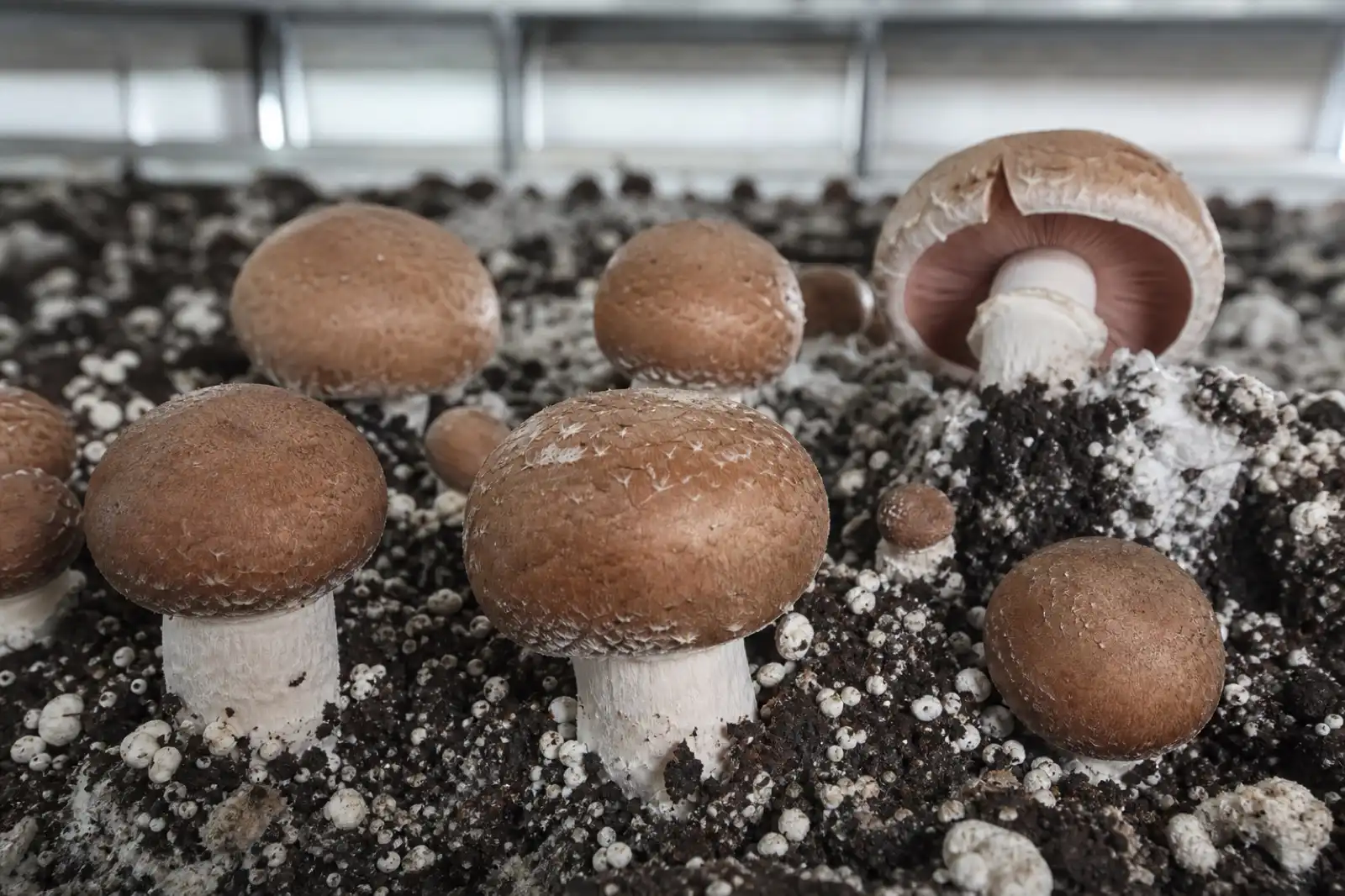
Cremini Mushrooms: Button vs. Portobello, Nutrition, and Uses
Cremini, baby bella, button, and portobello mushrooms are Agaricus bisporus market forms. Compare maturity, cooking uses, nutrition, cultivation, and safety.
health
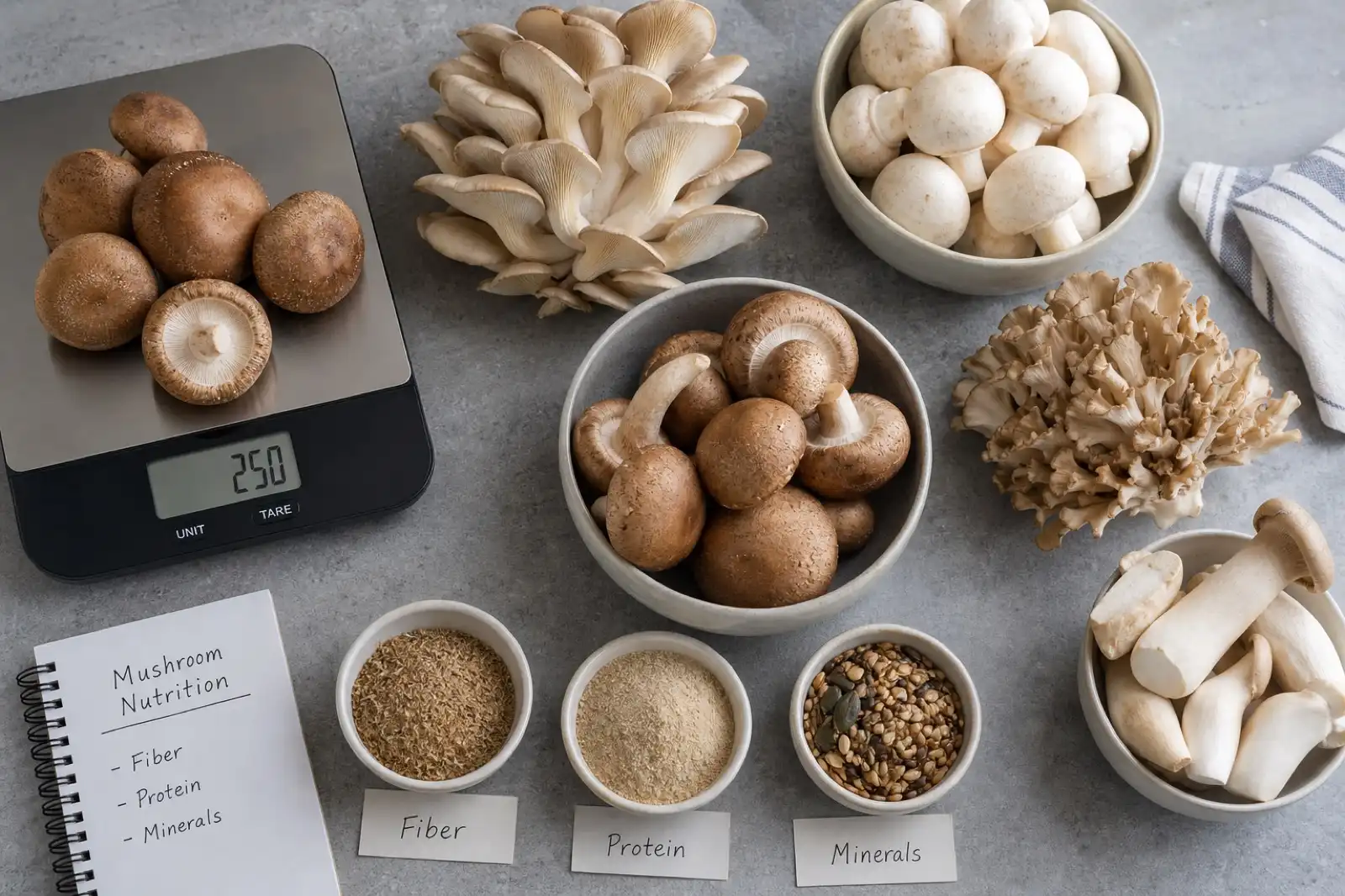
Mushroom Nutrition: Fiber, Protein, Calories, and Vitamins
Are mushrooms a source of fiber or protein? Compare calories, fiber, protein, vitamins, food forms, serving sizes, and preparation without overstating benefits.
recipes
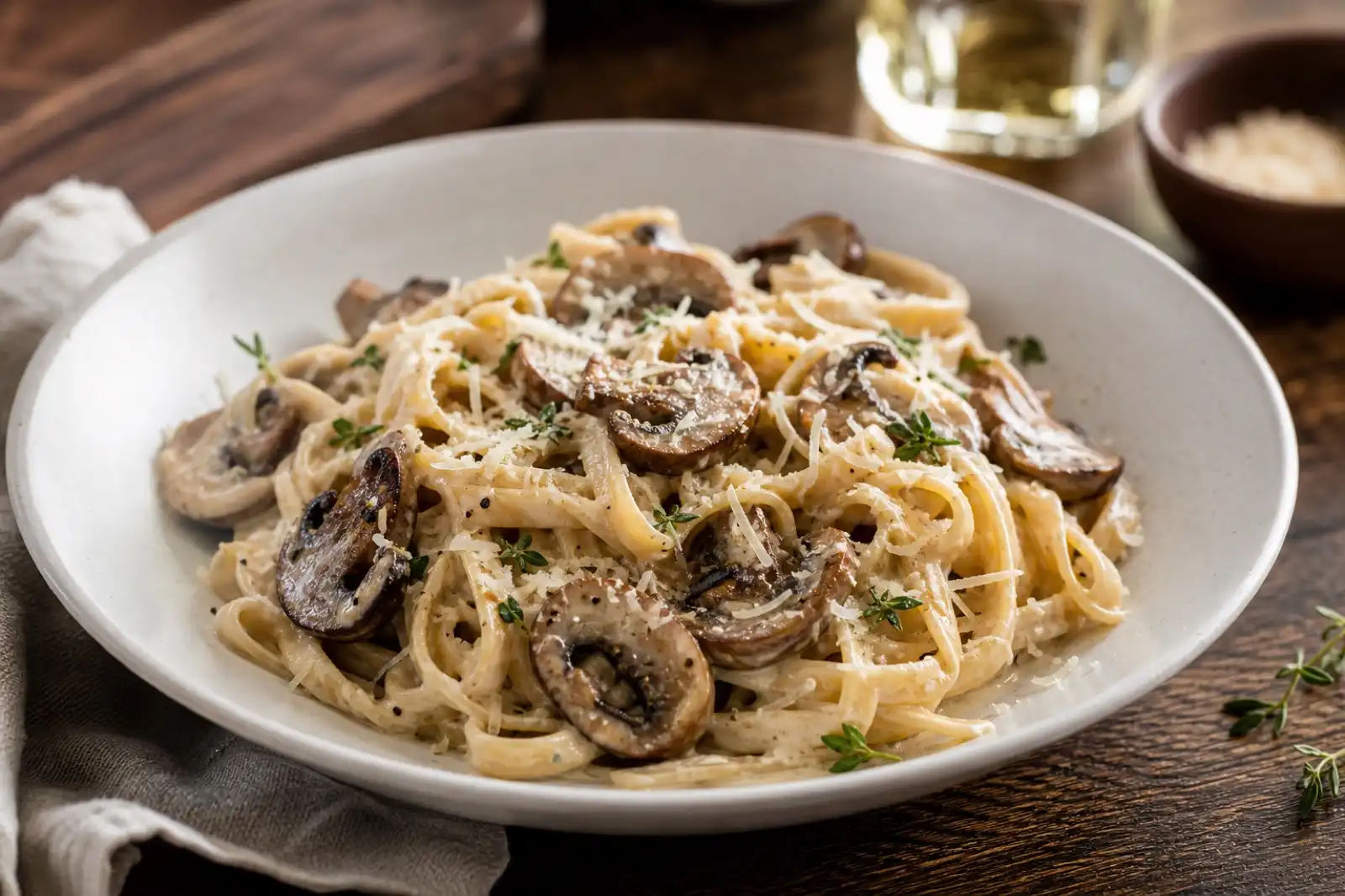
Creamy Mushroom Pasta
Make creamy mushroom pasta with cultivated cremini mushrooms, clear steps, practical substitutions, and conservative food-safety guidance.
Continue exploring
Browse more practical guides in Recipes or visit the mushroom encyclopedia.