Recipes
Creamy Mushroom Pasta
Make creamy mushroom pasta with cultivated cremini mushrooms, clear steps, practical substitutions, and conservative food-safety guidance.
By MushroomScope Editorial Team · · Updated
Food source
Cook identified edible mushrooms
Recipes assume mushrooms sold as food by a reputable supplier, not foraged specimens needing identification.
Open the recipe hub →Kitchen safety
Handle leftovers promptly
Cool leftovers in shallow containers, refrigerate promptly, and discard food held unsafely or showing spoilage.
Review preparation safety →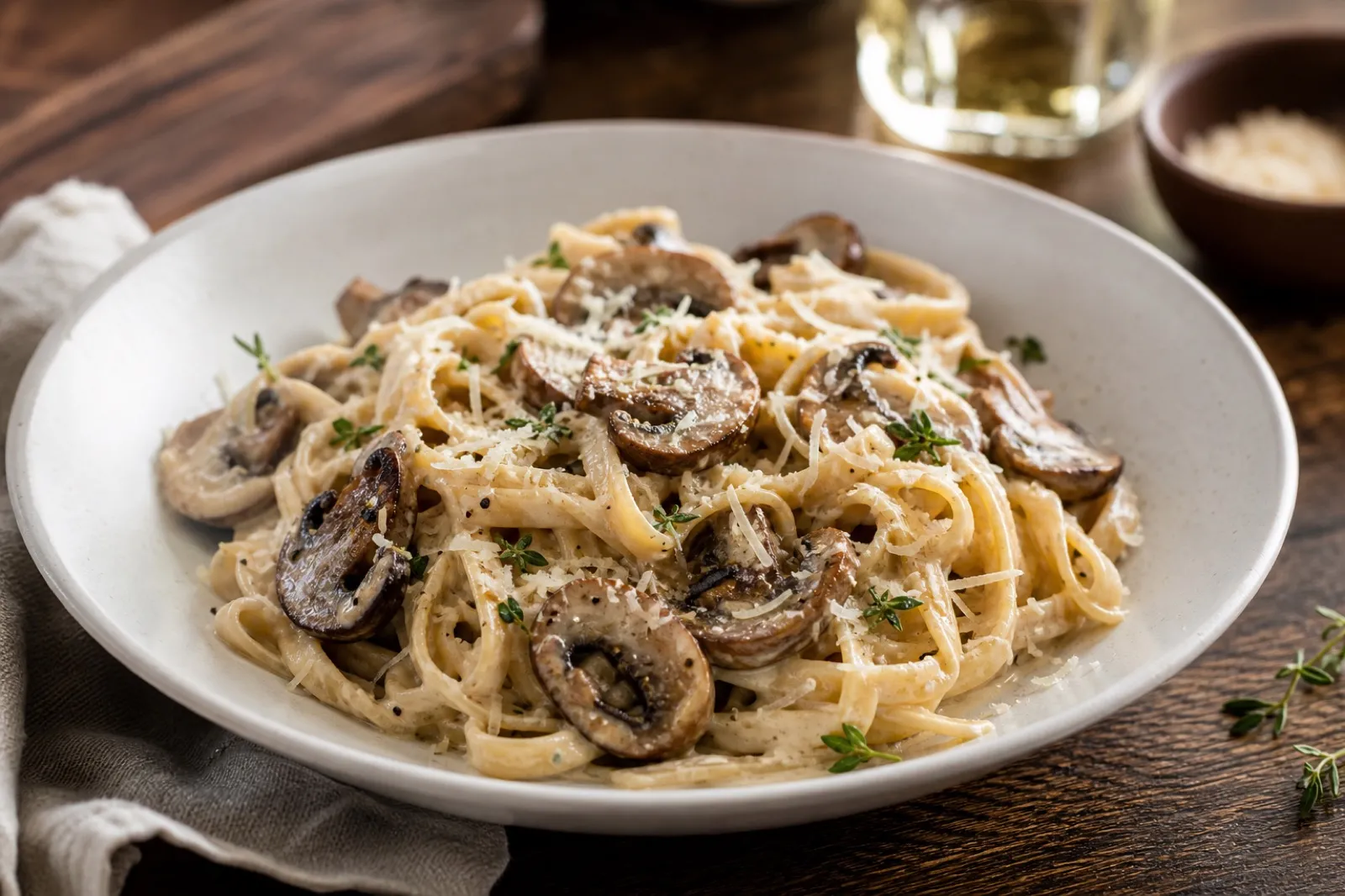
Recipe details
- Prep time
- PT15M
- Cook time
- PT30M
- Yield
- 4 servings
Ingredients
- 450 g cremini mushrooms, sliced
- 300 g pasta
- 180 ml cream
- 60 g finely grated Parmesan
- 2 garlic cloves, minced
- salt and black pepper to taste
Instructions
- Buy identified cultivated mushrooms from a reputable food supplier and discard spoiled pieces.
- Clean mushrooms with a soft brush or brief rinse, dry well, and cut into even pieces.
- Brown mushrooms separately and toss with pasta, sauce, and reserved cooking water.
- Season to taste and serve while hot.
- Cool leftovers promptly in a shallow covered container and refrigerate.
August 2026 cooking note: For a tighter recipe cluster, use the same mushroom-browning step for garlic mushroom toast and turn extra browned mushrooms into homemade mushroom gravy.
Why this recipe works
Make creamy mushroom pasta with cultivated cremini mushrooms, clear steps, practical substitutions, and conservative food-safety guidance. Browning drives off surface moisture and builds savory flavor. Crowding a small pan traps steam, so cook in batches when necessary. The recipe uses pasta, cream, and Parmesan to support rather than hide the mushroom flavor.
Use cultivated cremini or another mushroom explicitly sold for cooking, with a package or supplier identity you can trace. This pasta method cannot authenticate a foraged cap, and boiling or browning does not neutralize every mushroom toxin. Reject slimy, moldy, badly damaged, or recalled product before it reaches the cutting board.
Ingredients and substitutions
- cremini mushrooms: Choose firm specimens without slime, strong off-odors, or extensive damage.
- pasta: Provides the main cooking medium or structure. Use a suitable dietary substitute when needed.
- cream: Add after the mushrooms have begun to brown so it does not scorch.
- Parmesan: Adjust the amount to balance richness, acidity, or texture.
- Seasoning: Salt gradually and finish with black pepper or fresh herbs.
Coordinate browned mushrooms, sauce, and pasta
- Buy identified cultivated mushrooms and refrigerate them promptly.
- Clean hands, utensils, and work surfaces. Keep mushrooms separate from raw meat, poultry, and seafood.
- Prepare mushrooms in even pieces and dry their surfaces.
- Brown mushrooms separately and toss with pasta, sauce, and reserved cooking water.
- Taste, adjust seasoning, and serve hot.
Brown sliced mushrooms in a skillet large enough to keep most pieces in one layer. Let the first side color before turning; if the pan floods, divide the batch and reduce the released liquid until the pan again leaves a dry trail. Add aromatics after browning so garlic does not burn during the longer evaporation phase, then dissolve the browned fond with measured pasta water or stock.
Brown mushrooms in batches before building the sauce
Use the widest heavy skillet available and heat it before adding a thin film of oil. Add only enough sliced cultivated mushrooms to form a loose layer. Let them contact the pan until browned before stirring. If they release water, continue cooking until it evaporates and the surface begins to color; adding extra oil while the pan is wet can make the sauce greasy.
Transfer each browned batch to a clean plate. Lower the heat for onion or shallot, then add garlic only near the end so it does not burn. Deglaze with stock or another recipe liquid and scrape up the browned residue. Return the mushrooms after the liquid has reduced enough to carry flavor rather than dilute it.
Slice pieces to a similar thickness, but preserve the shape of the variety. Cremini can be sliced through cap and stem, while cultivated oyster mushrooms are better torn into broad strips. Do not mix unidentified wild mushrooms into a cultivated recipe; cooking cannot neutralize every mushroom toxin.
Coordinate pasta doneness with sauce consistency
Bring the pasta water to a full boil before the sauce reaches its final stage. Salt according to dietary needs and the sodium already present in stock or cheese. Stir after adding pasta so pieces separate, then check before the package’s maximum time. The goal is just-tender pasta that can finish briefly in the skillet without becoming soft.
Reserve a cup of pasta water before draining. Its starch helps a fat-and-water sauce cling, but it can also be salty, so add it by tablespoons. Move the pasta directly into the simmering mushroom mixture, toss, and adjust until the sauce coats rather than pools. If using cream, keep it below a harsh boil; if using grated hard cheese, remove the pan from aggressive heat before adding it to limit clumping.
Long pasta benefits from tongs and a wide pan. Short ridged shapes are easier to portion and hold chopped mushroom pieces. Gluten-free pasta often softens quickly and may release different amounts of starch, so follow its label and combine gently.
Choose a creamy, olive-oil, or blended sauce deliberately
A dairy cream sauce is stable when stock is reduced first and cream is added over controlled heat. For a dairy-free version, select an unsweetened plant cooking cream that is labeled for heating; coconut, oat, soy, and nut-based products differ in flavor, allergens, and stability. A blended white-bean sauce can add body but creates a different dish rather than a direct nutritional substitute.
For an olive-oil pasta, emulsify measured oil with mushroom cooking liquid and pasta water. This style needs good browning and enough acidity because there is no cream to soften harsh seasoning. Lemon zest, parsley, thyme, or chives can add aroma at the end. Add lemon juice gradually off heat so the dish stays balanced.
Build flavor without masking the mushrooms
Start with one primary aromatic direction. Thyme and shallot suit a cream sauce; garlic, parsley, and lemon suit an olive-oil version; miso or soy sauce can deepen savoriness but add substantial sodium and allergens. Combining every savory ingredient can make the result muddy.
Salt in stages and taste after the pasta is combined. Parmesan-style cheese, stock, miso, and pasta water may each contribute salt. Black pepper, fresh herbs, lemon, or a small amount of mustard can correct flatness more effectively than another spoonful of salt.
Wine is optional. If used, add it after aromatics and reduce until the raw alcoholic aroma has dissipated before adding cream. Use a product suitable for the diners and remember that cooking does not guarantee zero alcohol. Unsalted stock with a measured splash of vinegar is a practical alternative.
Troubleshooting
The sauce is gray and the mushrooms never browned: Too many cold slices cooled the pan and released water at once. Remove part of the batch, reduce the liquid, return the pan to browning temperature, and finish the remaining slices separately before combining them.
Garlic or spices taste bitter: Add delicate aromatics later or reduce the heat once browning is established.
The finished dish is heavy: Add measured acidity, fresh herbs, or unsalted stock rather than more salt.
The sauce breaks or looks oily: The heat was too high, the dairy or plant cream was unstable, or cheese was added while boiling. Remove the pan from heat and stir in warm pasta water a spoonful at a time. Next time, reduce liquid before adding cream and finish cheese off direct heat.
The sauce is thin: Continue reducing before adding pasta, or let the pasta finish briefly in the pan. Do not dump in flour at the end; raw flour can clump and taste chalky. A documented starch slurry can be used when appropriate, but disclose the ingredient to diners and cook it as its package requires.
The pasta absorbs everything before service: It was held too long or combined with a sauce that was already tight. Stop cooking when the sauce is slightly looser than desired and serve promptly. For advance preparation, store pasta and sauce separately.
Mushrooms are rubbery: Pieces may be too thick, the pan may have been cool and crowded, or the exterior browned before the center softened. Use even pieces, work in batches, and taste a fully cooked sample rather than relying on color alone.
Garlic or herbs taste bitter: Garlic burned during high-heat mushroom browning or delicate herbs cooked too long. Brown mushrooms first, lower the heat, then add garlic briefly. Reserve tender herbs for the finish.
Check dietary labels and cross-contact
For a vegan dish, confirm pasta, stock, wine, cheese substitutes, and sauces rather than assuming the mushroom component defines the entire meal. For dairy-free cooking, check plant cream and packaged pesto. For gluten-free cooking, use certified pasta and verify stock, miso, soy sauce, and seasoning blends; use clean utensils and a separate colander when cross-contact matters.
Tree nuts, soy, wheat, milk, egg, celery, and sulfites may appear depending on substitutions. Recipes change by brand and country. Ask diners about allergies and read the current package every time. The cooked-versus-raw guide explains why cooking practices and individual tolerance still matter even for cultivated mushrooms.
Scale and prepare the dish ahead
Doubling ingredients does not double skillet surface. Brown extra mushrooms in more batches or use two pans, then combine them in a pot large enough for tossing. Record mushroom weight, pasta weight, sauce product, and final yield because water loss and cream thickness vary.
Mushrooms can be cleaned, dried, and sliced a few hours ahead, then refrigerated in a covered container. Aromatics can be prepared separately. The sauce may be made through the reduced-stock stage, cooled promptly, and refrigerated; reheat gently, add cream or finishing ingredients, and cook pasta close to service.
For a smaller portion, retain a wide enough pan for browning and reduce liquid by appearance rather than using the full original time. Warm serving bowls and have diners ready: the texture changes quickly after sauce and pasta meet.
Store and reheat pasta safely
Refrigerate within two hours, or within one hour above 90°F (32°C), in clean shallow covered containers. Keep the refrigerator at or below 40°F (4°C). Divide a large batch so its center cools promptly, label it, and follow applicable local leftover guidance.
Reheat only the portion needed until steaming hot throughout. Add a small splash of water or stock and stir to eliminate cold pockets. Repeated warming and cooling reduces quality and creates avoidable handling. Discard pasta with mold, slime, off odor, or unsafe time-temperature history; tasting is not a safe spoilage test.
If unexpected symptoms follow mushroom consumption, stop eating and seek appropriate medical advice. If wild or unidentified material may be involved, contact local poison-control or emergency services promptly and retain uncooked material, packaging, and photographs when safe.
Storage and reheating
Refrigerate the finished pasta within two hours, or within one hour above 90°F (32°C). Spread a large batch into shallow containers so the dense sauce and noodles cool promptly; keep the refrigerator at or below 40°F (4°C). Reheat only the needed portion with a spoonful of water until steaming throughout, and discard pasta with an unsafe holding history, mold, slime, or an off odor.
Browse more mushroom recipes or learn about the cultivated species in the mushroom encyclopedia.
References
- FDA — Selecting and Serving Produce Safely — produce purchasing, washing, and cross-contamination controls.
- FDA — Are You Storing Food Safely? — refrigerator temperature and prompt-storage guidance.
- USDA FoodData Central — composition records for defined foods and preparation states, not a nutrient calculation for this complete dish.
Source quality notes
MushroomScope cites sources that match the page scope, such as taxonomic databases, extension guidance, food-safety agencies, food-composition databases, and peer-reviewed or institutional health references. Sources support context and uncertainty; they do not turn an online page into specimen identification, medical advice, or a tested recipe record.
Frequently asked questions
Which mushrooms work best for creamy mushroom pasta?
Use cultivated cremini mushrooms from a reputable food supplier. Do not substitute an unidentified wild mushroom.
Can the mushrooms be prepared in advance?
They can be cleaned and cut shortly before cooking. Keep prepared mushrooms refrigerated and prevent cross-contamination with raw animal foods.
How should leftovers be stored?
Refrigerate promptly in a clean covered shallow container, keep the refrigerator at or below 40°F (4°C), and follow local leftover guidance.
Related guides
mushrooms
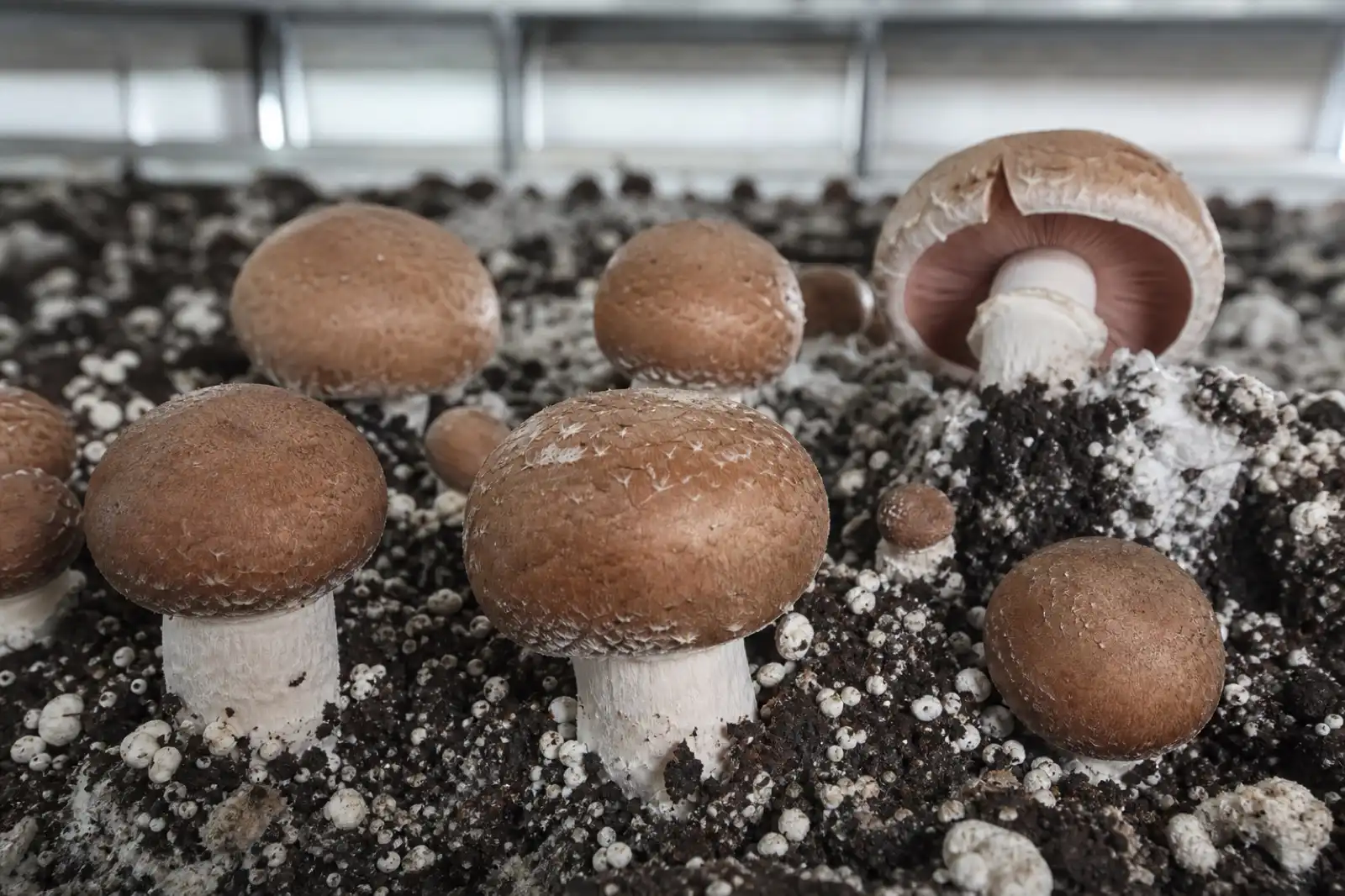
Cremini Mushrooms: Button vs. Portobello, Nutrition, and Uses
Cremini, baby bella, button, and portobello mushrooms are Agaricus bisporus market forms. Compare maturity, cooking uses, nutrition, cultivation, and safety.
recipes
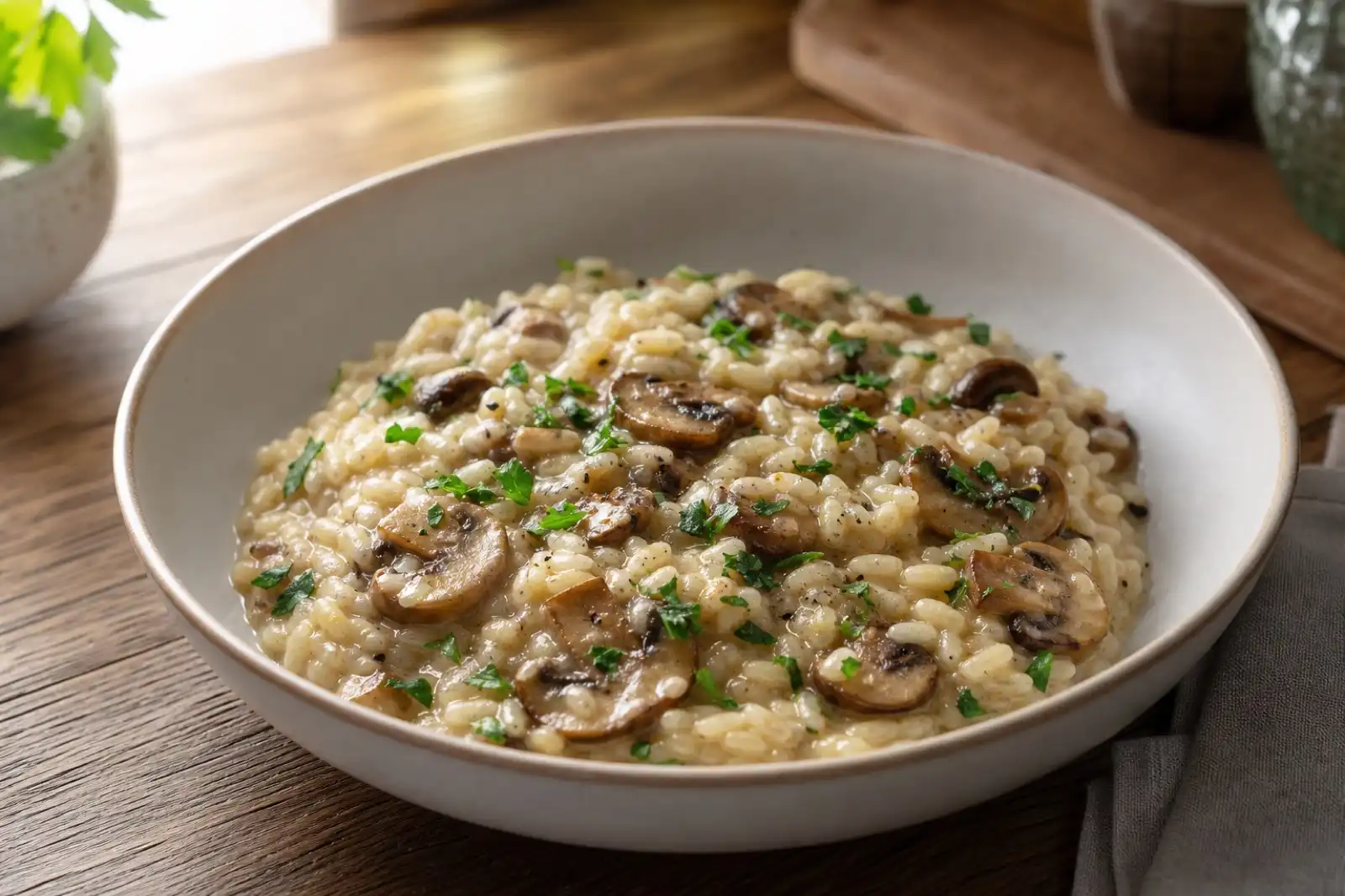
Mushroom Risotto with Cremini Mushrooms
Make creamy mushroom risotto with browned cremini mushrooms, warm stock, and clear visual cues for tender rice without a heavy finish.
recipes
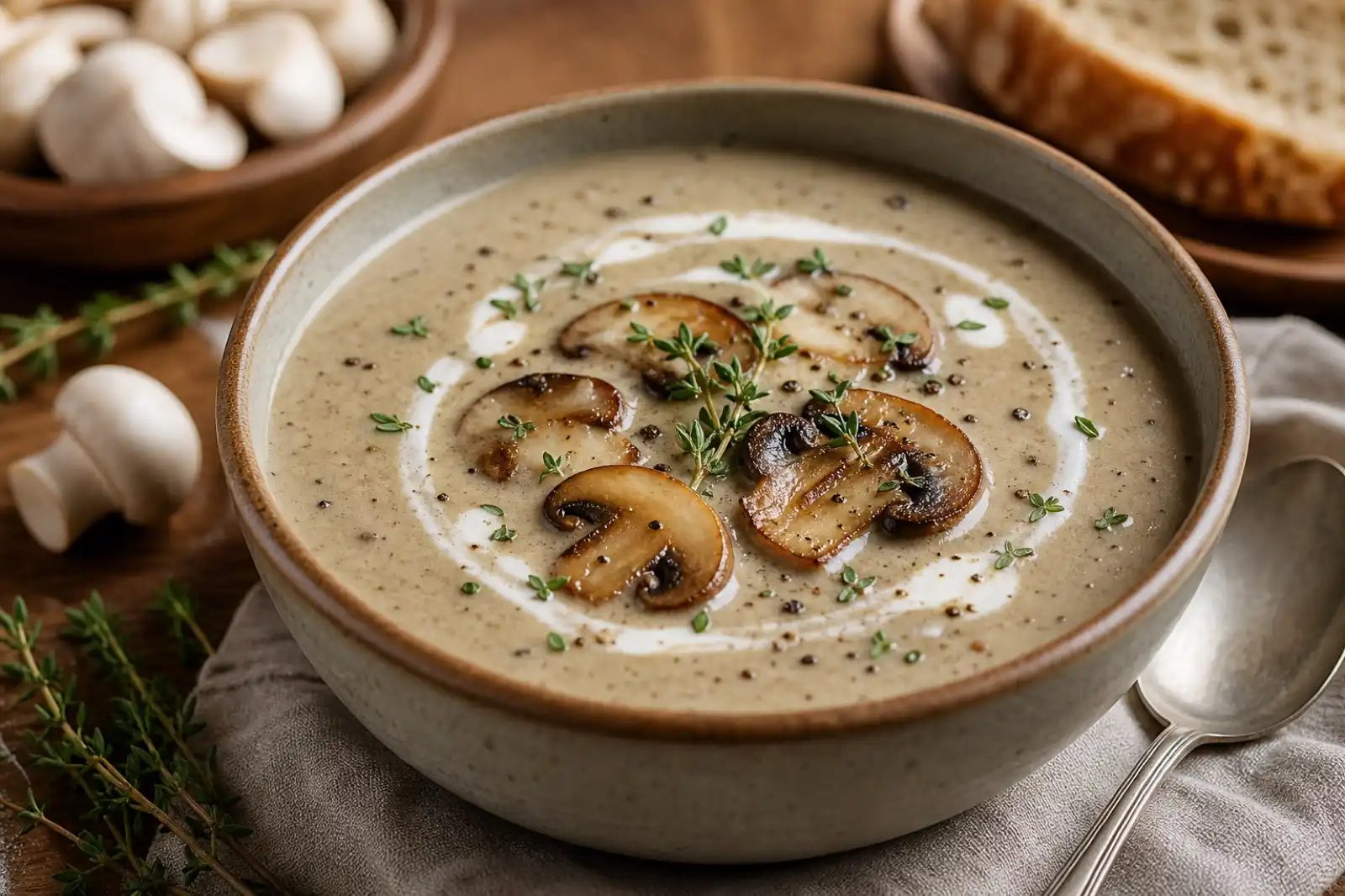
Creamy Mushroom Soup from Scratch
Make creamy mushroom soup from scratch with cultivated cremini mushrooms, clear steps, practical substitutions, and conservative food-safety guidance.
Continue exploring
Browse more practical guides in Recipes or visit the mushroom encyclopedia.