Recipes
Mushroom Risotto with Cremini Mushrooms
Make creamy mushroom risotto with browned cremini mushrooms, warm stock, and clear visual cues for tender rice without a heavy finish.
By MushroomScope Editorial Team · · Updated
Food source
Cook identified edible mushrooms
Recipes assume mushrooms sold as food by a reputable supplier, not foraged specimens needing identification.
Open the recipe hub →Kitchen safety
Handle leftovers promptly
Cool leftovers in shallow containers, refrigerate promptly, and discard food held unsafely or showing spoilage.
Review preparation safety →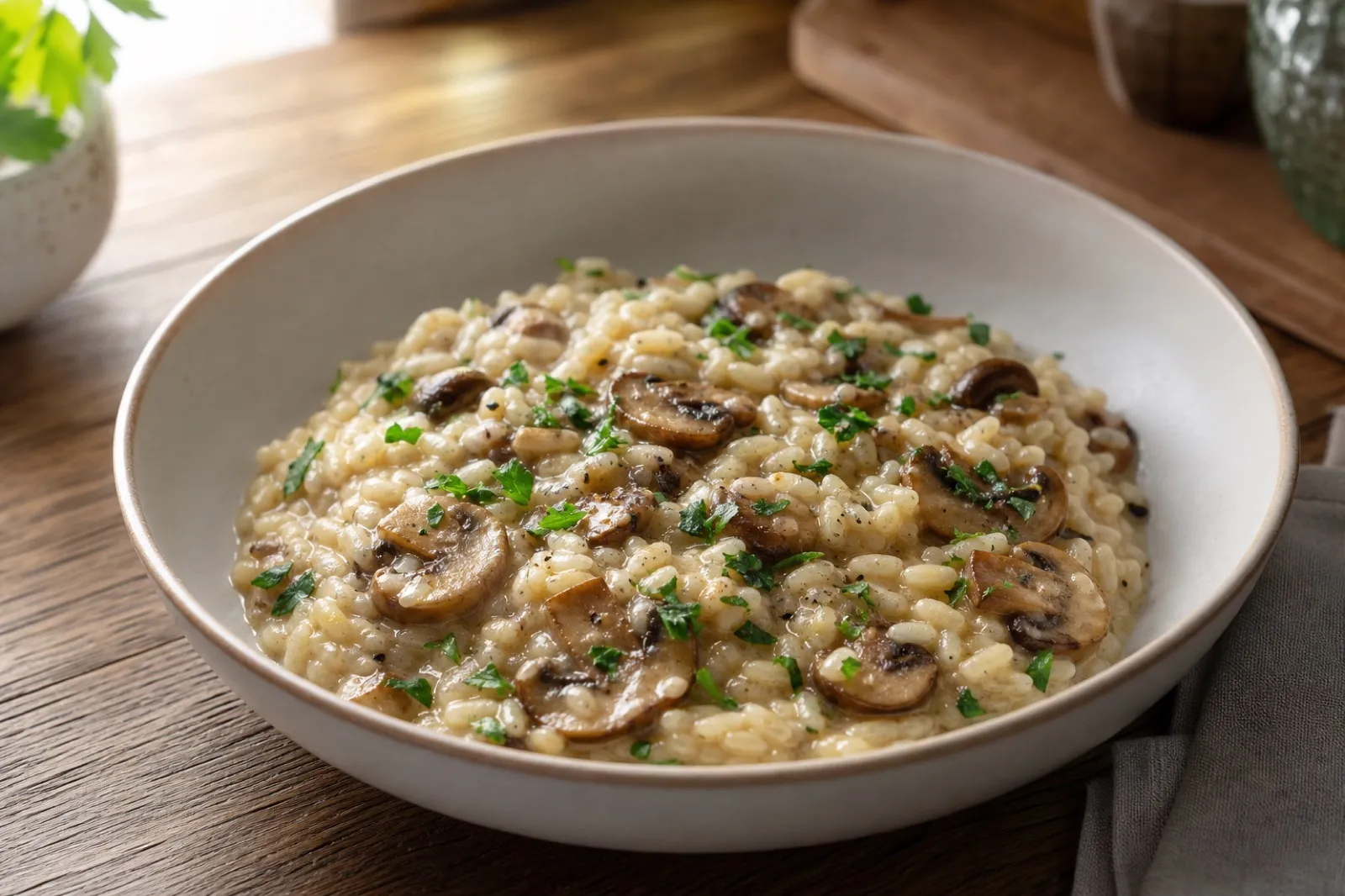
Recipe details
- Prep time
- PT15M
- Cook time
- PT35M
- Yield
- 4 servings
Ingredients
- 16 ounces (450 g) firm cultivated cremini mushrooms, sliced
- 5 cups (1.2 L) low-sodium vegetable stock
- 1 1/2 cups (300 g) Arborio rice
- 2 tablespoons olive oil
- 1 tablespoon unsalted butter, optional
- 1 small shallot or onion, finely diced
- 1/2 cup (120 ml) dry white wine, optional
- 1/2 cup (45 g) finely grated Parmesan, plus more to serve
- 1 tablespoon fresh lemon juice, optional
- 2 tablespoons chopped parsley
- Salt and black pepper, to taste
Instructions
- Keep the vegetable stock at a low simmer in a saucepan.
- Brown the sliced cultivated cremini mushrooms in a wide skillet, then reserve some for the top.
- Soften the shallot in oil and optional butter, then toast the Arborio rice briefly before adding the wine, if using.
- Add hot stock a ladle at a time, stirring regularly and waiting until each addition is nearly absorbed before adding the next.
- When the rice is tender with a slight bite, fold in the browned mushrooms, Parmesan, parsley, and an optional squeeze of lemon.
- Loosen with a final splash of hot stock, season to taste, and serve immediately with the reserved mushrooms.
This mushroom risotto has two jobs: make the rice creamy and keep the mushrooms noticeably savory. The answer is not constant stirring or extra cheese. Brown the cultivated cremini mushrooms in a wide pan first, keep the stock hot, and add the liquid in measured additions until the rice is tender with a slight resistance at its center. Fold in cheese and a little butter only after the rice is ready, then serve it while it still flows softly on the plate.
Use mushrooms sold as food by a reputable supplier. This recipe cannot identify wild mushrooms, and cooking does not turn a poisonous species into an edible one.
August 2026 cooking note: If you want the same savory mushroom base with less stirring, use the browning section here as a bridge to garlic mushroom toast or homemade mushroom gravy.
The texture to aim for
Risotto is ready when the grains are tender yet not mushy and the cooking liquid looks glossy rather than dry. Draw a spoon through the pot: the rice should slowly close the path instead of sitting in a firm heap. It will tighten as it rests, so stop cooking when it is a little looser than your desired serving texture.
Keep the stock gently hot in a small saucepan. Adding cold stock repeatedly slows the pot and makes the texture harder to judge. You do not need to stir without pause; stir often enough to keep the rice from catching and to release its creamy starch, then give it short undisturbed moments between additions.
Judge doneness with both movement and taste. The liquid should suspend the grains rather than form a separate watery pool, and an individual grain should be tender through most of its center with only a slight, pleasant resistance. A crunchy white core needs more cooking; a grain that collapses without structure has gone too far. Because the pot continues absorbing liquid off heat, have warmed bowls and toppings ready before the final adjustment.
Pan width changes the process. A very narrow pot creates a deep layer that cooks less evenly, while an oversized pan can evaporate stock faster than the rice hydrates. Choose a heavy, medium-wide pot that holds the rice in a manageable layer, then regulate the burner so each ladle simmers gently rather than boiling violently or sitting motionless.
Ingredients and substitutions
Choose firm cultivated cremini mushrooms, sometimes sold as baby bella mushrooms. USDA FoodData Central lists brown Italian or crimini mushrooms as a cultivated mushroom food. White button mushrooms are the closest substitute; a few shiitake mushrooms can add a stronger aroma, but keep cremini as the base for a balanced texture.
| Ingredient | Purpose | Substitute or note |
|---|---|---|
| Arborio rice | Builds the creamy base | Carnaroli works; avoid long-grain rice for this method |
| Cremini mushrooms | Earthy, browned flavor | White button mushrooms |
| Vegetable stock | Hydrates the rice gradually | Use certified gluten-free stock if needed |
| Parmesan | Salty, savory finish | Use a vegetarian rennet-free Parmesan-style cheese if preferred |
| Dry white wine | Adds acidity before stock | Replace with extra stock and finish with lemon juice |
Clean the mushrooms just before cooking. FDA recommends clean hands and surfaces, keeping produce separate from raw animal foods, and trimming away damaged portions. Avoid soaking sliced mushrooms: after a brief rinse, dry them well so they brown rather than steam.
For an alcohol-free version, replace the wine with hot stock and use the optional lemon only at the end. For a dairy-free dish, omit butter and Parmesan, use olive oil, and check the stock label; the rice’s starch can still create a creamy consistency. Nutritional yeast can add savory flavor, but add it gradually because brands vary in saltiness and intensity.
If using shiitake as part of the mushroom mixture, remove tough stems and cook the caps thoroughly. Do not substitute a wild collection based on resemblance to a market mushroom. The ingredient list assumes cultivated mushrooms sold as food and does not provide a wild-identification process.
Organize the two-pan workflow
Slice and dry the mushrooms, dice the shallot, grate the cheese, chop parsley, and measure the rice before heating either pan. Start the stock first, then brown the mushrooms. The browned mushrooms can wait briefly in a bowl while the rice cooks, whereas a half-finished rice pot cannot be paused without changing its texture.
Use the mushroom skillet only if its browned residue is clean and not scorched. A splash of hot stock can loosen flavorful browned bits, which may be added to the rice; discard bitter black residue. Keep the reserved garnish separate so it remains visibly browned rather than softening in the pot.
When cooking for guests, plan to bring everyone to the table before the final cheese and stock adjustment. Risotto is not a casserole that improves during a long rest. If timing slips, keep a little stock hot and stop the rice slightly looser, but do not deliberately undercook a chalky center in hopes that standing will fix it.
Step-by-step method
- Warm the stock. Bring the vegetable stock to a low simmer in a saucepan, then keep it hot over low heat. Set a ladle beside the pot.
- Brown the mushrooms first. Heat one tablespoon oil in a wide skillet over medium-high heat. Add the sliced mushrooms in a loose layer and leave them for a minute before turning. Cook until their released liquid has evaporated and several surfaces are brown. Season lightly, transfer to a bowl, and reserve a few pieces for the top.
- Start the rice. In a heavy pot, heat the remaining oil and optional butter over medium heat. Cook the shallot with a pinch of salt until soft, then add the Arborio rice. Stir for about a minute so every grain is coated and the edges look slightly translucent.
- Add the first liquid. Pour in the wine, if using, and stir until it is nearly absorbed. Add one ladle of hot stock. Stir until the rice has absorbed most of it but the pot is not dry.
- Continue in additions. Add hot stock one ladle at a time, stirring regularly and waiting until the previous addition is nearly absorbed. Begin tasting after about 18 minutes. The exact total varies with rice, pan width, and heat.
- Finish, then loosen. When the rice is tender with a slight bite and the pot looks glossy, stir in most of the browned mushrooms, Parmesan, parsley, and lemon juice if using. Add a final splash of hot stock until the risotto relaxes into a soft, spoonable texture. Taste for salt and pepper.
- Serve right away. Spoon into warm bowls, top with the reserved mushrooms, and finish with more Parmesan or parsley.
If you want a close-up look at the first part of this technique, the sautéed mushrooms recipe focuses on browning cultivated mushrooms without crowding the pan. The mushroom pasta recipe is a better choice when you want a less hands-on dinner with the same savory profile.
Troubleshooting mushroom risotto
The mushrooms are gray and watery. The skillet was crowded or not hot enough. Let the water cook off before moving them; use two batches if needed. Fold them into the rice at the end instead of cooking them in the stock from the beginning.
The rice is still chalky. Add another small ladle of hot stock and cook a little longer. A dry pot can make the surface of the grain seem done while the center remains firm.
The risotto is heavy or stiff. Add hot stock a tablespoon at a time just before serving. Extra cheese will make it richer, but it will not replace the looseness created by the final stock addition.
The flavor tastes flat. Taste after the Parmesan is incorporated. A small squeeze of lemon or more black pepper can brighten the dish before you add more salt.
The rice cooks unevenly. Check that the simmer reaches the whole pot and that additions are not so large they repeatedly cool it. Stir around the bottom and corners, then use smaller additions while maintaining a gentle simmer.
The bottom begins to catch. Lower the heat and transfer the unburned rice to a clean warm pot without scraping the scorched layer. Add hot stock and continue cautiously. Strong burnt flavor cannot be hidden with cheese or lemon.
The risotto is soupy. Continue cooking briefly before adding cheese, stirring so excess liquid integrates and evaporates. Do not add dry uncooked rice late in the process; it will not hydrate on the same timeline as the rest.
Scale servings without losing control
The four-serving recipe suits a medium pot and a typical home burner. A half batch usually needs less total stock and may cook faster because evaporation is proportionally greater. Keep the full estimated stock hot but stop adding it when the rice is ready.
For a larger group, two moderate batches are easier to control than doubling everything in a crowded pot. Mushroom browning also works best in batches; a doubled pile releases enough water to steam before its surfaces color. Keep finished browned mushrooms covered loosely, not sealed so tightly that condensation makes them wet.
Serve risotto as the main dish with a crisp salad or simply cooked vegetables, or use smaller portions as a first course. Richness depends on portion size, cheese, butter, and stock—not on the word “creamy.” Let the rice’s starch provide the body before increasing added fat.
Storage and reheating
Risotto is at its best immediately, but leftovers can be handled safely. Cool them promptly in a shallow container, cover, and refrigerate. USDA FSIS advises refrigerating leftovers within two hours (one hour above 90°F / 32°C) and using cooked leftovers within three to four days.
To reheat, warm a single portion in a pan with a small splash of stock or water, stirring until hot and loosened. Do not leave a large pot at room temperature for repeated servings, and discard food that has been held unsafely or shows mold, slime, or an off odor.
Frequently asked questions
Can I make mushroom risotto without wine?
Yes. Skip the wine and begin with a ladle of hot stock. Add a little lemon juice at the end only if the dish needs brightness; it should support the mushrooms rather than taste sharply acidic.
Can I use all the stock if the rice is already tender?
No. Stop when the rice is tender and the texture is loose and glossy. Stock volume is an estimate because heat, rice age, and pan width change how quickly it absorbs; save unused stock for another meal.
How do I make risotto vegetarian?
Use vegetable stock and a Parmesan-style cheese made with vegetarian rennet, or leave out the cheese and finish with good olive oil and a little nutritional yeast if that suits your diet. Check individual labels for dietary needs.
Track absorption without forcing all the stock into the rice
Keep stock hot enough that each addition returns the pan to a gentle simmer quickly. Record how much stock remains when the grain first loses its hard center. Pan width, burner output, rice age, and stirring rate change evaporation, so the recipe quantity is a working supply rather than a target that must disappear.
Taste several grains from different parts of the pan. The center should offer slight resistance without a chalky core, and the surrounding liquid should look glossy rather than watery. Add smaller ladles near the endpoint. A large final addition can take the rice from nearly ready to soupy while the extra reduction overcooks the grains.
Fold browned mushrooms back in late so their edges remain distinct. Off heat, add the finishing fat or cheese and enough reserved hot stock to create a slow wave when the pan is shaken. Plate immediately on warm, shallow dishes. Properly loose risotto spreads gently under its own weight; a stiff mound needs a little stock, while a flat puddle needs brief absorption rather than more cheese.
References
- FDA. Selecting and Serving Produce Safely. Produce selection, cleaning, and cross-contamination guidance.
- USDA Food Safety and Inspection Service. Leftovers and Food Safety. Refrigeration and leftover time limits used in the storage section.
- USDA FoodData Central. Mushrooms, brown, Italian, or Crimini. Food description for cultivated cremini mushrooms.
Source quality notes
MushroomScope cites sources that match the page scope, such as taxonomic databases, extension guidance, food-safety agencies, food-composition databases, and peer-reviewed or institutional health references. Sources support context and uncertainty; they do not turn an online page into specimen identification, medical advice, or a tested recipe record.
Frequently asked questions
What rice is best for mushroom risotto?
Arborio is a reliable supermarket choice because its short, plump grains make a creamy cooking liquid while retaining a tender center. Carnaroli can be used when available; do not substitute long-grain rice and expect the same texture.
Should I cook mushrooms before adding them to risotto?
Yes. Brown the mushrooms separately first, then fold most of them into the rice near the end and reserve a small amount for the top. This prevents their moisture from making the rice pot crowded and gives the finished dish more contrast.
Why is my risotto thick instead of loose and creamy?
It likely sat too long or absorbed too much liquid. Stir in a small splash of hot stock immediately before serving and loosen it gently; risotto should settle into a soft mound rather than hold a stiff scoop shape.
Related guides
recipes
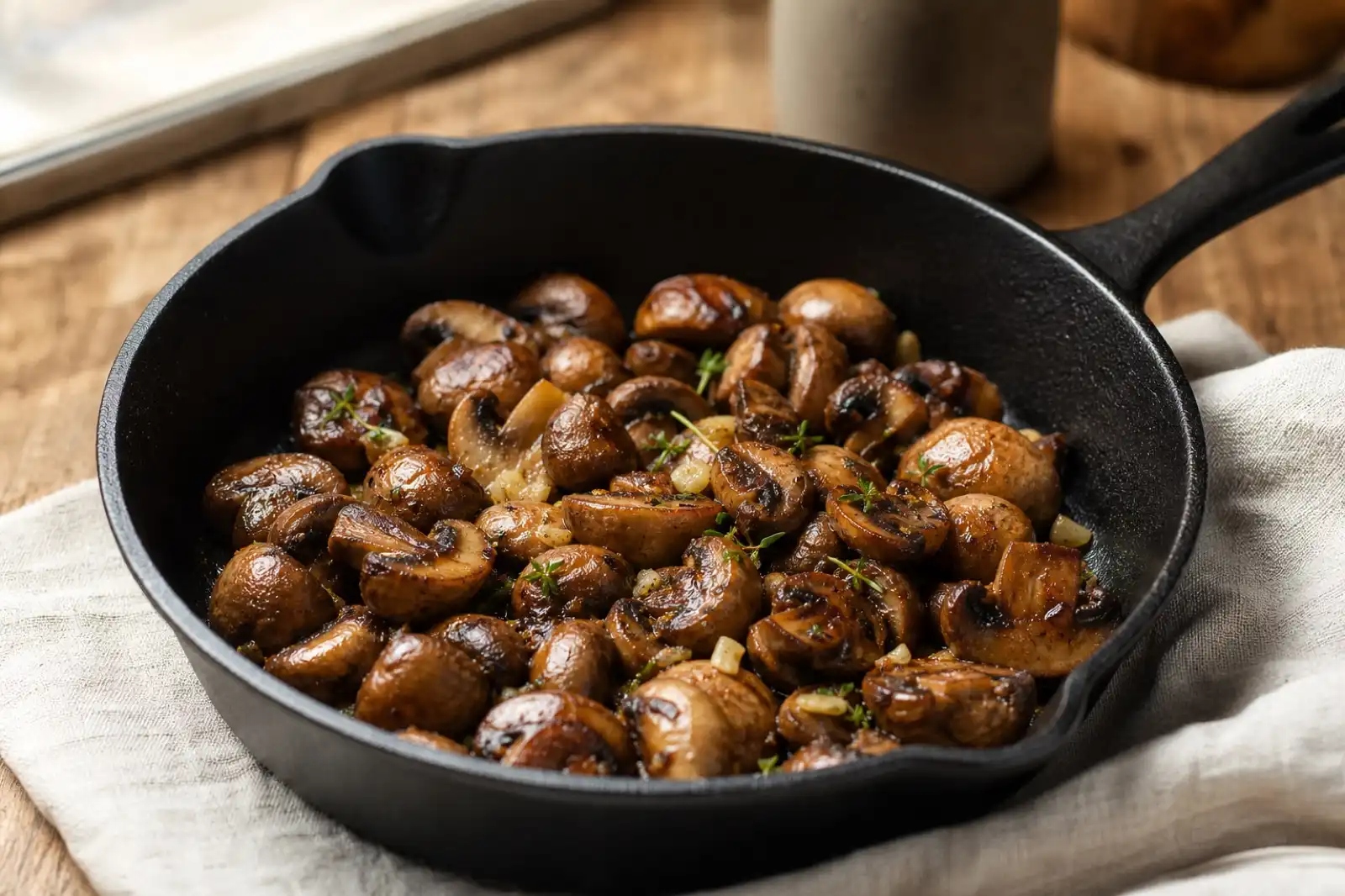
Easy Sautéed Mushrooms with Garlic and Herbs
Sauté cremini mushrooms with garlic and herbs using a wide-pan method, clear batch sizes, realistic timing, and safe storage advice.
mushrooms
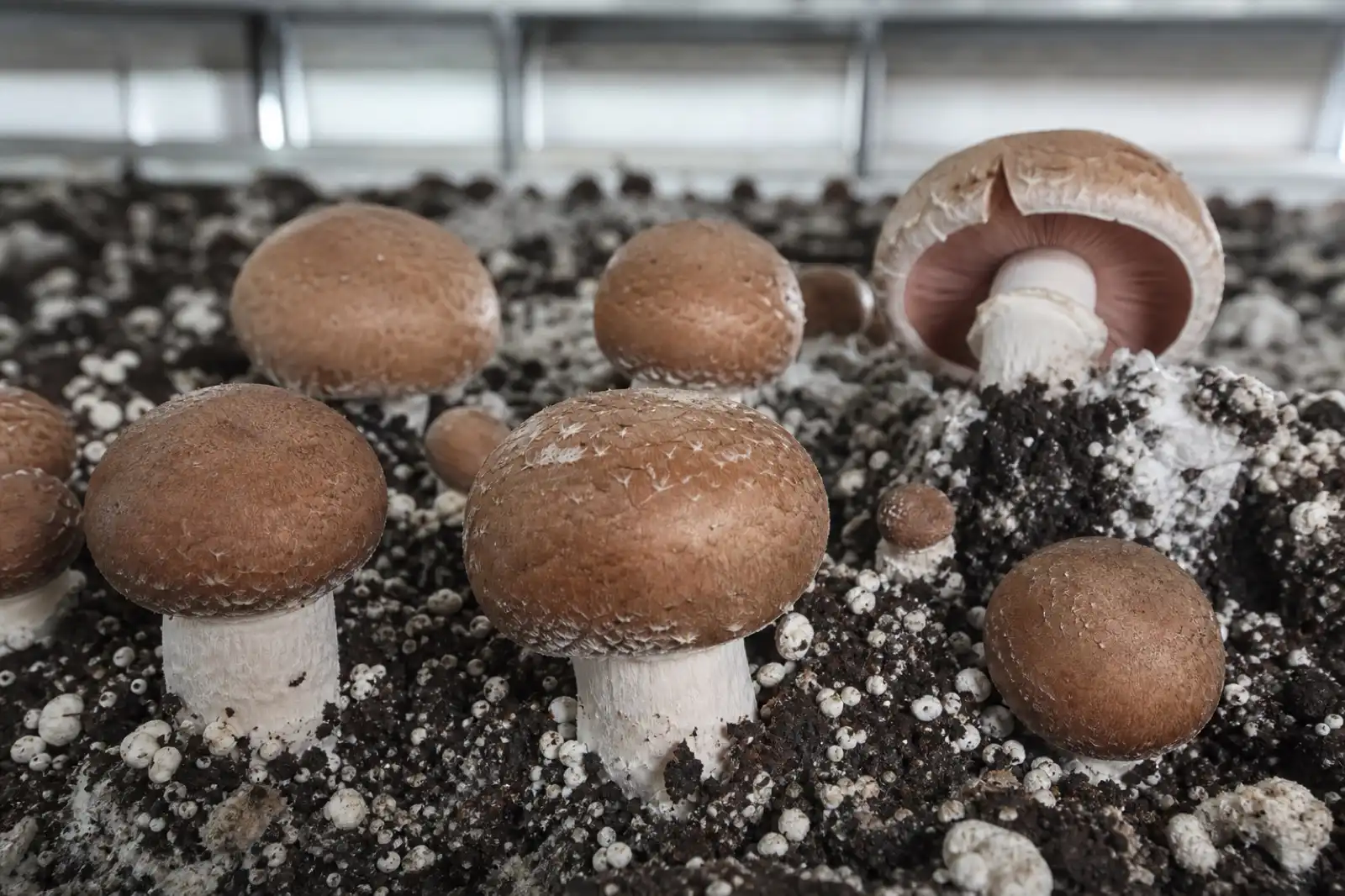
Cremini Mushrooms: Button vs. Portobello, Nutrition, and Uses
Cremini, baby bella, button, and portobello mushrooms are Agaricus bisporus market forms. Compare maturity, cooking uses, nutrition, cultivation, and safety.
recipes
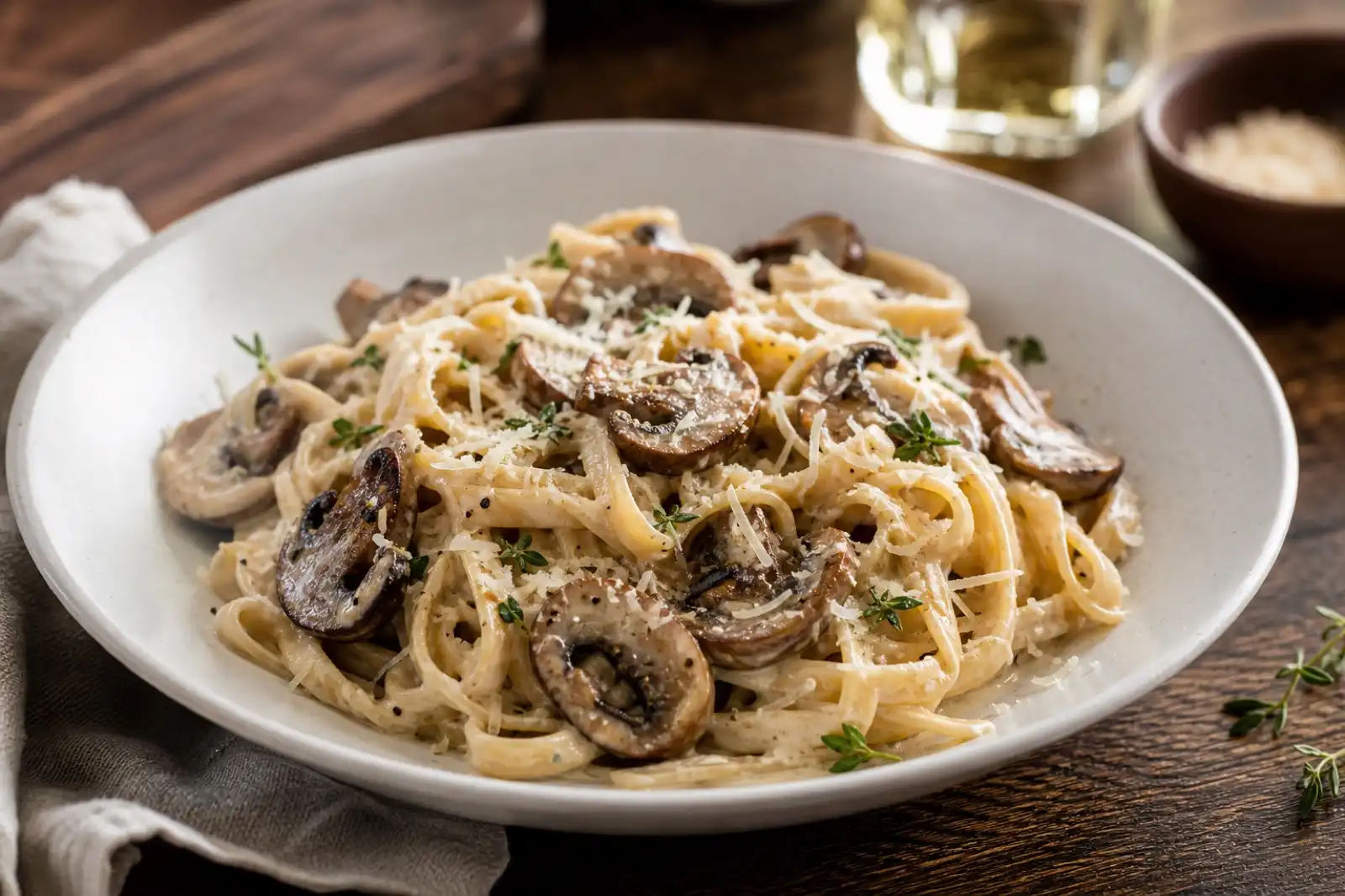
Creamy Mushroom Pasta
Make creamy mushroom pasta with cultivated cremini mushrooms, clear steps, practical substitutions, and conservative food-safety guidance.
Continue exploring
Browse more practical guides in Recipes or visit the mushroom encyclopedia.