Recipes
Garlic Mushroom Toast
Make garlic mushroom toast with browned cultivated mushrooms, crisp bread, practical substitutions, storage notes, and food-safety guidance.
By MushroomScope Editorial Team · · Updated
Food source
Cook identified edible mushrooms
Recipes assume mushrooms sold as food by a reputable supplier, not foraged specimens needing identification.
Open the recipe hub →Kitchen safety
Handle leftovers promptly
Cool leftovers in shallow containers, refrigerate promptly, and discard food held unsafely or showing spoilage.
Review preparation safety →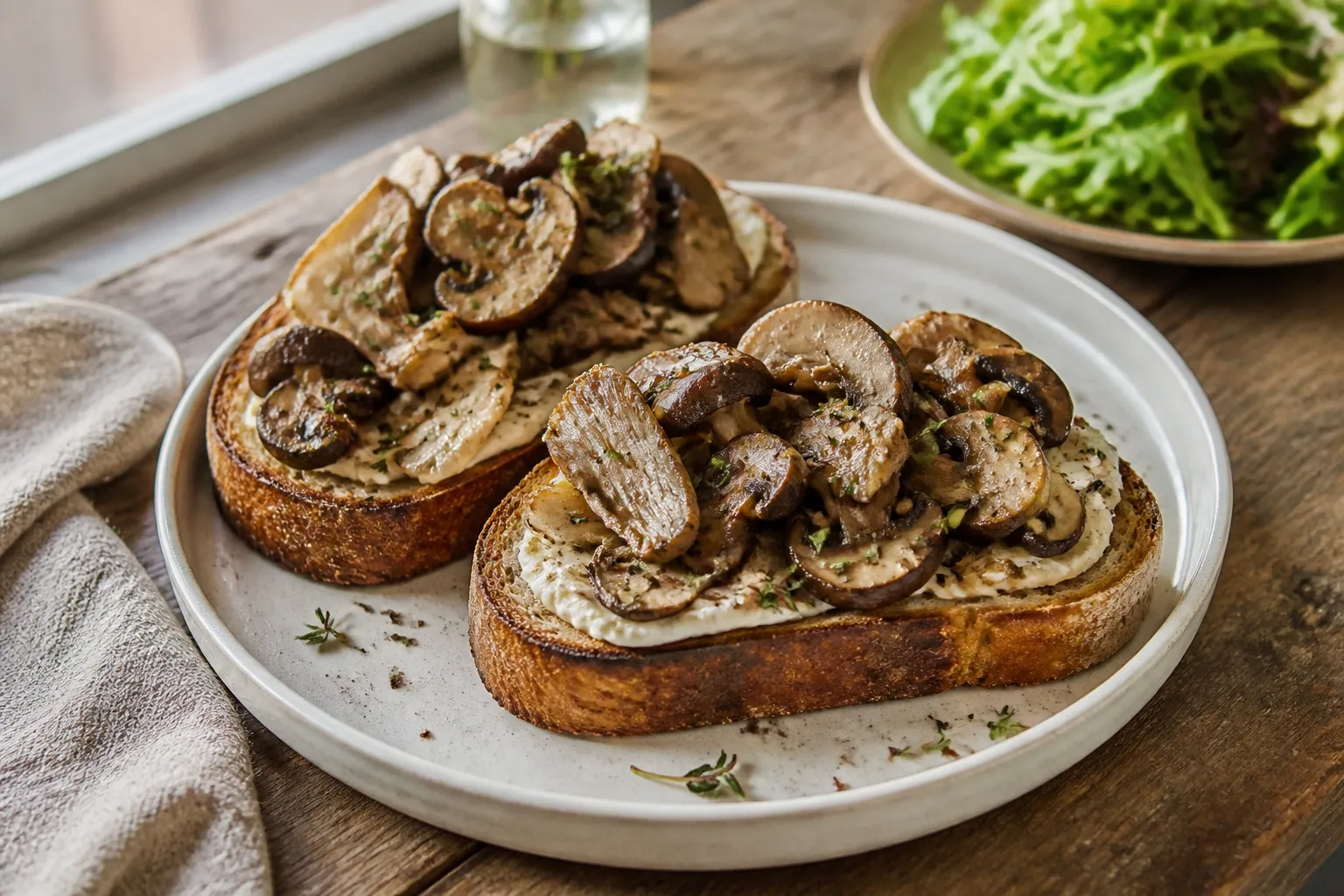
Recipe details
- Prep time
- PT10M
- Cook time
- PT15M
- Yield
- 2 large toasts
Ingredients
- 8 ounces (225 g) cultivated mushrooms, sliced or torn
- 2 thick slices sourdough or country bread
- 1 tablespoon olive oil
- 1 tablespoon unsalted butter or more olive oil
- 1 garlic clove, finely grated
- 1 teaspoon lemon juice or sherry vinegar
- 1 tablespoon chopped parsley or chives
- Salt and black pepper, to taste
- Optional: 2 tablespoons soft cheese, ricotta, or dairy-free spread
Instructions
- Clean and dry the cultivated mushrooms, then slice or tear them into even pieces.
- Toast the bread until crisp enough to support the topping.
- Brown the mushrooms in a wide skillet with olive oil, leaving them undisturbed at first so moisture evaporates.
- Add butter or extra oil, stir in garlic briefly, and season with salt and pepper.
- Finish with lemon juice and herbs, then spoon the mushrooms onto the toast immediately.
Why this recipe works
Garlic mushroom toast is simple, but the texture depends on sequencing. Toast the bread firmly, brown the mushrooms before adding garlic, and finish with acid and herbs after the pan is off its highest heat. That gives you crisp bread, savory mushrooms, and garlic that tastes sweet rather than scorched.
Use identified cultivated mushrooms from a reputable supplier. This recipe cannot identify wild mushrooms, and cooking does not make a poisonous mushroom safe.
The recipe works because it treats mushrooms as high-moisture produce. If they go onto bread before their liquid has cooked off, the toast turns soft. If garlic enters the pan too early, it burns before the mushrooms brown. If the bread is thin or barely toasted, even a well-cooked topping can overwhelm it. Good mushroom toast is therefore less about fancy ingredients and more about moisture control.
Ingredients and substitutions
Cremini mushrooms give a balanced everyday flavor. White button mushrooms are milder, oyster mushrooms brown beautifully when torn into strips, and shiitake mushrooms add a stronger aroma. Mix types if they are all sold as edible culinary mushrooms.
Use sturdy bread with enough structure to hold moisture. Sourdough, country bread, rye, and seeded loaves all work. For a richer toast, spread the bread with ricotta, soft goat cheese, cream cheese, or a dairy-free spread before adding the mushrooms.
Choose mushrooms that look dry, firm, and fresh. Avoid packages with slimy surfaces, sour odor, or excessive liquid. If using oyster mushrooms, tear them along their natural fibers rather than slicing every piece; the irregular edges brown nicely. If using shiitake, remove tough stems and save them for stock if they are clean and sold as food.
The bread is the second main ingredient. A dense loaf gives better support than sandwich bread. If all you have is soft bread, toast it longer and consider rubbing it with a little olive oil before adding the topping. A thin spread can act as a moisture barrier, but it should not be so thick that it hides the mushroom flavor.
For acidity, lemon juice, sherry vinegar, white wine vinegar, or a few drops of balsamic can all work. Add acid at the end so the mushrooms stay browned rather than stewed. Fresh herbs should also go in late to keep their aroma.
Step-by-step method
- Clean hands, board, knife, and skillet. Trim damaged mushroom sections and discard slimy or off-smelling pieces.
- Dry the mushrooms well. Moisture on the surface slows browning.
- Toast the bread until crisp and keep it warm.
- Heat a wide skillet over medium-high heat. Add olive oil and mushrooms in a loose layer.
- Let the mushrooms sit for a minute before stirring. Cook until their liquid evaporates and edges brown.
- Lower the heat, add butter or extra oil, then stir in garlic for 20 to 30 seconds.
- Season, finish with lemon juice or vinegar, fold in herbs, and spoon over the toast.
The sauteed mushrooms recipe covers the browning step in more detail. If you want a fuller dinner, the same mushroom base can move into creamy mushroom pasta.
Browning technique in detail
Use a wide skillet because mushrooms need space. A crowded pan traps steam, and steam keeps the surface wet. If you are doubling the recipe, cook the mushrooms in two batches or use two pans. The first minute can feel quiet; resist constant stirring. Contact with the hot pan is what starts browning.
Salt timing is flexible, but late seasoning gives the most concentrated browning. Salt pulls moisture out of mushrooms. That is not always bad, but for toast you want the moisture to evaporate before the topping reaches the bread. If you salt early, keep cooking until the pan is no longer watery.
Garlic should be treated as a finishing aromatic. Add it only after the mushrooms are browned and the heat is reduced. If the pan looks dry, add a little butter or oil before the garlic so it blooms without scorching. Once garlic smells sweet and warm, move quickly to acid and herbs.
The mushrooms are ready when the pan has only a glossy coating rather than pooled liquid. The pieces should look smaller, darker, and slightly browned at the edges. If they squeak around in water, keep cooking before assembling.
Troubleshooting
The toast is soggy. The mushrooms were spooned on while watery, or the bread was too soft. Cook the mushroom liquid off completely and toast the bread more firmly.
The garlic tastes bitter. Garlic was added too early or the pan was too hot. Add it only after the mushrooms are browned and lower the heat first.
The topping tastes flat. Add a small squeeze of lemon, more black pepper, or fresh herbs before adding more salt.
The mushrooms taste rubbery. They may have been cut too large, crowded, or pulled from the pan before enough water evaporated. Slice dense mushrooms thinner, tear oyster mushrooms into strips, and give the batch more space.
The bread tastes oily. The topping probably included too much fat or was assembled before excess pan liquid cooked off. Mushrooms need enough oil to brown, but they should not sit in a puddle. Use a spoon with holes or leave extra fat in the pan if needed.
The flavor is too sharp. Acid is useful, but too much lemon or vinegar can dominate. Balance it with herbs, a little cheese, or another spoonful of browned mushrooms.
Make-ahead workflow
The best make-ahead version separates the parts. Cook the mushroom topping, cool it quickly, and refrigerate it in a shallow container. Toast the bread only when you are ready to eat. If the mushrooms have released liquid in storage, reheat them in a wide skillet until that moisture evaporates again, then refresh the flavor with herbs or a small squeeze of lemon.
For a brunch board, hold the cooked mushrooms warm for a short time and keep the toast pieces dry on a rack. Let people assemble their own portions. This protects the crisp texture and also makes it easier to offer dairy and dairy-free spreads side by side.
Flavor variations
For a Mediterranean-style toast, add parsley, lemon zest, and a spoonful of ricotta or white beans. For a deeper winter version, use thyme, black pepper, and a small amount of grated hard cheese. For a vegan toast, use olive oil, chopped herbs, and a thin layer of hummus or cashew spread.
Keep the mushroom identity simple when serving guests. A mix of cultivated cremini, button, oyster, and shiitake mushrooms is easier to explain and safer than using foraged specimens. If anyone has a history of mushroom intolerance, serve the topping separately so they can avoid it.
Turning toast into a meal
Mushroom toast can be a snack, breakfast, lunch, or light dinner depending on what surrounds it. For breakfast, add an egg and fruit. For lunch, serve it with a green salad, bean salad, or tomato soup. For dinner, pair it with roasted vegetables and a protein source such as beans, lentils, tofu, fish, or poultry depending on the meal style.
If serving as an appetizer, cut the bread into smaller pieces and keep the topping slightly drier than usual. Small toasts soften faster, so assemble them close to serving time. For a party, it is better to offer a bowl of warm mushrooms and a tray of dry toast than to preassemble everything too early.
Food-safety notes
This recipe assumes cultivated mushrooms sold as food. Do not use unidentified wild mushrooms, mushrooms from a lawn, or mushrooms identified only by an app or online comment. Some poisonous mushrooms resemble edible species, and cooking does not reliably remove toxins.
Handle mushrooms like perishable produce. Keep them away from raw meat juices, wash hands and boards, and refrigerate cooked leftovers promptly. If a mushroom package smells sour, feels slimy, or shows obvious spoilage, discard it rather than trying to rescue it in a hot pan.
Storage
Mushroom toast is best assembled right before eating. Cooked mushrooms can be cooled promptly in a shallow covered container and refrigerated. FDA storage guidance recommends keeping refrigerators at or below 40°F (4°C). Reheat the mushrooms in a skillet and toast fresh bread for the best texture.
Frequently asked questions
Can I add an egg?
Yes. A fried or poached egg makes the toast more filling. Keep raw eggs separate from ready-to-eat ingredients and cook them according to your food-safety needs.
Can I use garlic powder instead of fresh garlic?
Yes. Add a small pinch near the end with the salt and pepper. It will taste different from fresh garlic but is less likely to burn.
Is mushroom toast good for meal prep?
Prep the mushroom topping, not the assembled toast. Refrigerate cooked mushrooms promptly and toast the bread just before serving so the texture stays crisp.
Protect the toast from residual pan liquid
Move cooked mushrooms to a warm rack or tilt the pan briefly before topping bread. Toast both sides when the filling is especially wet and apply creamy spreads in a thin layer. Assemble only at service; storing mushrooms on bread produces a soggy surface and complicates safe reheating.
Build a moisture barrier without making greasy toast
Toast thickness determines how much topping the bread can carry. For a 2 cm country slice, begin with about 100–115 g of raw mushrooms per large toast; after cooking, spread them in one layer rather than creating a steaming mound. Toast both faces, paying special attention to the center rather than only the crust. The bread is ready when the surface resists gentle pressure but the interior still has some chew.
A thin smear of ricotta, bean purée, hummus, or dairy-free spread can fill surface pores and slow liquid migration, but a thick cold layer cools the mushrooms and makes the bite heavy. Olive oil or butter brushed before toasting also reduces immediate absorption. Neither barrier can compensate for mushrooms that still carry pooled pan liquid, so tilt the skillet and spoon from the solids rather than pouring the pan over the bread.
Assemble in the order bread, optional barrier, hot mushrooms, then acid and herbs. Acid added in the skillet too early draws into the pan liquid; added directly to bare toast can create a wet spot. Serve within a few minutes and keep extra topping warm in a shallow pan. For a platter, replenish small groups of toasts instead of assembling the entire batch at once.
References
- U.S. Food and Drug Administration. Selecting and Serving Produce Safely. Cleaning and separation guidance for mushrooms used in the hot topping.
- U.S. Food and Drug Administration. Are You Storing Food Safely?. Cold-storage context for holding the topping separately from bread.
- USDA. FoodData Central. Ingredient-composition lookup; bread size and optional spread determine the final serving profile.
Source quality notes
MushroomScope cites sources that match the page scope, such as taxonomic databases, extension guidance, food-safety agencies, food-composition databases, and peer-reviewed or institutional health references. Sources support context and uncertainty; they do not turn an online page into specimen identification, medical advice, or a tested recipe record.
Frequently asked questions
What mushrooms are best for garlic mushroom toast?
Use firm cultivated cremini, white button, oyster, or shiitake mushrooms from a reputable food supplier. Do not use unidentified wild mushrooms for this recipe.
How do I keep mushroom toast from getting soggy?
Brown the mushrooms until their released liquid evaporates, toast the bread firmly, and spoon the mushrooms on just before serving.
Can I make garlic mushroom toast without dairy?
Yes. Use olive oil instead of butter and finish with herbs, lemon, or a small spoon of dairy-free spread rather than cheese.
Related guides
recipes
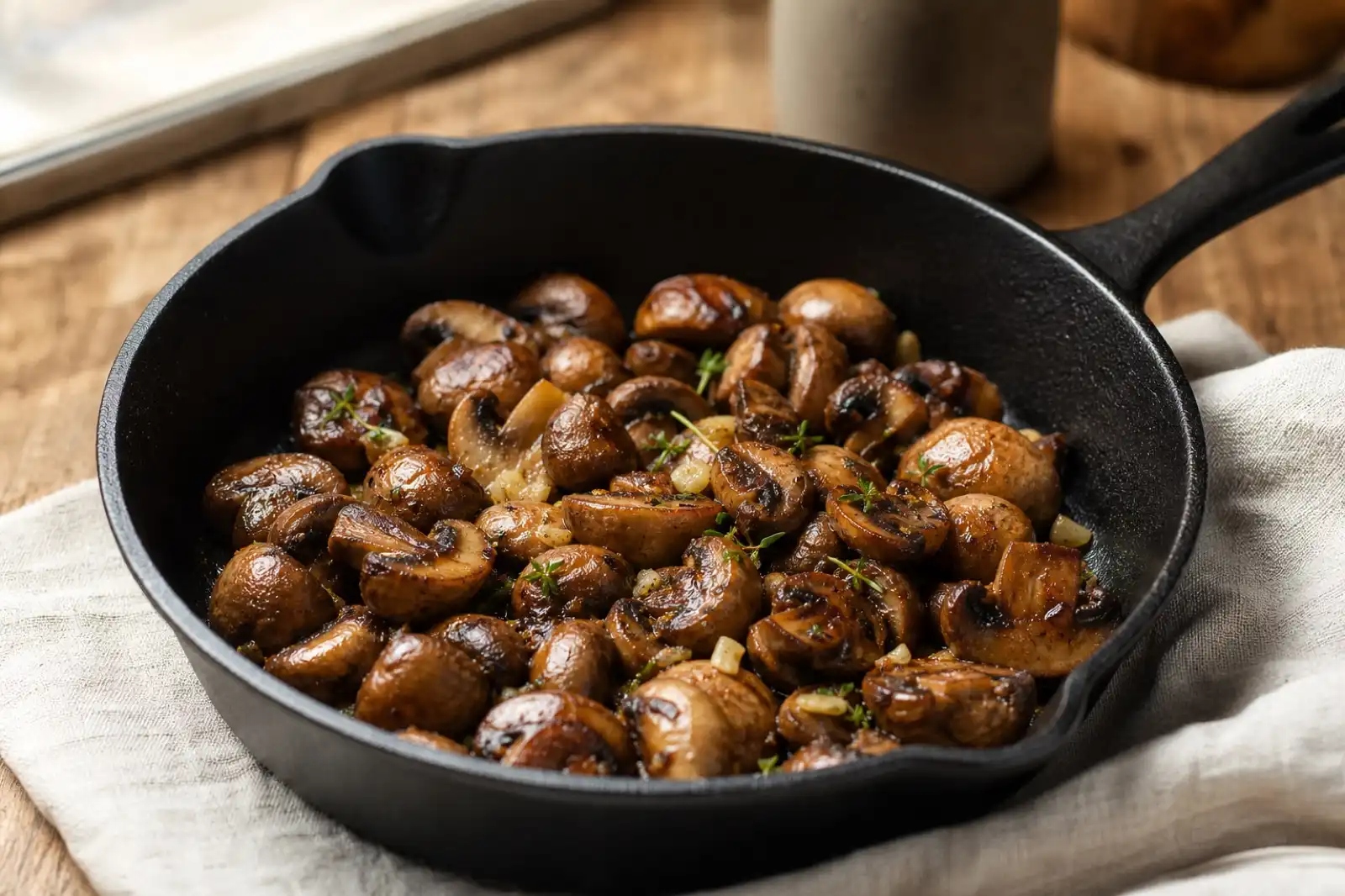
Easy Sautéed Mushrooms with Garlic and Herbs
Sauté cremini mushrooms with garlic and herbs using a wide-pan method, clear batch sizes, realistic timing, and safe storage advice.
recipes
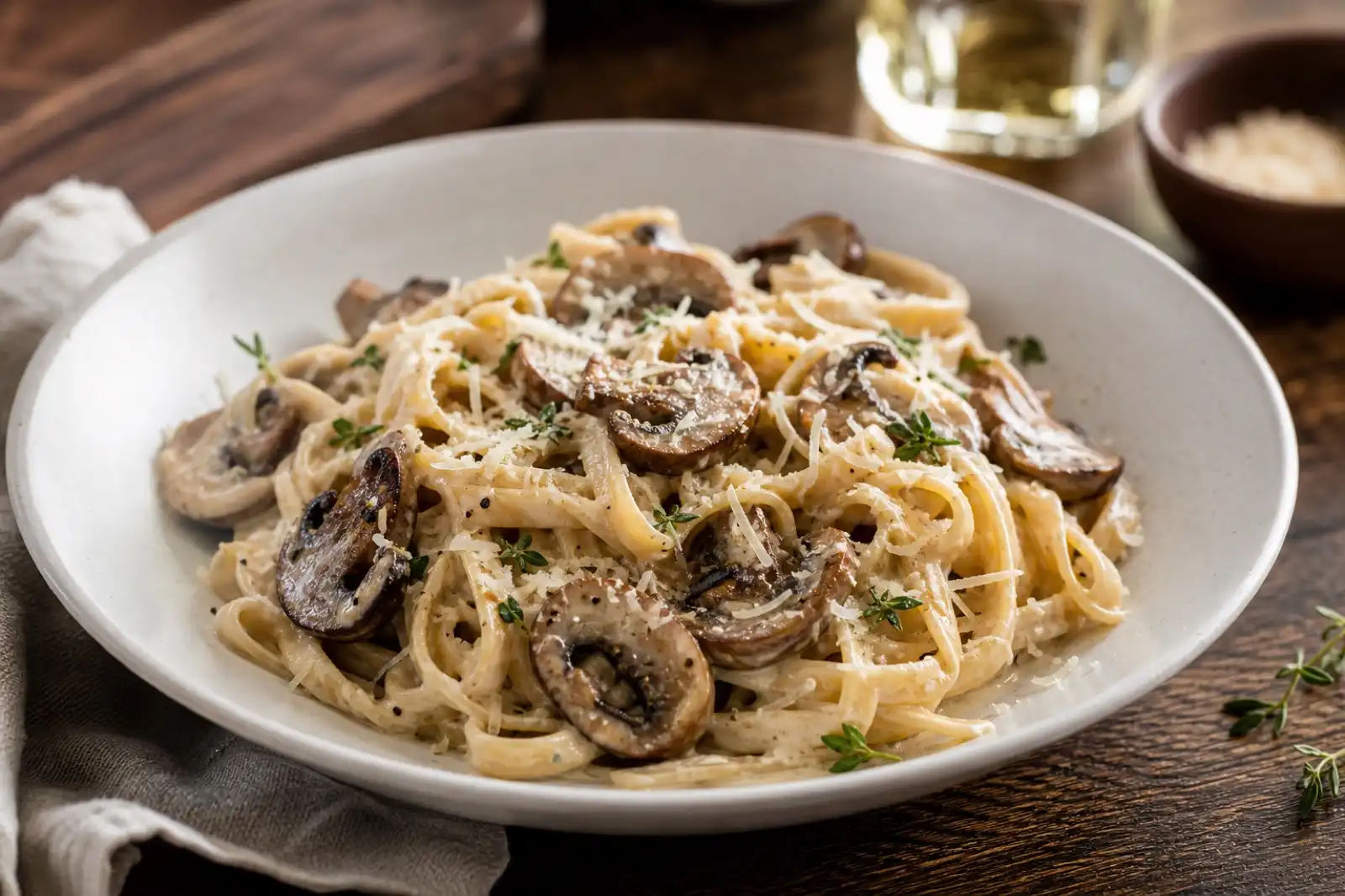
Creamy Mushroom Pasta
Make creamy mushroom pasta with cultivated cremini mushrooms, clear steps, practical substitutions, and conservative food-safety guidance.
mushrooms
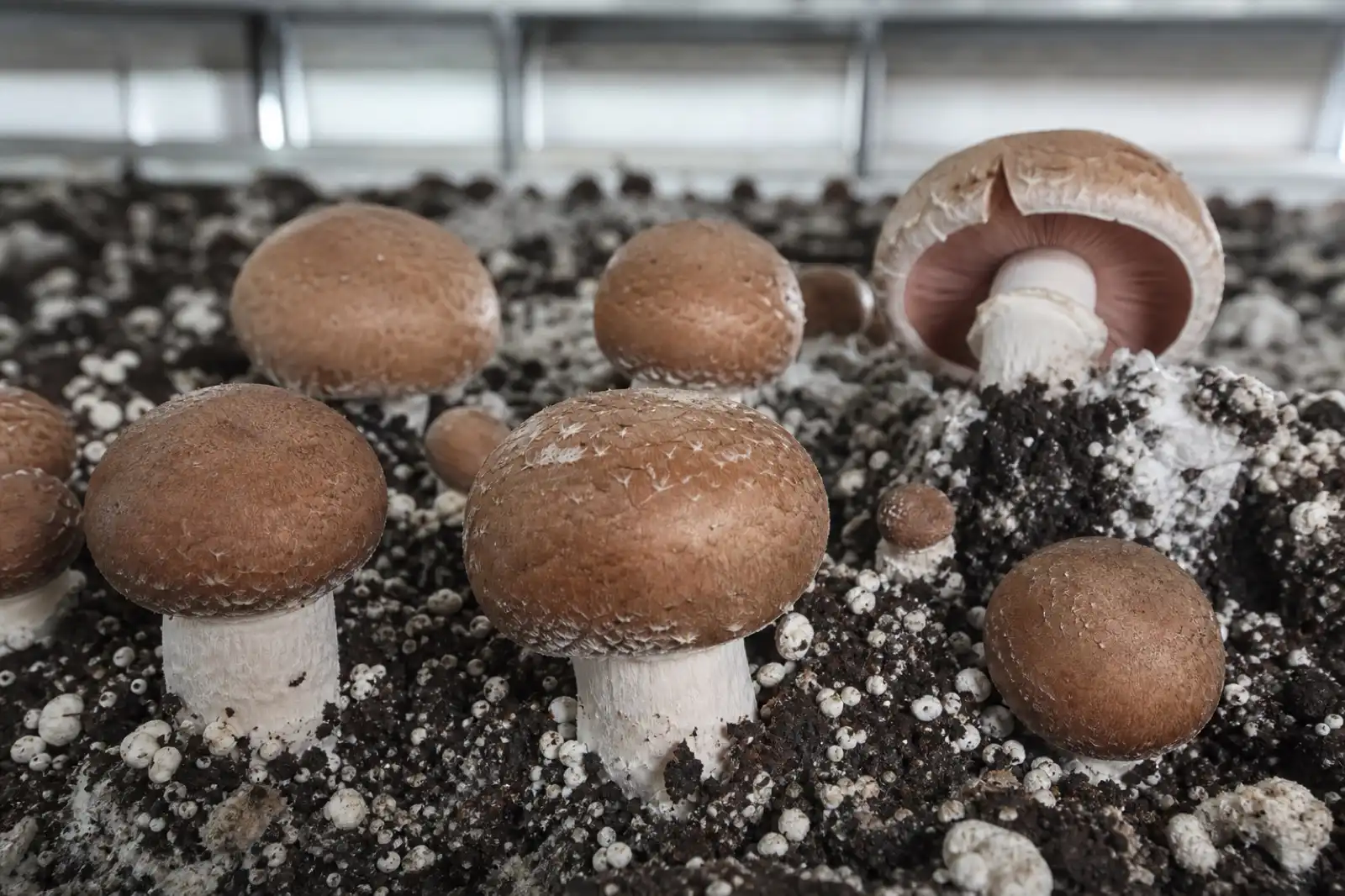
Cremini Mushrooms: Button vs. Portobello, Nutrition, and Uses
Cremini, baby bella, button, and portobello mushrooms are Agaricus bisporus market forms. Compare maturity, cooking uses, nutrition, cultivation, and safety.
Continue exploring
Browse more practical guides in Recipes or visit the mushroom encyclopedia.