Recipes
Homemade Mushroom Gravy
Make homemade mushroom gravy with browned cultivated mushrooms, a smooth roux, vegetarian options, storage guidance, and practical fixes.
By MushroomScope Editorial Team · · Updated
Food source
Cook identified edible mushrooms
Recipes assume mushrooms sold as food by a reputable supplier, not foraged specimens needing identification.
Open the recipe hub →Kitchen safety
Handle leftovers promptly
Cool leftovers in shallow containers, refrigerate promptly, and discard food held unsafely or showing spoilage.
Review preparation safety →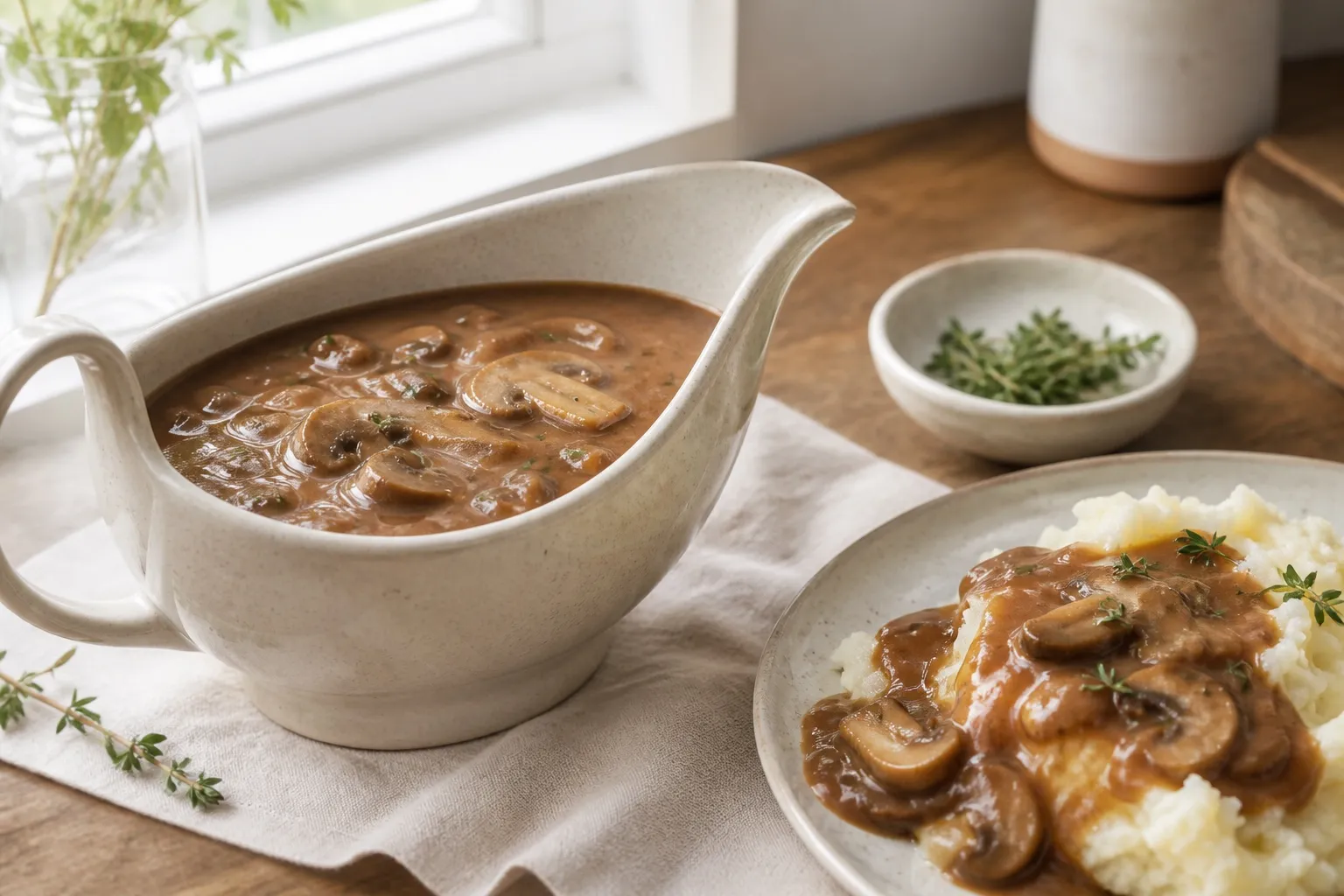
Recipe details
- Prep time
- PT10M
- Cook time
- PT25M
- Yield
- 2 cups
Ingredients
- 8 ounces (225 g) cultivated cremini mushrooms, finely sliced
- 2 tablespoons butter or olive oil
- 1 small shallot, minced
- 2 tablespoons all-purpose flour
- 2 cups low-sodium vegetable or beef stock
- 1 teaspoon soy sauce or tamari, optional
- 1 teaspoon thyme leaves
- Salt and black pepper, to taste
Instructions
- Brown the mushrooms in a wide pan until their moisture evaporates.
- Add shallot and cook until softened.
- Stir in flour and cook for one minute.
- Whisk in warm stock gradually until smooth.
- Simmer until thickened, then season with thyme, pepper, and optional soy sauce.
Why this recipe works
Good mushroom gravy starts with browning, not with stock. Cook the mushrooms until their released liquid evaporates and the pan smells deeply savory. Then build a roux and whisk in stock gradually for a smooth, spoonable sauce.
Use identified cultivated mushrooms from a reputable food supplier. Do not use wild mushrooms unless they have been confirmed in person by a qualified local expert.
The most common weak mushroom gravy tastes wet rather than savory. That happens when mushrooms are simmered before they are browned. Mushrooms contain a lot of water, and that water must cook off before the pan can develop deeper flavor. Once the mushrooms shrink and the edges color, the gravy has a foundation that stock alone cannot provide.
The second key is starch control. A roux gives a smooth, classic texture, but flour needs a minute in the fat so the final sauce does not taste raw. Warm stock added gradually helps prevent lumps. If you rush this step, the gravy may look thin at first and then tighten unevenly.
Brown the mushrooms before thickening the gravy
Slice mushrooms thinly so they brown and distribute through the gravy. Heat butter or oil in a wide pan, add mushrooms, and cook until the liquid cooks off. Add shallot, then flour, stirring for about a minute so the raw flour taste fades.
Whisk in warm stock slowly. Simmer until the gravy coats a spoon. Finish with thyme, black pepper, and optional soy sauce or tamari for deeper savoriness. Add salt at the end because stock and soy sauce vary.
Browning the mushrooms
Use a wide pan and give the mushrooms time. At first they may release liquid and look like they are steaming. Keep cooking until the liquid disappears and the mushrooms darken. Stir often enough to prevent scorching, but not so constantly that they never contact the pan.
If the pan becomes dry before the mushrooms brown, add a small amount of fat. If the pan is watery, wait before adding more ingredients. Shallot, flour, and stock should enter after the mushrooms have developed flavor.
For deeper gravy, use a mix of mushrooms. Cremini mushrooms provide a dependable base. Shiitake mushrooms add aroma. A small amount of dried mushroom can add depth if it is sold as food, rehydrated fully, and strained carefully to remove grit. Do not use unknown dried mushrooms or unlabeled foraged material.
Building a smooth sauce
Once the mushrooms and shallot are ready, sprinkle flour evenly and stir until it coats the fat and vegetables. The mixture should look slightly pasty but not dusty. Cook it briefly so the raw flour flavor fades. Then add warm stock in small additions, whisking or stirring thoroughly after each addition.
The gravy thickens as it simmers and again as it cools. Stop cooking when it is slightly looser than you want at the table. If it becomes too thick, add warm stock. If it remains thin, simmer a little longer or add a small slurry. Make changes gradually because gravy can move from thin to gluey quickly.
Fixes and variations
For richer gravy, use a mix of cremini and shiitake mushrooms. For a vegetarian version, use vegetable stock and confirm every sauce label. For gluten-free gravy, use cornstarch slurry instead of flour and certified gluten-free tamari if needed.
If the gravy is lumpy, whisk firmly or blend briefly. If it is too thick, add warm stock. If it is too thin, simmer or add a small slurry.
Serve with mashed potatoes, mushroom loaf, roasted vegetables, or mushroom risotto for a more indulgent meal.
Vegetarian, vegan, and gluten-free notes
Vegetarian mushroom gravy is straightforward if the stock and seasoning sauces are vegetarian. Vegan gravy uses oil instead of butter and skips dairy-based additions. For a richer vegan version, use olive oil or another cooking oil and finish with a small amount of nutritional yeast or miso if those fit your diet.
Gluten-free gravy requires more than swapping flour. Check stock, soy sauce, tamari, miso, and spice blends. Cornstarch slurry thickens differently from roux: mix it with cool liquid first, add it near the end, and simmer until the sauce turns glossy. It may not have the same body as flour gravy, but it can still taste deeply savory if the mushrooms are browned well.
If serving guests, label the version clearly. Mushroom gravy often appears on shared holiday tables where people may assume it is vegetarian or gluten-free when it is not.
Flavor-building checklist
A good mushroom gravy should taste savory before it tastes salty. Brown the mushrooms first, cook the flour briefly, and add stock gradually so the sauce thickens evenly. If the gravy tastes dull, try black pepper, thyme, a small splash of vinegar, or a few drops of soy sauce before adding more salt.
For holiday meals, make the gravy slightly looser than you want at serving time because it thickens as it cools. Keep extra warm stock nearby for adjustment. If serving with salty sides, season gently and let diners add salt at the table.
Troubleshooting by symptom
If the gravy tastes flat, it probably needs more browned flavor, more aromatic lift, or a small acidic finish. Add pepper, thyme, a tiny splash of vinegar, or a few drops of soy sauce before adding more salt. If it tastes salty, dilute with unsalted stock and add more browned mushrooms if available.
If the gravy looks greasy, the flour may not have absorbed the fat or too much fat was used. Whisk thoroughly while simmering. If needed, spoon off surface fat. If the gravy is grainy, the flour may have clumped or the sauce may have boiled too hard. Blending can rescue texture, though it changes the appearance.
If the gravy tastes strongly of raw flour, simmer longer and add stock gradually. If it scorches, do not scrape burnt bits into the sauce; move the unburned portion to a clean pan and adjust from there.
What to serve with mushroom gravy
Use it over mashed potatoes, roasted vegetables, lentil loaf, rice, biscuits, or cultivated mushroom patties. It also works as a sauce for leftover grains when loosened with stock. For a mushroom-forward menu, pair it with sauteed mushrooms or a lighter side so the meal does not become heavy.
Make-ahead and scaling
Mushroom gravy is friendly to advance cooking because the flavor deepens after resting. Make it a little thinner than the final texture you want, cool it promptly, and reheat gently while whisking. Add warm stock in small amounts until it returns to a pourable consistency.
When scaling for a holiday table, use a wider pan rather than simply piling more mushrooms into the same skillet. Crowded mushrooms steam and produce a lighter, flatter gravy. Brown in batches if needed, then combine them before adding flour and stock.
Ingredient choices
Cremini mushrooms are a dependable base because they are widely available and mild enough for many dishes. Shiitake can add aroma, but too much may dominate a delicate meal. Dried mushrooms can deepen the sauce if they are purchased as food, rehydrated fully, and rinsed or strained to remove grit.
Use low-sodium stock when possible so seasoning stays under your control. Soy sauce, tamari, miso, or a splash of vinegar can all sharpen the flavor, but each changes salt level and allergen considerations. Label vegetarian, vegan, gluten-free, and dairy-free versions clearly if serving guests.
Food-safety and leftover guidance
Use cultivated mushrooms sold as food and discard slimy, moldy, or sour-smelling pieces. Keep mushrooms and gravy ingredients away from raw meat juices. If using meat stock, handle it according to the same kitchen safety standards as other perishable foods.
Cool leftover gravy promptly in a shallow container and refrigerate it. Reheat only what you need and bring it back to a safe serving temperature. If gravy has been left out too long at a holiday table, discard it rather than repeatedly cooling and reheating it.
Practical bottom line
Mushroom gravy succeeds when the cook is patient at the beginning and gentle at the end. Brown the mushrooms thoroughly, build the roux carefully, add stock gradually, season late, and keep texture adjustable. Those steps produce a gravy that tastes mushroom-rich rather than merely brown and salty.
Storage
Cool leftovers promptly and refrigerate in a covered shallow container. USDA FSIS recommends using cooked leftovers within three to four days. Reheat only the amount needed, adding a splash of stock if the gravy tightens.
Frequently asked questions
Can I make mushroom gravy ahead?
Yes. It reheats well with a little extra stock. Whisk as it warms to restore a smooth texture.
Can I freeze mushroom gravy?
Yes, though the texture may change slightly. Thaw in the refrigerator and reheat gently while whisking.
Can I use dried mushrooms?
Yes, if they are purchased as food. Rehydrate them, strain any soaking liquid through a fine filter, and combine with fresh cultivated mushrooms for better texture.
Hold gravy without masking spoilage or texture problems
If gravy must wait, keep it within applicable safe hot-holding guidance and stir periodically so the base does not scorch. For refrigeration, cool promptly in shallow containers. Reheat only the needed portion until steaming, whisking in measured liquid; do not use extra seasoning to hide an off odor or unsafe storage history.
Separate roux hydration from final reduction
After the mushrooms brown, cook the flour in the fat until no dry pockets remain and the paste smells lightly toasted rather than raw. Add the first portion of stock slowly while whisking across the entire pan bottom. This small initial addition hydrates the roux into a smooth base; pouring all the stock at once can leave flour islands that are difficult to break without overcooking the mushrooms.
Once smooth, add the remaining stock in stages and bring the gravy to a controlled simmer. Judge thickness only after it has bubbled gently and the starch has hydrated. Draw a spoon through the gravy and turn it over: a thin, even coating that holds a clean finger trail is a useful serving cue. A sauce that looks thick only because it is boiling rapidly may loosen off heat, while one reduced too far can become salty before it reaches the plate.
Record the finished volume when scaling. Doubling flour and stock does not double evaporation area, so a larger batch may need longer reduction or a wider vessel. During reheating, restore flow with measured warm stock before adding more salt or fat. If the gravy has split, lower the heat and whisk in liquid gradually; if it is lumpy from flour, straining fixes texture but not an undercooked flour flavor.
References
- U.S. Food and Drug Administration. Selecting and Serving Produce Safely. Produce handling for the cultivated mushroom preparation.
- USDA Food Safety and Inspection Service. Leftovers and Food Safety. Cooling and reheating context for gravy held after service.
- USDA. FoodData Central. Ingredient-composition reference; stock, fat, and finished reduction determine the actual serving.
Source quality notes
MushroomScope cites sources that match the page scope, such as taxonomic databases, extension guidance, food-safety agencies, food-composition databases, and peer-reviewed or institutional health references. Sources support context and uncertainty; they do not turn an online page into specimen identification, medical advice, or a tested recipe record.
Frequently asked questions
How do I make mushroom gravy thicker?
Simmer it longer or whisk in a small slurry of cornstarch and cold water. Add gradually so the gravy does not become gummy.
Can mushroom gravy be vegetarian?
Yes. Use vegetable stock, olive oil or butter, and cultivated mushrooms. Check Worcestershire-style sauces because some contain anchovy.
Why does my mushroom gravy taste flat?
The mushrooms may not be browned enough, or the gravy may need acidity, pepper, herbs, or a small amount of salt after simmering.
Related guides
recipes
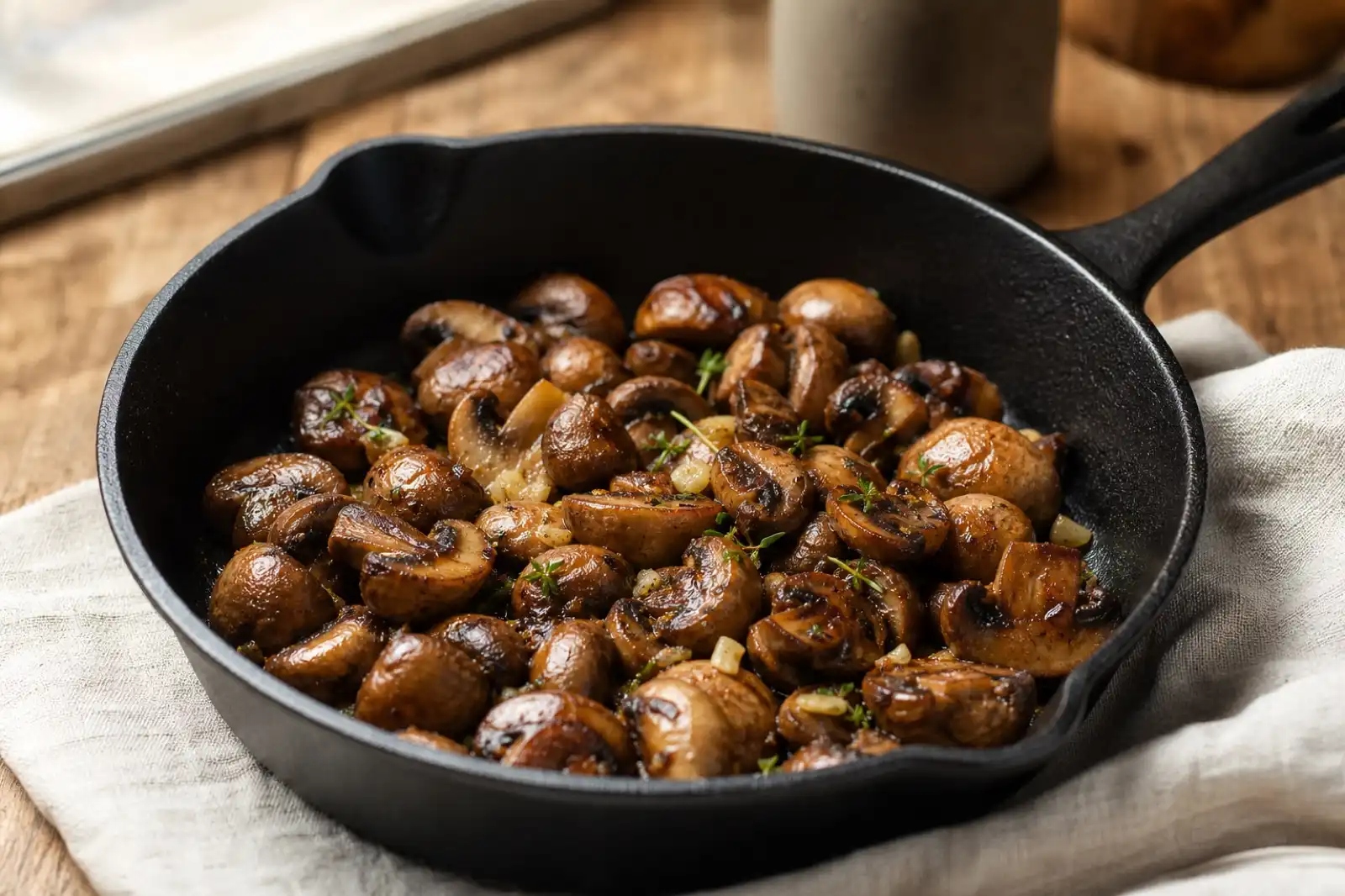
Easy Sautéed Mushrooms with Garlic and Herbs
Sauté cremini mushrooms with garlic and herbs using a wide-pan method, clear batch sizes, realistic timing, and safe storage advice.
recipes
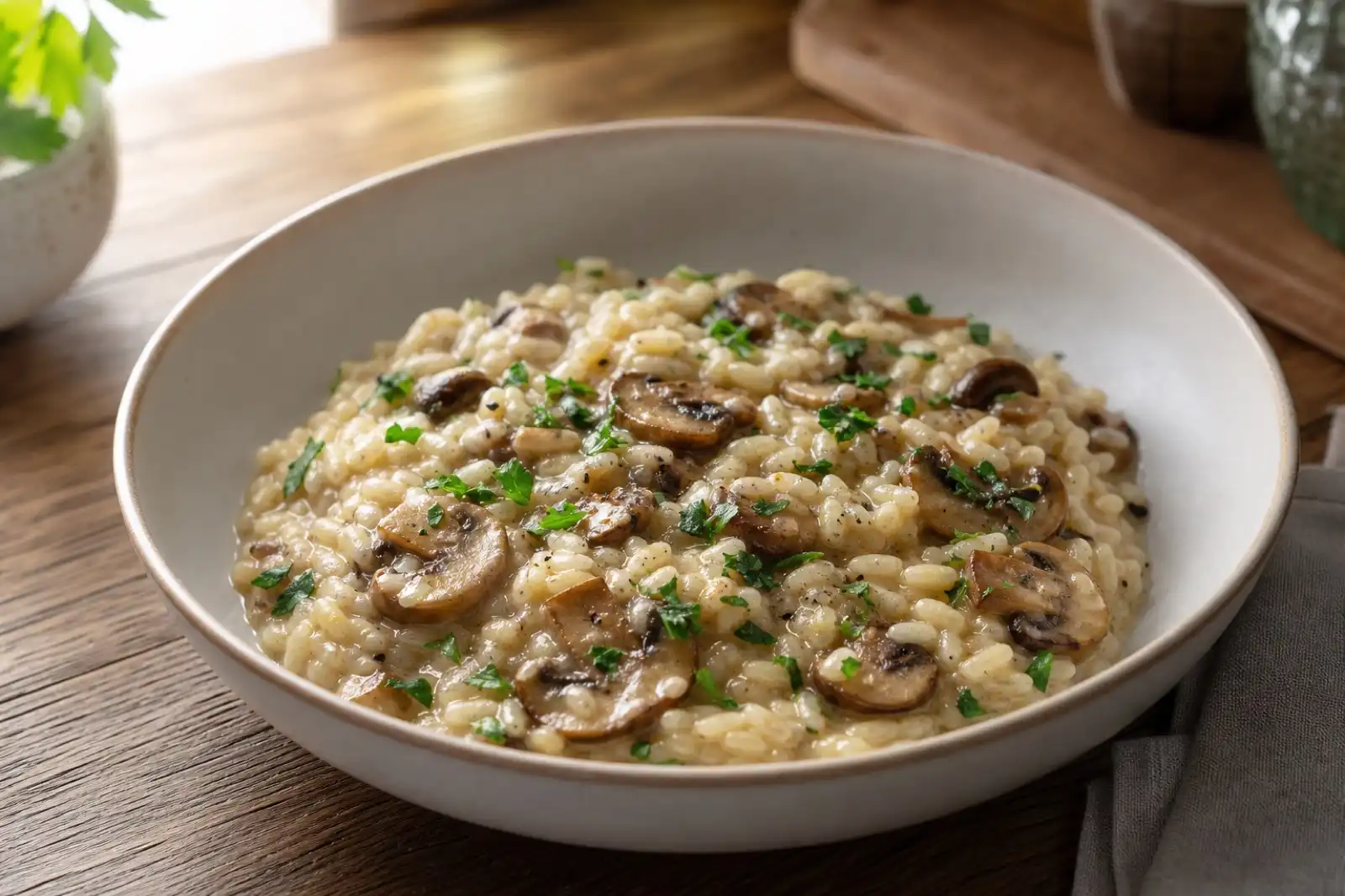
Mushroom Risotto with Cremini Mushrooms
Make creamy mushroom risotto with browned cremini mushrooms, warm stock, and clear visual cues for tender rice without a heavy finish.
mushrooms
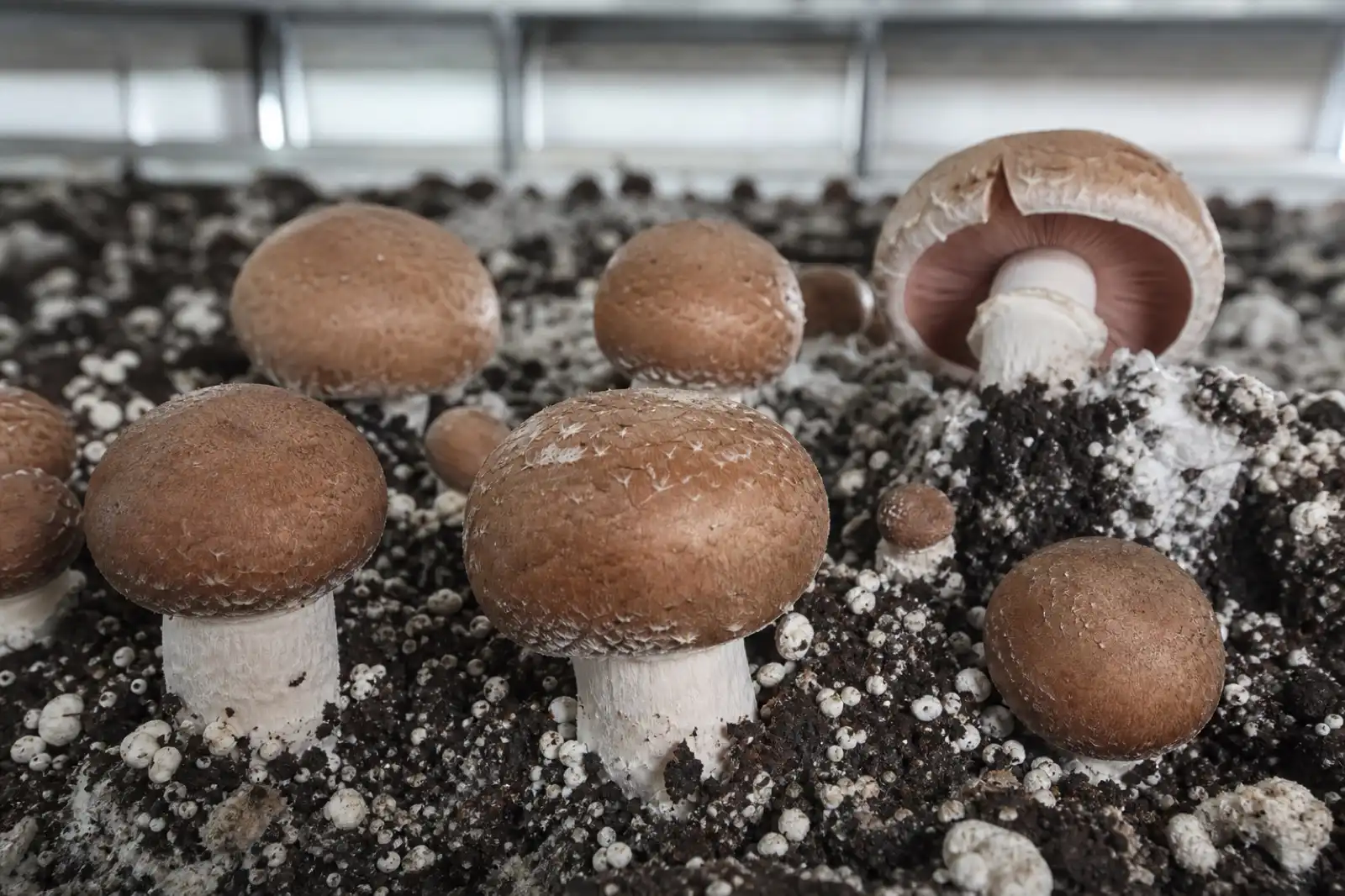
Cremini Mushrooms: Button vs. Portobello, Nutrition, and Uses
Cremini, baby bella, button, and portobello mushrooms are Agaricus bisporus market forms. Compare maturity, cooking uses, nutrition, cultivation, and safety.
Continue exploring
Browse more practical guides in Recipes or visit the mushroom encyclopedia.