Recipes
Lion's Mane Mushroom Steaks with Lemon-Herb Butter
Make lion's mane mushroom steaks with a dry sear, gentle pressing, lemon-herb butter, doneness cues, substitutions, and safe storage guidance.
Food source
Cook identified edible mushrooms
Recipes assume mushrooms sold as food by a reputable supplier, not foraged specimens needing identification.
Open the recipe hub →Kitchen safety
Handle leftovers promptly
Cool leftovers in shallow containers, refrigerate promptly, and discard food held unsafely or showing spoilage.
Review preparation safety →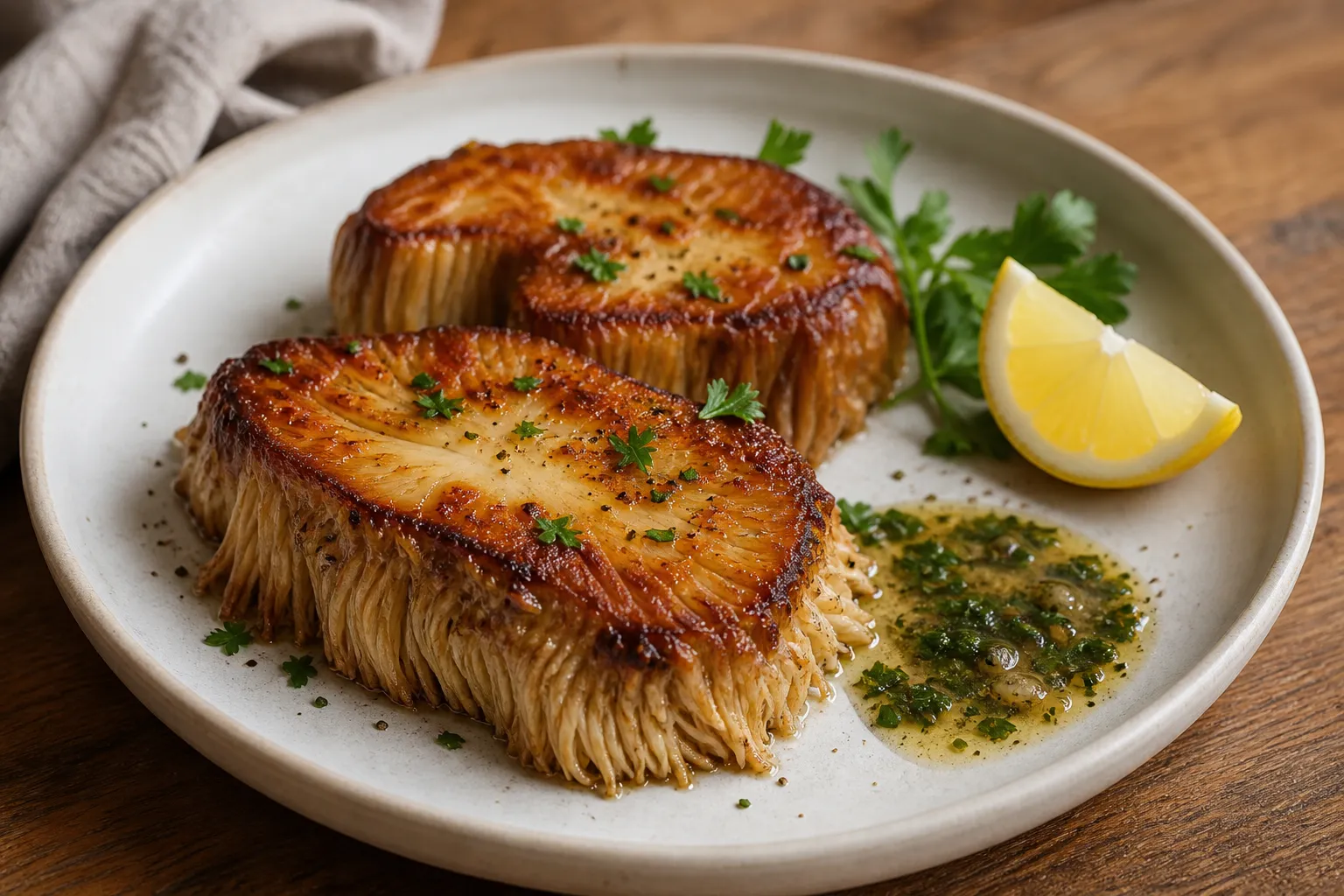
Recipe details
- Prep time
- 15 minutes
- Cook time
- 18 minutes
- Yield
- 2 servings
Ingredients
- 12 ounces fresh cultivated lion's mane mushroom
- 1 tablespoon neutral high-heat oil
- 1 tablespoon unsalted butter or additional olive oil
- 1 small garlic clove, finely grated
- 1 teaspoon fresh thyme leaves
- 1 tablespoon fresh lemon juice, plus wedges
- 1/2 teaspoon fine salt, divided
- 1/4 teaspoon black pepper
Instructions
- Trim only the discolored base, brush away debris, and divide the cluster into two or three slabs about 1 1/4 inches thick. Pat all surfaces dry.
- Heat a heavy skillet over medium-high heat. Add the mushroom slabs to the dry pan in one uncrowded layer and cook 3 to 4 minutes per side, pressing gently, until released moisture largely evaporates.
- Add oil around the pieces, season with half the salt and pepper, and sear 3 to 4 minutes per side until deeply golden. Reduce heat if the surface darkens before the center softens.
- Lower heat to medium-low. Add butter, garlic, and thyme; baste the steaks for 1 to 2 minutes without burning the garlic.
- Remove from heat, add lemon juice, taste, and adjust the remaining salt. Rest 2 minutes and serve immediately.
Lion’s mane makes a convincing mushroom “steak” because a compact cluster can be cut into broad slabs while its branching tissue remains tender and fibrous. The method succeeds when it separates two jobs that are often rushed together: first drive off excess water, then brown the surface in fat. Adding butter at the beginning may produce a pale, steamed center and burnt milk solids before the mushroom develops a crust.
This recipe is written for cultivated Hericium erinaceus from a reliable food supplier. It does not authorize eating a wild white, toothed fungus identified from a photograph. See the lion’s mane species guide for the identification boundary and the traits that separate commercial product information from a field determination.
If the dry-pan sequence is unfamiliar, compare the moisture and batch-size logic in the sautéed mushroom method. Lion’s mane needs a thicker cut and gentler pressure, but the same evaporation-before-browning principle applies.
Why the dry-pan start works
Fresh lion’s mane contains substantial water held among fine branches. When a cool mushroom enters a crowded pan, that water collects faster than it can evaporate, so the surface stays near steaming temperature. A hot, broad skillet and an uncrowded layer create enough exposed area for vapor to escape.
The first dry stage is not intended to dehydrate the center. It firms the slab, reduces surface moisture, and prepares the exterior to accept a thin film of oil. Once visible pooling has nearly stopped, added fat contacts the mushroom rather than floating on water. Gentle pressure increases contact with the pan, producing more even browning without crushing the internal network.
Choose a compact, fresh cluster
Look for a cultivated cluster that is white to cream, springy, and dry on the surface. Fine teeth may be soft and slightly uneven. Avoid packages with sour odor, colored mold, heavy slime, or extensive yellow-brown wet patches. Mild cream coloring from age is different from a deteriorating slick surface, but freshness gives the cleanest texture.
A single dense cluster is easier to slice than several loose lobes. If the base is woody or contains substrate particles, trim only that portion. Washing under a forceful stream can saturate the many branches; instead, inspect carefully and brush away clean cultivation debris. If rinsing is necessary, do it briefly under running water and pat thoroughly dry, consistent with FDA produce-handling guidance.
Cutting slabs without making crumbs
Place the cluster on its broadest stable face. Use a sharp knife to cut two or three slabs roughly 1 to 1 1/4 inches thick through the dense base. Keep natural lobes together where possible. Very thin slices cook quickly but lose the contrast between crust and tender center; extremely thick blocks brown while remaining cool and wet inside.
Loose clusters should not be forced into steak shapes. Divide them along natural seams and use the same two-stage pan method without heavy pressing. The result will be irregular cutlets rather than symmetrical steaks, which is better than compressing fragments into an unstable mass.
Equipment that changes the result
A 10- to 12-inch cast-iron, carbon-steel, or heavy stainless skillet provides useful thermal mass. Thin pans cool sharply when the mushroom enters and may create hot spots as they recover. A flat metal spatula or a second smaller pan can apply gentle, even pressure.
Pressing does not mean flattening with full body weight. Enough contact to hear steady sizzling is useful; squeezing out liquid aggressively makes the center dense. If using a second pan as a weight, hold it lightly or choose a small clean pan rather than a heavy Dutch oven.
Ingredients and their specific jobs
Neutral oil handles the high-heat browning stage. Butter contributes flavor but joins later so its milk solids are less likely to burn. Garlic and thyme perfume the finishing fat; lemon restores brightness after the rich sear. Salt is divided because early heavy salting can draw water while the pan is still trying to evaporate it.
Black pepper can scorch in an extremely hot dry pan, so add it with the oil or reduce the heat slightly. Smoked paprika, soy sauce, or miso can be used in variants, but each darkens quickly and can hide the moment the mushroom itself is properly browned.
Step 1: clean, portion, and dry
Trim the base, remove visible debris, and cut the cluster. Lay the slabs on a clean towel and pat both broad surfaces. Keep raw animal foods and their utensils away from the mushroom-preparation area. The FDA recommends clean hands, clean surfaces, and running water rather than soap or commercial produce wash for produce.
Allow refrigerated slabs to sit only while the skillet heats. There is no benefit to leaving perishable mushrooms at room temperature for an extended period.
Step 2: release water in a dry skillet
Preheat the empty skillet over medium-high heat for about two minutes. Add the pieces in one layer with space around them. They should begin to hiss within several seconds. If the pan is silent, increase heat modestly; if the mushroom scorches immediately, lower it.
Cook the first face for three to four minutes. Press for ten to fifteen seconds at a time, then release so steam can escape. Turn and repeat. Small droplets may appear, but a deep pool means the pan is crowded or too cool. Work in batches rather than stacking slabs.
Step 3: oil and build the crust
When pooling has largely stopped, add oil around the mushroom and tilt the skillet to distribute it. Season with part of the salt and pepper. Sear each broad face for another three to four minutes. Look for an even amber-to-deep-golden surface with visible fibrous detail, not a black shell.
Thick steaks may need an additional minute on an edge. Reduce heat if the exterior darkens too fast. The center should feel tender when pressed with a spatula and should be hot when a piece is opened; it should no longer release a watery raw core.
Step 4: baste without burning garlic
Lower the heat before adding butter. Once it foams, add grated garlic and thyme and tip the pan so the flavored fat pools at one side. Spoon it over the steaks for one to two minutes. Garlic should smell sweet and savory, not acrid.
Take the pan off heat before adding lemon juice, because juice can splatter in hot fat. Turn the pieces once in the sauce, taste a trimmed edge, and add only the salt needed. Rest two minutes so surface fat settles without letting the crust soften for long.
Doneness cues are better than a rigid clock
Cluster density, refrigerator temperature, slab thickness, cookware, and burner output all change timing. Use the recipe times as checkpoints. A finished steak has browned broad faces, a hot tender center, and distinct fibers at a cut edge. A pale wet center needs more moderate heat; a dry hard center was cooked too long or pressed too forcefully.
Unlike a beef steak, there is no meaningful rare-to-well-done spectrum here. The goal is thoroughly cooked mushroom tissue with controlled moisture. If verifying temperature for a specific food-safety need, use a clean thermometer and follow applicable local guidance rather than assuming color alone answers every question.
Dairy-free and flavor variations
For dairy-free steaks, use olive oil or additional neutral oil throughout, then finish with lemon and herbs. A teaspoon of white miso whisked with warm water creates savory depth, but brush it on only during the final minute because its solids brown quickly. Tamari offers a gluten-free soy option where certified, again added late and sparingly.
Rosemary can replace thyme, but mince it finely. Tarragon creates a softer anise note. For mild heat, add crushed red pepper to the finishing oil. Change one strong flavor at a time so the mushroom’s toasted, seafood-like aroma remains perceptible.
Serving combinations that preserve the crust
Serve directly from the skillet with lemon, polenta, mashed white beans, or a simple bitter-green salad. Put wet sauce beneath or beside the steaks rather than pouring a large amount over their crisp faces. For sandwiches, toast the bread and use a thin spread so the mushroom does not steam inside immediately.
The two-steak yield is appropriate as a light main course for two or a substantial shared component. Cluster sizes vary; scale seasoning by taste rather than multiplying salt blindly.
Troubleshooting common failures
Pale and watery: the pan was too cool, too crowded, or the mushroom was not dried. Remove excess liquid, increase exposed surface area, and wait before adding fat.
Burnt outside, firm inside: heat was too high after oil entered. Lower the burner and extend the moderate-heat stage.
Crumbly pieces: the cluster was loose, old, or sliced across weak lobes. Follow natural seams and cook smaller cutlets.
Greasy surface: oil was added while water still pooled, or more fat was used than the tissue could hold. Drain briefly and use less next time.
Bitter garlic: garlic entered during high-heat searing. Add a fresh small amount only after lowering the heat; burnt garlic cannot be repaired with lemon.
Storage and reheating
Serve immediately for the strongest crust. For leftovers, USDA FSIS advises refrigerating perishable cooked food within two hours, using shallow covered containers, and generally using refrigerated leftovers within three to four days. Discard food left longer at room temperature or showing spoilage rather than relying on reheating.
Reheat in a lightly oiled skillet over medium heat or a hot oven until steaming throughout. A microwave warms the center but softens the exterior. USDA guidance uses 165°F for reheated leftovers; check the thickest part when temperature verification is relevant.
Identification and editorial boundary
Only use cultivated lion’s mane sold for food or material identified in person by qualified local expertise. White toothed fungi include multiple species, and a web image cannot assess identity, contamination, allergies, or individual medical circumstances. The recipe makes no therapeutic claim about lion’s mane.
The cover image is an original AI editorial illustration. It was checked for plausible fibrous cut surfaces, browned faces, composition, and absence of misleading wild-identification context. It is not evidence that MushroomScope cooked the pictured batch. Editorial review is not a named chef, laboratory, or clinical review.
Frequently asked questions
Can I marinate the steaks first?
A watery marinade slows browning. Dry-sear first, then add a concentrated glaze or flavored fat late in cooking.
Is a cast-iron skillet required?
No. Heavy stainless or carbon steel works. The useful property is stable heat and a broad flat contact surface.
Why not salt before cooking?
A small early amount is workable, but dividing the salt reduces moisture drawn to the surface during the initial evaporation stage.
Can frozen lion’s mane be used?
It may release more water and have a softer structure. Thaw under refrigeration, drain, dry carefully, and expect less defined steaks.
Is the recipe nutritionally equivalent to meat steak?
No. “Steak” describes shape and cooking technique, not protein or nutrient equivalence. Use USDA FoodData Central entries that match the actual ingredients for dietary calculations.
References
FDA guidance supports washing, refrigeration, and cross-contamination statements. USDA FSIS supports cooling, storage, and reheating limits. USDA FoodData Central is provided for ingredient-matched nutrient checks rather than unsupported estimates. Cornell’s specialty-mushroom material supports the cultivated-product context. This is an editorial recipe, not a controlled test-kitchen report; pan response varies, so the method pairs approximate times with visible moisture, browning, center heat, and texture cues.
Editorial status: reviewed by the MushroomScope editorial team on September 12, 2026; no named chef or test kitchen independently validated this recipe.
Source quality notes
MushroomScope cites sources that match the page scope, such as taxonomic databases, extension guidance, food-safety agencies, food-composition databases, and peer-reviewed or institutional health references. Sources support context and uncertainty; they do not turn an online page into specimen identification, medical advice, or a tested recipe record.
Frequently asked questions
Why do lion's mane mushroom steaks turn soggy?
A crowded or insufficiently heated pan traps released water. Cook broad dry pieces in one layer, let moisture evaporate, then add fat and press lightly for browning.
Should lion's mane be sliced or torn for mushroom steaks?
Large compact clusters can be sliced into thick slabs for even pressing. Looser clusters are better divided along natural seams so they do not crumble.
How do I know lion's mane mushroom steaks are done?
Both broad faces should be deeply golden, the center should be hot and tender rather than watery, and no raw cool core should remain in a thick piece.
Can I make this recipe without dairy?
Yes. Use olive oil or a neutral high-heat oil for searing and finish with lemon, herbs, and a small amount of dairy-free butter if desired.
How should cooked lion's mane steaks be stored?
Refrigerate promptly in a shallow covered container, use within three to four days, and reheat in a skillet or hot oven until steaming throughout.
Related guides
mushrooms
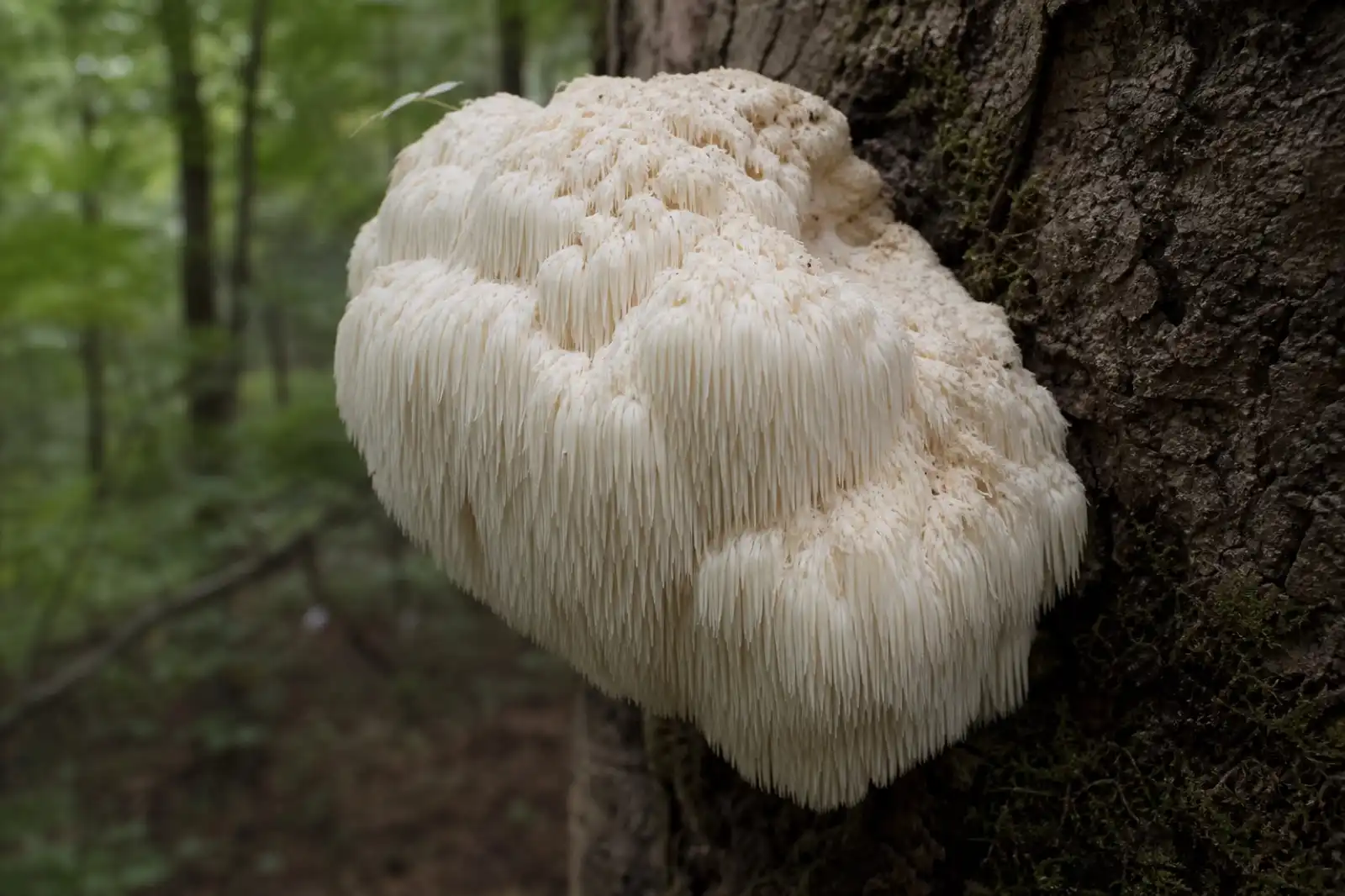
Hericium erinaceus: Lion’s Mane Mushroom Species Guide
Learn lion’s mane identification, hardwood ecology, cultivation, nutrition, supplement evidence, lookalikes, safety limits, and practical FAQs.
growing
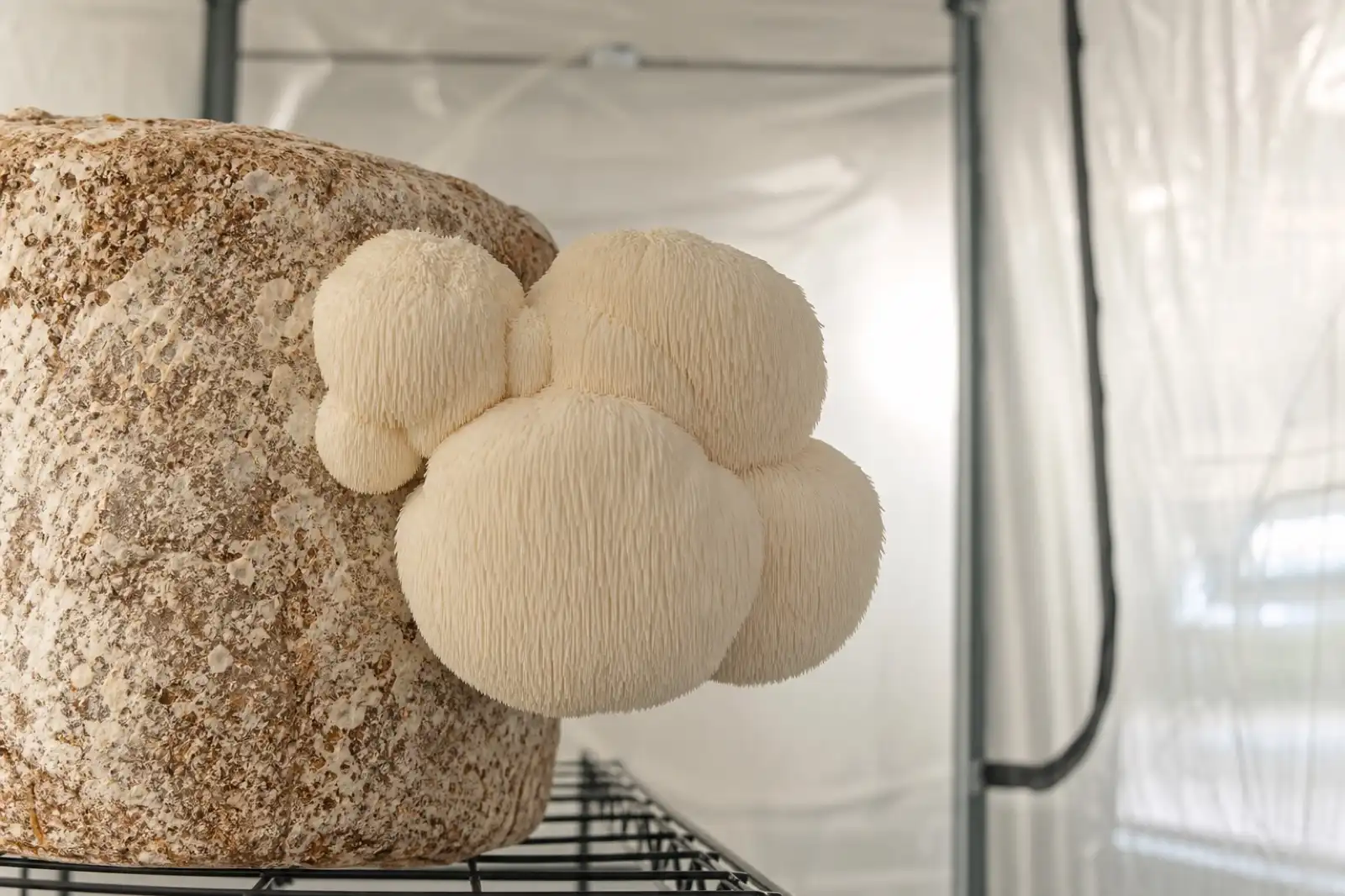
How to Grow Lion's Mane Mushrooms at Home
Lion's mane needs clean culture, hardwood-based substrate, high humidity without saturation, and adequate fresh air for compact fruiting bodies.
recipes
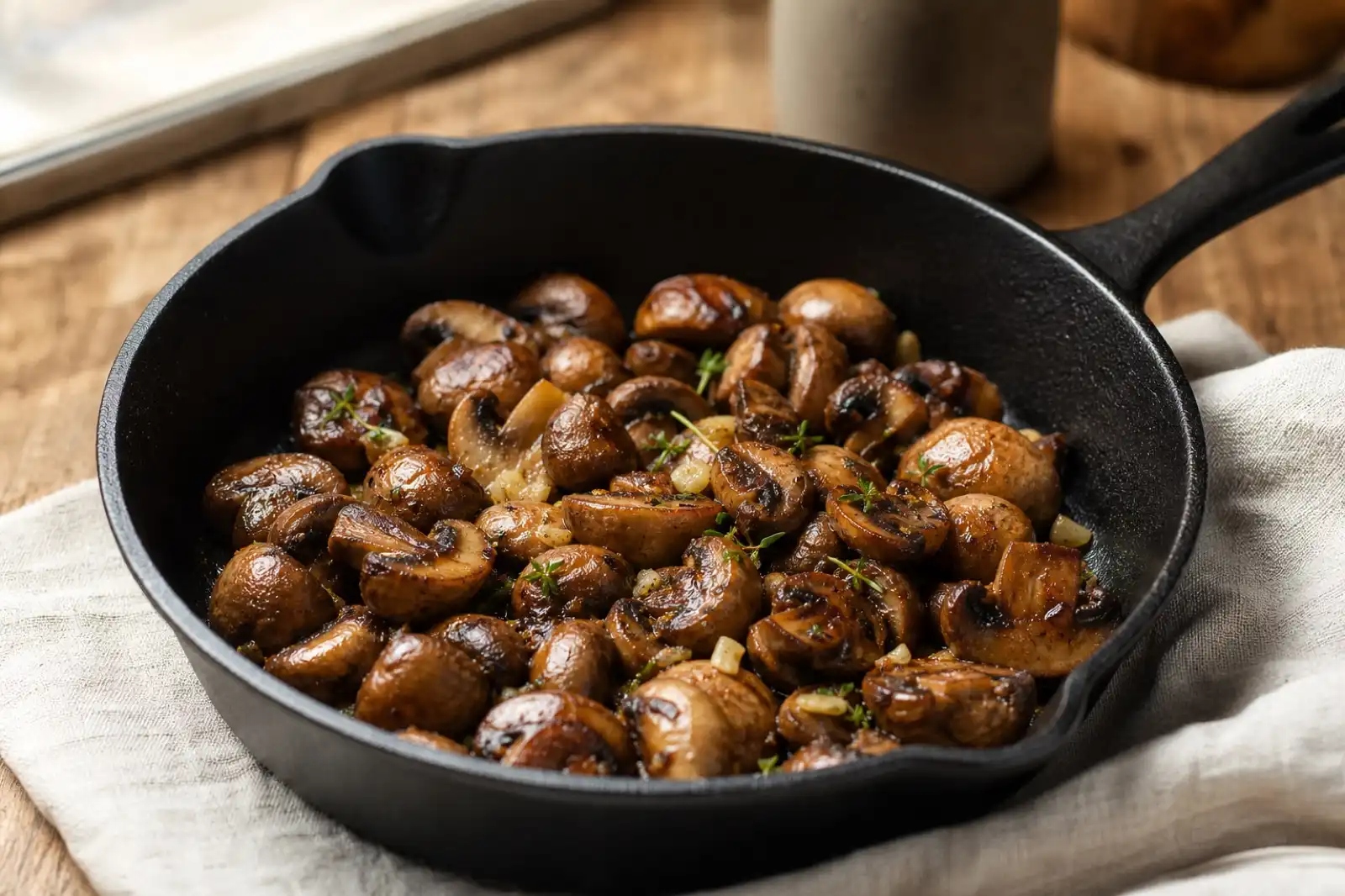
Easy Sautéed Mushrooms with Garlic and Herbs
Sauté cremini mushrooms with garlic and herbs using a wide-pan method, clear batch sizes, realistic timing, and safe storage advice.
Continue exploring
Browse more practical guides in Recipes or visit the mushroom encyclopedia.