Recipes
Mushroom Fried Rice
Make mushroom fried rice with cultivated shiitake mushrooms, clear steps, practical substitutions, and conservative food-safety guidance.
By MushroomScope Editorial Team · · Updated
Food source
Cook identified edible mushrooms
Recipes assume mushrooms sold as food by a reputable supplier, not foraged specimens needing identification.
Open the recipe hub →Kitchen safety
Handle leftovers promptly
Cool leftovers in shallow containers, refrigerate promptly, and discard food held unsafely or showing spoilage.
Review preparation safety →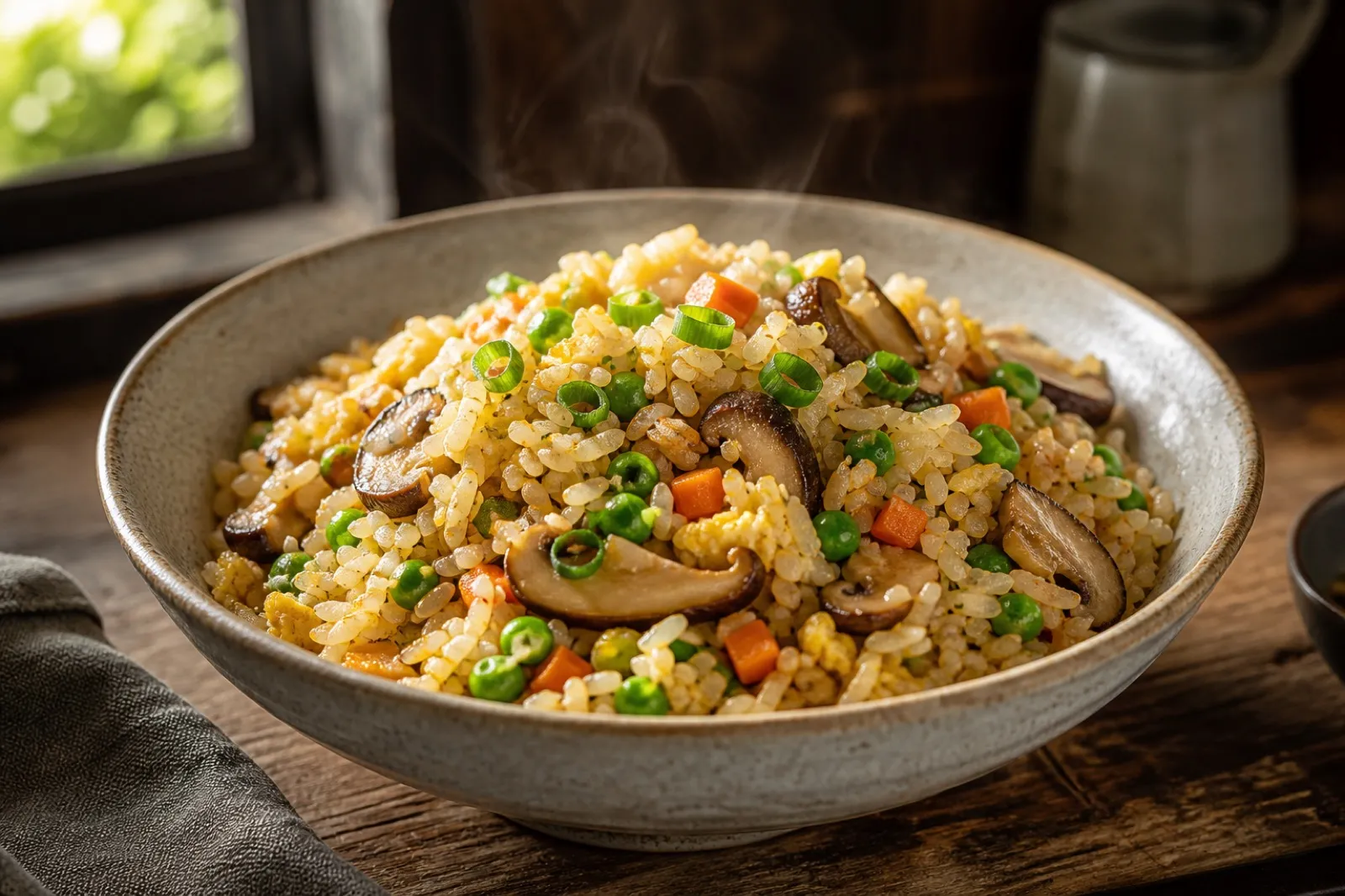
Recipe details
- Prep time
- PT15M
- Cook time
- PT30M
- Yield
- 4 servings
Ingredients
- 300 g cultivated shiitake mushrooms, sliced
- 600 g chilled cooked rice
- 2 tablespoons soy sauce
- 4 scallions, sliced
- 2 tablespoons neutral cooking oil
- 2 eggs, optional
- black pepper to taste
Instructions
- Buy identified cultivated mushrooms from a reputable food supplier and discard spoiled pieces.
- Clean mushrooms with a soft brush or brief rinse, dry well, and cut into even pieces.
- Stir-fry mushrooms, add chilled rice, season, and cook until piping hot.
- Season to taste and serve while hot.
- Cool leftovers promptly in a shallow covered container and refrigerate.
Why cool rice and browned mushrooms matter
Good fried rice has separate grains, browned cultivated shiitake, evenly distributed seasoning, and vegetables that retain some texture. Cool rice is helpful because its surface is drier and firmer than steaming fresh rice, but “day-old” is not a safety instruction. Cooked rice must be cooled promptly and refrigerated rather than left on a counter overnight.
Shiitake are cooked before the rice so their water can evaporate and their surfaces can brown. Rice then enters a hot, relatively dry pan. Soy sauce is added near the end, preventing it from pooling around wet mushrooms and turning the dish into steamed rice.
Only use cultivated food mushrooms from a reputable supplier. A recipe cannot identify a wild specimen, and cooking cannot make a poisonous mushroom safe.
Choose and cook rice for separate grains
Long-grain white rice is easy to separate, but jasmine, medium-grain, or brown rice can work with different textures. Rinse when the package or chosen method recommends it, measure water accurately, and avoid overcooking. Very soft, waterlogged rice will remain soft after chilling.
For 600 g cooked rice, begin with the appropriate dry quantity specified by the package because varieties absorb different amounts. Let cooked rice rest briefly, then fluff it with a clean utensil so trapped steam can escape.
Do not leave a deep pot of rice cooling slowly at room temperature. Spread it in a clean shallow container, refrigerate promptly under current food-safety guidance, and cover when cooled. Keep the refrigerator at or below 40°F (4°C).
Freshly cooked rice can work safely
One-day-old rice is convenient, not mandatory. Fresh rice can be spread in a thin layer on a clean tray or shallow container to release steam, then placed in the refrigerator promptly. The aim is safe rapid cooling and a dry surface—not prolonged exposure on the counter.
Do not place a very deep, tightly covered mass of steaming rice into storage and assume the center cools quickly. Divide large quantities. Follow appliance and local food-safety guidance for cooling and storage.
Before frying, break chilled rice gently into loose clumps with clean hands or a fork. Do not mash the grains.
Select and prepare cultivated shiitake
Choose firm shiitake caps without slime, extensive soft decay, leaking liquid, or a strong unpleasant odor. Refrigerate them promptly and keep produce separated from raw animal foods.
Brush off debris or rinse briefly, then dry. Trim tough stem ends. Tender stem portions can be sliced thinly; dense fibrous pieces are better removed. Slice caps evenly so they cook at a similar rate.
Dried shiitake can be used after proper package-directed rehydration, but they have a stronger flavor and different weight. Remove tough stems and squeeze gently. Avoid adding unfiltered gritty soaking water directly to fried rice.
Prepare scallions, vegetables, and sauce
Slice four scallions and separate pale parts from green tops. The pale portions tolerate heat; green tops are a fresh finish. Optional peas and small diced carrots should be cooked or thawed as appropriate and dried so they do not flood the pan.
Measure two tablespoons soy sauce into a small bowl. Add black pepper and, if desired, a teaspoon of rice vinegar. Soy sauce brands vary in sodium, so begin conservatively. Toasted sesame oil is best used in a few drops at the end rather than as the main cooking oil.
Have every ingredient ready before heating the pan. Fried rice becomes soggy when the cook pauses to chop while rice sits over low heat.
Handle optional eggs separately
Crack eggs into a clean bowl, not on the pan rim, and beat with a clean utensil. Wash hands and any surface contacted by raw egg. Keep the egg bowl away from ingredients that will not receive further cooking.
Cook eggs until set according to applicable food-safety guidance. One method is to scramble them first, transfer them to a clean plate, and return them near the end. This gives better control than pouring egg over a crowded pan of rice.
For egg-free fried rice, simply omit them. Separately browned tofu can add substance, but use a pan with enough capacity and verify allergen requirements.
Use a wide pan and realistic batch size
A wok or wide heavy skillet needs enough surface area for evaporation. A domestic burner may not keep an overloaded wok hot. If 600 g rice plus mushrooms and vegetables form a deep layer, divide the recipe into two batches.
Preheat the dry pan over medium-high to high heat as appropriate for the cookware, then add neutral cooking oil. Provide ventilation and never leave hot oil unattended.
Nonstick cookware should remain within the manufacturer’s temperature guidance. Cast iron and carbon steel retain heat but require safe handling and maintenance.
Brown the mushrooms before adding rice
Add sliced shiitake in a loose layer. Let one side contact the pan before tossing. Continue cooking until released moisture evaporates and the edges brown. If liquid pools, keep cooking uncovered rather than immediately adding rice.
Transfer the mushrooms temporarily if the pan is small. Browning may require two batches. More oil cannot compensate for crowding because the main problem is trapped water and lost heat.
Add pale scallion portions or other aromatics only after mushrooms have browned so they do not burn during moisture evaporation.
Scramble the egg and cook vegetables
Move mushrooms aside or remove them. Add a little oil if needed, pour in beaten egg, and stir until set. Transfer it to the clean plate used only for cooked ingredients.
Cook firm vegetables next, followed by quick-cooking peas or greens. Frozen ingredients should be thawed and drained when possible. Let their moisture evaporate before rice enters.
Return mushrooms to the pan. The surface should be hot and sizzling, not filled with liquid.
Fry the rice until hot and separate
Add chilled rice and immediately break remaining clumps with a spatula using pressing and folding motions. Do not pulverize the grains. Spread rice across the hot surface, let it sit briefly, then toss.
If the pan is overcrowded, work in two batches and recombine. Cook until the rice is steaming hot throughout and some grains show light toasting. The purpose is not to make every grain hard or dark brown.
Cold clumps need time to heat through. Do not judge only by the steam at the pan edge; turn the center and distribute it evenly.
Season near the end
Pour soy sauce around the hot side of the pan so it disperses and becomes aromatic rather than soaking one central patch. Toss continuously. Add the cooked egg and any reserved vegetables, breaking the egg into bite-size pieces.
Taste after everything is combined. Add black pepper, green scallion tops, and a few drops of sesame oil if desired. Adjust acidity before adding more salt.
Stop cooking once the dish is evenly seasoned and steaming hot. Long holding dries the egg and softens vegetables.
Complete step-by-step method
- Cook rice accurately, fluff it, cool promptly in a shallow layer, and refrigerate.
- Verify cultivated shiitake, clean briefly, dry, trim, and slice.
- Break chilled rice into loose clumps.
- Slice scallions, prepare vegetables, and measure sauce.
- Beat optional eggs in a clean bowl and manage raw-egg contact carefully.
- Preheat a wide pan, add oil, and brown shiitake in batches if necessary.
- Scramble eggs until set and reserve on a clean cooked-food plate.
- Cook vegetables and evaporate their moisture.
- Add rice, separate clumps, and fry until steaming hot.
- Add soy sauce near the end, return egg and mushrooms, finish with scallions, and serve immediately.
This sequence keeps mushroom water, raw egg, and sauce from interfering with rice texture.
Flavor and ingredient variations
Cremini mushrooms can replace shiitake with a milder result. Cultivated oyster mushrooms should be torn into larger pieces and browned before the rice. Never substitute an unidentified wild mushroom.
For more vegetables, use small amounts of diced carrot, peas, corn, cabbage, or bok choy, adding each according to cooking time. Too many wet additions exceed the pan’s capacity.
For lower sodium, choose reduced-sodium soy sauce and build flavor with browned shiitake, ginger, scallion, vinegar, and pepper. Reduced-sodium sauce still contains sodium, so compare labels.
Troubleshoot texture and seasoning
Rice is mushy
It began overcooked or too wet, or the pan was crowded. Continue frying in a wider layer only if grains remain intact. For the next batch, reduce cooking water appropriately and cool the rice quickly in a shallow layer.
Rice stays in hard clumps
Break clumps before cooking and allow cold rice to warm briefly in the pan. A teaspoon of water can help loosen very dry rice, but too much creates steam.
Mushrooms are pale
They were crowded or still wet. Remove them, evaporate liquid, and brown in a separate batch before recombining.
Fried rice is too salty
Add unsalted cooked rice or vegetables if available. Water dilutes flavor but makes the dish wet. Measure sauce rather than pouring from the bottle next time.
The dish is greasy
Oil was added repeatedly before ingredient water evaporated. Use a measured amount, hotter surface, and smaller batches. Finish with vinegar or scallion rather than more fat.
Serving and allergen notes
Serve immediately in warm bowls. Cucumber salad, steamed greens, or broth make suitable accompaniments. Chili crisp and extra soy sauce are best offered separately.
Soy sauce commonly contains wheat; verify tamari and all condiments for gluten-free needs. Eggs, soy, sesame, shellfish-containing sauces, and nuts are common variation allergens. Disclose what was actually used.
The shiitake noodle stir-fry provides another staged skillet meal, while the shiitake guide covers the cultivated species.
Store and reheat rice conservatively
Refrigerate leftovers within two hours, or within one hour when ambient temperature is above 90°F (32°C). Divide into clean shallow covered containers and keep the refrigerator at or below 40°F (4°C). Follow current local leftover-duration guidance.
Reheat only the portion needed until steaming hot throughout. A wide skillet restores some separation; add only a small amount of water if necessary and toss evenly. In a microwave, spread the portion, cover as directed, and stir partway through.
Do not repeatedly cool and reheat the full batch. Discard rice held unsafely or showing mold, slime, or an unpleasant odor. Tasting is not a safe test for improperly stored rice.
Test rice dryness without leaving it on the counter
Cold rice should feel firm and separate when pressed between clean fingers; it should not be wet on the surface or fused into a dense chilled block. Fresh rice can work when it is spread promptly in a shallow layer and cooled under safe handling, then refrigerated—not left at room temperature to “dry.” Before cooking, break large clumps with lightly oiled fingers or a fork so the pan does not spend its hottest minute crushing rice.
Brown shiitake first and record the batch weight that allows the pan to recover its sizzle quickly. Remove them before cooking egg and vegetables. When rice enters, spread it across the hot surface, pause briefly, then turn it in broad sections. Constant frantic stirring reduces contact and can smear soft grains. Return mushrooms only after the rice is hot and separated.
Mix soy sauce with any other liquid seasoning before it reaches the pan. Drizzle around the hot edge in two additions rather than pouring into one central puddle. Toss after each addition and stop when color is even; more sauce is not a remedy for weak mushroom browning. Add scallion greens and delicate aromatics after heat is lowered so their fresh character remains distinct from the toasted rice and shiitake.
References
- U.S. Food and Drug Administration. Selecting and Serving Produce Safely. Cleaning and separation guidance for shiitake and vegetables.
- U.S. Food and Drug Administration. Are You Storing Food Safely?. Refrigeration context for promptly cooled cooked rice and leftovers.
- USDA. FoodData Central. Ingredient composition reference; rice mass, egg, oil, and sauce determine the final dish.
Source quality notes
MushroomScope cites sources that match the page scope, such as taxonomic databases, extension guidance, food-safety agencies, food-composition databases, and peer-reviewed or institutional health references. Sources support context and uncertainty; they do not turn an online page into specimen identification, medical advice, or a tested recipe record.
Frequently asked questions
Which mushrooms work best for mushroom fried rice?
Use cultivated shiitake mushrooms from a reputable food supplier. Do not substitute an unidentified wild mushroom.
Can the mushrooms be prepared in advance?
They can be cleaned and cut shortly before cooking. Keep prepared mushrooms refrigerated and prevent cross-contamination with raw animal foods.
How should leftovers be stored?
Refrigerate promptly in a clean covered shallow container, keep the refrigerator at or below 40°F (4°C), and follow local leftover guidance.
Does rice have to be one day old for fried rice?
No. Freshly cooked rice can be spread in a shallow layer and cooled promptly under safe food-handling guidance. The goal is cool, dry, separate grains—not extended room-temperature holding.
Can I make mushroom fried rice without egg?
Yes. Omit the egg and add more vegetables or separately browned tofu if desired. Check sauces and additions for allergens and adjust seasoning after all components are combined.
Related guides
mushrooms
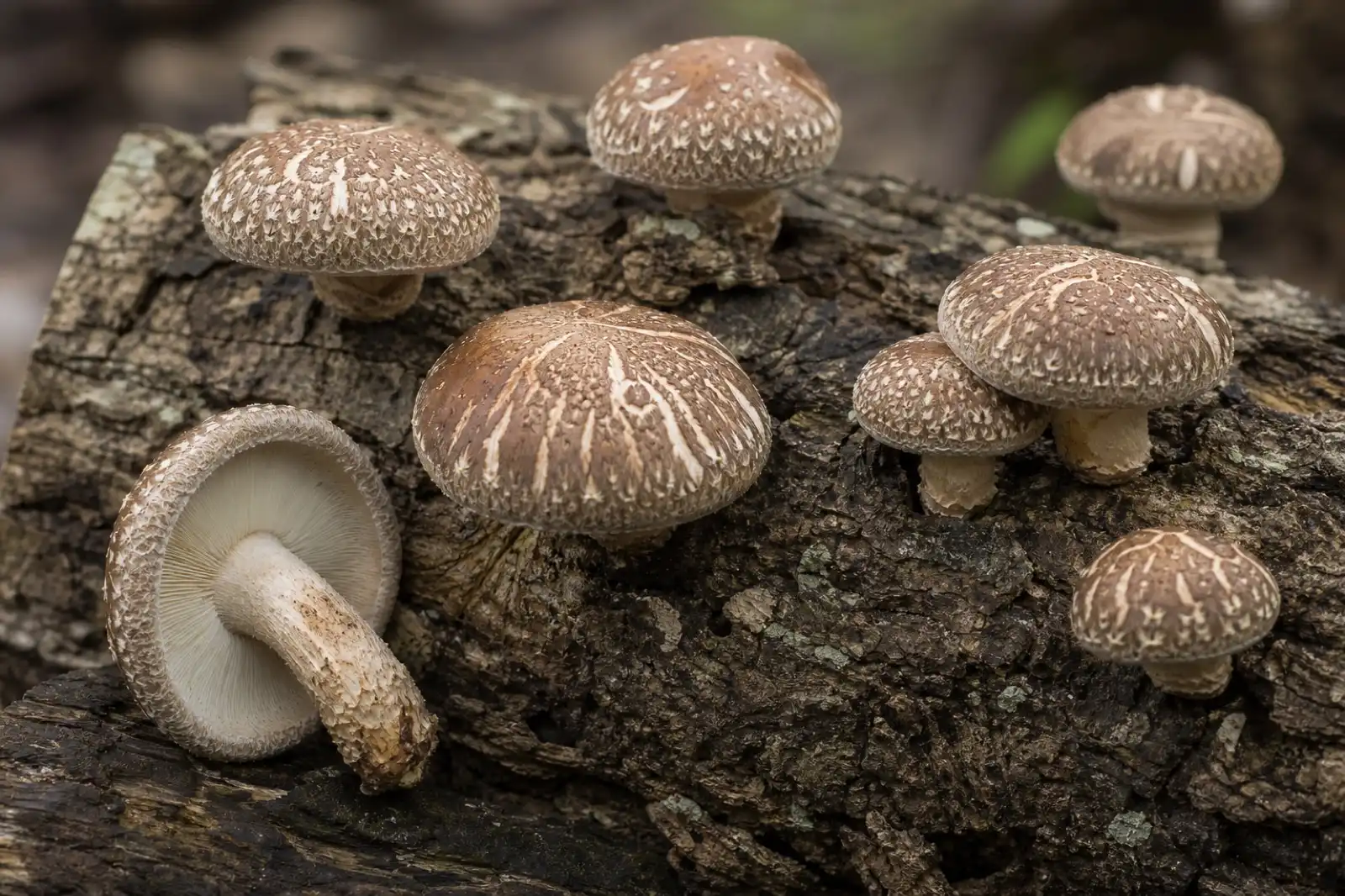
Lentinula edodes: Shiitake Mushroom Identification and Cultivation
An evidence-aware guide to shiitake identification, hardwood cultivation, nutrition, dermatitis risk, safe cooking, classification, and FAQs.
recipes
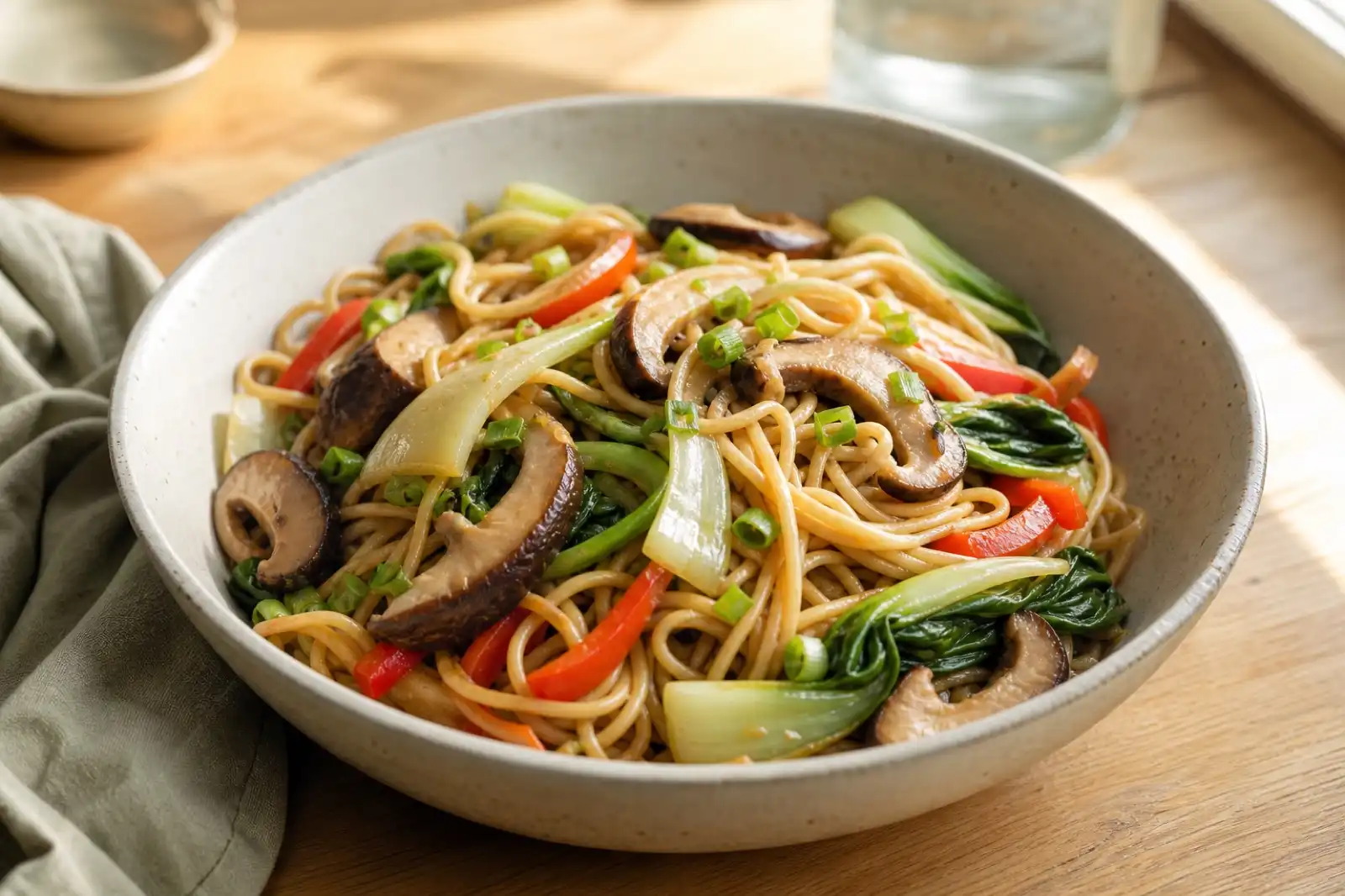
Shiitake Mushroom Noodle Stir-Fry
Make shiitake mushroom noodle stir-fry with cultivated shiitake mushrooms, clear steps, practical substitutions, and conservative food-safety guidance.
health
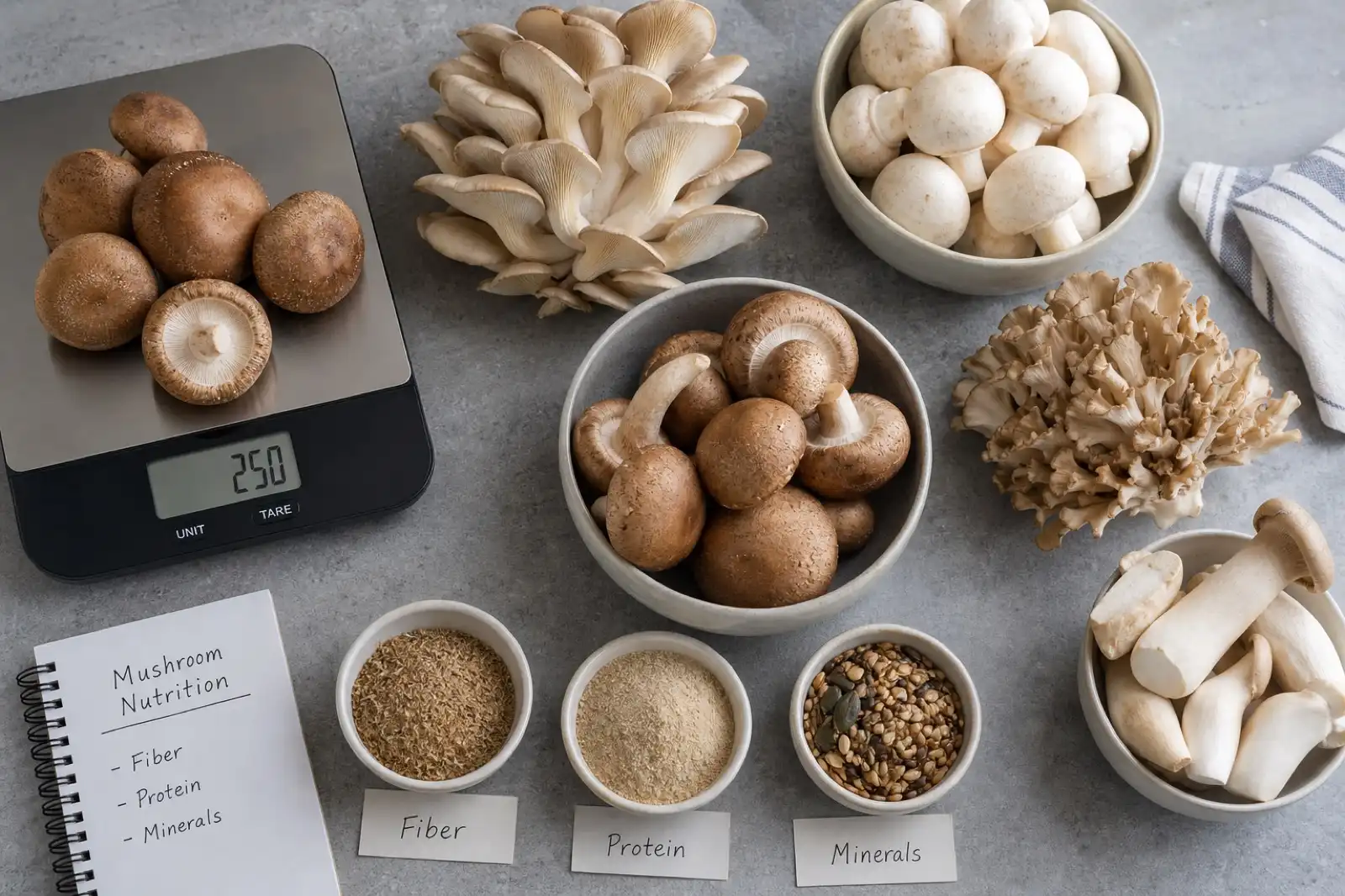
Mushroom Nutrition: Fiber, Protein, Calories, and Vitamins
Are mushrooms a source of fiber or protein? Compare calories, fiber, protein, vitamins, food forms, serving sizes, and preparation without overstating benefits.
Continue exploring
Browse more practical guides in Recipes or visit the mushroom encyclopedia.