Recipes
Shiitake Mushroom Noodle Stir-Fry
Make shiitake mushroom noodle stir-fry with cultivated shiitake mushrooms, clear steps, practical substitutions, and conservative food-safety guidance.
By MushroomScope Editorial Team · · Updated
Food source
Cook identified edible mushrooms
Recipes assume mushrooms sold as food by a reputable supplier, not foraged specimens needing identification.
Open the recipe hub →Kitchen safety
Handle leftovers promptly
Cool leftovers in shallow containers, refrigerate promptly, and discard food held unsafely or showing spoilage.
Review preparation safety →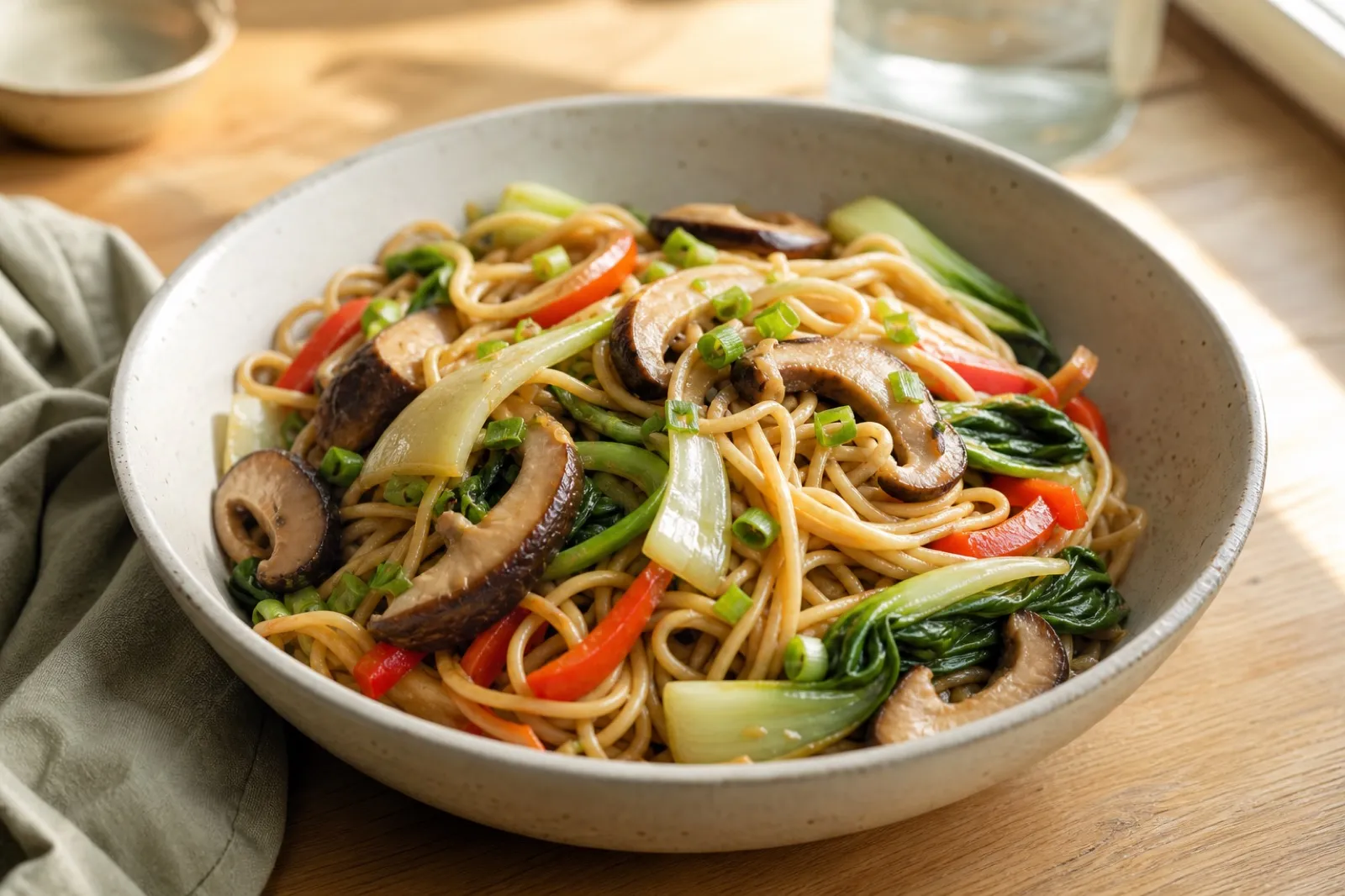
Recipe details
- Prep time
- PT15M
- Cook time
- PT30M
- Yield
- 4 servings
Ingredients
- 300 g cultivated shiitake mushrooms, sliced
- 300 g noodles
- 2 tablespoons soy sauce
- 1 tablespoon grated ginger
- 300 g mixed stir-fry vegetables
- 1 tablespoon neutral cooking oil
- black pepper to taste
Instructions
- Buy identified cultivated mushrooms from a reputable food supplier and discard spoiled pieces.
- Clean mushrooms with a soft brush or brief rinse, dry well, and cut into even pieces.
- Stir-fry sliced shiitake, add vegetables and noodles, then toss with sauce.
- Season to taste and serve while hot.
- Cool leftovers promptly in a shallow covered container and refrigerate.
Why the ingredients cook in stages
A reliable noodle stir-fry is an assembly of separately controlled components. Shiitake need direct pan contact to brown. Dense vegetables need more time than leafy greens. Noodles should arrive already just tender, and the soy-ginger sauce should coat everything only after excess moisture has evaporated.
Adding all ingredients at once cools the pan and creates a wet tangle. This method prepares every component before heat begins, then cooks in short stages: mushrooms, firm vegetables, tender vegetables, noodles, and sauce.
Use cultivated shiitake sold for food by a reputable supplier. A recipe cannot authenticate a wild mushroom, and cooking cannot make a poisonous lookalike safe.
Choose fresh or properly handled dried shiitake
Fresh shiitake should be firm with intact brown caps and a mild aroma. Reject slimy, leaking, extensively soft, or strongly unpleasant-smelling mushrooms. Refrigerate promptly and keep them separated from raw animal foods.
Trim tough stem ends. Shiitake stems are more fibrous than caps; tender portions can be sliced thinly, while very tough pieces are better removed. Slice caps about 5–7 mm thick so they brown without drying completely.
Dried shiitake provide a stronger flavor. Rehydrate according to package directions until fully pliable, remove tough stems, squeeze gently, and slice. If using soaking liquid, pass it through a fine filter to remove grit and use only when the mushroom source and handling are suitable. Reduce other liquid so the stir-fry does not become soupy.
Select noodles that tolerate tossing
Wheat noodles, rice noodles, soba, or other packaged noodles can work, but cooking behavior differs. Follow the package for boiling or soaking and stop at just tender because the noodles cook again in the skillet.
Drain thoroughly. Rinse only when the noodle instructions or intended texture call for it. Some wheat noodles benefit from a very light coating of neutral oil if they must wait; too much oil prevents sauce from clinging.
For gluten-free cooking, verify the noodles, soy sauce or tamari, and every packaged condiment. Soba may contain wheat even when buckwheat is prominent on the label.
Build a balanced sauce before heating the pan
For the listed recipe, begin with two tablespoons soy sauce and one tablespoon grated ginger. Add two to four tablespoons water or unsalted stock so the sauce can distribute without excessive sodium. Optional additions include a teaspoon of rice vinegar, a small amount of sugar, or a few drops of toasted sesame oil added at the end.
Taste the mixture before it reaches the pan. Soy sauces vary greatly in salt concentration. A sauce that already tastes aggressively salty will become stronger as water evaporates.
Mix in a small amount of cornstarch only if a glossy, thicker coating is desired. Whisk it with cool liquid until smooth; excessive starch produces sticky noodles rather than a light glaze.
Prepare vegetables by cooking time
Use about 300 g total vegetables. Slice carrots, bell peppers, broccoli stems, or similar firm vegetables thinly. Separate bok choy stems from leaves. Snow peas and tender greens need only brief cooking.
Dry washed vegetables well. Surface water lowers the pan temperature and dilutes the sauce. Keep each timing group in a separate bowl so the longest-cooking pieces enter first.
Do not overload the dish with so many vegetables that the 300 g noodles cannot be tossed. If using a small pan, cook vegetables in batches and recombine them.
Complete all preparation before stir-frying
Stir-frying moves too quickly for chopping between stages. Set out sliced shiitake, grouped vegetables, cooked drained noodles, mixed sauce, oil, pepper, and clean serving utensils.
Wash hands and clean the board and knife. If any raw meat or seafood is added as a variation, use separate equipment and a validated cooking sequence; this vegetarian base recipe does not provide animal-protein doneness instructions.
Preheat a wok or wide heavy skillet over medium-high to high heat as appropriate for the cookware. Provide ventilation and never leave hot oil unattended.
Brown shiitake without crowding
Add part of the neutral oil and arrange shiitake in a loose layer. Leave them briefly before tossing so broad surfaces color. Continue until released moisture evaporates and the edges are browned.
If the pan is small, transfer the first batch to a clean plate and repeat. Pale mushrooms are usually a capacity problem rather than a need for more oil.
Fresh mushrooms take longer to release moisture than well-squeezed rehydrated ones. Judge the pan rather than following an exact second count.
Cook firm and tender vegetables separately
Move browned shiitake to the edge or remove them temporarily. Add the firm vegetables and toss until bright and nearly tender. A tablespoon of water can create a brief burst of steam for dense pieces, but let it evaporate before the next stage.
Add quick-cooking vegetables and bok choy leaves later. They should wilt while retaining color and texture. Frozen vegetables release more water; thaw and drain them or allow extra evaporation before noodles arrive.
Return the mushrooms once vegetables are nearly ready. The pan should sound like a sizzle rather than a simmer.
Add noodles and sauce for a short finish
Loosen noodle clumps with clean hands or utensils before adding them. Spread them across the hot pan and toss with mushrooms and vegetables. If they are cold, allow them to heat before sauce is poured in.
Stir the sauce again because starch or seasonings may settle, then pour it around the hot sides of the pan rather than into one central puddle. Toss continuously until the noodles are evenly coated and steaming hot.
Stop once the sauce clings and no raw starch taste remains. Prolonged cooking makes noodles soft and vegetables dull.
A complete cooking sequence
- Verify and refrigerate cultivated shiitake until preparation.
- Cook noodles to just tender, drain well, and loosen them.
- Mix soy sauce, ginger, water or stock, and any selected balancing ingredients.
- Slice and group vegetables by cooking time.
- Trim and slice shiitake; dry all ingredients.
- Preheat a wide pan, add oil, and brown shiitake in batches if necessary.
- Cook firm vegetables, then tender vegetables, letting excess water evaporate.
- Return mushrooms, add noodles, and heat through.
- Stir and add sauce; toss only until evenly coated and steaming.
- Taste, finish with scallions or sesame oil if desired, and serve immediately.
This order protects mushroom browning and noodle texture while keeping the sauce from scorching.
Adjust salt, acidity, sweetness, and aroma
If the stir-fry tastes flat, do not immediately add more soy sauce. Check acidity, ginger aroma, and temperature first. Rice vinegar or lime can brighten the finish without adding sodium.
If it is too salty, add unsalted cooked noodles or vegetables rather than large amounts of water that create soup. A small amount of sweetness can round sharp salt but does not remove sodium.
Toasted sesame oil is a finishing aroma, not the main high-heat cooking oil. Fresh scallions, cilantro, or sesame seeds can be added at service according to preference and allergy needs.
Useful substitutions without losing structure
Cremini mushrooms can replace shiitake but provide a different flavor and release water differently. Cultivated oyster mushrooms should be torn and browned in larger pieces. Do not substitute unidentified wild mushrooms.
Use tofu prepared by a reliable method for additional protein, cooking it separately so it browns rather than crumbles into the noodles. Cashews or peanuts add crunch but introduce major allergens. Keep additions limited enough that the pan remains uncrowded.
For lower-sodium cooking, use a reduced-sodium sauce and increase ginger, scallion, vinegar, and mushroom browning. “Reduced sodium” is not sodium-free, so compare labels.
Troubleshoot common failures
Wet pan and pale mushrooms
Too many ingredients entered at once or washed produce was not dry. Remove components, evaporate liquid, and recombine. Next time use batches.
Clumped noodles
They were overcooked, poorly drained, or left sitting. Loosen gently with a splash of water and two utensils; aggressive stirring can break them. Cook one stage less next time.
Broken or mushy noodles
They were fully cooked before entering the skillet or remained in sauce too long. Stop the initial cooking earlier and shorten the final toss.
Burned sauce
The pan was dry and the sauce was added before noodles or vegetables. Remove from heat promptly. A severely burned flavor cannot be corrected with sweetness.
Bland result
Improve mushroom browning, ensure ginger is fresh, and balance with acidity and scallion. More oil alone will make it heavy.
Serving and meal planning
Serve immediately in warmed bowls. Cucumber salad, steamed greens, or a clear soup can accompany it without adding another heavy sauce. Offer chili oil separately so diners control heat.
The mushroom fried rice recipe uses a related staged method but has different rice-cooling safety and texture requirements. The shiitake species guide provides cultivated mushroom context.
Disclose soy, wheat, sesame, nut, or other allergens present in the chosen noodles and condiments.
Cool and refrigerate leftovers promptly
Refrigerate within two hours of cooking, or within one hour above 90°F (32°C). Divide large quantities into clean shallow covered containers and keep the refrigerator at or below 40°F (4°C). Follow local guidance for storage duration.
Noodles absorb sauce during storage and soften. Reheat only the required portion in a skillet with a small splash of water, tossing until steaming hot, or microwave evenly while stirring partway through.
Do not repeatedly cool and reheat the full batch. Discard food held unsafely or showing mold, slime, or an unpleasant odor; tasting is not a safety test.
Calibrate noodle carryover and sauce concentration
Cook one noodle strand to the point where its center has lost raw hardness but still resists slightly, then drain the batch. Record the package time at that moment. The noodles continue softening from retained heat and again during the final pan toss, so fully tender noodles at the drain stage are likely to break or become sticky. If they must wait, spread them loosely rather than leaving a hot compact mass in the colander.
Measure sauce before heating and keep it concentrated enough to coat rather than boil the ingredients. Water from washed vegetables, rehydrated shiitake, and noodles all dilute it. Pat fresh produce dry, squeeze rehydrated caps gently, and reserve soaking liquid for another measured use unless the recipe’s sauce has been adjusted for it. Add half the sauce around the hot pan edge, toss, then decide whether the noodles can absorb the rest without leaving a puddle.
Use the first mushroom batch to define the wok or skillet load. Shiitake caps need direct contact and should return a sharp sizzle within seconds; if the sound collapses into a quiet simmer, remove part of the load. Cook firm vegetables next, tender greens last, then add noodles for a short two-utensil toss. Stop when sauce clings in a thin sheen and the pan bottom is nearly dry. Residual heat will continue tightening the sauce after plating.
References
- U.S. Food and Drug Administration. Selecting and Serving Produce Safely. Produce cleaning and separation boundaries for shiitake and mixed vegetables.
- U.S. Food and Drug Administration. Are You Storing Food Safely?. Refrigeration context for the noodle-and-sauce leftovers.
- USDA. FoodData Central. Composition reference for individual ingredients; noodle, sauce, and oil brands determine the actual dish.
Source quality notes
MushroomScope cites sources that match the page scope, such as taxonomic databases, extension guidance, food-safety agencies, food-composition databases, and peer-reviewed or institutional health references. Sources support context and uncertainty; they do not turn an online page into specimen identification, medical advice, or a tested recipe record.
Frequently asked questions
Which mushrooms work best for shiitake mushroom noodle stir-fry?
Use cultivated shiitake mushrooms from a reputable food supplier. Do not substitute an unidentified wild mushroom.
Can the mushrooms be prepared in advance?
They can be cleaned and cut shortly before cooking. Keep prepared mushrooms refrigerated and prevent cross-contamination with raw animal foods.
How should leftovers be stored?
Refrigerate promptly in a clean covered shallow container, keep the refrigerator at or below 40°F (4°C), and follow local leftover guidance.
Can dried shiitake replace fresh shiitake?
Yes, but rehydrate them according to package directions, strain any soaking liquid carefully if using it, and adjust the recipe because dried shiitake have a stronger flavor and different weight.
How do I keep noodles from clumping in the pan?
Cook them only until just tender, drain well, toss lightly if the noodle type requires it, and have the sauce ready so they enter the pan briefly rather than sitting in a sticky pile.
Related guides
mushrooms
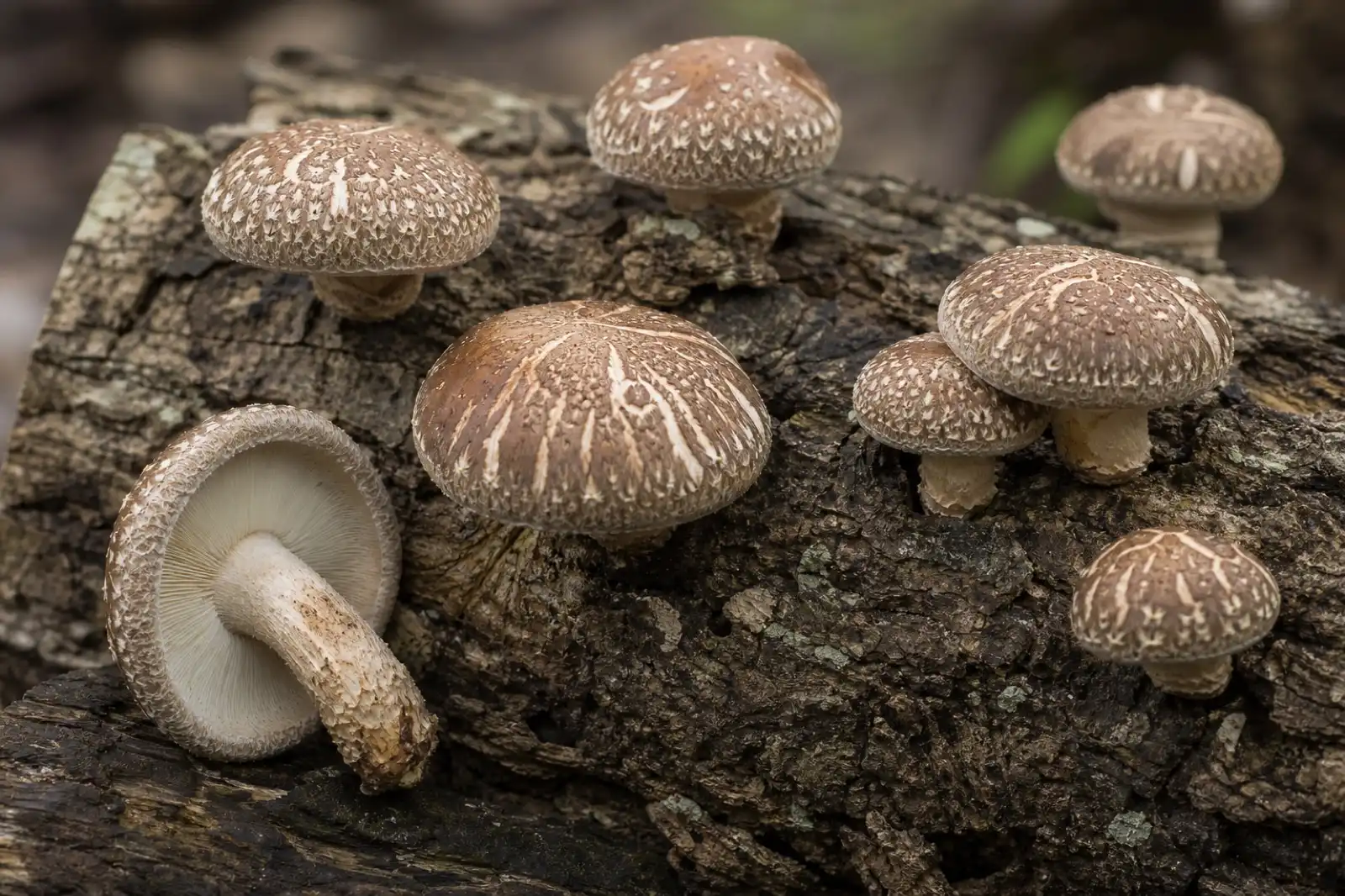
Lentinula edodes: Shiitake Mushroom Identification and Cultivation
An evidence-aware guide to shiitake identification, hardwood cultivation, nutrition, dermatitis risk, safe cooking, classification, and FAQs.
recipes
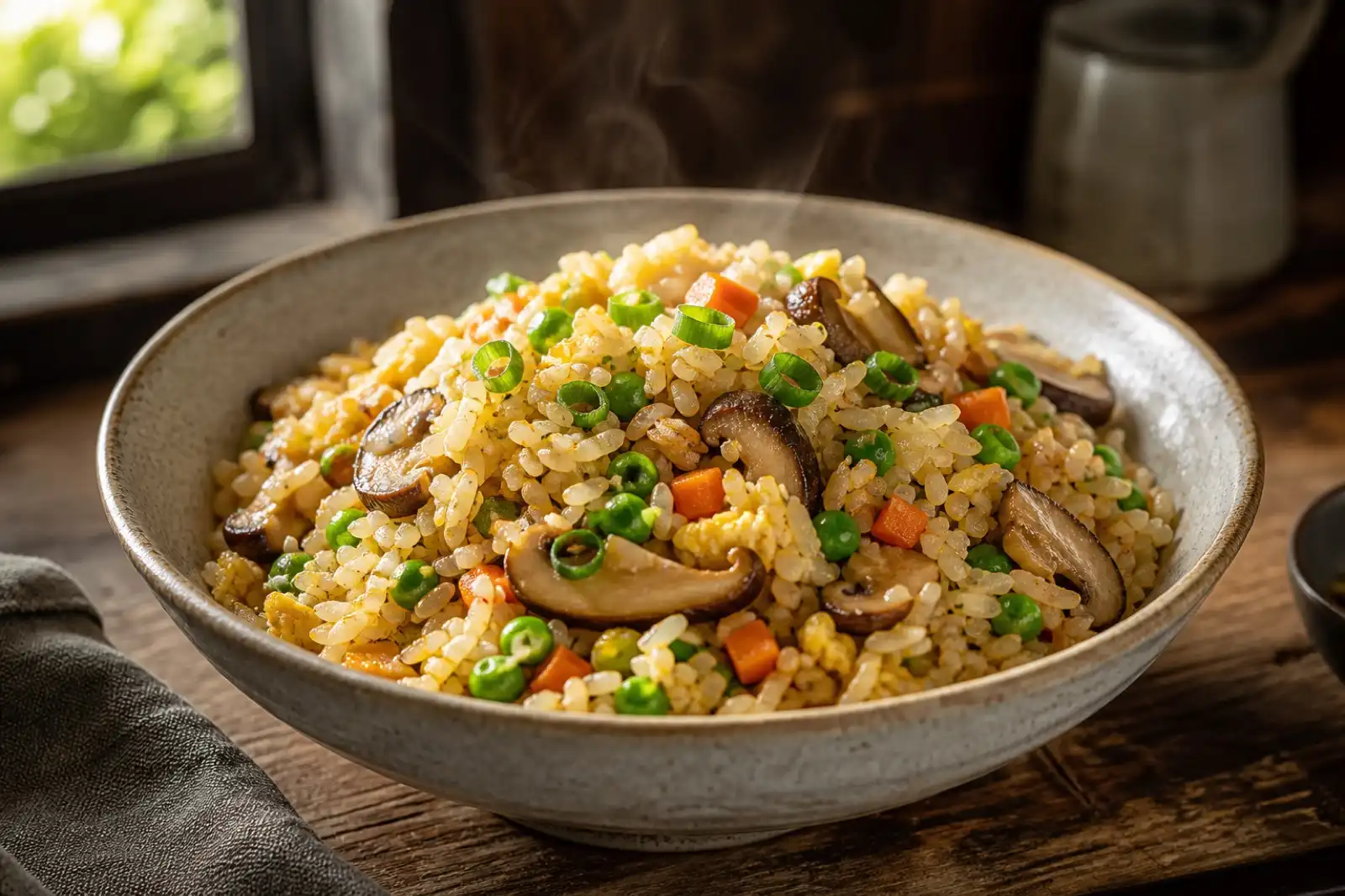
Mushroom Fried Rice
Make mushroom fried rice with cultivated shiitake mushrooms, clear steps, practical substitutions, and conservative food-safety guidance.
health
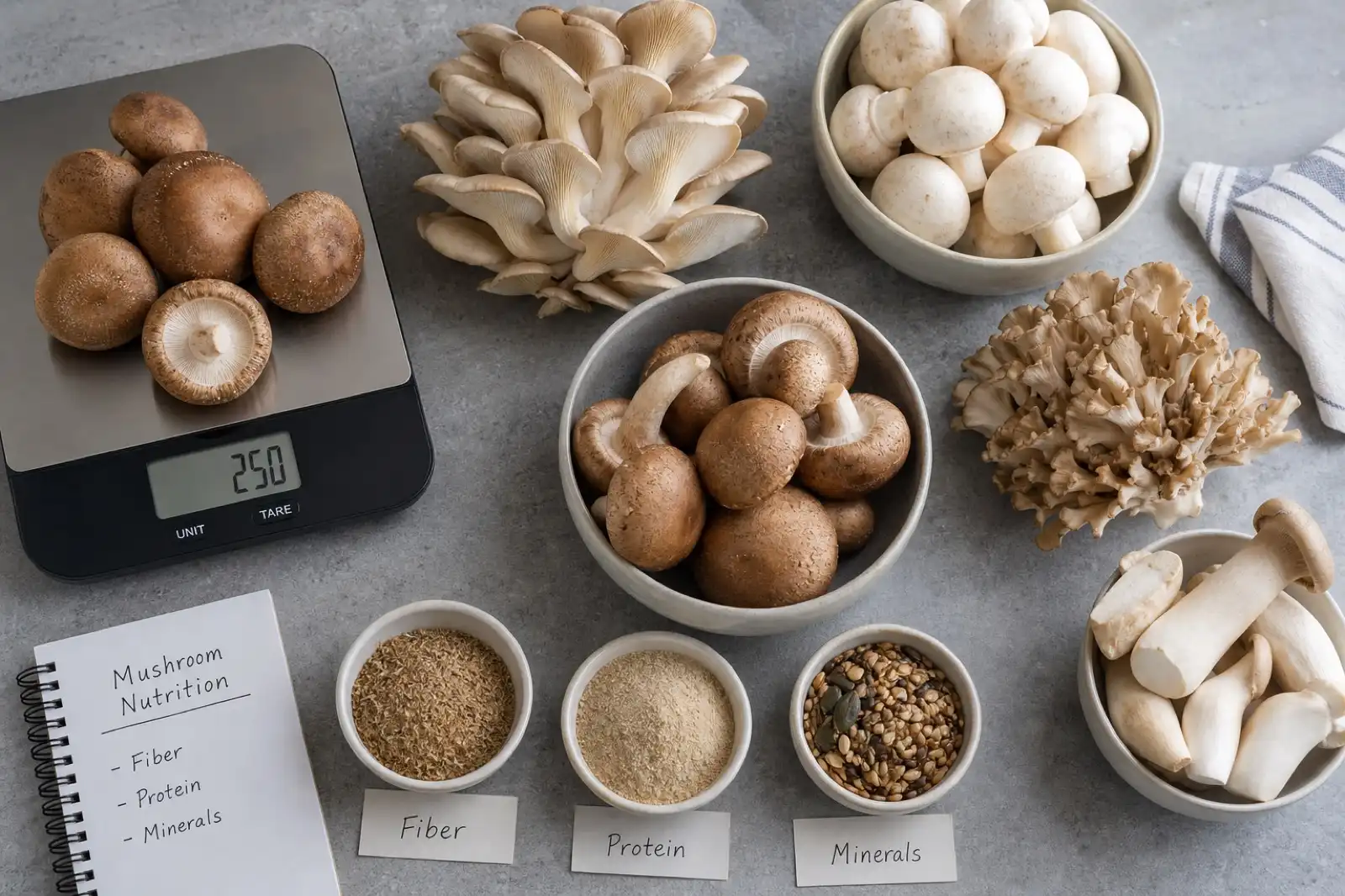
Mushroom Nutrition: Fiber, Protein, Calories, and Vitamins
Are mushrooms a source of fiber or protein? Compare calories, fiber, protein, vitamins, food forms, serving sizes, and preparation without overstating benefits.
Continue exploring
Browse more practical guides in Recipes or visit the mushroom encyclopedia.