Recipes
Mushroom Tacos with Black Beans and Lime
Make weeknight mushroom tacos with browned cremini mushrooms, black beans, crisp cabbage, lime, practical substitutions, reheating guidance, and texture cues.
By MushroomScope Editorial Team · · Updated
Food source
Cook identified edible mushrooms
Recipes assume mushrooms sold as food by a reputable supplier, not foraged specimens needing identification.
Open the recipe hub →Kitchen safety
Handle leftovers promptly
Cool leftovers in shallow containers, refrigerate promptly, and discard food held unsafely or showing spoilage.
Review preparation safety →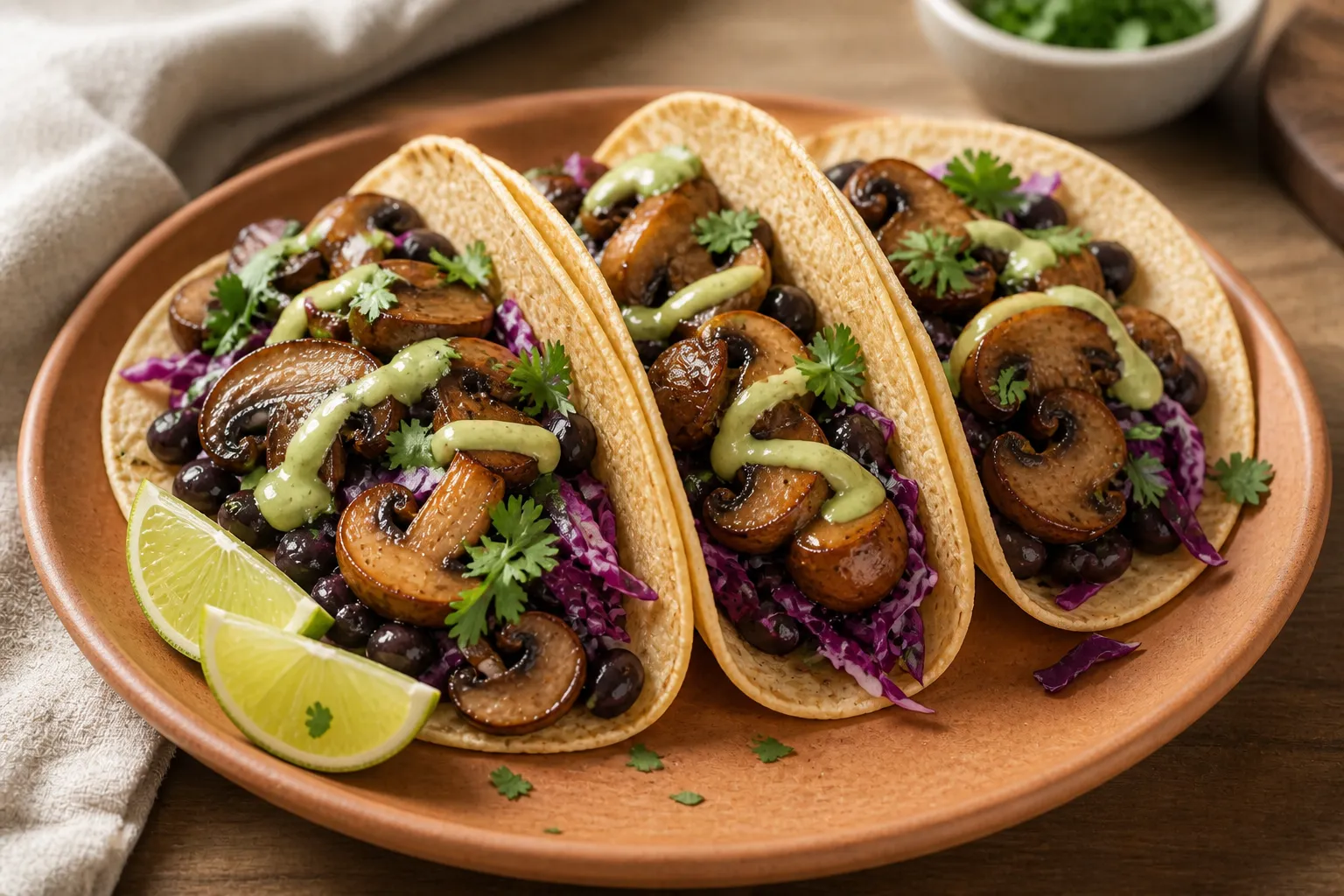
Recipe details
- Prep time
- PT15M
- Cook time
- PT20M
- Yield
- 4 servings (8 small tacos)
Ingredients
- 16 ounces (450 g) firm cultivated cremini mushrooms, wiped clean and sliced
- 1 tablespoon neutral oil or olive oil
- 1 small yellow onion, thinly sliced
- 2 garlic cloves, finely chopped
- 1 teaspoon ground cumin
- 1/2 teaspoon mild chili powder
- 1 (15-ounce / 425 g) can black beans, rinsed and drained
- 1 tablespoon fresh lime juice, plus lime wedges to serve
- 8 small corn tortillas
- 1 cup finely shredded red cabbage
- 1/3 cup chopped cilantro
- Salt and black pepper, to taste
Instructions
- Prepare the cultivated mushrooms, onion, garlic, cabbage, cilantro, and lime; keep the fresh toppings chilled until serving.
- Brown the sliced mushrooms in a wide hot skillet with oil, working in batches if necessary so they do not steam.
- Add the onion, garlic, cumin, and chili powder, then stir in the drained black beans and cook until hot.
- Take the skillet off the heat, add lime juice, and season to taste.
- Warm the corn tortillas, fill with the mushroom-bean mixture, then finish with cabbage, cilantro, and lime. Serve immediately.
These mushroom tacos are built around browned cultivated cremini mushrooms, not a substitute for meat. Black beans make the filling more substantial, while cabbage and lime keep each taco bright and crisp. The useful sequence is simple: brown the mushrooms first, warm the beans in their pan juices, then assemble only when the tortillas and toppings are ready.
Use mushrooms sold as food by a reputable supplier. Cooking does not make an unidentified wild mushroom safe, and this recipe cannot determine a mushroom’s identity or edibility.
Ingredients and practical swaps
Cremini mushrooms have a deeper brown color and a slightly earthier flavor than standard white button mushrooms; either is a cultivated form of Agaricus bisporus. Use firm, dry-looking mushrooms without slime, extensive bruising, or an off odor. FDA produce guidance recommends separating produce from raw animal foods and keeping preparation surfaces clean.
Black beans are optional but helpful for a filling vegetarian taco. Pinto beans work in the same role. For a little more heat, use a fresh jalapeño with the onion or offer hot sauce at the table rather than overwhelming the mushroom flavor.
| Ingredient | What it does | Practical swap |
|---|---|---|
| Cremini mushrooms | Savory, browned base | White button mushrooms |
| Black beans | Adds body and soft contrast | Pinto beans or cooked lentils |
| Red cabbage | Crisp texture | Shredded romaine or radish |
| Corn tortillas | Warm, flexible wrapper | Certified gluten-free corn tortillas, if needed |
| Lime | Balances richness at the end | Serve extra wedges rather than adding more salt |
For another simple skillet method, see how to sauté mushrooms. The cremini mushroom guide explains the cultivated mushroom used here; it is not a foraging identification guide.
How to make mushroom tacos
- Prepare the vegetables. Wipe or briefly rinse the cultivated mushrooms, then dry and slice them. Slice the onion, chop the garlic, shred the cabbage, and cut the lime. Keep the cabbage and cilantro chilled until serving.
- Brown the mushrooms. Heat a wide skillet over medium-high heat. Add the oil and mushrooms in a loose layer. Leave them undisturbed briefly, then turn as their moisture cooks away and the edges brown. If the pan is small, use two batches instead of crowding it.
- Season the filling. Add the onion and cook until softened. Stir in garlic, cumin, and chili powder for about 30 seconds, just until fragrant. Add the drained black beans and a pinch of salt; cook until the beans are hot and coated in the mushroom juices.
- Finish with lime. Take the skillet off the heat, add the lime juice, and taste. Add pepper and only enough additional salt to make the mushroom flavor clear.
- Warm and assemble. Warm the tortillas in a dry skillet until flexible. Divide in the mushroom-bean filling, then add cabbage, cilantro, and a lime wedge. Serve immediately.
The important visual cue is browning before seasoning, not a fixed minute count: mushrooms vary in thickness, skillet size, and moisture. When the pan is crowded, steam lingers and the filling stays softer. A wider skillet or two batches gives the water more room to evaporate.
Brown the filling instead of steaming it
Use a wide skillet and cook mushrooms in batches that fit in one loose layer. Let the first side contact the hot pan before stirring. When water appears, continue until it evaporates and browned edges develop. Reserve garlic and powdered spices until the heat is reduced so they do not burn.
For cultivated oyster mushrooms, tear broad fans and slice dense stems narrowly. Cremini can be sliced or chopped into pieces that stay inside a tortilla. Portobello works when released liquid is managed; gill removal is optional. Never substitute an unidentified wild mushroom.
Bloom cumin, oregano, paprika, or chile briefly after browning, then add a small splash of water or stock so spices coat rather than scorch. Finish with lime off heat. Salty sauces and packaged seasoning need label checks before more salt is added.
Add a separate protein or vegetable when needed
Mushrooms contribute savory flavor and moisture but are not nutritionally equivalent to meat or beans. Add black beans, pinto beans, lentils, tofu, tempeh, or another suitable component for a more substantial filling. Cook it separately enough to preserve texture, then combine near the end.
Corn, roasted peppers, cabbage, or zucchini can extend the filling, but each adds water. Brown or roast watery vegetables independently. A scoop of wet salsa inside the skillet will soften mushrooms; use salsa at service unless it is deliberately reduced.
For vegan tacos, verify tortillas, seasoning, refried beans, sauces, and toppings. For gluten-free service, use certified tortillas and prevent cross-contact on the griddle and with utensils. Soy, wheat, milk, sesame, and tree nuts may appear in substitutes.
Warm tortillas without drying them
Heat a dry skillet according to the package and warm each side only until flexible and lightly toasted. Hold briefly in a clean towel or covered warmer. Do not place warmed tortillas on a plate that held raw or unwashed ingredients.
For a group, warm small batches close to service. Prolonged uncovered heat makes corn tortillas brittle, while excessive trapped steam makes them gummy. Use separate tongs for allergen-sensitive tortillas when cross-contact matters.
Set up a controlled taco bar
Keep hot filling hot and cold toppings refrigerated until service. Put cabbage, herbs, onion, salsa, and crema in separate containers with their own utensils. Label allergens and spicy ingredients rather than expecting appearance to communicate them.
Serve smaller batches and replenish instead of leaving everything at room temperature. Refrigerate perishables within two hours, or one hour above 90°F (32°C). Outdoor service needs shade, covered containers, and a safe hot-and-cold holding plan.
Fix common taco-filling problems
The filling is watery: The pan was crowded, vegetables were combined too soon, or salsa entered the skillet. Cook smaller batches, evaporate liquid fully, and drain toppings.
The spices taste bitter: Powdered chile or garlic burned on an empty hot surface. Reduce heat, add them after browning, and moisten promptly.
The tacos fall apart: Tortillas were cold or brittle, or the filling was overloaded. Warm tortillas, use a modest portion, and serve juicy condiments separately.
The filling tastes heavy: Add lime, pickled onion, cabbage, cilantro, or another acidic element before more salt or oil.
Mushrooms are rubbery: Pieces were too thick or browned before the centers softened. Cut evenly, reduce heat after browning, and taste a fully cooked sample.
Toppings that keep the balance
Choose one creamy topping and one fresh topping so the taco stays distinct rather than overloaded. A spoonful of plain yogurt or a simple avocado-lime sauce works with the warm filling; cabbage, sliced radish, or cilantro provide contrast. Add salsa at the table because a very wet salsa can soften the tortillas quickly.
For a different cultivated-mushroom taco variation, replace half the cremini mushrooms with thick strips of oyster mushrooms and use the browning notes in garlic-butter oyster mushrooms. Buy those mushrooms from a food supplier rather than collecting lookalikes outdoors.
Storage and reheating
Cool leftover mushroom-and-bean filling promptly, place it in a shallow covered container, and refrigerate it. USDA FSIS advises refrigerating leftovers within two hours (one hour when the temperature is above 90°F / 32°C) and using cooked leftovers within three to four days. Reheat only the portion you plan to eat until hot; keep toppings and tortillas separate, then assemble fresh tacos.
Discard food that was left out too long or has mold, slime, or an off odor. Do not taste questionable leftovers to decide whether they are safe.
Frequently asked questions
Can I use portobello mushrooms?
Yes. Use the same weight, scrape out any very dark, loose gills if you prefer a lighter-looking filling, and slice the caps into bite-size strips. They will still need room in the pan to brown.
Are these mushroom tacos vegan?
The written filling is vegan. Choose plant-based toppings and check the tortilla label if you need the entire meal to be vegan. The recipe is gluten-free only when the tortillas and any prepared toppings are certified gluten-free.
Can I freeze the mushroom taco filling?
Freezing is possible, but the mushrooms and beans will be softer after thawing. For the best taco texture, refrigerate a short-term batch and make only the amount you expect to use within the leftover-storage window.
Store components separately for safer reheating
Cool the mushroom filling promptly in a shallow covered container and refrigerate it at or below 40°F (4°C). Keep tortillas, cabbage, herbs, salsa, and creamy toppings in separate containers so the filling can be reheated thoroughly without warming ingredients intended to remain cold.
Reheat only the portion needed in a skillet with a measured splash of water or in a vented microwave-safe container, stirring until no cold pockets remain. Warm fresh tortillas separately and assemble immediately. Repeatedly warming and cooling the entire batch reduces quality and adds avoidable handling.
Label leftovers and follow applicable local storage guidance. Discard food with mold, slime, off odor, or unsafe time-temperature history rather than tasting it. If unexpected symptoms follow mushroom consumption, seek appropriate medical advice; possible unidentified wild-mushroom exposure requires prompt poison-control or emergency contact.
Control filling moisture before the beans enter
Brown the sliced cremini in a wide skillet until released liquid has evaporated and the contact faces show color. Only then add onion, garlic, cumin, and beans. Beans added while the mushrooms are still shedding water cool the pan and turn their starch into a wet coating. If the skillet bottom remains glossy with liquid after the beans warm through, move the filling to one side and reduce that liquid before folding everything together.
Use lime in two places for different effects: a small amount off heat brightens the hot filling, while fresh wedges at the table preserve aroma. Do not pour salsa into the pan to make the filling look abundant; its water softens both mushrooms and tortillas. Keep cabbage, salsa, herbs, avocado, and creamy toppings in separate bowls so each diner controls moisture and allergens.
For eight small tacos, begin with a modest strip of filling down the center rather than packing the tortilla edge to edge. Warm tortillas in covered pairs and replenish them in small groups. A flexible warm tortilla wraps without cracking, but a long covered hold traps steam and makes the stack gummy. Assemble immediately before eating: tortilla, hot mushroom-bean filling, crisp cabbage, then concentrated toppings and lime.
References
- FDA. Selecting and Serving Produce Safely. Guidance for choosing, washing, separating, and handling produce.
- USDA Food Safety and Inspection Service. Leftovers and Food Safety. Refrigeration and leftover time limits used in the storage section.
- USDA FoodData Central. Mushrooms, brown, Italian, or Crimini. Food description for cultivated cremini mushrooms.
Source quality notes
MushroomScope cites sources that match the page scope, such as taxonomic databases, extension guidance, food-safety agencies, food-composition databases, and peer-reviewed or institutional health references. Sources support context and uncertainty; they do not turn an online page into specimen identification, medical advice, or a tested recipe record.
Frequently asked questions
Which mushrooms are best for mushroom tacos?
Firm cultivated cremini mushrooms are a convenient choice because their earthy flavor stands up to lime and beans. Button mushrooms work too; buy mushrooms sold for eating and never use a taco recipe to identify a wild mushroom.
How do I keep mushroom tacos from getting watery?
Cook sliced mushrooms in a wide hot skillet without crowding it, then wait to add salt until they have started to brown. Serve the filling right away and keep watery toppings, such as salsa, separate until the table.
Can I make the taco filling ahead?
Yes. Cool the cooked mushroom-and-bean filling promptly in a shallow covered container, refrigerate it, and reheat only the portion needed until hot. Keep cabbage, lime, and tortillas separate for the best texture.
Related guides
recipes
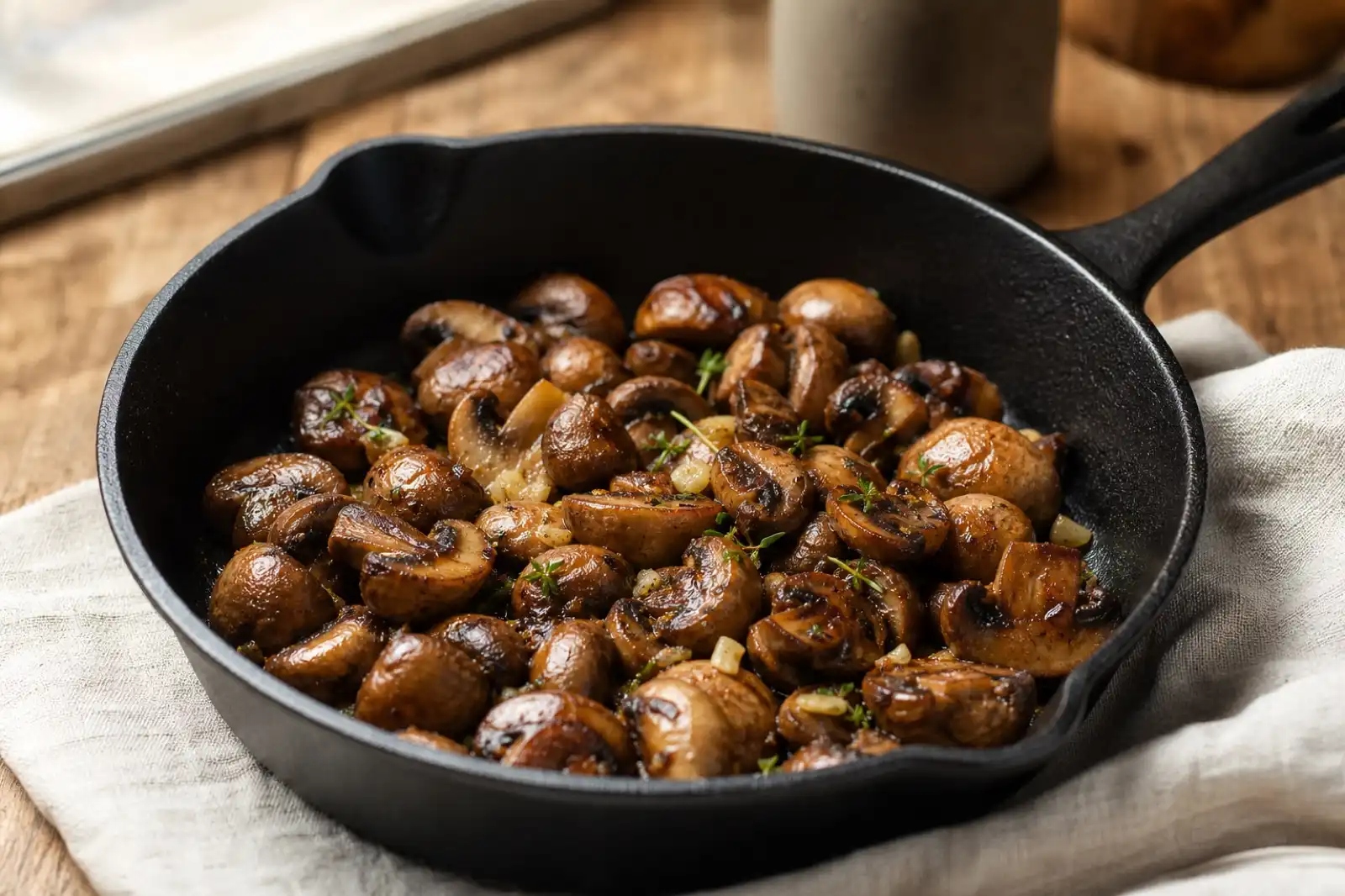
Easy Sautéed Mushrooms with Garlic and Herbs
Sauté cremini mushrooms with garlic and herbs using a wide-pan method, clear batch sizes, realistic timing, and safe storage advice.
mushrooms
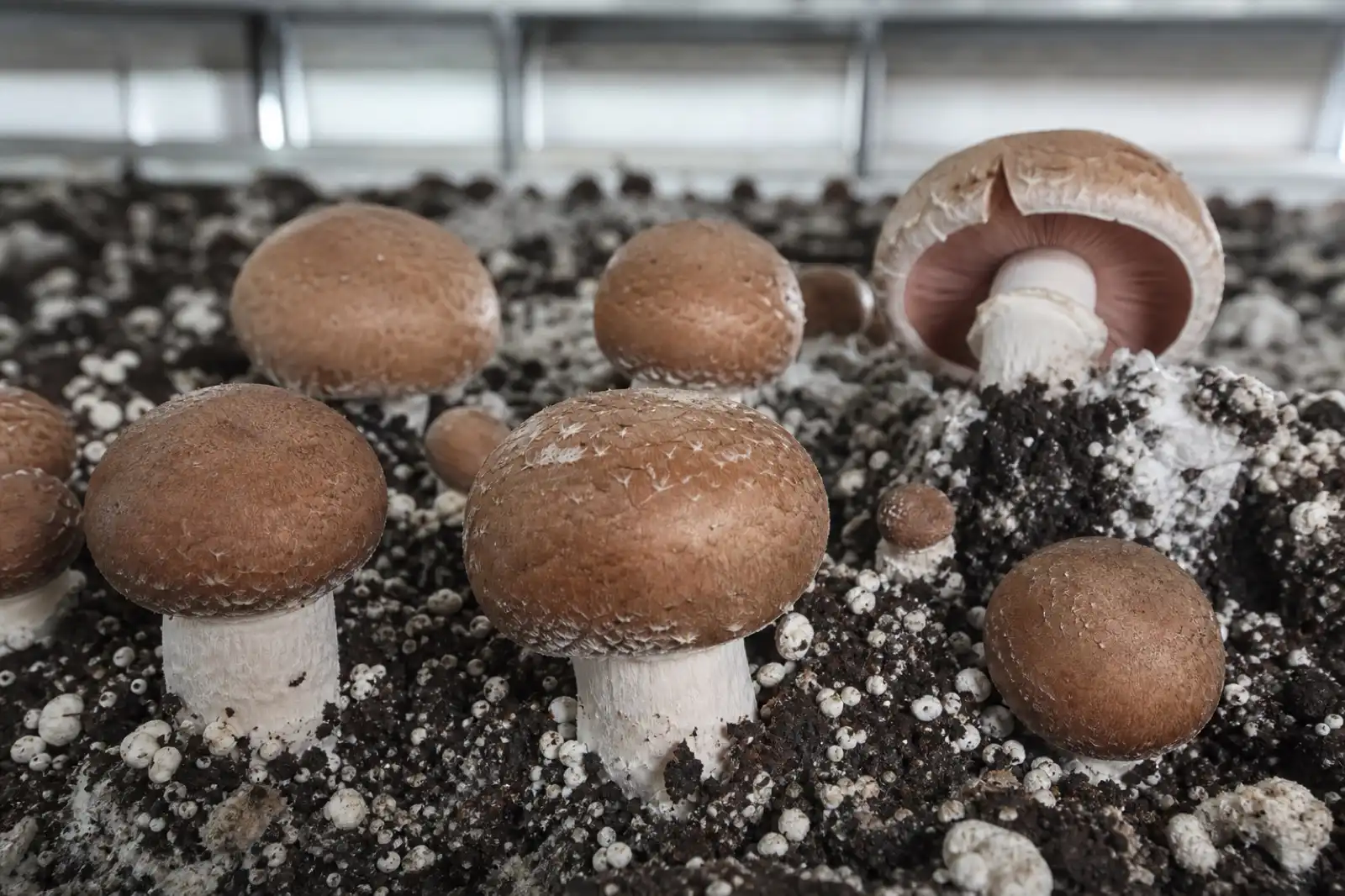
Cremini Mushrooms: Button vs. Portobello, Nutrition, and Uses
Cremini, baby bella, button, and portobello mushrooms are Agaricus bisporus market forms. Compare maturity, cooking uses, nutrition, cultivation, and safety.
recipes
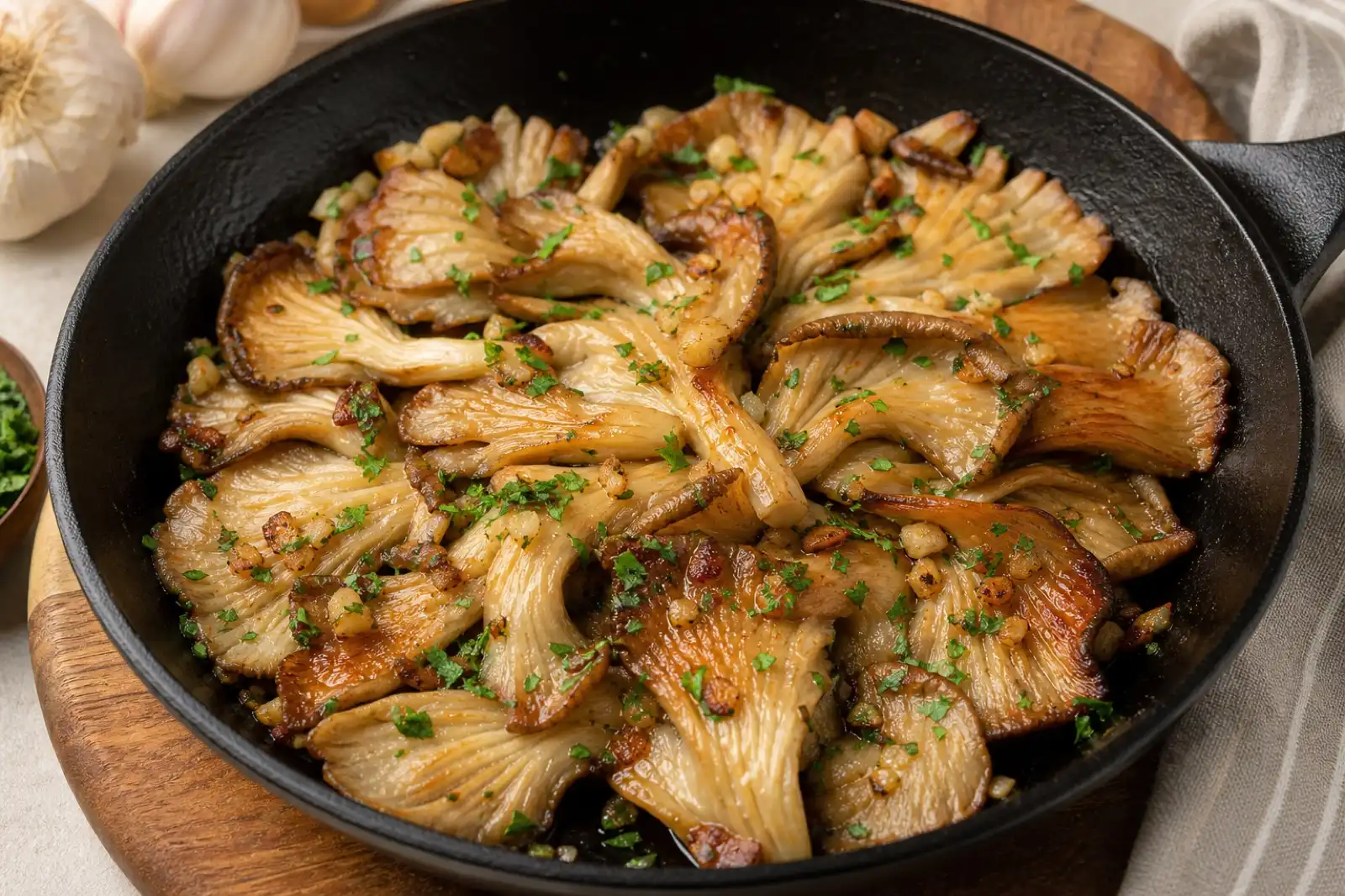
Garlic Butter Oyster Mushrooms
Make garlic butter oyster mushrooms with cultivated oyster mushrooms, clear steps, practical substitutions, and conservative food-safety guidance.
Continue exploring
Browse more practical guides in Recipes or visit the mushroom encyclopedia.