Recipes
Quick Pickled Mushrooms (Refrigerator Recipe)
Make tangy quick pickled mushrooms for the refrigerator with a brief simmer, a 5% vinegar brine, and clear storage limits.
By MushroomScope Editorial Team · · Updated
Food source
Cook identified edible mushrooms
Recipes assume mushrooms sold as food by a reputable supplier, not foraged specimens needing identification.
Open the recipe hub →Kitchen safety
Handle leftovers promptly
Cool leftovers in shallow containers, refrigerate promptly, and discard food held unsafely or showing spoilage.
Review preparation safety →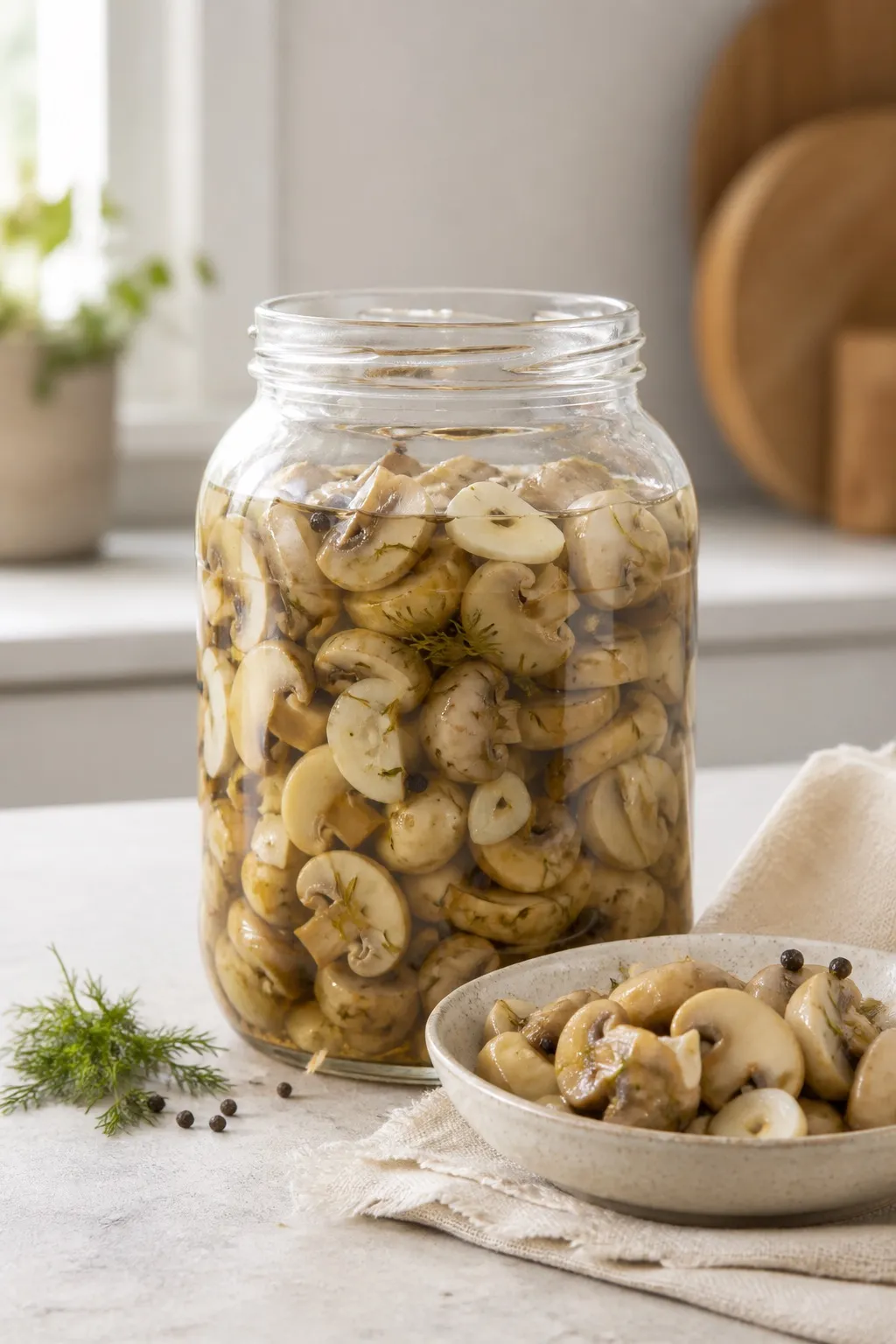
Recipe details
- Prep time
- PT15M
- Cook time
- PT10M
- Yield
- About 2 cups
Ingredients
- 12 ounces (340 g) firm cultivated button or cremini mushrooms
- 3/4 cup (180 ml) 5% distilled white vinegar
- 3/4 cup (180 ml) water
- 1 tablespoon granulated sugar
- 1 teaspoon kosher salt
- 2 garlic cloves, thinly sliced
- 1 teaspoon black peppercorns
- 2 small dill sprigs or 1 teaspoon dried dill
- 1 bay leaf (optional)
Instructions
- Wash hands, clean the work surface, and wipe the mushrooms with a damp towel or rinse them quickly. Trim the stem ends, then halve or quarter larger mushrooms so the pieces are similar in size.
- Bring a small saucepan of water to a simmer. Add the mushrooms and cook just until they lose their raw firmness, about 3 to 5 minutes. Drain well.
- Return the saucepan to the heat with the vinegar, water, sugar, salt, garlic, peppercorns, dill, and bay leaf. Bring the mixture to a brief boil, stirring until the sugar and salt dissolve.
- Put the warm mushrooms in a clean heat-safe jar or shallow container. Pour the hot brine over them, keeping the pieces submerged; leave the lid loose until the container has stopped steaming.
- Refrigerate promptly. Let the flavor develop for at least 2 hours before serving, then use the mushrooms cold or at room temperature only for the immediate meal.
- Keep refrigerated and use within 4 days. Do not treat this recipe as shelf-stable canning or reuse the brine for another batch.
These tangy mushrooms are a refrigerator condiment, not a pantry-preserving project. A short simmer softens firm cultivated mushrooms, and a hot 5% vinegar brine seasons them quickly. Spoon them onto toast, fold them into a grain bowl, or serve them beside cheese and crackers.
The crucial distinction is storage: put the finished mushrooms in the refrigerator promptly and use them within four days. A jar that seals as it cools is not evidence that it is safe at room temperature. The National Center for Home Food Preservation says acid level and tested proportions matter for pickled foods, while USDA warns that low-oxygen storage of improperly processed food can support botulism risk. This recipe does not provide a tested canning process.
What makes this a quick pickle
Quick pickles use an acidic liquid rather than a fermentation period. Here, vinegar, water, salt, and a little sugar make a bright brine; garlic, peppercorns, and dill add aroma. Because the recipe is meant for the refrigerator, the goal is fresh flavor and a convenient short hold—not long-term preservation.
Choose firm, cultivated mushrooms sold for cooking. Button and cremini mushrooms stay pleasantly dense; small oyster mushrooms work too, but their thinner edges soften faster. If you are using homegrown mushrooms, start with the handling guidance in how to store homegrown mushrooms and do not pickle a batch with unusual growth, odor, or damage. Never use this recipe to decide whether a wild mushroom is edible.
Ingredients that can change—and ones that should not
You can switch dill for thyme, use coriander seed instead of some peppercorns, or leave out the bay leaf. You can also use a mix of button and cremini mushrooms.
Keep the brine itself conservative:
| Keep consistent | Why |
|---|---|
| Use vinegar labeled 5% acidity | That is the standard strength named by the home-preservation guidance. |
| Keep the stated vinegar and water amounts | This recipe is for refrigerated serving; changing the ratio does not turn it into a shelf-stable canning formula. |
| Use a clean, heat-safe container | It helps with orderly preparation but does not make the food pantry-safe. |
| Chill promptly | Cooked leftovers should not sit at room temperature for more than two hours (one hour above 90°F / 32°C). |
Do not reduce the vinegar because the brine tastes sharp. Add a pinch more sugar, serve the mushrooms with rich food, or use a smaller portion instead. If you want to can mushrooms or make a shelf-stable pickled product, use a current, specifically tested recipe and the exact process from an approved home-preservation authority.
How to make quick pickled mushrooms
- Prepare even pieces. Trim the stem ends and halve or quarter larger mushrooms. Equal pieces cook more evenly and are easier to keep below the brine.
- Briefly simmer, then drain. This recipe uses a short cook for a tender, less spongy texture. It is not a substitute for a prescribed canning heat process.
- Boil the seasoned brine. Dissolve the salt and sugar in the vinegar-water mixture, then pour it over the mushrooms while both are warm.
- Cool safely. Cover only after the container has stopped steaming, then refrigerate without delay. A shallow container can cool more quickly than a very deep one.
- Let the flavor settle. Two hours is enough for a lightly seasoned batch. Overnight gives a more integrated flavor, but it remains a chilled, short-storage food.
The finished mushrooms should smell clean and vinegary, not yeasty, musty, or sour in an unexpected way. A sealed lid, a clear brine, or a strong vinegar smell cannot prove safety. Throw the batch away if you notice mold, slime, bubbling, a swollen container, or an off odor.
Choose a container for cooling and serving, not canning
Use a clean heat-safe jar or shallow food container large enough to hold the mushrooms and brine without overflowing. Inspect glass for chips or cracks and follow its manufacturer’s temperature limits; do not pour boiling liquid into an unsuitable cold container. A wide container makes it easier to submerge pieces and remove a serving with a clean utensil.
The lid is a refrigerator cover, not a canning closure. Leave it loose while visible steam dissipates according to the written method, then refrigerate promptly. Do not wait for the entire container to reach room temperature on the counter. Keep it upright where raw animal-food liquids cannot drip onto it and where refrigerator air can circulate.
If a button or lid pulls inward as the jar cools, that physical seal does not create a tested shelf-stable product. Label the container “refrigerate” with the preparation date, and do not store it in a pantry, ship it without temperature control, or present it as home-canned food.
Avoid an oversized jar with a small quantity at the bottom or a very deep vessel that slows cooling. If making more than one batch, use separate dated containers rather than topping an older jar with fresh mushrooms or brine.
Keep the mushrooms submerged without packing them tightly
Cutting similar pieces helps them settle under the brine, but do not crush mushrooms into the jar. Pack loosely and use the stated container capacity so hot brine can move around the food. If the stated brine does not cover the mushrooms because the container shape is unsuitable, move the recipe to a better clean heat-safe container rather than diluting the brine with extra water.
A clean food-safe weight should be used only when it is intended for refrigerated food and compatible with the container; an improvised stone, metal object, or household item can add contamination or damage. For this small recipe, choosing an appropriately shaped shallow container is simpler than adding equipment.
Pieces may float temporarily. Submersion is a handling and flavor goal, not proof of preservation. Keep the entire container refrigerated and discard questionable food regardless of whether every piece remained below the liquid.
Troubleshoot texture and flavor without changing the safety boundary
The mushrooms are rubbery. They may have been very large, cooked too long, or cut unevenly. Use firmer small cultivated mushrooms next time and keep the pieces similar; do not shorten the written cooking step in the current batch after the fact.
The mushrooms are too soft. Thin oyster edges soften faster than button or cremini mushrooms. Use thicker, firmer pieces in the next batch and begin checking at the early end of the stated simmer range. Soft texture alone is different from slime, bubbling, mold, or an unsafe storage history.
The brine tastes too sharp. Serve a smaller amount alongside bread, grains, beans, or a richer dish. Do not reduce the vinegar-water ratio in this recipe. Adjust sweetness only modestly and remember that sugar changes flavor, not the refrigerated safety requirement.
The flavor is too salty. Verify whether kosher salt was measured as written and whether a different crystal size or brand changed the volume. Do not add plain water to the finished container to correct it. Make a properly measured new batch rather than weakening the stored brine.
The liquid darkens. Cremini mushrooms, spices, or apple cider vinegar can change color. Color alone neither proves spoilage nor safety; use the complete ingredient, time, temperature, container, and sensory record. Discard the food when the history is uncertain or warning signs appear.
Serving ideas
- Add a spoonful to sautéed mushrooms just before serving for contrast.
- Chop them into a sandwich spread, pasta salad, or a warm lentil bowl.
- Serve with toasted bread, white beans, parsley, and olive oil.
For a more earthy flavor, use cremini mushrooms; see the cremini mushroom guide for context on the common cultivated species. The article is about buying and cooking cultivated mushrooms, not identifying foraged specimens.
Serve a portion without contaminating the jar
Use a clean fork or spoon to remove only what the meal needs, then return the covered container to refrigeration promptly. Do not let used utensils, fingers, bread, cheese, or food from a shared plate enter the storage brine. Cross-contact matters even when the liquid remains visibly clear and acidic.
For a buffet or picnic, transfer a small serving to a separate dish and keep the main container cold. Discard food that exceeds the applicable time-temperature boundary rather than pouring it back into the original jar. Adding fresh vinegar afterward does not reset its handling history.
Consider allergens and dietary needs in the complete meal. The base recipe is vegan and gluten-free by ingredients as written, but packaged spices, vinegar, and serving foods should be checked for individual requirements. Garlic and mushrooms can also be unsuitable for some people independent of foodborne illness.
If a guest has a severe reaction, breathing difficulty, or other urgent symptoms, seek appropriate medical care. Do not use the acidity of the brine or the cultivated identity of the mushrooms to rule out an allergy or another medical problem.
Storage and food-safety boundaries
Refrigerate the mushrooms within two hours of preparation; use one hour as the limit if the food has been above 90°F / 32°C. FoodSafety.gov advises using cooked leftovers within four days. Keep the brine-covered mushrooms cold, use a clean utensil for each serving, and return the container to the refrigerator rather than leaving it on a buffet.
This is not a fermented pickle, pressure-canned mushroom recipe, or water-bath canning recipe. Do not process this jar, alter it for room-temperature storage, vacuum seal it for the pantry, or reuse its brine. Anyone who is pregnant, immunocompromised, older, or feeding young children should be especially careful with refrigerated leftovers and discard questionable food rather than taste-testing it.
Frequently asked questions
Can I use apple cider vinegar?
Use a vinegar labeled 5% acidity if you make that flavor swap. It will darken the brine and bring a fruitier flavor. The storage instruction remains the same: refrigerate promptly and use within four days.
Can I skip cooking the mushrooms?
The brief simmer is part of this recipe’s texture and handling method. Skipping it creates a different, raw preparation and does not make the food safer or longer-lasting. Use the written method, then refrigerate the result.
Can I reuse the pickling liquid?
No. Discard it after the mushrooms are finished. Reusing brine changes its dilution and handling history, so it is not a reliable base for another refrigerated batch or any preserving method.
Measure displacement instead of forcing the jar full
Cut cultivated mushrooms to similar thickness so the brief simmer softens them evenly. Dense button or cremini quarters need longer than thin oyster strips; cook different shapes separately if necessary. Stop when pieces are tender but still resilient, because they continue absorbing brine as they cool. Overcooked mushrooms shed fragments and create a cloudy, soft result.
Use a heat-safe container with enough headspace for stirring and cooling. Add cooked mushrooms loosely, then enough hot brine to submerge them without compressing the pieces. If the written batch does not fit, use a second container rather than reducing vinegar or topping up with unmeasured water. The recipe remains a short-lived refrigerator pickle even when the mushrooms are submerged and the lid seals during cooling.
Cool according to the written handling plan, refrigerate promptly, label the preparation date, and use a clean utensil for each serving. Do not eat directly from the storage jar and return it to the refrigerator immediately. Bubbling, a bulging lid, mold, slime, an off odor, or uncertain refrigeration history are discard signals—not evidence of desirable fermentation.
References
- National Center for Home Food Preservation. Complete Guide to Home Canning. Sections on pickled foods explain why tested proportions and known vinegar acidity matter.
- FoodSafety.gov. People at Risk of Food Poisoning. Refrigeration and leftover timing guidance.
- USDA Food Safety and Inspection Service. Botulism. Background on improper home processing and low-oxygen food storage.
Editorial note: reviewed September 28, 2026. This page intentionally does not provide a shelf-stable preservation method.
Source quality notes
MushroomScope cites sources that match the page scope, such as taxonomic databases, extension guidance, food-safety agencies, food-composition databases, and peer-reviewed or institutional health references. Sources support context and uncertainty; they do not turn an online page into specimen identification, medical advice, or a tested recipe record.
Frequently asked questions
Are these quick pickled mushrooms shelf-stable?
No. This is a refrigerator recipe, not a tested canning formula. Keep the mushrooms chilled and do not store the sealed jar in a pantry, gift it as shelf-stable food, or substitute it for an approved home-canning process.
Which mushrooms work best for refrigerator pickling?
Firm cultivated button, cremini, or small oyster mushrooms are practical choices. Trim them evenly so they cook at a similar rate, and use only mushrooms that are fresh, clean, and intended for eating.
How long do quick pickled mushrooms keep in the refrigerator?
For this cooked refrigerator recipe, cool and refrigerate promptly, then use within four days. Discard it sooner if it has been left out too long or shows an off odor, mold, bubbling, or a slimy texture.
Related guides
recipes
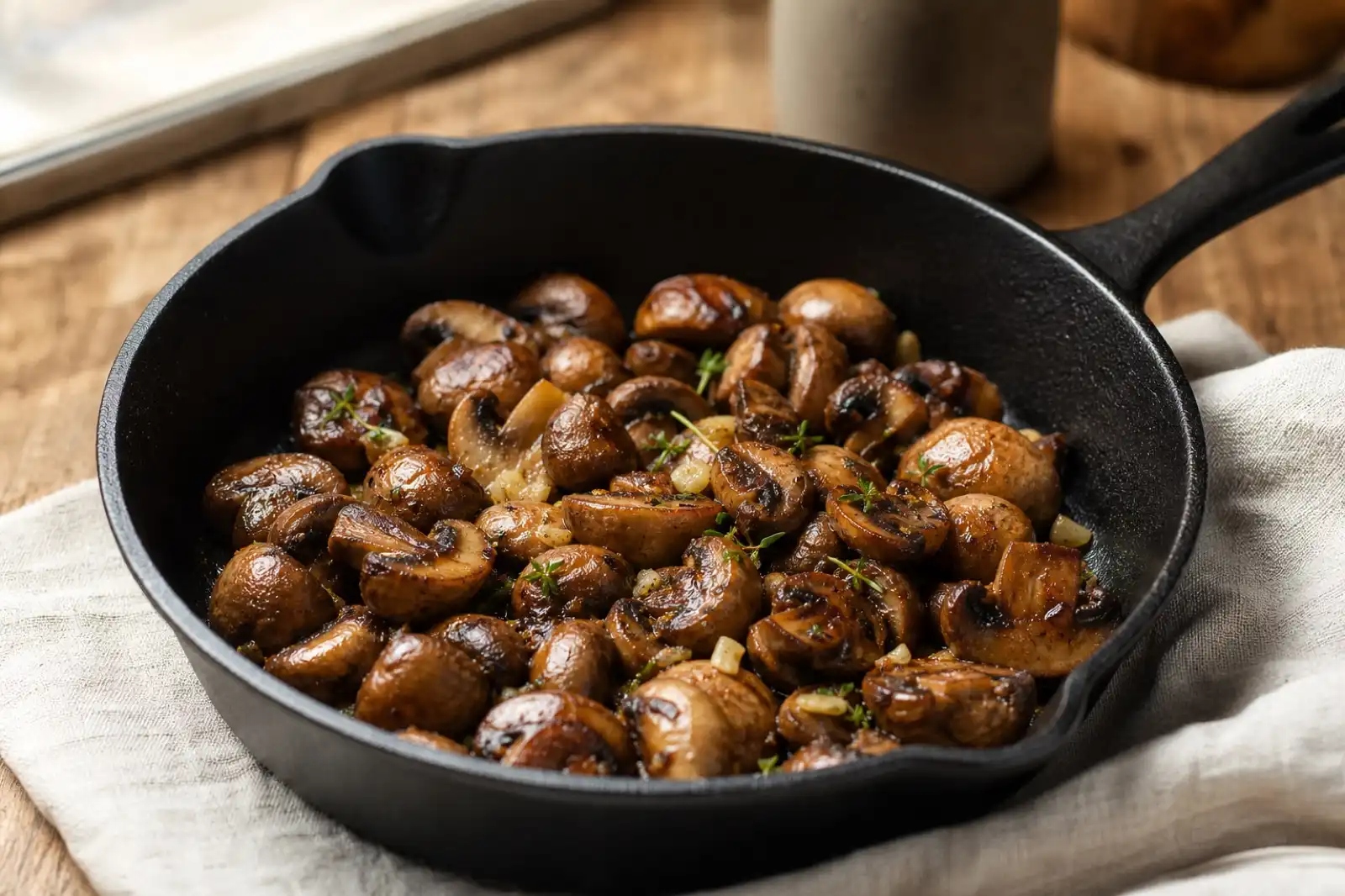
Easy Sautéed Mushrooms with Garlic and Herbs
Sauté cremini mushrooms with garlic and herbs using a wide-pan method, clear batch sizes, realistic timing, and safe storage advice.
growing
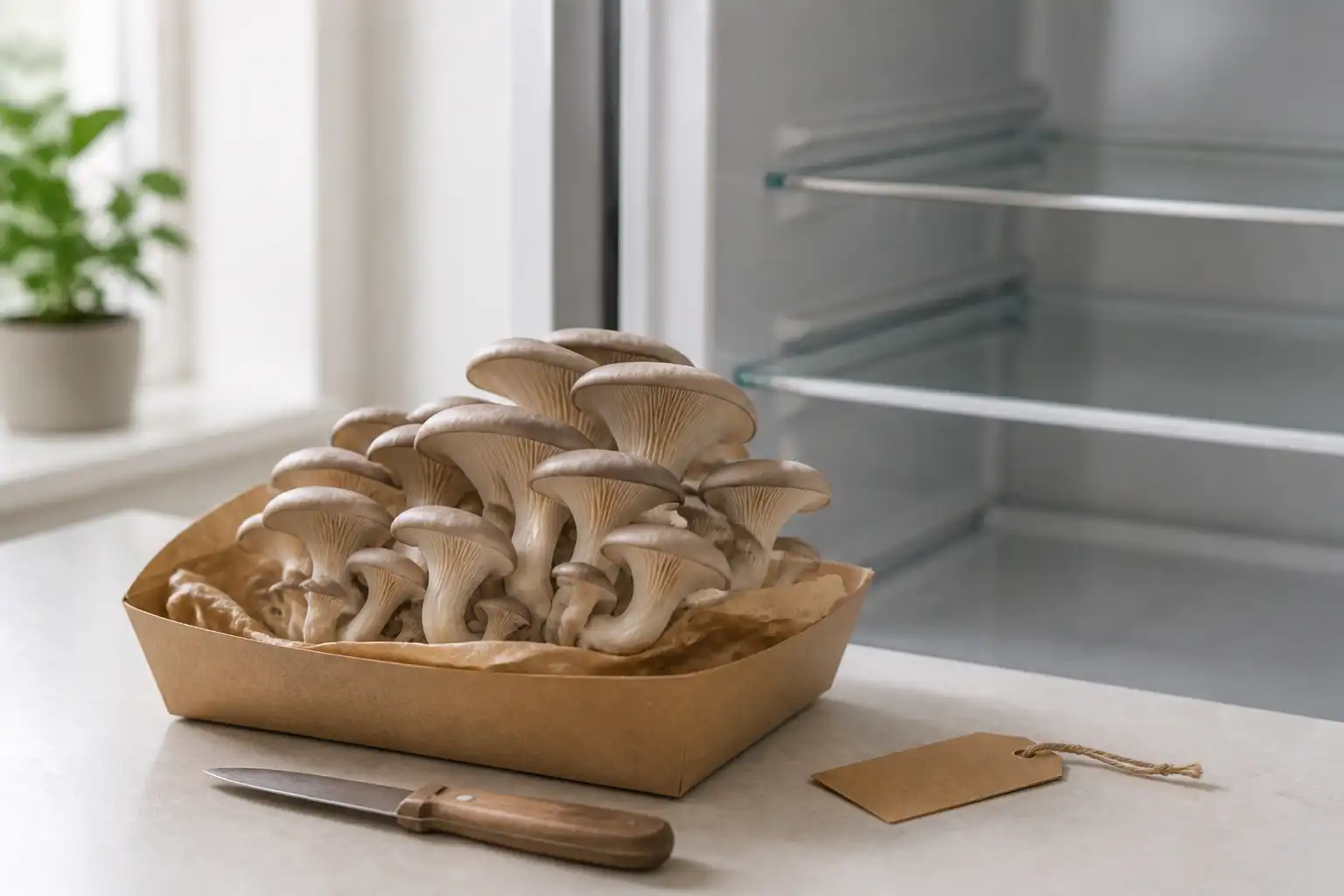
How to Store Homegrown Mushrooms After Harvest
Keep homegrown culinary mushrooms cool, clean, and dry after harvest without treating a storage method as proof that food is safe.
mushrooms
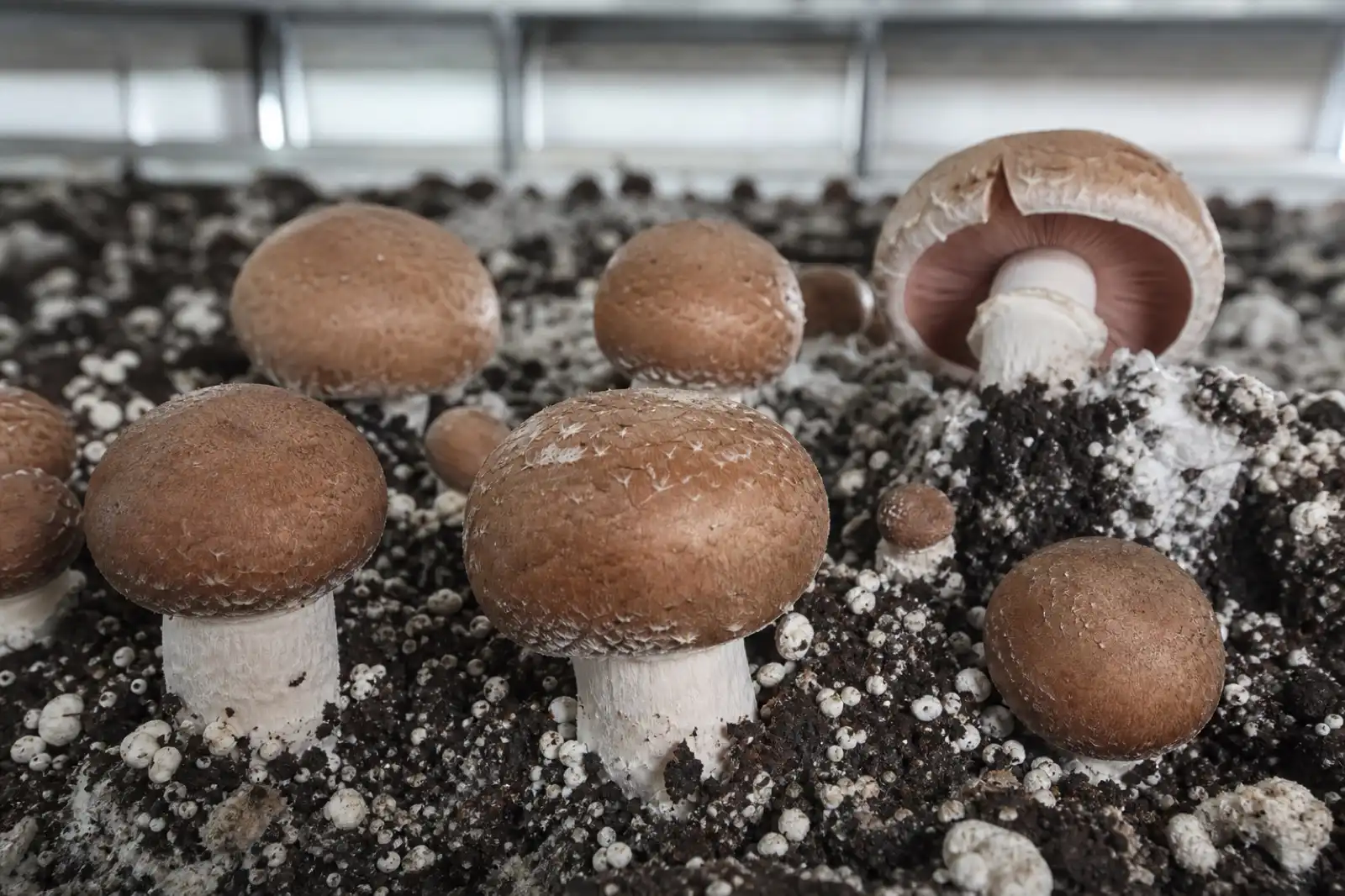
Cremini Mushrooms: Button vs. Portobello, Nutrition, and Uses
Cremini, baby bella, button, and portobello mushrooms are Agaricus bisporus market forms. Compare maturity, cooking uses, nutrition, cultivation, and safety.
Continue exploring
Browse more practical guides in Recipes or visit the mushroom encyclopedia.