Recipes
Vegan Mushroom Stroganoff
Make vegan mushroom stroganoff with cultivated cremini mushrooms, clear steps, practical substitutions, and conservative food-safety guidance.
By MushroomScope Editorial Team · · Updated
Food source
Cook identified edible mushrooms
Recipes assume mushrooms sold as food by a reputable supplier, not foraged specimens needing identification.
Open the recipe hub →Kitchen safety
Handle leftovers promptly
Cool leftovers in shallow containers, refrigerate promptly, and discard food held unsafely or showing spoilage.
Review preparation safety →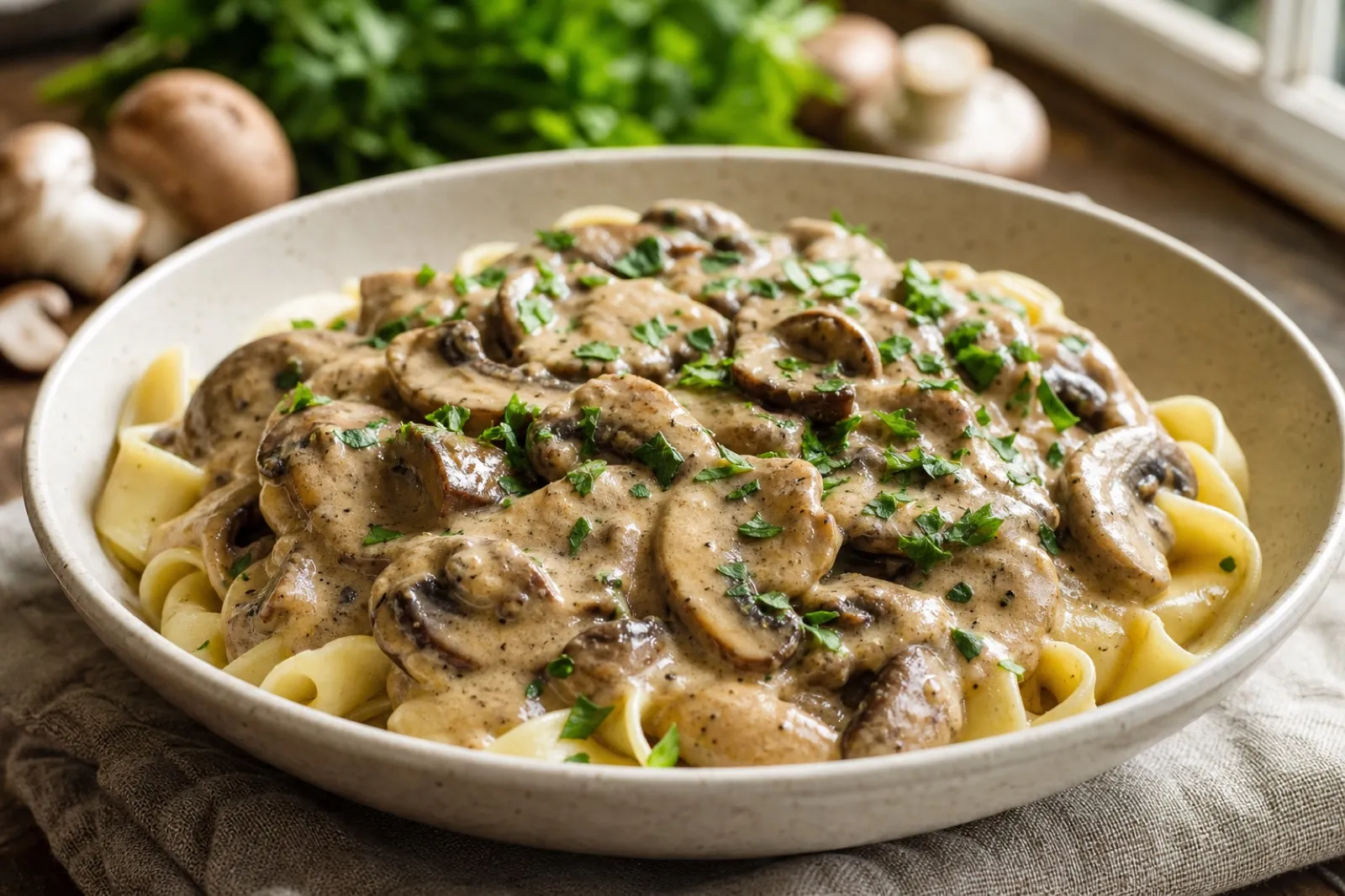
Recipe details
- Prep time
- PT15M
- Cook time
- PT30M
- Yield
- 4 servings
Ingredients
- 450 g cremini mushrooms, sliced
- 300 g pasta
- 500 ml vegetable stock
- 180 ml unsweetened plant-based cream
- 1 small onion, sliced
- 1 teaspoon sweet paprika
- salt and black pepper to taste
Instructions
- Buy identified cultivated mushrooms from a reputable food supplier and discard spoiled pieces.
- Clean mushrooms with a soft brush or brief rinse, dry well, and cut into even pieces.
- Brown mushrooms and onion, build a savory sauce, and combine with just-cooked pasta.
- Season to taste and serve while hot.
- Cool leftovers promptly in a shallow covered container and refrigerate.
Why this recipe works
Make vegan mushroom stroganoff with cultivated cremini mushrooms, clear steps, practical substitutions, and conservative food-safety guidance. Browning drives off surface moisture and builds savory flavor. Crowding a small pan traps steam, so cook in batches when necessary. The recipe uses pasta, vegetable stock, and plant-based cream to support rather than hide the mushroom flavor.
Choose cultivated cremini or another clearly labeled culinary mushroom from a traceable supplier. Stroganoff sauce can hide visual details, so an unidentified wild mushroom is especially unsuitable; heat and acidity do not make a poisonous species safe. Check package condition and recalls, and discard mushrooms with slime, mold, extensive decay, or a strong abnormal odor.
Ingredients and substitutions
- cremini mushrooms: Choose firm specimens without slime, strong off-odors, or extensive damage.
- pasta: Provides the main cooking medium or structure. Use a suitable dietary substitute when needed.
- vegetable stock: Add after the mushrooms have begun to brown so it does not scorch.
- plant-based cream: Adjust the amount to balance richness, acidity, or texture.
- Seasoning: Salt gradually and finish with black pepper or fresh herbs.
Cremini mushrooms give the sauce a deep color and firm bite, but cultivated white button mushrooms also work. Oyster mushrooms create softer, irregular pieces; tear them into similar widths and brown them in batches. A mixed cultivated-mushroom version is useful when each variety is fresh and sold for food. Do not use a recipe photograph to decide whether a wild mushroom belongs in the pan.
Choose an unsweetened plant cream whose label permits hot cooking. Oat and soy cooking creams generally stay smooth, while some nut beverages are too thin to replace cream directly. Full-fat canned coconut milk thickens reliably but adds a recognizable flavor. For a whole-food alternative, blend soaked cashews with water until completely smooth, provided diners can safely eat tree nuts. None of these products are nutritionally interchangeable, so consult their labels when protein, allergens, or fortification matter.
Vegetable stocks differ greatly in sodium. Start with an unsalted or lower-sodium version if possible, then season after reduction. A teaspoon of Dijon mustard or a small splash of lemon at the end can provide the tang traditionally associated with stroganoff. Confirm that wine, Worcestershire-style sauce, noodles, and bouillon are vegan if that requirement is important; labels and regional formulations change.
Plan the noodles and sauce to finish together
The sauce is best when the browned mushrooms retain some texture and the noodles have not waited long enough to stick. Bring the pasta water close to a boil before browning the second batch of mushrooms. Start the noodles when the sauce is about ten minutes from completion, adapting that timing to the package instructions. Reserve some unsalted or lightly salted pasta water before draining. Its starch can loosen a sauce more evenly than plain stock.
Wide ribbons hold a creamy sauce well, but short ridged pasta is easier to portion and reheat. If using gluten-free noodles, cook only until just tender and handle gently; many soften more rapidly after they enter a hot sauce.
Brown in batches and finish the sauce gently
- Buy identified cultivated mushrooms and refrigerate them promptly.
- Clean hands, utensils, and work surfaces. Keep mushrooms separate from raw meat, poultry, and seafood.
- Prepare mushrooms in even pieces and dry their surfaces.
- Brown mushrooms and onion, build a savory sauce, and combine with just-cooked pasta.
- Taste, adjust seasoning, and serve hot.
Begin with a wide skillet that can hold a single uncrowded layer. Heat it over medium-high heat, add enough oil to film the surface, and place in only as many sliced mushrooms as will fit with visible space. Let the first side brown before stirring. Transfer that batch to a clean plate and repeat. Salting very early is not inherently wrong, but it draws out water; when the pan is small, seasoning after initial browning makes evaporation easier to control.
Lower the heat to medium and cook the onion in the same pan until translucent and lightly golden. Add paprika only after the onion has softened and stir briefly so it blooms without scorching. If using garlic, add it for the final 30 to 60 seconds. Return the mushrooms, add the stock, scrape up the browned residue, and simmer until the liquid is visibly reduced rather than watery.
Turn the heat to low before stirring in the plant cream. A hard boil can split some emulsions, especially acidic or low-fat products. Simmer gently until the sauce coats a spoon, then fold in the drained pasta. Add reserved pasta water a tablespoon at a time if the sauce tightens too far. Finish with mustard or lemon only after reducing the heat, taste, and adjust salt, pepper, and acidity in small increments.
Use browning as a flavor step, not a doneness shortcut
A dark edge provides roasted flavor, but a mushroom slice can brown before its interior is pleasantly tender if it is unusually thick. Cut pieces consistently and taste a fully cooked sample before combining the pan. Conversely, mushrooms that release liquid are not ruined. Keep them over controlled heat until the water evaporates and browning resumes; adding more oil while the pan is still wet often makes the finished sauce greasy.
Keep the sauce emulsified
If the sauce appears glossy with separated fat, remove the pan from direct heat and stir in a spoonful of warm pasta water. Vigorous boiling will usually make separation worse. If it is thin, simmer the stock longer before adding cream rather than trying to correct it with a large quantity of flour. A small cornstarch slurry can be used when appropriate, but bring it to the product’s required cooking temperature and disclose the ingredient to diners.
If the sauce is too thick, loosen it gradually. Adding a full cup of liquid at once dilutes both seasoning and mushroom flavor. Remember that pasta absorbs sauce as it stands, so stop when the mixture is slightly looser than the desired plated consistency.
Use a broad skillet and brown mushrooms in weighed batches so released water can evaporate before the sauce begins. Wait for browned edges and a nearly dry pan, then reserve the mushrooms while cooking onion and flour. This sequence preserves roasted flavor and prevents the thickener from coating wet slices before they color.
Troubleshooting
The mushrooms steamed and the sauce tastes flat: The batch was too large or the pan had not reheated. Remove excess slices, reduce the liquid to a glaze, brown the remaining mushrooms in smaller batches, and rebuild flavor from the fond before adding stock.
Garlic or spices taste bitter: Add delicate aromatics later or reduce the heat once browning is established.
The finished dish is heavy: Add measured acidity, fresh herbs, or unsalted stock rather than more salt.
The plant cream curdles: The product may not tolerate boiling, or acid was added too soon. Move the pan off heat, stir gently, and use warm pasta water to bring the mixture together. Next time, reduce the stock first, lower the heat, add the cream, and finish with acid only at the end.
The paprika tastes dusty: Dry spice needs brief contact with warm fat, but it burns quickly. Stir it with the softened onion for only a few seconds before adding liquid. Replace old, aroma-free paprika rather than increasing it indefinitely.
The noodles absorb all the sauce: They were overcooked, held too long, or combined with an already tight sauce. Reserve pasta water, drain at just tender, and serve promptly. For meal prep, store the sauce and noodles separately when practical.
The stroganoff lacks savory depth: Check browning before adding more salt. A properly browned mushroom batch, reduced stock, black pepper, and a modest amount of mustard usually create more dimension than extra bouillon. Nutritional yeast is optional and changes both flavor and nutritional composition.
Dietary planning and allergen checks
“Vegan” does not mean allergen-free. Plant creams may contain soy, oats, cashews, almonds, coconut, stabilizers, or shared-facility warnings. Pasta may contain wheat or egg even when the sauce is vegan, and some stocks contain celery or yeast extracts. Read current labels for every diner rather than relying on a brand’s past formulation.
For a gluten-free meal, use certified gluten-free pasta and verify stock, mustard, paprika blends, and any soy sauce or Worcestershire-style seasoning. Use a clean pot, colander, cutting board, and utensils if cross-contact is a concern. For a soy-free version, select a soy-free cream and inspect vegan cheese or seasoning blends. For a nut-free version, avoid cashew cream and check facility statements according to the diner’s risk plan.
This rich pasta dish can be paired with a simply dressed leafy vegetable or beans according to personal needs. Mushrooms add flavor and micronutrients, but they do not automatically make the plate nutritionally complete. The mushroom nutrition guide explains why nutrient claims must be tied to a specific food and serving rather than to mushrooms as a single uniform category.
Scale the recipe without crowding the pan
Doubling the ingredient list does not double the useful surface area of a skillet. Brown mushrooms in additional batches, use a second pan, or prepare the sauce in a larger vessel after browning. Keep a written note of mushroom weight, stock volume, cream product, and final yield; plant creams vary enough that the ideal reduction changes by brand.
For a smaller batch, keep the pan wide enough for browning and reduce the sauce by appearance rather than using the full original time. Half a pot of pasta water still needs enough water for the noodles to circulate. When serving a group, keep the finished sauce warm only briefly over very low heat and combine with noodles close to service; prolonged holding dulls the sauce and softens pasta.
Prepare components ahead without sacrificing texture
The mushrooms can be cleaned, dried, and sliced a few hours ahead, then refrigerated in a clean covered container. The onion can also be sliced in advance. Do not leave cut produce at room temperature for an extended prep window. Measure the stock and seasonings separately so paprika is not accidentally added after the cream.
The sauce can be prepared through the reduced-stock stage, cooled promptly in a shallow container, and refrigerated. Reheat it gently, add the plant cream, and cook fresh pasta for service. Fully assembled leftovers are still usable, but the noodles will absorb liquid. Restore consistency with a small amount of water or stock rather than a heavy pour of oil.
Serve with deliberate flavor contrast
Finish with chopped parsley, dill, or chives; each changes the character of the dish. Black pepper and lemon zest add aroma without flooding the sauce with acid. A spoonful of pickled onion or cucumber on the side supplies contrast, but very salty garnishes should be balanced against the stock.
Warm shallow bowls keep the sauce fluid longer. Portion immediately after combining and avoid leaving the skillet on a hot burner. If serving children or anyone sensitive to heat, let their portion cool safely on a clean plate rather than adding cold raw ingredients to the communal pan.
Storage and reheating
Refrigerate stroganoff within two hours, or within one hour above 90°F (32°C). Divide sauce and noodles into shallow containers—separately when possible—so the center cools promptly, and keep the refrigerator at or below 40°F (4°C). Reheat one portion gently until steaming, loosening with a small amount of stock; discard leftovers with uncertain holding time, mold, separation plus off odor, or other spoilage.
Divide a large batch before refrigerating so the center cools promptly. Do not place a deep, tightly packed pot of hot pasta into the refrigerator and assume it will cool evenly. Label the container with the preparation date, follow applicable local leftover guidance, and never use tasting to test food that has been held unsafely.
Reheat over low to medium heat with a measured splash of water or stock, stirring so cold pockets do not remain. Microwave portions in a vented microwave-safe container, pausing to stir. Repeatedly warming and cooling the whole batch reduces quality and creates avoidable handling, so take out only what will be eaten.
Use cultivated mushrooms from a food supplier throughout. If anyone develops unexpected symptoms after eating mushrooms, stop serving the dish and seek appropriate medical advice. If an unidentified or wild mushroom may have entered the meal, contact local poison-control or emergency services promptly and retain uncooked material, packaging, and photographs when safe to do so.
Browse more mushroom recipes, compare a lighter mushroom pasta, or learn why cremini and portobello are stages of cultivated Agaricus bisporus in the cremini mushroom guide.
References
- FDA — Selecting and Serving Produce Safely — produce handling and cross-contamination controls.
- FDA — Are You Storing Food Safely? — prompt chilling and refrigerator-temperature guidance.
- USDA FoodData Central — ingredient composition records; a finished stroganoff depends on the actual plant cream, noodles, and serving size.
Source quality notes
MushroomScope cites sources that match the page scope, such as taxonomic databases, extension guidance, food-safety agencies, food-composition databases, and peer-reviewed or institutional health references. Sources support context and uncertainty; they do not turn an online page into specimen identification, medical advice, or a tested recipe record.
Frequently asked questions
Which mushrooms work best for vegan mushroom stroganoff?
Use cultivated cremini mushrooms from a reputable food supplier. Do not substitute an unidentified wild mushroom.
Can the mushrooms be prepared in advance?
They can be cleaned and cut shortly before cooking. Keep prepared mushrooms refrigerated and prevent cross-contamination with raw animal foods.
How should leftovers be stored?
Refrigerate promptly in a clean covered shallow container, keep the refrigerator at or below 40°F (4°C), and follow local leftover guidance.
How do I keep vegan stroganoff creamy without dairy?
Use an unsweetened plant cream that tolerates heat, reduce the stock before adding it, and keep the sauce below a hard boil after the cream goes in.
Can I make this recipe gluten-free?
Yes. Use certified gluten-free pasta, stock, mustard, and seasonings, and prevent cross-contact in the cooking area. Check every packaged ingredient because formulas vary.
Related guides
mushrooms
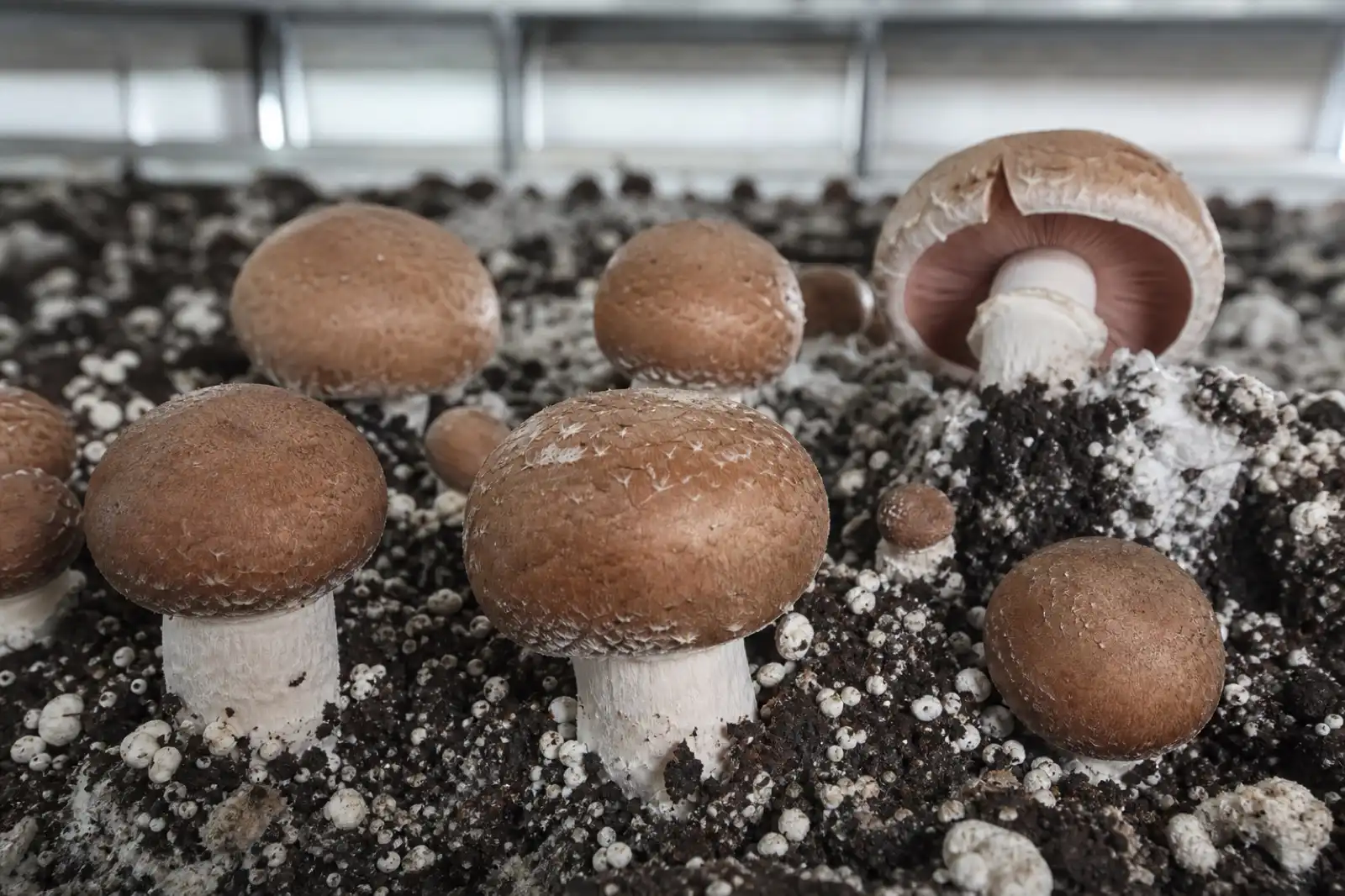
Cremini Mushrooms: Button vs. Portobello, Nutrition, and Uses
Cremini, baby bella, button, and portobello mushrooms are Agaricus bisporus market forms. Compare maturity, cooking uses, nutrition, cultivation, and safety.
recipes
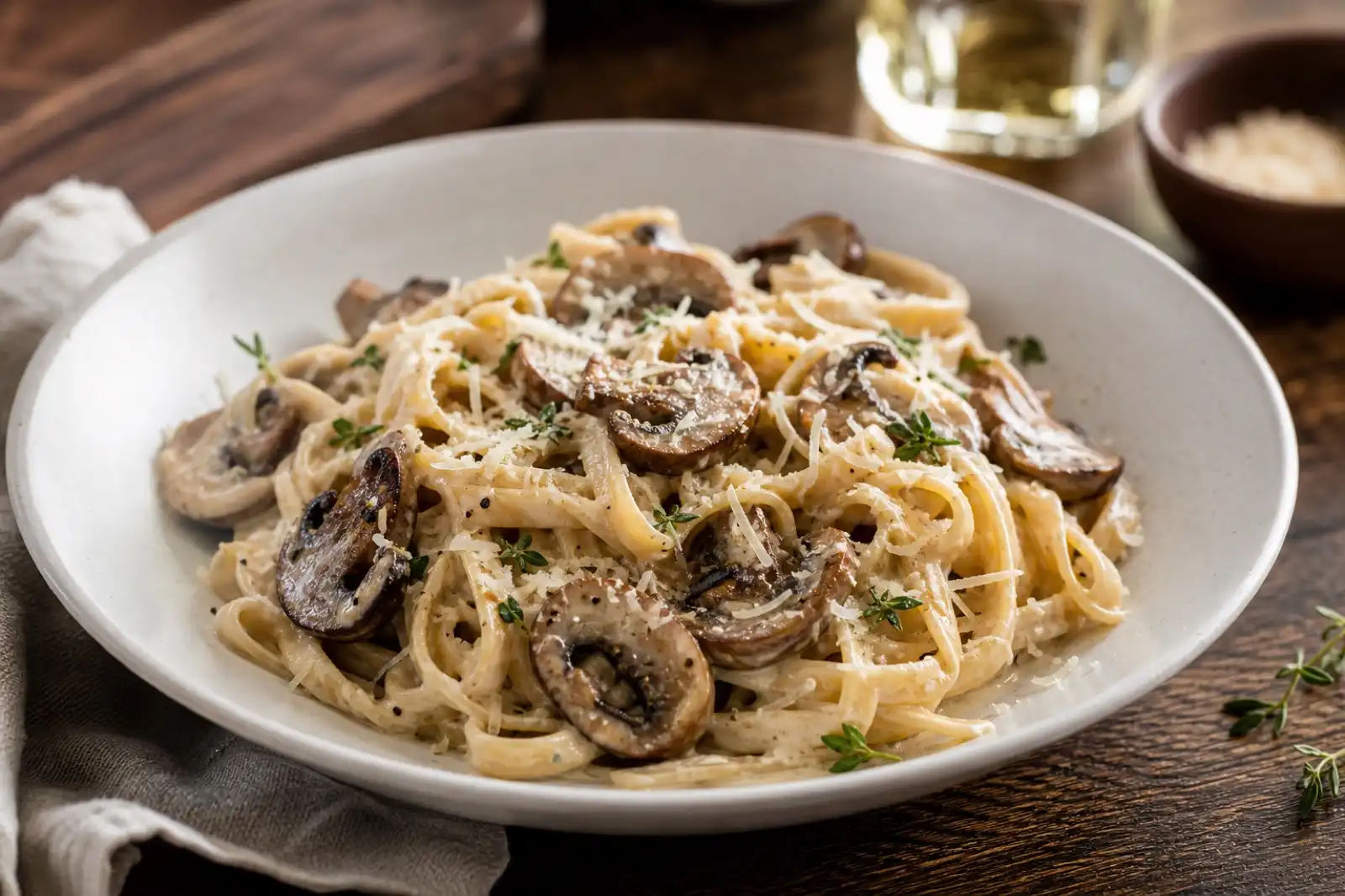
Creamy Mushroom Pasta
Make creamy mushroom pasta with cultivated cremini mushrooms, clear steps, practical substitutions, and conservative food-safety guidance.
health
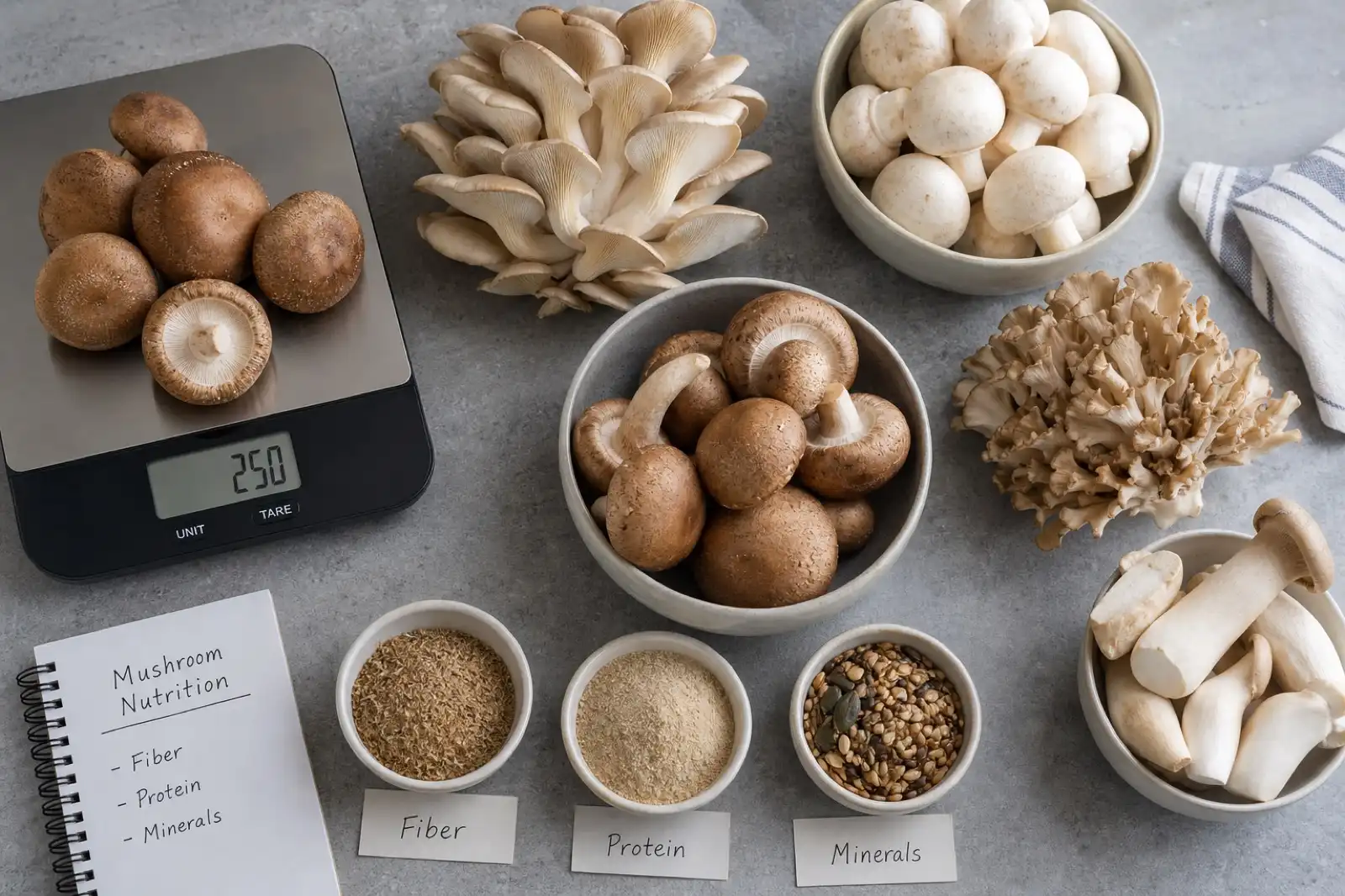
Mushroom Nutrition: Fiber, Protein, Calories, and Vitamins
Are mushrooms a source of fiber or protein? Compare calories, fiber, protein, vitamins, food forms, serving sizes, and preparation without overstating benefits.
Continue exploring
Browse more practical guides in Recipes or visit the mushroom encyclopedia.