Recipes
Wild Mushroom Pizza with Thyme and Mozzarella
Build a crisp wild mushroom pizza using verified cultivated mushrooms, pre-cooking by type, restrained cheese, high heat, and safe storage.
Food source
Cook identified edible mushrooms
Recipes assume mushrooms sold as food by a reputable supplier, not foraged specimens needing identification.
Open the recipe hub →Kitchen safety
Handle leftovers promptly
Cool leftovers in shallow containers, refrigerate promptly, and discard food held unsafely or showing spoilage.
Review preparation safety →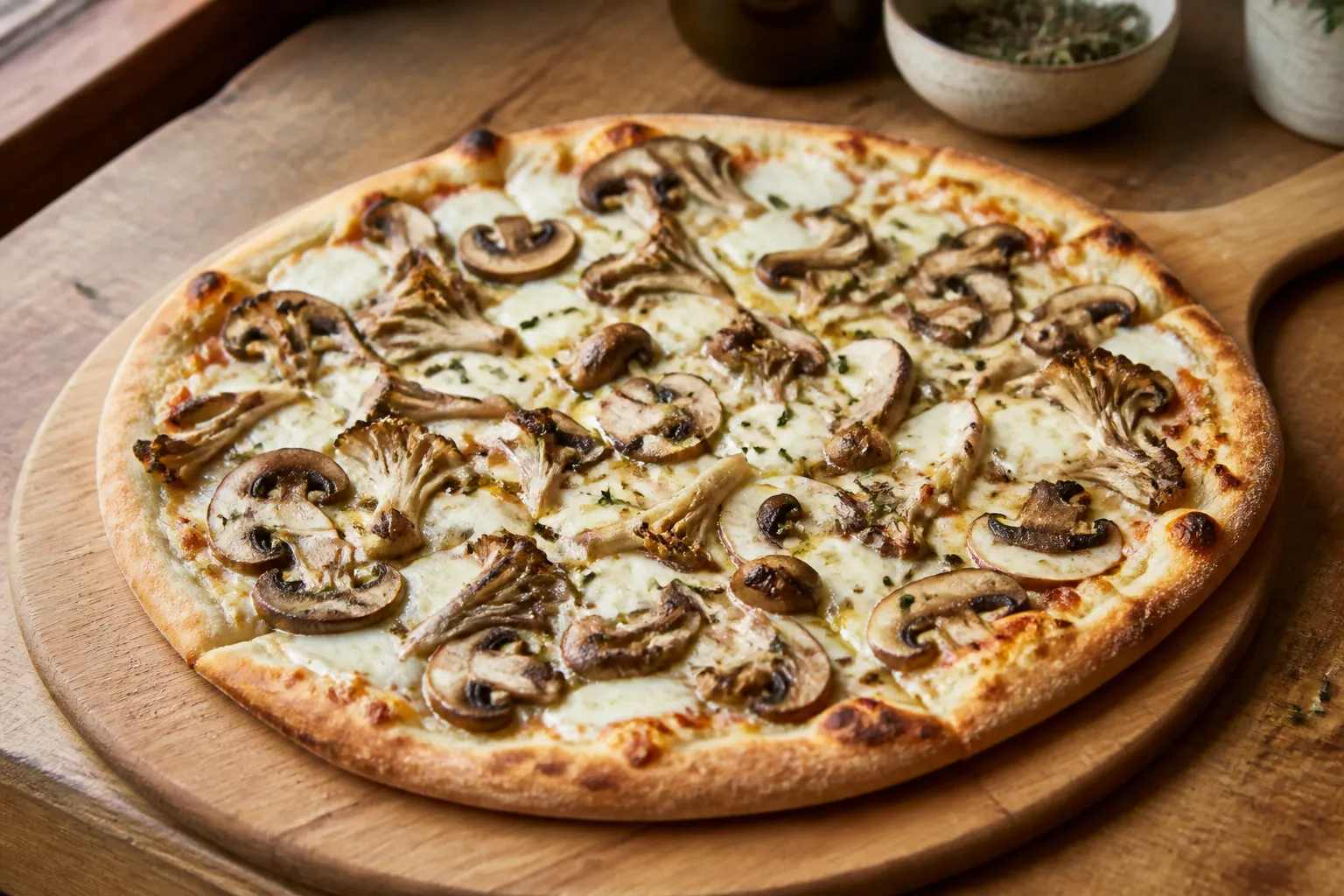
Recipe details
- Prep time
- 25 minutes
- Cook time
- 18 minutes
- Yield
- One 12-inch pizza, 3 servings
Ingredients
- 12 ounces room-temperature pizza dough
- 8 ounces mixed cultivated mushrooms: cremini, oyster, and maitake
- 1 1/2 tablespoons olive oil, divided
- 1 small garlic clove, finely grated
- 1 teaspoon fresh thyme leaves
- 3 ounces low-moisture mozzarella, shredded
- 1 tablespoon finely grated Parmesan
- 1/2 teaspoon fine salt, divided
- 1/4 teaspoon black pepper
- 1 teaspoon lemon juice
- Semolina or flour for launching
Instructions
- Heat an oven with a pizza steel, stone, or inverted heavy tray to 500°F for at least 35 minutes, or use the highest safe setting for the equipment.
- Clean and dry the verified cultivated mushrooms. Slice cremini, tear oyster mushrooms into strips, and divide maitake along its branches.
- Heat a skillet over medium-high. Cook mushrooms dry in one layer for 3 minutes, add 1 tablespoon oil, salt, and pepper, then brown 4 to 6 minutes. Finish with thyme and lemon; cool on a plate.
- Stretch dough to 12 inches on a floured surface. Transfer to a semolina-dusted peel or parchment, brush with remaining oil and garlic, and add mozzarella in a thin even layer.
- Distribute cooled mushrooms without piling and add Parmesan. Bake 7 to 10 minutes until the rim is blistered, cheese bubbles, and the base is crisp.
- Rest 2 minutes, cut, and serve.
“Wild mushroom pizza” is a culinary style, not an instruction to gather unknown fungi. Here it means a mixture of specialty mushrooms with different textures: dense cremini slices, tender oyster petals, and crisp-edged maitake. All should come from a verified commercial food source or an in-person expert determination. The pizza method solves the central technical problem—mushrooms release enough water to soften dough during a short bake—by browning them before they become toppings.
The result is a thin, crisp base with distinct mushrooms rather than a damp blanket under cheese. It uses a garlic-oil base instead of heavy tomato sauce so moisture stays controlled and the individual mushroom aromas remain clear.
The moisture budget of a mushroom pizza
Pizza dough can shed only limited water before its bottom sets. Raw mushrooms, undrained fresh mozzarella, sauce, and vegetables all compete for that capacity. If several wet toppings are piled together, steam collects between crust and cheese even in a very hot oven.
Pre-cooking moves mushroom evaporation to a skillet, where the cook can see when pooling stops. Cooling the browned pieces before assembly prevents them from steaming the raw dough. Low-moisture mozzarella adds reliable melt without the whey of fresh mozzarella. These choices are connected; fixing only one may not rescue an overloaded pizza.
Use the staged heat and uncrowded-pan cues from the sautéed mushroom method for the topping batch, then stop before the pieces are fully dry because they will cook again on the pizza.
Use verified mushrooms with complementary shapes
Cremini supplies compact slices and deep browning. Oyster mushrooms tear into irregular strips with delicate edges. Maitake contributes branched fronds that become crisp. Eight ounces total is enough to cover a 12-inch pizza after cooking without hiding the cheese and dough.
The oyster mushroom guide distinguishes the cultivated product from the broader species group, while the maitake guide explains its branching anatomy and identification limits.
Shiitake can replace cremini if the tough stems are removed. King oyster works when sliced thin and browned fully. Morels require particular caution: FDA has documented illness associated with raw or undercooked morels and advises confirming every wild-type mushroom. This recipe does not provide the long, species-specific cooking protocol needed for an uncertain morel product, so they are not the default.
“Commercially sold” and “wild” are not interchangeable assurances
Ask what species is in the package and who supplied it. A mixed box should identify its components. Discard mushrooms with slime, sour odor, colored mold, or extensive decay. A market stall, social post, or familiar common name cannot correct a mistaken identification.
If any component was personally foraged, keep it out of the pizza unless every specimen has been confirmed in person by qualified local expertise and local rules permit collection. Mixed meals make later identification harder because pieces are cut, cooked, and covered with other ingredients.
Shape each species for the same cooking window
Slice cremini about 1/4 inch thick. Thinner slices dry before the pizza bake; thicker ones retain excess water. Tear oyster caps and tender stems lengthwise into roughly one-inch strips. Divide maitake into small branch-connected fans rather than crumbs.
Uniformity does not mean identical geometry. It means each shape should need roughly the same skillet time. Put dense cremini into the pan first if slices are thick; add delicate maitake a minute later if necessary.
Clean and dry before the skillet
Brush away clean cultivation substrate and trim tough bases. FDA recommends washing produce under running water rather than using soap. If rinsing is needed, work briefly and dry well. Oyster and maitake folds can retain water, so inspect between layers.
Keep cutting boards and hands clean and separate produce from raw meat. The pizza is vegetarian as written, which also prevents animal-food drippings from complicating its cooking and safety requirements.
Preheat the baking surface long enough
An oven display reaching 500°F does not mean a heavy stone or steel has stored enough heat. Preheat for at least 35 minutes after placing the surface in the oven. Follow the equipment maker’s limits; do not place a cold stone into an already hot oven or use parchment beyond its rating.
A steel transfers heat rapidly and produces a strongly browned bottom. A stone is gentler but effective when saturated with heat. An inverted heavy sheet pan is a practical alternative. The important feature is a hot flat surface, not a branded pizza accessory.
Brown mushrooms in batches if needed
Heat a broad skillet over medium-high. Add the dry mushrooms in one layer. After about three minutes, released moisture should be visible and then begin evaporating. Add oil only after the surface is no longer swimming, season lightly, and continue until the pieces are golden.
If the pan is crowded, use two batches. One crowded batch is not faster because it spends longer steaming. Add thyme near the end so it remains aromatic and finish with lemon off heat. Spread mushrooms on a plate to cool; a bowl traps residual steam.
Stretch dough without squeezing out the rim
Use dough at room temperature so it extends without snapping back. Press from the center outward, preserving a thicker outer inch. Lift and rotate, letting gravity help, until it reaches about 12 inches. Avoid a rolling pin if you want an airy rim.
If the dough repeatedly contracts, cover it and rest ten minutes. Forcing tight gluten can tear the center. Patch a small hole by pinching clean edges together, but do not add a thick wad of raw flour.
Assemble a restrained layer
Move stretched dough to a semolina-dusted peel or parchment before topping. Brush with oil mixed with grated garlic, leaving the rim clear. Distribute shredded low-moisture mozzarella with visible gaps. Place mushrooms in one loose layer, then add a small amount of Parmesan.
Shake the peel once before launching. If the dough sticks, lift an edge and blow or scatter a little semolina underneath; do not wait several minutes while moist toppings soak into it. Parchment simplifies transfer, though the exposed bottom may brown slightly less.
Bake by visible endpoints
Depending on oven and surface, baking takes about seven to ten minutes. Rotate only if the oven browns unevenly. The rim should expand and blister, cheese should bubble with scattered brown spots, and the underside should feel crisp enough to support a lifted slice.
Do not judge only the top. Use a peel to raise an edge and inspect the base. If toppings are done but the bottom is pale, move the pizza to a lower rack briefly; if the bottom races ahead, raise the rack or reduce conductive heat next time.
Rest before cutting
Two minutes on a wire rack or wooden board allows steam to escape and cheese to settle. Cutting instantly can drag toppings across the pizza and release steam onto the crisp base. A long rest, however, cools the thin crust quickly.
Cut through the rim with a wheel or rocking knife, then wipe the blade between passes if cheese accumulates. Serve with a simple salad rather than another moist topping.
Variations with controlled water
For a tomato version, use a thin layer of well-drained crushed tomato and reduce cheese slightly. For white sauce, spread only a few tablespoons of thick béchamel. Fresh mozzarella can work if sliced, drained on towels, and used sparingly.
For vegan pizza, replace cheese with a thin white-bean puree or a modest commercial plant-based cheese. The puree must be thick; watery hummus recreates the same soggy-center problem. Finish baked pizza with arugula, but dry leaves thoroughly.
Troubleshooting the crust and topping
Wet center: toppings were too moist or dense, or the surface was not hot. Pre-cook more thoroughly and reduce topping quantity.
Burnt mushrooms before the rim: pieces were sliced too thin or piled high where the upper element hit them. Use larger pieces and even distribution.
Pale bottom: extend surface preheat, use a lower rack, or reduce insulating parchment time.
Dough sticks to peel: assembly took too long or flour beneath became wet. Prepare toppings first and launch promptly.
Tough crust: excessive bench flour, overworking, or a long low-temperature bake can contribute. Stretch gently and use the hottest safe setup.
Scaling and making two pizzas
Do not put twice the topping on one crust. Divide dough and mushrooms between two pizzas and let the oven surface recover several minutes between bakes. Reheat the skillet only if the second mushroom batch was delayed.
For a larger sheet-pan pizza, expect a thicker bread-like base and longer timing; the 12-inch formula should not be stretched across a cold full tray without adjustment.
Storage and reheating
USDA FSIS advises refrigerating cooked perishables within two hours and generally using leftovers within three to four days. Cool slices in a shallow container rather than stacking them while steaming hot, then cover once chilled enough to avoid heavy condensation.
Reheat in a skillet over medium-low with a lid for the first few minutes to warm the topping, then uncover to re-crisp the base. A preheated oven or toaster oven also works. USDA recommends reheating leftovers to 165°F when temperature verification is relevant.
Safety and editorial boundary
Cooking is not an identification method. A high-temperature pizza oven cannot make a poisonous mushroom safe, and one misidentified piece contaminates the mixed topping. Retain supplier labels when serving people who need allergen or ingredient information.
The cover is an original AI editorial illustration checked for plausible cultivated mushroom forms, restrained moisture, pizza anatomy, and no wild-foraging implication. It is not a documented kitchen test. This page provides culinary education, not clinical or dietetic advice.
Frequently asked questions
Can raw button mushrooms go directly on pizza?
They can on some high-heat pizzas when sliced thin and used sparingly, but pre-cooking provides more predictable moisture control and browning.
Is truffle oil necessary?
No. It can dominate the cultivated mushroom mixture. If used, add only a few drops after baking.
Can store-bought dough be used?
Yes. Let refrigerated dough warm until extensible and follow package handling guidance.
Why cool the cooked mushrooms?
Hot mushrooms emit steam directly onto raw dough. A brief spread on a plate sheds that vapor before assembly.
Is this recipe safe for any foraged mushroom?
No. Each species has its own identification, preparation, and toxicity issues. Use only verified food mushrooms and species-specific guidance.
References
FDA outbreak guidance supports the strong boundary around wild-type mushrooms and undercooked morels. FDA produce guidance supports cleaning and refrigeration practices. USDA FSIS supports leftover cooling, storage, and reheating. FoodData Central is the reference for ingredient-matched nutrition work. This editorial recipe has not been independently kitchen-tested; a future test should log dough weight, surface type, mushroom raw and cooked weight, oven temperature, bake time, and bottom-crust result rather than implying a result from the cover image.
- U.S. Food and Drug Administration. Investigation of Illnesses: Morel Mushrooms. Supports the warning about raw or undercooked morels and the need for verified mushroom identity.
- U.S. Food and Drug Administration. Selecting and Serving Produce Safely. Supports produce washing, separation and refrigeration practices.
- USDA Food Safety and Inspection Service. Leftovers and Food Safety. Supports the two-hour refrigeration, three-to-four-day storage and reheating guidance.
- U.S. Department of Agriculture. FoodData Central. Reference for future ingredient-matched nutrition calculations; no nutrient claim is inferred from the cover image.
Editorial status: reviewed by the MushroomScope editorial team on September 11, 2026; no named chef or test kitchen independently validated this recipe.
Source quality notes
MushroomScope cites sources that match the page scope, such as taxonomic databases, extension guidance, food-safety agencies, food-composition databases, and peer-reviewed or institutional health references. Sources support context and uncertainty; they do not turn an online page into specimen identification, medical advice, or a tested recipe record.
Frequently asked questions
Should mushrooms be cooked before going on pizza?
Usually yes. A brief skillet cook removes substantial moisture and begins browning, reducing the chance of a wet center during the pizza's short bake.
Which mushrooms work well on mixed mushroom pizza?
Verified cultivated cremini, oyster, shiitake, and maitake provide contrasting shapes and textures. Use only mushrooms sold or professionally confirmed as food.
Why is mushroom pizza sometimes watery?
Raw wet mushrooms, crowded toppings, fresh mozzarella that was not drained, cool baking surfaces, and too much sauce can all release more water than the crust can shed.
Can this pizza be made without cheese?
Yes. Use a thin layer of white-bean puree or olive oil and garlic, keep the mushrooms pre-cooked, and avoid adding excess moist toppings.
How should leftover mushroom pizza be reheated?
Refrigerate promptly, then reheat slices in a covered skillet followed by an uncovered minute, or on a preheated tray, until hot throughout.
Related guides
recipes
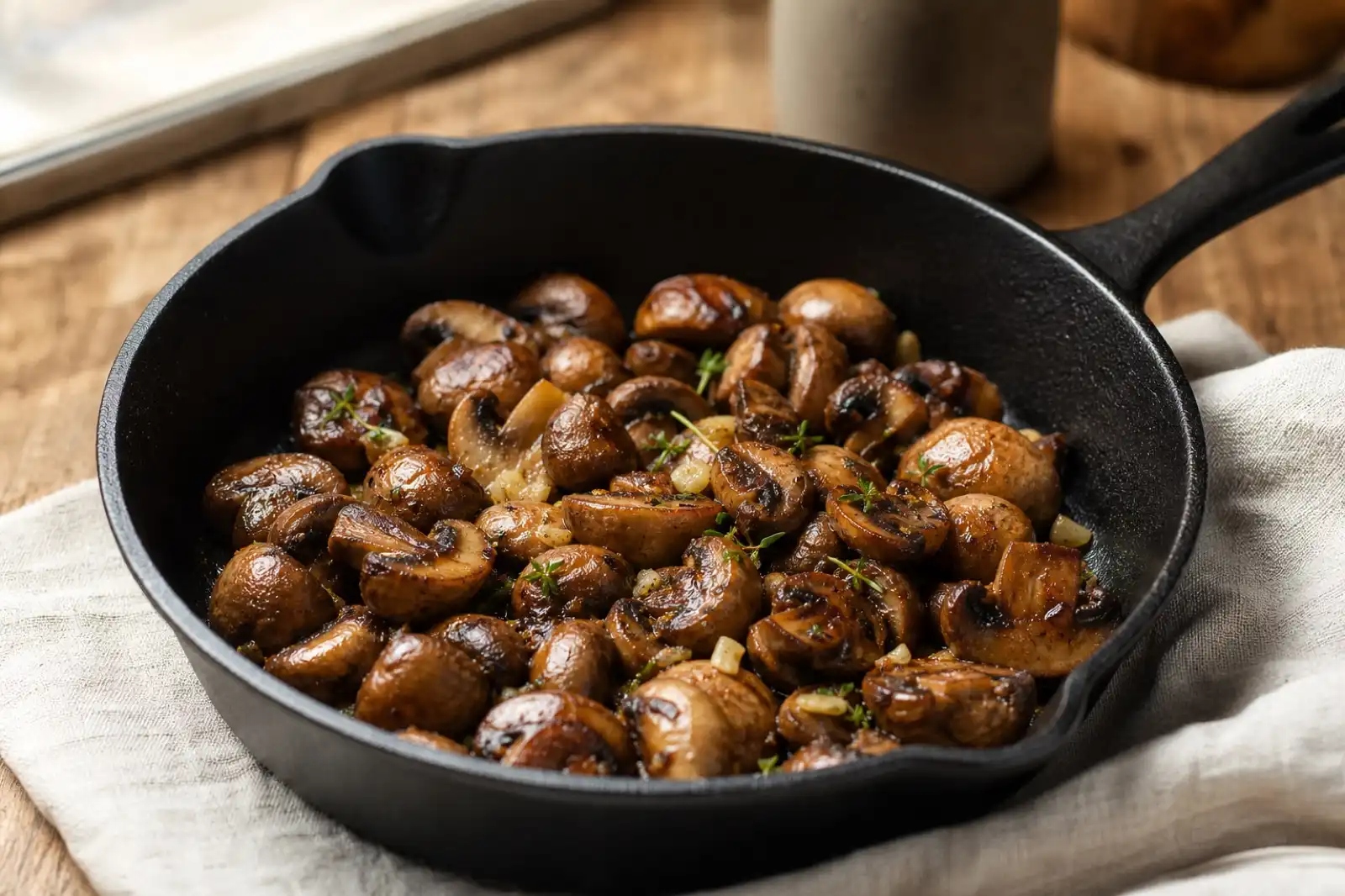
Easy Sautéed Mushrooms with Garlic and Herbs
Sauté cremini mushrooms with garlic and herbs using a wide-pan method, clear batch sizes, realistic timing, and safe storage advice.
mushrooms
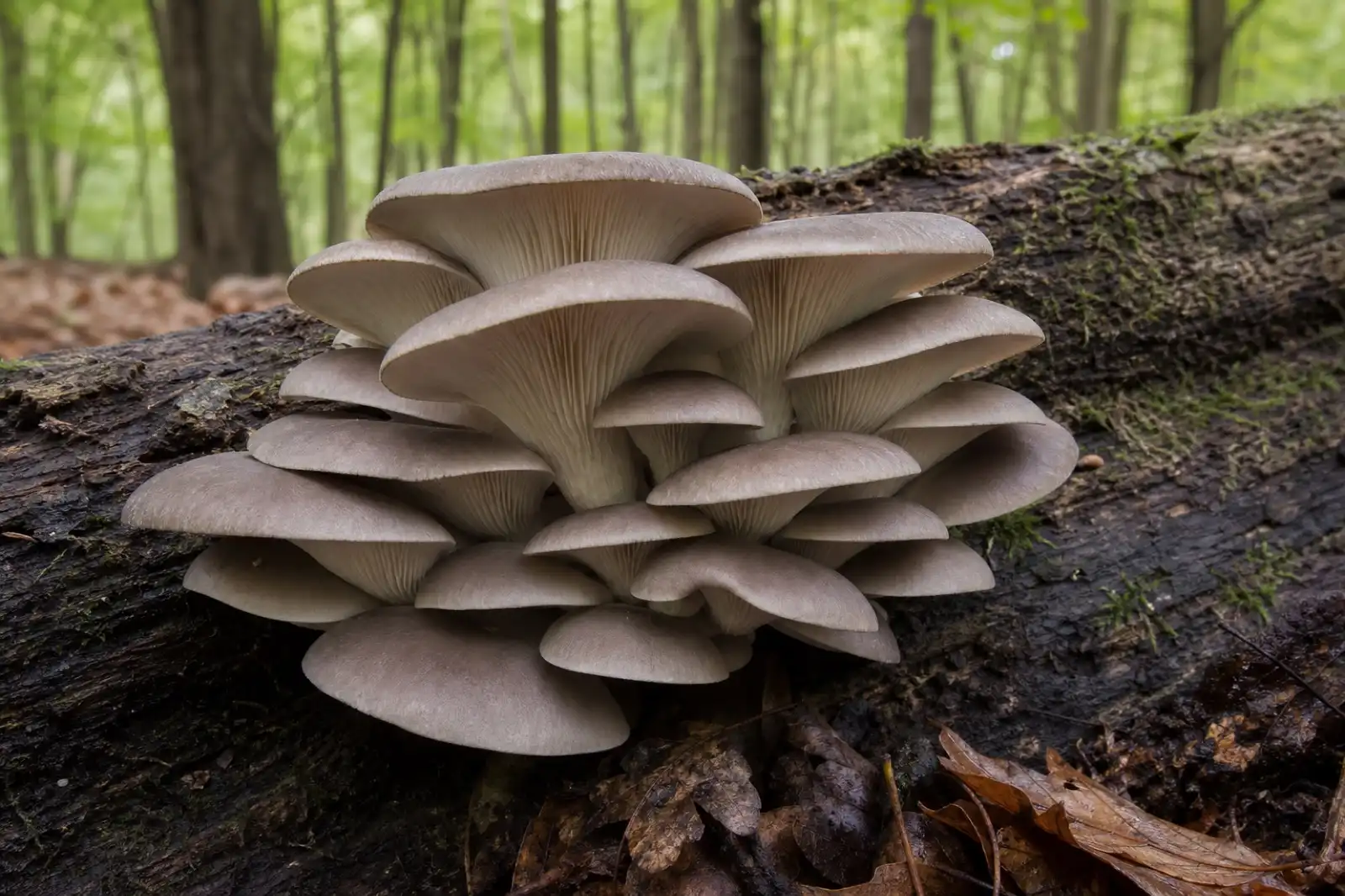
Pleurotus ostreatus: Oyster Mushroom Identification and Growing Guide
A careful guide to Pleurotus ostreatus identification, habitat, home cultivation, nutrition, lookalikes, food safety, and research limitations.
mushrooms
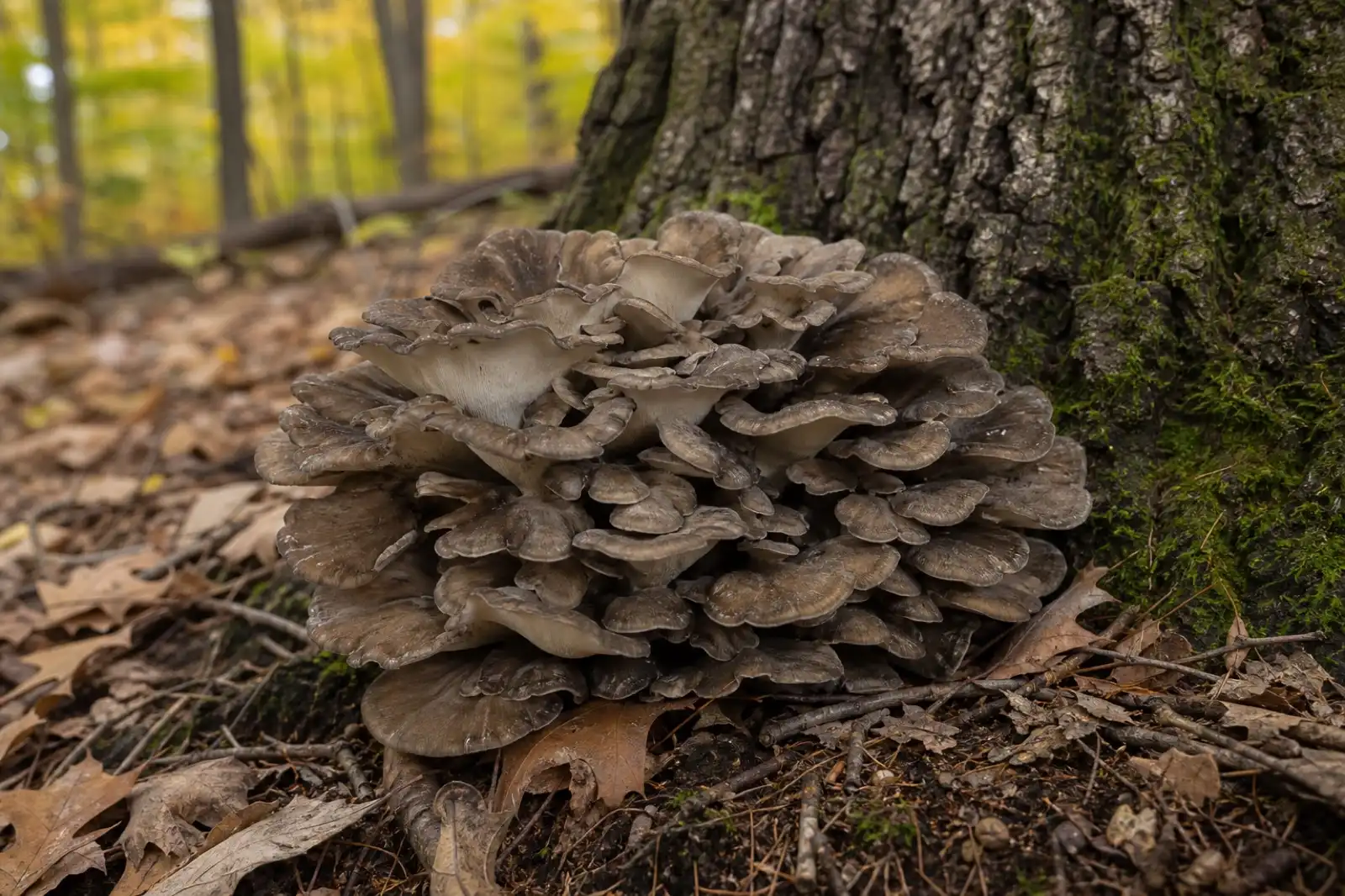
Grifola frondosa: Maitake or Hen-of-the-Woods Guide
Explore Grifola frondosa identification, oak-associated habitat, cultivation, nutrition, lookalikes, supplement evidence, cooking safety, and FAQs.
Continue exploring
Browse more practical guides in Recipes or visit the mushroom encyclopedia.