Health
Mushrooms and Gut Health: Fiber, Prebiotics, and Evidence
Review mushrooms and gut health through fiber, prebiotic research, evidence limits, tolerance issues, and practical food guidance.
By MushroomScope Editorial Team · · Updated · Editorially reviewed
Evidence context
Food, extracts, and supplements differ
Health conclusions depend on species, fungal part, preparation, dose, population, and measured outcome.
Open the nutrition evidence hub →Medical limit
Educational, not medical advice
Do not delay diagnosis or replace prescribed care with mushroom foods or supplements.
Read the editorial policy →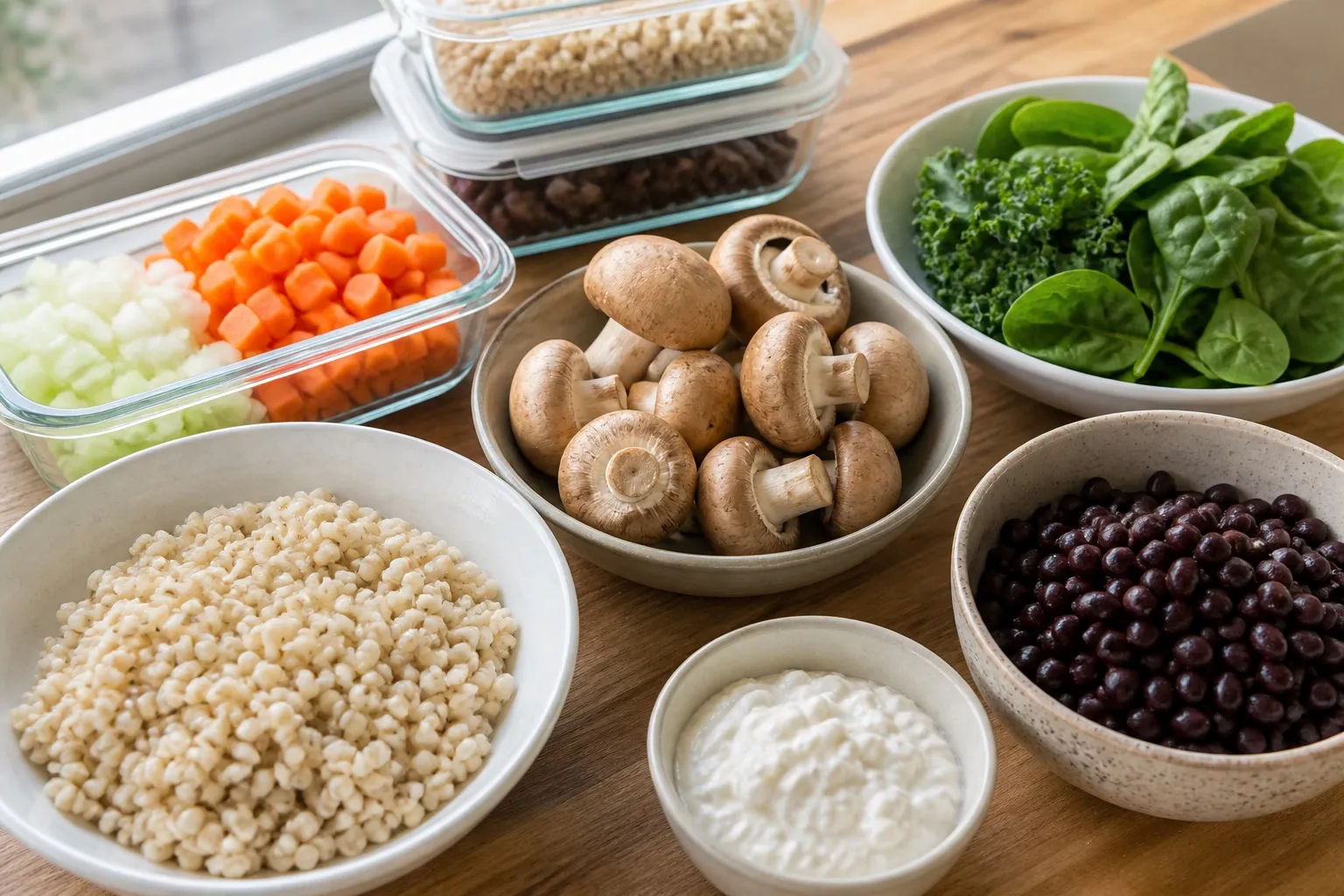
Key takeaways
Mushrooms can contribute fiber and fungal polysaccharides to meals, and those compounds make them relevant to gut-health research. The careful claim is modest: mushrooms can be part of a fiber-containing diet, but they are not a proven treatment for digestive disorders.
The gut microbiome is affected by the whole diet, medicines, illness, sleep, stress, and many other factors. A mushroom food or supplement should not be judged from one isolated mechanism or one small study.
What mushrooms contribute
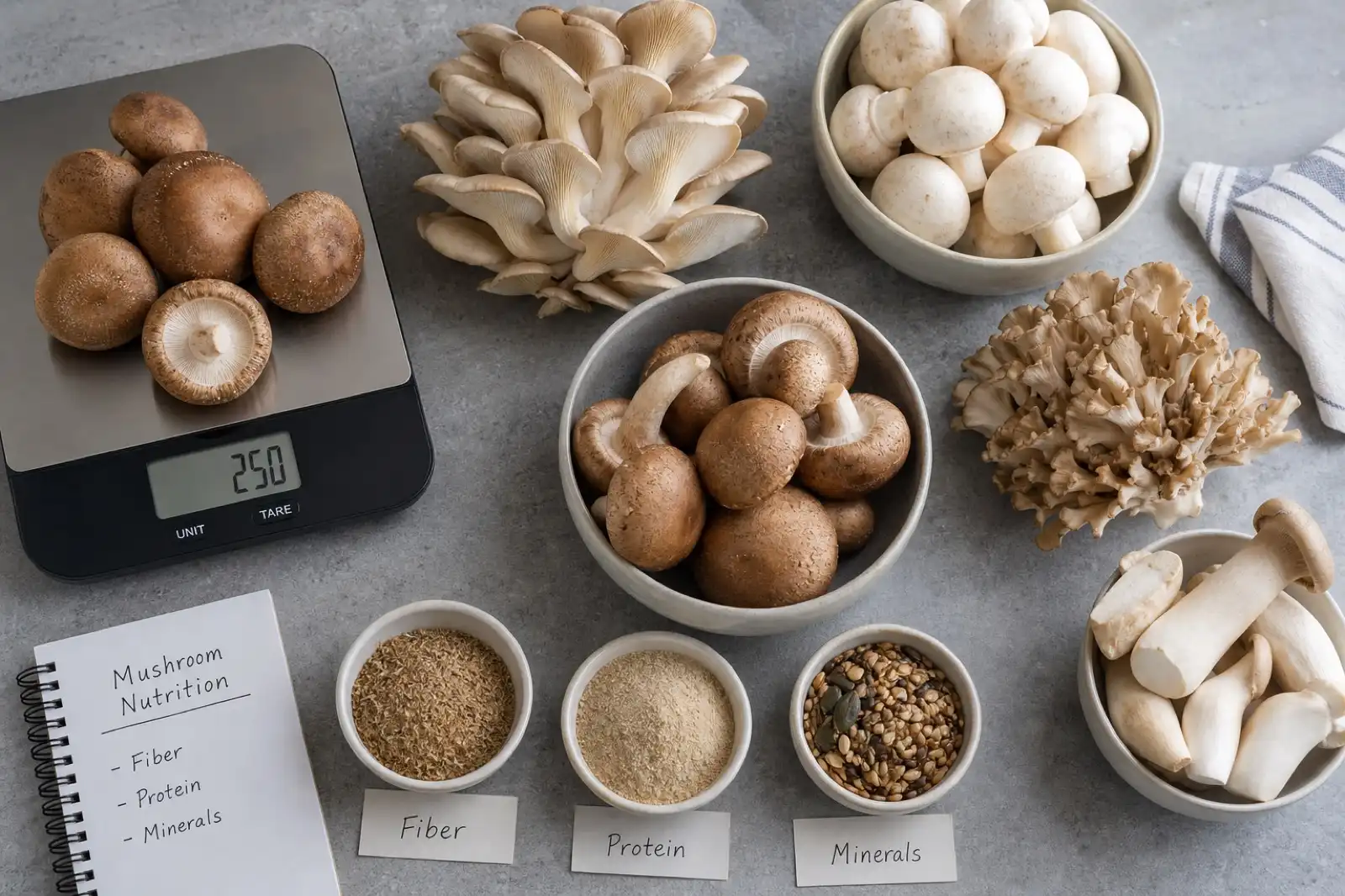
Many edible mushrooms contain water, modest fiber, minerals, B vitamins, and cell-wall compounds such as beta-glucans and chitin-related materials. USDA FoodData Central gives representative nutrient values, but composition changes with species, substrate, maturity, storage, and cooking.
Fiber matters because it can change stool bulk, fermentation, and the diet available to gut microbes. That does not mean every mushroom serving produces a measurable clinical benefit. Serving size, preparation, baseline diet, and individual tolerance all change the result.
Why gut-health evidence is hard to simplify
Gut-health claims can sound simple, but the underlying science is unusually complex. The gut microbiome is not one organ with one target value. It is a changing ecosystem influenced by habitual diet, recent meals, antibiotics, infections, sleep, stress, age, geography, medical conditions, and many other exposures. A mushroom food enters that system as one variable among many.
This is why a single study about a mushroom compound should not be stretched into a universal promise. A lab fermentation model may show that microbes can use a carbohydrate. An animal study may show a change in a controlled setting. A human trial may use a particular extract, dose, duration, and participant group. Those findings are interesting, but they do not automatically predict how a bowl of mushroom soup will affect a person with irritable bowel symptoms, inflammatory bowel disease, food allergies, or no digestive symptoms at all.
For readers, the useful question is not “Are mushrooms good for the microbiome?” in the abstract. A better question is: “Can identified edible mushrooms help me build a varied, fiber-containing diet that I tolerate well?” That question keeps the focus on real meals and personal safety.
Evidence limits
Laboratory fermentation studies, animal studies, and human trials answer different questions. A compound that feeds microbes in a lab does not automatically improve symptoms in people. A supplement trial does not automatically describe a soup, stir-fry, or dried mushroom powder.
Look for studies that define the species, fungal part, extraction method, dose, duration, participant group, comparison, and measured outcome. Broad phrases such as “supports gut health” are too vague to guide care by themselves.
Practical food use
For everyday meals, use identified edible mushrooms from reputable suppliers. Cook them in soups, grain bowls, omelets, pasta, or stir-fries where they add flavor and texture alongside legumes, vegetables, whole grains, and other fiber sources. See the mushroom nutrition guide for food-composition context.
People with irritable bowel symptoms, known mushroom intolerance, or a history of food reactions may need smaller portions or professional guidance. Introduce new mushroom foods gradually if you already know your digestion is sensitive.
How to interpret “prebiotic” claims
A careful prebiotic claim should name the ingredient, dose, population, duration, and measured outcome. Many mushroom articles skip those details and move straight from “contains polysaccharides” to “improves gut health.” That jump is too large. A compound can be fermentable or biologically active without proving symptom relief, disease prevention, or a predictable microbiome change for every reader.
For practical eating, the better question is whether mushrooms help you build a more varied, fiber-containing plate. If mushrooms replace a low-fiber, highly processed component and help you eat more vegetables, legumes, or whole grains, they may support a healthier dietary pattern. That is different from saying mushrooms alone are a gut-health intervention.
Tolerance and portion size
Gut-friendly foods are still individual. A small serving of cooked mushrooms may be comfortable for one person and unpleasant for another. Texture, fat level, garlic, onion, wheat, dairy, or spicy sauces in the same meal can also be the true trigger, so avoid blaming or crediting the mushroom without looking at the whole dish.
If you are experimenting, start with a modest portion of one familiar cultivated mushroom, cooked simply, and note your response. Do not introduce several new mushroom foods or supplements at once. People with persistent abdominal pain, blood in stool, unexplained weight loss, fever, or recurring severe symptoms should seek medical care rather than self-testing foods. Intentional weight questions require a different evidence frame; the mushrooms and weight-management review focuses on substitution, energy density and realistic follow-up without presenting mushrooms as treatment.
Building a gut-aware mushroom meal
A gut-aware mushroom meal starts with a known edible mushroom and a simple preparation. Cooked cremini mushrooms with rice, cooked greens, and a small amount of olive oil is easier to interpret than a dish that also contains cream, wheat pasta, garlic, onion, wine, chili, and several new spices. If the goal is to learn tolerance, reduce the number of new variables.
Once tolerance is clear, mushrooms can fit into higher-fiber meals. Add them to lentil soup, barley bowls, tofu stir-fries, omelets with vegetables, or baked potatoes with beans. These meals provide broader dietary fiber rather than asking mushrooms to carry the whole gut-health claim.
For people who already eat little fiber, a sudden jump can cause gas or bloating even when the foods are nutritious. Increase fiber-containing foods gradually, drink fluids according to your needs, and consider professional guidance if you have a diagnosed digestive condition.
Cooking and digestibility
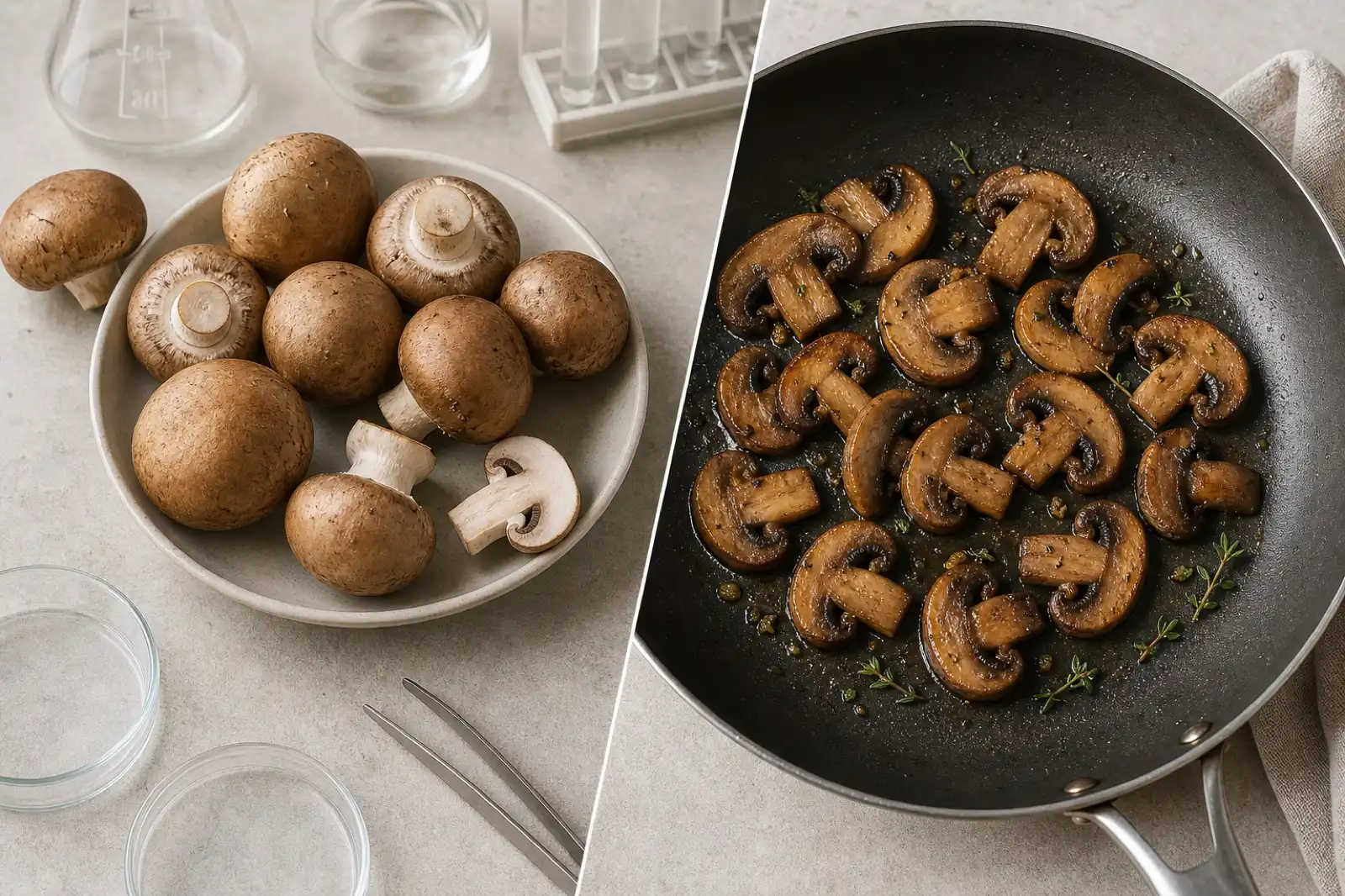
Cooking changes mushrooms in practical ways. It reduces volume, softens texture, concentrates flavor, and makes them easier to combine with other foods. It also supports safer produce handling when mushrooms are cooked thoroughly as part of a meal. Raw mushroom use is not automatically superior for gut health.
Different preparations can change tolerance. Deep-fried mushrooms may bother someone because of fat load rather than mushroom fiber. A creamy mushroom dish may cause symptoms because of dairy. A garlic-heavy recipe may be difficult for some people independent of the mushroom. Keeping a simple food note can prevent false conclusions.
If leftovers are involved, handle them as perishable food. Cool cooked mushrooms promptly, refrigerate them, and discard food held unsafely or showing spoilage. Digestive safety is not only about microbiome claims; it is also about ordinary food handling.
Supplement cautions
Mushroom powders and extracts can differ from whole foods. They may use fruiting body, mycelium, grain-grown material, hot-water extract, alcohol extract, or blends. FDA supplement regulation is different from drug approval, so label claims should be checked carefully.
Bring the exact product label to a clinician or pharmacist if you are pregnant, breastfeeding, immunocompromised, taking prescription medicines, or managing chronic digestive disease.
How to evaluate mushroom powders
If you are considering a powder or extract, look beyond the front label. Check whether the product names the scientific species, the fungal part used, the extraction method, the serving size, third-party testing, allergen information, and contaminant testing. A vague “mushroom blend” is harder to evaluate than a transparent product.
Also distinguish symptom goals from wellness language. “Supports digestion” may not mean the product has been shown to reduce bloating, constipation, diarrhea, pain, or disease activity. NCCIH notes that supplement evidence varies widely and that products sold online may differ from those studied. That caution is especially relevant for digestive symptoms, where self-treatment can delay diagnosis.
Do not combine several gut-health supplements at once if you are trying to learn what helps or harms. Introduce only one change at a time, and stop using a product if it clearly worsens symptoms or causes allergic-type reactions.
Reader bottom line
Mushrooms can be a useful part of a gut-aware diet because they add fiber-containing fungal foods to meals. The best evidence-based framing is modest: they can contribute to dietary variety and may be relevant to prebiotic research, but they are not a proven cure for digestive disorders.
Use them as food first, keep portions realistic, cook and store them safely, and treat supplements with a higher level of scrutiny. If symptoms are severe, persistent, or unexplained, medical evaluation matters more than experimenting with mushroom products.
Frequently asked questions
Do mushrooms contain prebiotic fiber?
They contain fibers and polysaccharides that can be relevant to prebiotic research, but a food containing a candidate compound is not the same as a proven therapy.
Are cooked mushrooms still useful for gut health?
Yes, cooked mushrooms can still contribute food fiber and nutrients. Cooking also improves culinary texture and supports safer produce handling. See cooked vs. raw mushrooms.
Can mushrooms cause digestive symptoms?
Yes. Some people experience gas, bloating, nausea, allergy, or intolerance. Stop eating a suspect food and seek care for severe or persistent symptoms. The mushroom allergy and reaction guide separates urgent allergic signs, foodborne illness, wild-mushroom exposure, and a non-emergency symptom record for a clinician.
Separate digestive symptoms from microbiome claims
A microbiome composition change is not automatically a health benefit, and stool sequencing results depend on collection, analysis, diet, medicines, and many other factors. Record symptoms and clinically meaningful outcomes separately. People with persistent pain, bleeding, weight loss, fever, dehydration, or severe symptoms should seek medical assessment rather than self-treating with mushroom powders.
Keep food and supplement questions separate
A serving of cooked cultivated mushrooms, a purified beta-glucan, a whole powder, and a multi-species extract expose the gut to different materials and doses. Evidence from one cannot be assigned automatically to another. Record preparation and product identity before comparing symptoms or microbiome studies.
References
- USDA. FoodData Central.
- NIH Office of Dietary Supplements. Dietary Fiber.
- FDA. Dietary Supplements.
Source quality notes
MushroomScope cites sources that match the page scope, such as taxonomic databases, extension guidance, food-safety agencies, food-composition databases, and peer-reviewed or institutional health references. Sources support context and uncertainty; they do not turn an online page into specimen identification, medical advice, or a tested recipe record.
Frequently asked questions
Are mushrooms proven prebiotics?
Mushrooms contain fibers and polysaccharides that are biologically plausible prebiotic candidates, but clinical effects depend on species, dose, preparation, and study design.
Can mushrooms fix bloating or digestion problems?
No. Digestive symptoms need individualized evaluation when persistent or severe. Mushrooms may bother some people, especially in large servings.
Are mushroom supplements better than eating mushrooms?
Not automatically. Supplements vary in identity, dose, testing, and evidence, while whole mushrooms provide food texture, flavor, and nutrients.
Related guides
health
Mushroom Nutrition: Fiber, Protein, Calories, and Vitamins
Are mushrooms a source of fiber or protein? Compare calories, fiber, protein, vitamins, food forms, serving sizes, and preparation without overstating benefits.
health
Mushroom Beta-Glucans: Evidence, Sources, and Limits
Fungal beta-glucans differ in structure, source, dose, and preparation; evidence for one purified product cannot validate every mushroom food or supplement.
health
Cooked vs. Raw Mushrooms: Nutrition and Safety
Cooking changes water content, texture, digestibility, and measured nutrient concentration; it also supports safer produce handling.
Continue exploring
Browse more practical guides in Health or visit the mushroom encyclopedia.