Mushroom Encyclopedia
Auricularia heimuer: Wood Ear Mushroom Species Guide
A practical guide to Auricularia heimuer identification, wood-decay ecology, log and bag cultivation, nutrition, rehydration safety, and FAQs.
By MushroomScope Editorial Team · · Updated
Species context
Treat profiles as reference material
Species profiles summarize documented traits, taxonomy, and lookalikes, but natural variation can be substantial.
Use the safety checklist →Decision limit
A profile cannot authenticate a specimen
Do not eat a wild mushroom from an online match, single feature, or generated image.
Read the safety disclaimer →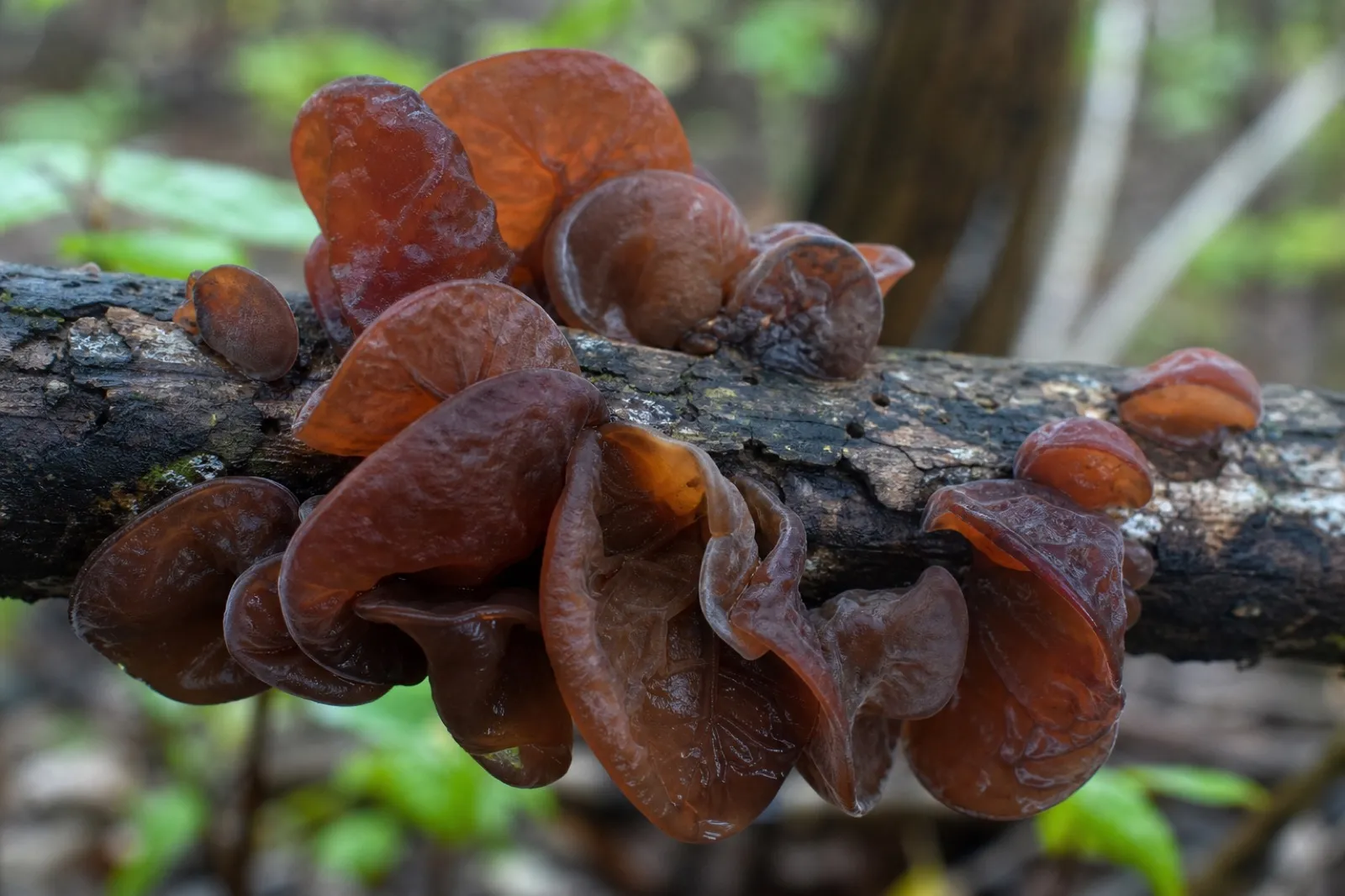
Quick facts
- Scientific name
- Auricularia heimuer
- Common names
- wood ear, black wood ear, hei mu er
- Taxonomy
- Auricularia · Auriculariaceae
- Edibility context
- Edible: Widely used cooked for its crisp-gelatinous texture; dried products require clean rehydration and cooking.
- Spore print
- White.
- Toxicity context
- None Known: No characteristic poisoning syndrome is recognized for properly handled cultivated wood ear, but species identity, contamination, allergy, and storage matter.
- Season
- April, May, June, July, August, September, October
- Growing difficulty
- Moderate
- Regions
- China and East Asia, cultivated worldwide, related Auricularia species occur globally
Safety limit: These labels summarize documented context; they never authenticate a wild specimen. Cooking does not make a poisonous species safe.
Introduction
Auricularia heimuer is one of several Auricularia fungi sold as wood ear. It is an important cultivated species in China and international trade, but packaging may simply say black fungus or wood ear. Modern DNA-based studies have shown why the old practice of calling nearly every ear-shaped specimen A. auricula-judae is inaccurate.
This page follows A. heimuer rather than using “wood ear” as if it named one worldwide species. That distinction matters in search results, groceries, cultivation literature, and field records: the same English market label can cover different Auricularia, while older papers may use A. auricula-judae or another broad name for Chinese material. The page is a species account, not remote identification or medical advice.
For packaged material, copy the scientific name exactly as printed, then record producer, origin, lot, whether the ears were fresh or dried, and any strain name. For a wild collection, photograph both surfaces, the lateral attachment, and the hardwood before removing anything. Preserve several ears in different hydration states because surface hair, thickness, color, and shape change markedly as an ear dries. Do not taste an unidentified collection.
Identification
A. heimuer produces thin brown to blackish ears attached laterally to wood. One surface is generally smooth to wrinkled and the other finely hairy. Fresh tissue is flexible and gelatinous; drying makes it hard and compact, and soaking restores much of its texture. Species-level identification within Auricularia may require hair measurements, spores, geography, substrate, and DNA rather than shape alone.
Macroscopic characters
- Cap or upper surface: Ear- or cup-shaped, brown to nearly black, with a finely hairy outer surface and smooth inner surface.
- Fertile surface: The smooth to slightly wrinkled inner surface bears the fertile tissue; there are no gills or pores.
- Stem or attachment: Usually absent or reduced to a short lateral attachment.
- Flesh: Thin, rubbery-gelatinous when fresh, hard and shrunken when dry, returning to a flexible texture after soaking.
- Spore print: White.
Measure several ears across their widest point and record fresh thickness near the attachment and margin. In natural light, photograph the smooth fertile surface separately from the finely hairy outer surface; backlighting can reveal translucence but can also exaggerate color. A white spore deposit supports placement among pale-spored jelly fungi, yet species separation may still require hair and spore measurements or sequence data. A dry fragment paired with the field notes is more useful than photographs alone.
Similar species
- Auricularia auricula-judae: A European-centered name historically applied broadly; geography and molecular evidence have clarified multiple species.
- Auricularia cornea: Another cultivated and tropical-subtropical Auricularia whose market name may overlap.
- Exidia species: Jelly fungi that are usually more irregular or cushion-like rather than distinctly ear-shaped.
The practical comparison begins with structure. A. cornea can share the food label and is especially relevant to warm-region products; European records are more likely to use A. auricula-judae in its narrower sense. Exidia usually forms brainlike, cushionlike, or irregular masses without the same paired smooth and hairy ear surfaces. Geography narrows the candidate set but cannot replace microscopic or molecular evidence. Consumption decisions require known cultivated provenance or examination by a qualified local identifier.
Scientific Classification
| Rank | Name |
|---|---|
| Kingdom | Fungi |
| Phylum | Basidiomycota |
| Class | Agaricomycetes |
| Order | Auriculariales |
| Family | Auriculariaceae |
| Genus | Auricularia |
| Species | Auricularia heimuer |
The name A. heimuer was established for the major Chinese cultivated black wood ear after phylogenetic work separated it from the European-centered A. auricula-judae concept. A 2022 cultivation review treats A. heimuer as a distinct Chinese production species and illustrates how historical naming complicates literature searches. When citing an experiment, retain the organism name, strain or voucher, and accession reported by the authors; do not relabel ambiguous “A. auricula” material after the fact.
Habitat
The fungus decomposes hardwood. Farms use inoculated logs or prepared sawdust bags, maintaining warmth and moisture for colonization and shifting conditions for ear formation. Because fresh ears hold abundant water, post-harvest hygiene and drying are crucial. Wild populations respond rapidly to rain and may dry in place, later rehydrating when wet.
Known range represented here: China and East Asia, cultivated worldwide, related Auricularia species occur globally. Typical substrates: hardwood logs, sterilized sawdust bags, dead hardwood branches. Wild fruiting follows moist weather in suitable climates; cultivation is scheduled across the year.
For a possible A. heimuer record, “on wood” is insufficient. Record the tree if it can be identified independently, whether the branch is dead, weakened, standing, or fallen, bark condition, diameter, and how much of the wood is shaded. Photograph ears emerging along cracks or wounds before rain alters them. East Asian occurrence and hardwood association support context; neither proves a species because several Auricularia share the same decay niche.
Collect only where permitted and retain the host evidence. A useful voucher pairs a small mature ear with a field number, date, coordinates kept at an appropriate privacy level, host notes, and images of both surfaces. Dry it promptly rather than sealing wet jelly tissue in plastic, where decomposition can erase the very texture and surface characters being documented. Leave enough material for continued observation and spore production.
Growing Guide
Use authenticated spawn intended for the local production method. Outdoor logs require suitable hardwood, shaded placement, and a long colonization period. Bag systems are faster but need pasteurized or sterilized substrate, clean inoculation, filtered gas exchange, and controlled fruiting slits. Provide humidity without stagnant water and enough fresh air. Harvest before ears become overmature, then refrigerate fresh product or dry it rapidly and completely.
A safe cultivation workflow
- Choose verified material. Buy spawn or a fruiting block from a specialist supplier that identifies the culture and provides strain-specific parameters.
- Match the substrate. Use hardwood logs or sterilized sawdust bags only through a proven recipe. Moisture and heat treatment must suit the method.
- Separate clean and dirty work. Clean tools and surfaces, wash hands, label every batch, and keep finished fruiting areas away from substrate preparation waste.
- Monitor colonization. Healthy appearance depends on the species and culture. Do not assume every white growth is the intended fungus; odor and unexpected pigments are warning signs.
- Initiate fruiting deliberately. Temperature, humidity, light, oxygen, and carbon dioxide interact. Follow the culture supplier rather than copying one universal number.
- Harvest and cool promptly. Use clean tools, avoid saturating fruit bodies, refrigerate culinary crops, and document yield and abnormalities.
Cultivation records should identify the A. heimuer culture, spawn lot, hardwood formulation, dry and wet weights, heat-treatment cycle, inoculation date, slit pattern, room position, and each flush. The mushroom batch-record guide shows how to preserve parent-child links from culture through harvest. Reject chemically treated wood and isolate bags with unexpected colors, odors, or fruit bodies; resemblance to the intended ear crop does not authenticate a contaminated batch.
Separate log and bag decisions
Log cultivation and supplemented-sawdust bags are not interchangeable versions of one recipe. Logs trade speed and environmental control for a durable outdoor substrate; species of tree, bark condition, cutting date, log diameter, inoculation pattern, shade, and rainfall all influence colonization. Bag production gives tighter control but increases the importance of moisture measurement, heat treatment, filtered gas exchange, clean inoculation, fruiting cuts, and rapid post-harvest handling. A grower should choose one documented system and record its variables instead of combining convenient steps from both.
Ear formation also responds to the boundary layer at the bag or log surface. High humidity without adequate air movement can leave wet, weak tissue; excessive drying can harden young ears before they expand. Because room sensors describe air rather than the microclimate at the fruit body, observe surface condensation, ear texture, edge growth, and drying rate alongside instrument readings. Change one control at a time and keep an untreated comparison when practical.
Distinguishing the wood-ear market from a species name
“Wood ear,” “black fungus,” and related market terms can refer to more than one Auricularia species. A. heimuer is a major cultivated species, especially in East Asian production, while A. cornea is important in warmer regions and commerce. Historical use of A. auricula-judae as a broad label further complicates older books and datasets. The correct editorial practice is to report a package or study’s stated organism and not silently convert every wood-ear result into evidence about A. heimuer.
This boundary also keeps a future cloud-ear species account from competing with this page. This guide centers A. heimuer, temperate hardwood context, black-wood-ear trade naming, cultivation systems, rehydration, and cooking behavior. A cloud-ear guide would need to center A. cornea, tropical-subtropical distribution, its own microscopic and hair-character limits, and the regional ambiguity of its common names. Similar appearance is a reason for explicit comparison, not for canonical consolidation.
Why rehydrated wood ear stays crisp
Dried wood ear does not behave like a dried gilled mushroom that becomes soft and broth-like. Its thin gelatinous tissue collapses during drying and regains water when soaked, producing a springy, crisp-gelatinous texture. That physical behavior explains why it works in stir-fries, soups, and dressed dishes: the ingredient contributes surface area and bite more than a strong mushroom aroma.
For even texture, cover dried pieces generously with clean water and allow room for expansion. Refrigerate a prolonged soak rather than leaving it warm, then drain, rinse away debris, trim hard attachment points, and cook. Do not treat soaking liquid as stock by default; it can contain debris and is not equivalent to a carefully prepared culinary mushroom broth. The cooked-versus-raw guide explains why processing choices must be matched to the actual food and safety question.
In a stir-fry, add rehydrated pieces early enough to heat through but not so early that they lose all snap. Broad pieces can be torn or sliced for more consistent heating. Pairing them with the mushroom fried rice method works best when excess soaking water is removed before the ingredient reaches the hot pan; otherwise the rice steams and clumps.
Evidence boundary and editorial status
Composition papers on polysaccharides or extracts do not establish that a normal serving prevents thrombosis, lowers glucose, treats cancer, or replaces medication. Species identity, extraction solvent, dose, comparator, and human outcome must all match before a claim can travel from one study to a consumer conclusion. This page therefore treats wood ear primarily as a cultivated food and decomposer, with research context clearly separated from clinical advice.
No named clinician or mycologist has reviewed this guide. Its status is editorial: taxonomy is cross-checked against current databases, food handling is bounded by public-health guidance, and uncertain identification is referred to local expertise. Readers taking anticoagulants, preparing for surgery, or considering concentrated extracts should discuss the actual product and dose with a qualified clinician rather than extrapolating from a culinary serving.
Health Benefits
Wood ear adds fiber and texture to soups, stir-fries, and salads that are subsequently cooked. Laboratory reports about polysaccharides, anticoagulant activity, lipids, or glucose are not a basis for self-treatment. Dried and fresh nutrition figures cannot be compared gram for gram without accounting for water. Concentrated extracts may have pharmacology and quality-control issues unlike a normal culinary portion.
The most defensible nutrition statement depends on the product form. One hundred grams of dried wood ear is mostly a dry ingredient and cannot be compared directly with 100 grams after soaking, when absorbed water dominates the weight. Use the exact FoodData Central entry and serving state, and treat fiber and mineral values as representative rather than a certificate for a package. Strain, substrate, trimming, drying, rehydration, and serving size all change the comparison.
Much of the Auricularia literature isolates polysaccharides, changes extraction chemistry, or tests cell and animal systems. Those studies characterize materials and possible mechanisms; they do not show that a serving of rehydrated A. heimuer treats cancer, diabetes, clotting disorders, or cardiovascular disease. Even a human result would need matching species authentication, preparation, dose, comparator, duration, and clinically meaningful outcome before it could support a food claim.
An A. heimuer supplement needs more evidence than a wood-ear picture on the label. Look for a Latin binomial, plant or fungal part, extraction solvent, actual amount per serving, lot identity, and independent testing for identity and contaminants. “10:1” does not report a validated active dose, and “polysaccharide” can include analytically different fractions. Do not substitute an extract for diagnosis, prescribed treatment, surgery, vaccination, or established cancer care.
Safety
Rehydrate dried wood ear in clean cold water under refrigeration when soaking is prolonged, then cook it; do not leave it for many hours at warm room temperature. Discard soaking liquid and any product with an abnormal odor, slime, or mold. People taking anticoagulants or preparing for surgery should ask a clinician before using concentrated extracts. Wild jelly fungi should be confirmed locally, and collection from polluted wood should be avoided.
Foodborne risk is not theoretical for dried wood ear. FDA investigated a 2020 multistate Salmonella Stanley outbreak linked to imported dried fungus and advised throwing away recalled product; reconstitution was not a rescue step for recalled lots. For non-recalled dried ears, follow current package and public-health directions, use clean equipment, keep prolonged soaking refrigerated, and heat the reconstituted mushrooms thoroughly. Cooking does not correct a wrong species identification or environmental contamination.
Discard dried ears with insects, moisture damage, mold, or an abnormal odor, and discard a soak that became warm for an extended period. People at higher risk from foodborne illness should follow their clinician’s and local authority’s advice. After severe gastrointestinal symptoms, breathing difficulty, confusion, jaundice, or illness following an unidentified wild mushroom, contact emergency services or a poison center immediately and retain the package or specimen for investigators.
References
- National Center for Biotechnology Information. NCBI Taxonomy Browser. Used for a current lineage check; NCBI notes that nomenclature should also be assessed against specialist literature.
- U.S. Department of Agriculture. FoodData Central. Food-composition reference; values vary by sample and preparation.
- Penn State Extension. Mushroom Food Safety. Production hygiene and preventive-control context.
- Schoch CL, et al. NCBI Taxonomy: a comprehensive update on curation, resources and tools. Database (Oxford). 2020.
- U.S. Food and Drug Administration. Selecting and Serving Produce Safely. General produce handling guidance.
- Sun S, et al. Research progress of Auricularia heimuer on cultivation physiology and molecular biology. Frontiers in Microbiology. 2022. Species history, cultivation biology, and nomenclatural context.
- U.S. Food and Drug Administration. Outbreak Investigation of Salmonella Stanley: Wood Ear Mushrooms. Historical outbreak and product-handling context; recalled product must be discarded.
Last editorial review: September 15, 2026. This article received editorial, not named-expert or clinical, review. Scientific names and public-health recommendations should be rechecked at every substantive update.
Source quality notes
MushroomScope cites sources that match the page scope, such as taxonomic databases, extension guidance, food-safety agencies, food-composition databases, and peer-reviewed or institutional health references. Sources support context and uncertainty; they do not turn an online page into specimen identification, medical advice, or a tested recipe record.
Frequently asked questions
Can this mushroom be identified from a photograph?
No. A photograph can support documentation, but a defensible identification of Auricularia heimuer also considers substrate, location, developmental stage, underside, spore deposit, odor, texture, and sometimes microscopy or DNA. Never make an edibility decision from an image alone.
Is it safe to eat?
wood ear is an established food when it comes from a reputable cultivated source and is stored and cooked properly. Individual allergy or intolerance is still possible. A wild specimen needs independent expert confirmation.
Can beginners grow it?
The database rates cultivation as moderate. Beginners should use authenticated spawn or a reputable ready-to-fruit block, follow the supplier's temperature and hygiene instructions, and discard cultures showing unexplained mold colors or foul odors.
Does it have proven health benefits?
It has nutritional or research interest, but that wording must not be converted into a treatment claim. Laboratory findings do not prove clinical benefit, and human evidence must match the exact species, preparation, dose, and outcome.
How should it be stored?
Refrigerate fresh cultivated mushrooms promptly in breathable food-safe packaging and use them while sound. Keep dried material sealed, dry, and away from heat. Follow local recall notices and discard spoiled or contaminated products.
Related guides
identification
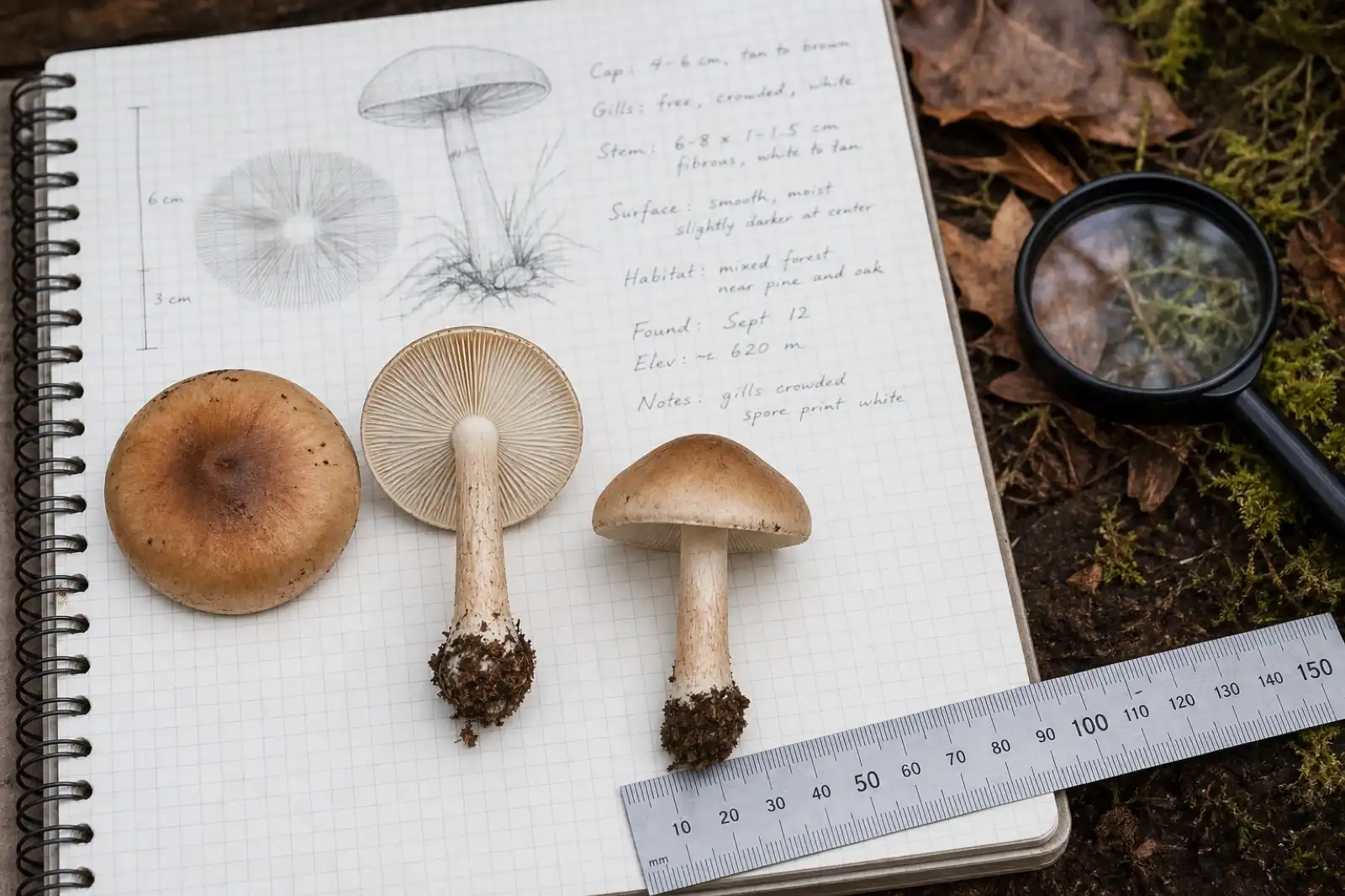
How to Identify Mushrooms: A Beginner's Field Guide
Build an identification from the whole specimen, substrate, habitat, spore deposit, and location—not from a single photograph.
health
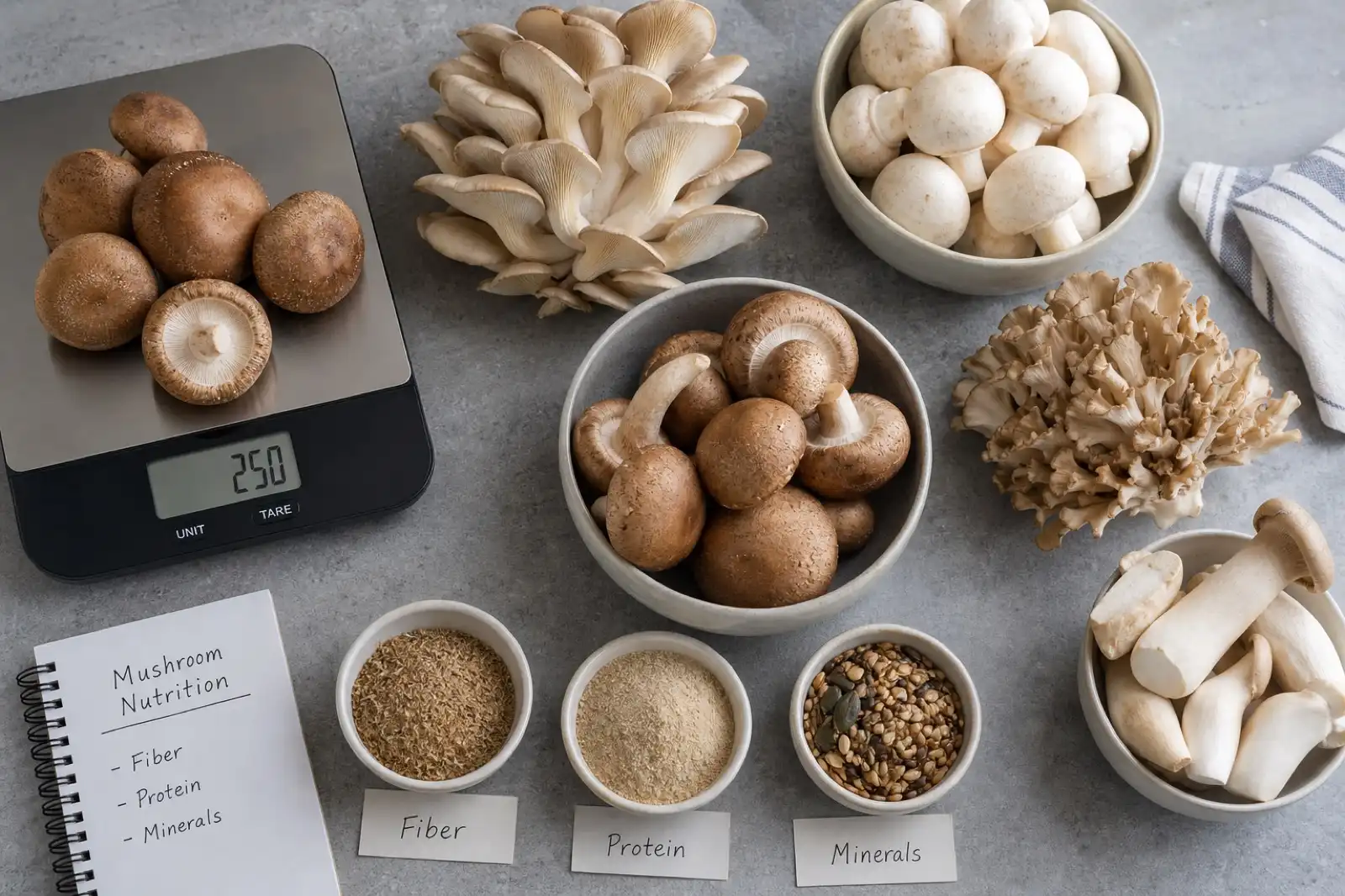
Mushroom Nutrition: Fiber, Protein, Calories, and Vitamins
Are mushrooms a source of fiber or protein? Compare calories, fiber, protein, vitamins, food forms, serving sizes, and preparation without overstating benefits.
recipes
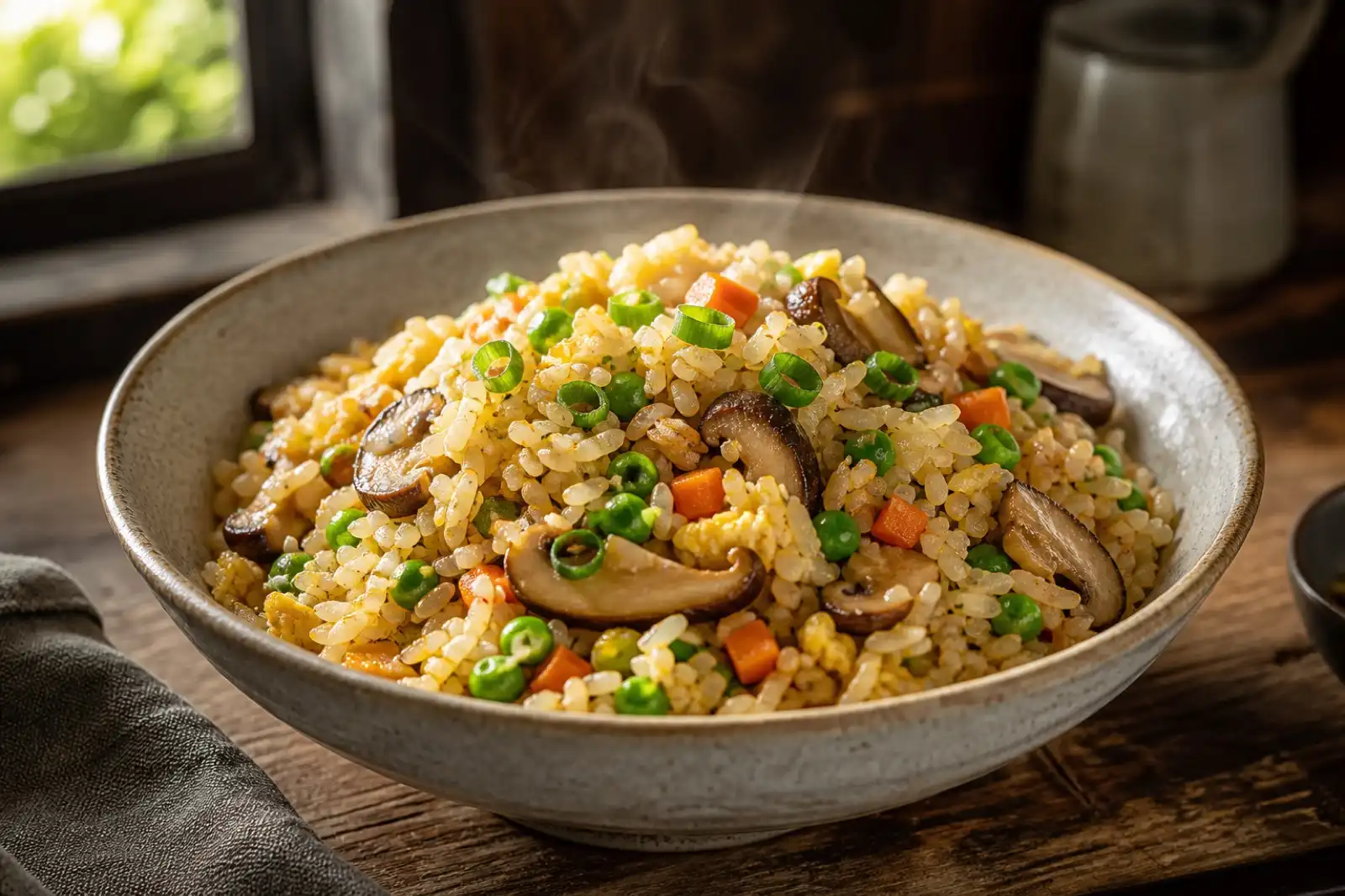
Mushroom Fried Rice
Make mushroom fried rice with cultivated shiitake mushrooms, clear steps, practical substitutions, and conservative food-safety guidance.
Continue exploring
Browse more practical guides in Mushroom Encyclopedia or visit the mushroom encyclopedia.