Growing
Mushroom Batch Records: Build Traceability From Culture to Harvest
Build mushroom batch records that connect culture, substrate, rooms, observations, harvests, deviations, and corrective actions without false precision.
Growing method
Start with authenticated culture
Use supplier-identified spawn or blocks and record substrate, stage, temperature, humidity, and visible changes.
Open the beginner growing hub →Food safety
Discard suspect batches
Unusual colors, slime, insects, or abnormal odor should be treated as a safety concern, not a climate tweak.
Review contamination guidance →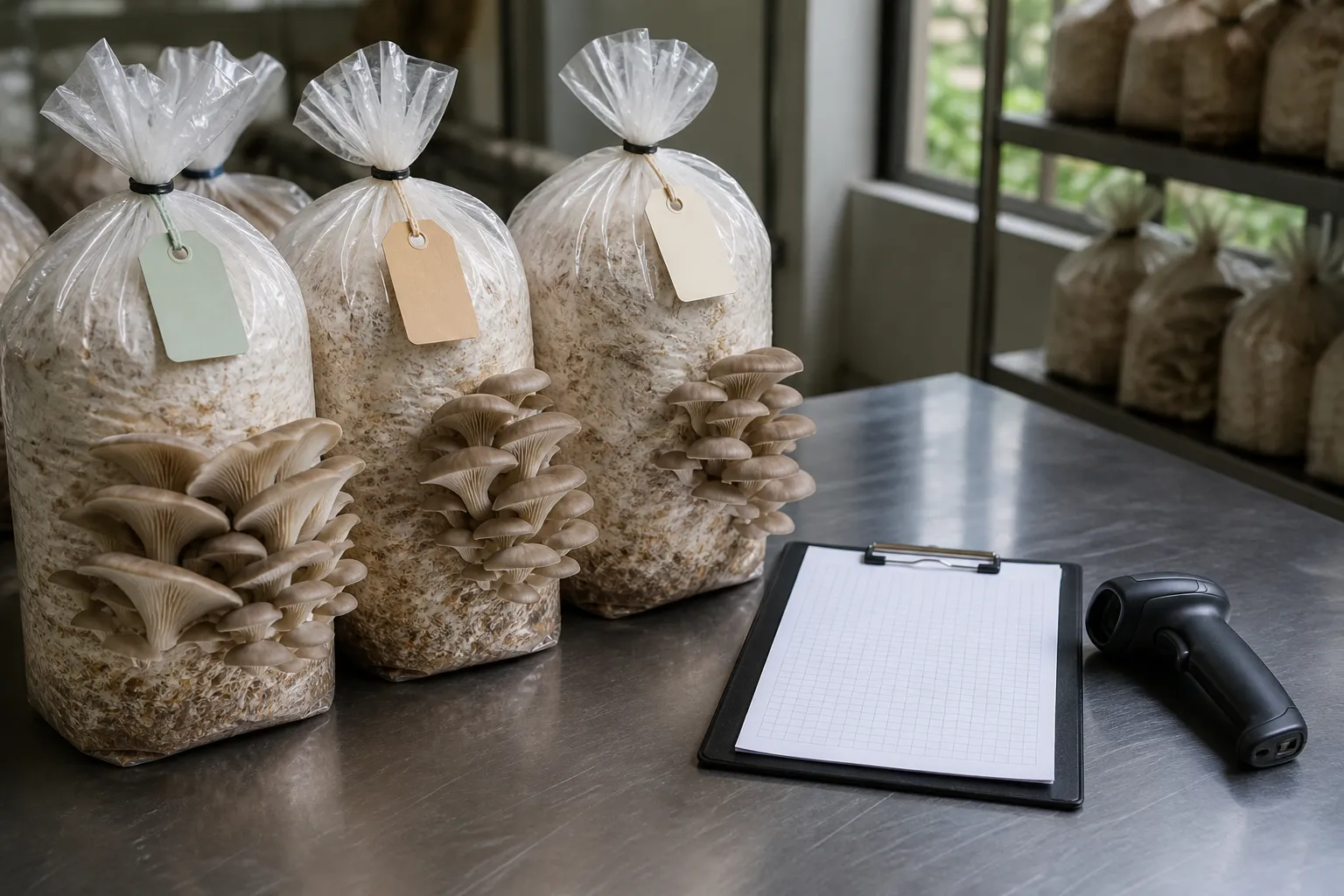
A mushroom batch record is a chain of evidence, not a diary of whatever seemed interesting that day. It connects the source culture to spawn, substrate ingredients, processing, inoculation, rooms, observations, harvests, disposition, and corrective actions. When the chain is complete, a grower can answer which units shared an input, which conditions changed, and which product was sold or discarded. When the chain is incomplete, a clean-looking bag or a strong harvest cannot repair the missing history.
This guide is for designing practical records, not claiming regulatory compliance. Food traceability duties vary by product, scale, customer, and jurisdiction. FDA traceability materials illustrate why identifiers, transformations, receiving, shipping, and linked records matter, but a mushroom operation must determine which rules actually apply with qualified local help. Home growers can use the same logic at a simpler scale: identify the attempt, record important inputs, preserve failures, and avoid rewriting history after the outcome is known.
Define the batch boundary before assigning an ID
Decide what makes units belong together. A useful boundary might be one culture lot, one substrate mix, one processing load, and one inoculation session. If two sterilizer loads cool under different conditions, treating them as one batch may hide a process difference. If a single load is split across rooms, retain the original batch and add location or sublot fields rather than inventing an unrelated identity. The boundary should support isolation and investigation without becoming so narrow that every bag needs an entirely separate production record.
Choose an identifier that is unique, durable, and boring. A sequential code plus year may work better than packing species, recipe, room, and employee initials into the ID. Those details can change and belong in fields. Never recycle an identifier after a failed or discarded batch; gaps and failures are evidence, not clutter to erase.
Create parent-child links through every transformation
Culture, agar plates, liquid inoculum, grain spawn, fruiting substrate, harvest lots, and packaged product are different materials. Record which parent created each child. A fruiting batch should point to its spawn lot, and that spawn should point to its culture source or expansion record. When several parents are pooled, list all of them and the amounts or units involved. When one parent is divided, preserve the split so affected descendants can be located.
This lineage is more useful than copying the same description onto every page. The grain spawn guide explains how a production inoculum should remain tied to its source and condition, while the substrate guide identifies the later material fields that matter. The batch record joins those stages without pretending that visual appearance proves identity or purity.
When two authenticated cultures are deliberately compared, preserve the assignment and exclusion fields described in the mushroom strain-trial design. A production log can support that trial, but it cannot replace randomization or turn an unplanned batch difference into an experiment.
Record inputs with usable specificity
Ingredient names alone are weak evidence. Capture supplier, product, lot or receipt identifier, amount, unit, receipt date, and relevant condition. For a culture, include the labeled species and strain, supplier, accession or lot when provided, arrival condition, and storage history. For substrate, record dry ingredients separately from added water and distinguish wet from dry weights. For reusable containers or equipment, link the applicable cleaning and maintenance record rather than repeatedly typing an unverifiable claim that equipment was clean.
Specificity must remain proportionate. A home experiment does not need an enterprise database, but “some pellets and spawn” cannot explain a later difference. Start with fields that change decisions: identity, quantity, lot, date, operator, equipment, location, and disposition.
Water needs the same traceability as dry ingredients. Record its measured mass and the starting-moisture assumption used for each lot; the substrate-hydration guide shows how wet-basis and dry-basis denominators change the reported percentage.
Capture the process as performed, not as planned
A recipe or standard operating procedure describes intent. The batch record describes what actually happened. Record start and finish times, measured values, equipment identifier, deviations, and the person responsible. If the planned hydration was adjusted, preserve both the original target and the actual addition. If a bag seal failed, document the affected units instead of silently replacing the bag and leaving the record perfect.
Use contemporaneous entries whenever possible. Memory becomes outcome-biased: after contamination, ordinary events begin to look suspicious; after a strong harvest, deviations are forgotten. Corrections should leave the original entry readable, identify who changed it, state why, and carry a date. A spreadsheet needs the same audit discipline even if it lacks formal audit-trail software.
Separate observations from interpretations
Write what was observed before writing what it might mean. “Green patch, approximately 20 millimeters, upper left seam, first seen on day eight” is more reusable than “bad mold.” Record odor only when opening is already part of a safe procedure; do not open a suspect bag merely to identify a smell. Images should include the batch ID, date, scale when relevant, and an overview plus detail, while avoiding personal or customer information.
Interpretation can occupy a separate field with confidence and next action. This separation allows a later reviewer to disagree without losing the original evidence. The contamination guide helps set conservative isolation boundaries, but a web page cannot identify an organism or certify a batch as safe.
Link environment data to location and time
A room average cannot automatically describe every shelf. Record room, rack, shelf, sensor identifier, measurement position, and time basis. If data are summarized, retain the raw interval and explain how missing values were handled. Note door openings, equipment failures, maintenance, and deliberate set-point changes. A temperature number without location and timing can create false confidence.
The fruiting conditions guide explains why temperature, humidity, air exchange, and light must be interpreted together. Batch records should reference that measurement system rather than duplicating it. When bags move, record the transfer time and origin/destination so environmental exposure can be reconstructed.
Define harvest lots and disposition
Record harvest date and time, batch, flush, gross weight, trim, grade, discard, storage location, and the destination of saleable product. Decide whether multiple picks become one harvest lot or separate lots, and use that definition consistently. If product from several cultivation batches is combined, the outgoing lot must retain links to every contributing batch.
Disposition closes the record. Units may be harvested, held, sampled, composted, returned, or discarded. “Gone” is not a status. Document the quantity and reason, especially for suspect material. Never reclassify questionable mushrooms as saleable merely to make yield numbers align with a target. For harvest fields, the biological-efficiency calculation guide separates dry substrate, gross harvest, trim, rejects, and saleable mass.
Design fields that prevent unit and time ambiguity
Give every numeric field a unit. Distinguish kilograms from pounds, dry mass from hydrated mass, air temperature from substrate-core temperature, and local time from coordinated time when systems span zones. Use a consistent date format and synchronized clocks. Dropdowns can standardize common states, but always allow a documented exception; forcing reality into the nearest option corrupts the record.
Blank, zero, not applicable, and not measured are different states. A blank may mean missing data, while zero may be a valid result. Define codes in a data dictionary and train anyone entering records. Validation should catch impossible dates and missing parents without silently manufacturing defaults.
Review deviations and corrective actions as linked events
A deviation record should name the requirement or expected range, actual condition, affected scope, immediate containment, investigation, disposition, corrective action, owner, and verification date. Avoid closing a deviation with “monitor” unless the record identifies what will be monitored, for how long, and what outcome will trigger action. One contaminated bag may require local disposal; repeated failures sharing a spawn or equipment lot may justify broader isolation.
Corrective action is not the same as editing the SOP. Verify whether the change reduced recurrence without creating a new problem. Preserve unsuccessful actions because they prevent the team from repeating a plausible but ineffective fix.
Audit traceability with a mock reconstruction
Select one finished harvest lot and work backward to all contributing cultivation batches, spawn, culture, substrate lots, operators, rooms, and process records. Then choose one input lot and work forward to every affected bag and harvest. Time the exercise and list dead ends, ambiguous quantities, missing units, and inaccessible files. A record system that works only for the person who created it is fragile.
Back up electronic files, control permissions, and test restoration. Protect paper from moisture and loss. Set retention based on applicable requirements and operational learning, then dispose of expired records securely. The goal is a trustworthy chain that supports action, not the largest possible archive.
Frequently asked questions
What is a mushroom batch?
A batch is a deliberately defined group that shares traceable inputs and processing conditions; its boundary should be written before records are collected.
Do home growers need batch records?
A simple log helps home growers compare attempts and isolate problems, even when regulatory traceability rules do not apply.
Should a batch number encode every detail?
No. Use a stable unique identifier and keep variable details in fields, so a changed recipe does not break the numbering system.
Can photographs replace written records?
No. Photographs add context, but they need dates, batch identifiers, locations, and written observations to be interpretable.
How long should records be retained?
Set a retention period from applicable law, customer requirements, product life, and the time needed to investigate recurring problems.
References
- Cornell Small Farms — Harvest to Market Guide
- FDA — Traceability Rule overview
- Penn State Extension — Mushroom production and harvesting
These sources support production context, traceability principles, and harvest workflow. They do not determine whether a particular mushroom business is covered by an FDA or local recordkeeping rule, nor do they validate this draft as a farm SOP. MushroomScope has not had this batch-record guide reviewed by a named food-traceability or cultivation professional. Confirm legal duties and customer specifications with qualified local advisers.
Source quality notes
MushroomScope cites sources that match the page scope, such as taxonomic databases, extension guidance, food-safety agencies, food-composition databases, and peer-reviewed or institutional health references. Sources support context and uncertainty; they do not turn an online page into specimen identification, medical advice, or a tested recipe record.
Frequently asked questions
What is a mushroom batch?
A batch is a deliberately defined group that shares traceable inputs and processing conditions; its boundary should be written before records are collected.
Do home growers need batch records?
A simple log helps home growers compare attempts and isolate problems, even when regulatory traceability rules do not apply.
Should a batch number encode every detail?
No. Use a stable unique identifier and keep variable details in fields, so a changed recipe does not break the numbering system.
Can photographs replace written records?
No. Photographs add context, but they need dates, batch identifiers, locations, and written observations to be interpretable.
How long should records be retained?
Set a retention period from applicable law, customer requirements, product life, and the time needed to investigate recurring problems.
Related guides
growing
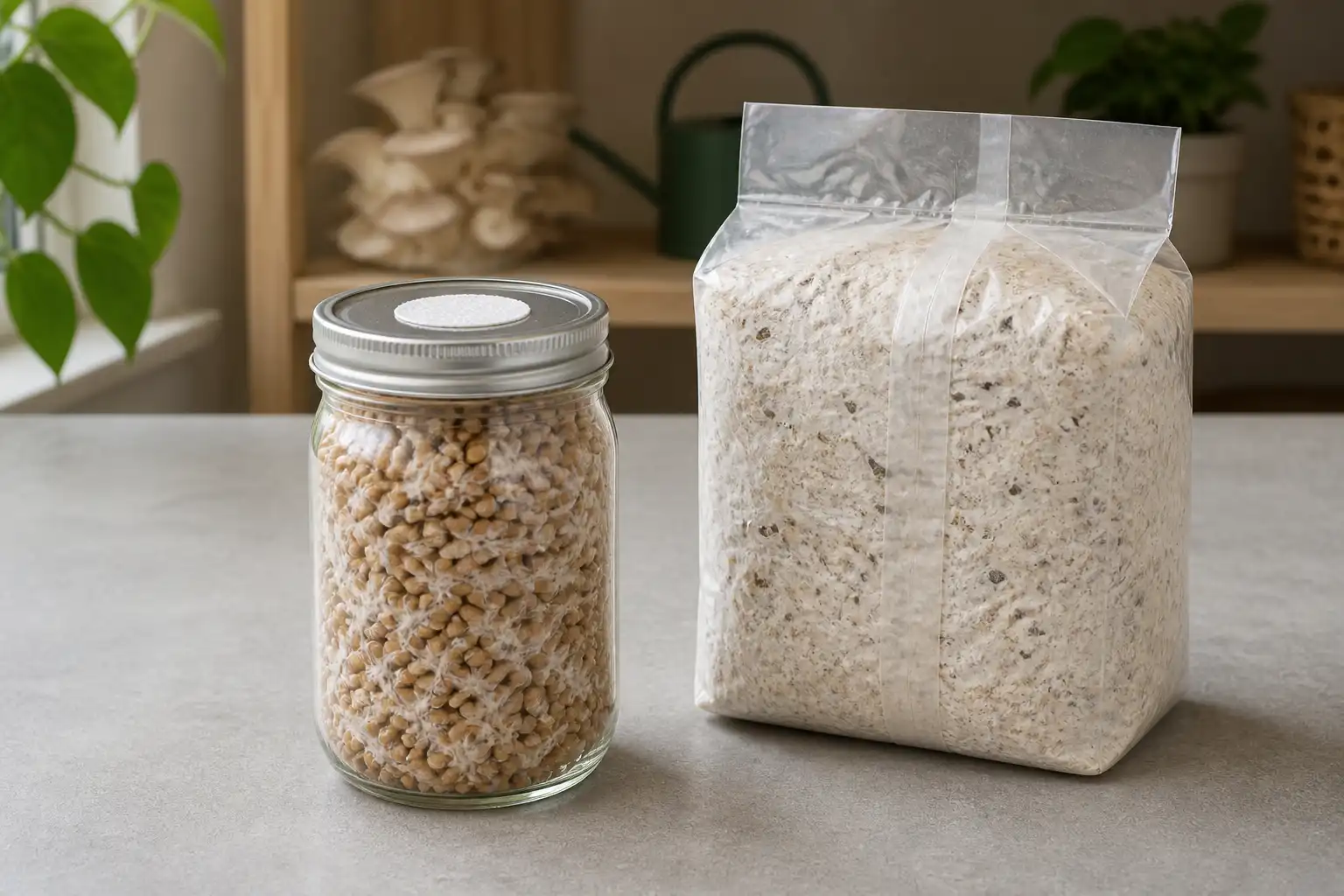
Mushroom Grain Spawn: How to Choose and Use It Safely
Use mushroom grain spawn as a labeled, clean inoculum for a documented growing method; learn what to verify, what to record, and when not to use it.
growing
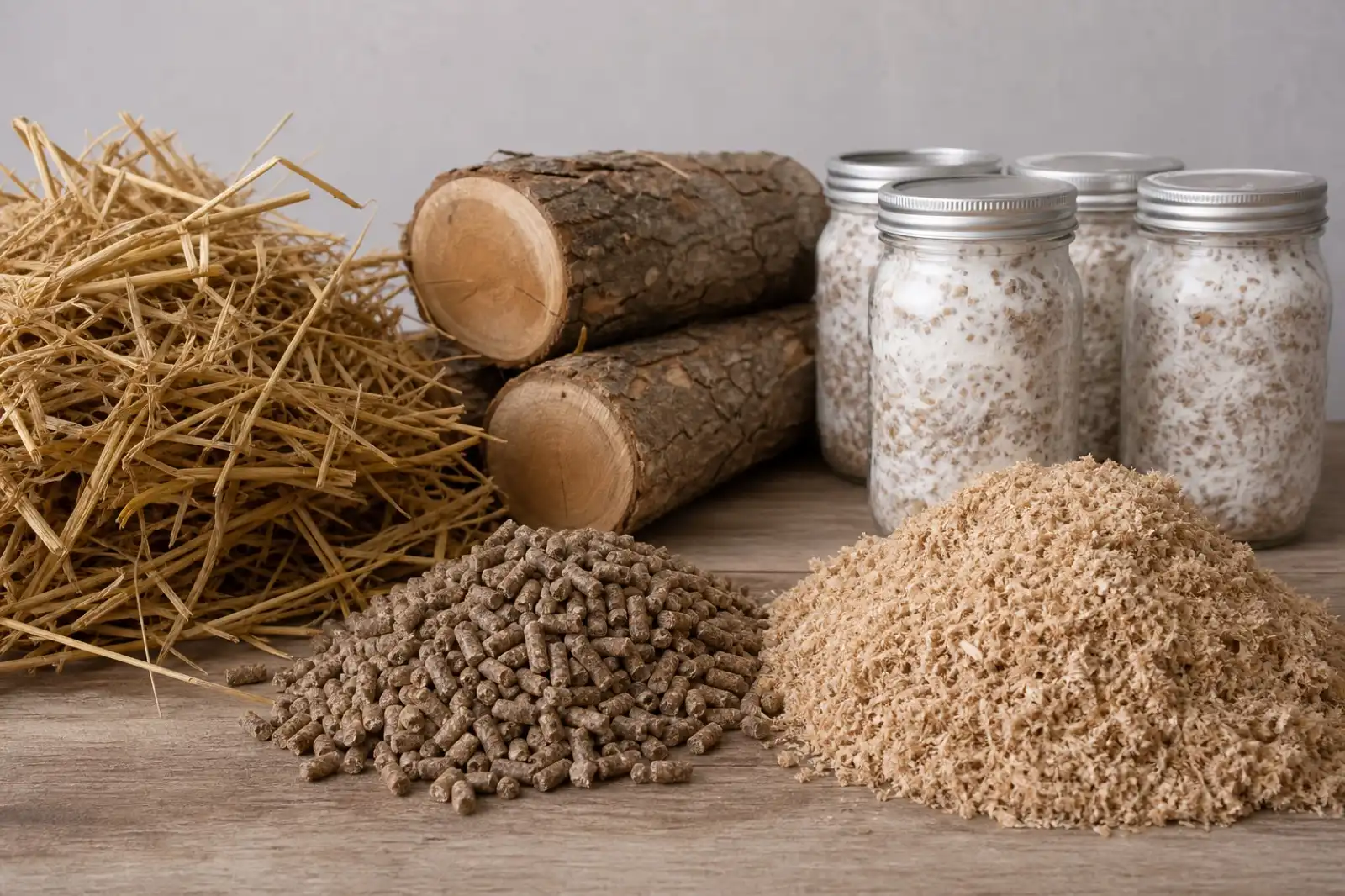
Mushroom Substrate Guide: Match Species to Method
Choose a mushroom-growing substrate by matching a labeled culture to a documented production method, site, and food-safety boundary.
growing
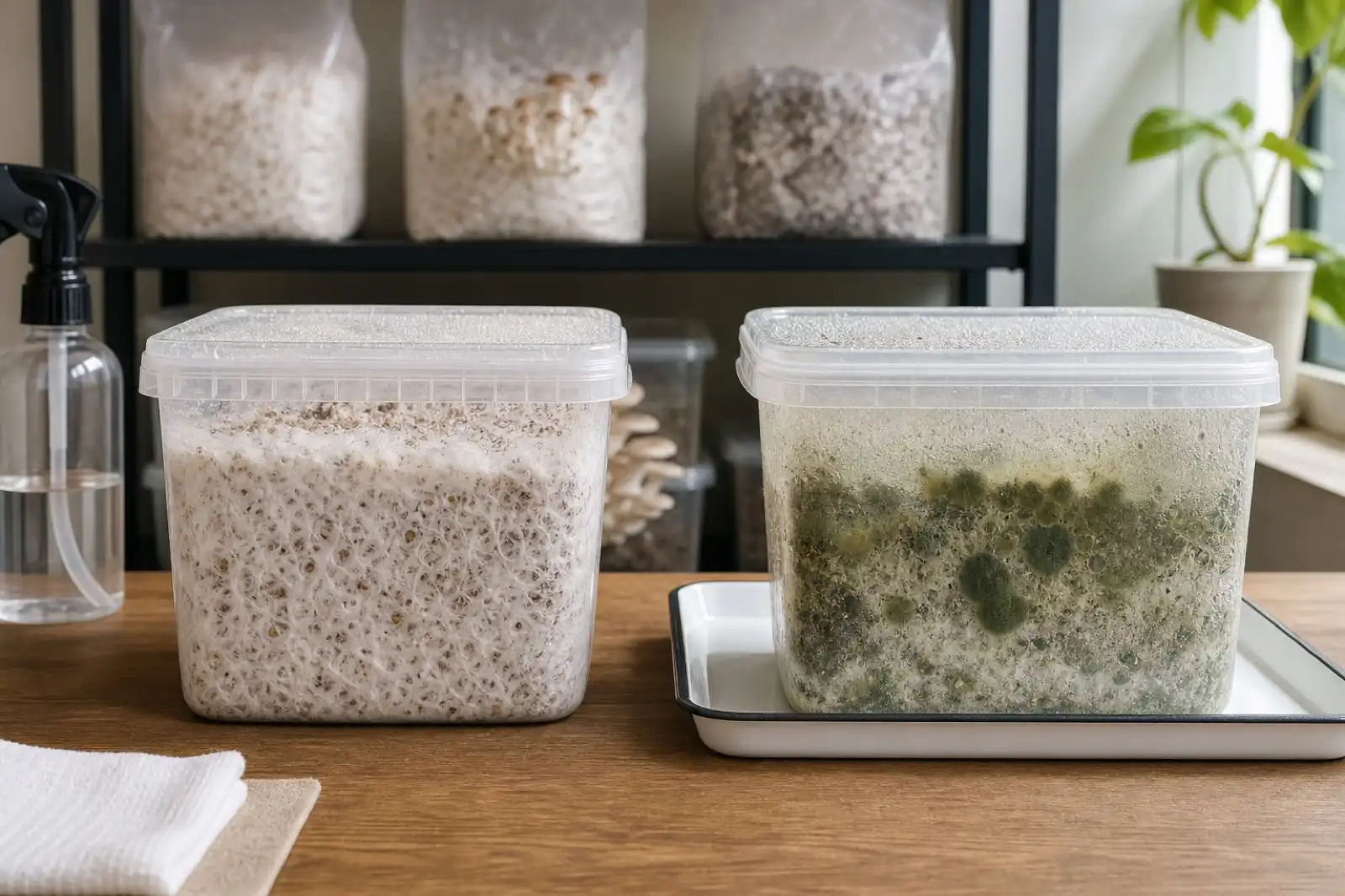
Mushroom Contamination: Isolate, Record, and Prevent Repeat Problems
Recognize mushroom contamination without relying on color alone; isolate suspect batches, avoid food salvage, document the workflow, and prevent repeat issues.
Continue exploring
Browse more practical guides in Growing or visit the mushroom encyclopedia.