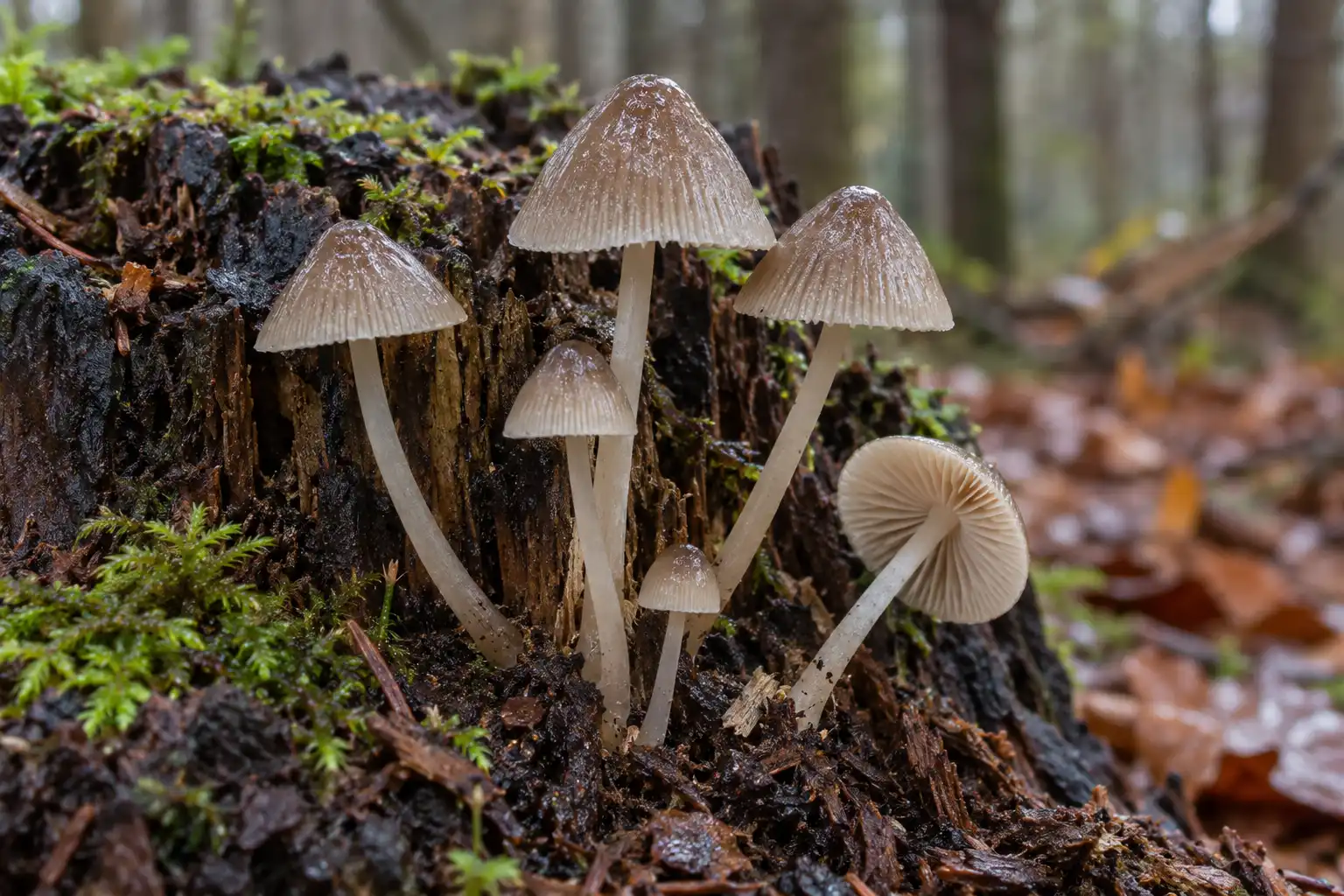
mushrooms
Common Bonnet Mushroom: Wood, Form, and Identification Limits
Identify the Common bonnet by its wood attachment, cap striations, gill development, clustered habit, microscopy limits, ecology, and close lookalikes.
The journal archive
Earlier MushroomScope guides, ordered by their latest substantive publication or update date.
mushrooms
Identify the Common bonnet by its wood attachment, cap striations, gill development, clustered habit, microscopy limits, ecology, and close lookalikes.
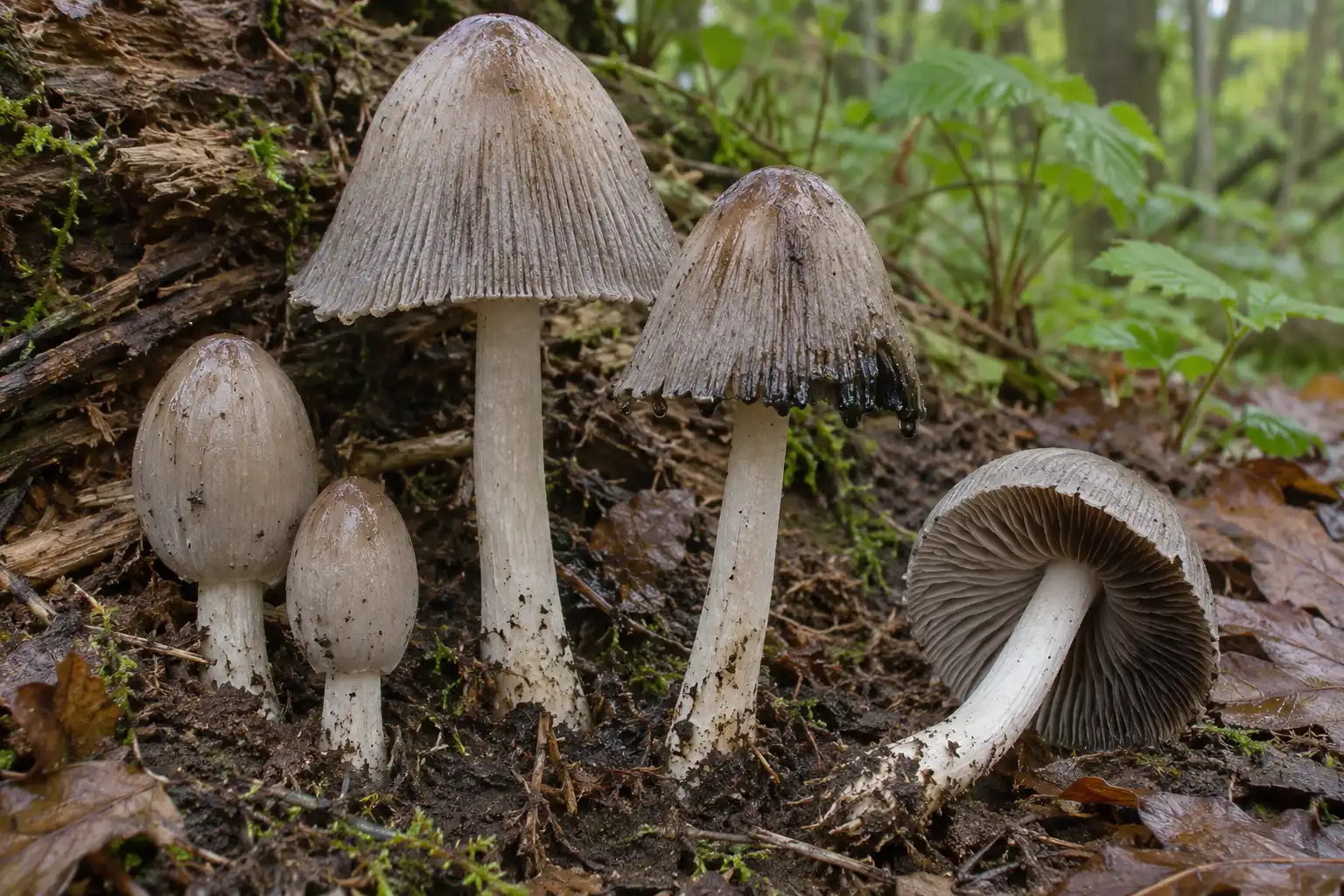
mushrooms
Document common inkcaps by clustered growth, gray cap development, darkening gills, deliquescence, wood context, spores, and alcohol safety.
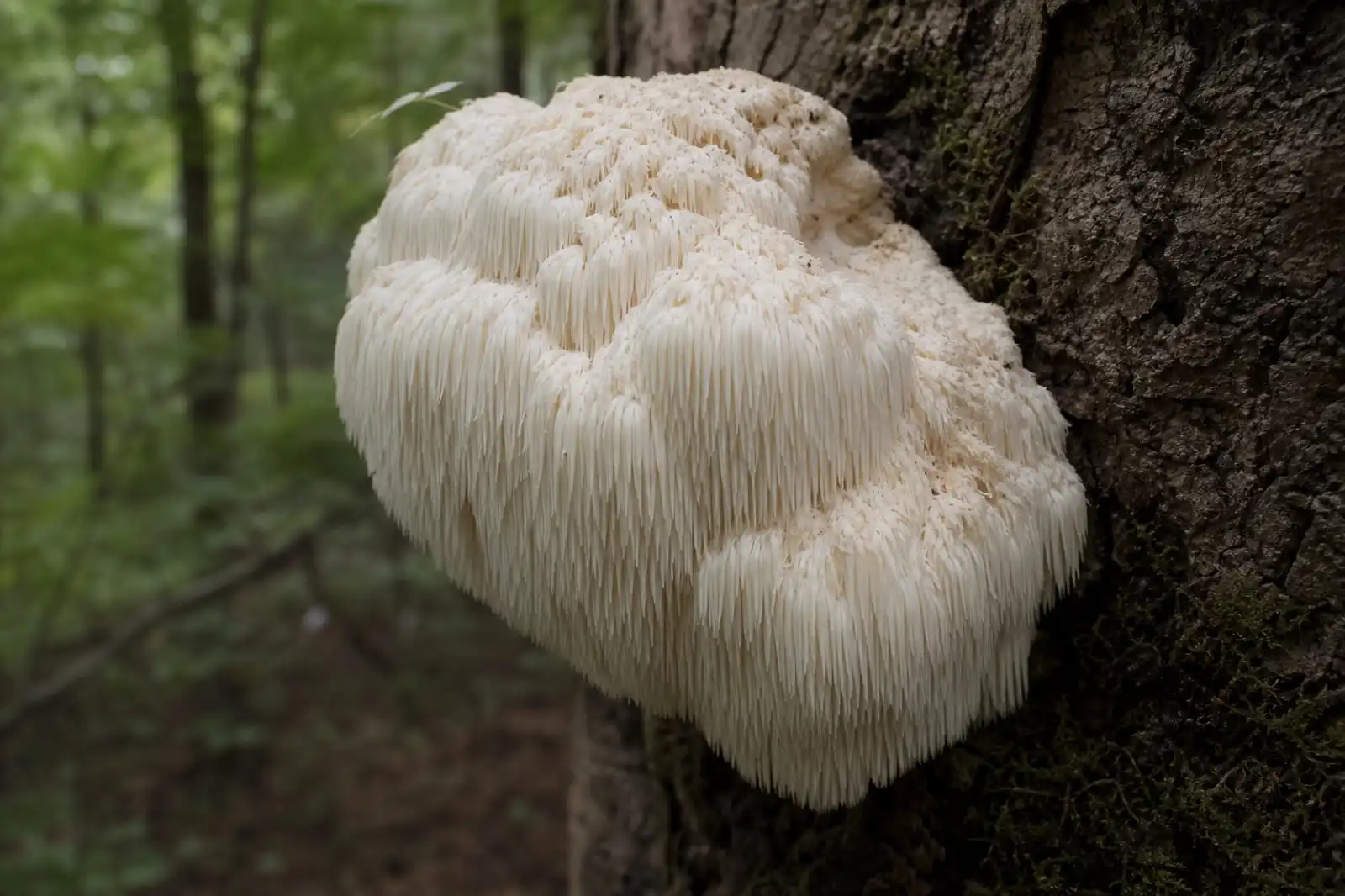
mushrooms
Learn lion’s mane identification, hardwood ecology, cultivation, nutrition, supplement evidence, lookalikes, safety limits, and practical FAQs.
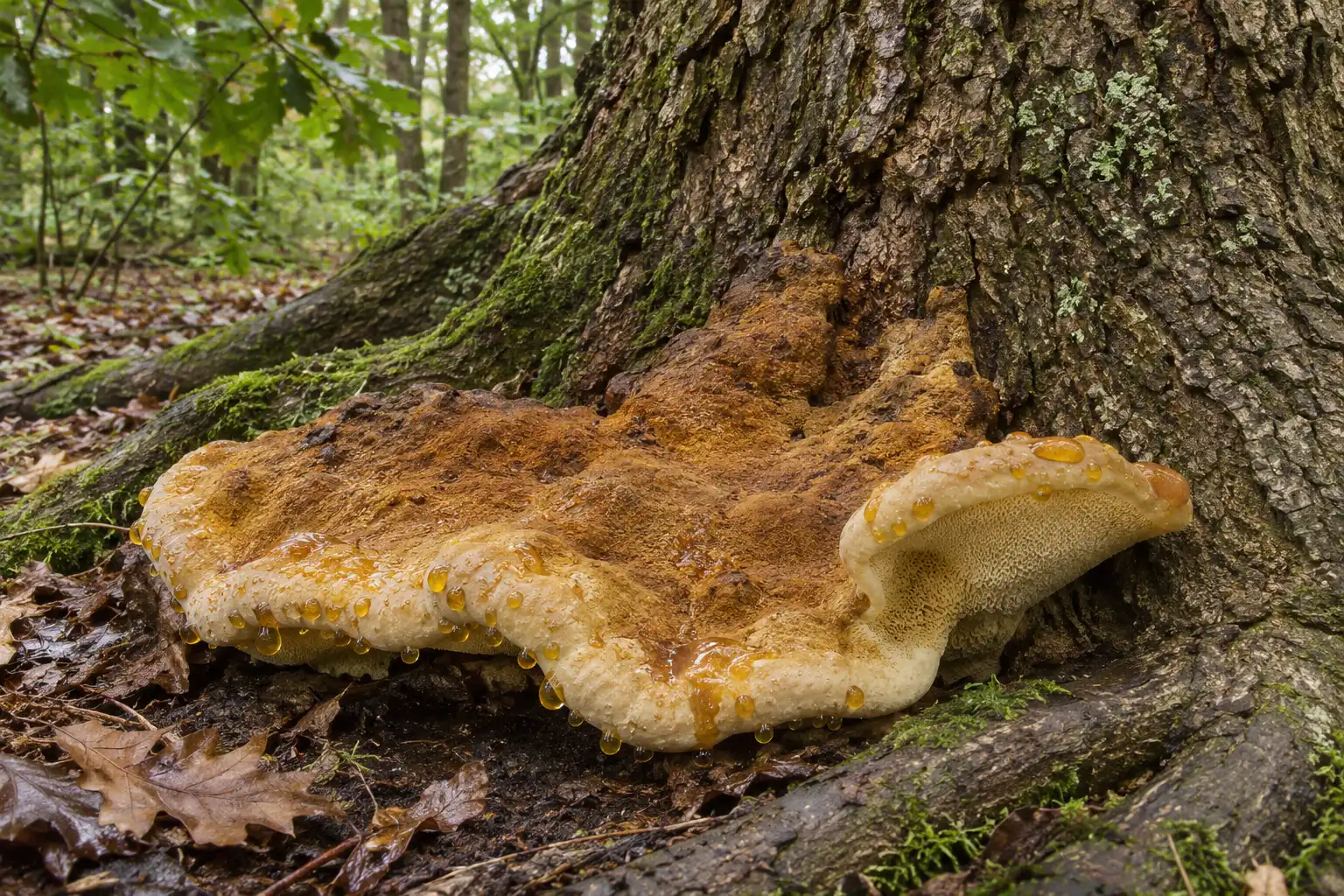
mushrooms
Document oak bracket by root-flare attachment, thick ochre brackets, amber droplets, pore changes, oak condition, decay limits, and lookalikes.
mushrooms
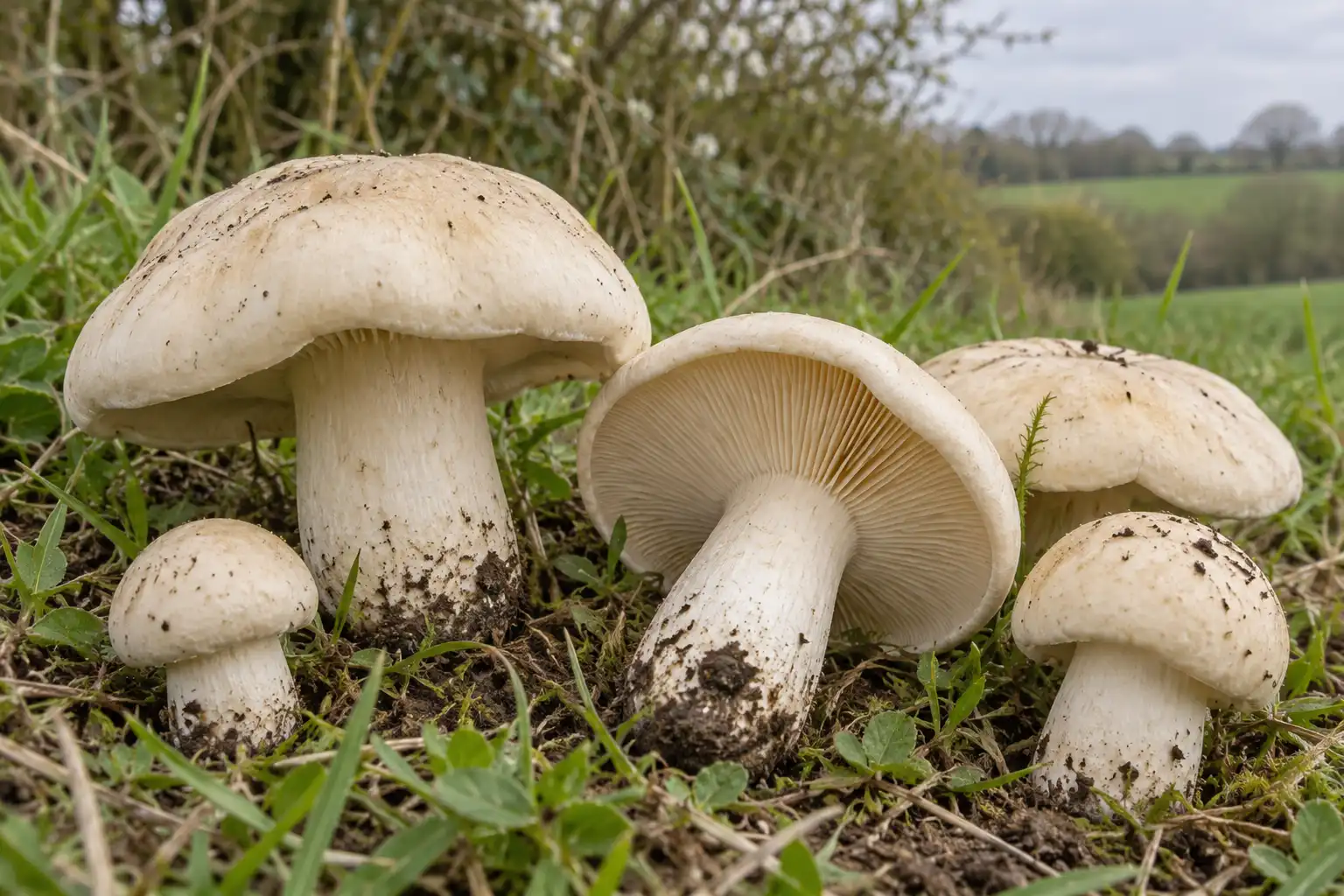
Study St George's mushroom through spring timing, crowded gills, mealy odor, grassland ecology, lookalikes, measurements, and conservative food boundaries.
mushrooms
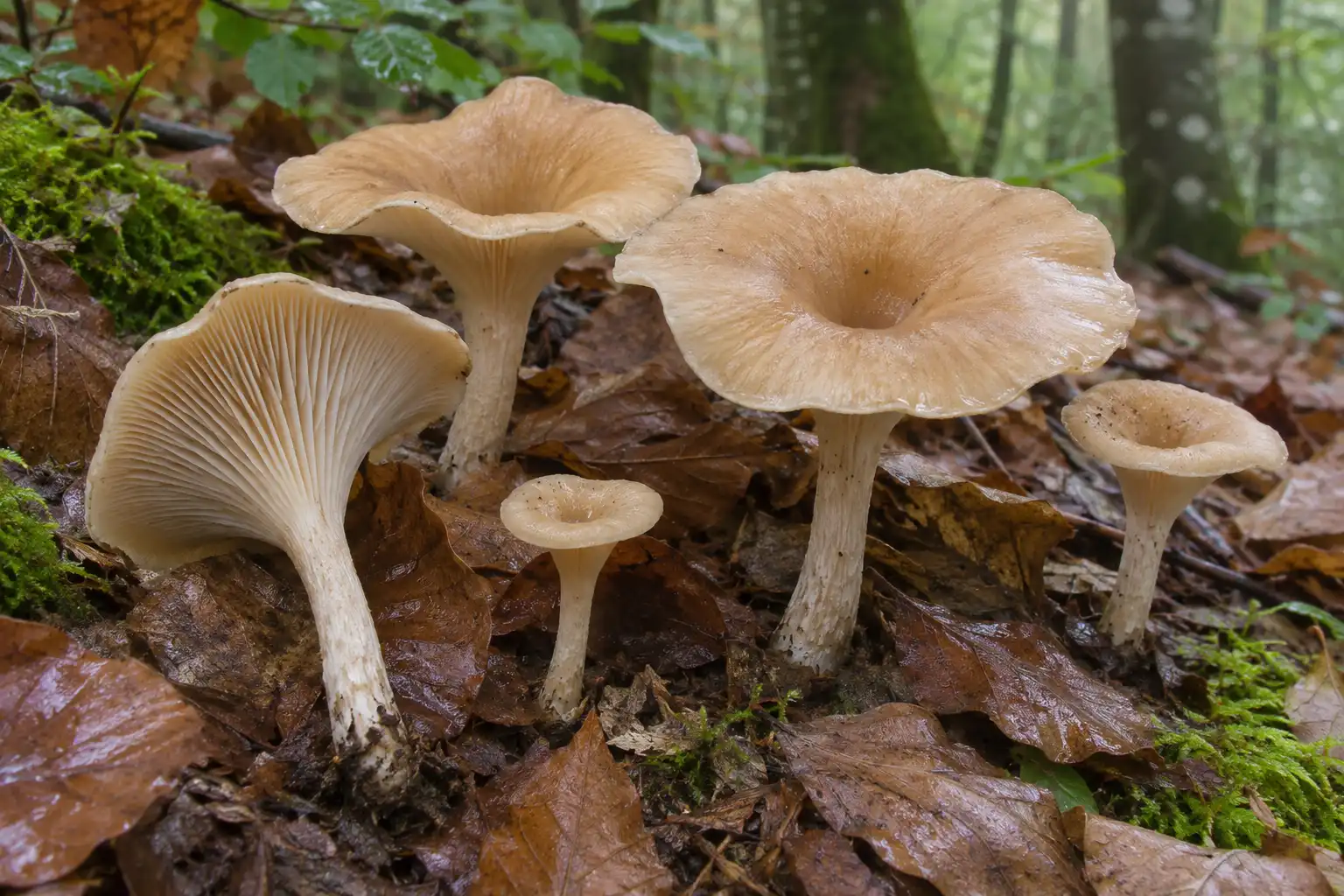
Document common funnel mushrooms by cap development, decurrent gills, stem texture, litter habitat, spore evidence, and lookalike separation.
mushrooms
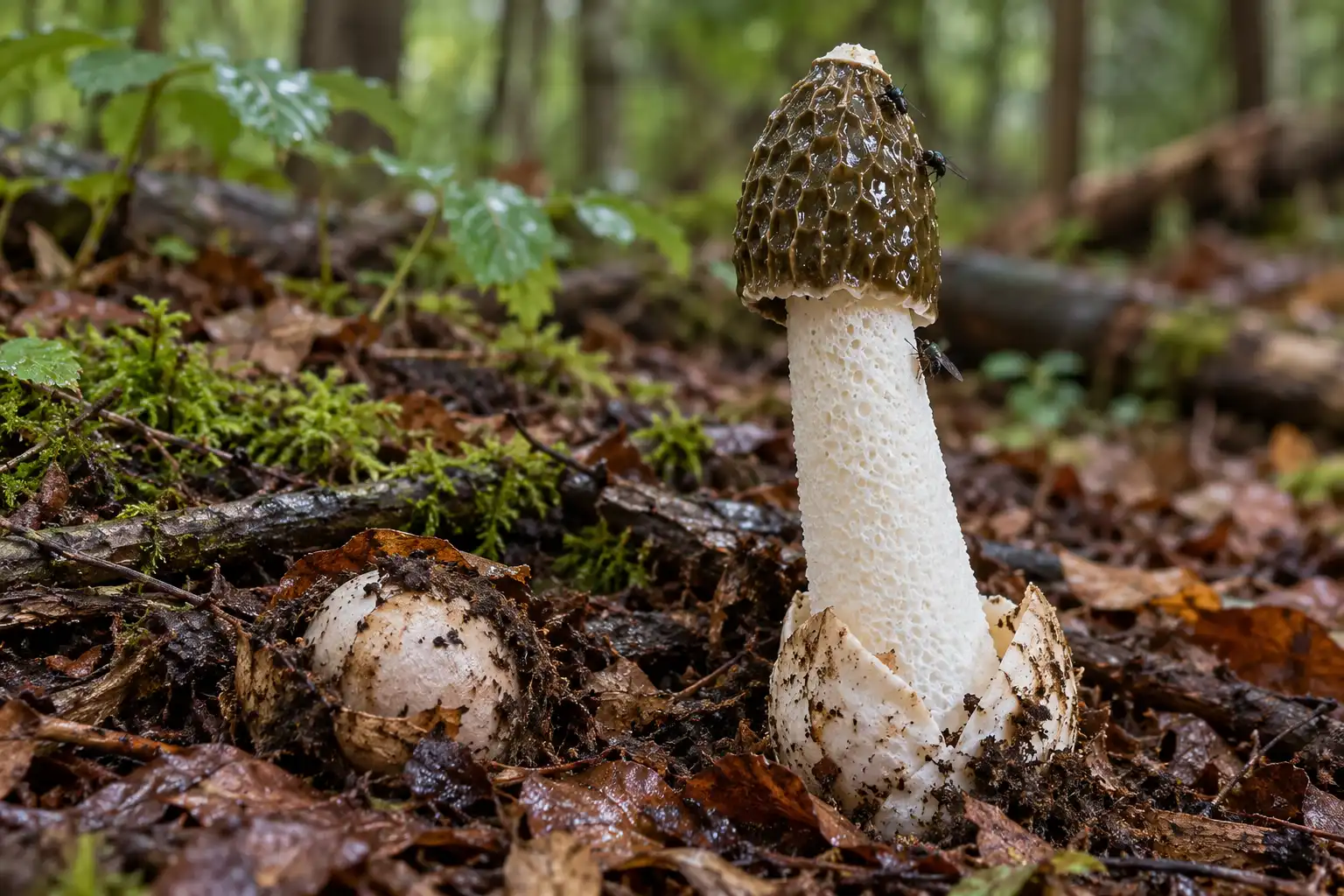
Document common stinkhorn from egg to mature gleba-bearing fruit body, with base anatomy, odor ecology, flies, lookalikes, spores, and safety limits.
mushrooms
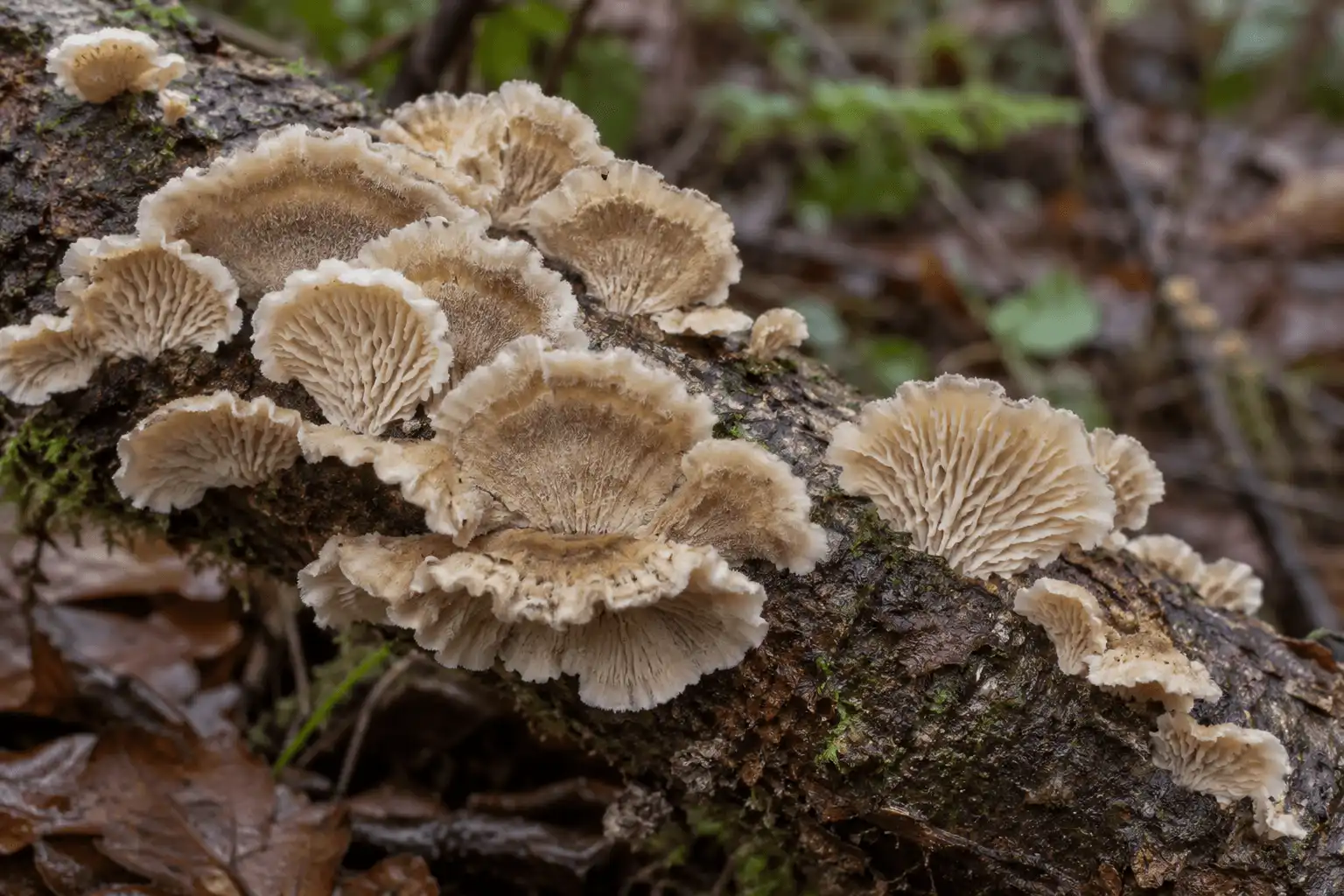
Identify crimped gill fungus by clustered fans, hairy zoned caps, forked wrinkled folds, hardwood attachment, moisture response, and lookalikes.
mushrooms
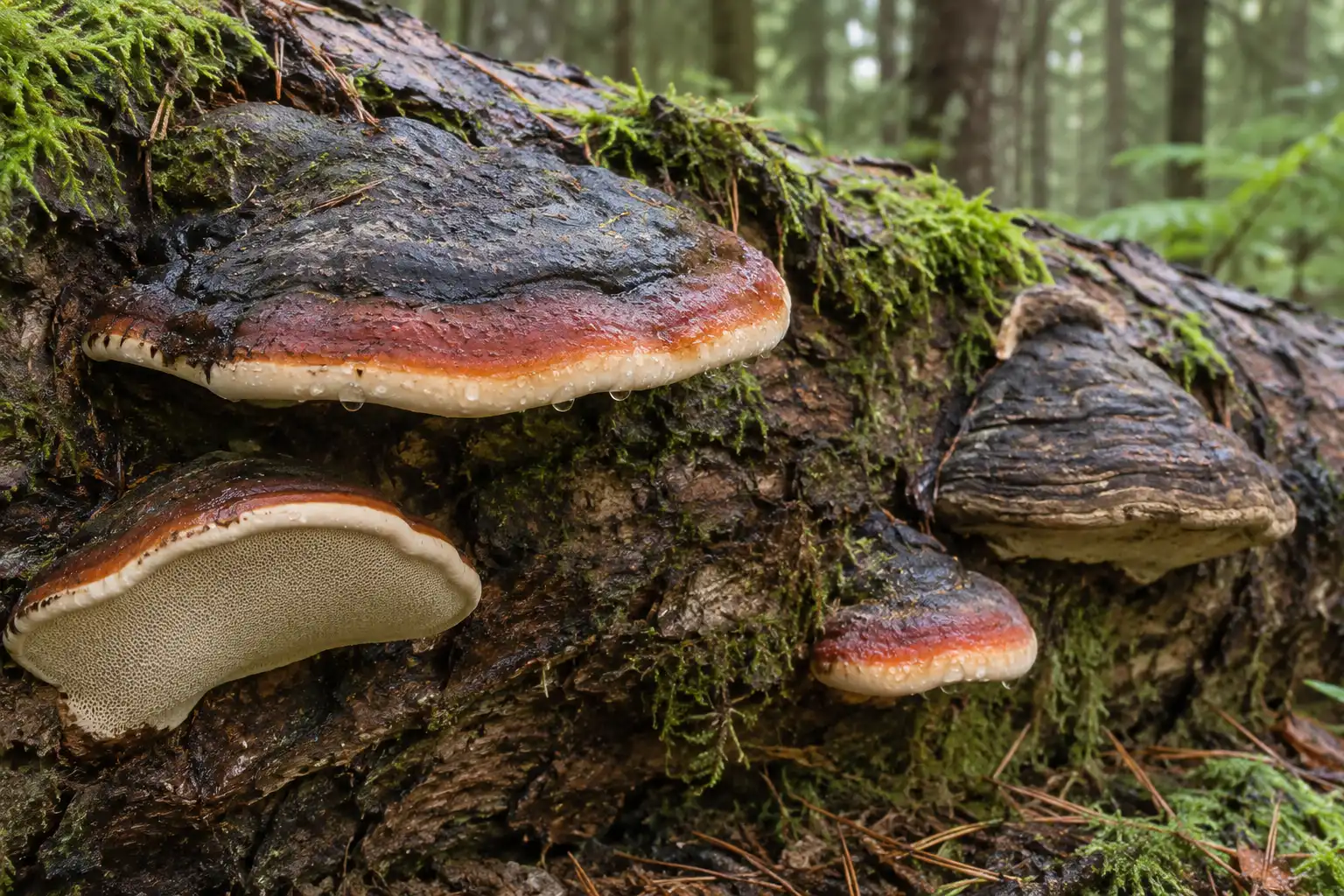
Document red-belted conks by perennial growth zones, red resinous belt, pale pore surface, conifer substrate, decay context, and complex-level limits.
mushrooms
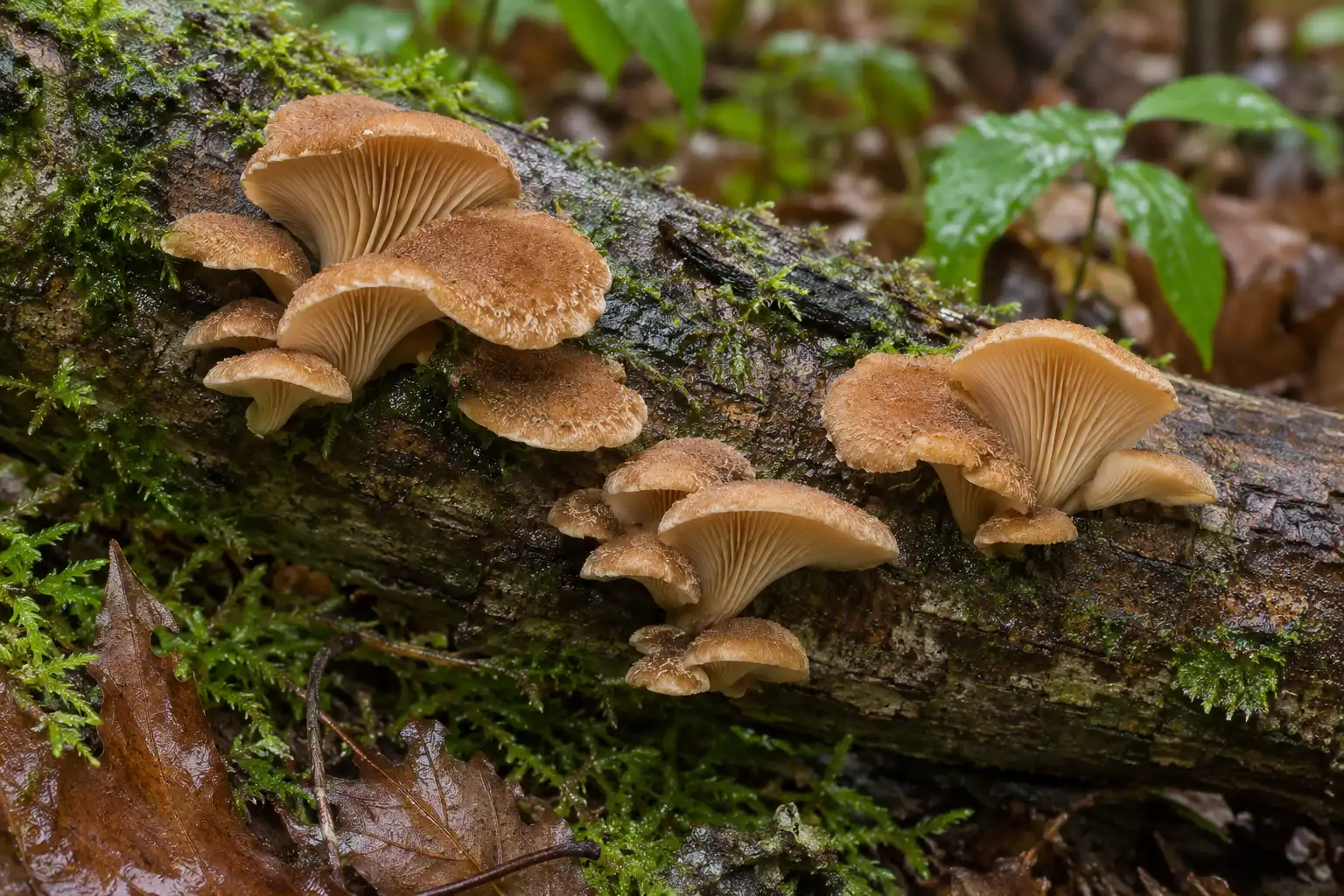
Document bitter oysterling by its small fan caps, crowded gills, short side attachment, hardwood habitat, bitter taste history, and close lookalikes.
mushrooms
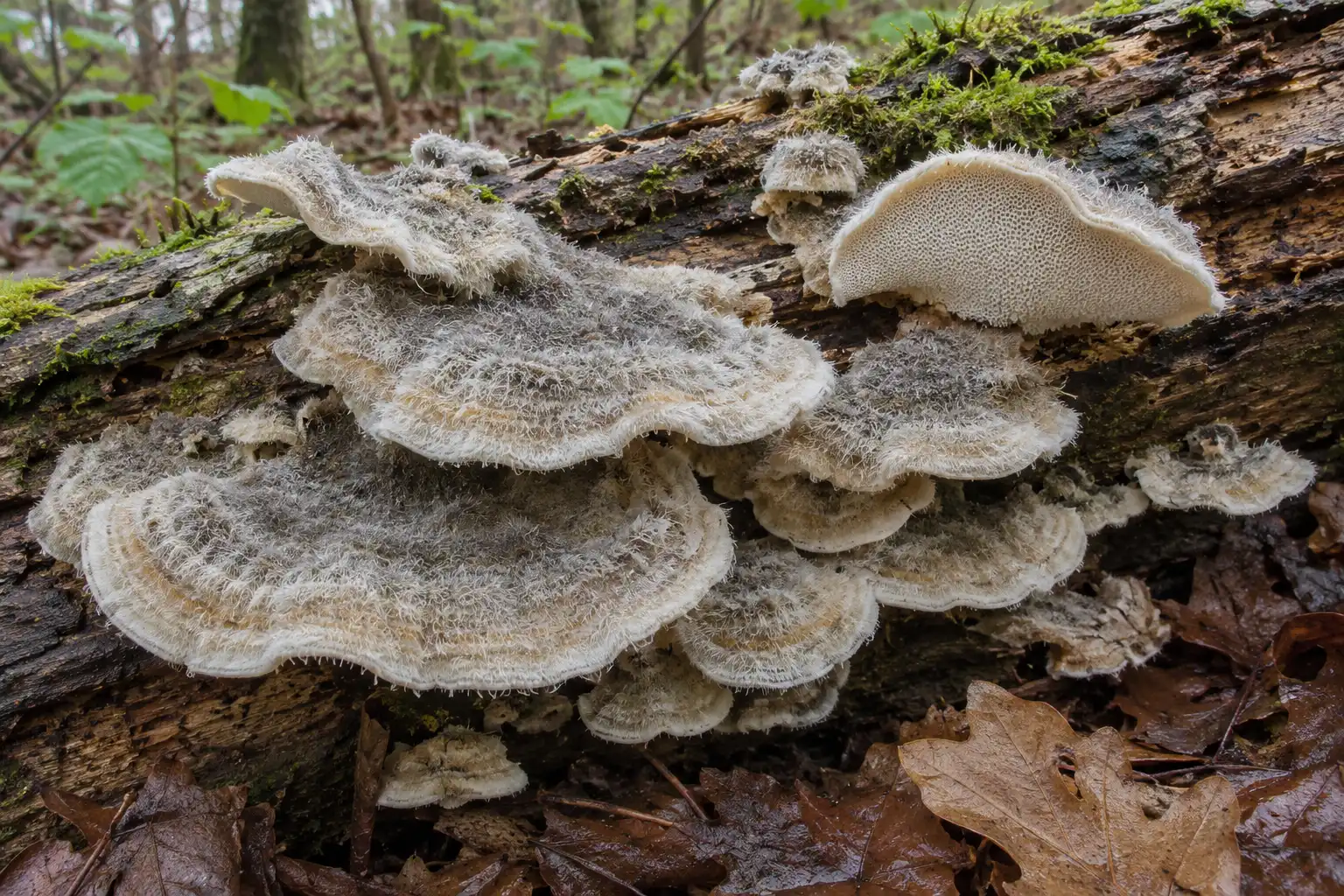
Document Trametes hirsuta by its hairy zoned cap, pale round pores, tough white flesh, hardwood habitat, decay context, microscopy, and lookalikes.
mushrooms
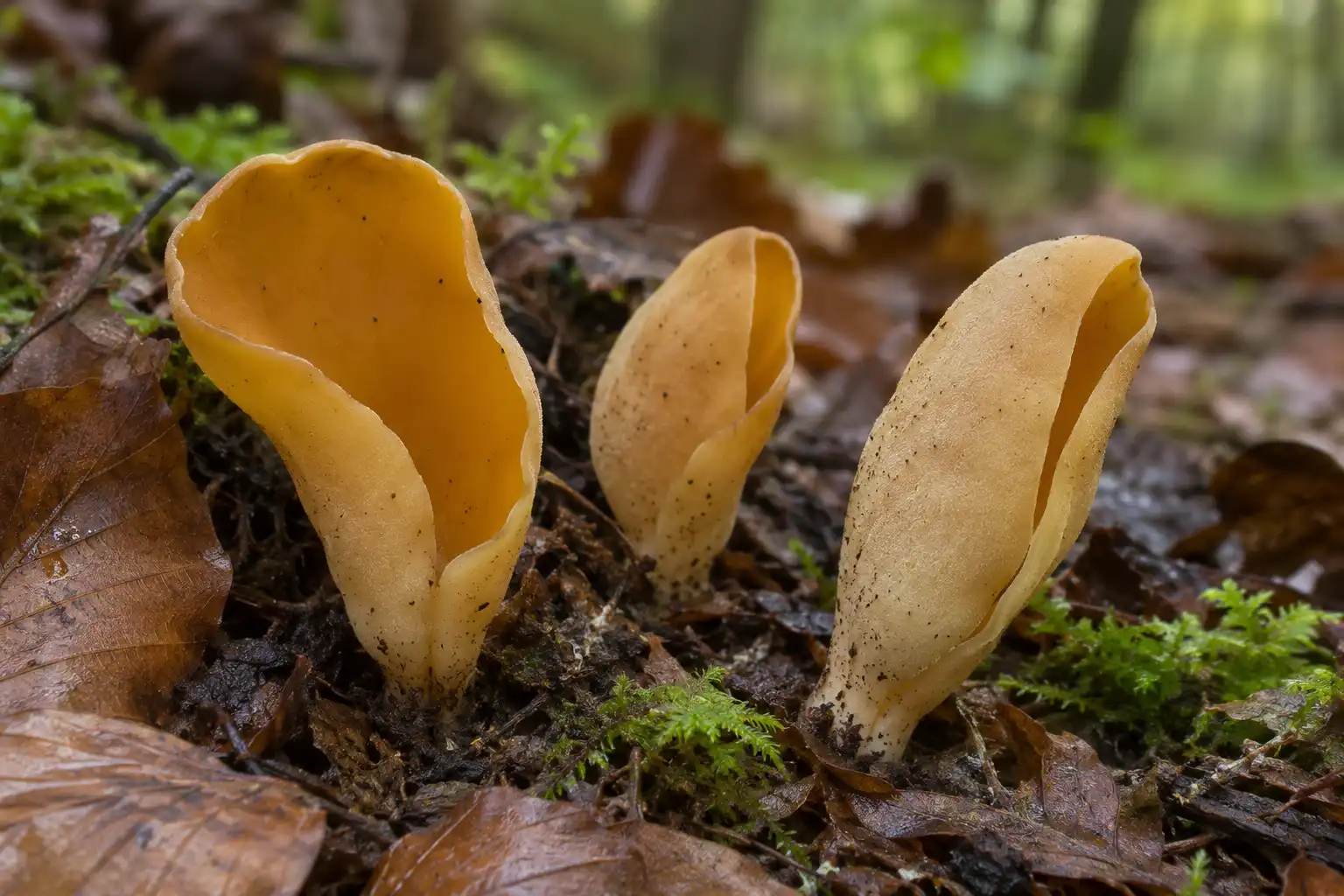
Document Otidea onotica through its upright split ear-shaped cups, two surfaces, clustered bases, woodland litter, microscopy, and cup-fungus lookalikes.
mushrooms
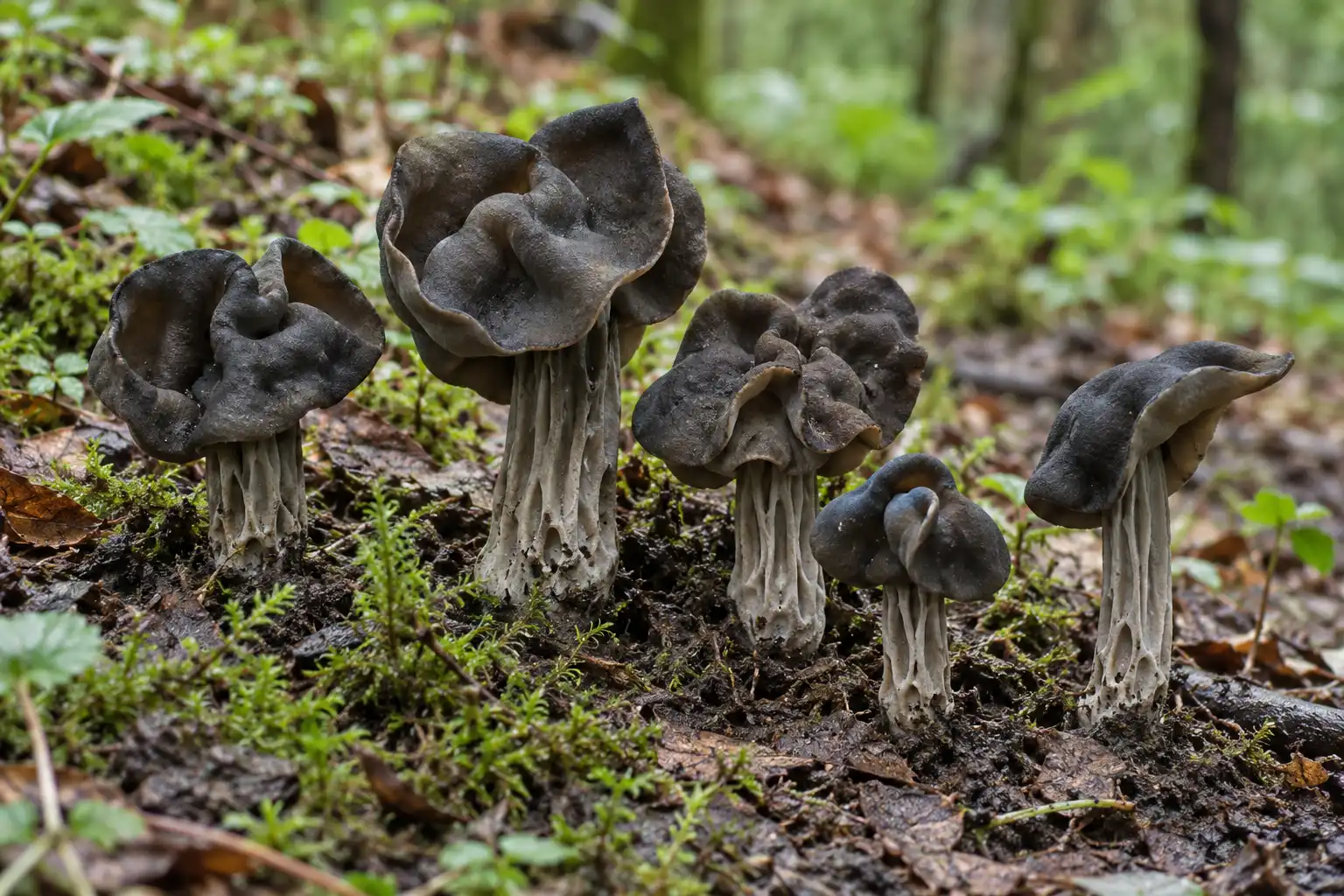
Document black elfin saddle through its folded dark cap, deeply ribbed chambered stem, woodland habitat, microscopy, lookalikes, and safety limits.
mushrooms
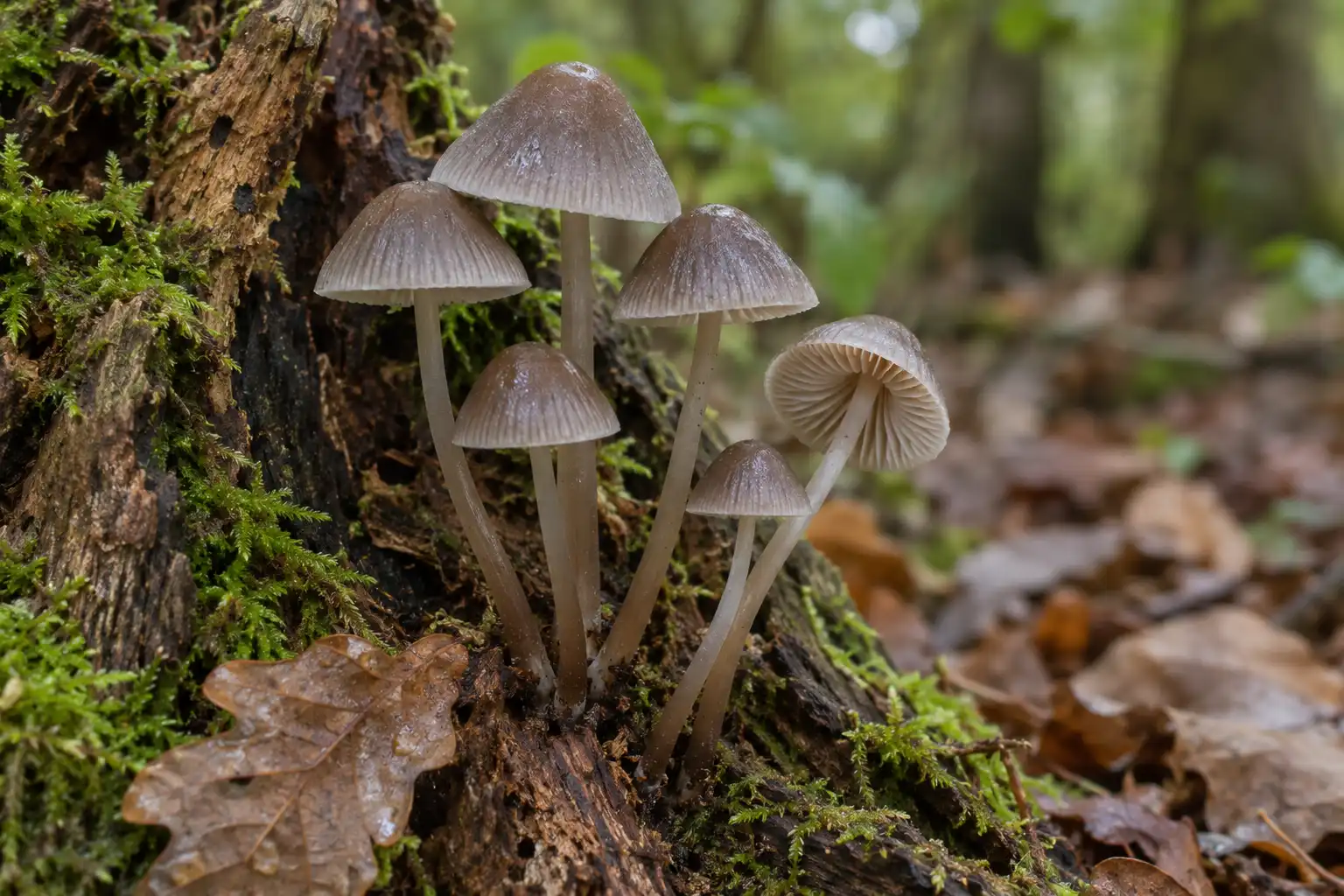
Document Mycena inclinata by its clustered oak-stump habit, striate bell caps, pale gills, two-toned stems, white spores, odor, microscopy, and lookalikes.
mushrooms
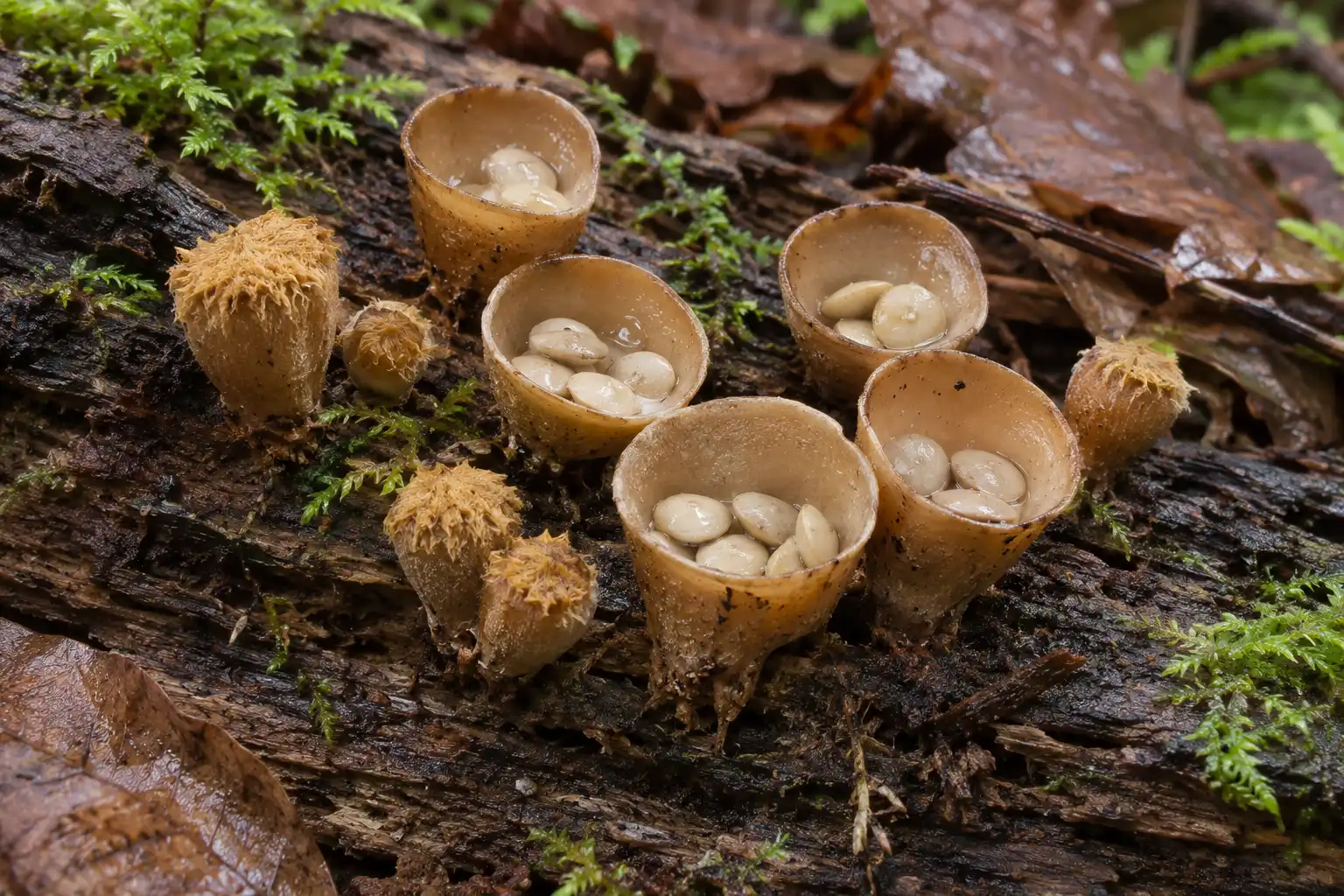
Document Crucibulum laeve by its smooth tan cups, pale peridioles, shaggy lid, splash dispersal, woody substrate, microscopy, and fluted lookalikes.
mushrooms
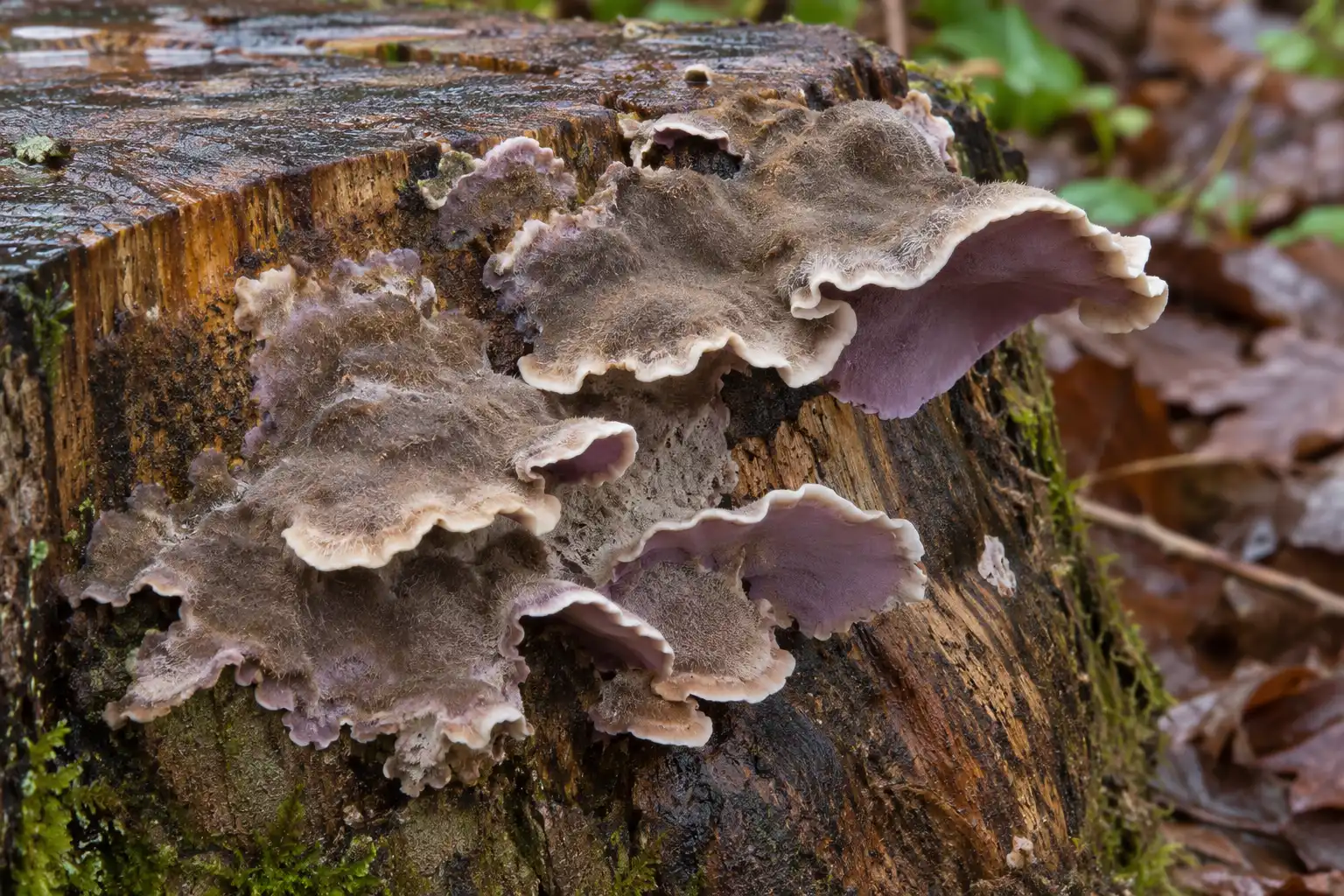
Document Chondrostereum purpureum by its violet smooth crusts, hairy shelf edges, broadleaf wounds, white rot, silver-leaf symptoms, and evidence limits.
mushrooms
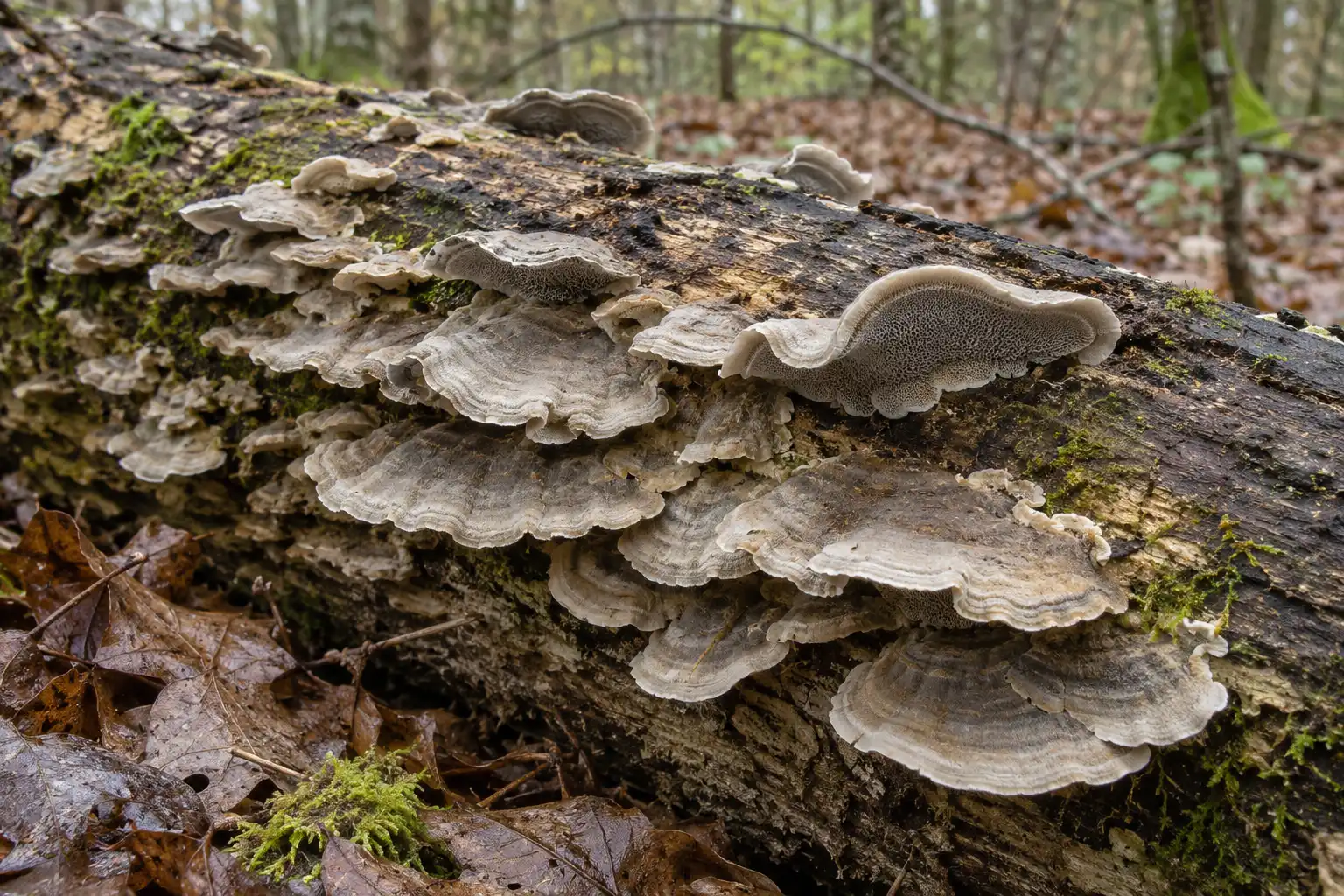
Document Bjerkandera adusta by its thin grey brackets, smoky pore surface, white rot, hardwood attachment, section, microscopy, lookalikes, and decay context.
mushrooms
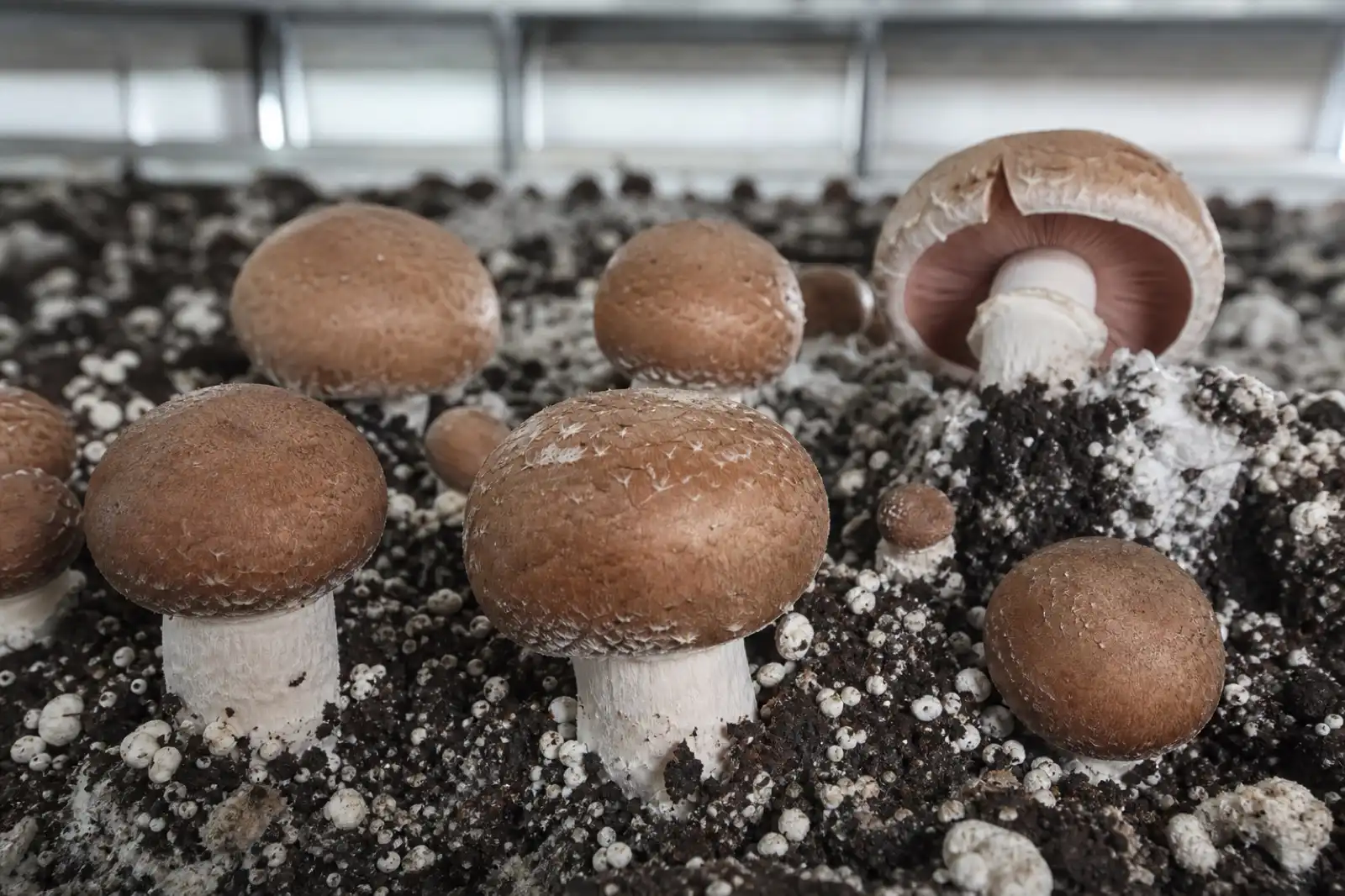
Cremini, baby bella, button, and portobello mushrooms are Agaricus bisporus market forms. Compare maturity, cooking uses, nutrition, cultivation, and safety.