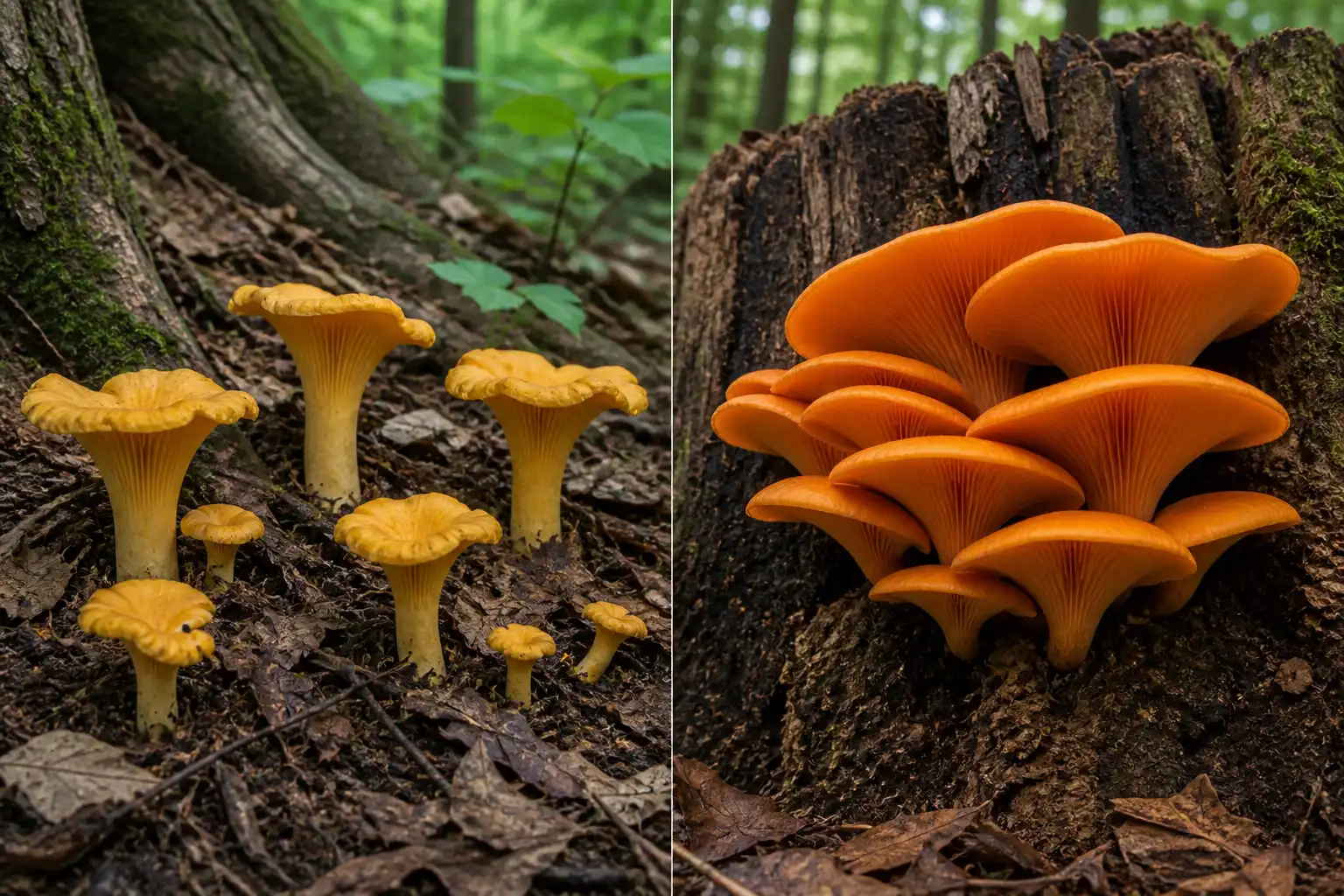
identification
Chanterelle vs. Jack-o-Lantern Mushrooms: Key Differences
Compare ridge-like folds, growth pattern, color, interior tissue, and habitat without treating an online comparison as an edibility verdict.
The journal archive
Earlier MushroomScope guides, ordered by their latest substantive publication or update date.
identification
Compare ridge-like folds, growth pattern, color, interior tissue, and habitat without treating an online comparison as an edibility verdict.
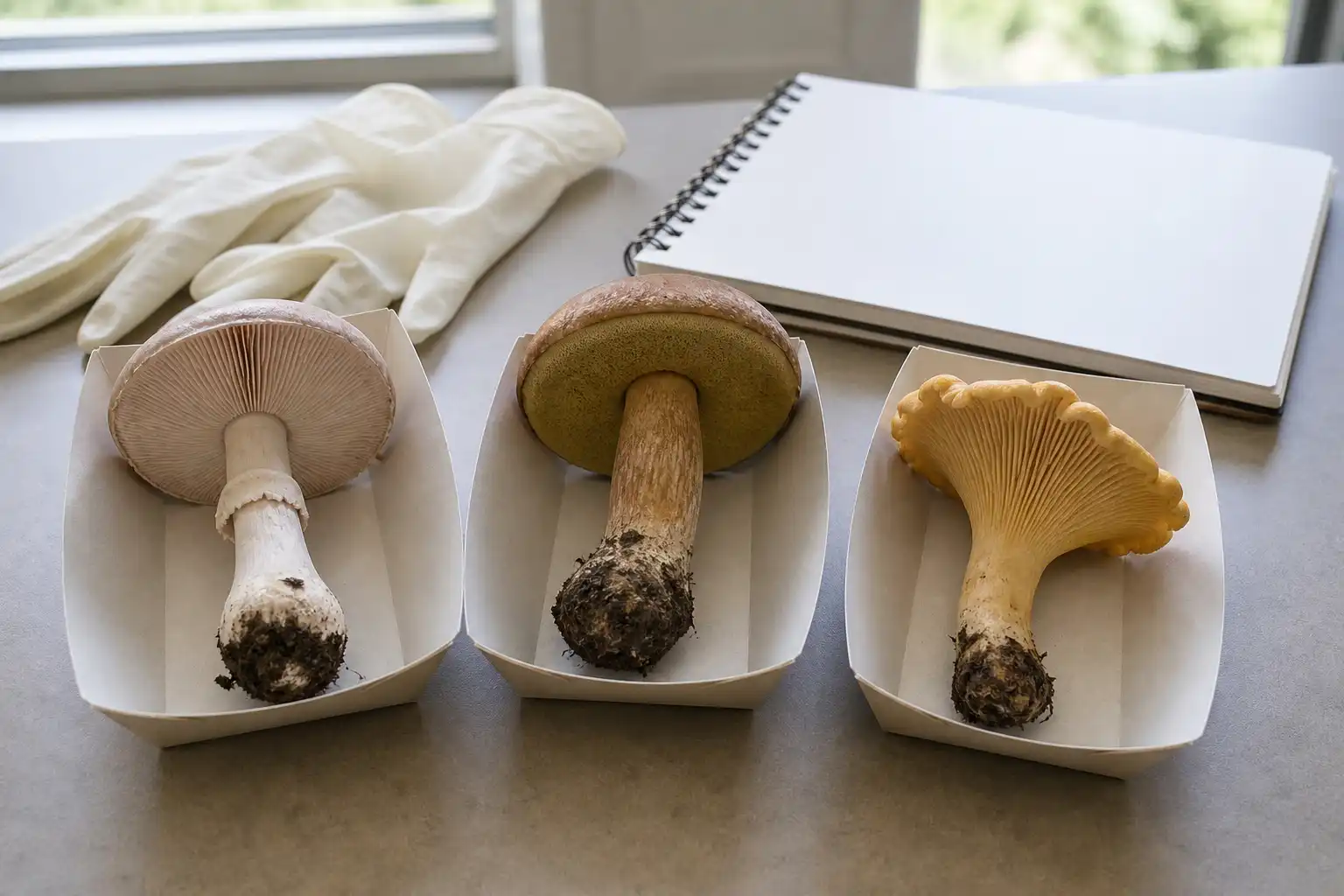
identification
Compare edible mushroom lookalikes by complete structure, habitat, development, and regional evidence without treating a web page as eating clearance.
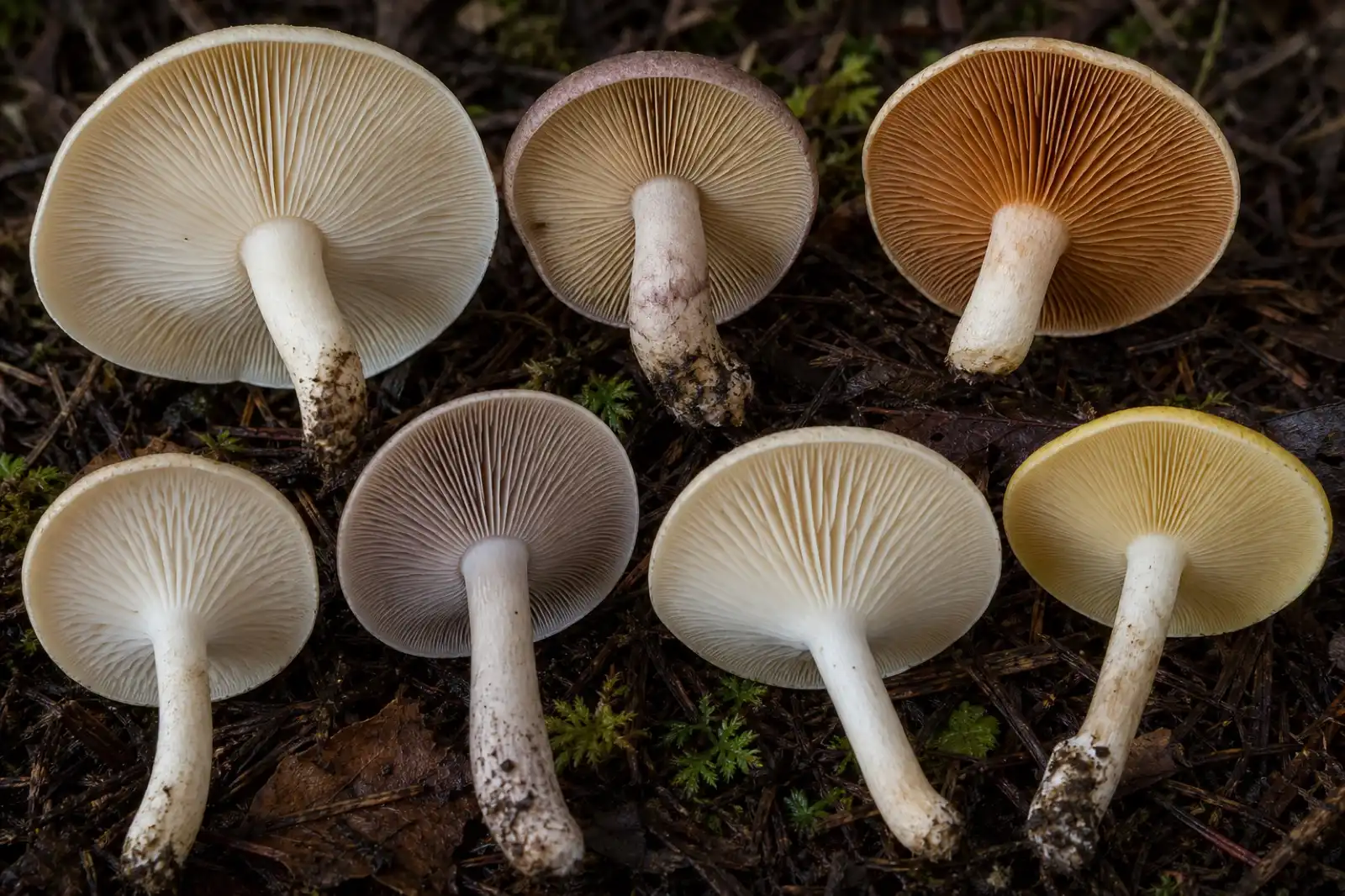
identification
Compare free, attached, notched, adnate, and decurrent mushroom gills while recording spacing, short gills, edge details, bruising, and color changes.
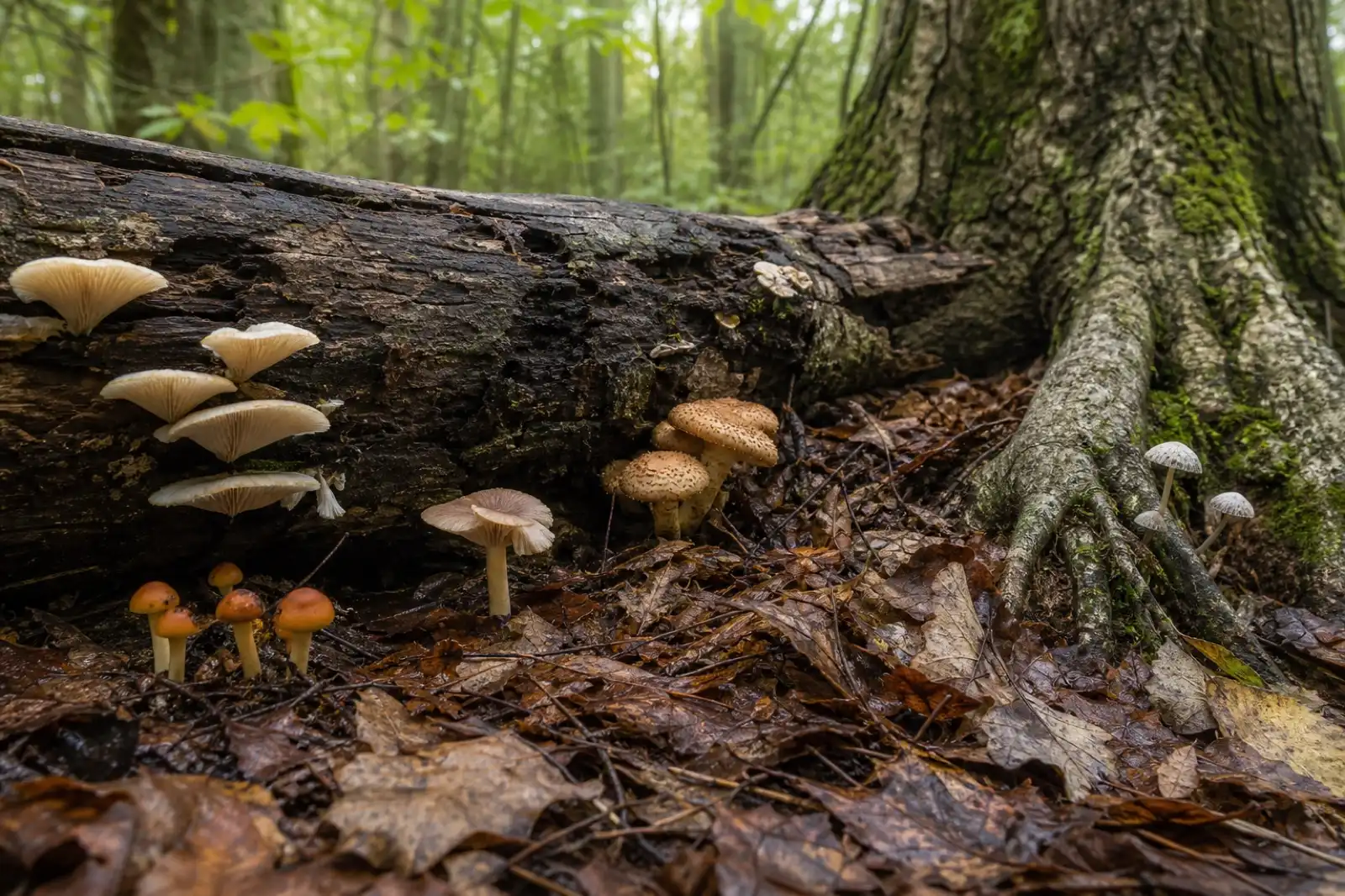
identification
Record substrate, associated plants, soil, wood type, moisture, elevation, and fruiting pattern as identification evidence.
identification
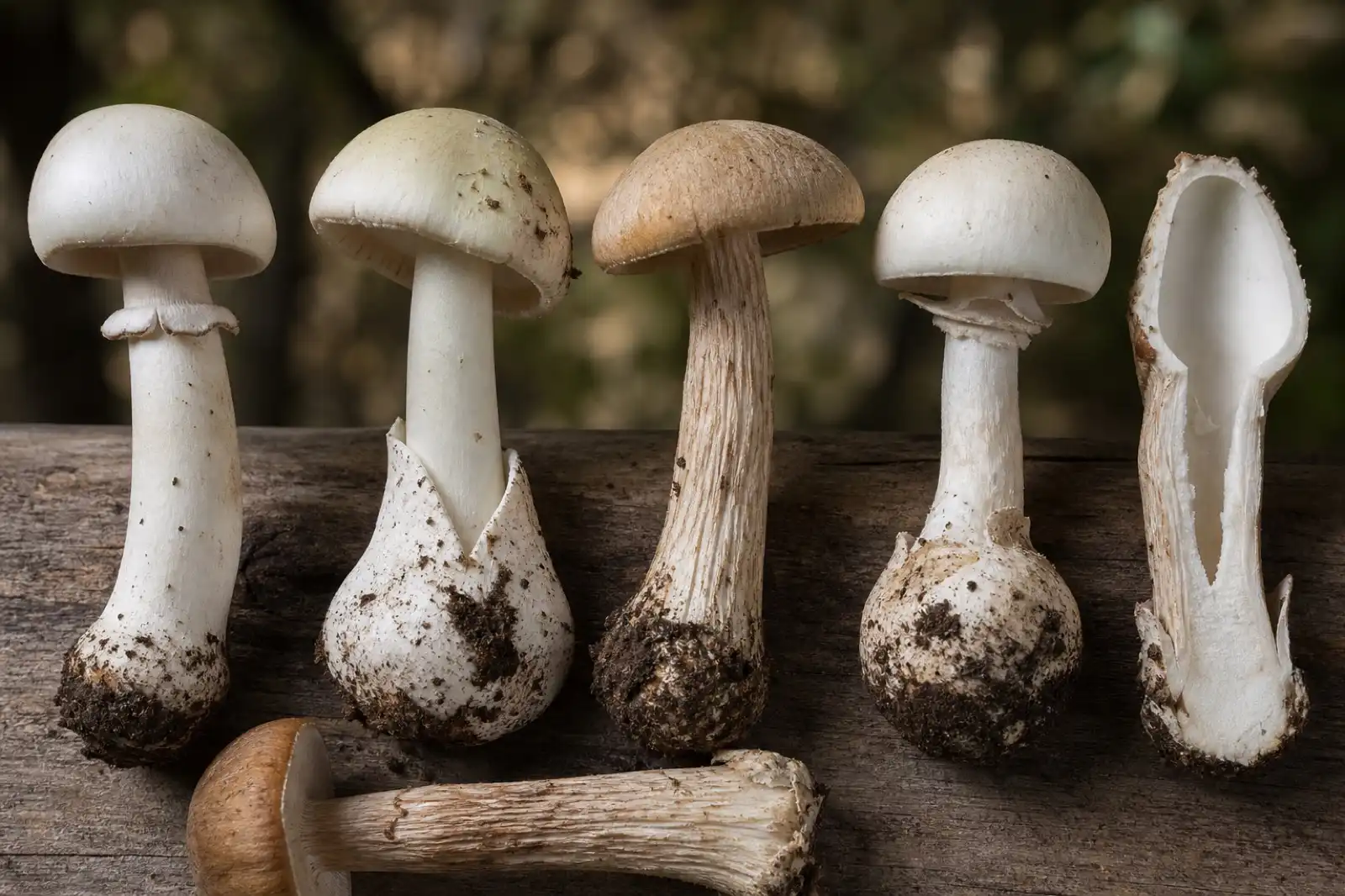
Document mushroom stem shape, attachment, rings, volvas, buried bases, internal structure, bruising, and texture without using one feature to decide edibility.
mushrooms
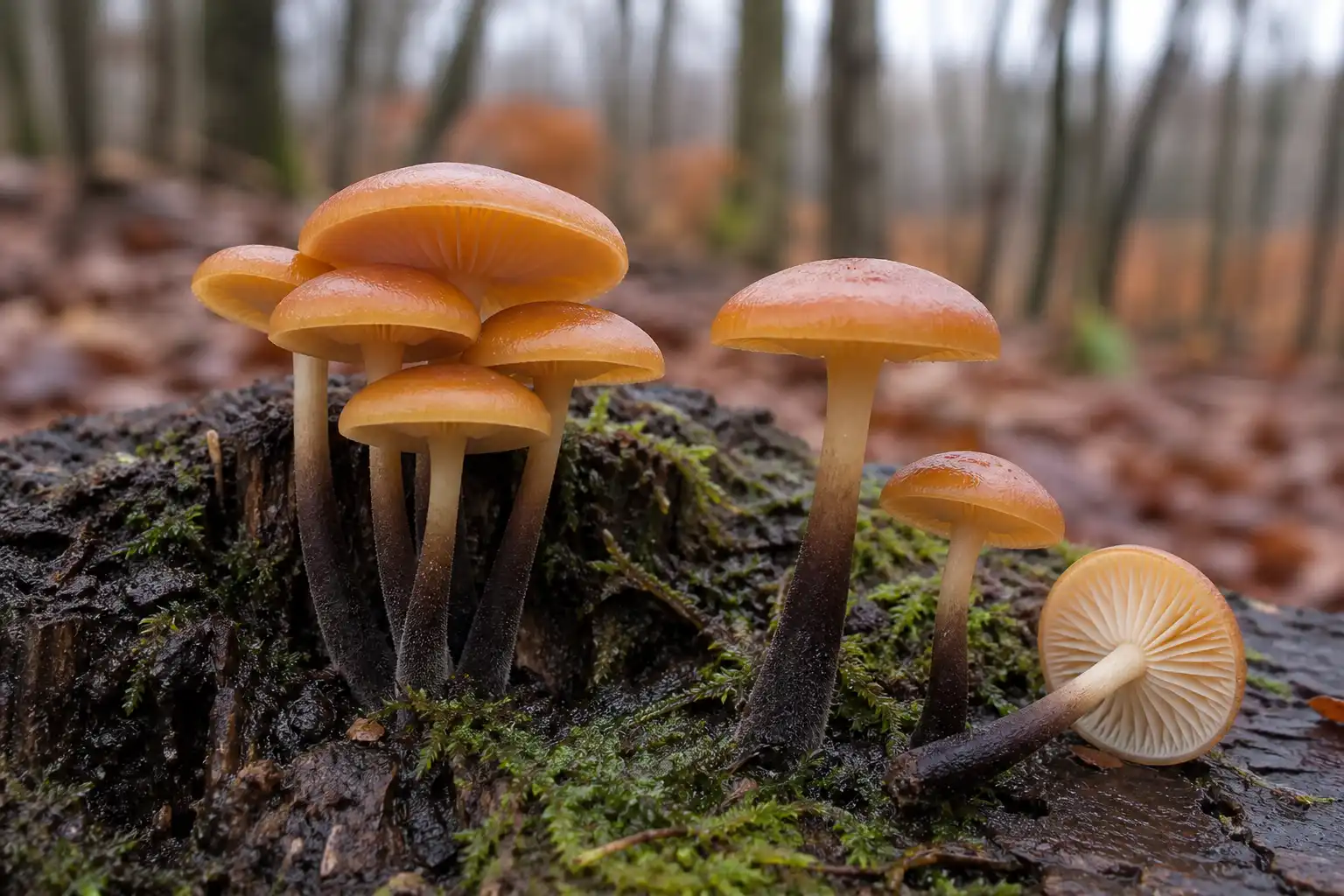
Learn how to document wild velvet shank, distinguish it from dangerous wood-growing lookalikes, and separate it from cultivated enoki.
growing
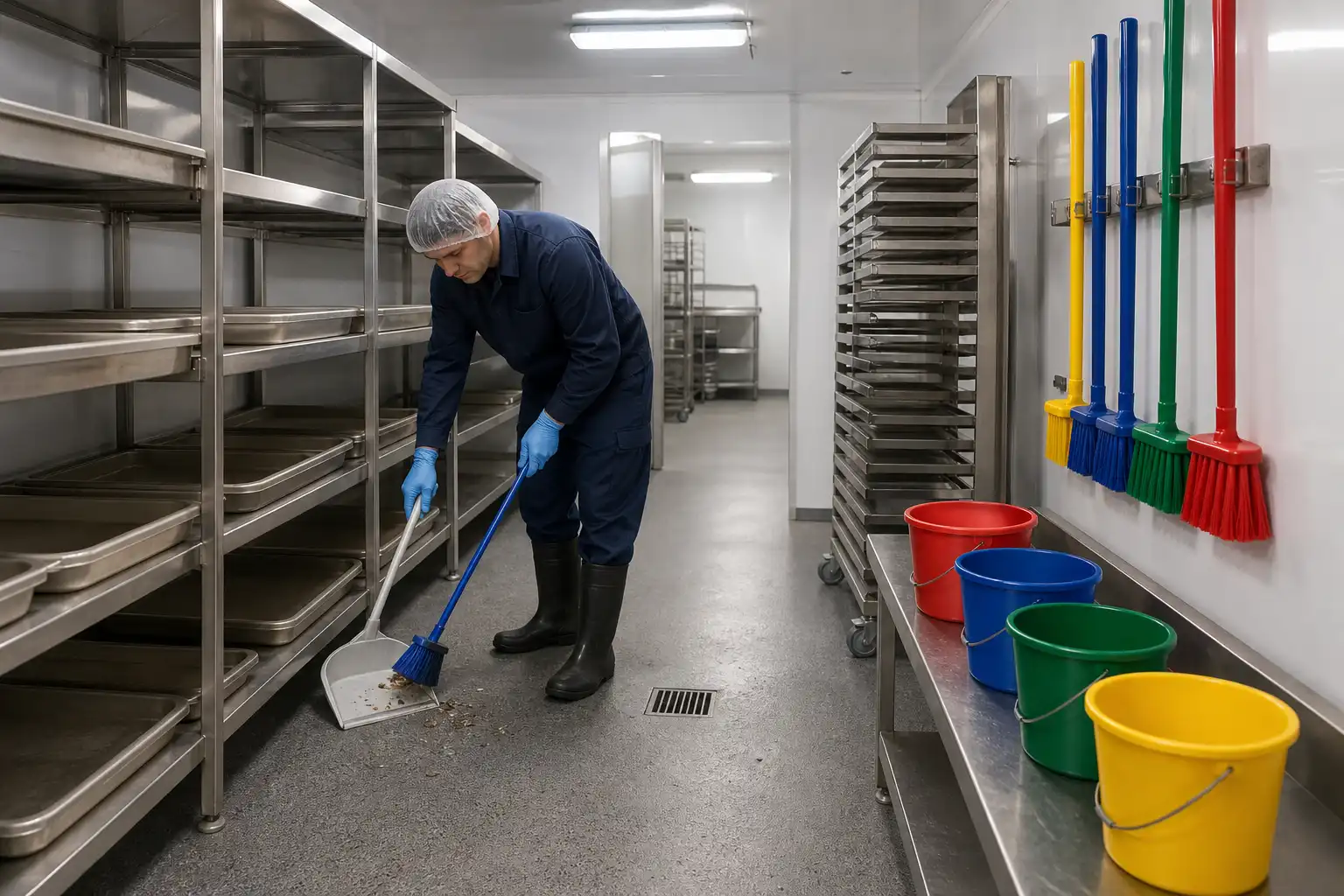
Build a mushroom grow-room sanitation sequence that separates soil removal from sanitizing, controls traffic and standing water, and verifies results.
health
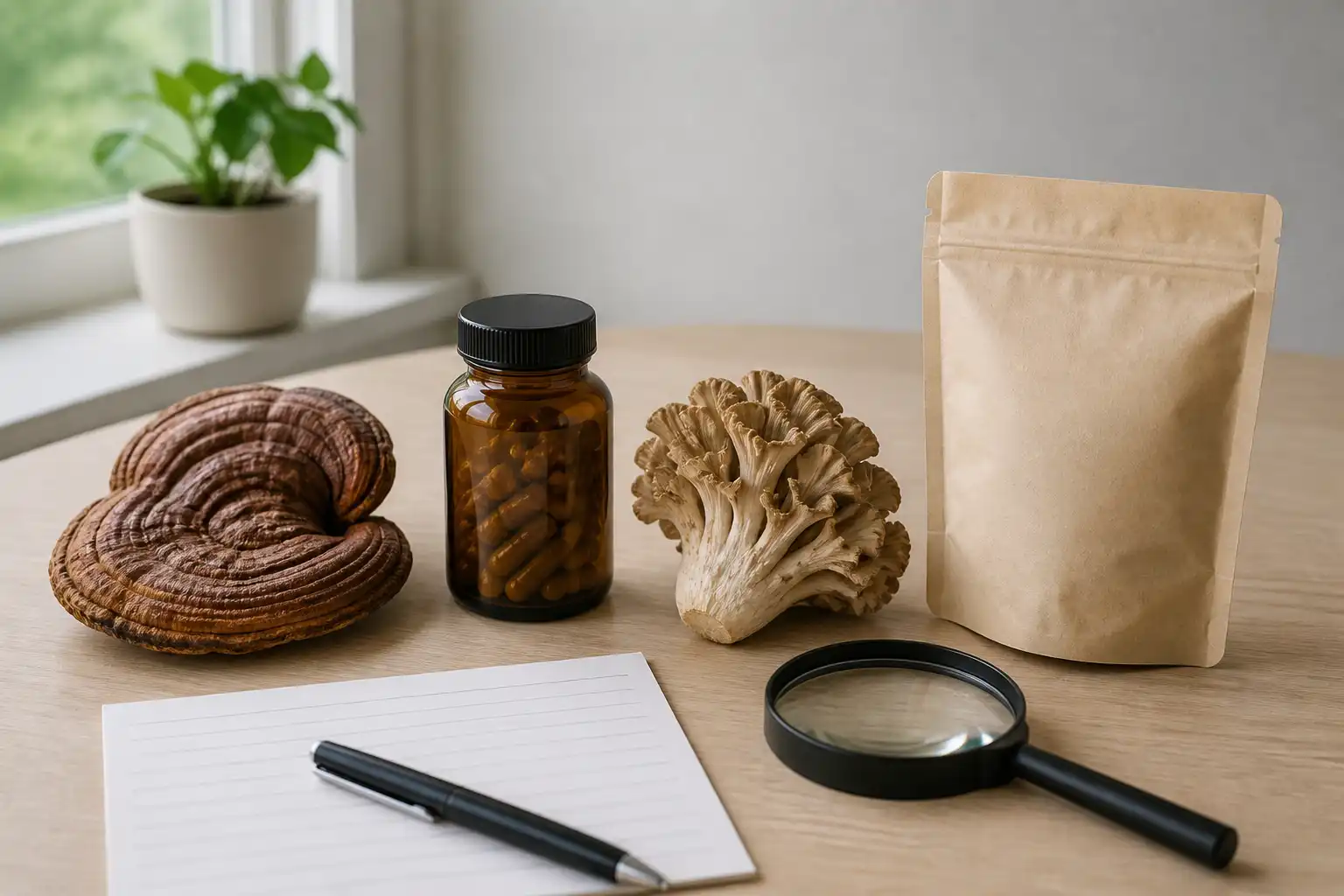
Evaluate medicinal mushroom supplement safety through identity, dose, interactions, quality testing, adverse-event response, and evidence limits.
health
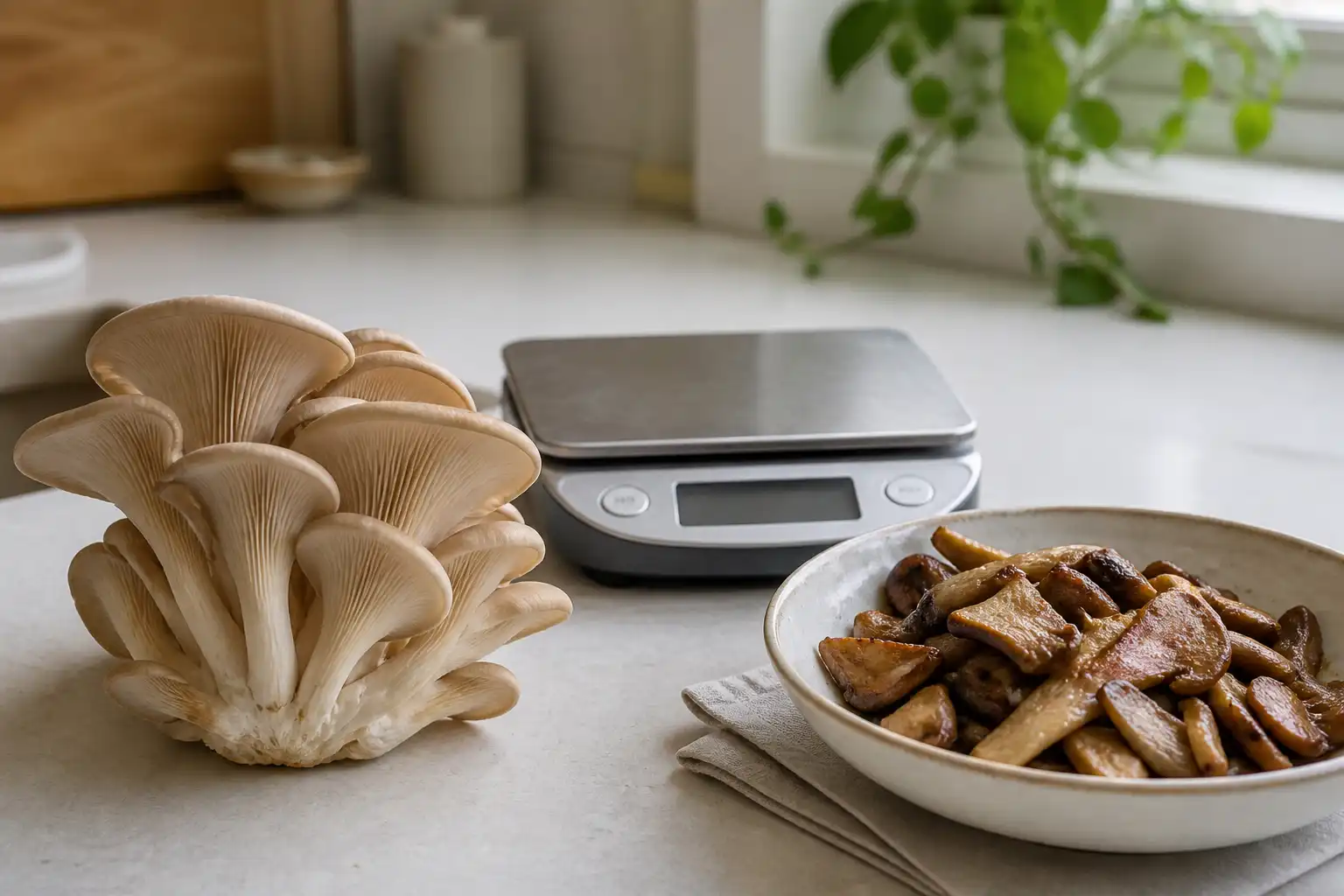
Compare oyster mushroom protein, fiber, calories, micronutrients, serving sizes, and cooking changes without confusing food with extracts.
growing
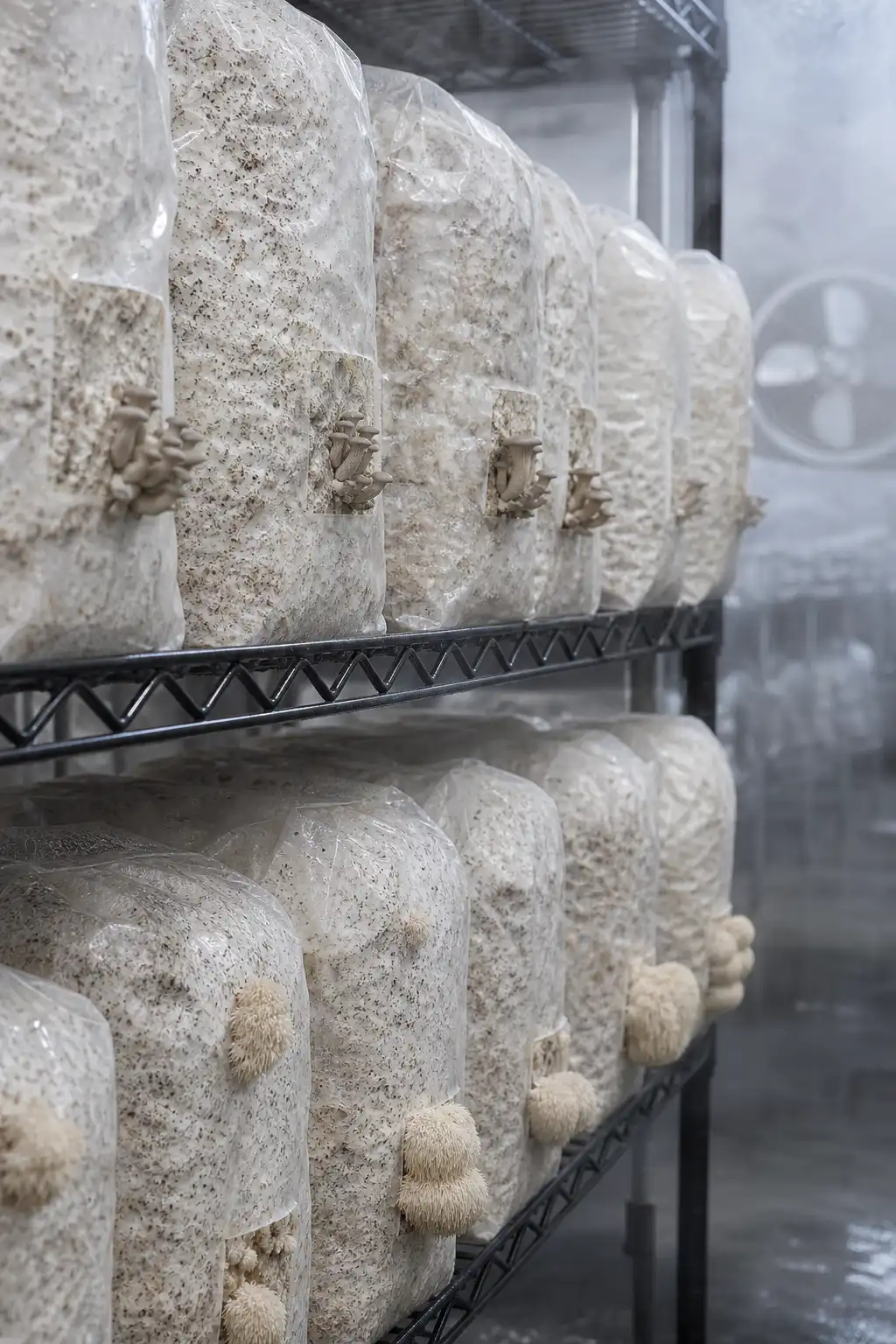
Diagnose mushroom pinning through colonization readiness, fresh air, surface moisture, temperature, light, species-specific cuts, and observation logs.
growing
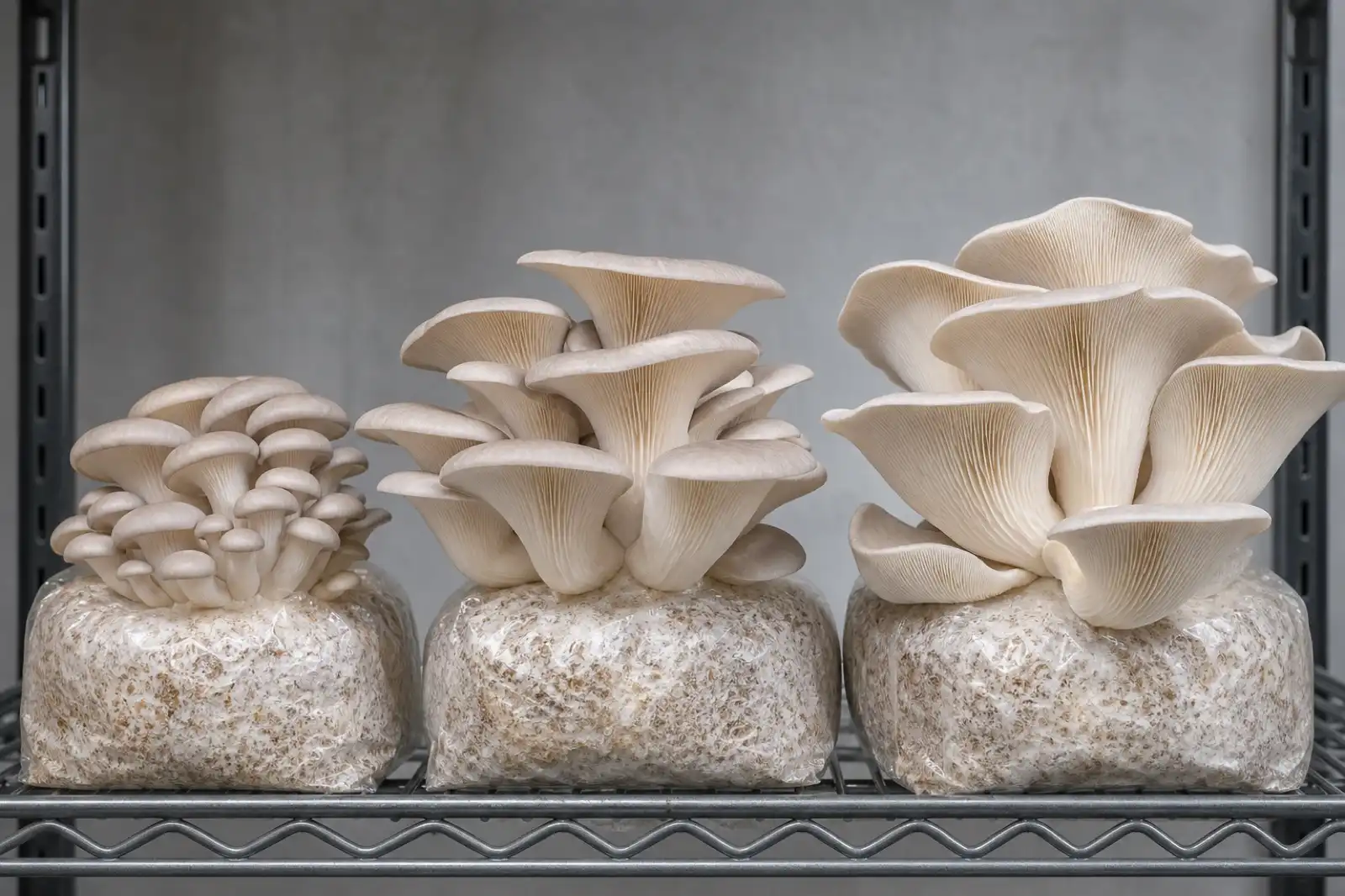
Learn when to harvest cultivated oyster, lion's mane, shiitake, and other mushrooms using species-specific maturity cues, clean handling, and prompt cooling.
health
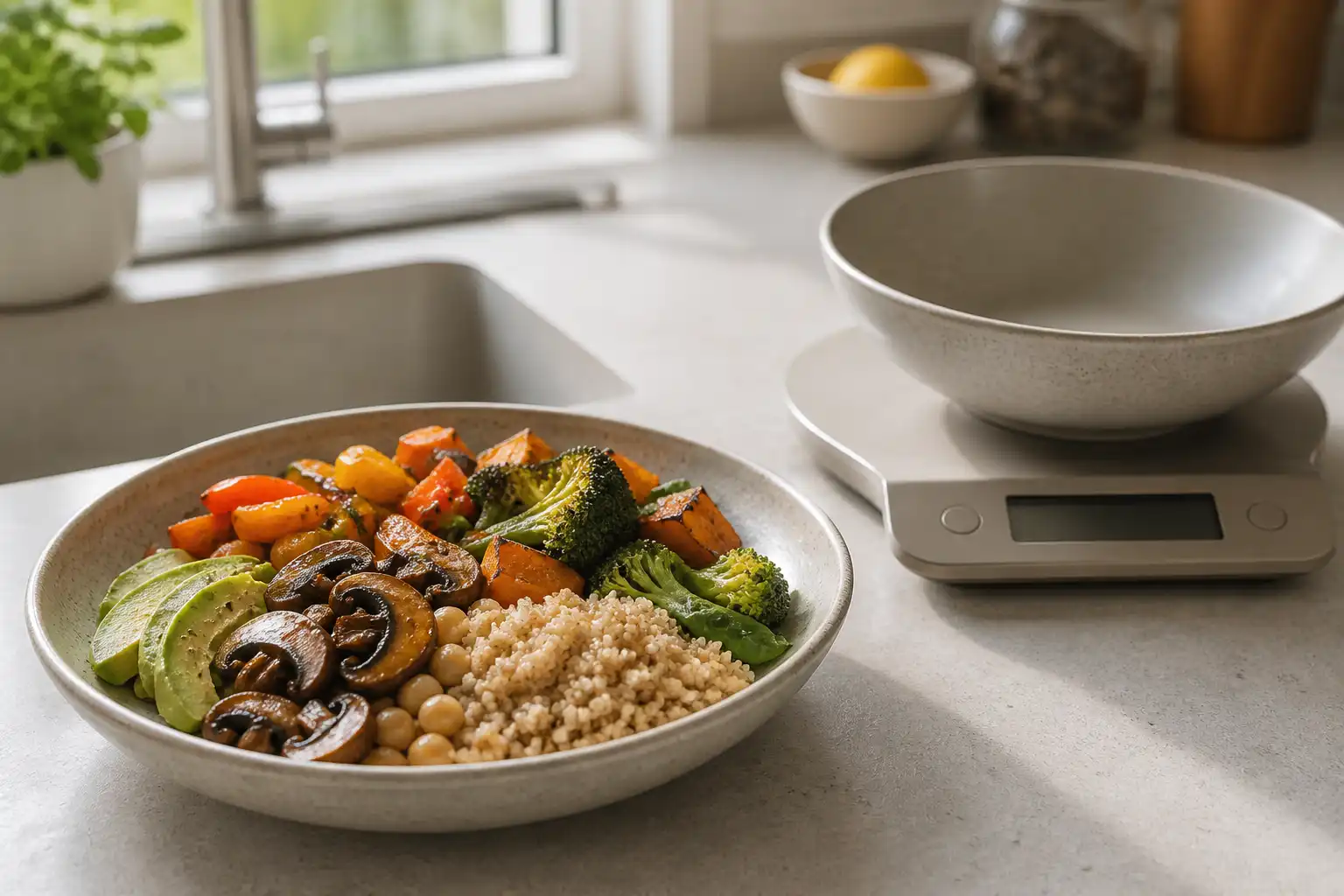
Assess mushroom calories, satiety, food substitution, trial design, realistic portions, and why mushrooms are not a stand-alone weight-loss treatment.
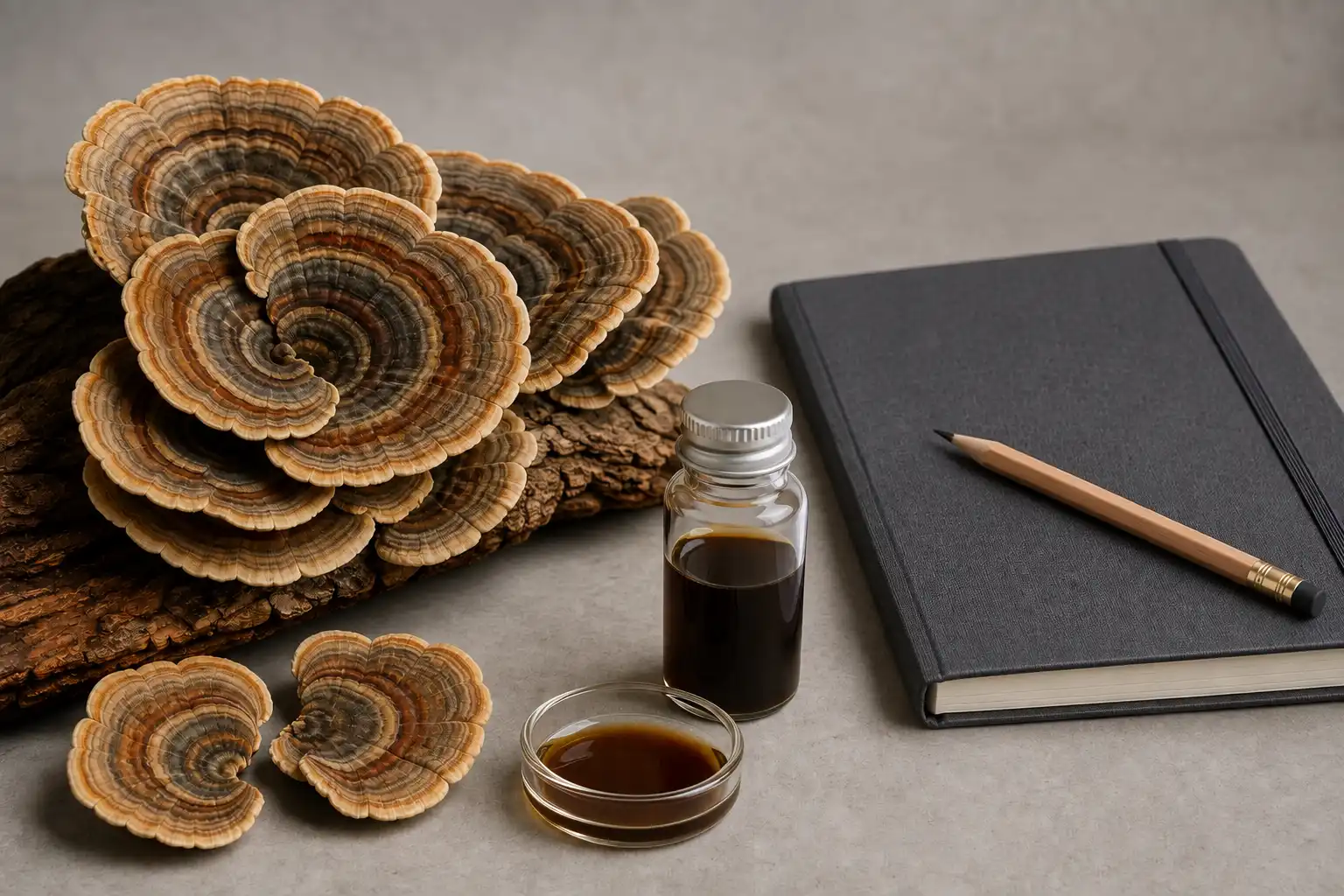
health
Turkey tail research on PSK and other extracts is product- and setting-specific; it does not validate self-treatment, foraged material, or every supplement.
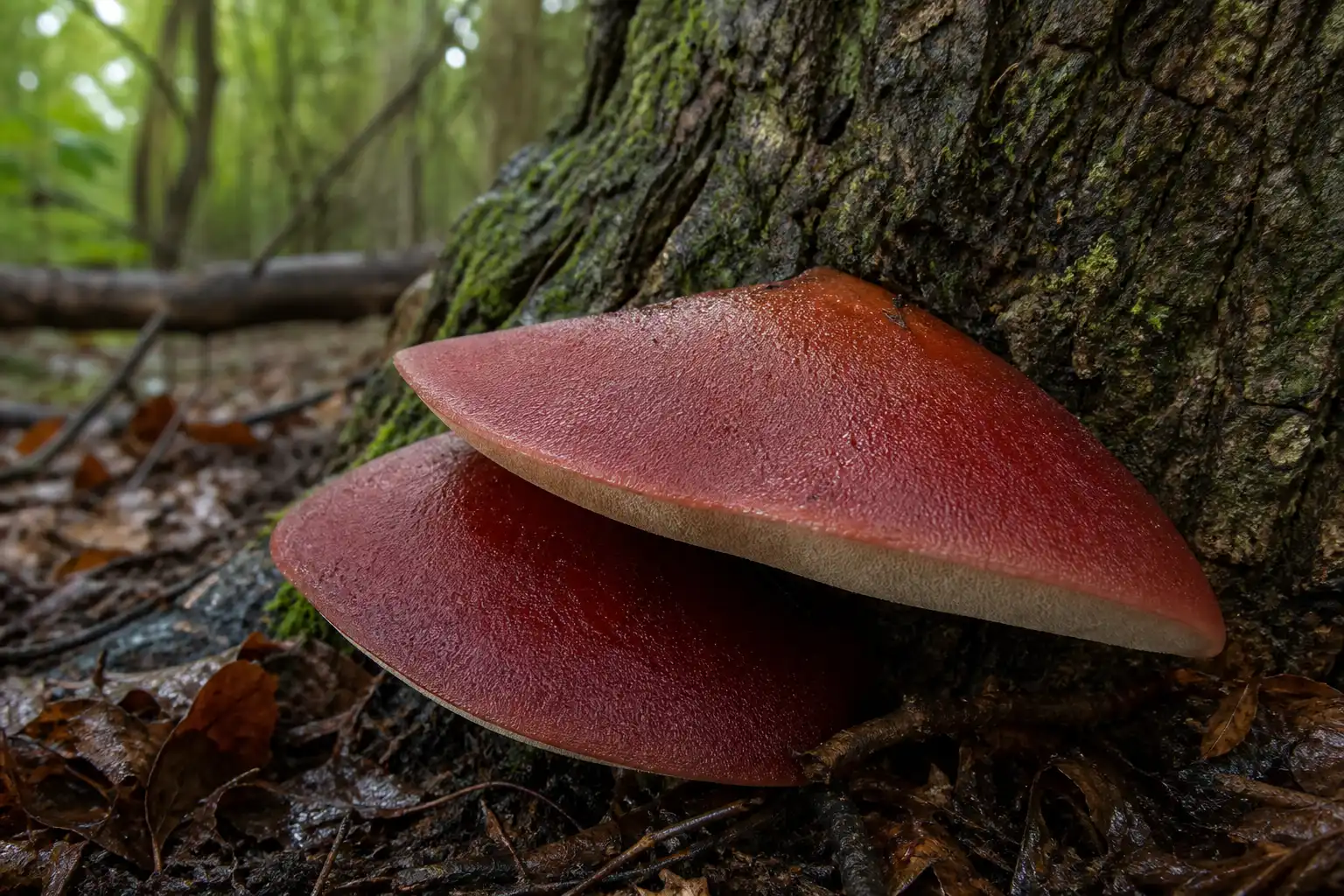
mushrooms
Document beefsteak fungus by its red tongue-shaped brackets, separate tubes, pale pores, oak or chestnut host, white rot, and regional lookalikes.
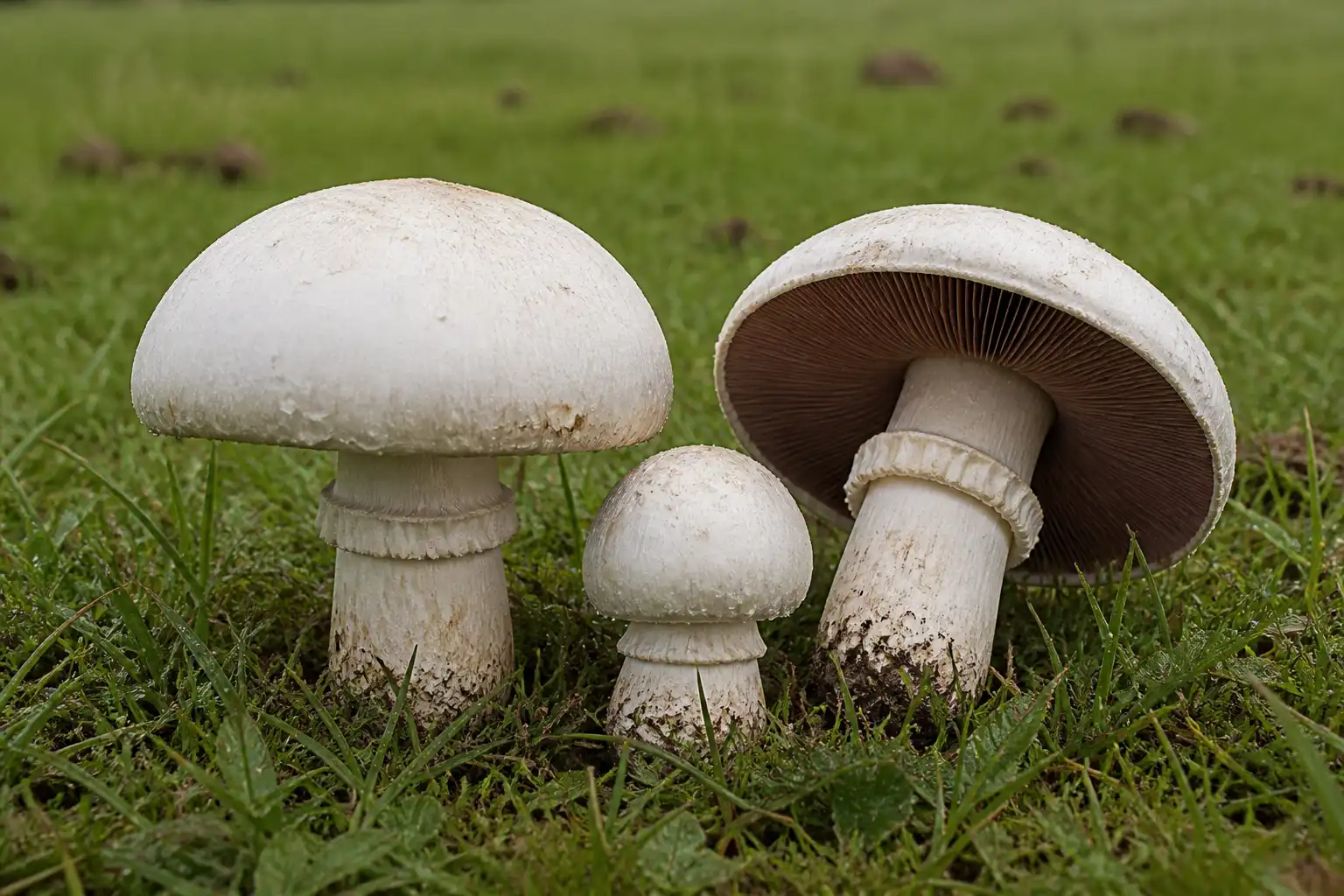
mushrooms
Document Agaricus arvensis using its free maturing gills, double ring, anise odor, slow yellowing, grassland ecology, and toxic yellow-stainer checks.
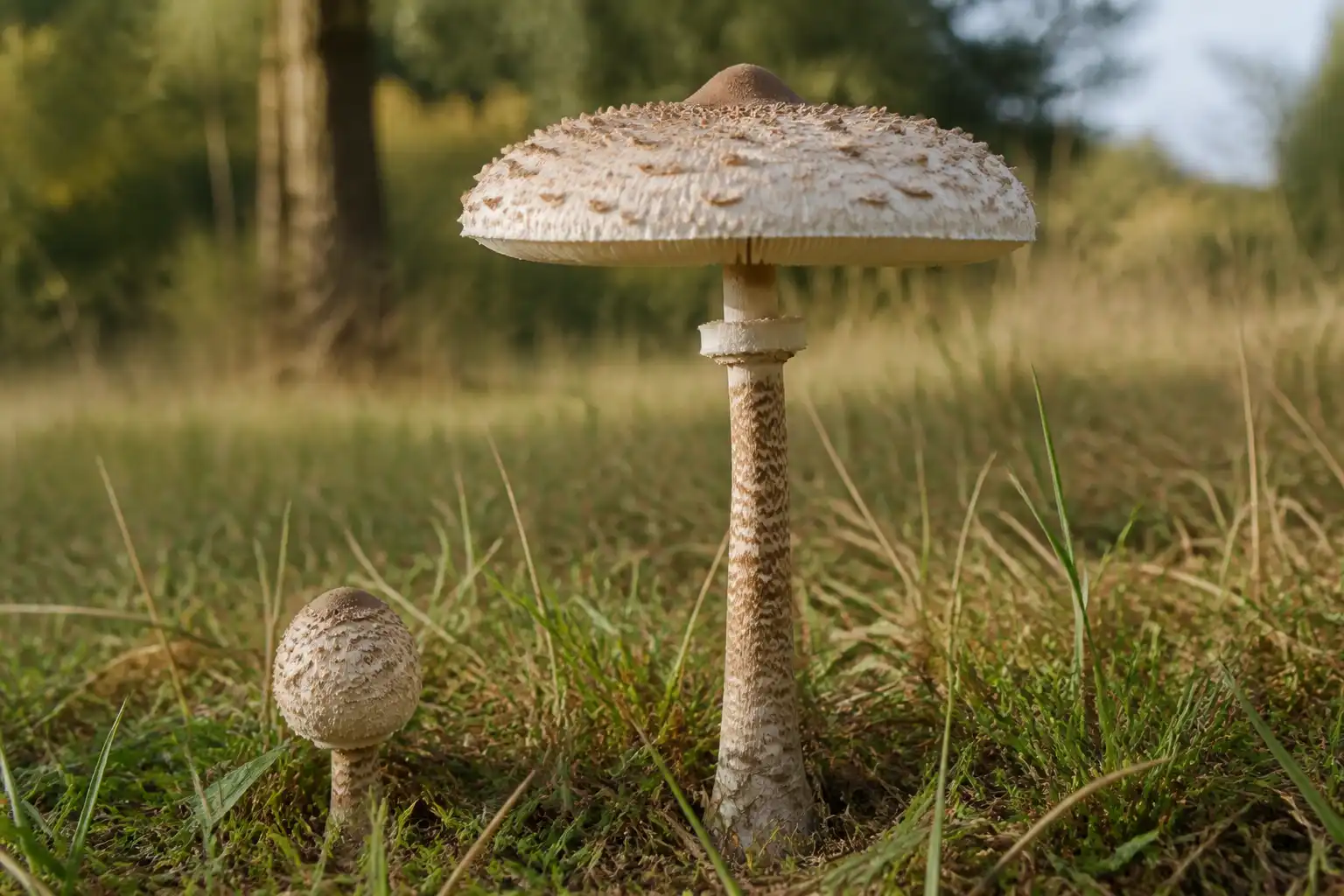
mushrooms
Document a parasol candidate using cap development, free gills, a movable ring, snakeskin stem pattern, intact base, spores, habitat, and regional lookalikes.
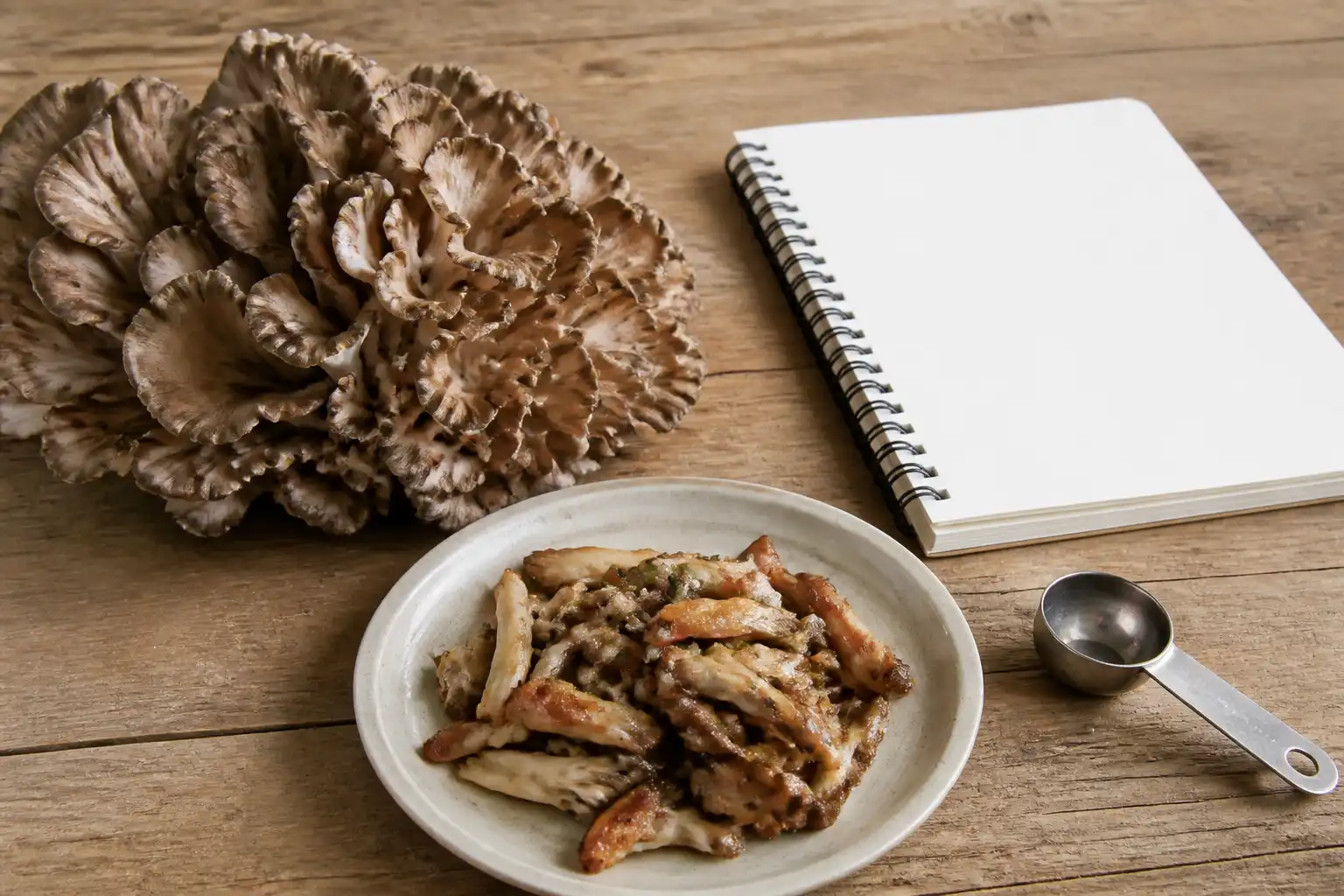
health
Separate maitake food nutrition from extract research, with practical guidance on study quality, product matching, interactions, and claim limits.
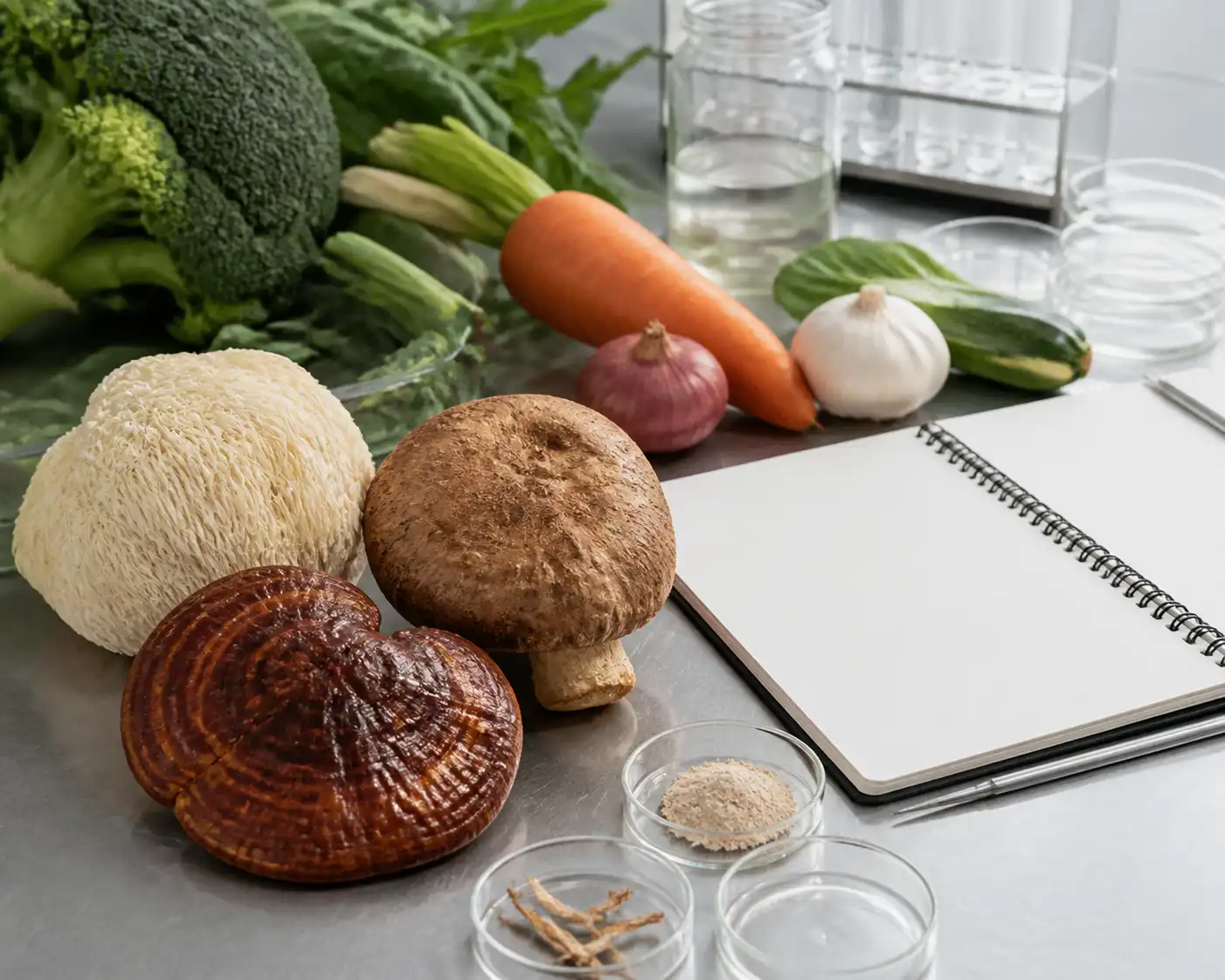
health
Understand mushroom antioxidants, laboratory assays, food variability, human evidence, and why ergothioneine findings do not prove disease prevention.