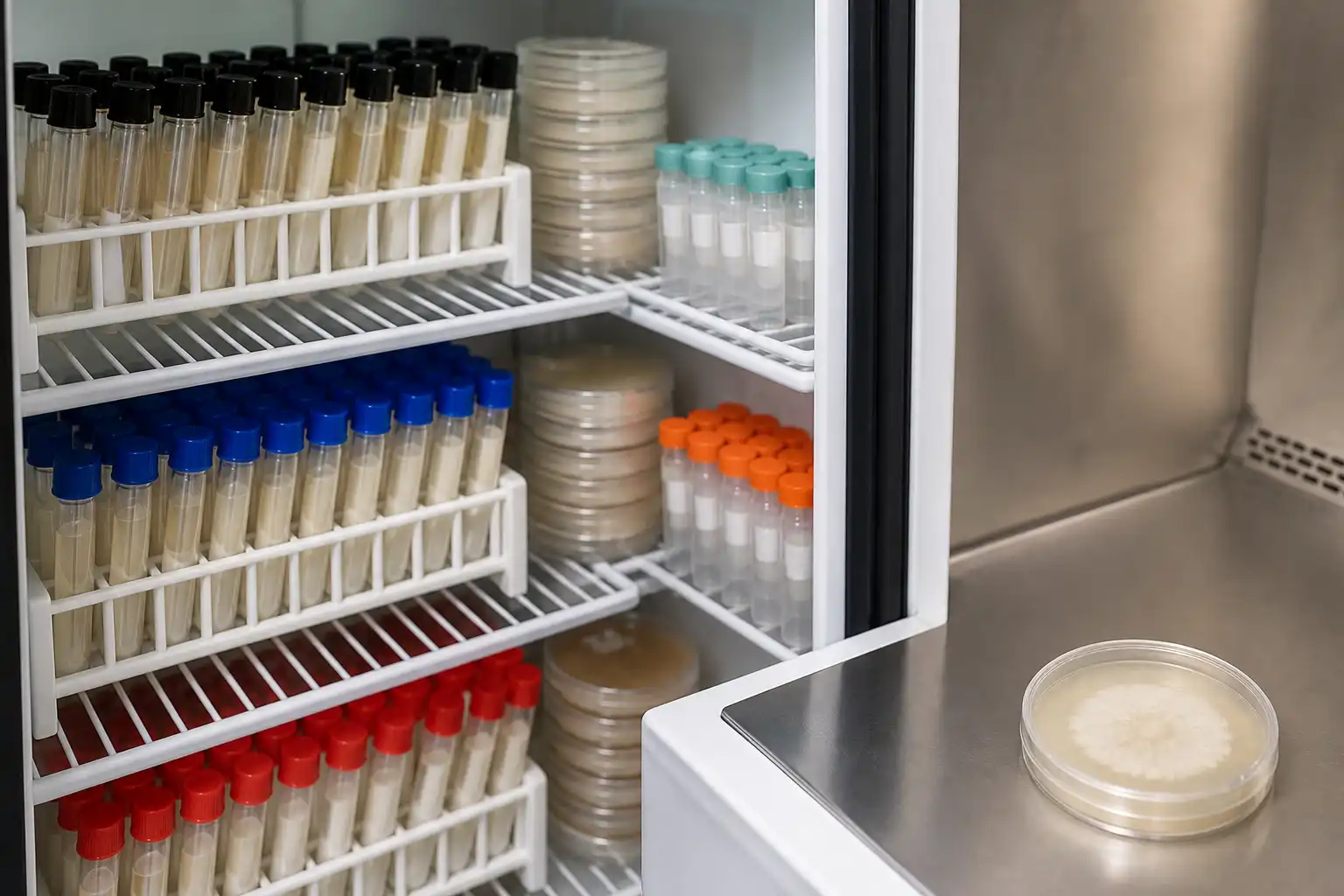
growing
Mushroom Culture Storage: Working Plates, Slants, and Inventory
Store mushroom cultures with a master-and-working system, sealed slants, temperature records, passage limits, recovery tests, and traceable inventory.
The journal archive
Earlier MushroomScope guides, ordered by their latest substantive publication or update date.
growing
Store mushroom cultures with a master-and-working system, sealed slants, temperature records, passage limits, recovery tests, and traceable inventory.
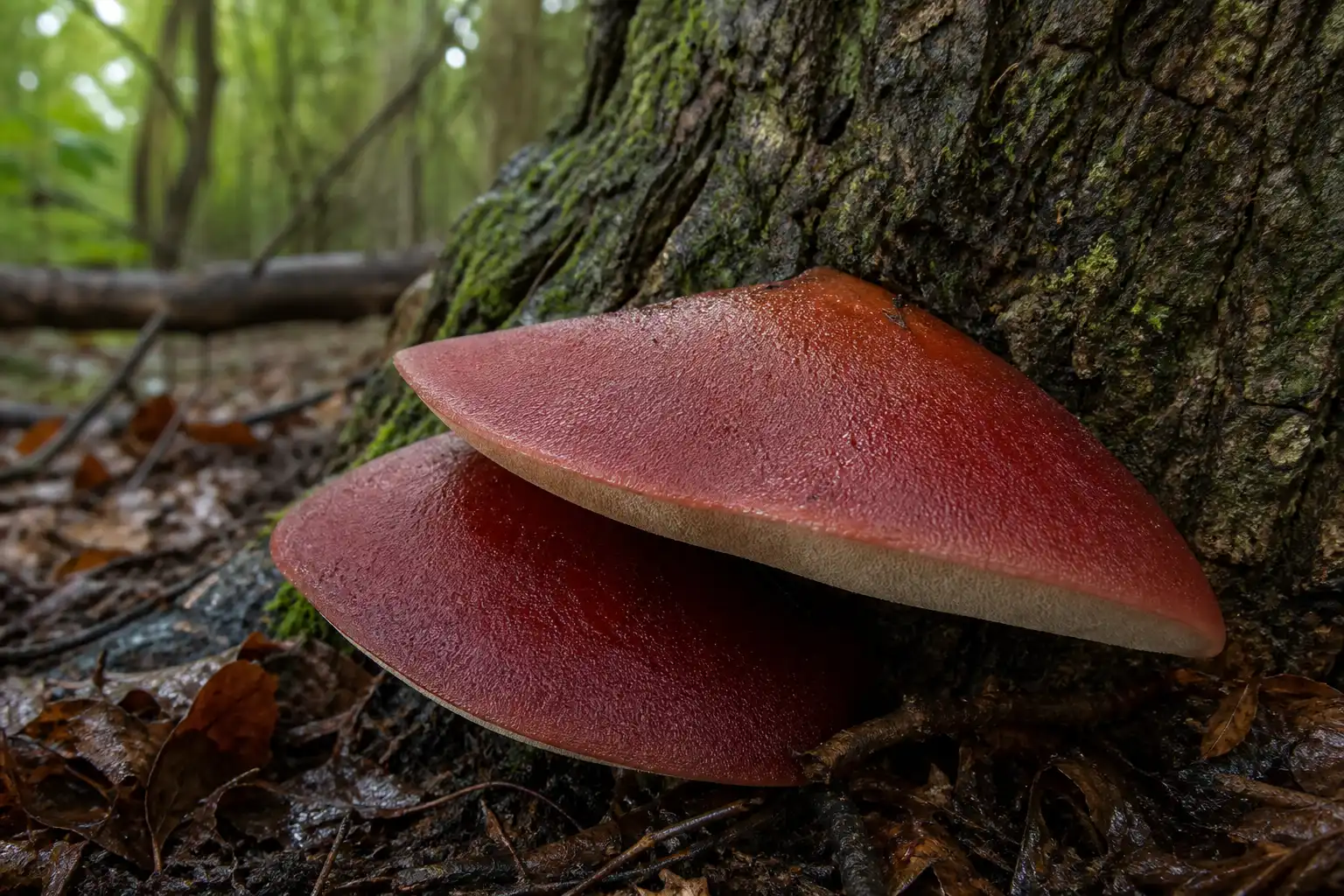
mushrooms
Document beefsteak fungus by its red tongue-shaped brackets, separate tubes, pale pores, oak or chestnut host, white rot, and regional lookalikes.
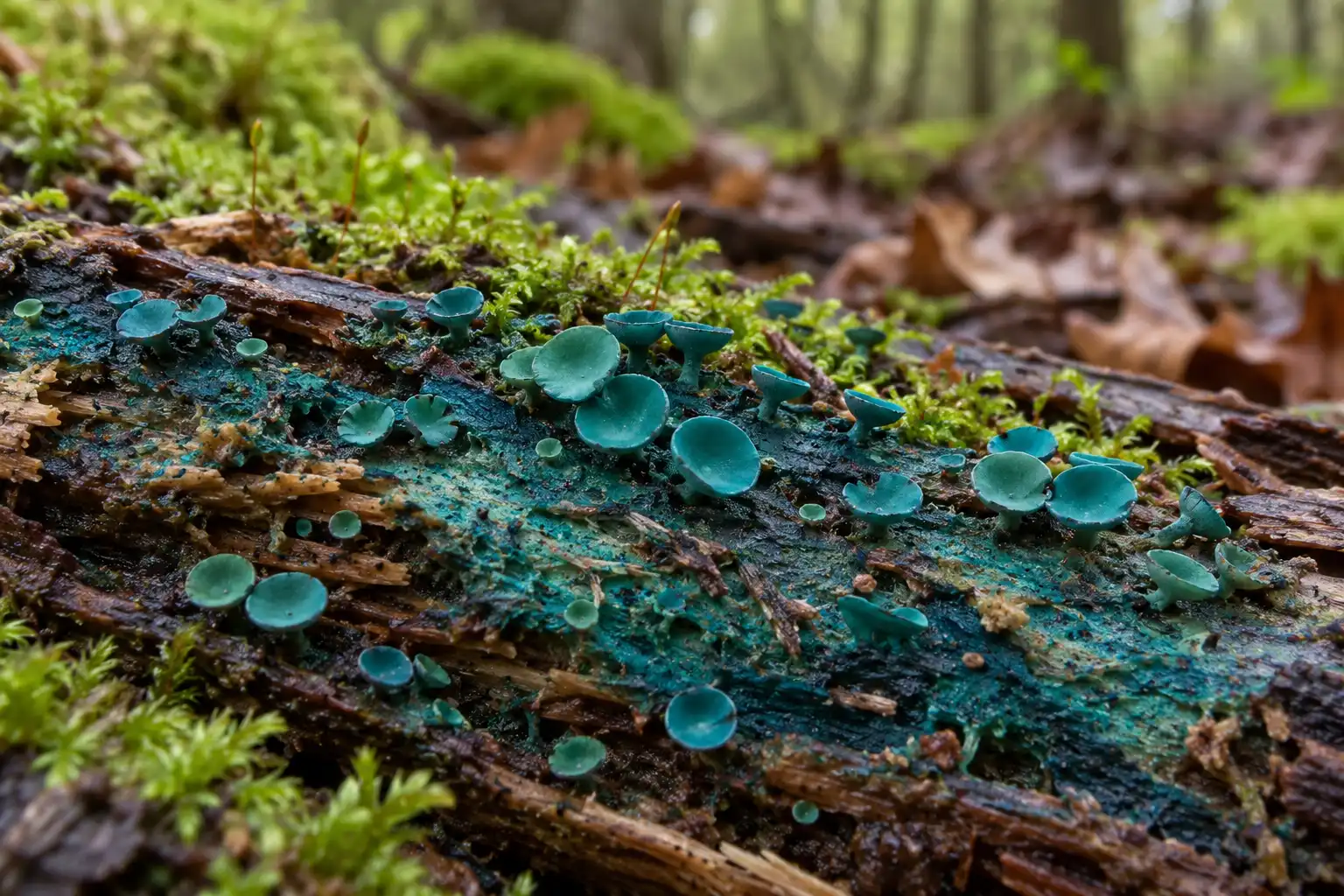
mushrooms
Document green elfcup fungi by tiny turquoise cups, short attachment, blue-green stained hardwood, fruiting scale, microscopy limits, and lookalikes.
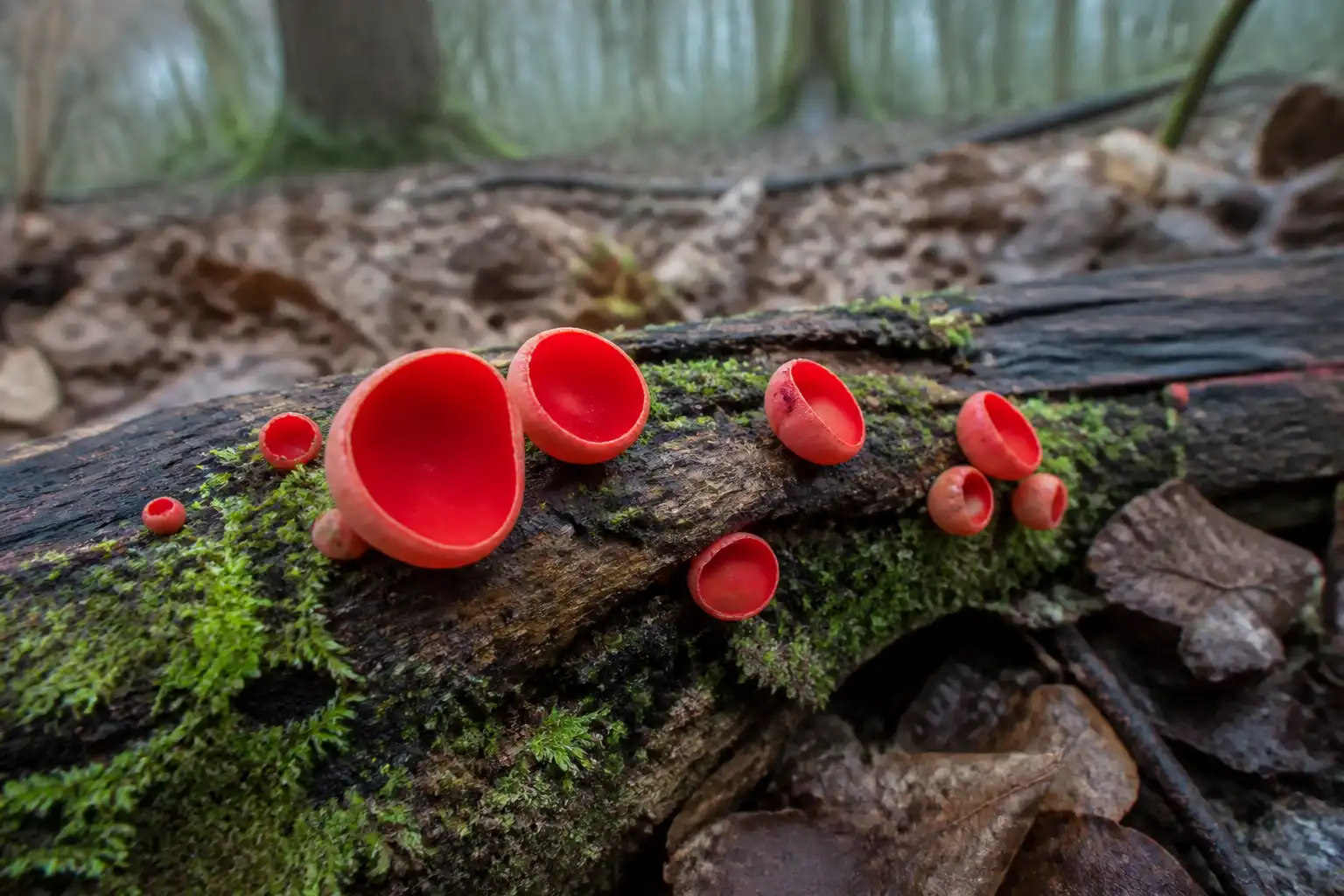
mushrooms
Document scarlet elf cups by red cup shape, pale outer surface, buried hardwood attachment, spring timing, microscopy limits, and regional Sarcoscypha species.
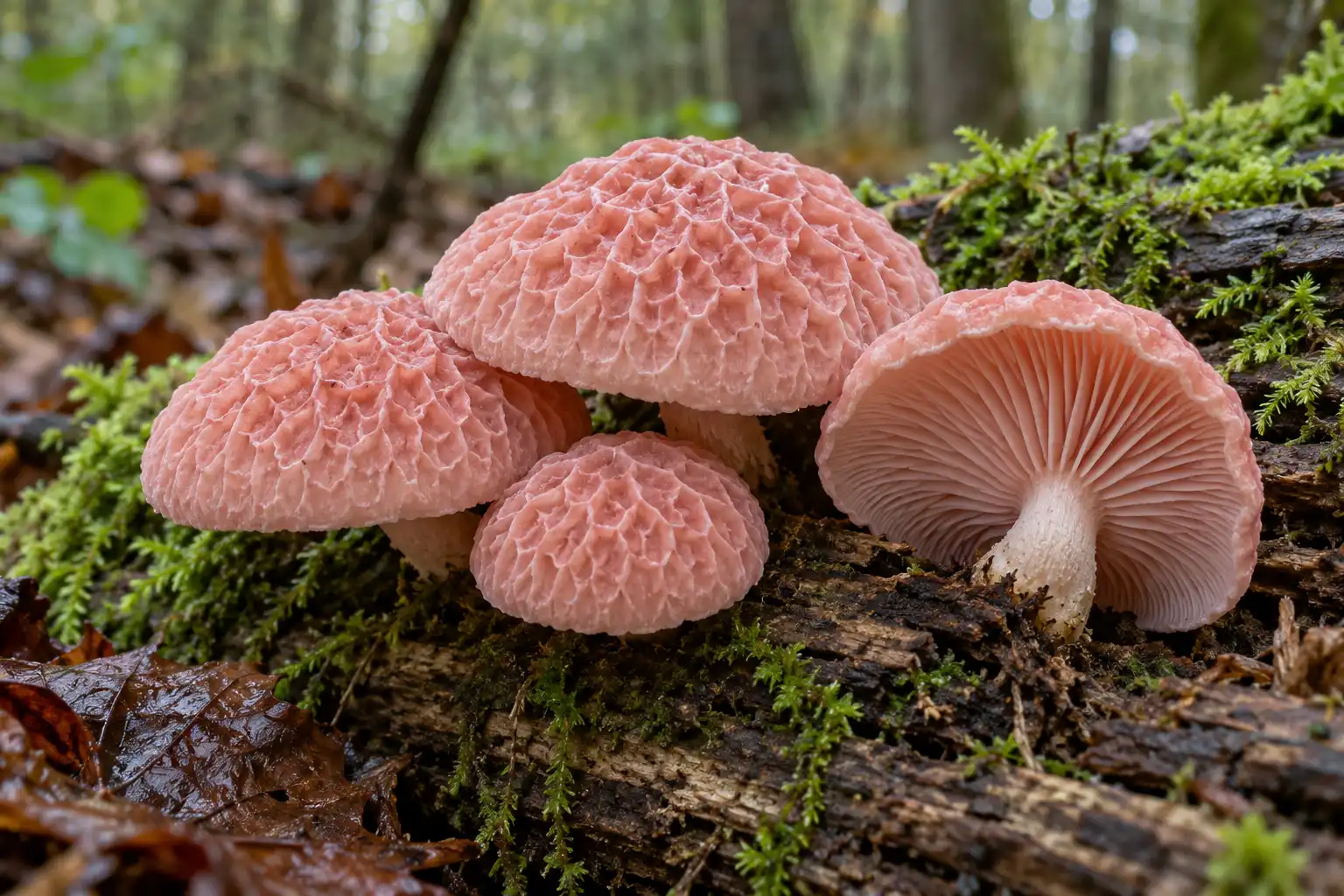
mushrooms
Document wrinkled peach mushrooms by pink reticulate caps, pale gills, eccentric stems, hardwood attachment, moisture response, range, and lookalikes.
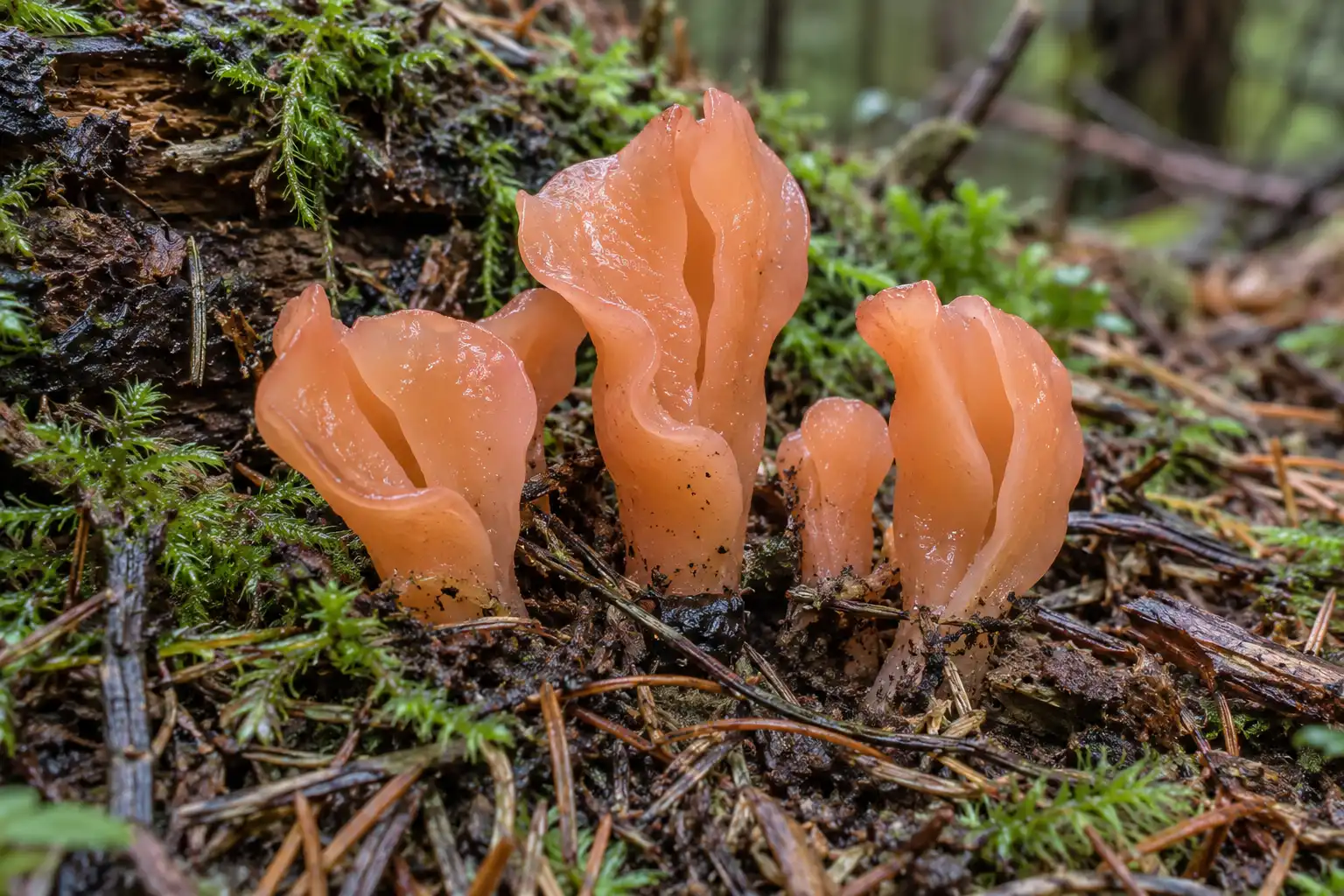
mushrooms
Document apricot jelly fungus by salmon-orange gelatinous lobes, slit funnels, smooth fertile surfaces, clustered growth, buried wood, texture, and lookalikes.
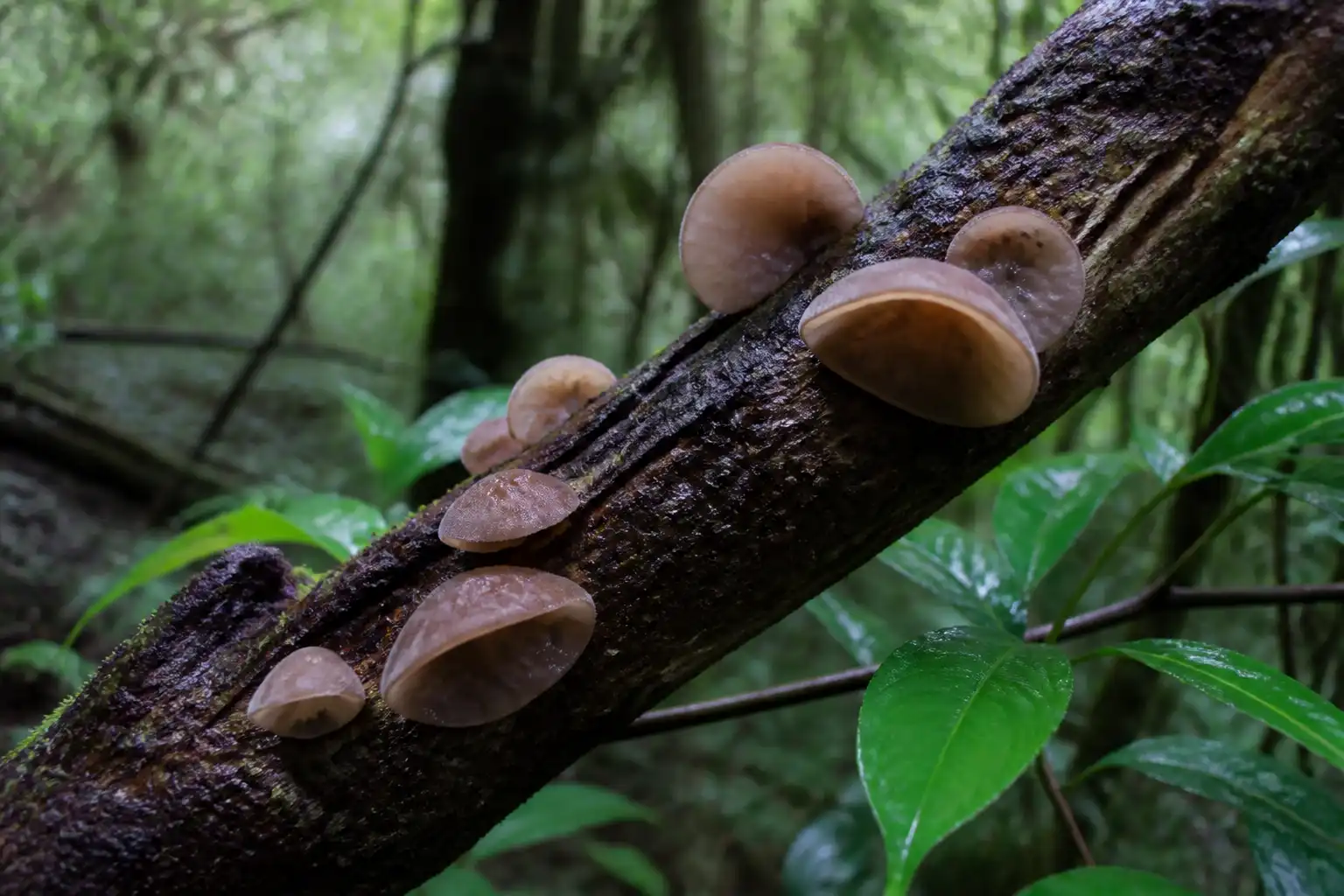
mushrooms
Understand cloud ear through Auricularia cornea taxonomy, pale hairy fruit bodies, tropical hardwood ecology, market-name limits, cultivation, and cooking.
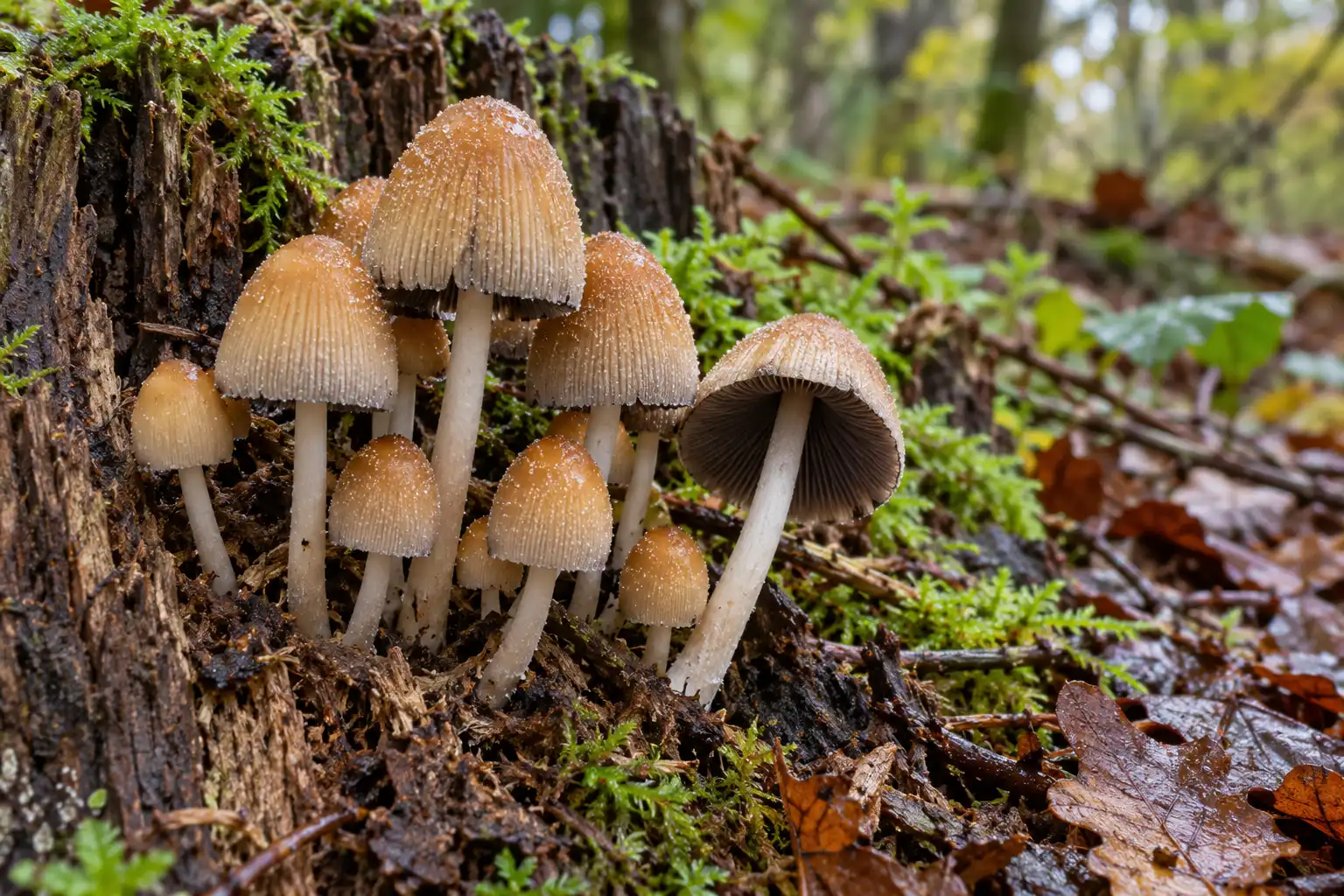
mushrooms
Document glistening inkcaps by mica-like cap granules, clustered hardwood growth, darkening gills, black spores, deliquescence, and close lookalikes.
mushrooms
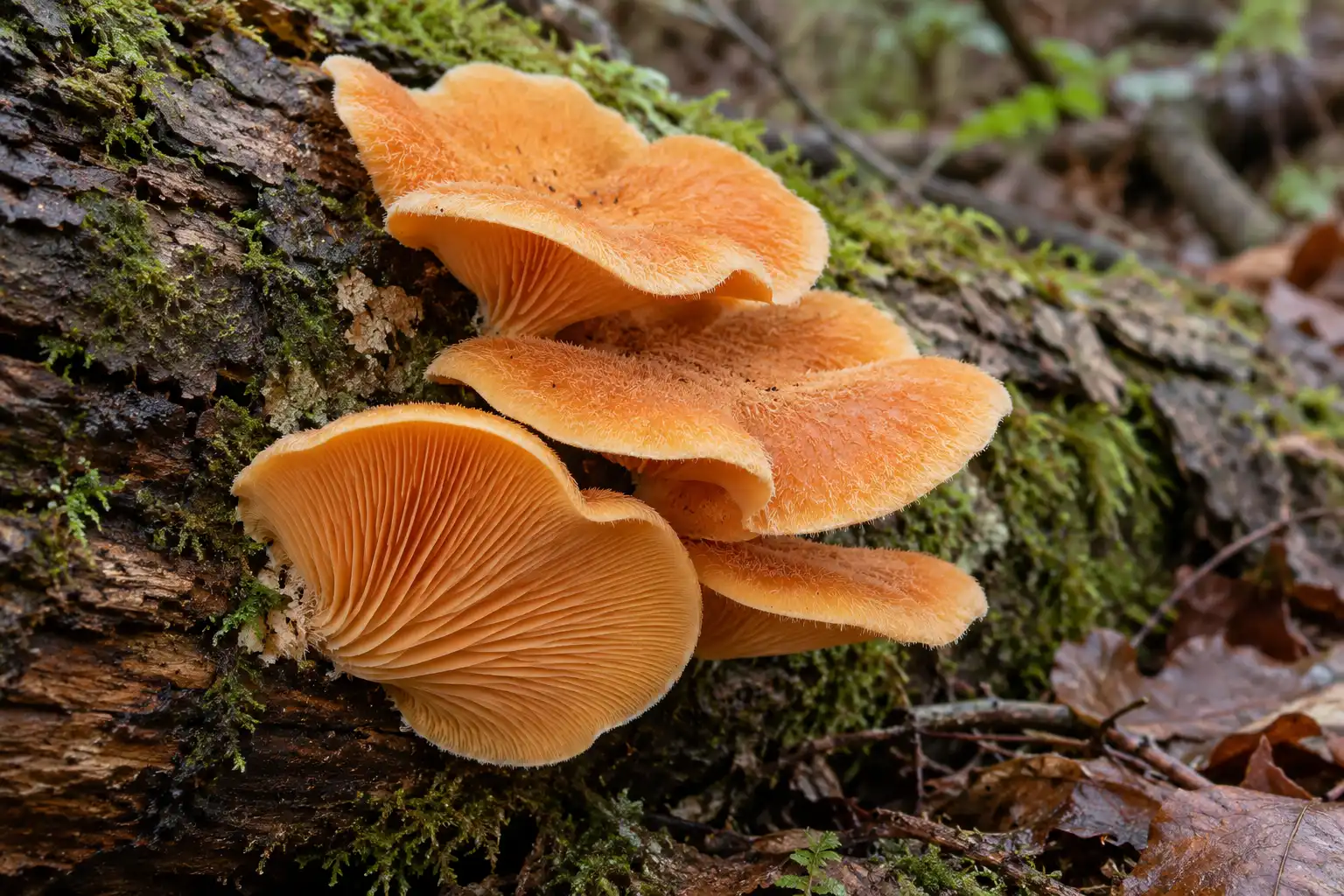
Document orange mock oysters by hairy fan-shaped caps, orange gills, stemless hardwood attachment, odor, white spores, ecology, and oyster lookalikes.
mushrooms
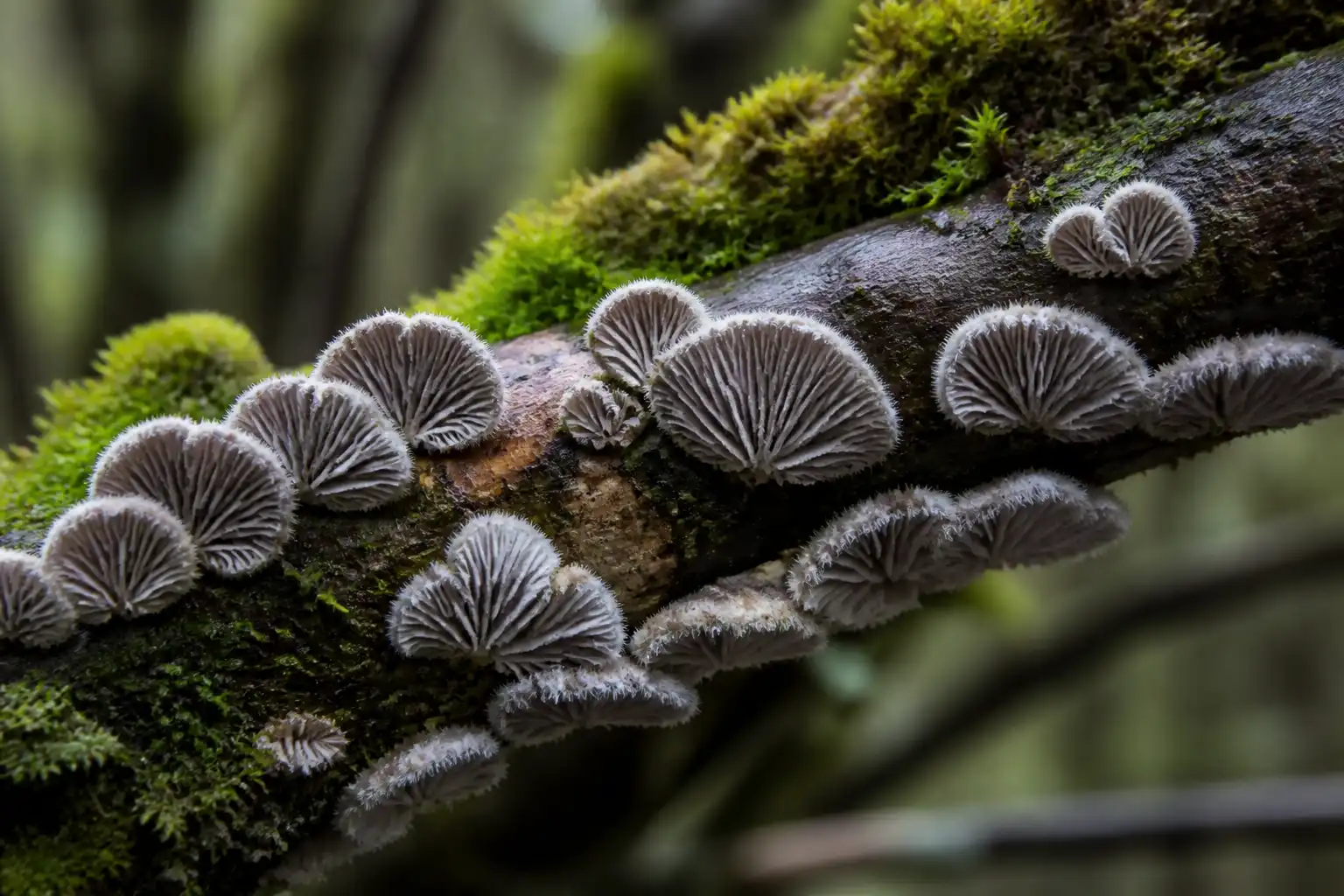
Document Schizophyllum commune by hairy fan-shaped caps, split folding gills, hardwood attachment, wet-dry revival, global variation, and respiratory safety.
mushrooms
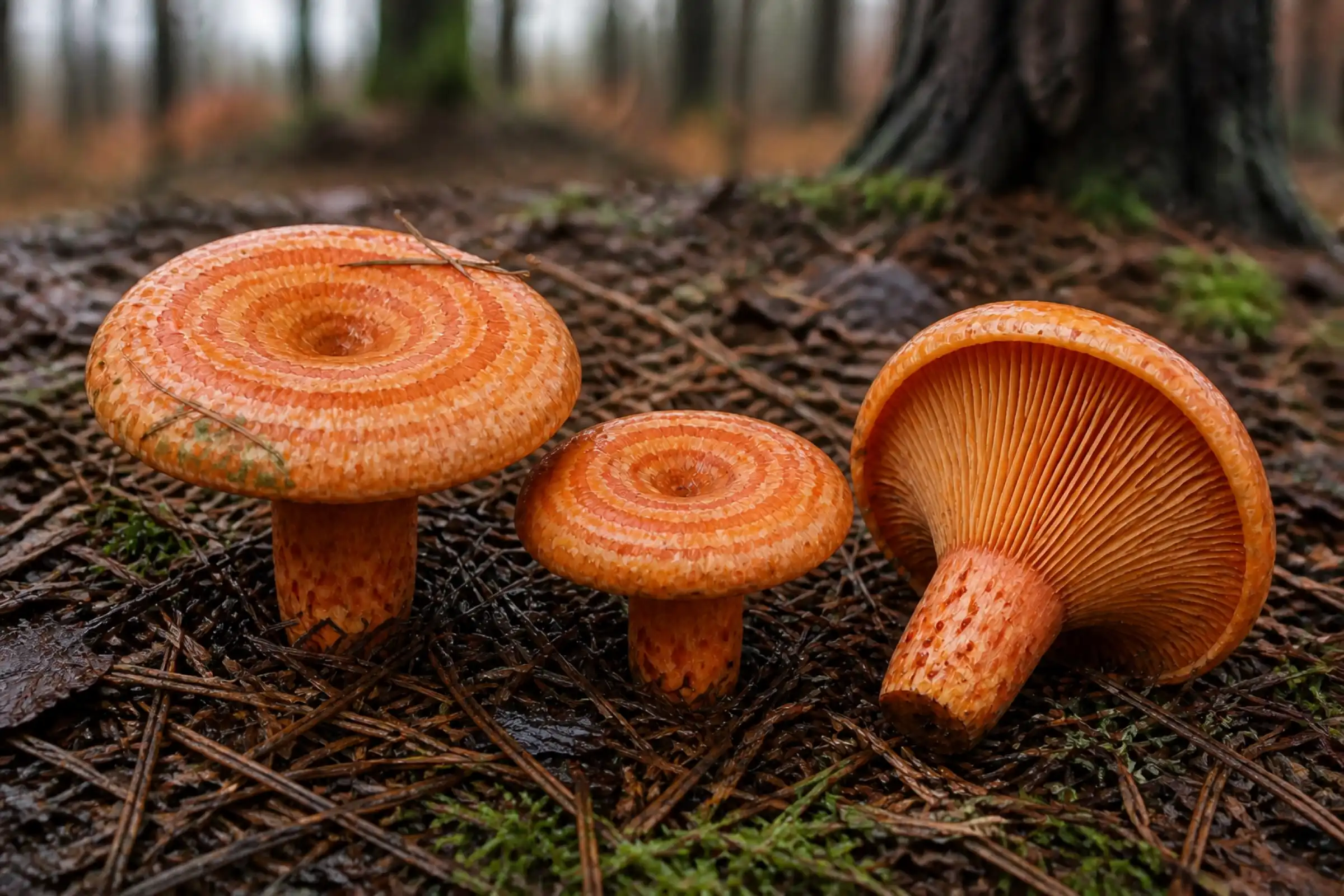
Document saffron milk caps through orange latex, timed green staining, pine-host evidence, brittle flesh, regional lookalikes, and food-safety limits.
mushrooms
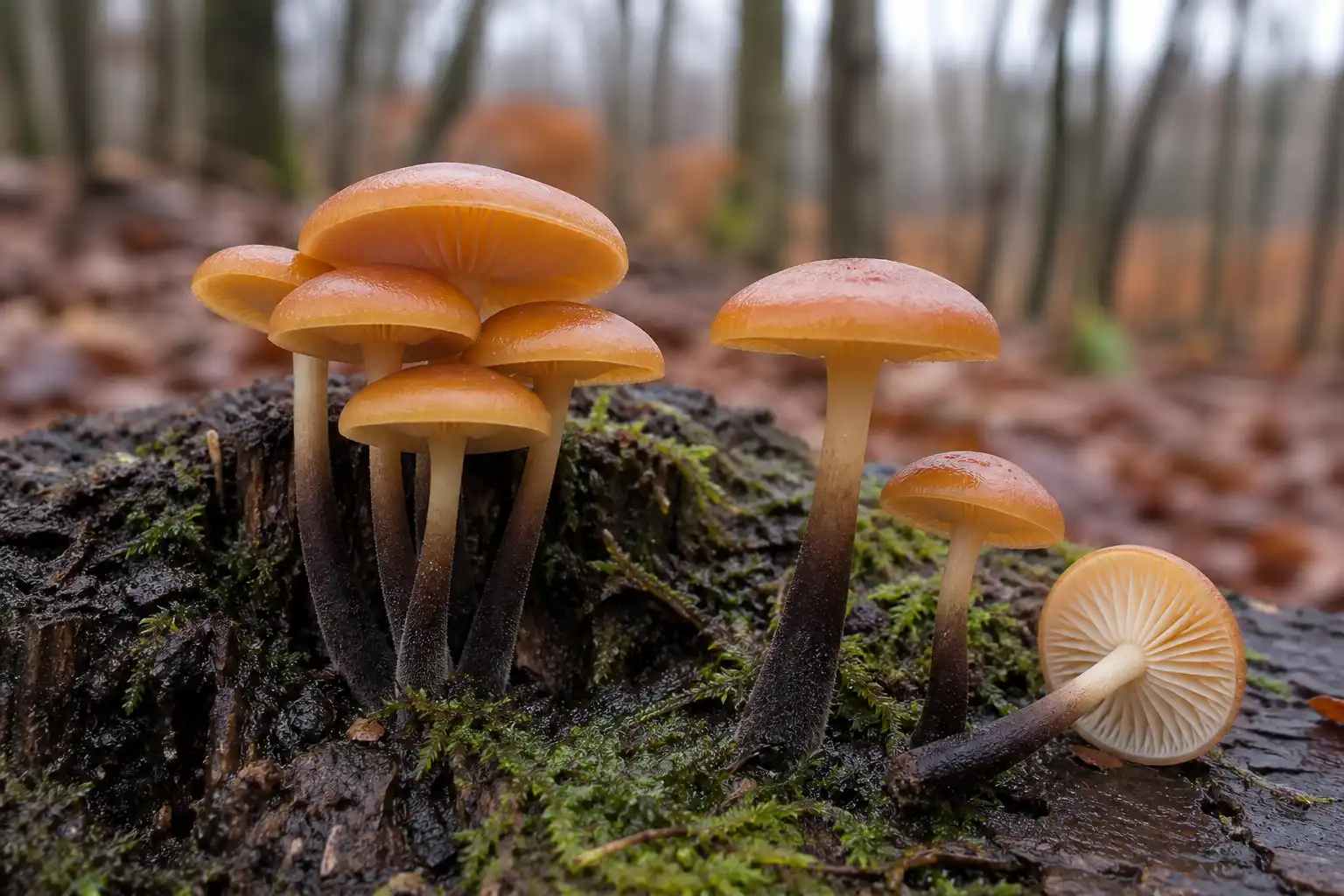
Learn how to document wild velvet shank, distinguish it from dangerous wood-growing lookalikes, and separate it from cultivated enoki.
mushrooms
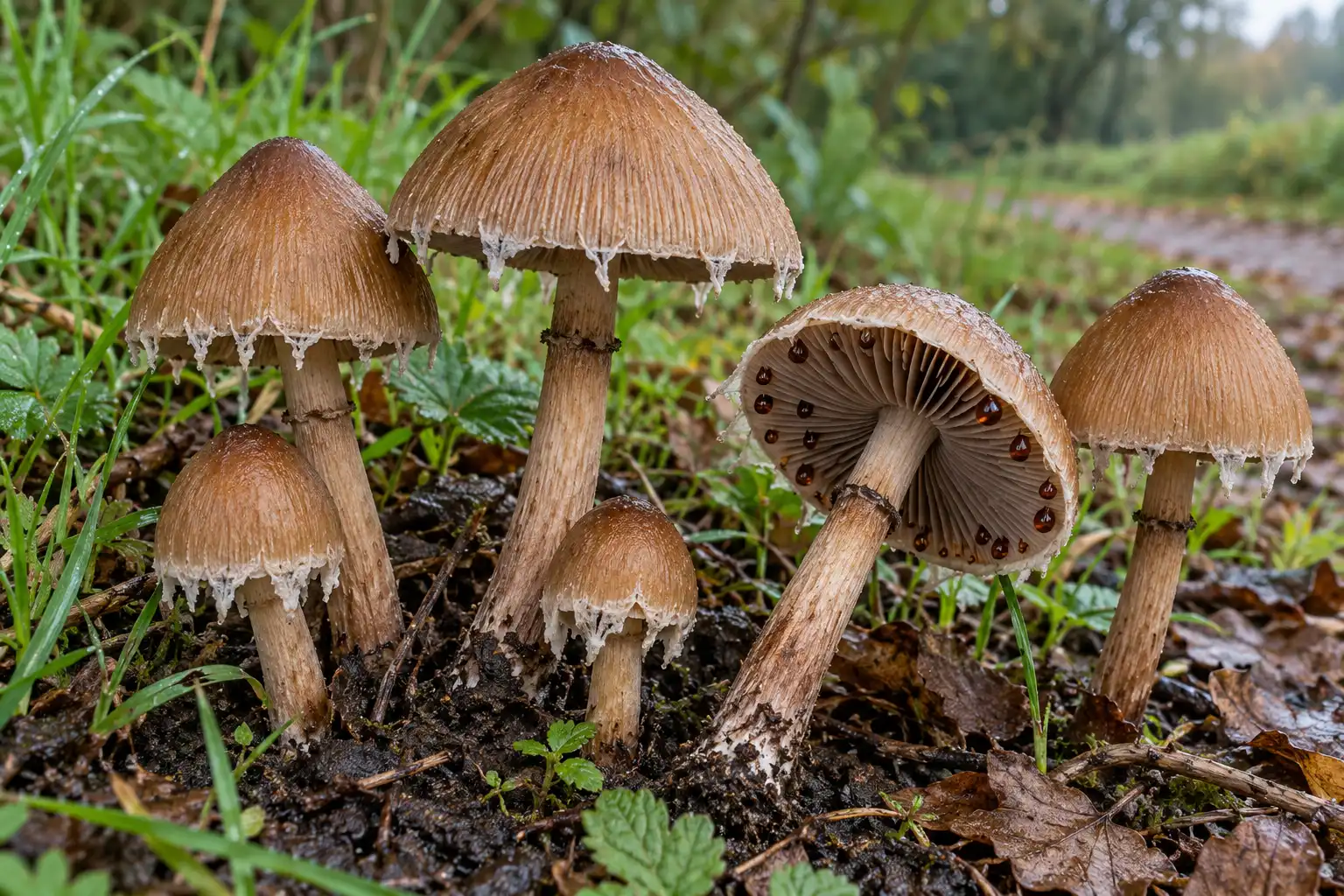
Document weeping widow mushrooms through fibrous caps, veil remnants, gill droplets, dark spores, disturbed-soil ecology, lookalikes, and safety limits.
mushrooms
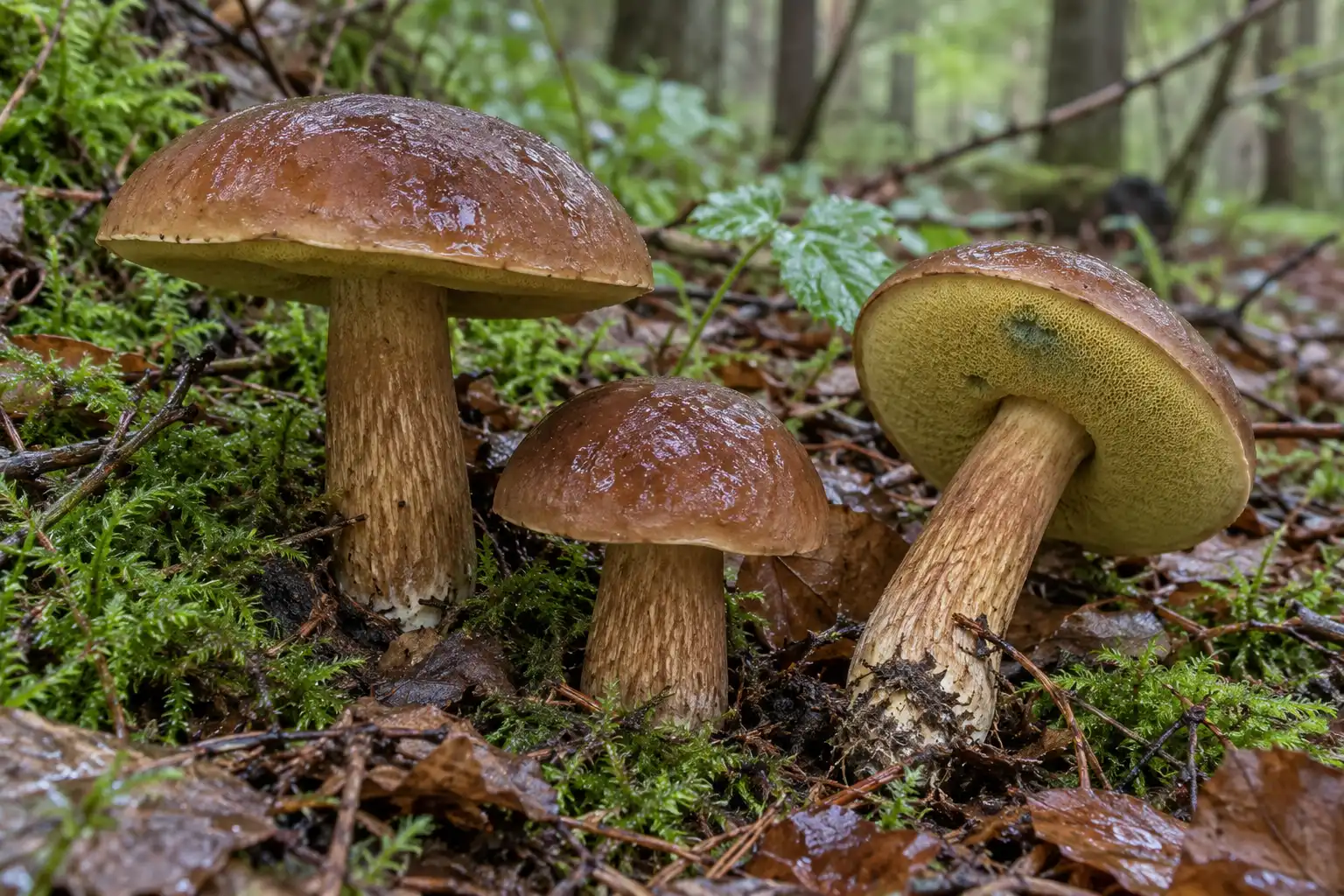
Document bay boletes through chestnut caps, yellow pores, measured blue bruising, stem texture, woodland hosts, lookalikes, and food-safety limits.
mushrooms
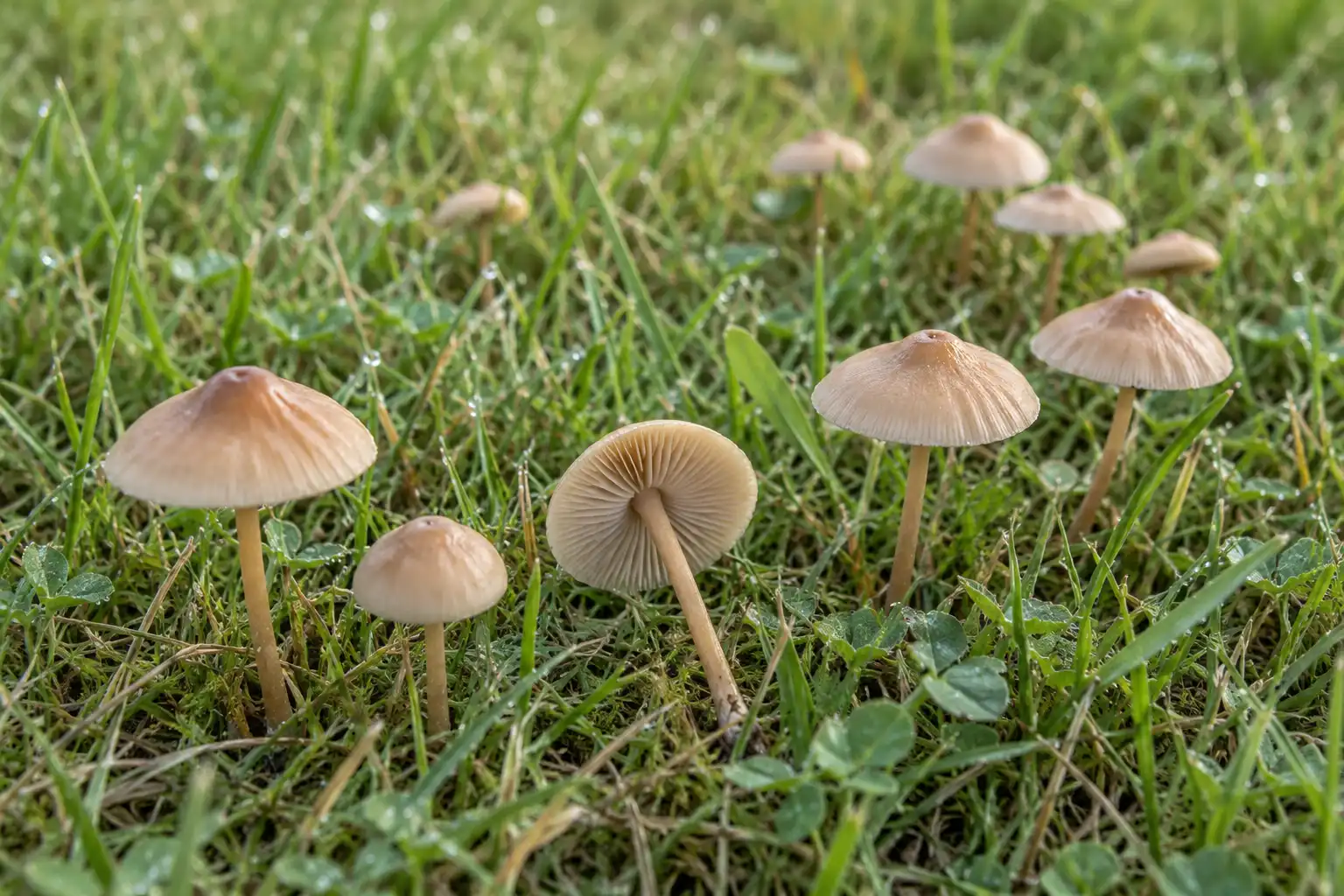
Document fairy ring champignons through dry umbonate caps, spaced gills, wiry stems, lawn arcs, rehydration, spore evidence, and safety limits.
mushrooms
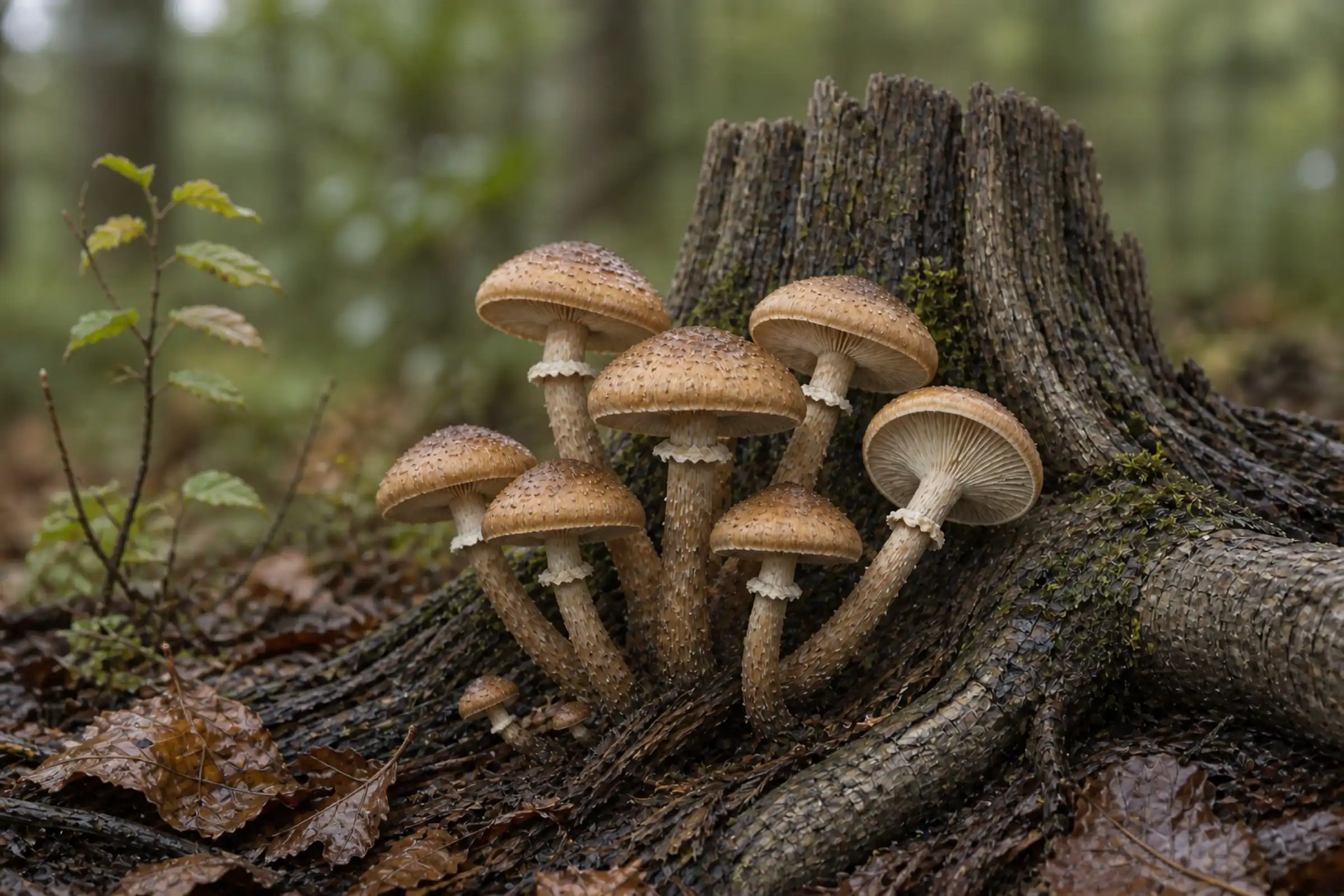
Identify honey fungus through clusters, rings, white spores, rhizomorphs, host evidence, regional Armillaria limits, and tree-risk boundaries.
mushrooms
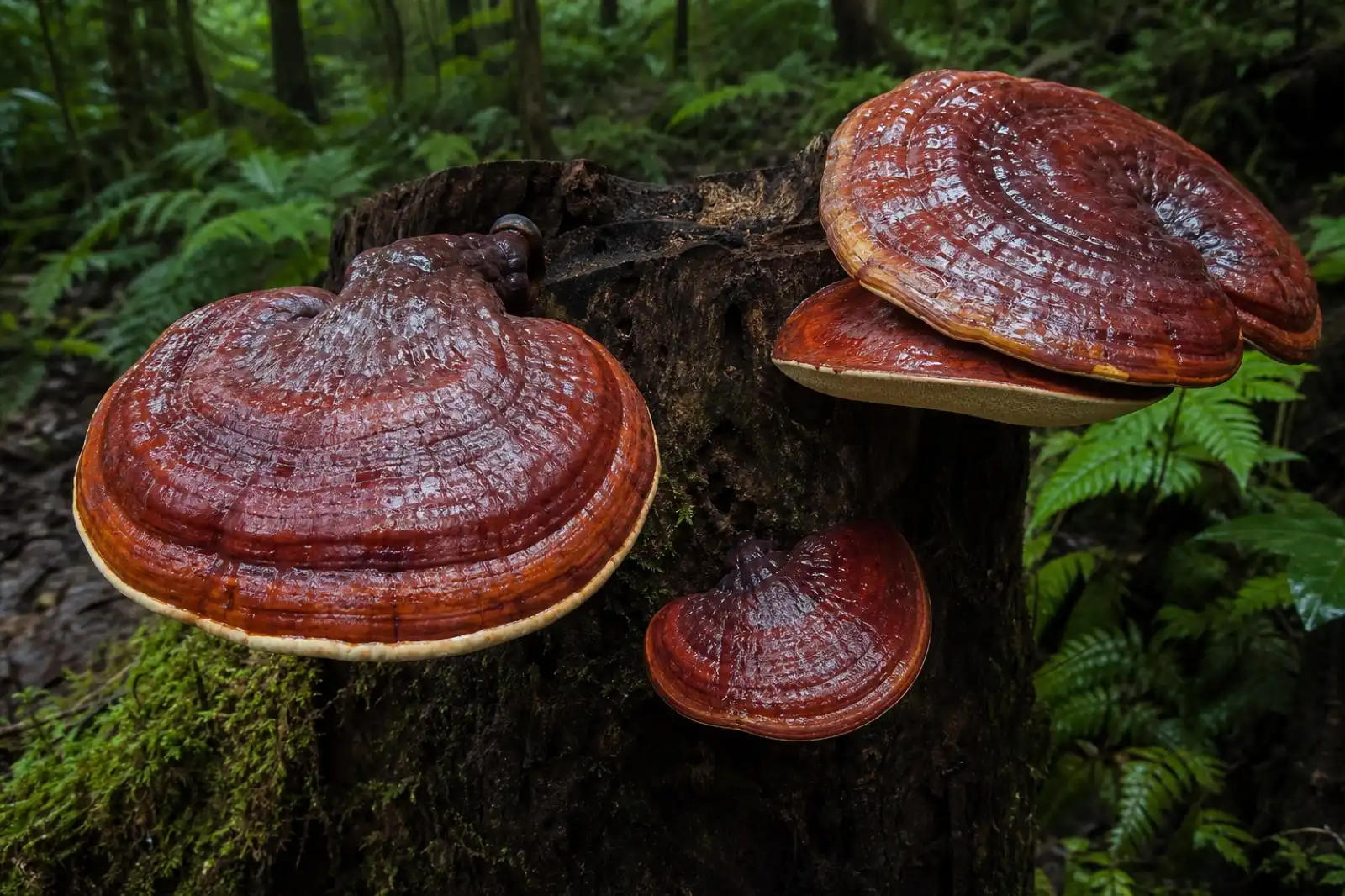
Understand Ganoderma lingzhi taxonomy, varnished-conk identification, cultivation, supplement evidence, interactions, safety, and responsible FAQs.
mushrooms
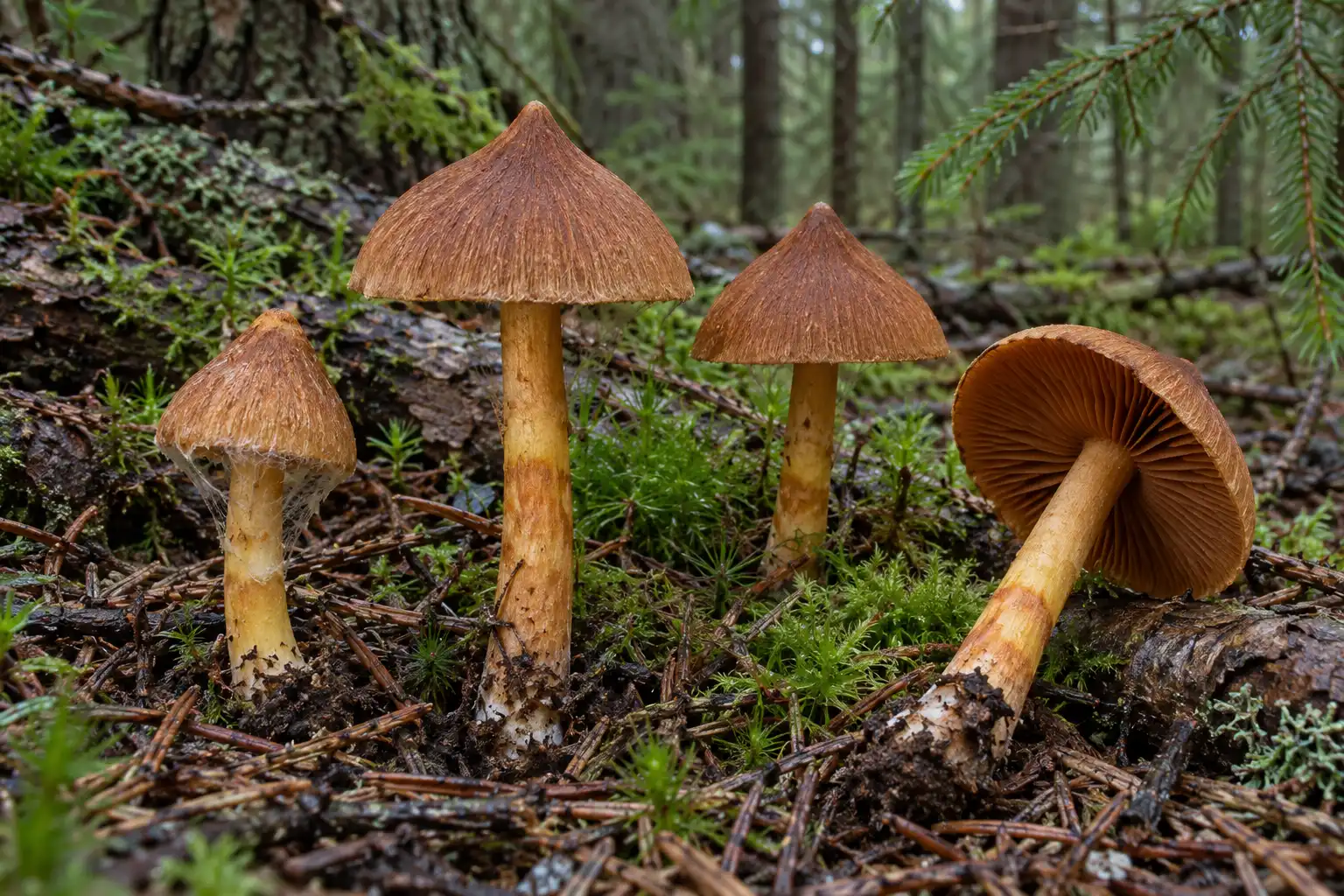
Recognize deadly webcap habitat, rusty gills, cortina and lookalikes, and understand why delayed orellanine poisoning requires urgent medical advice.