mushrooms
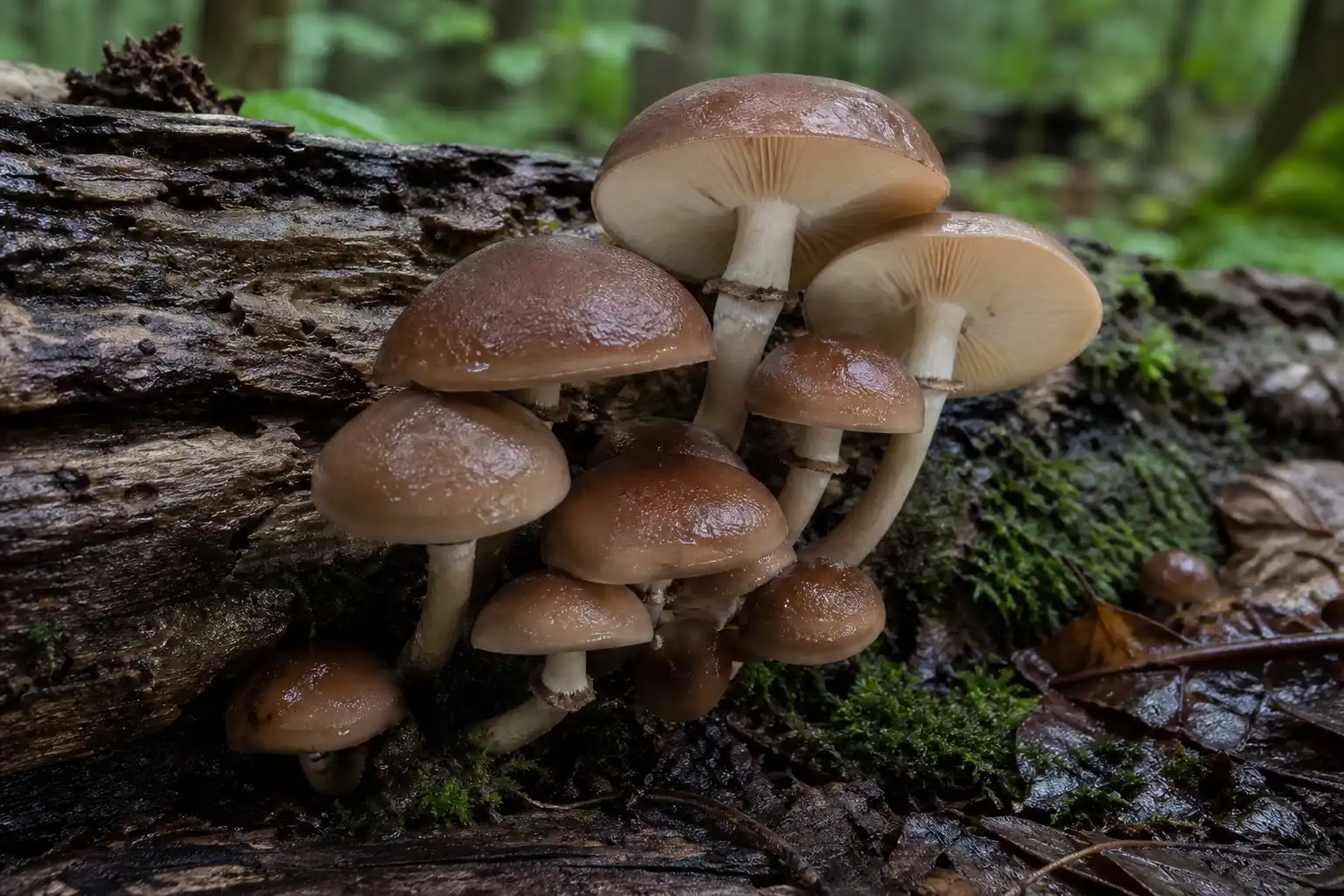
Pioppino Mushroom Guide: Taxonomy, Cultivation, and Cooking
A sourced Pioppino guide covering Cyclocybe aegerita taxonomy, wood-decay ecology, cultivated form, food safety, cooking, and lookalike limits.
The journal archive
Earlier MushroomScope guides, ordered by their latest substantive publication or update date.
mushrooms
A sourced Pioppino guide covering Cyclocybe aegerita taxonomy, wood-decay ecology, cultivated form, food safety, cooking, and lookalike limits.
mushrooms
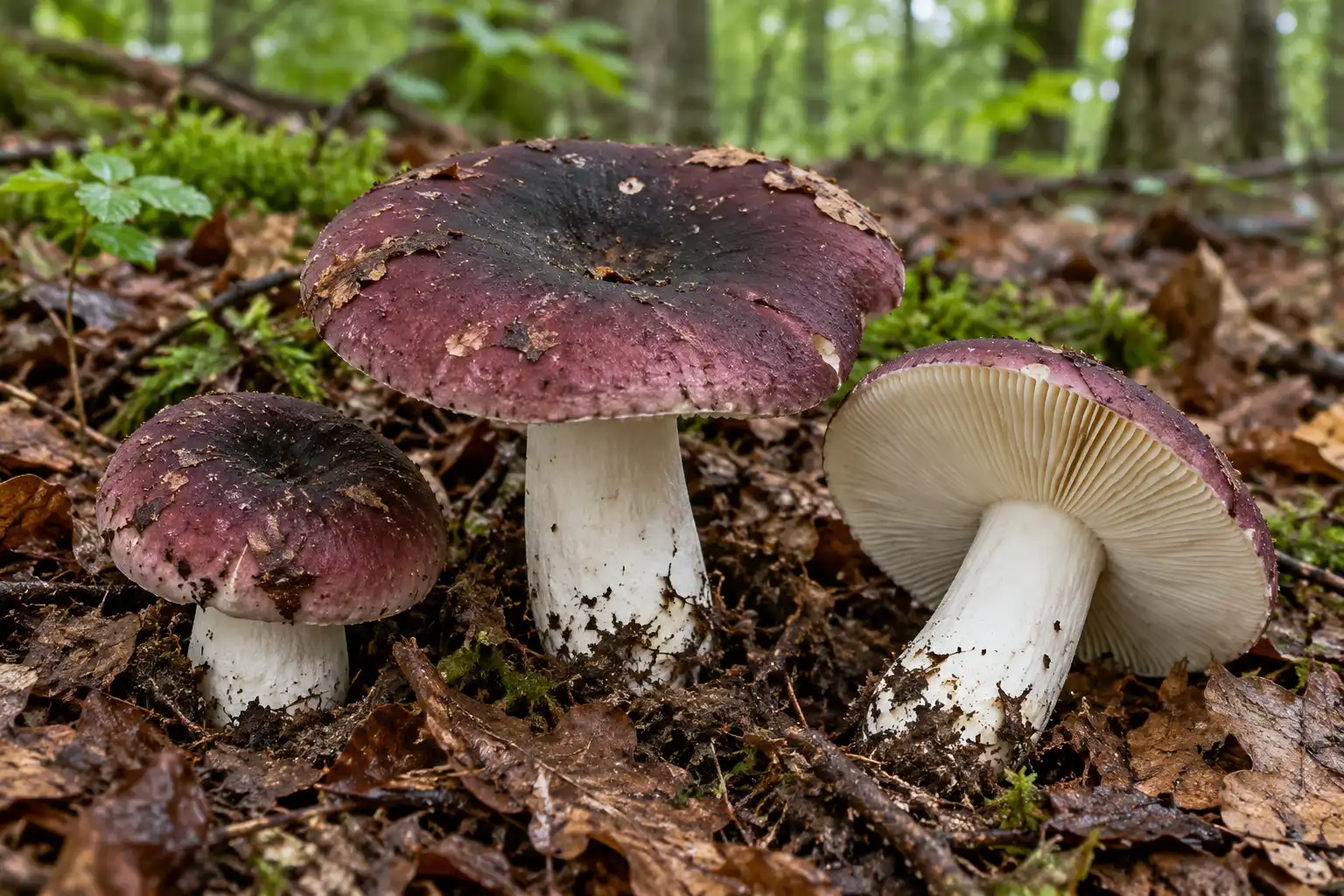
Study Purple brittlegill through cap color zones, brittle gills and stem, host evidence, spore characters, lookalikes, safety limits, and regional taxonomy.
mushrooms
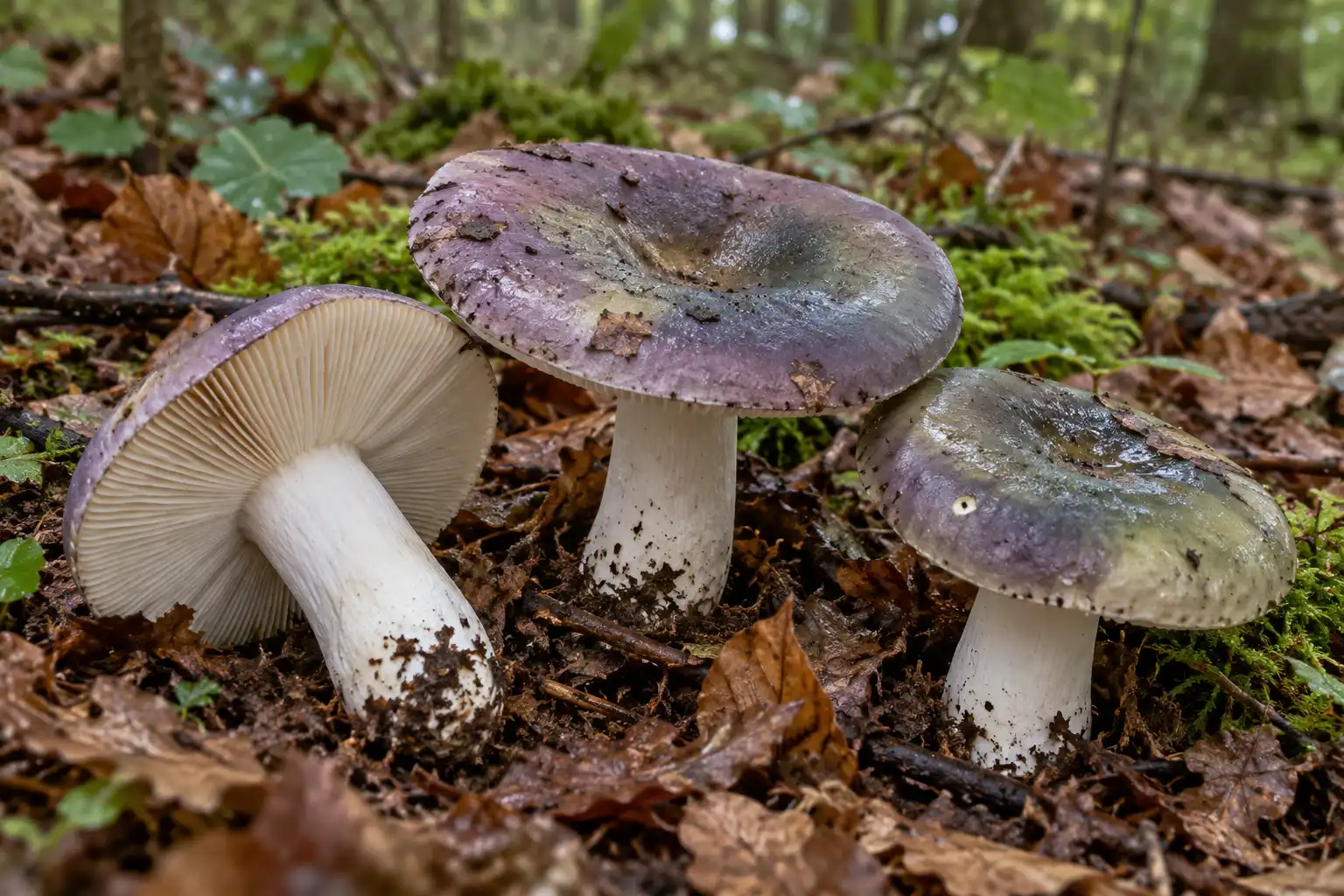
Identify the charcoal burner mushroom by its variable cap, unusually flexible gills, white stem, woodland ecology, lookalikes, and safety limits.
mushrooms
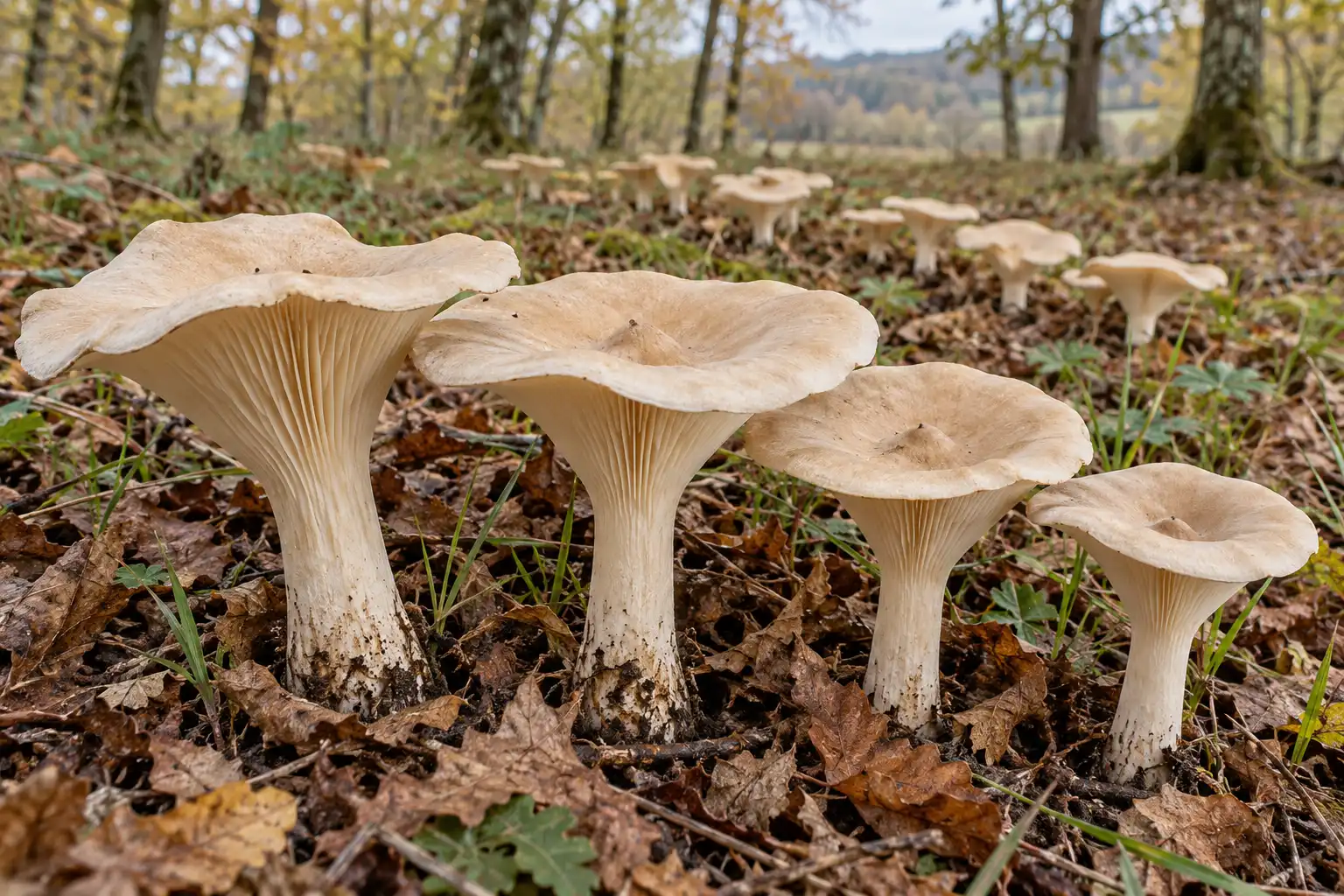
Study the trooping funnel through its large buff cap, central umbo, decurrent gills, tall stem, rings and troops, lookalikes, and safety limits.
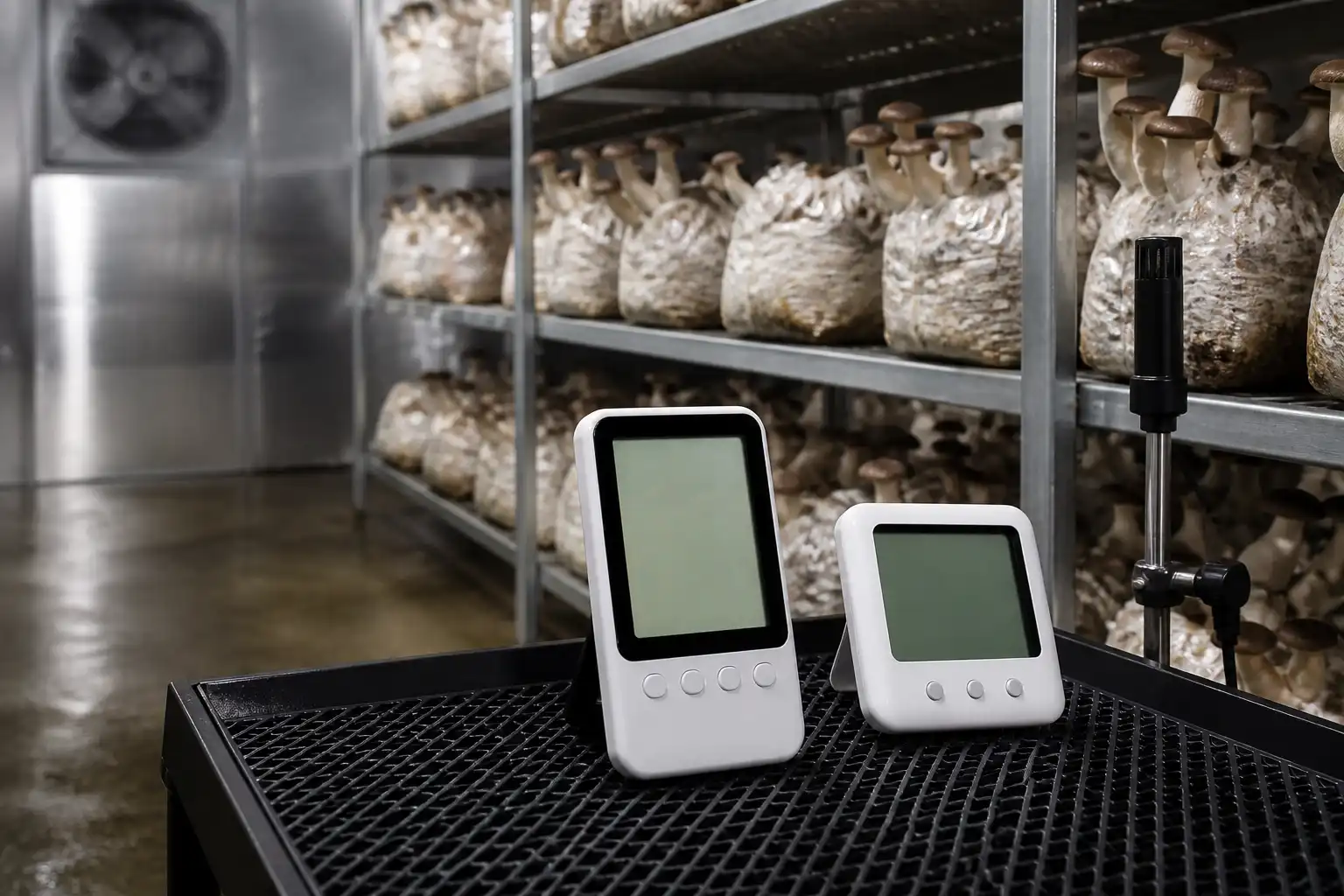
growing
Place and verify temperature, humidity, and carbon-dioxide sensors in a mushroom grow room using reference checks, mapped locations, and useful logs.
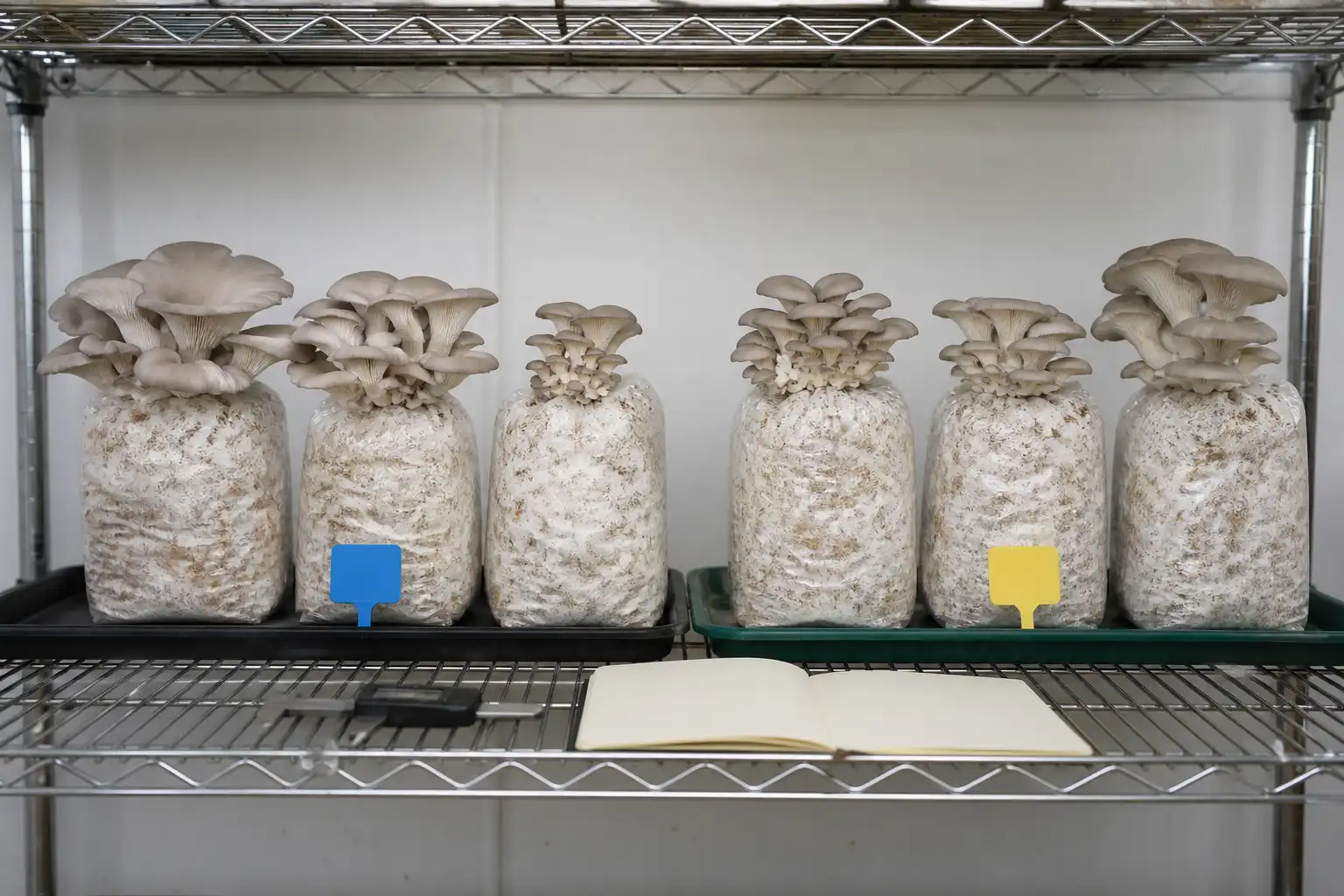
growing
Design a mushroom strain trial with a defined question, replicated blocks, controlled variables, blind grading, complete failures, and cautious conclusions.
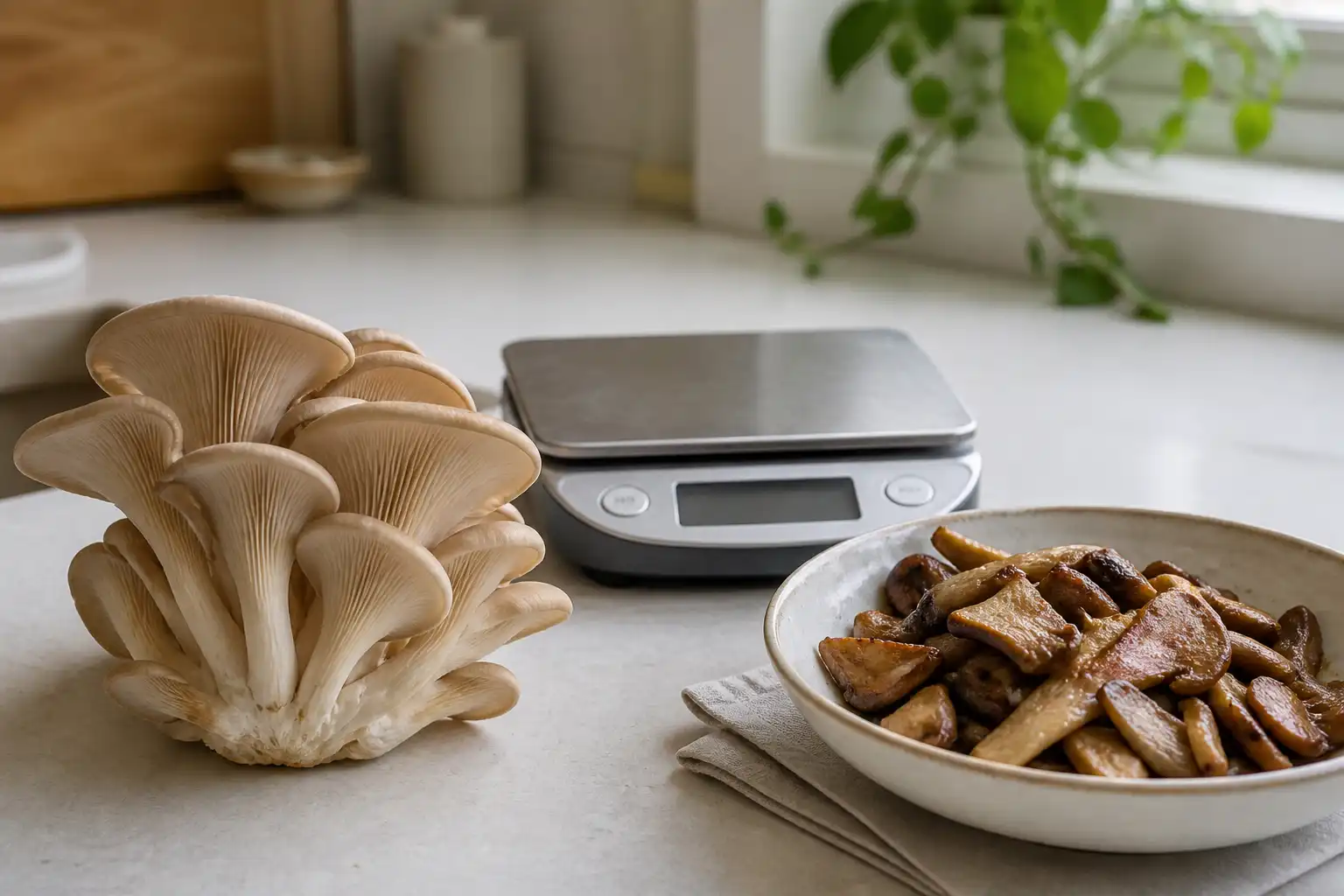
health
Compare oyster mushroom protein, fiber, calories, micronutrients, serving sizes, and cooking changes without confusing food with extracts.
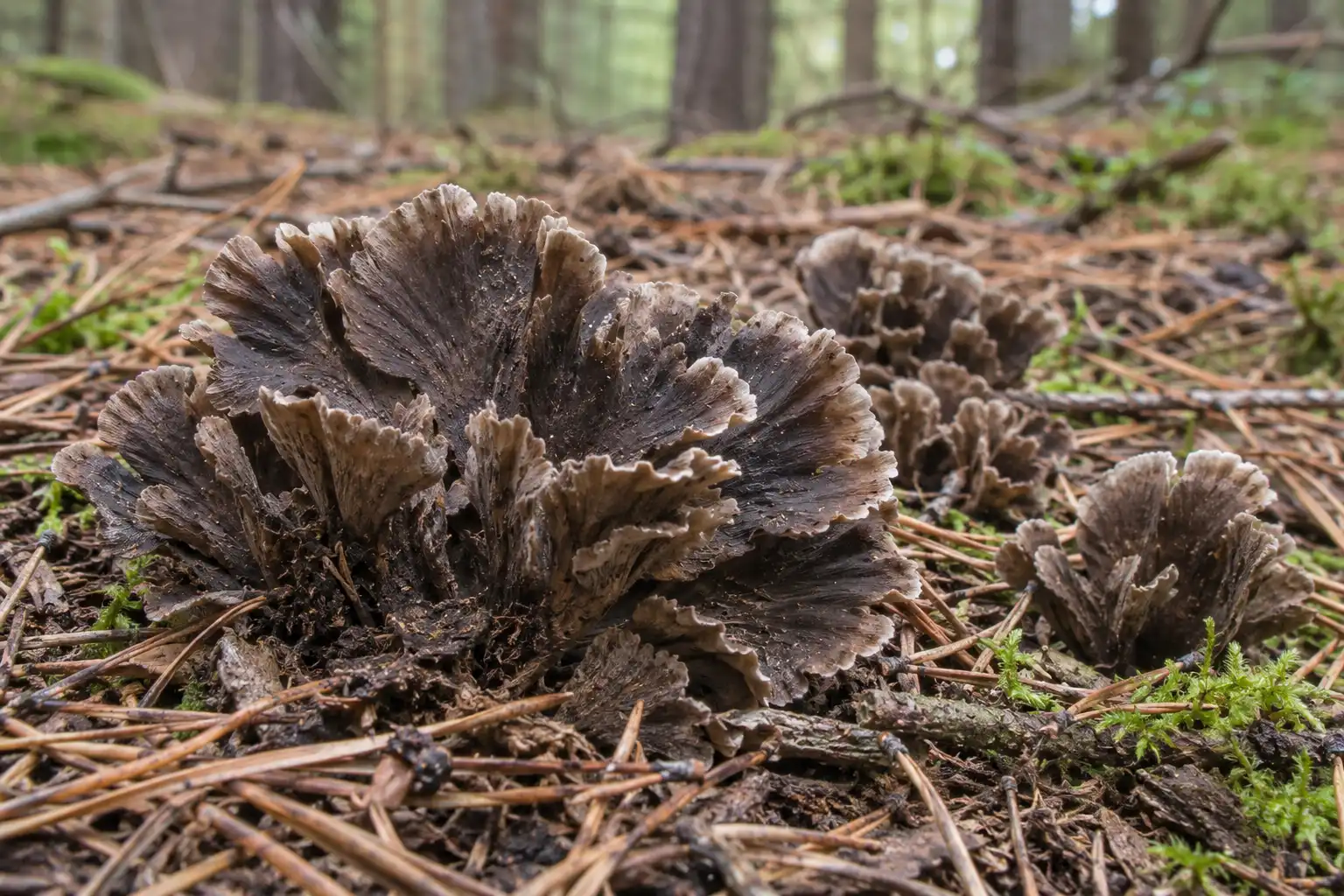
mushrooms
Study earthfan fungus through its leathery fan rosettes, fringed margins, conifer-litter ecology, lookalikes, field measurements, and safety limits.
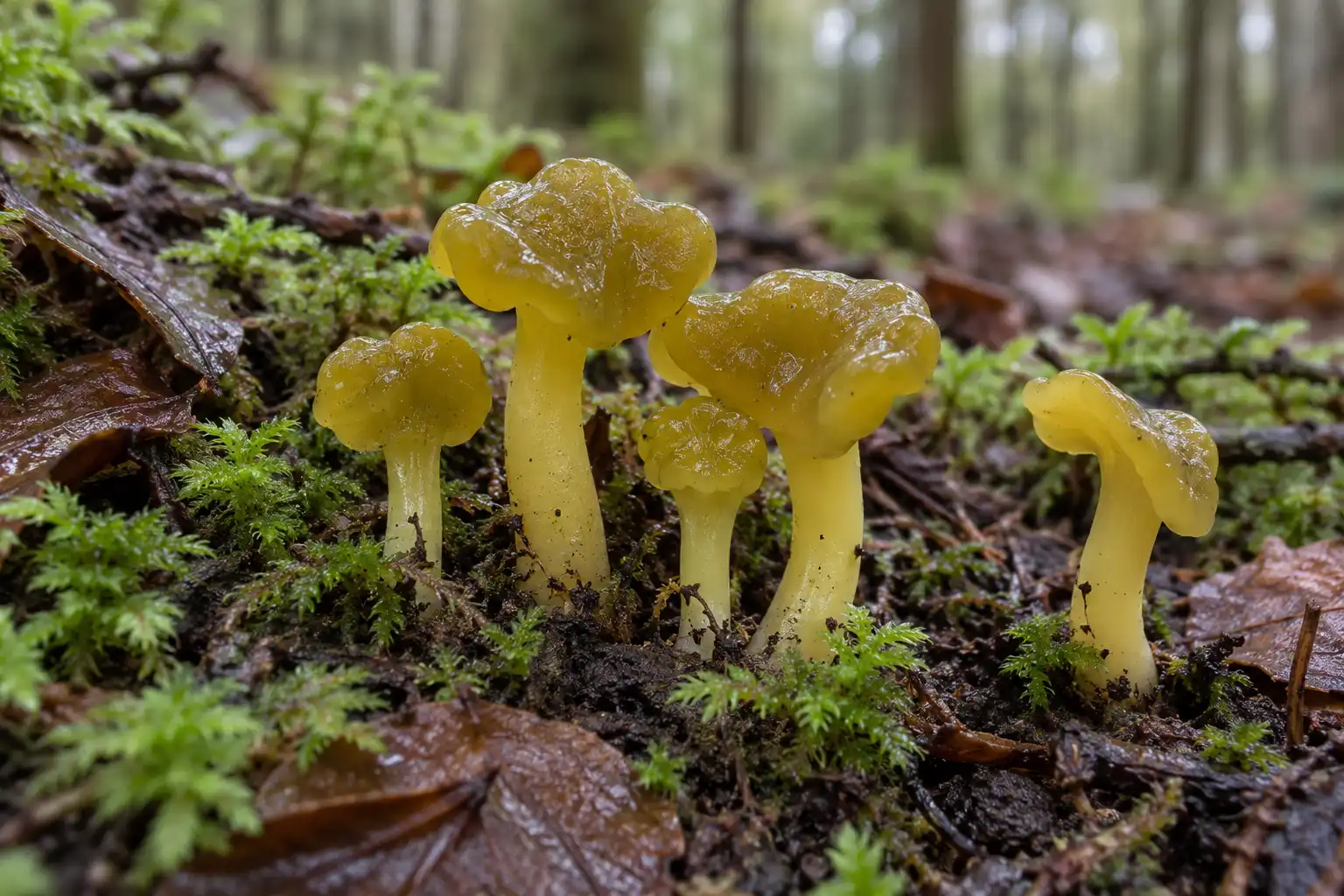
mushrooms
Study jelly baby fungus through its gelatinous cap, pale stem, woodland ecology, similar clubs, microscopy, documentation, and conservative safety limits.
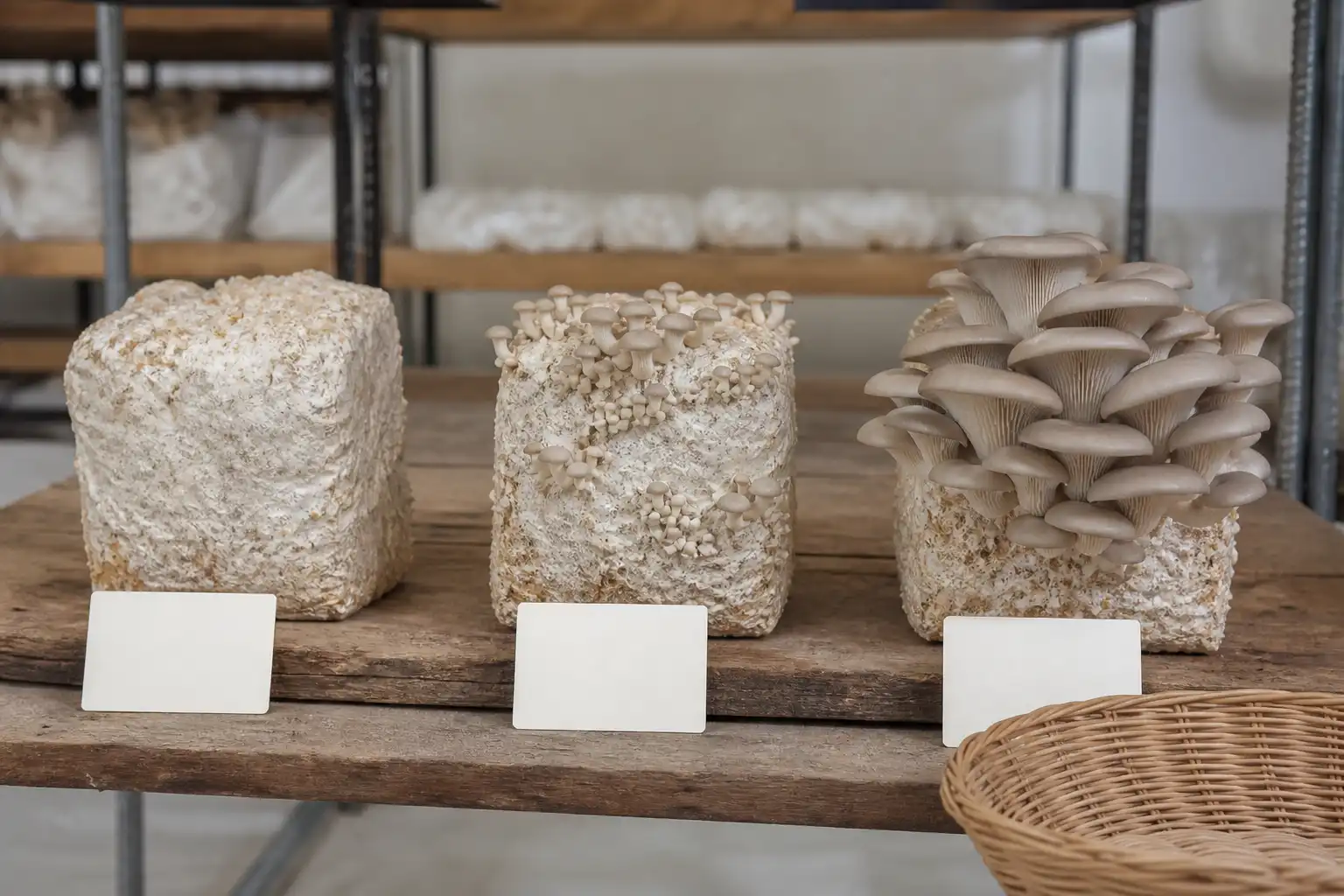
growing
Manage mushroom flushes with defined harvest windows, block condition checks, room capacity, water control, quality records, and conservative exit decisions.
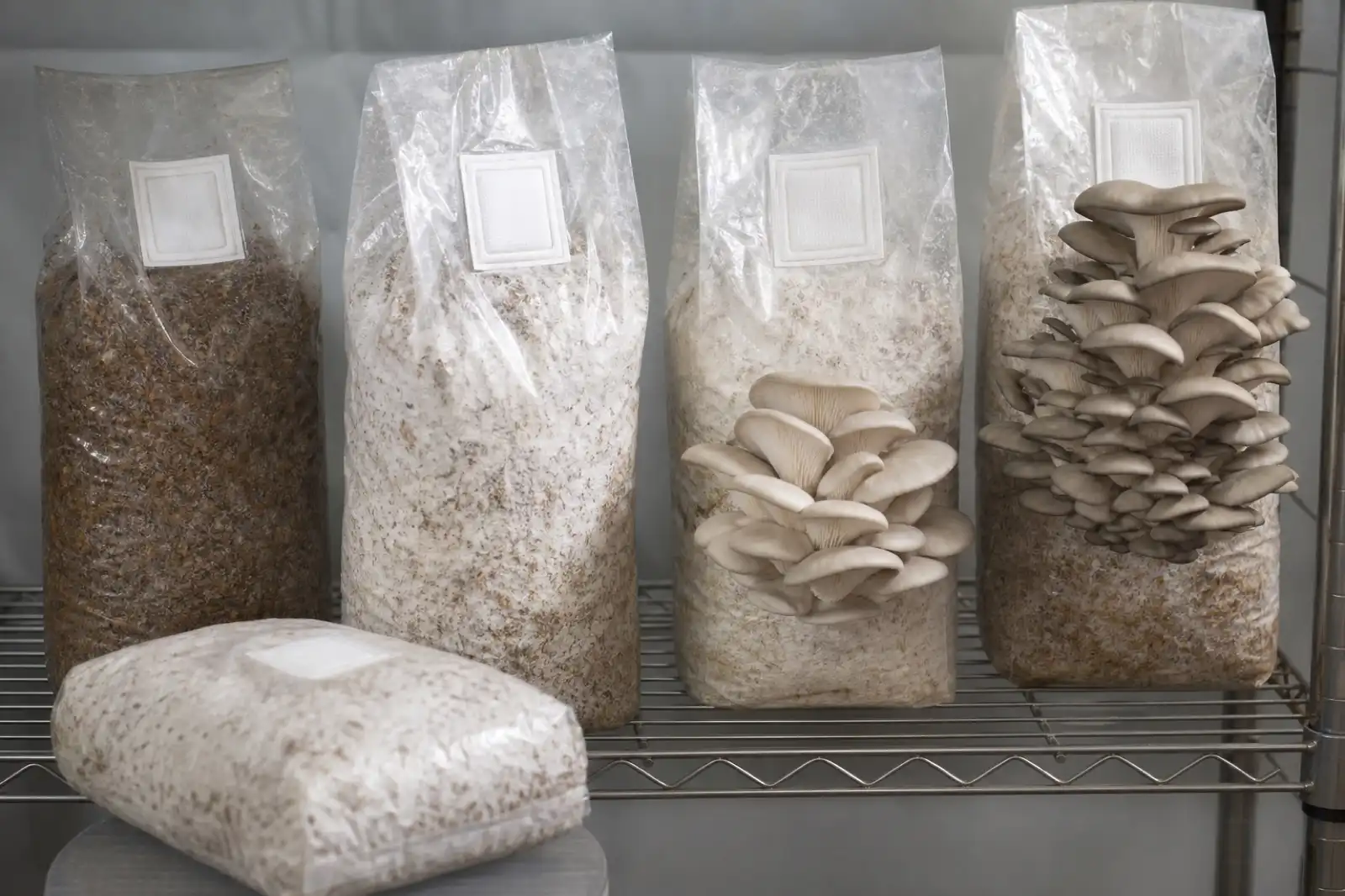
growing
Choose mushroom grow bags by filter, size, and substrate method; learn filling, hydration, sealing, colonization, fruiting cuts, and contamination limits.
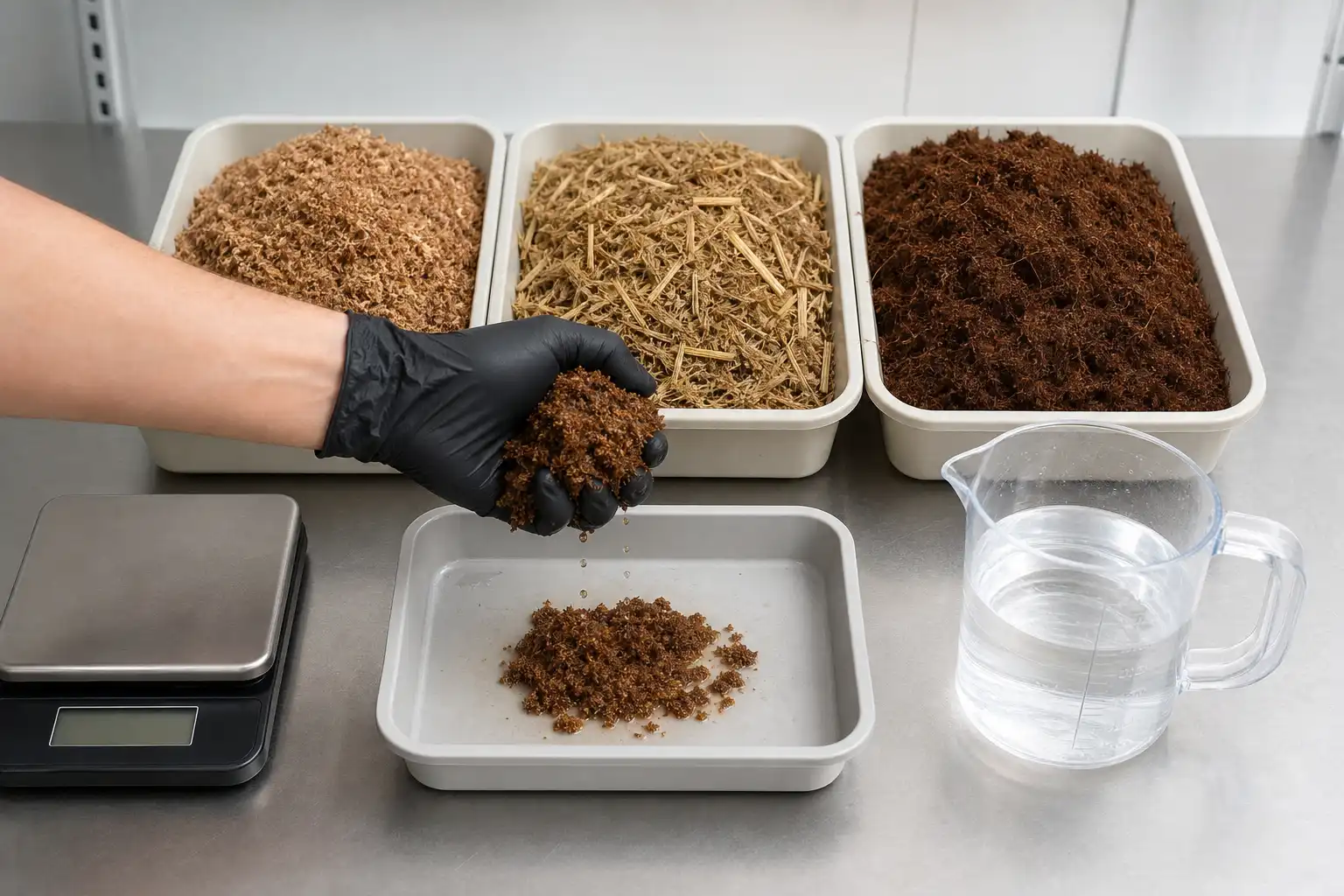
growing
Measure and adjust mushroom substrate hydration by material, water-holding capacity, drainage, sterilization method, and colonization observations.
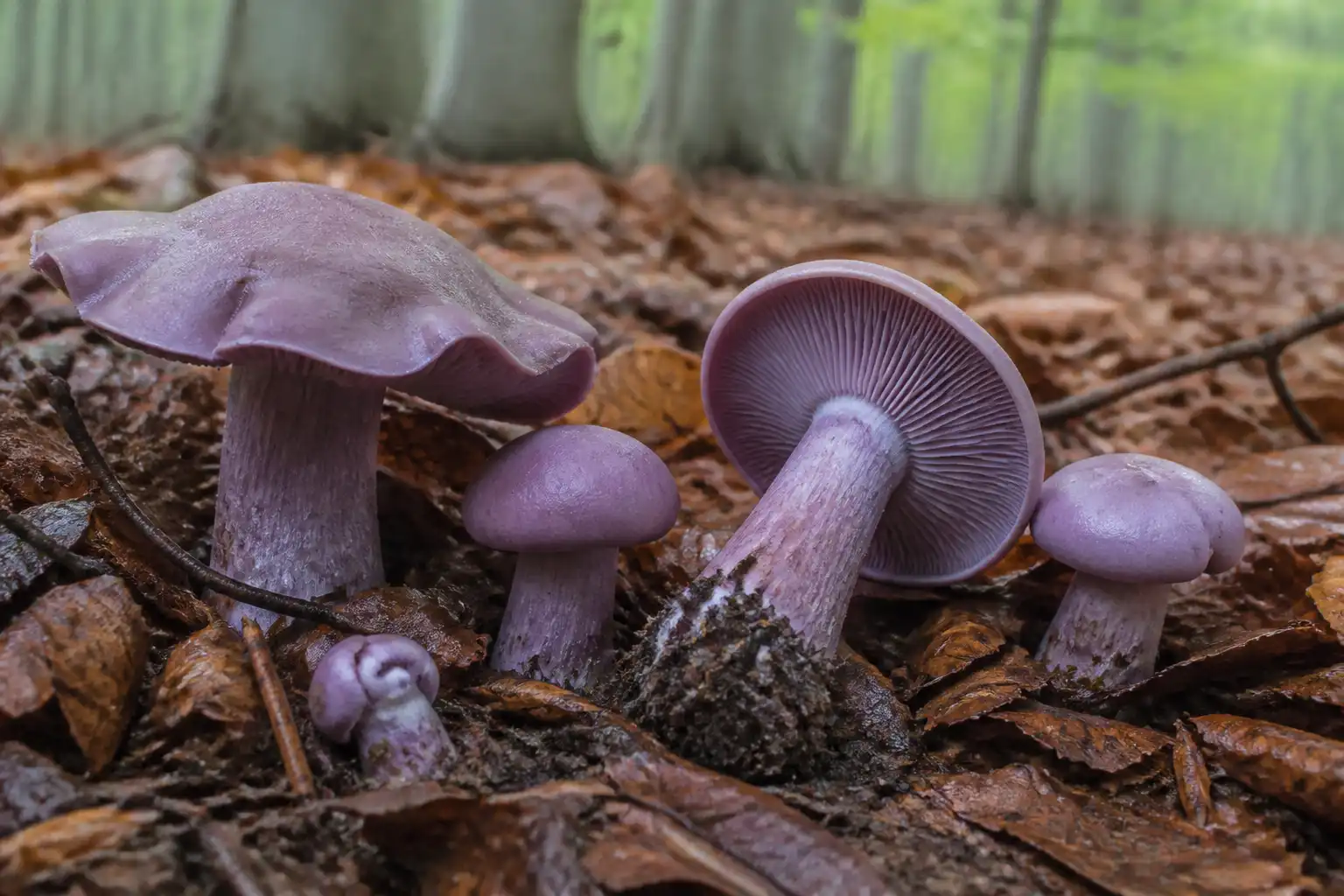
mushrooms
Identify blewits by violet gills, fibrous stems, pale spores, litter ecology, and careful separation from rusty-spored Cortinarius lookalikes.
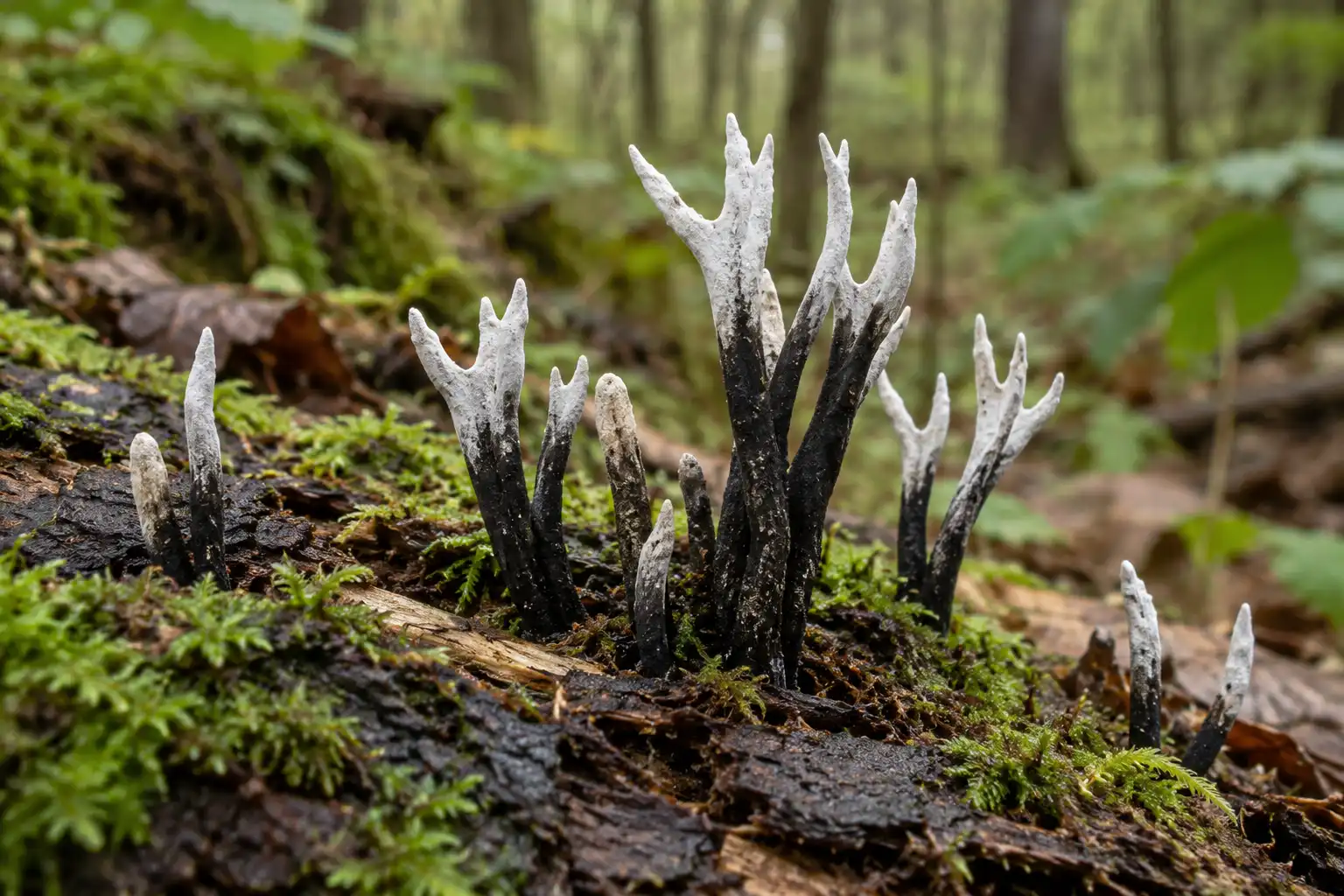
mushrooms
Study candlesnuff fungus through its black-and-white antler form, hardwood ecology, life stages, similar Xylaria, documentation, and safety limits.
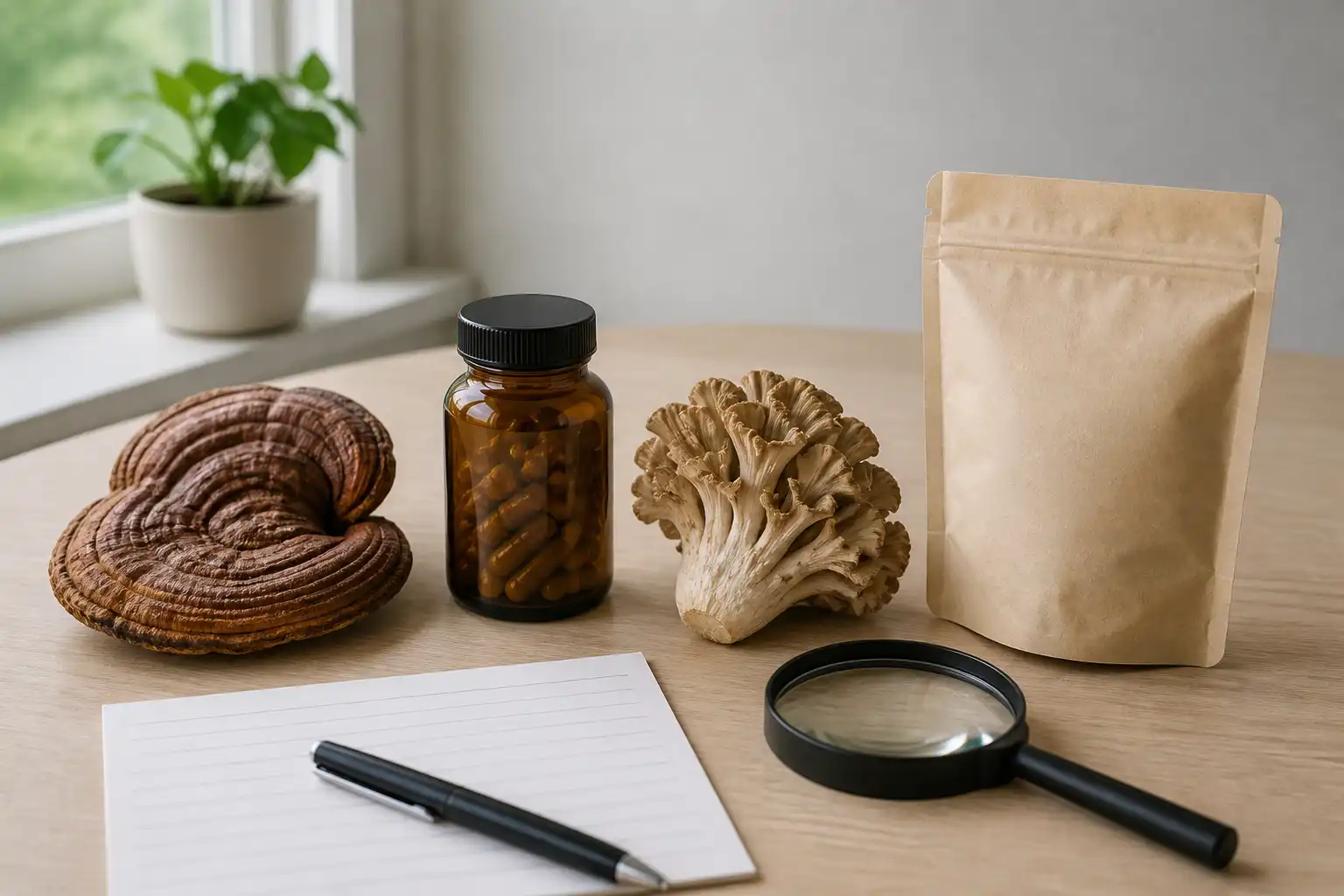
health
Evaluate medicinal mushroom supplement safety through identity, dose, interactions, quality testing, adverse-event response, and evidence limits.
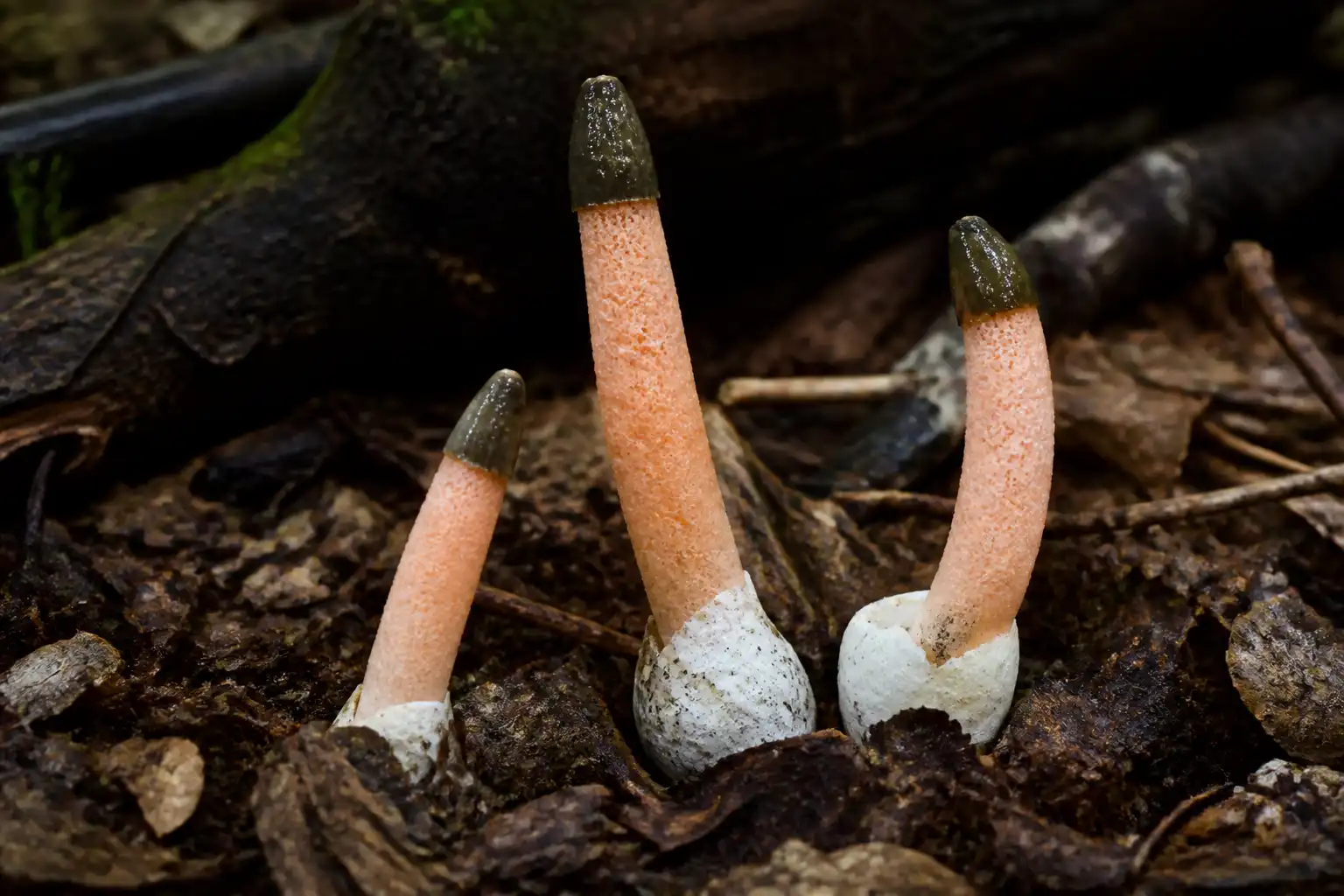
mushrooms
Document Mutinus caninus from white egg to pink-orange column, dark gleba, insect dispersal, buried wood habitat, collapse, and stinkhorn lookalikes.
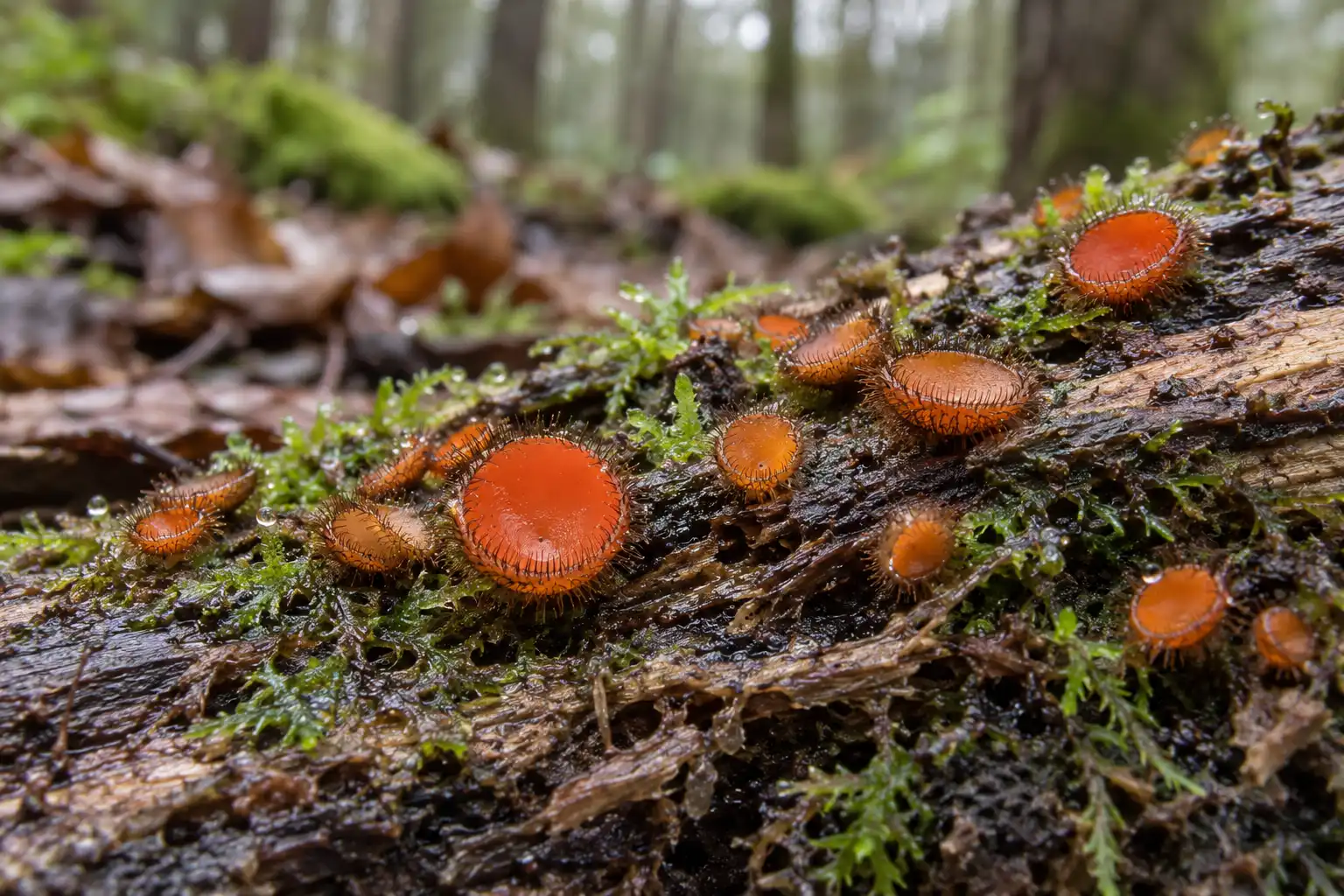
mushrooms
Recognize eyelash cup fungus by its tiny orange-red discs, dark marginal hairs, wet decaying-wood habitat, microscopy, lookalikes, and field-recording limits.
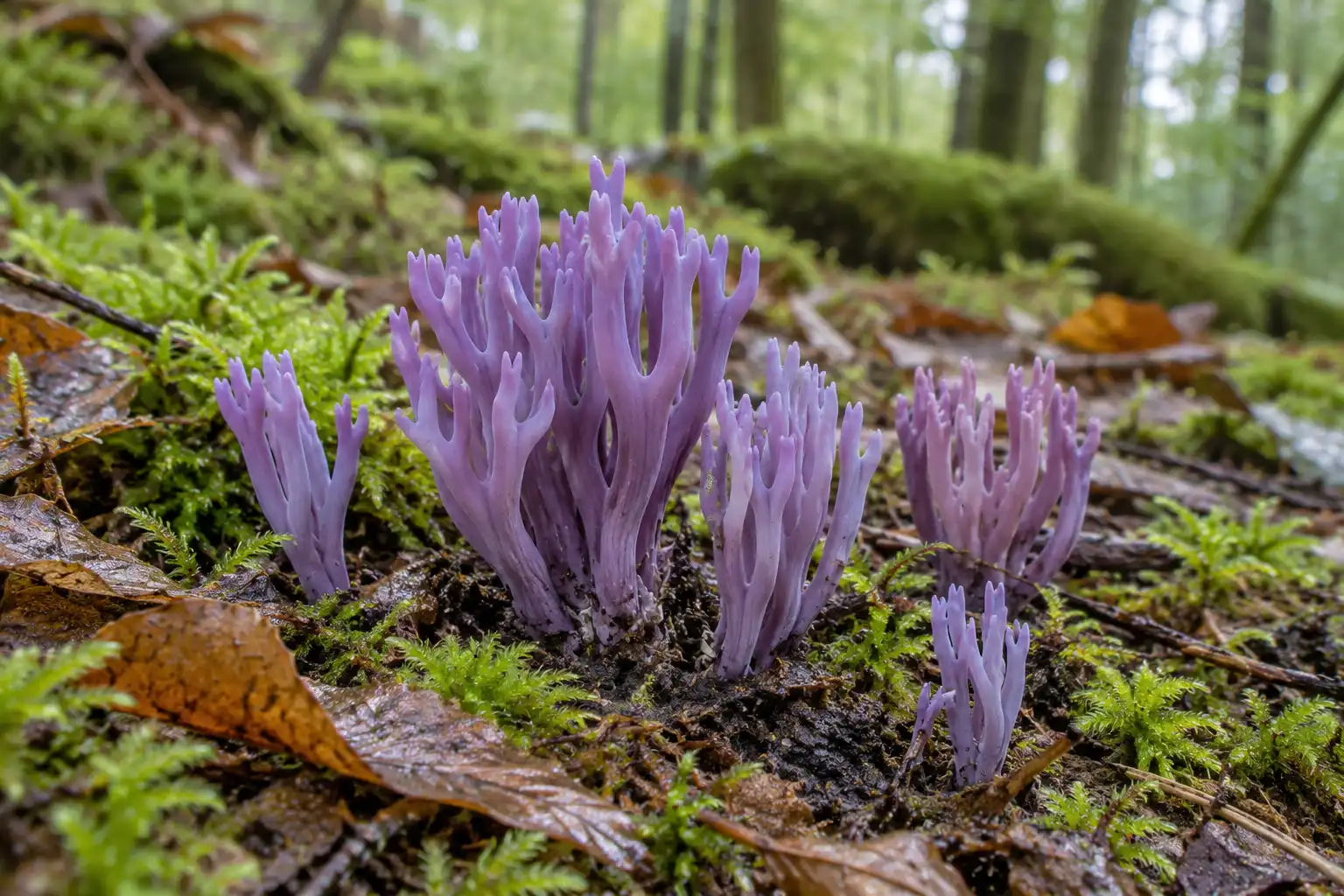
mushrooms
Study violet coral fungus through its lilac branching form, woodland ecology, regional limits, similar fungi, documentation, and safety boundaries.