mushrooms
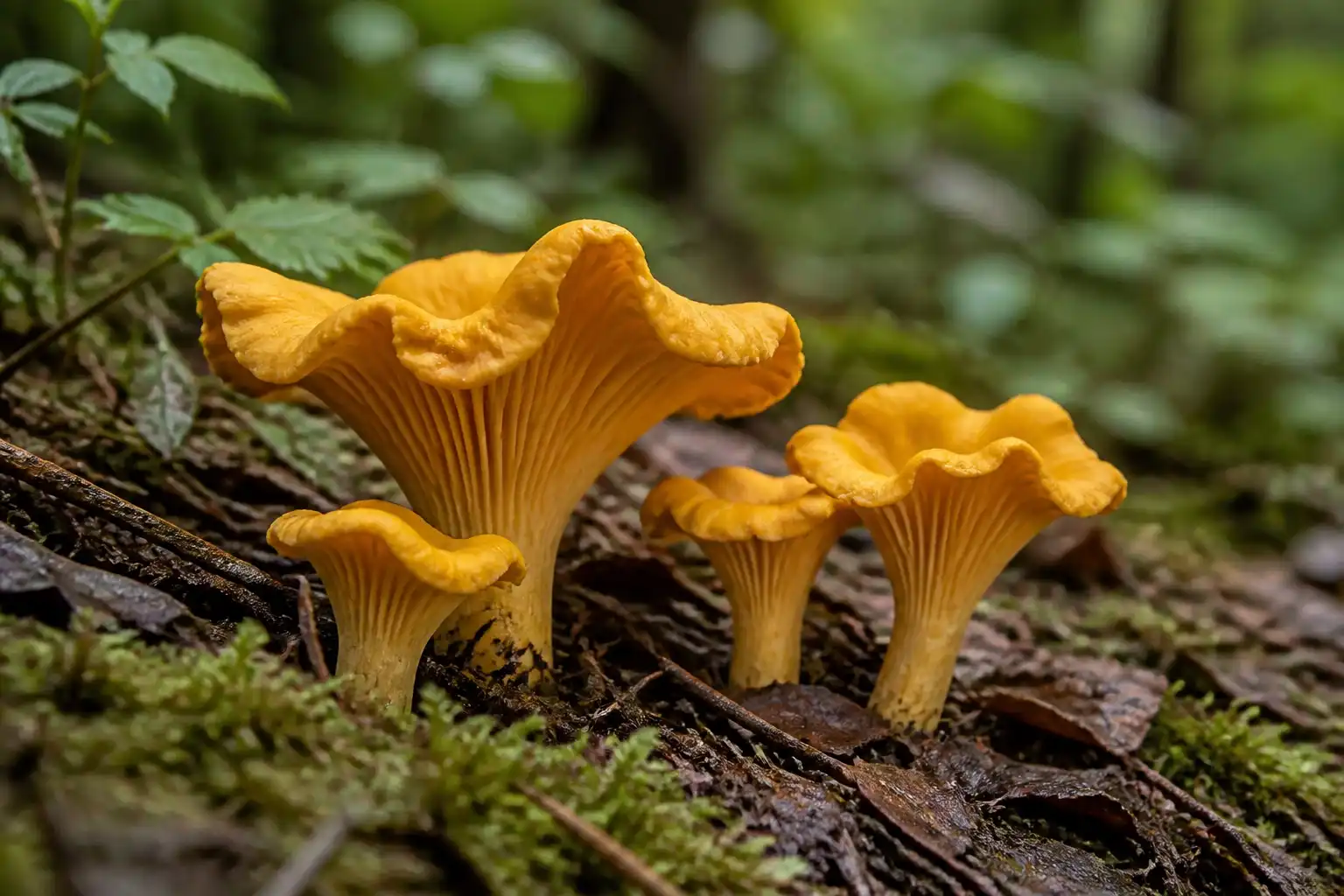
Cantharellus cibarius: Chanterelle Identification Guide
Learn chanterelle identification, false gills, habitat, season, poisonous lookalikes, edibility, nutrition, and why wild finds need local verification.
The journal archive
Earlier MushroomScope guides, ordered by their latest substantive publication or update date.
mushrooms
Learn chanterelle identification, false gills, habitat, season, poisonous lookalikes, edibility, nutrition, and why wild finds need local verification.
mushrooms
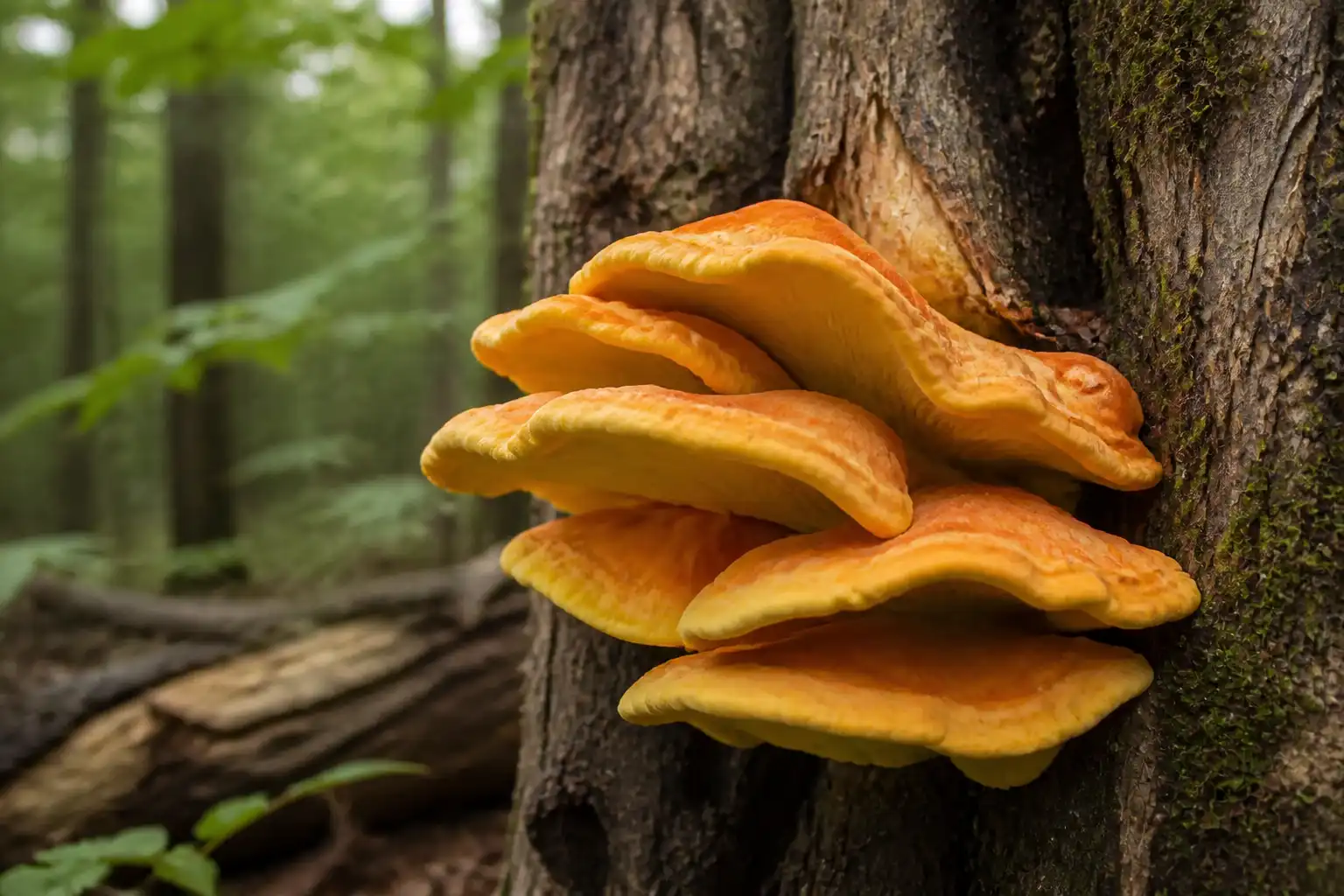
Learn chicken of the woods identification, hardwood habitat, pore features, lookalikes, food-safety limits, and responsible field documentation.
mushrooms
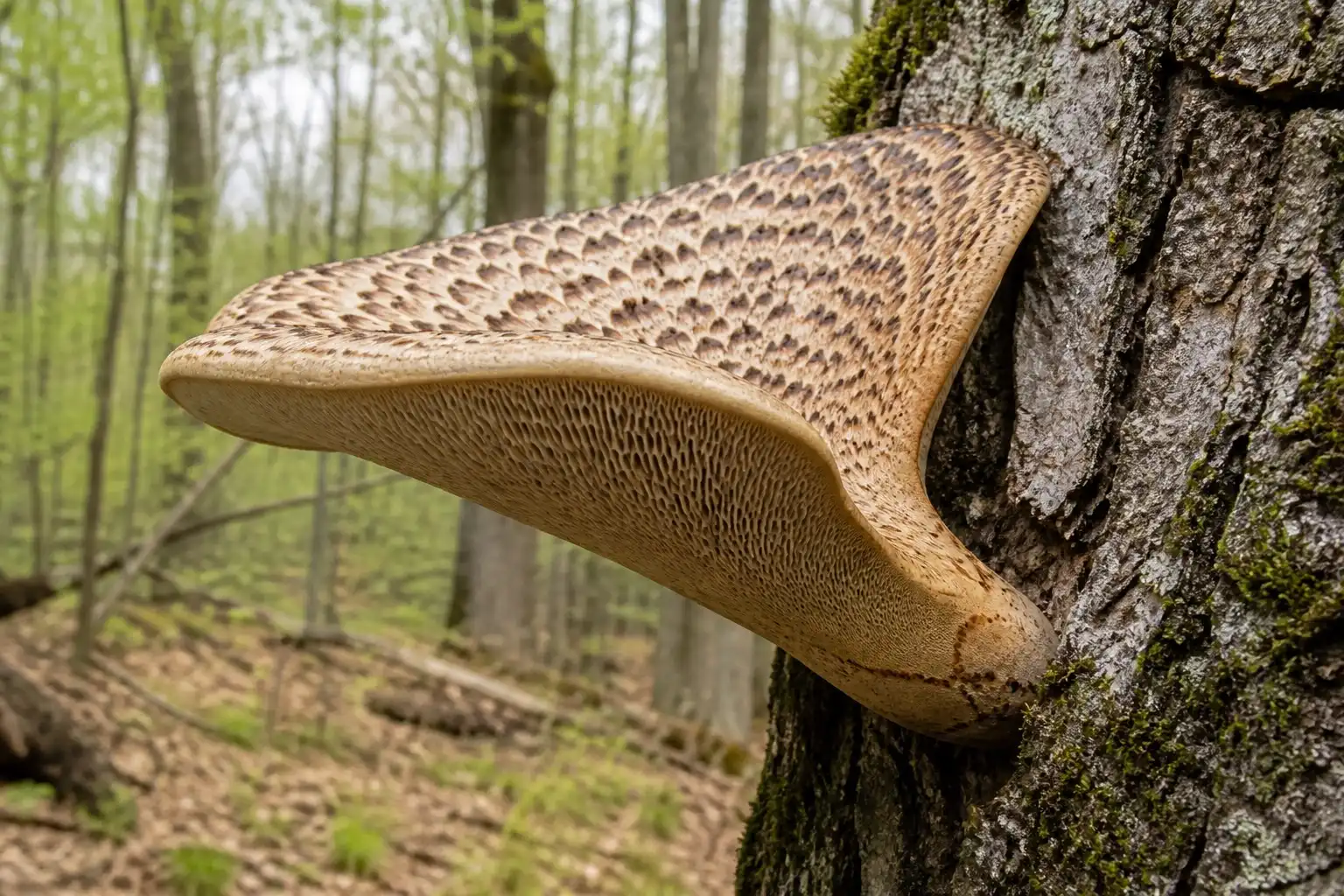
Identify Dryad’s saddle by its scaly cap, broad pores, hardwood host, season, and safety limits; learn why a photo is not enough to clear a wild mushroom.
mushrooms
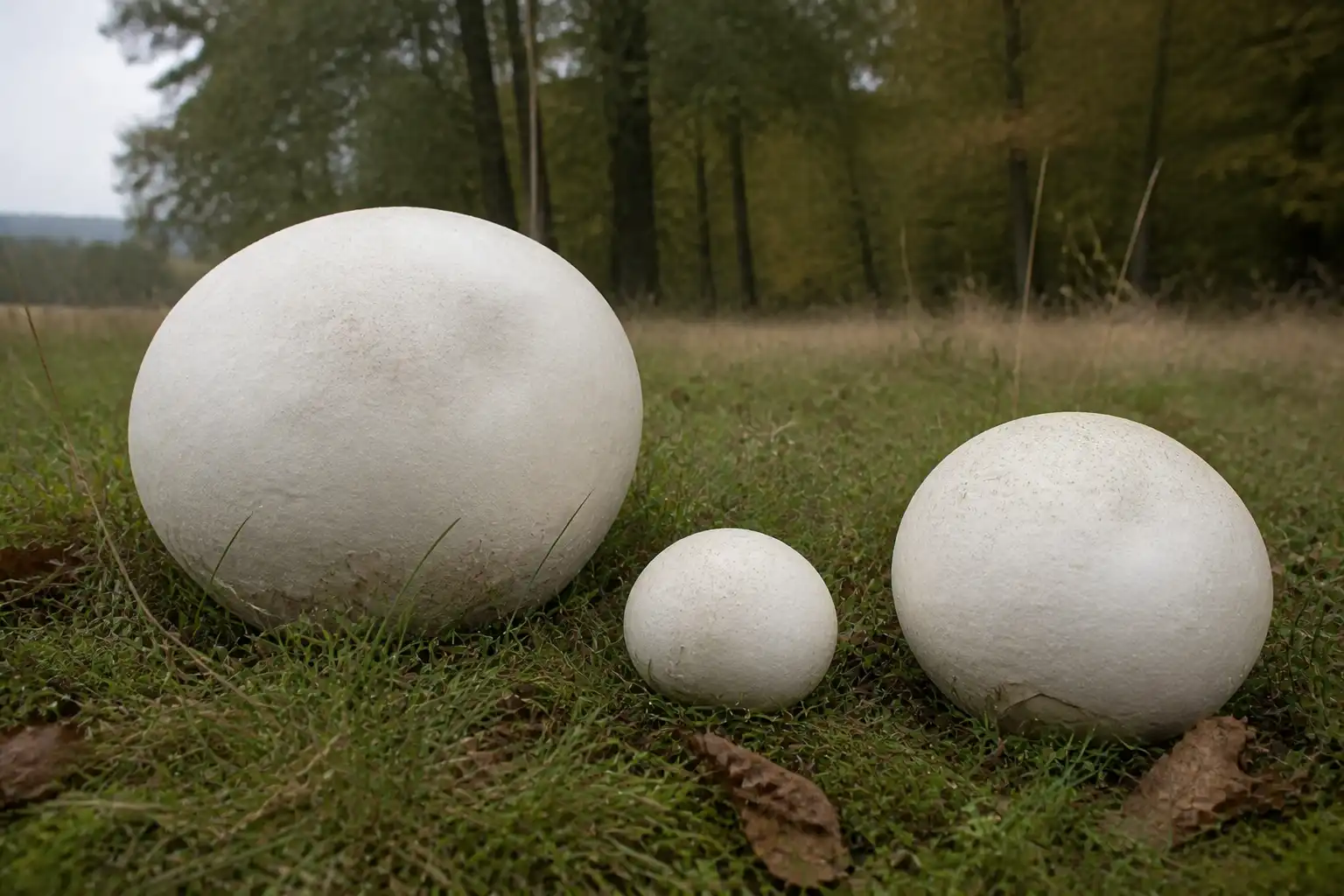
Learn giant puffball identification, white interior checks, dangerous lookalikes, habitat, maturity, and conservative food-safety limits.
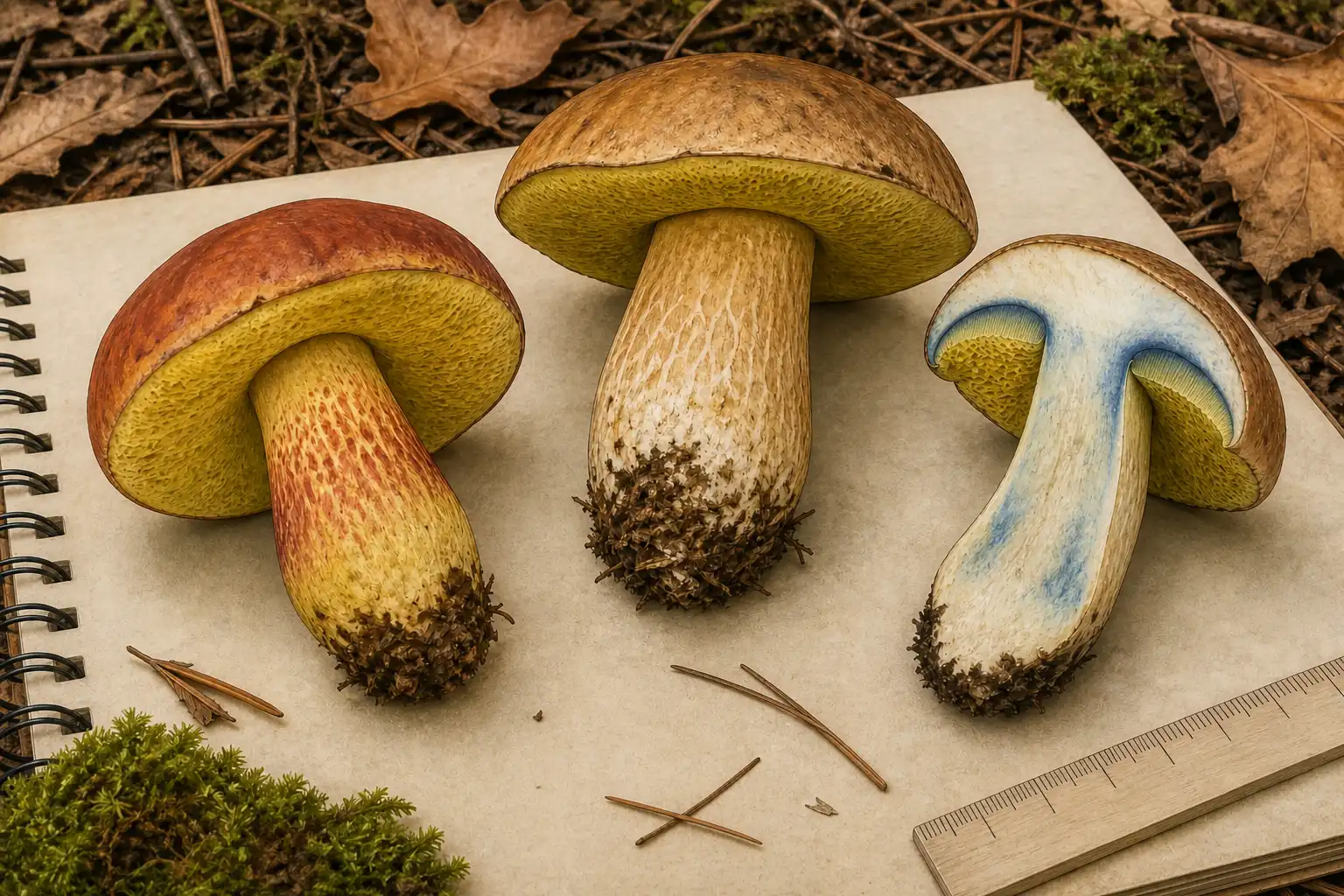
identification
Learn how to document a bolete's pores, flesh staining, stem, habitat, and lookalikes without treating any one feature as an edibility test.
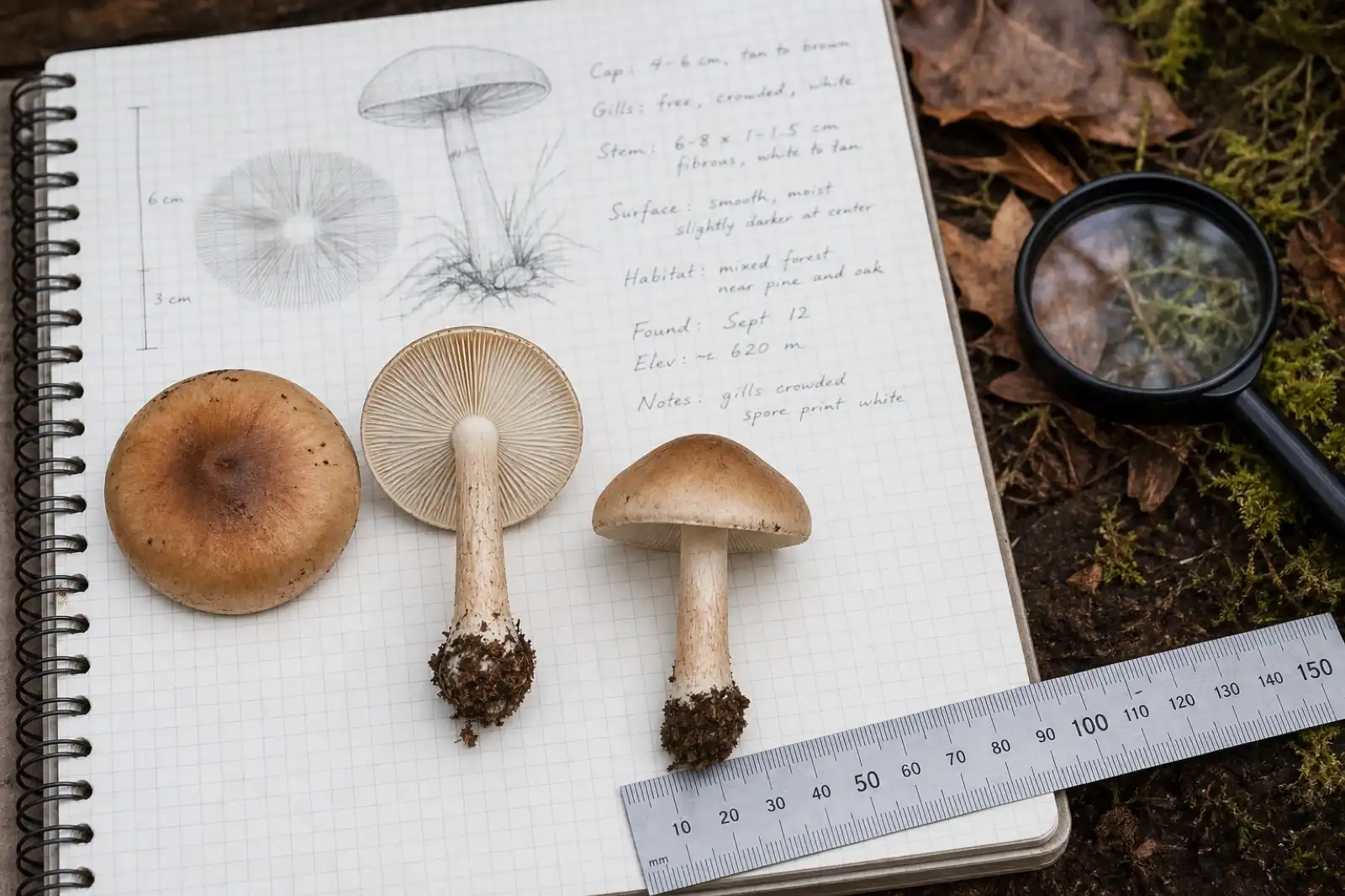
identification
Build an identification from the whole specimen, substrate, habitat, spore deposit, and location—not from a single photograph.
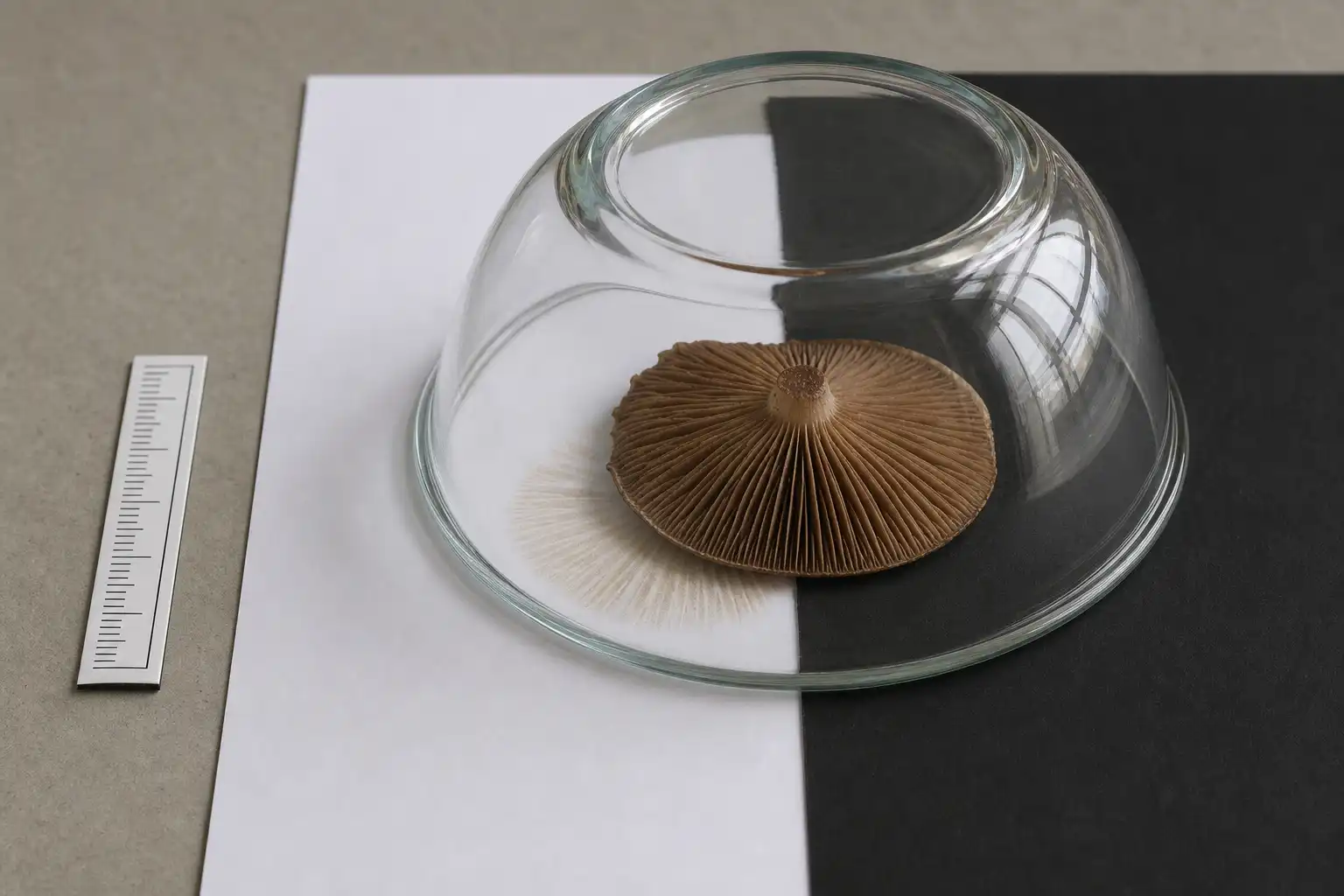
identification
Make a controlled mushroom spore print, record the result clearly, and understand why a print supports—but never proves—an identification.
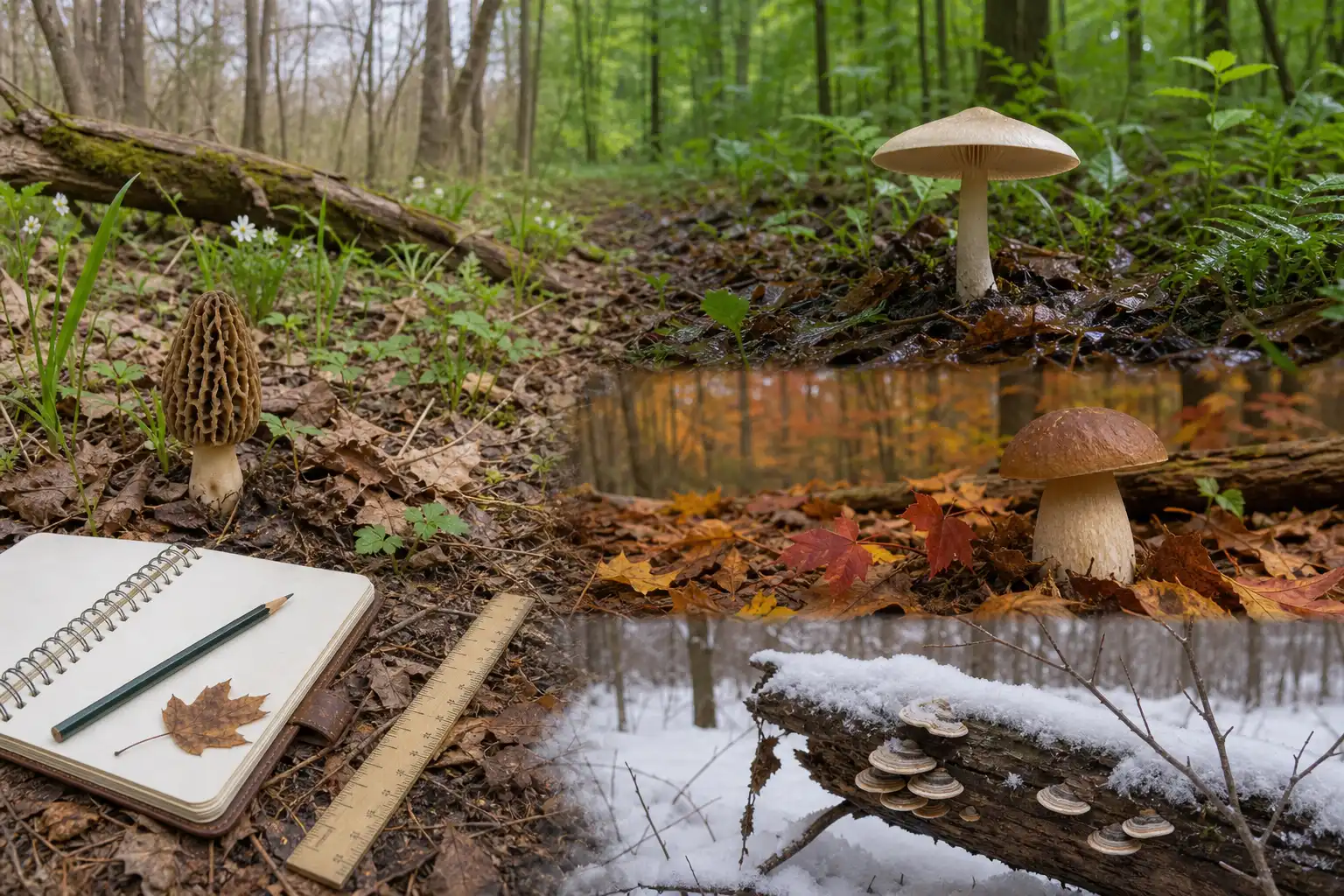
identification
Use season, weather, habitat, and repeat field notes to plan mushroom observations without treating a seasonal window as an identification or edibility test.
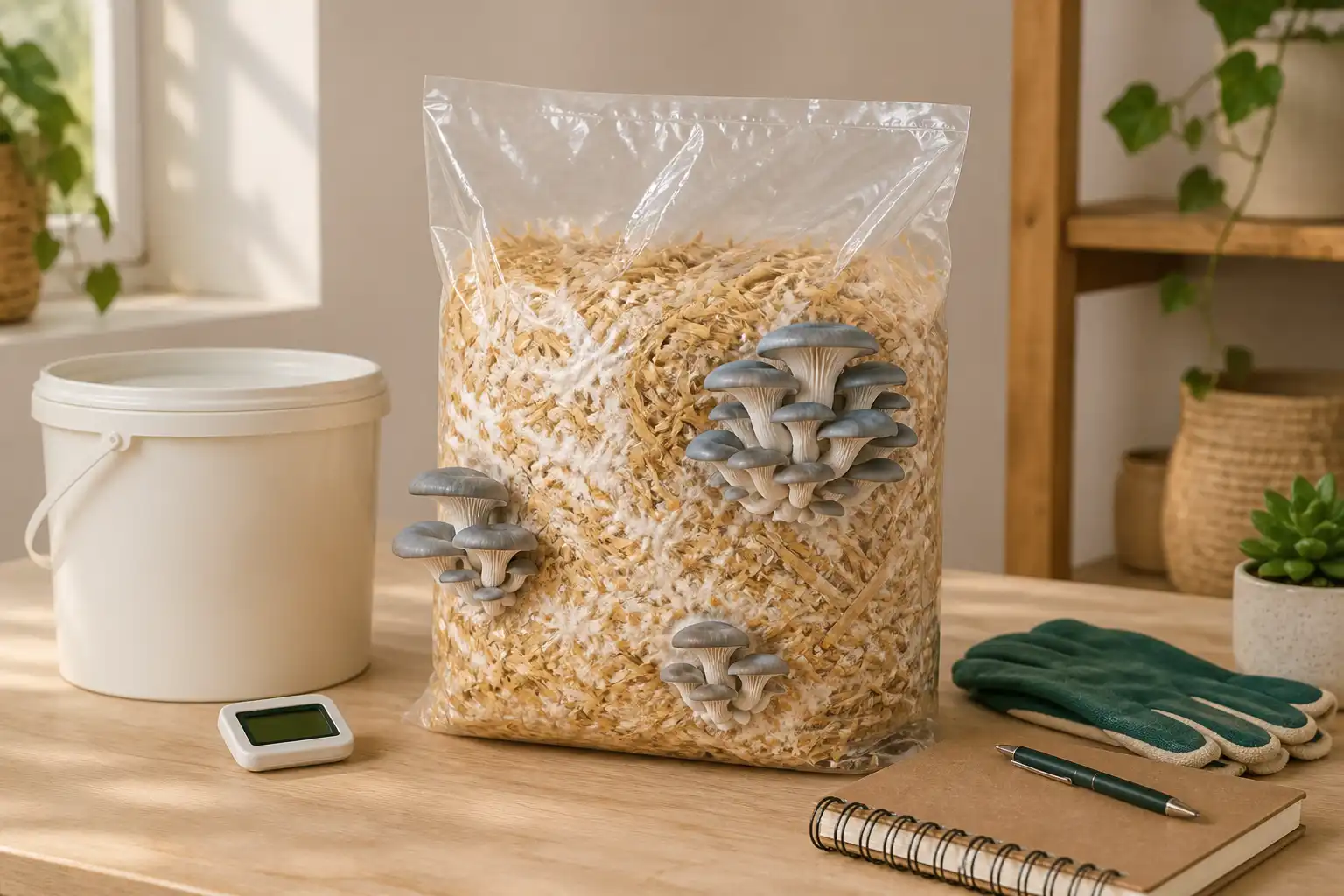
growing
Use a documented straw-and-spawn workflow for oyster mushrooms, with safe preparation, batch records, fruiting cues, and contamination limits.
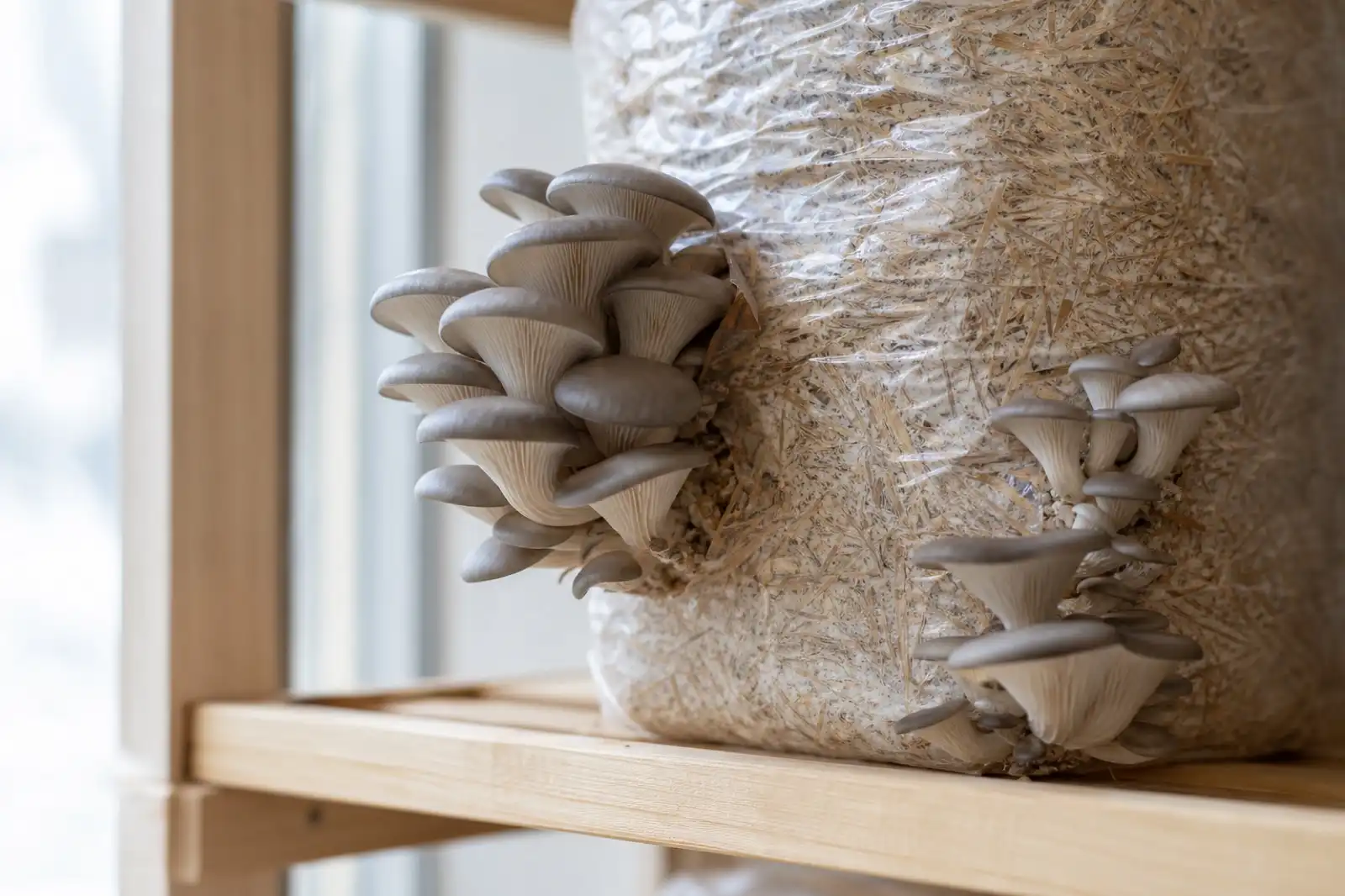
growing
Grow oyster mushrooms at home with a supplier-provided fruiting block: set up a clean observation routine, follow the culture label, and handle harvests safely.
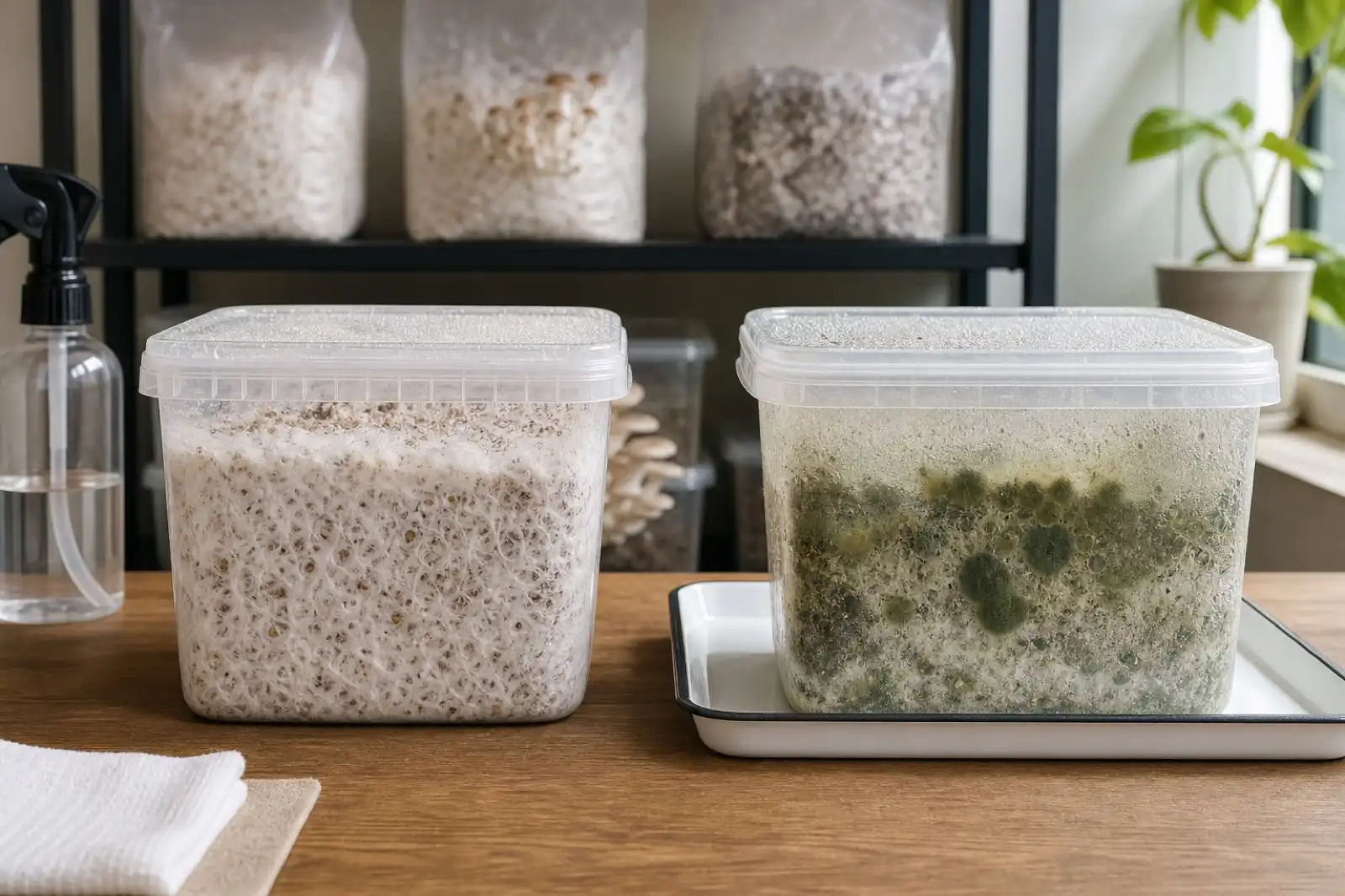
growing
Recognize mushroom contamination without relying on color alone; isolate suspect batches, avoid food salvage, document the workflow, and prevent repeat issues.
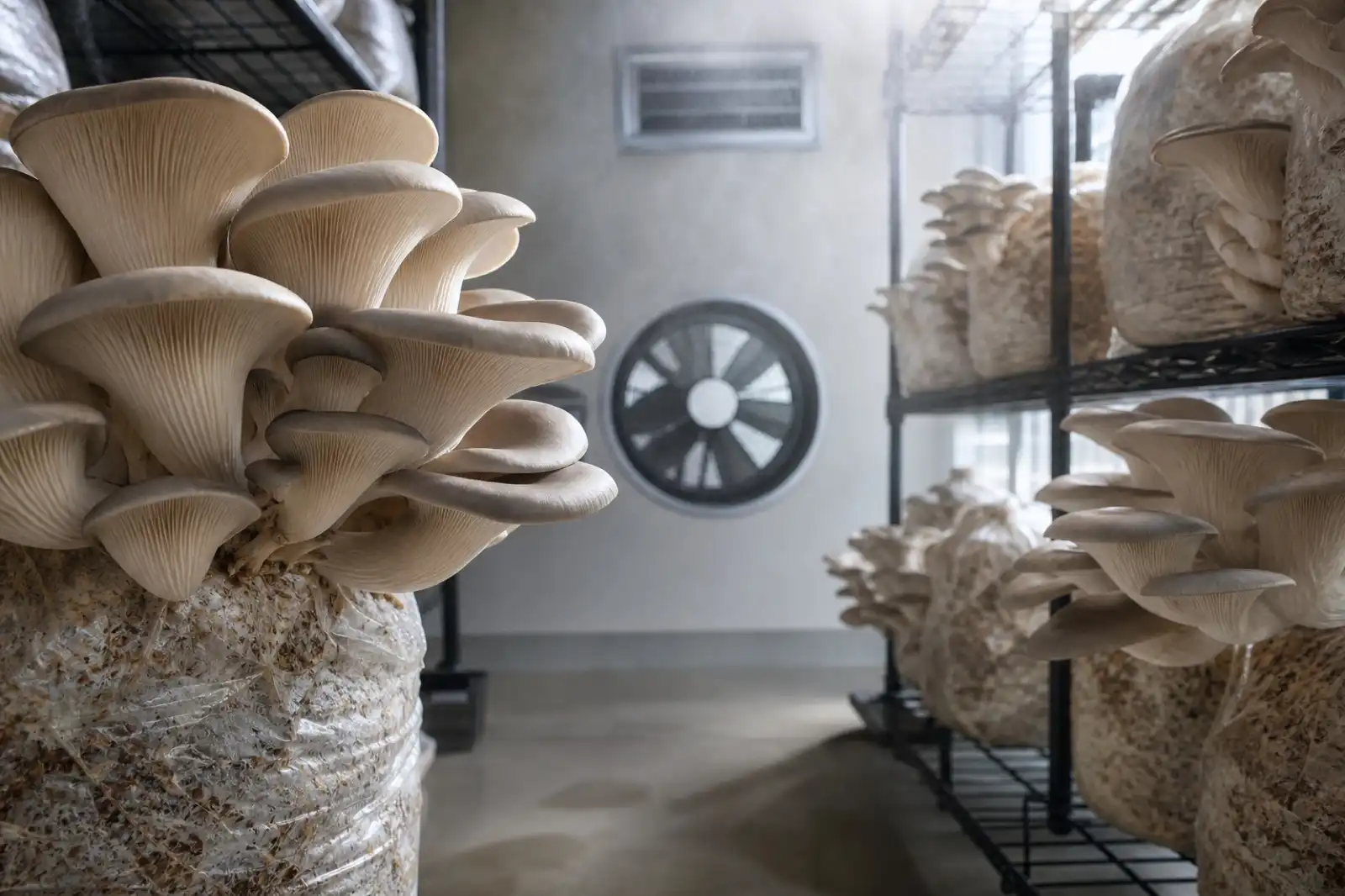
growing
Use humidity, fresh air, light, and temperature as a linked observation system for authenticated cultivated mushroom blocks—not a universal settings chart.
growing
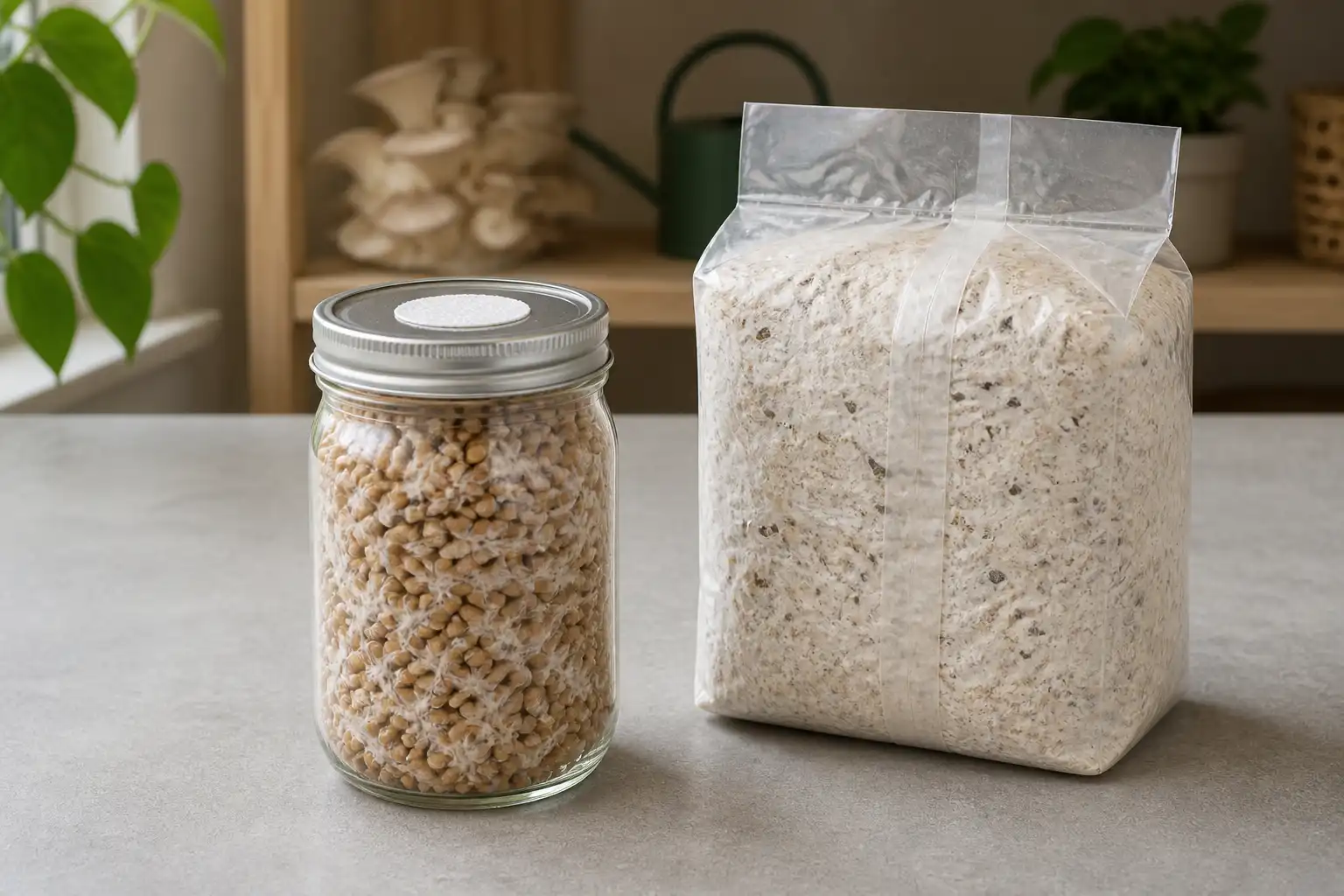
Use mushroom grain spawn as a labeled, clean inoculum for a documented growing method; learn what to verify, what to record, and when not to use it.
growing
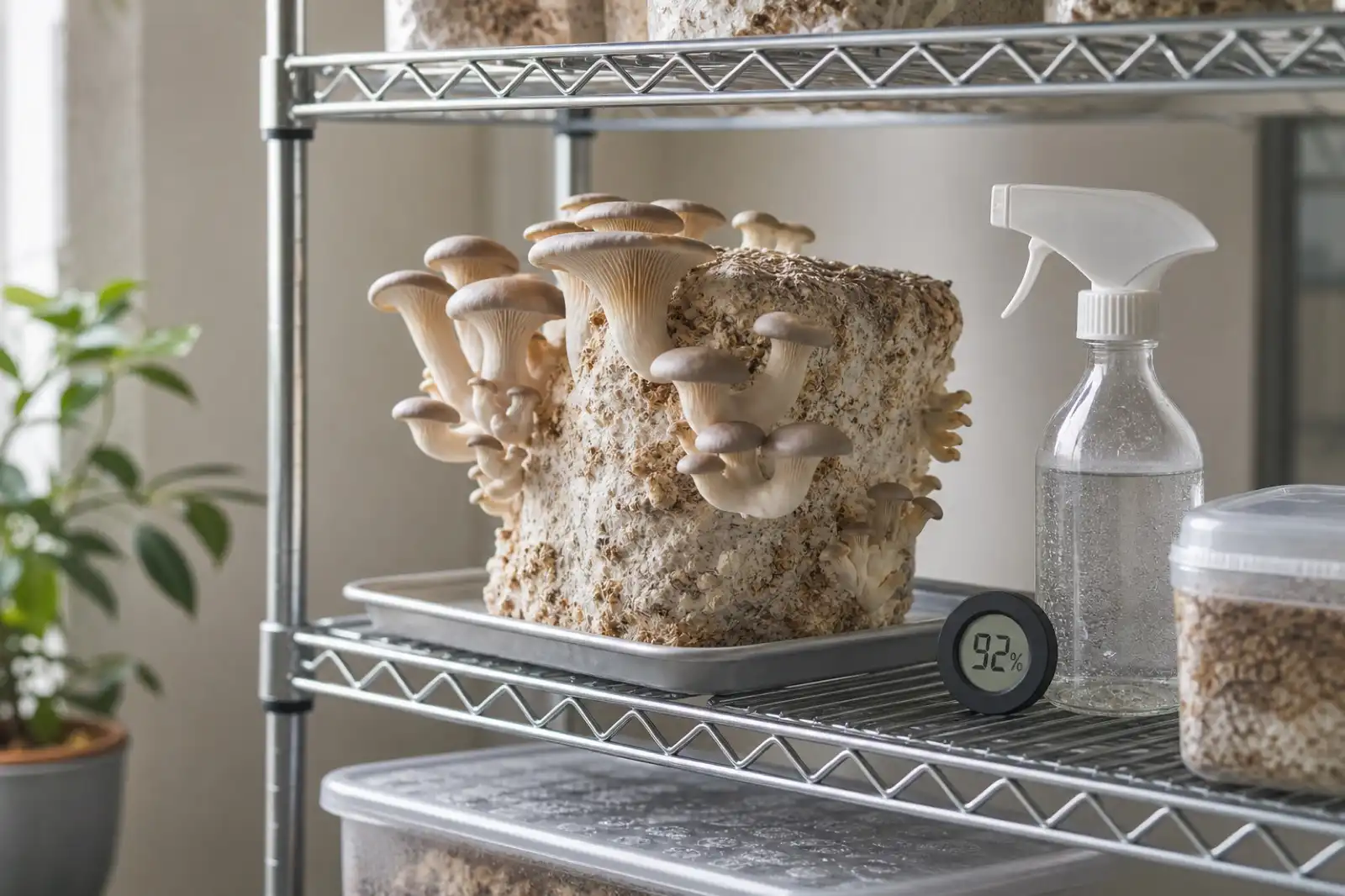
Choose a low-complexity first mushroom grow, set a written decision boundary, and keep food safety separate from yield troubleshooting.
growing
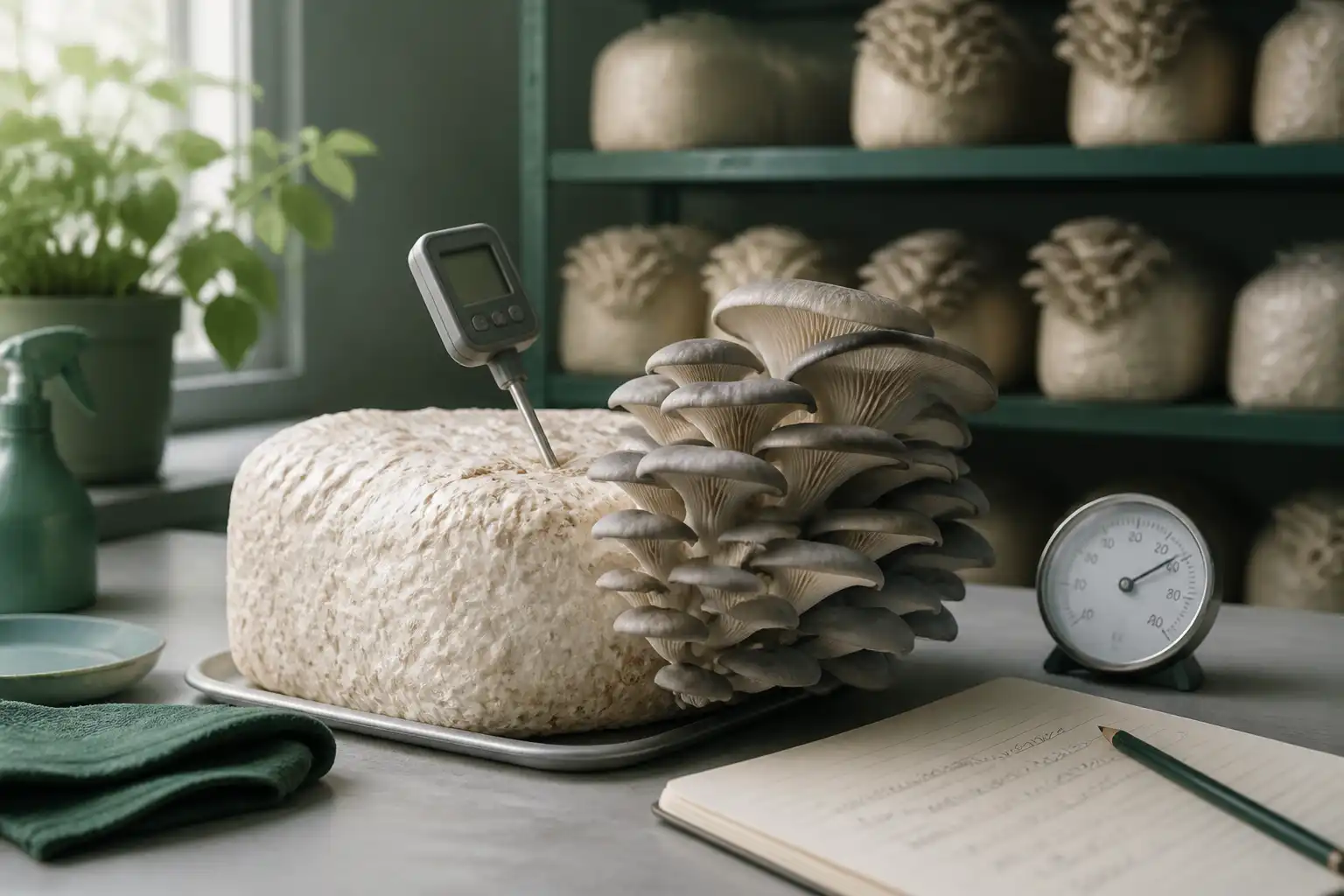
Set and troubleshoot mushroom growing temperatures with a species- and batch-specific log instead of copying universal incubation or fruiting numbers.
growing
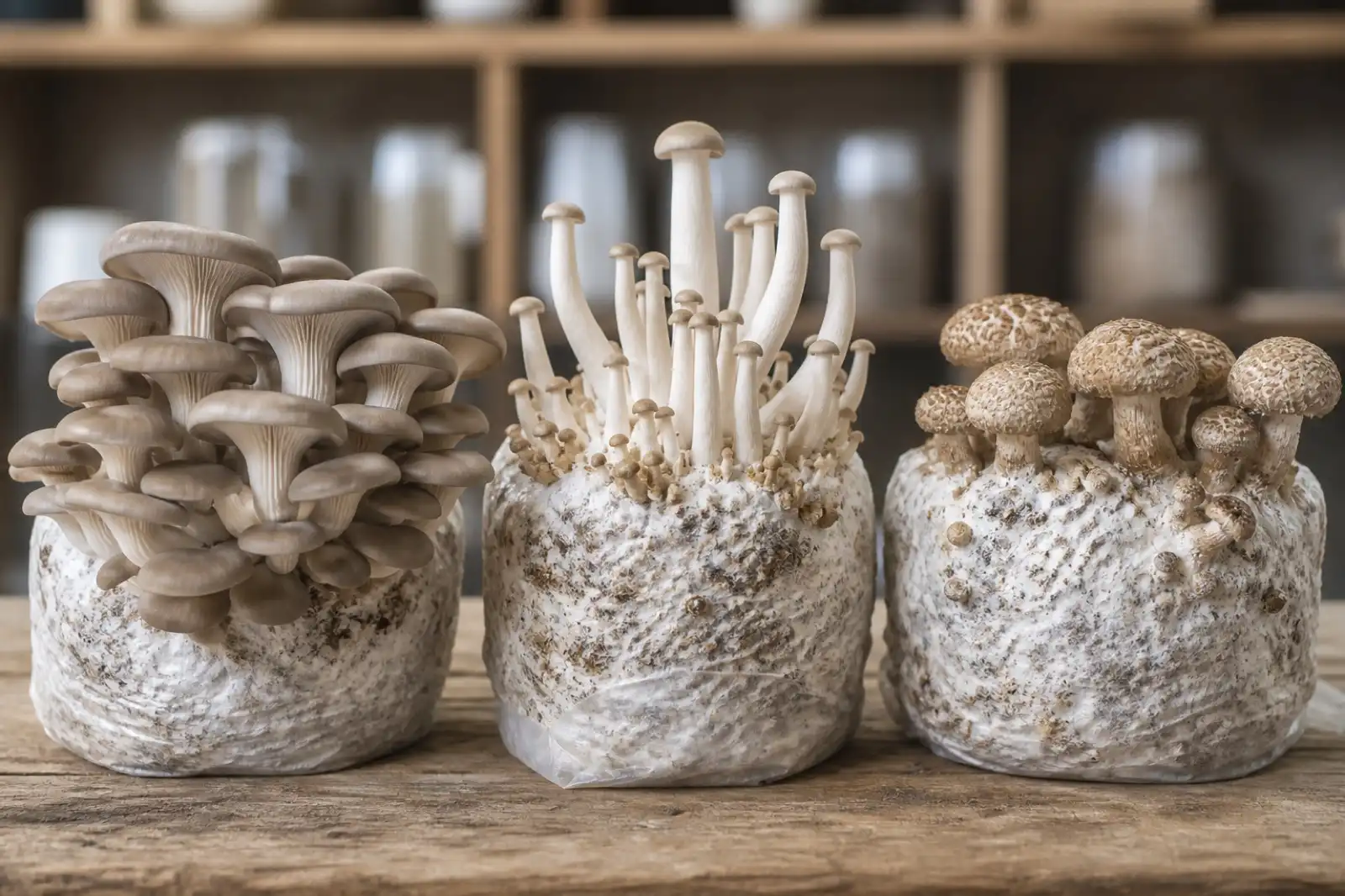
Troubleshoot a home mushroom grow by separating contamination, moisture, fresh-air, temperature, and harvest-handling observations.
growing
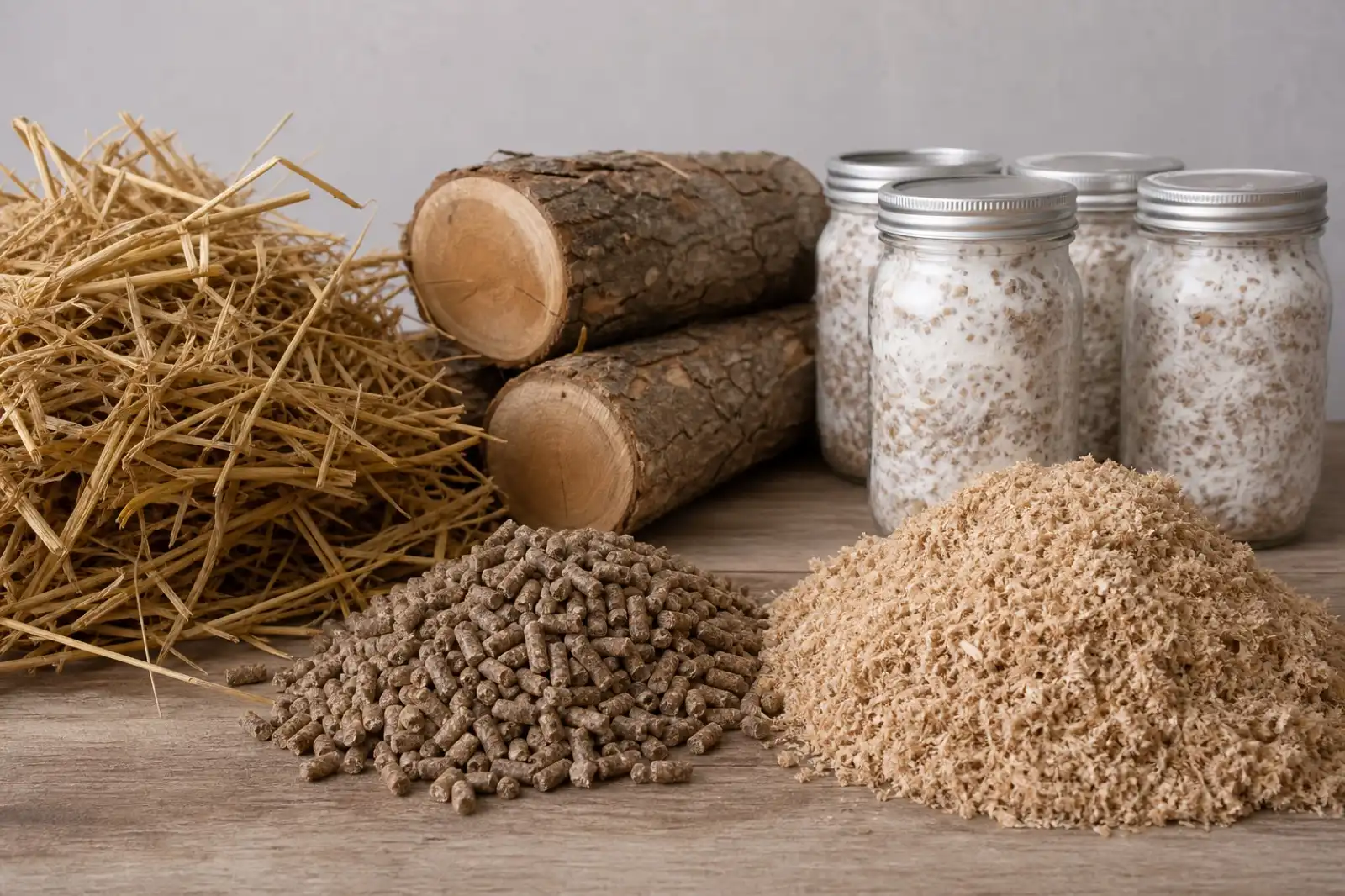
Choose a mushroom-growing substrate by matching a labeled culture to a documented production method, site, and food-safety boundary.
growing
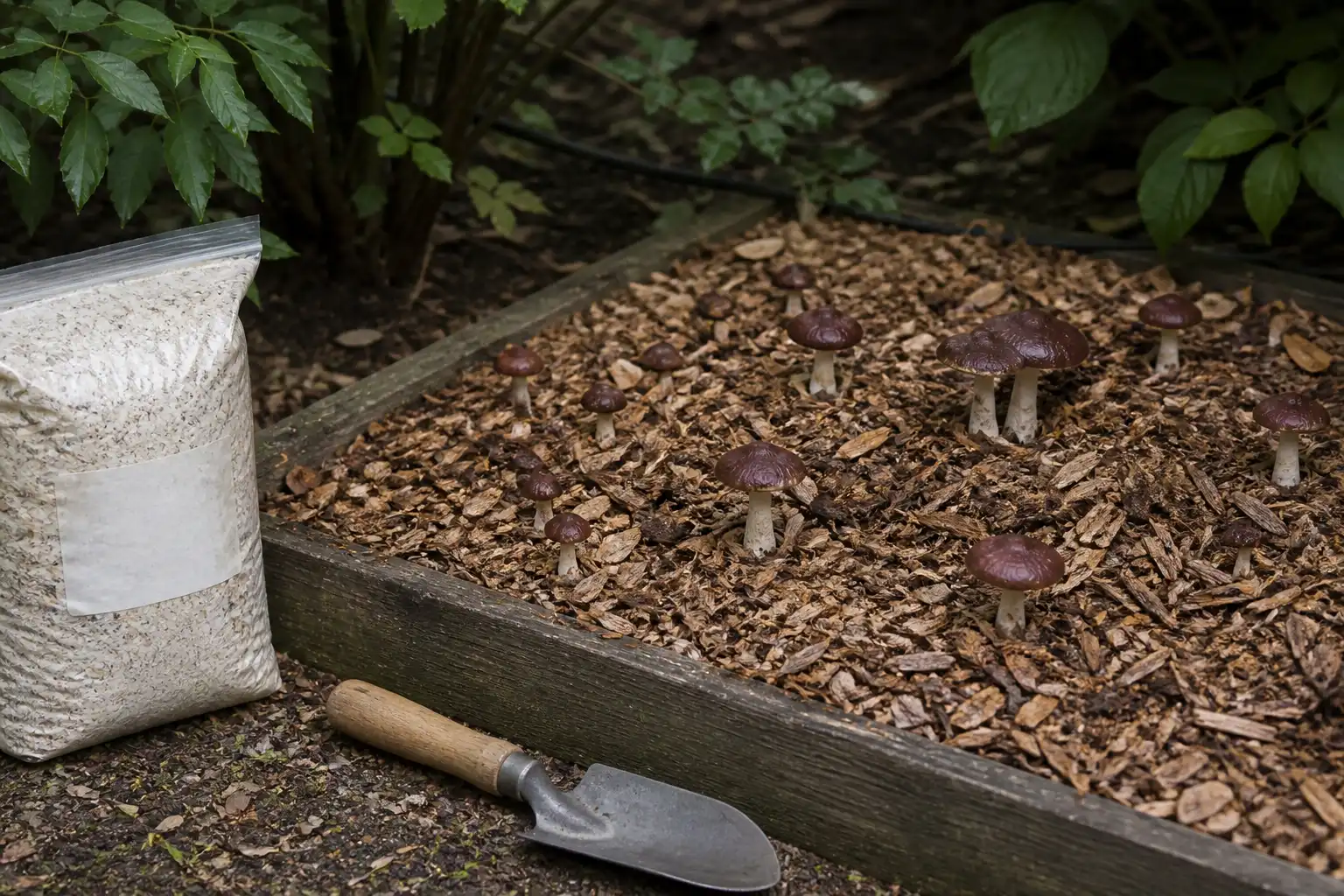
Plan a shaded wine cap mushroom bed with labeled spawn, hardwood chips, a simple observation log, and clear food-safety boundaries.