mushrooms
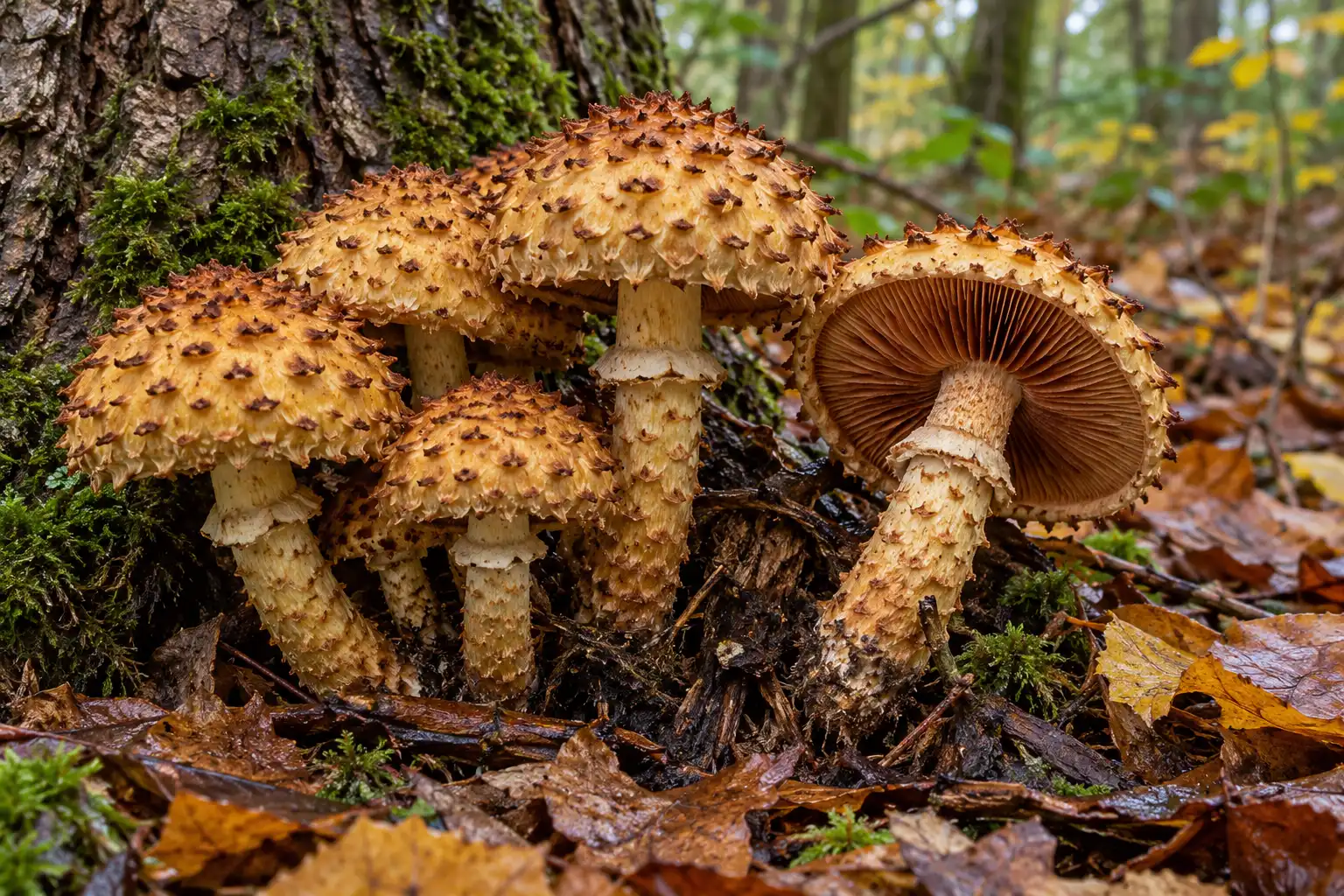
Shaggy Scalycap (Pholiota squarrosa): Identification Guide
Identify shaggy scalycap by its dry scales, rusty spores, clustered wood growth, host context, and differences from similar Pholiota species.
The journal archive
Earlier MushroomScope guides, ordered by their latest substantive publication or update date.
mushrooms
Identify shaggy scalycap by its dry scales, rusty spores, clustered wood growth, host context, and differences from similar Pholiota species.
health
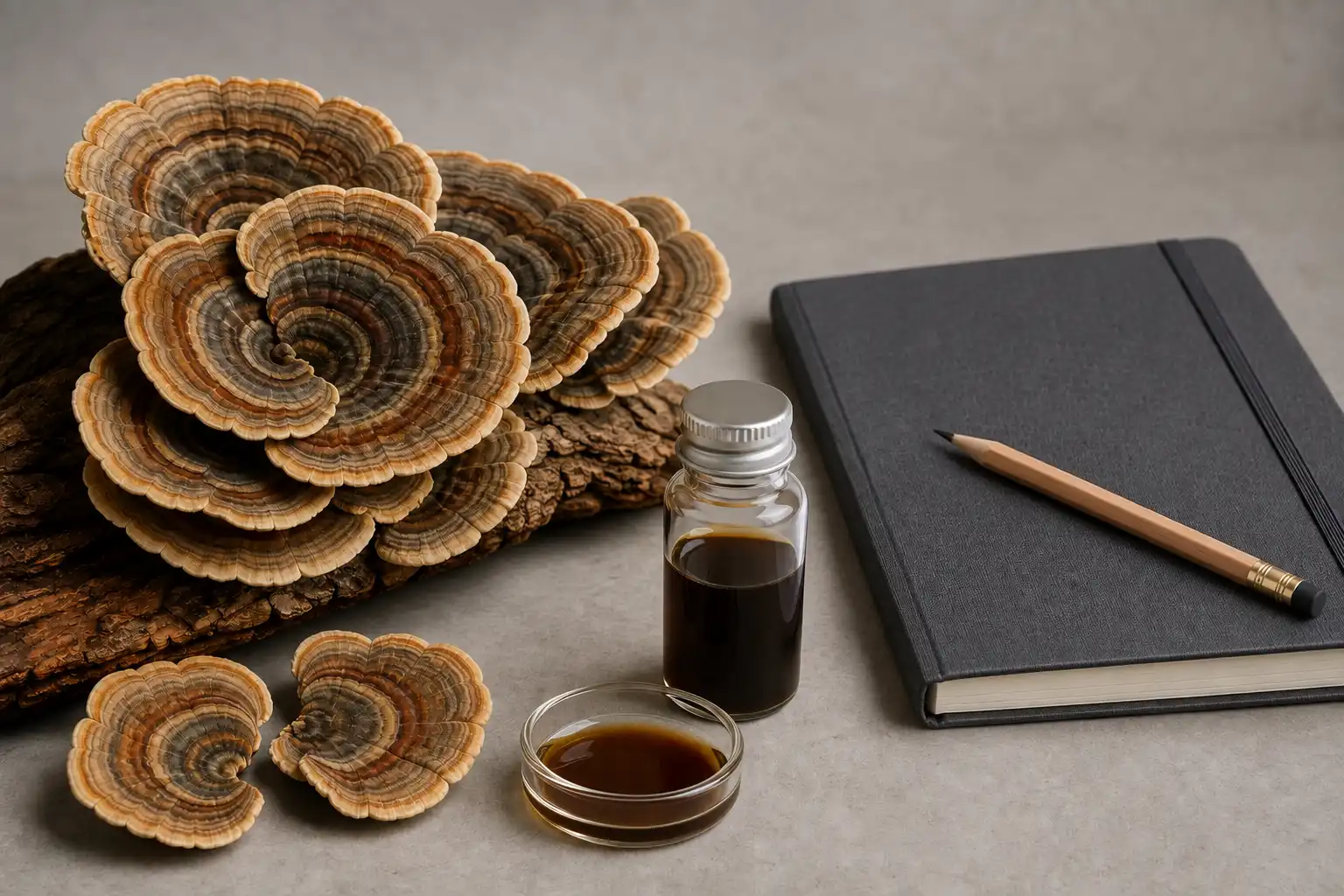
Turkey tail research on PSK and other extracts is product- and setting-specific; it does not validate self-treatment, foraged material, or every supplement.
mushrooms
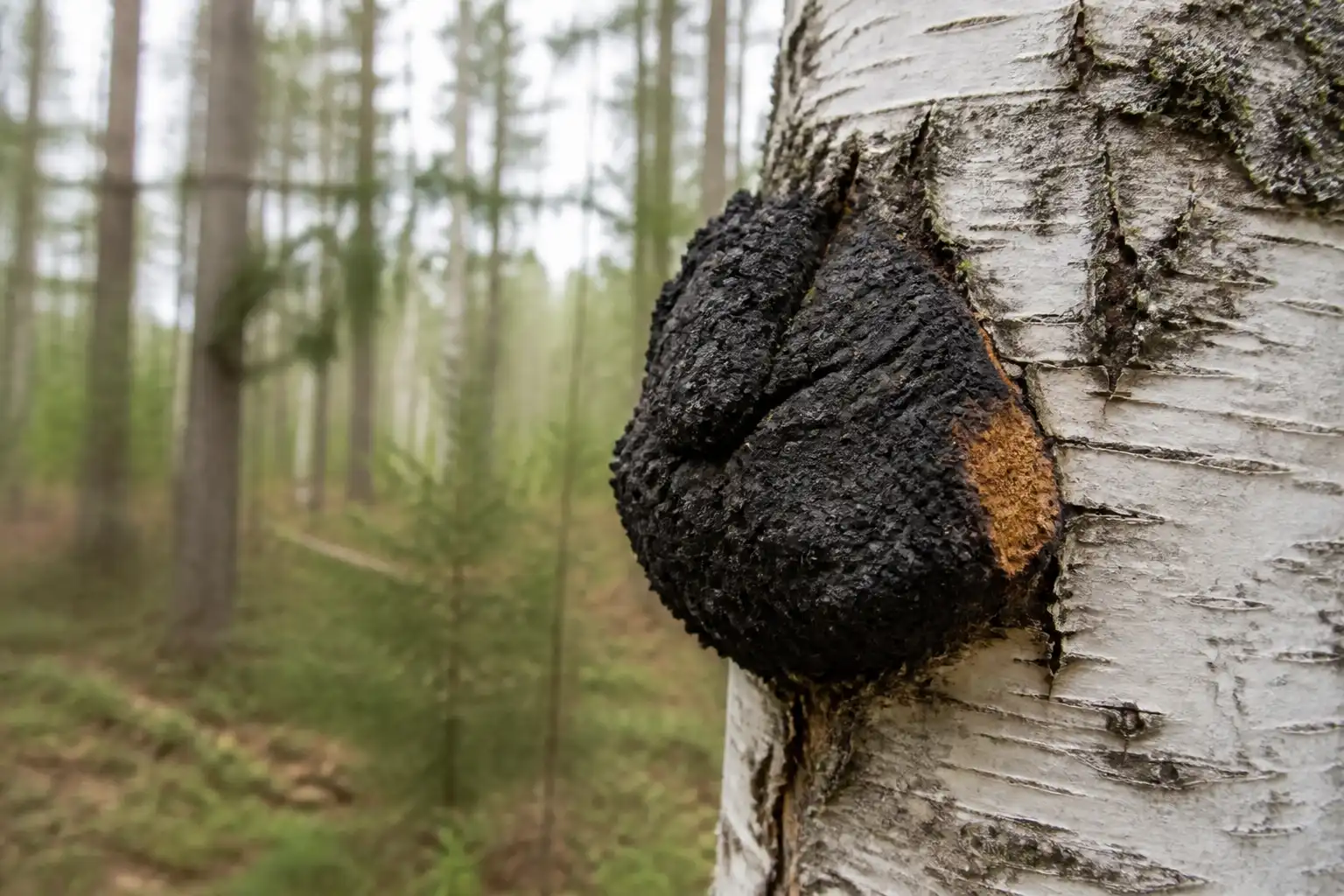
Learn Chaga identification, habitat, season, lookalikes, safety, food context, and cultivation limits with current taxonomy and sources.
mushrooms
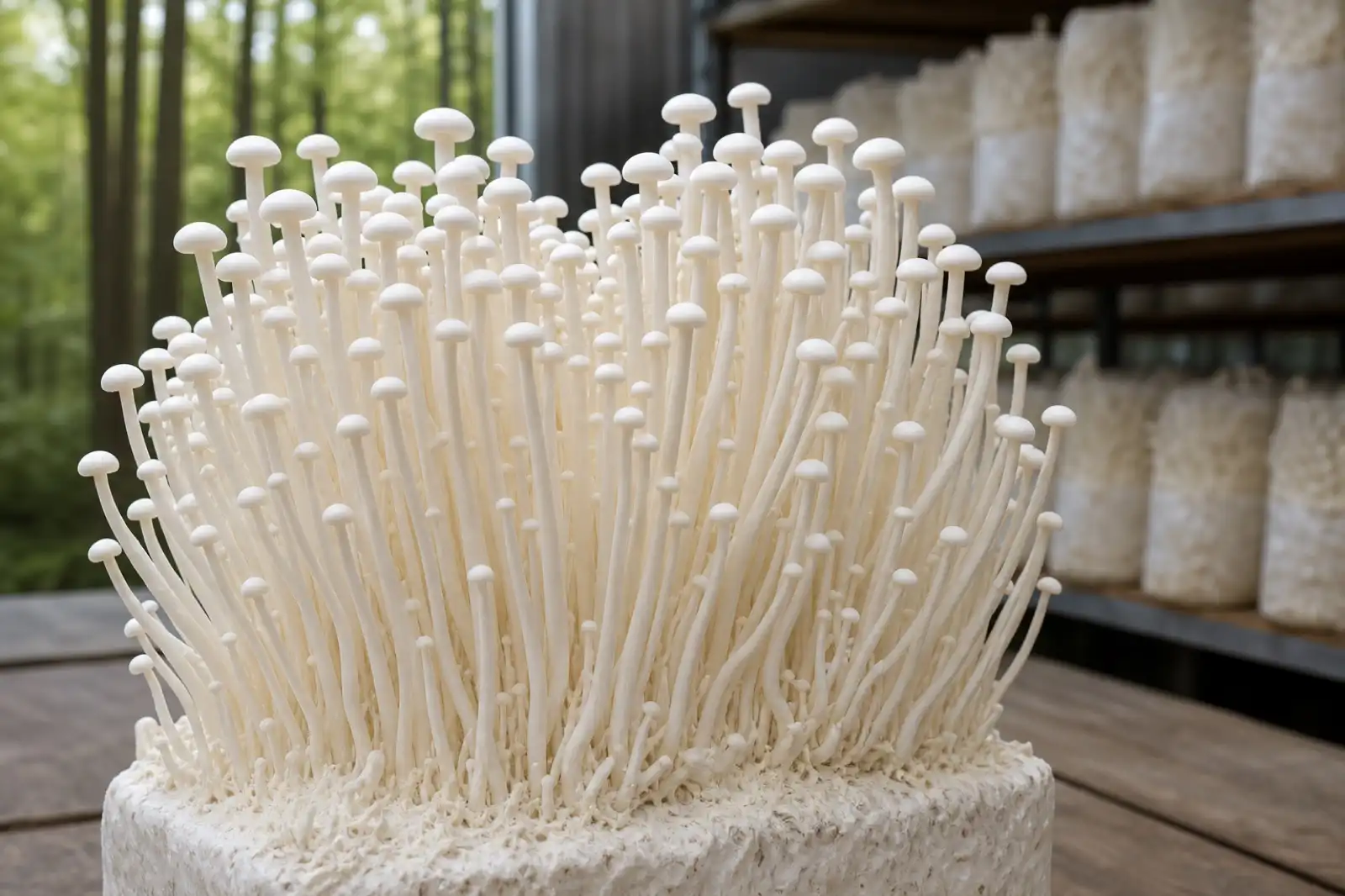
Understand cultivated enoki taxonomy, identification, growing conditions, nutrition, Listeria food-safety precautions, lookalikes, and FAQs.
mushrooms
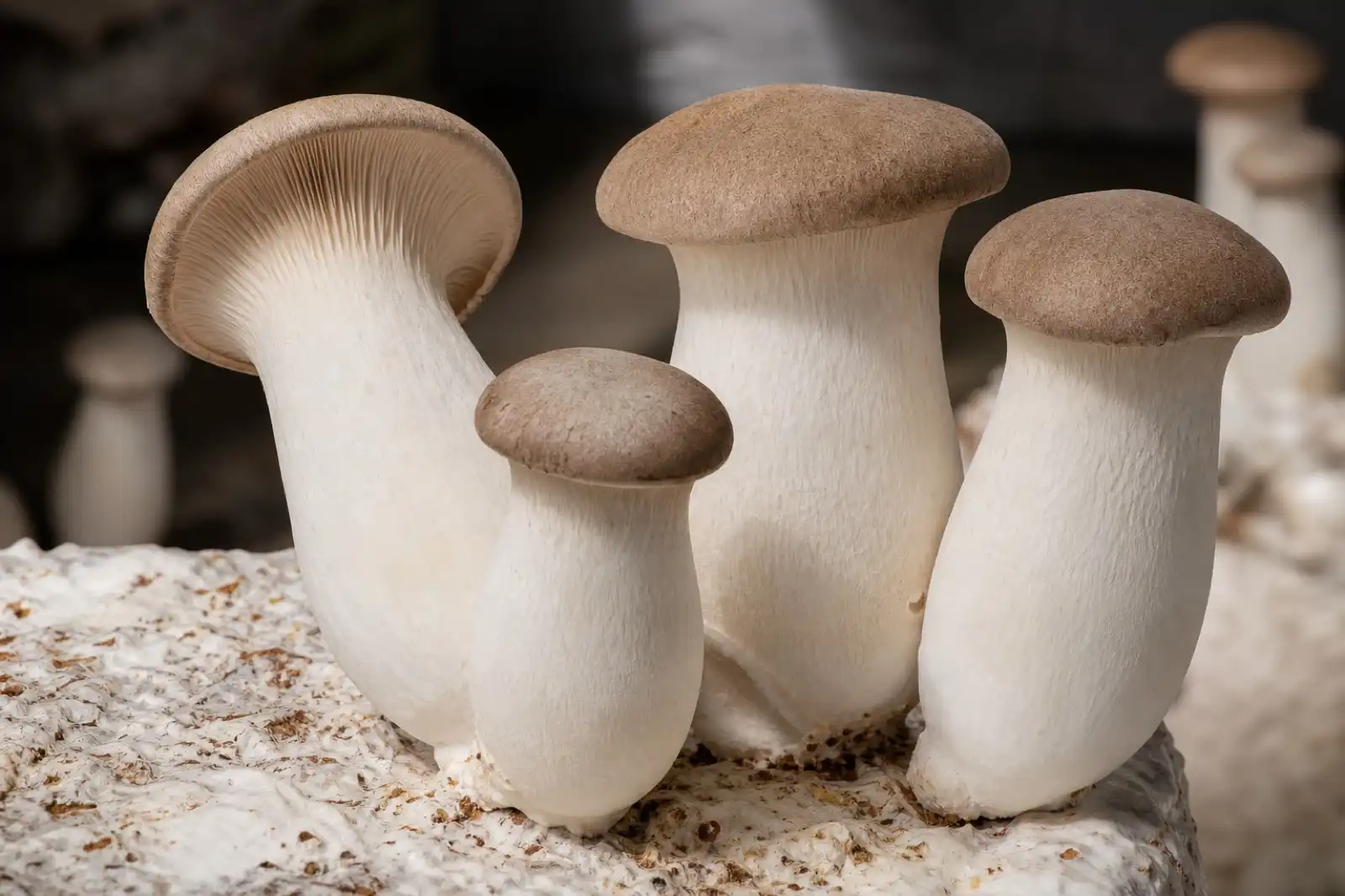
Understand king oyster morphology, Mediterranean plant associations, controlled crop shaping, dense-stem cooking, food evidence, and wild-identification limits.
mushrooms
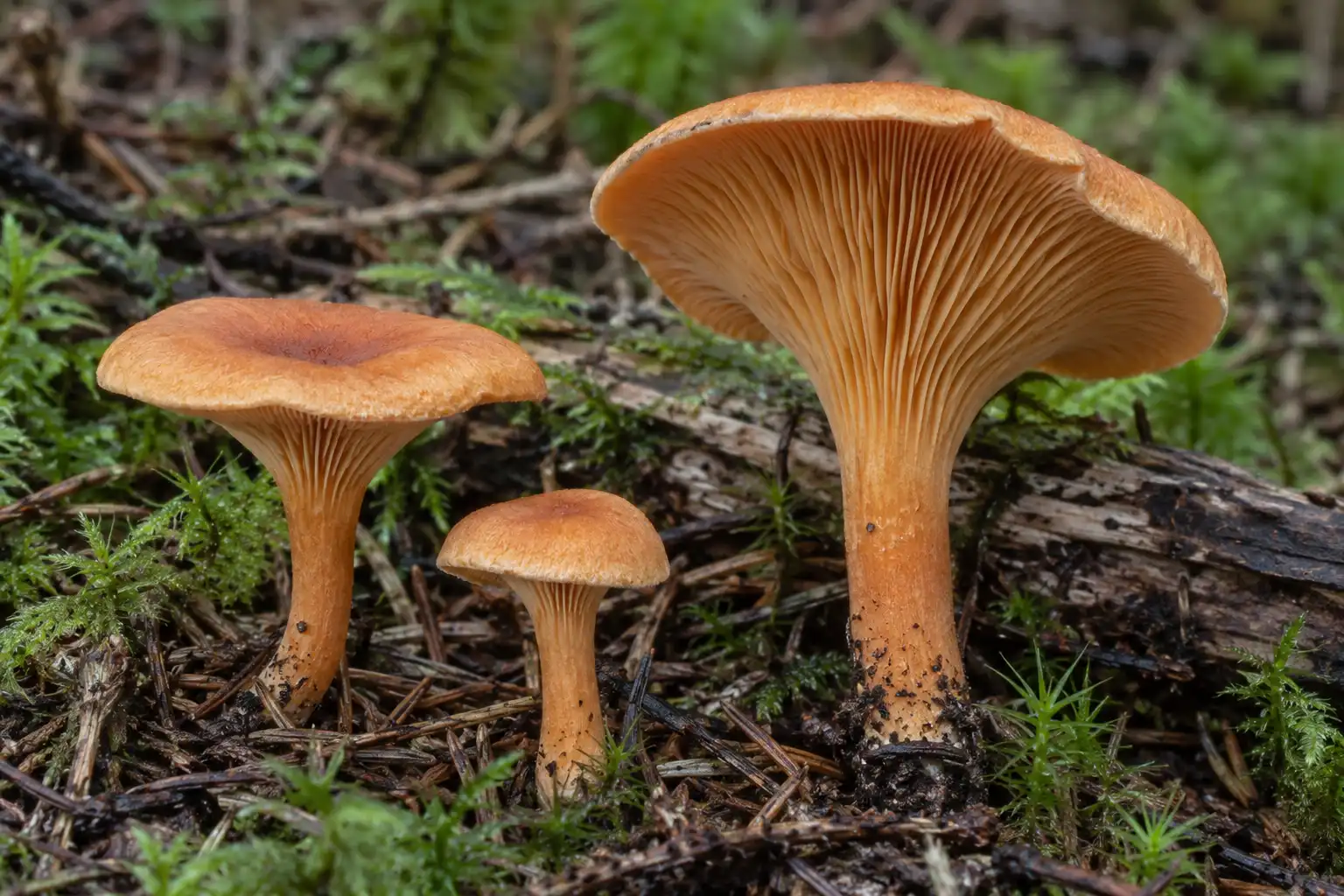
Identify false chanterelle by its forked true gills, orange cap, conifer litter habitat, spore print, lookalikes, and conservative food-safety limits.
growing
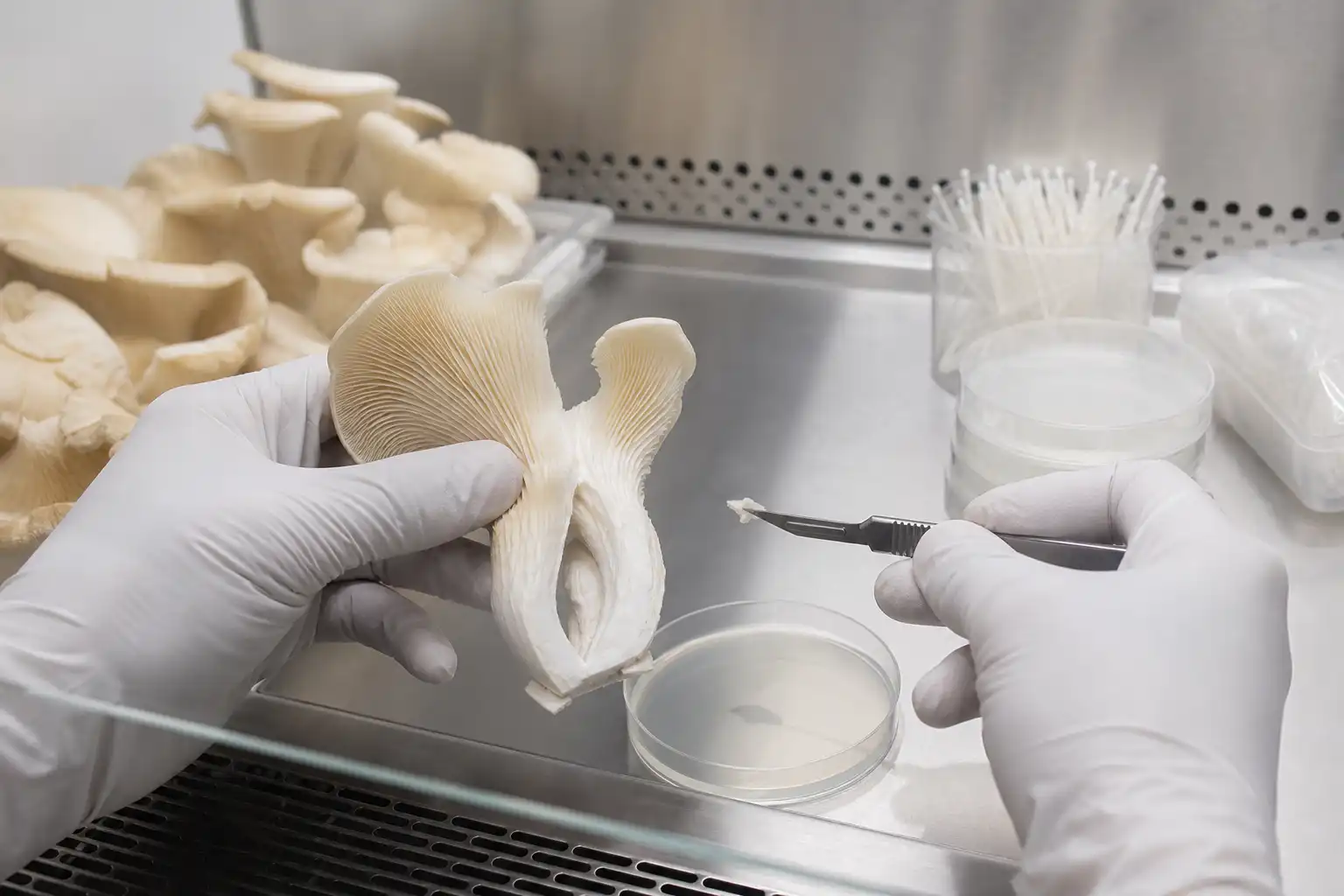
Clone cultivated mushroom tissue to agar with realistic sterility limits, donor selection, transfer tracking, contamination triage, and identity safeguards.
growing
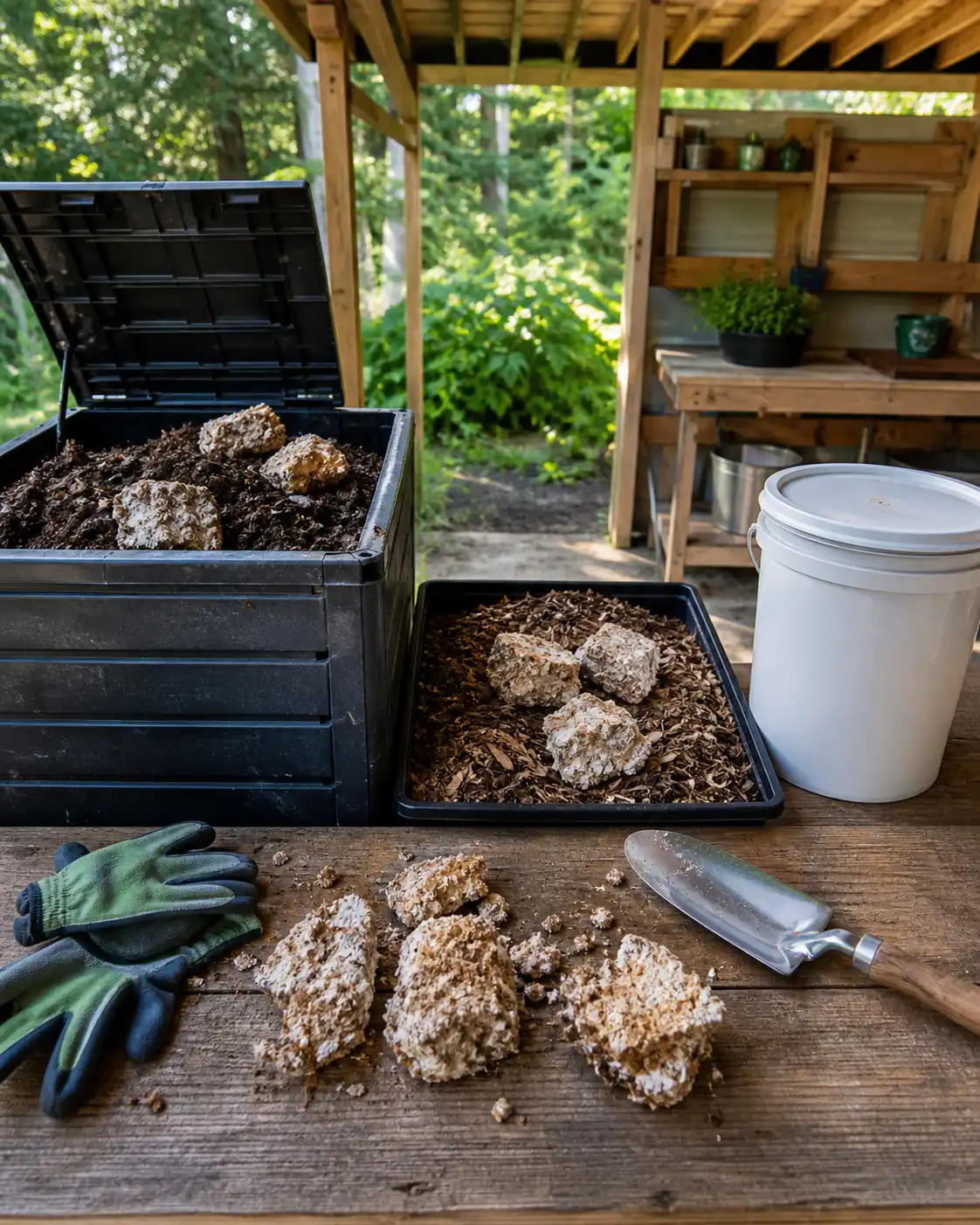
Assess spent mushroom substrate for compost, mulch, soil trials, second flushes, contamination isolation, salt and nutrient limits, and local disposal.

health
Review mushrooms, carbohydrate quality, meal context, glucose studies, medication safety, and why food associations do not prove diabetes treatment.
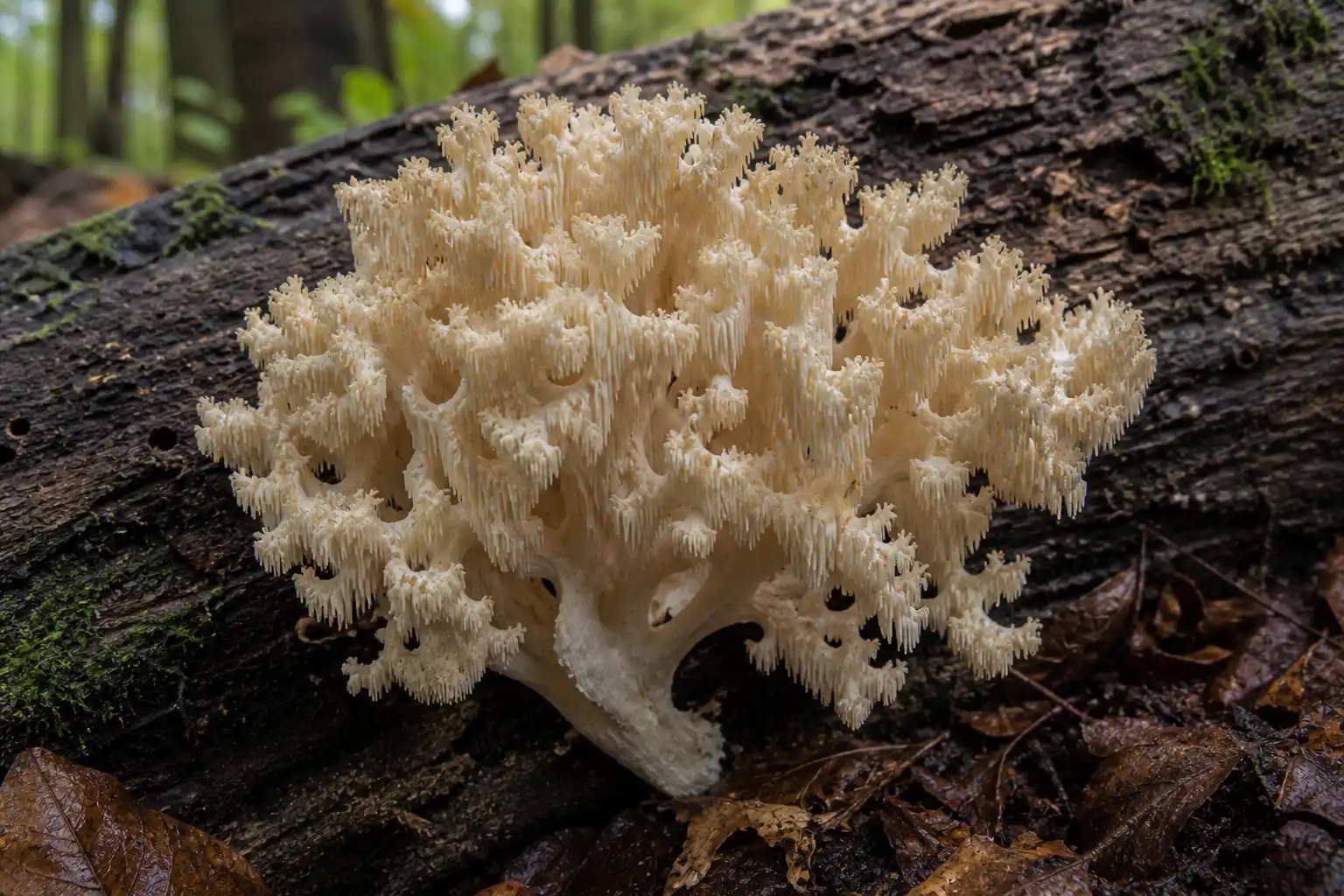
mushrooms
Learn how coral tooth fungus branches and forms teeth, where it grows on hardwood, how it differs from other Hericium, and why photos cannot confirm edibility.
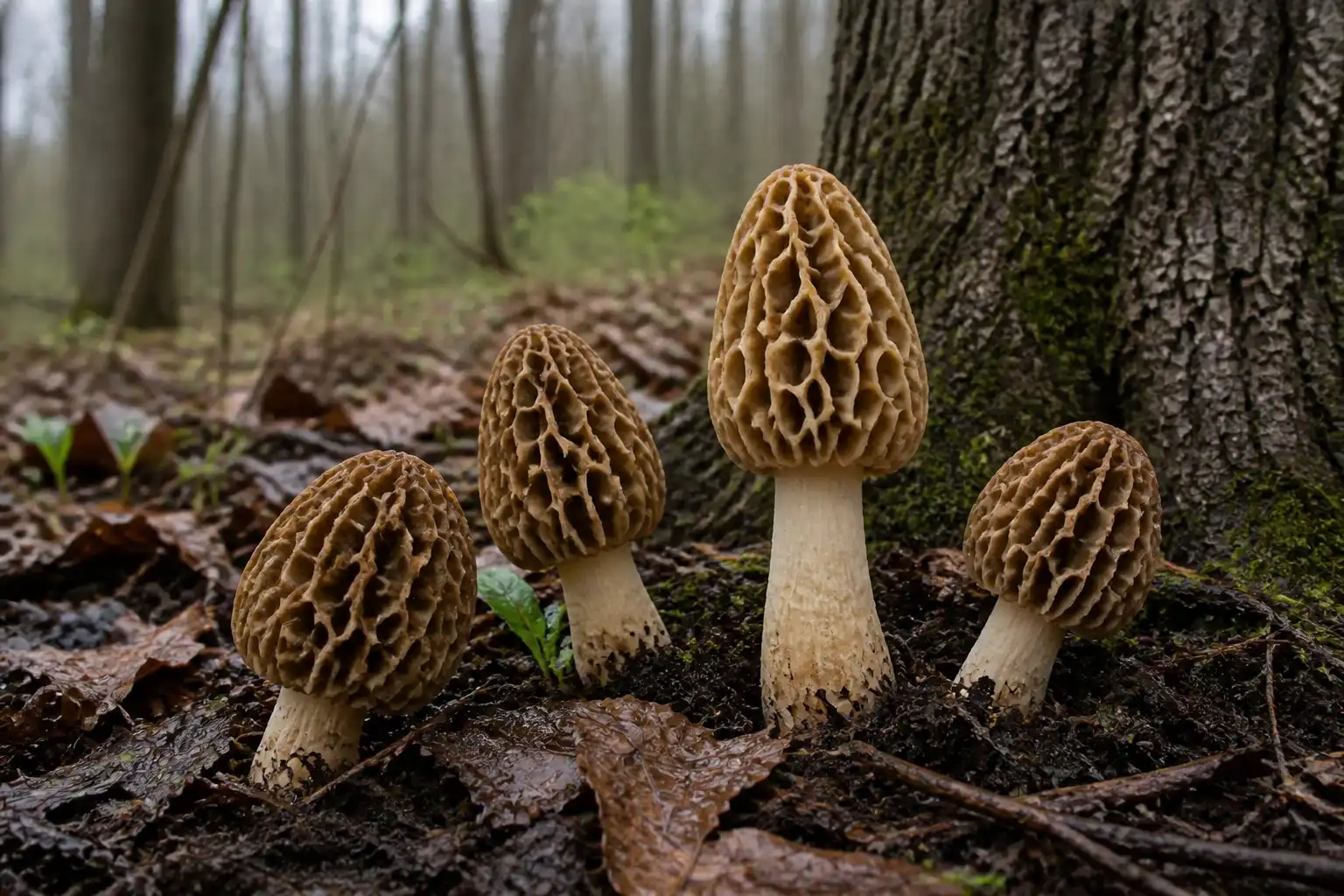
mushrooms
Learn how to document true morels, distinguish false-morel warning signs, understand spring habitat, and keep food decisions conservative.
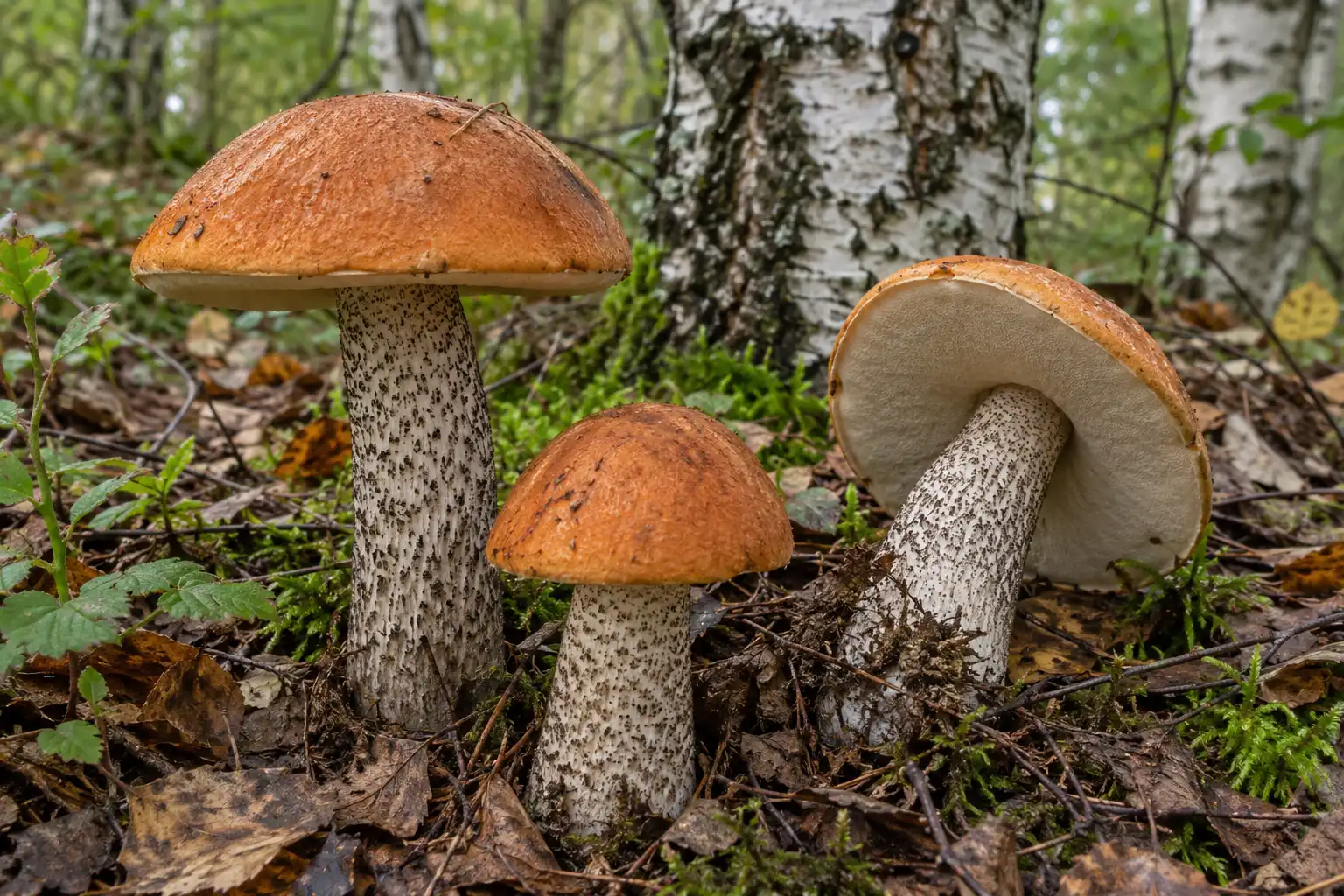
mushrooms
Document orange birch bolete by its orange cap, pale pores, dark stem scabers, birch partnership, staining sequence, lookalikes, and regional taxonomy.
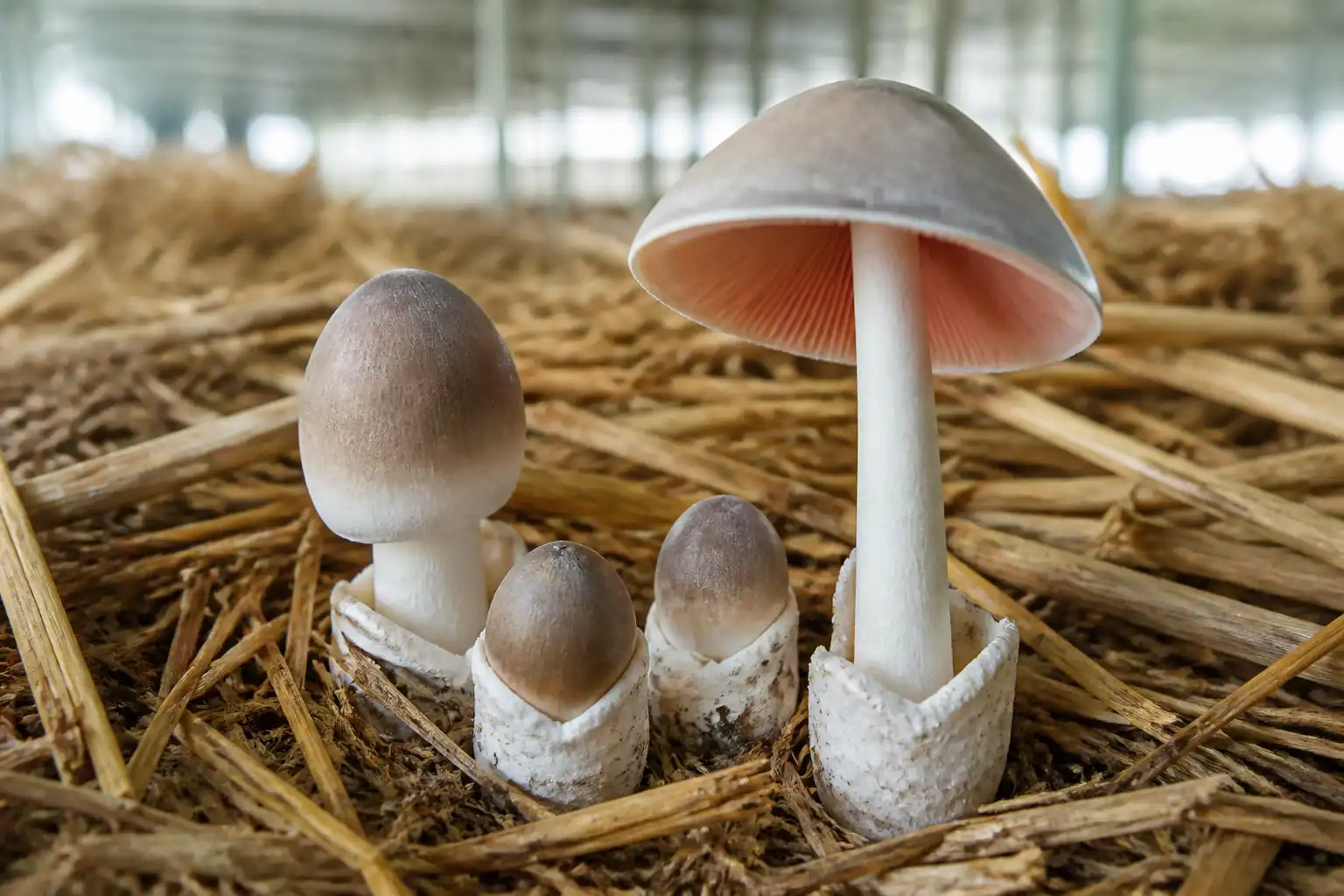
mushrooms
Learn Paddy straw mushroom identification, habitat, season, lookalikes, safety, food context, and cultivation limits with current taxonomy and sources.
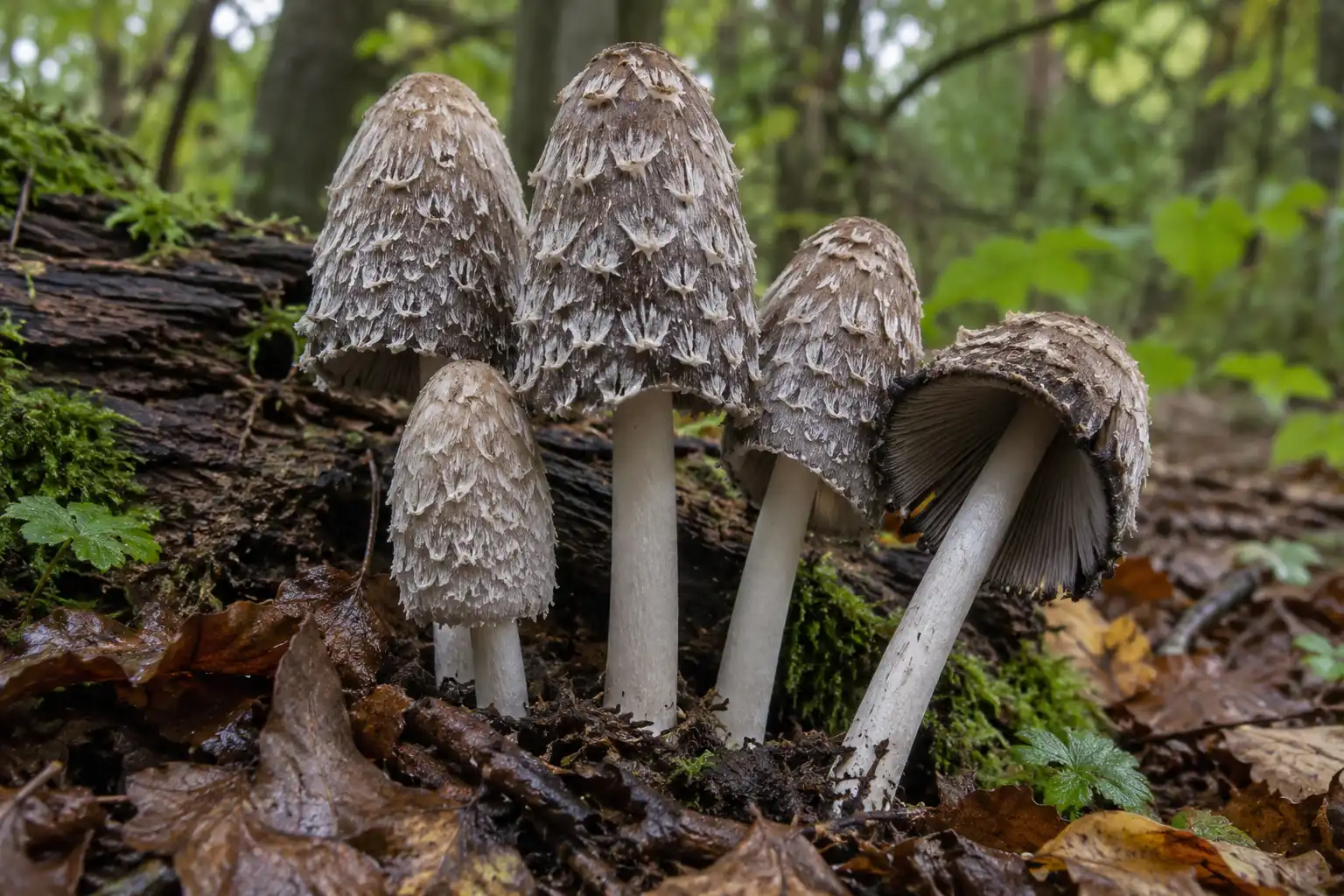
mushrooms
Identify scaly inkcap by shaggy veil patches, clustered hardwood habitat, darkening gills, deliquescence, spores, and careful lookalike separation.
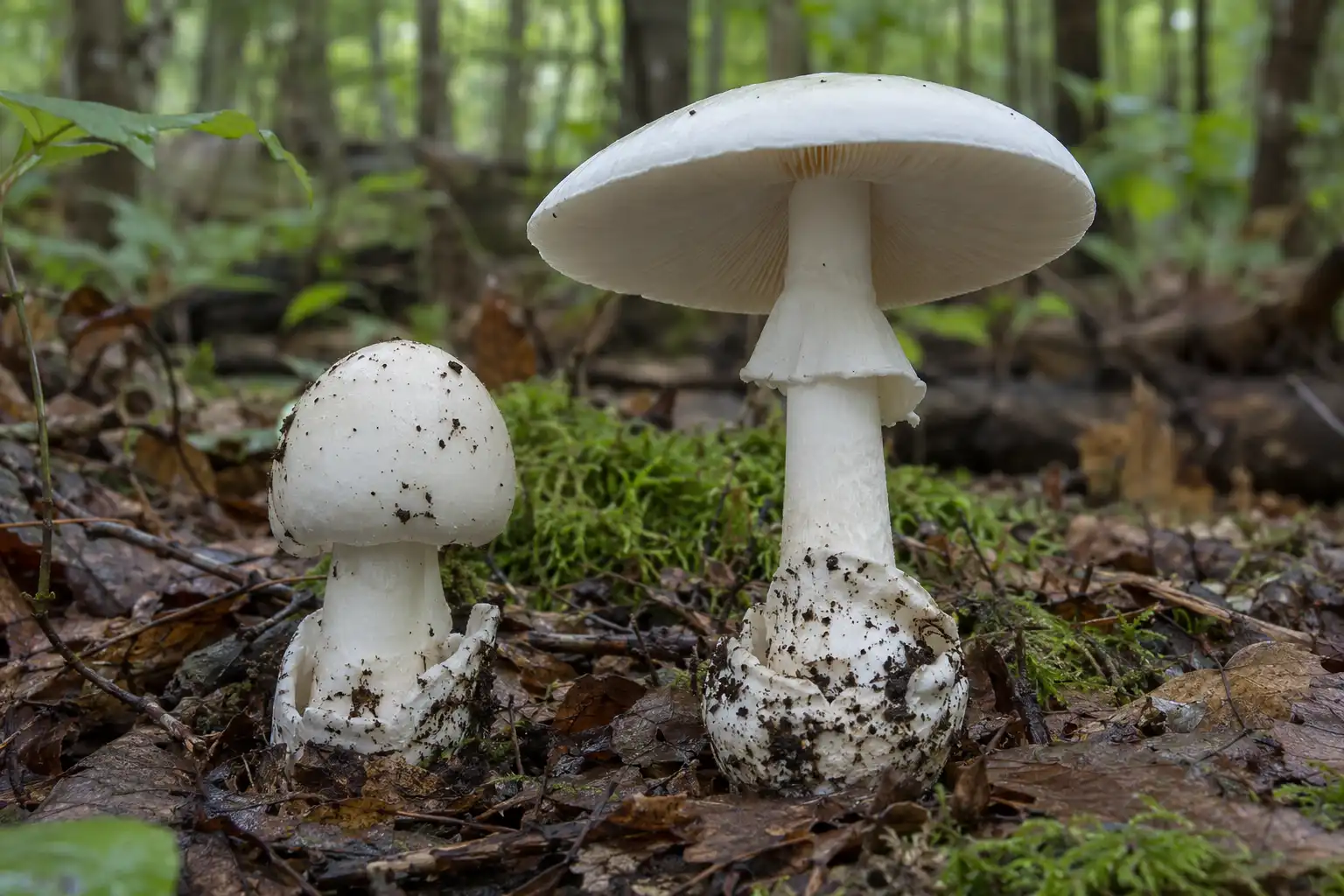
mushrooms
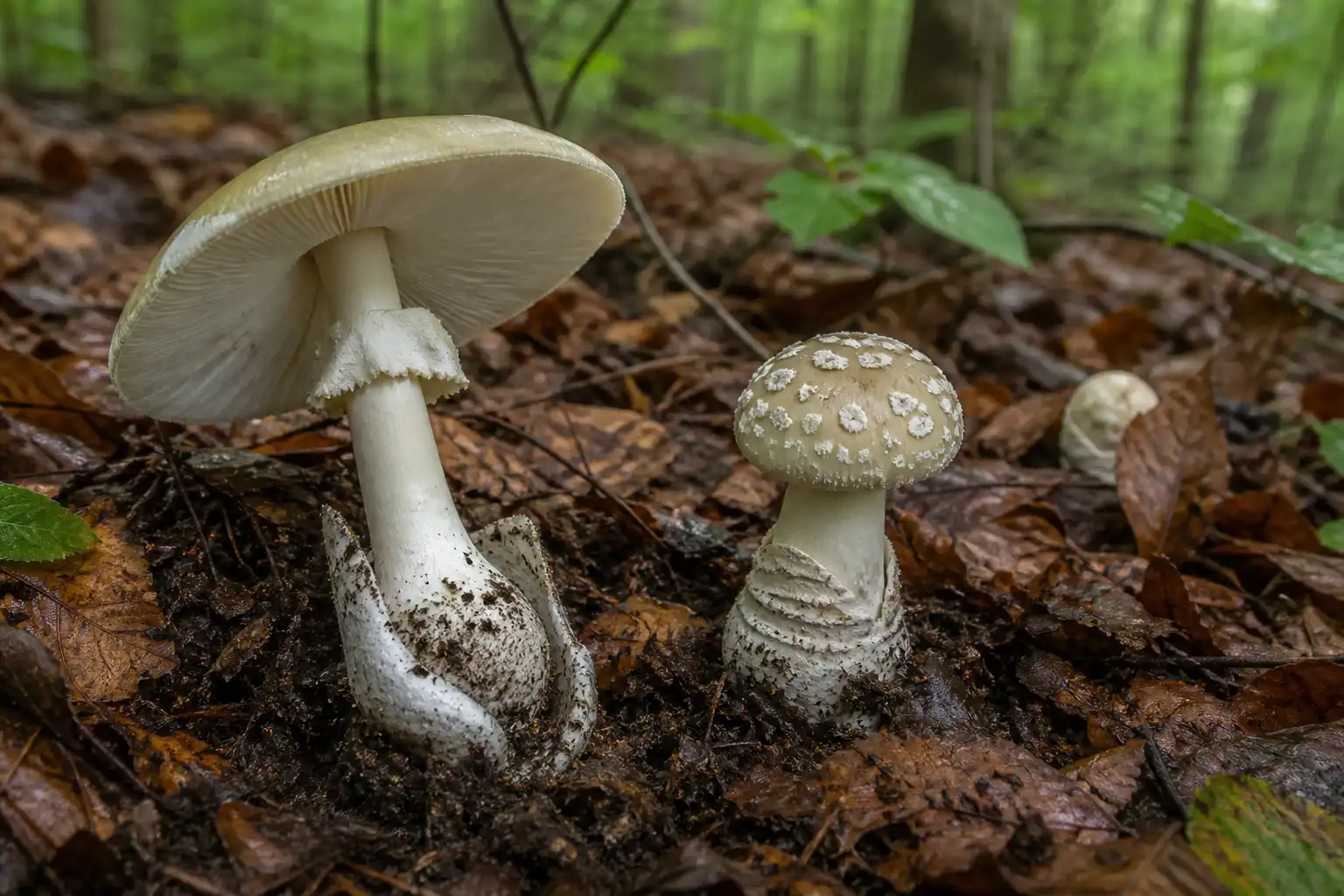
Document destroying angel Amanitas by white gills, ring, saclike volva, complete stem base, tree habitat, regional species, amatoxin risk, and lookalikes.
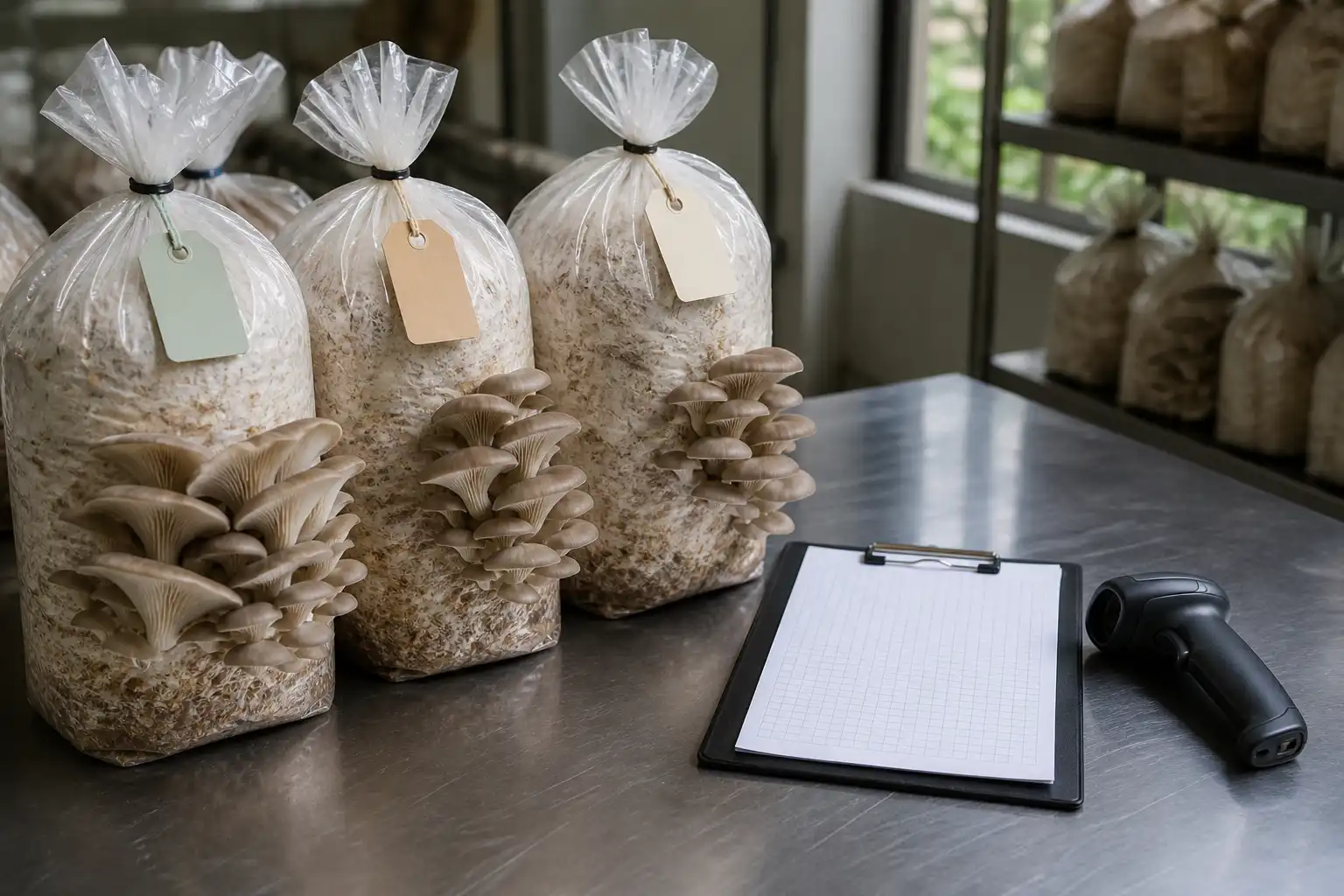
growing
Build mushroom batch records that connect culture, substrate, rooms, observations, harvests, deviations, and corrective actions without false precision.
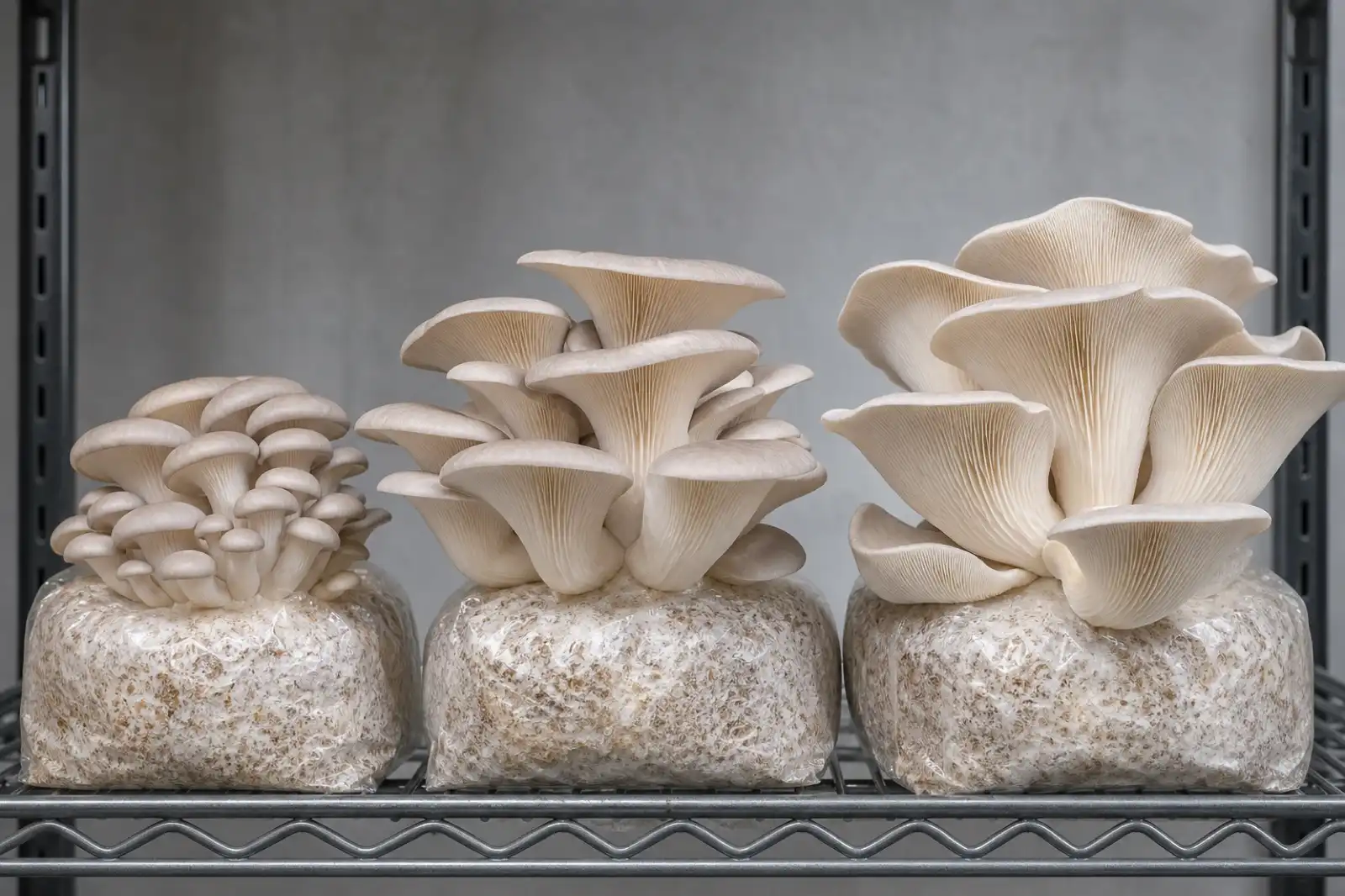
growing
Learn when to harvest cultivated oyster, lion's mane, shiitake, and other mushrooms using species-specific maturity cues, clean handling, and prompt cooling.
identification
Document Amanita using veils, complete stem bases, free gills, white spores, tree ecology, regional keys, and strict no-consumption safety limits.