identification
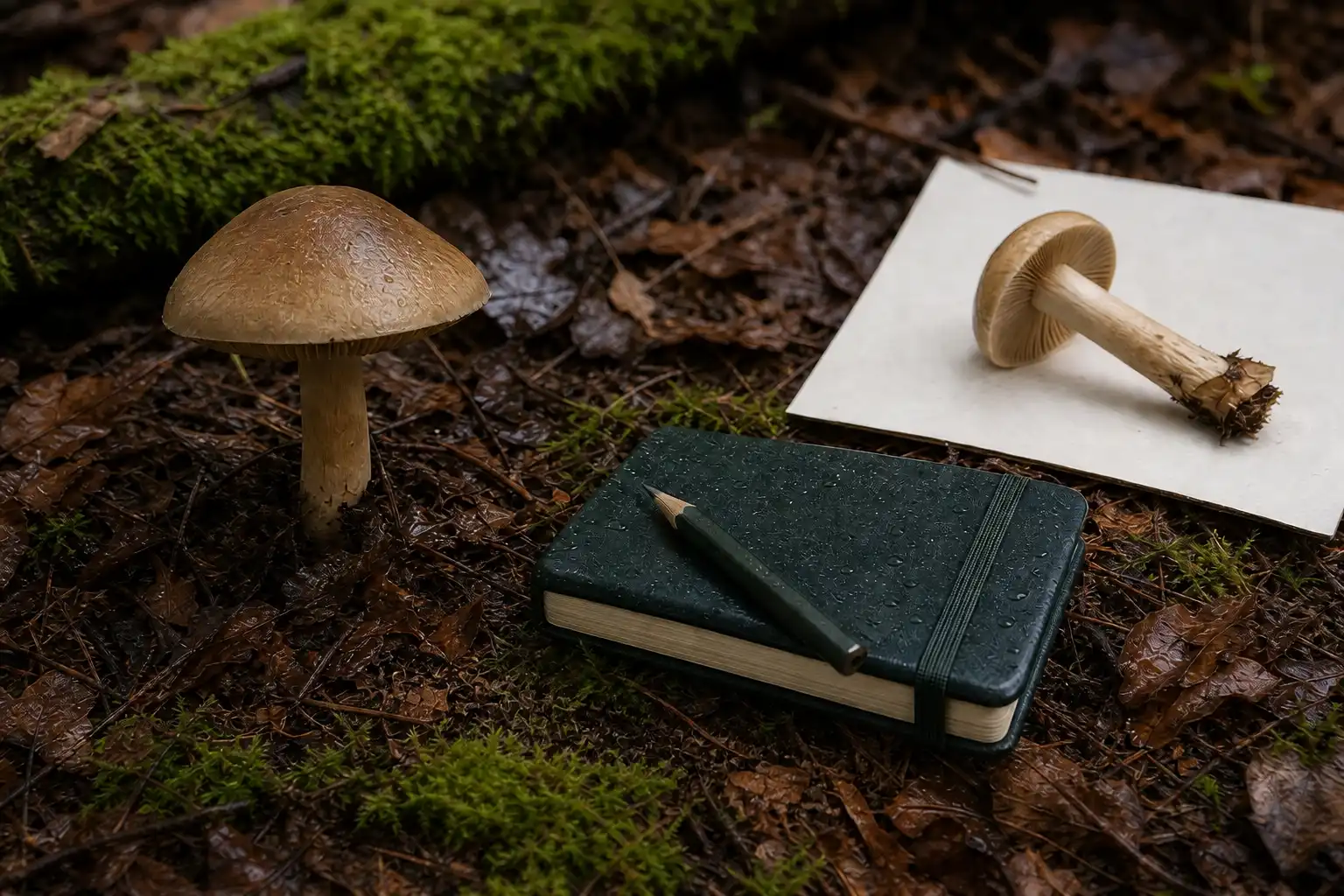
Mushroom Odor in Identification: How to Record It Safely
Learn to record mushroom odor safely, compare fresh and cut tissue, control for handling, and never treat smell as an identification or edibility test.
The journal archive
Earlier MushroomScope guides, ordered by their latest substantive publication or update date.
identification
Learn to record mushroom odor safely, compare fresh and cut tissue, control for handling, and never treat smell as an identification or edibility test.
mushrooms
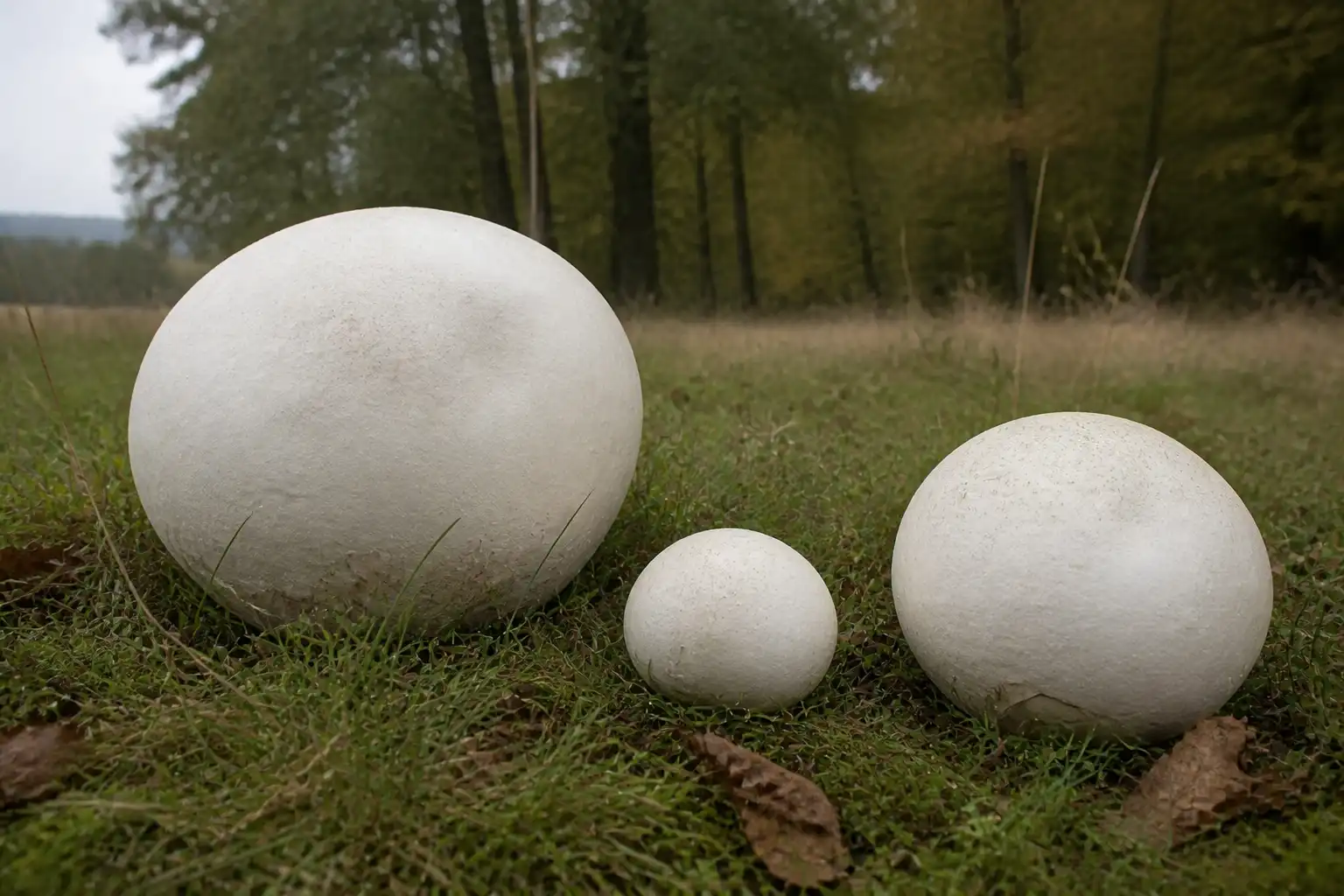
Learn giant puffball identification, white interior checks, dangerous lookalikes, habitat, maturity, and conservative food-safety limits.
identification
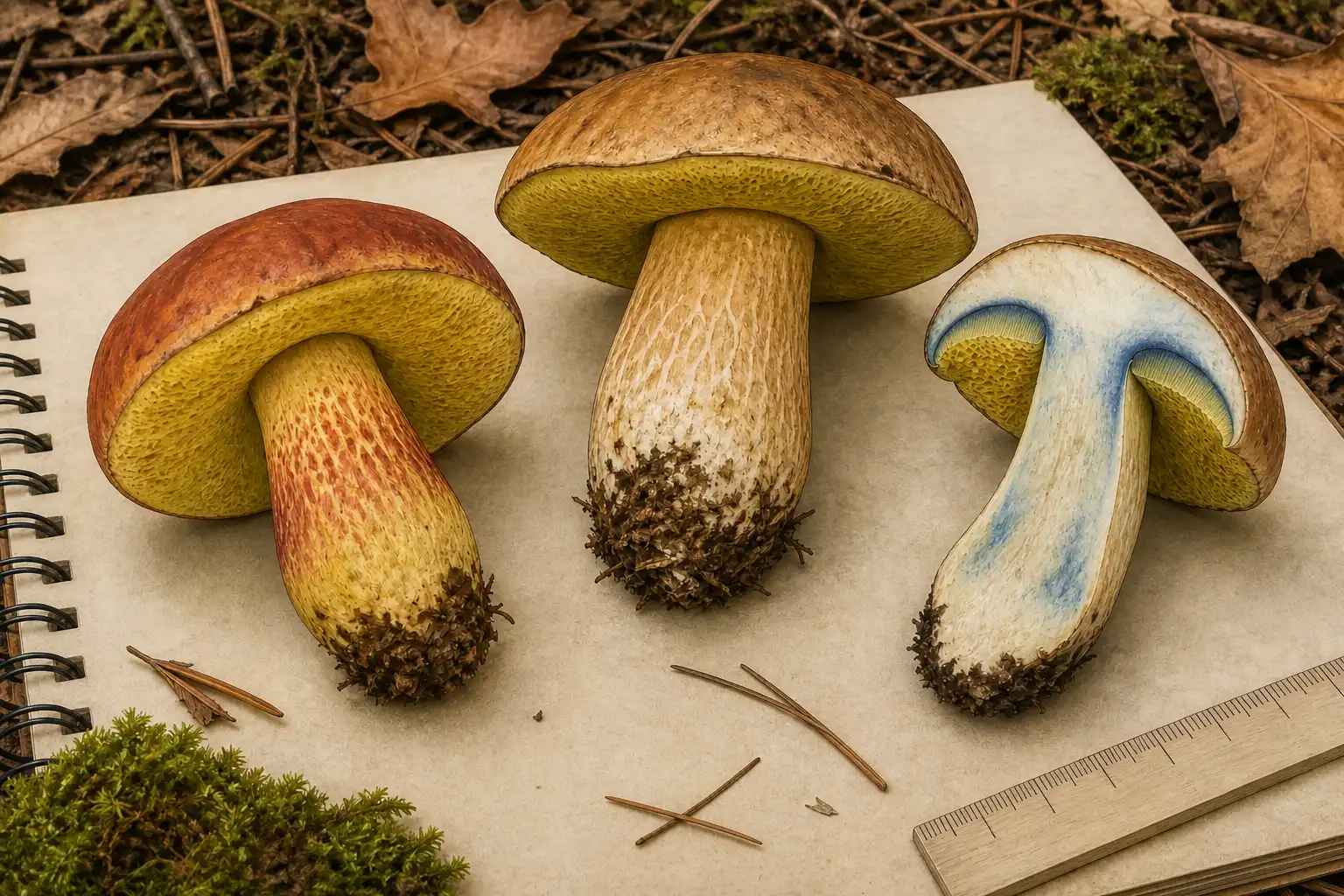
Learn how to document a bolete's pores, flesh staining, stem, habitat, and lookalikes without treating any one feature as an edibility test.
identification
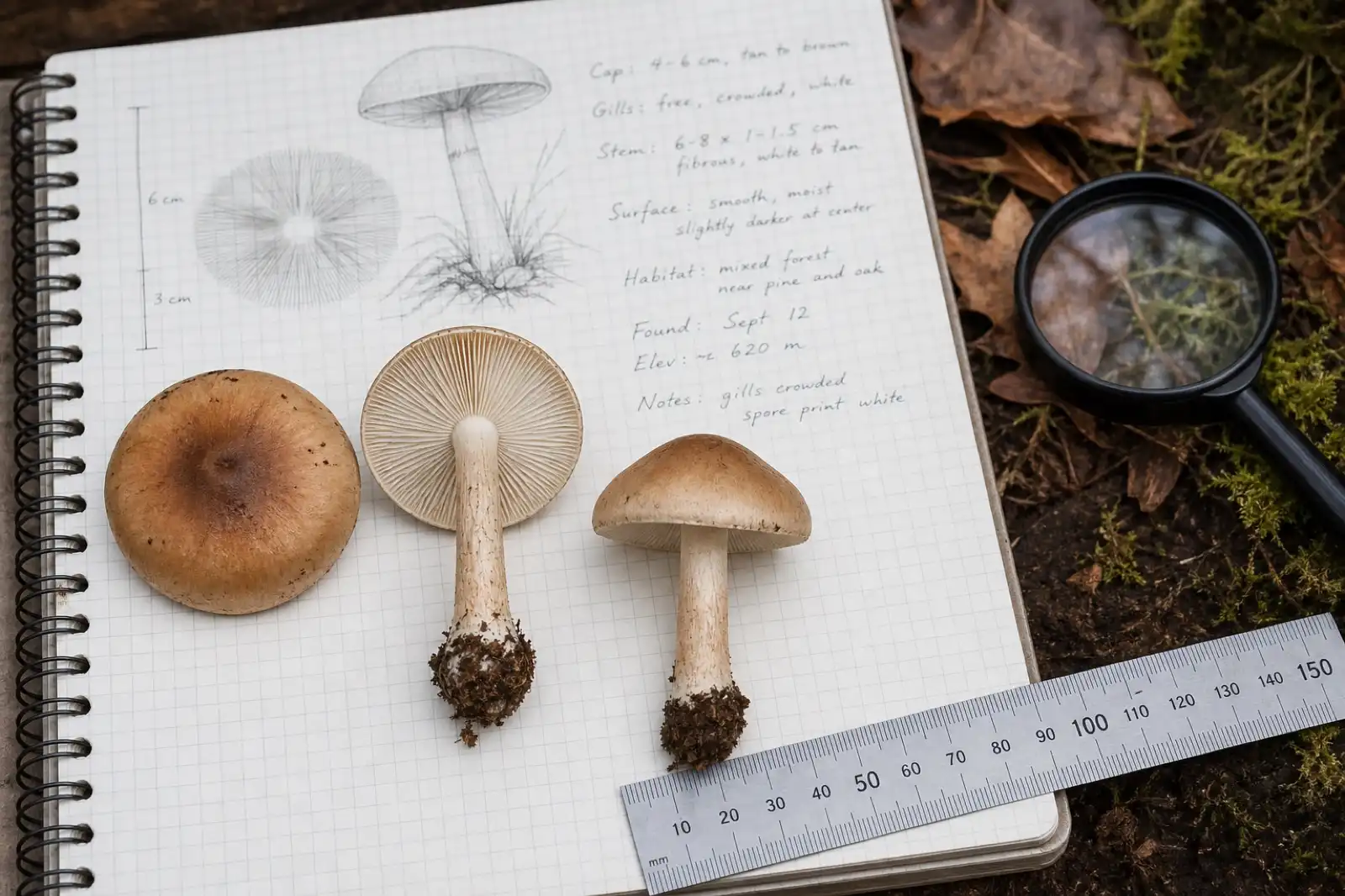
Build an identification from the whole specimen, substrate, habitat, spore deposit, and location—not from a single photograph.
identification
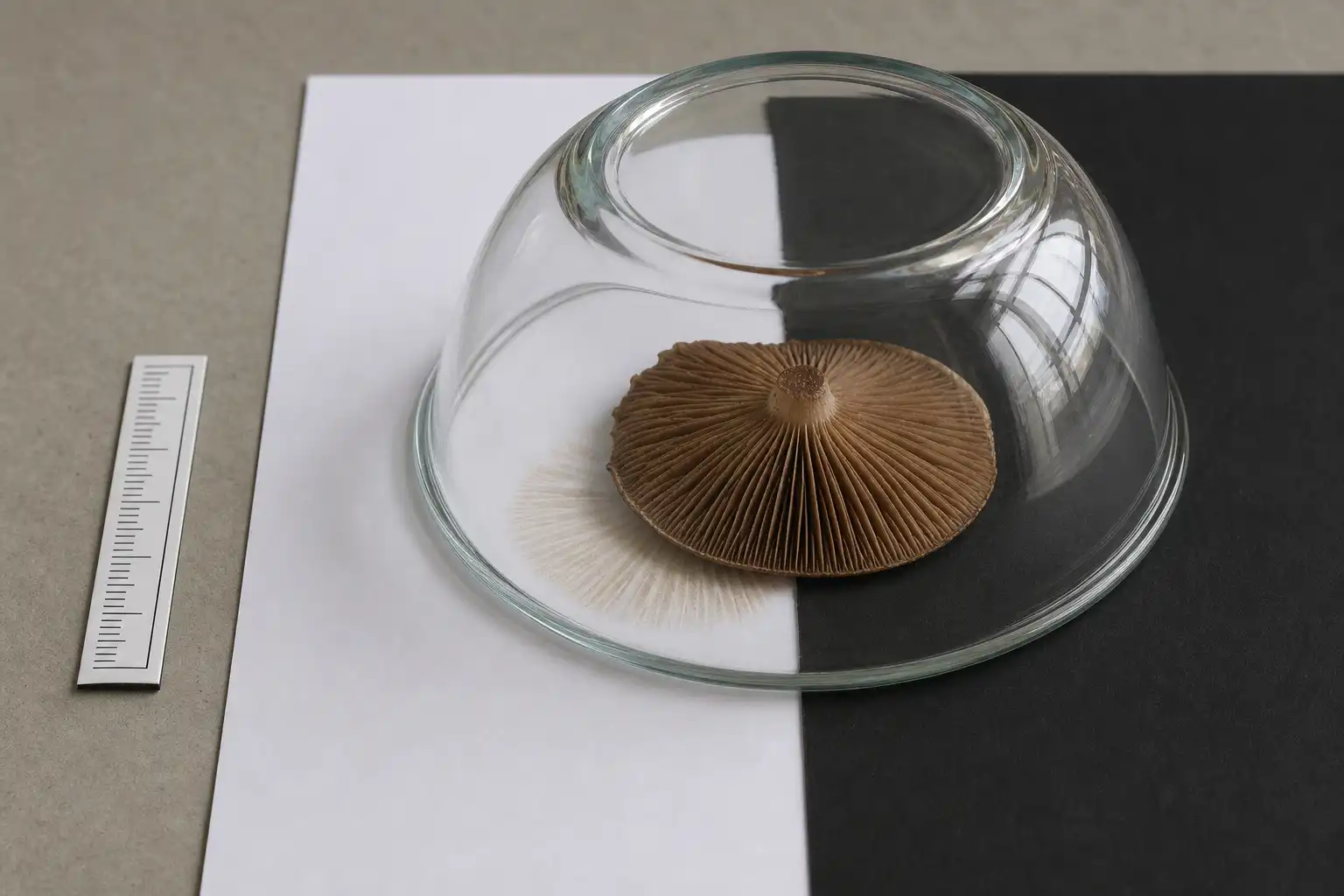
Make a controlled mushroom spore print, record the result clearly, and understand why a print supports—but never proves—an identification.
identification
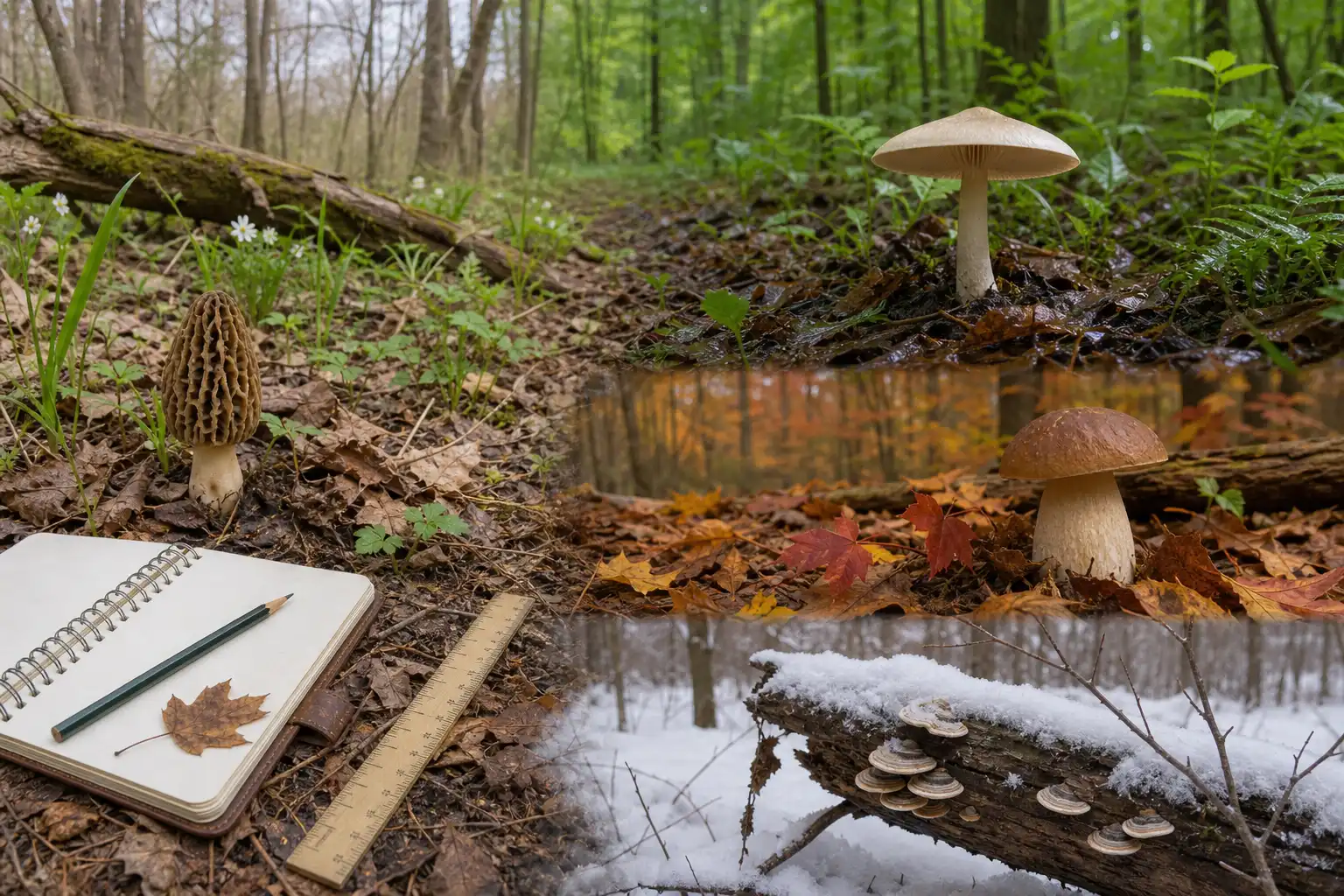
Use season, weather, habitat, and repeat field notes to plan mushroom observations without treating a seasonal window as an identification or edibility test.
growing
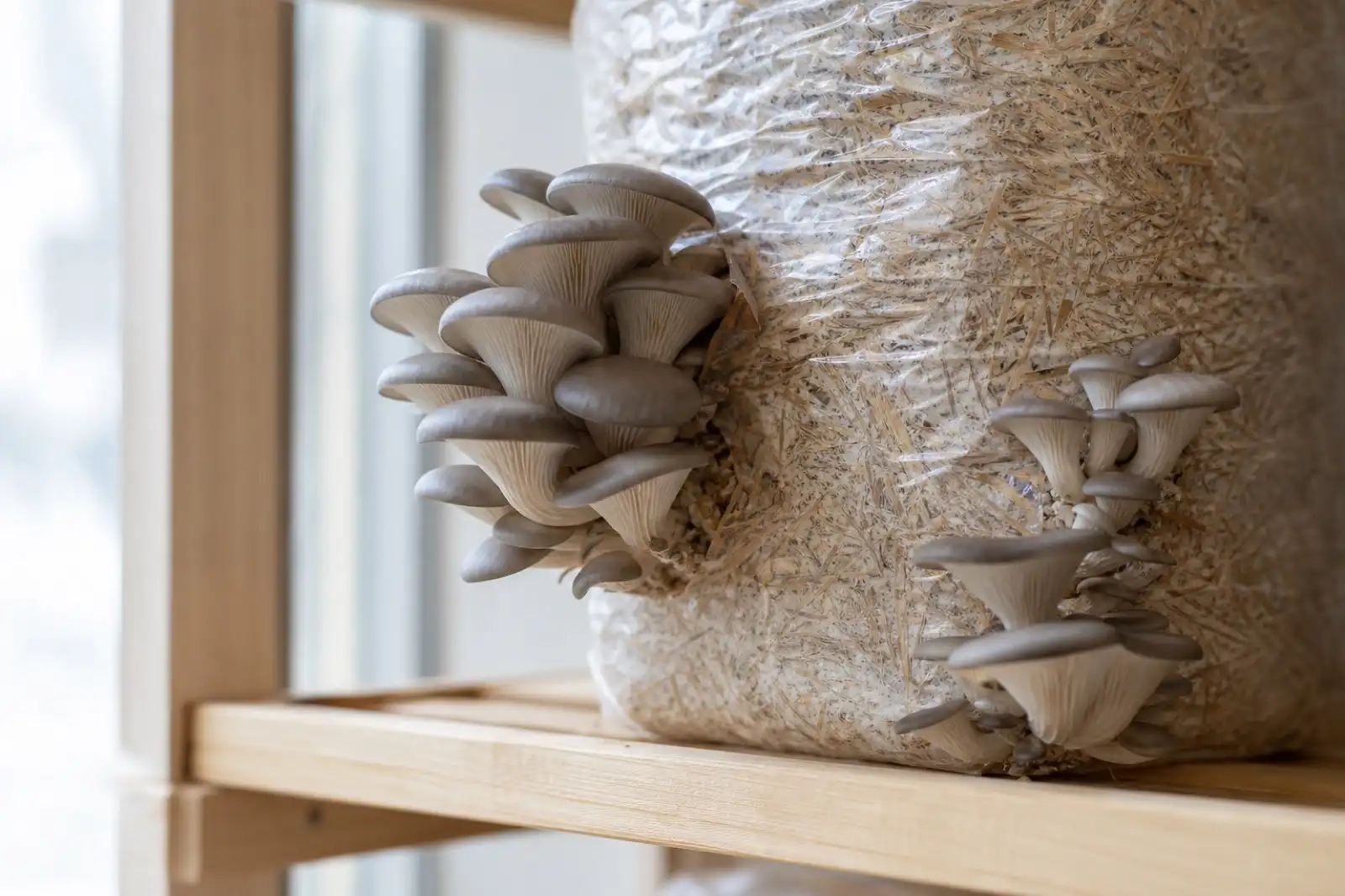
Grow oyster mushrooms at home with a supplier-provided fruiting block: set up a clean observation routine, follow the culture label, and handle harvests safely.
growing
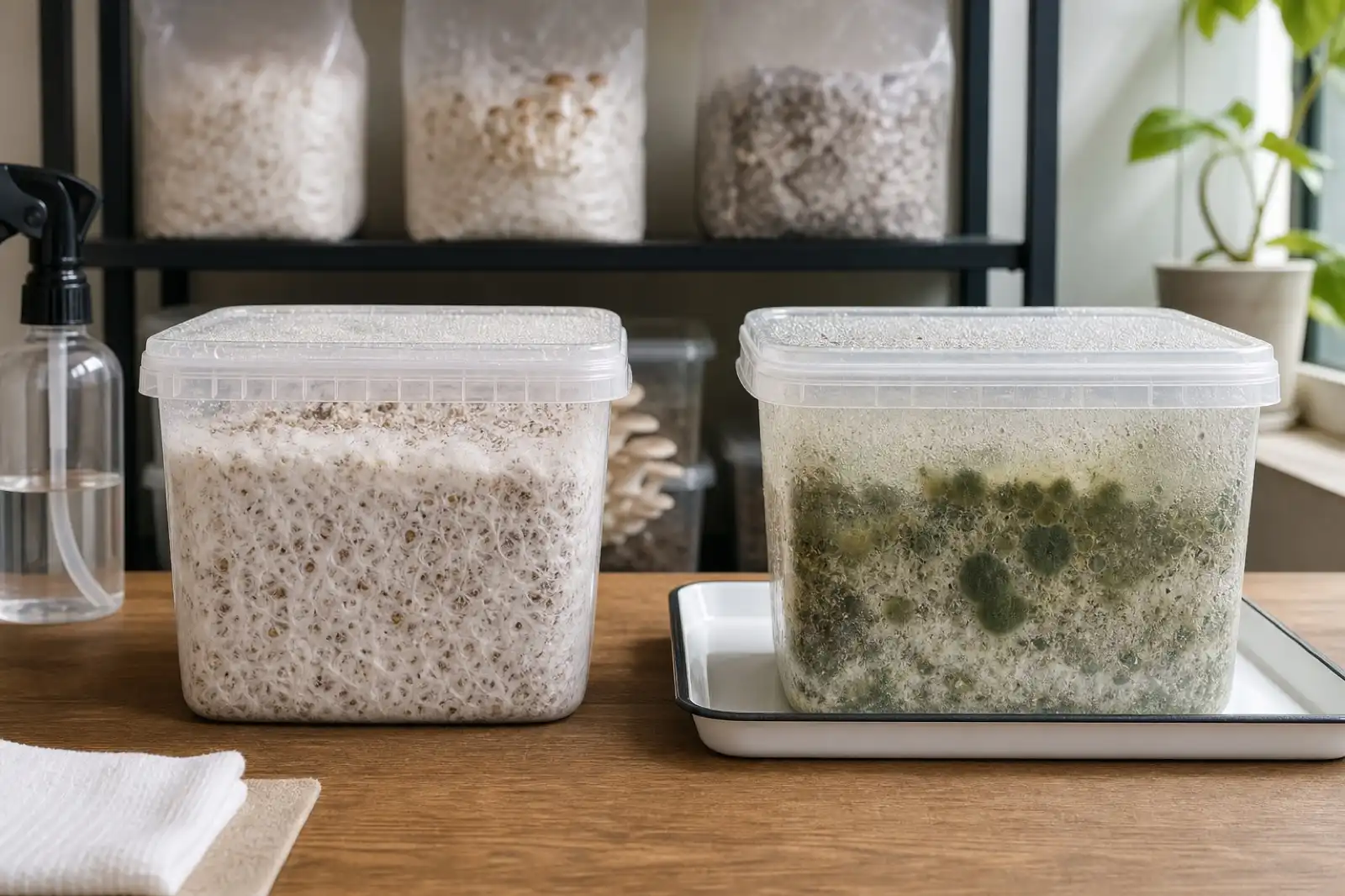
Recognize mushroom contamination without relying on color alone; isolate suspect batches, avoid food salvage, document the workflow, and prevent repeat issues.
growing
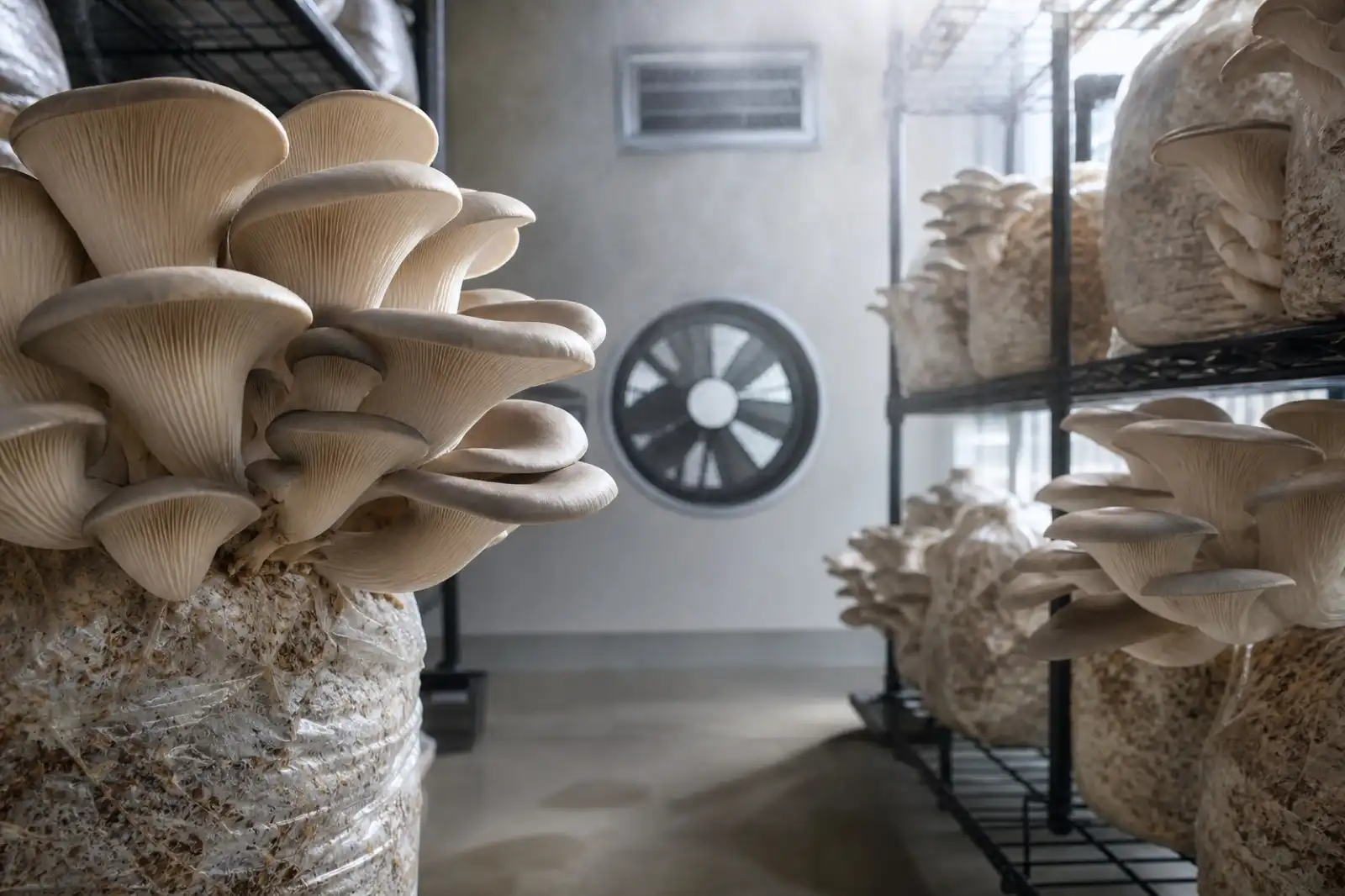
Use humidity, fresh air, light, and temperature as a linked observation system for authenticated cultivated mushroom blocks—not a universal settings chart.
growing
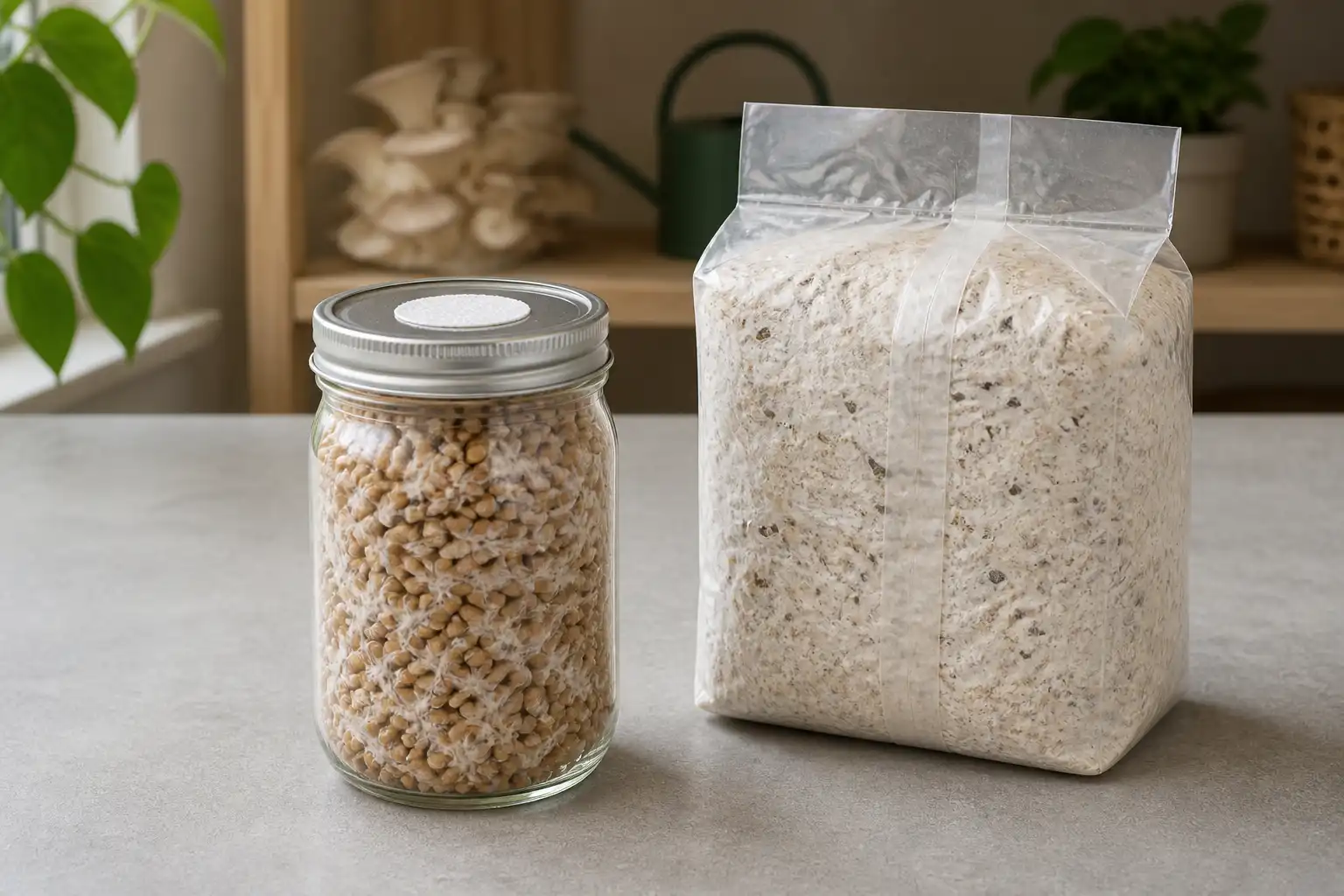
Use mushroom grain spawn as a labeled, clean inoculum for a documented growing method; learn what to verify, what to record, and when not to use it.
growing
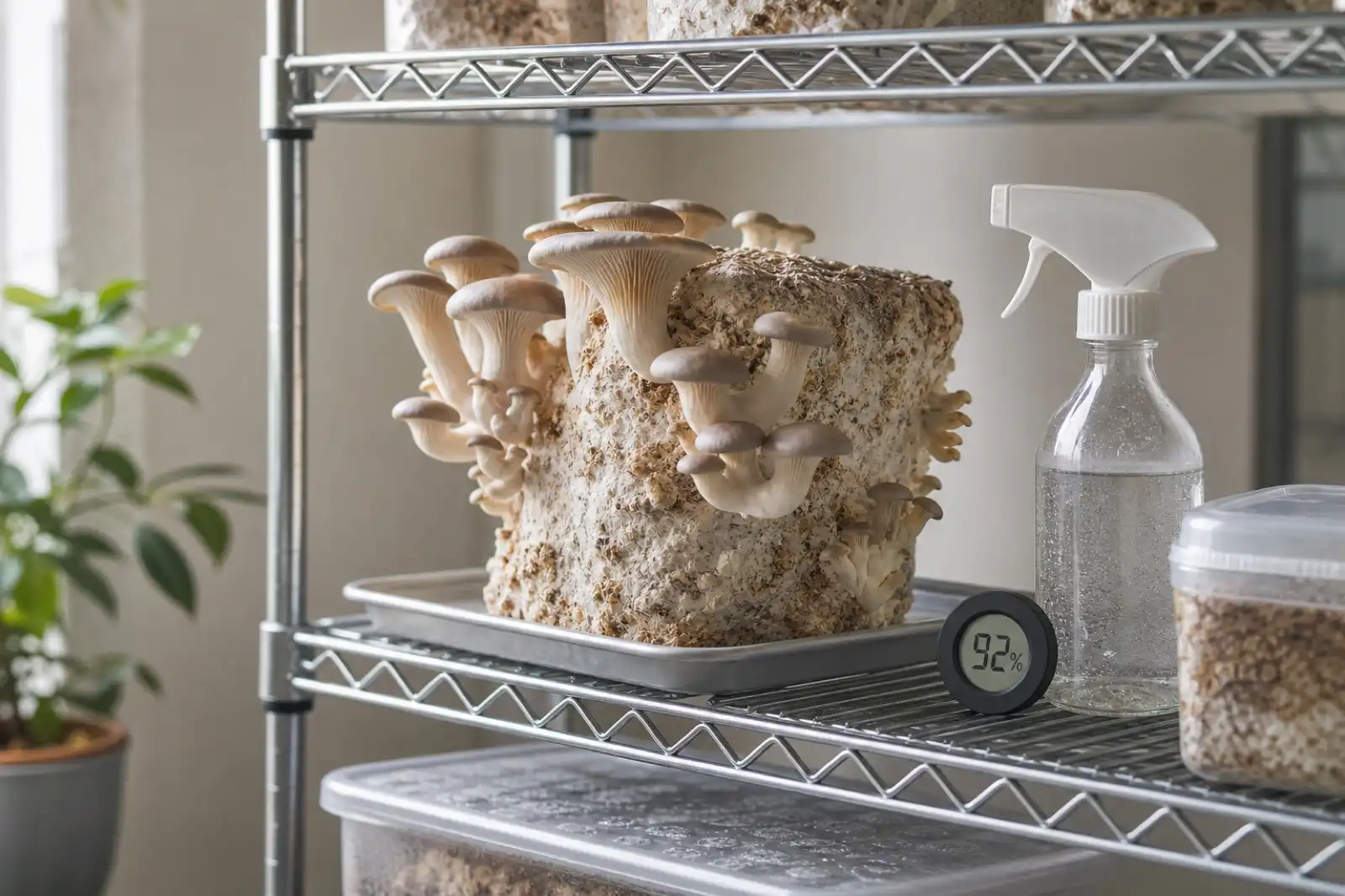
Choose a low-complexity first mushroom grow, set a written decision boundary, and keep food safety separate from yield troubleshooting.
growing
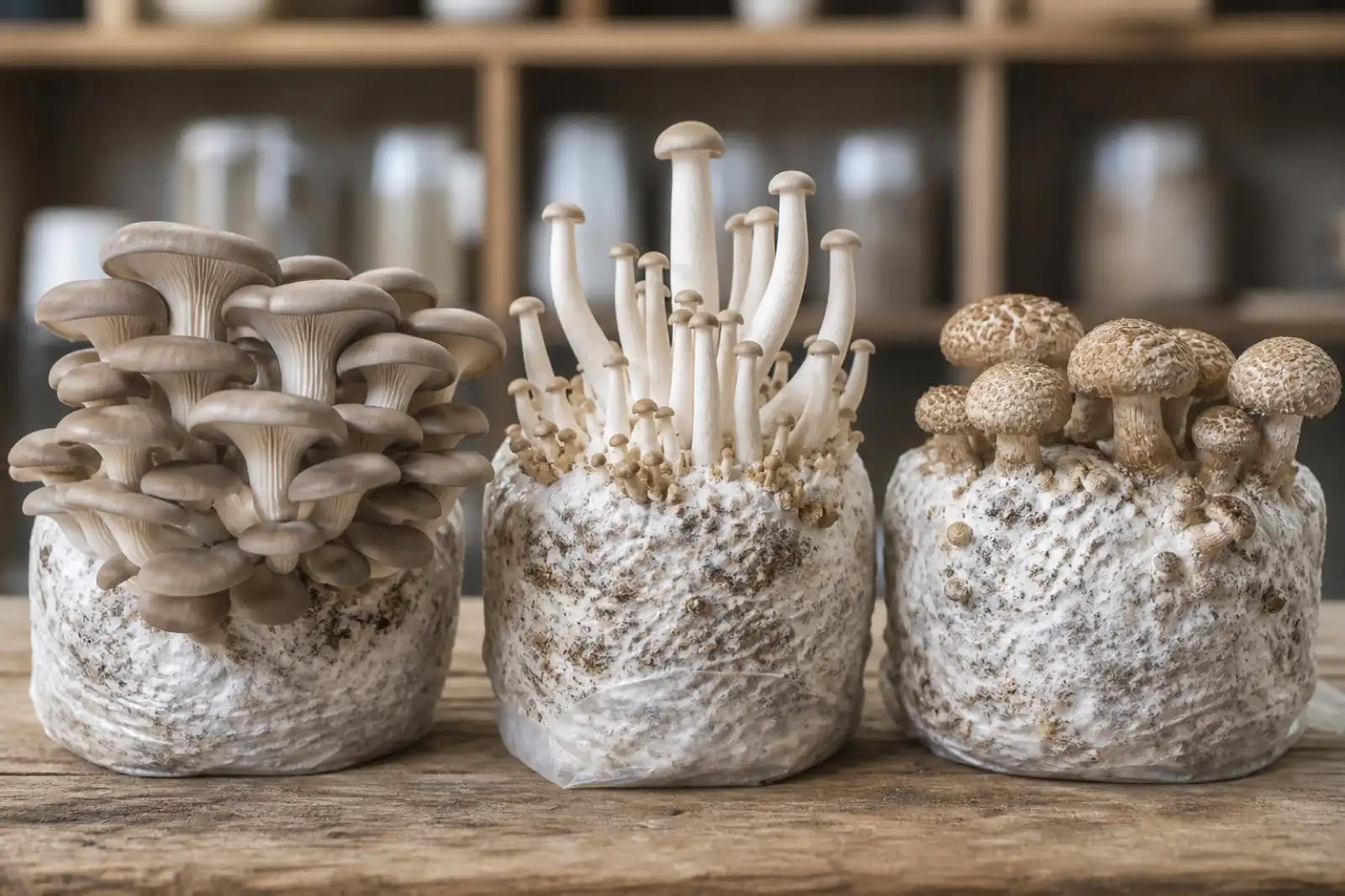
Troubleshoot a home mushroom grow by separating contamination, moisture, fresh-air, temperature, and harvest-handling observations.
growing
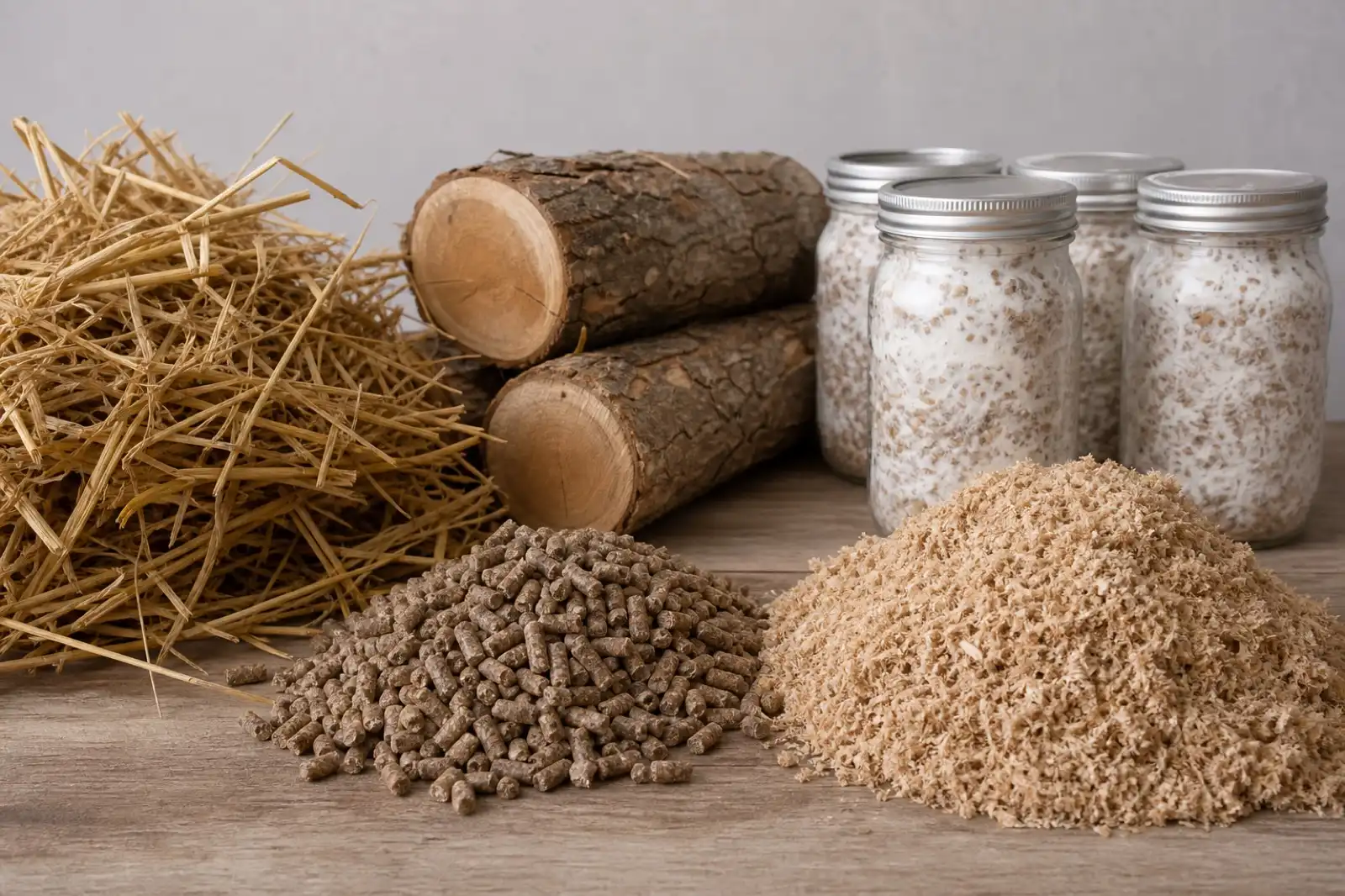
Choose a mushroom-growing substrate by matching a labeled culture to a documented production method, site, and food-safety boundary.
growing
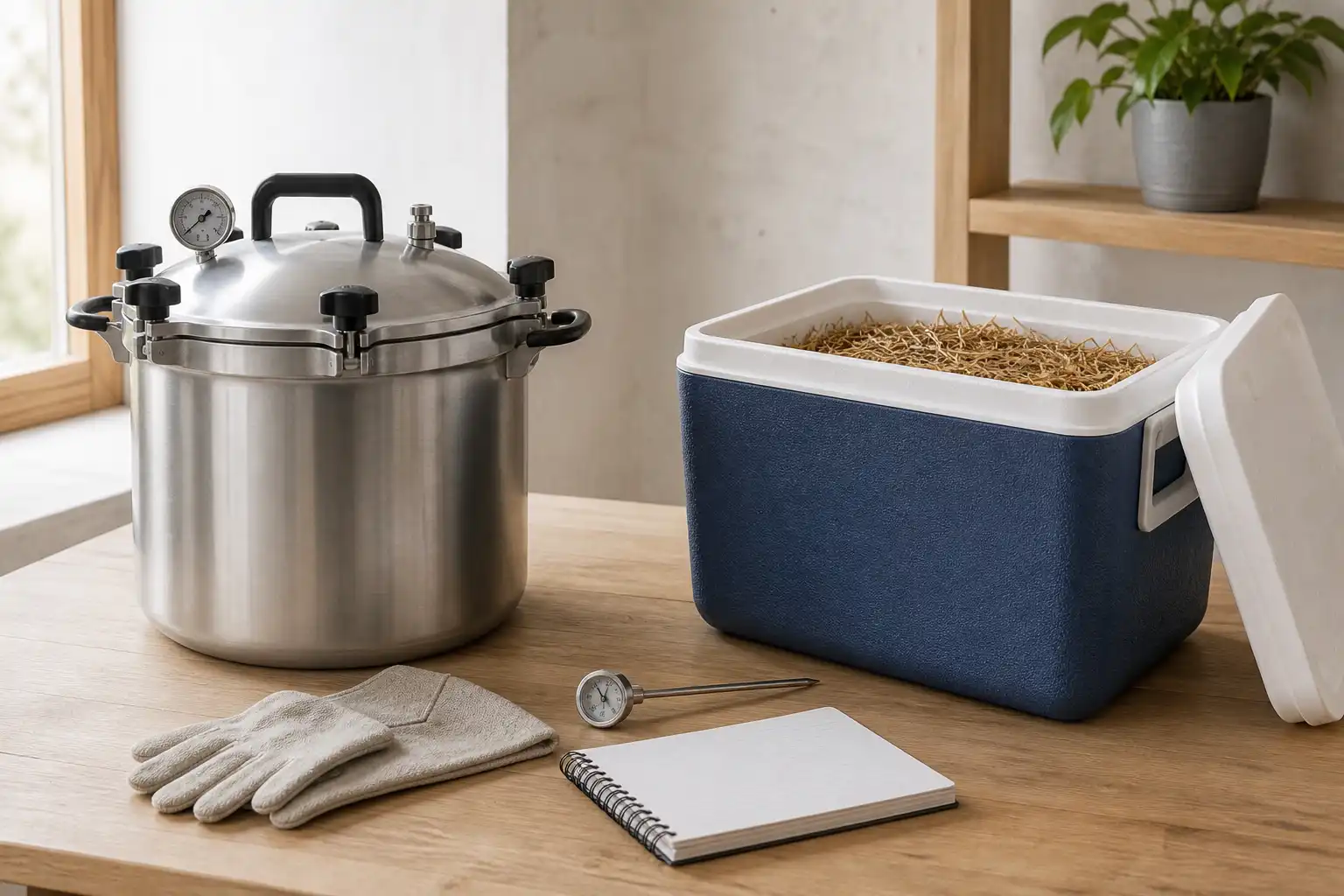
Choose pasteurization or sterilization by substrate and workflow, then reduce contamination risk with a conservative, documented home-growing process.
growing
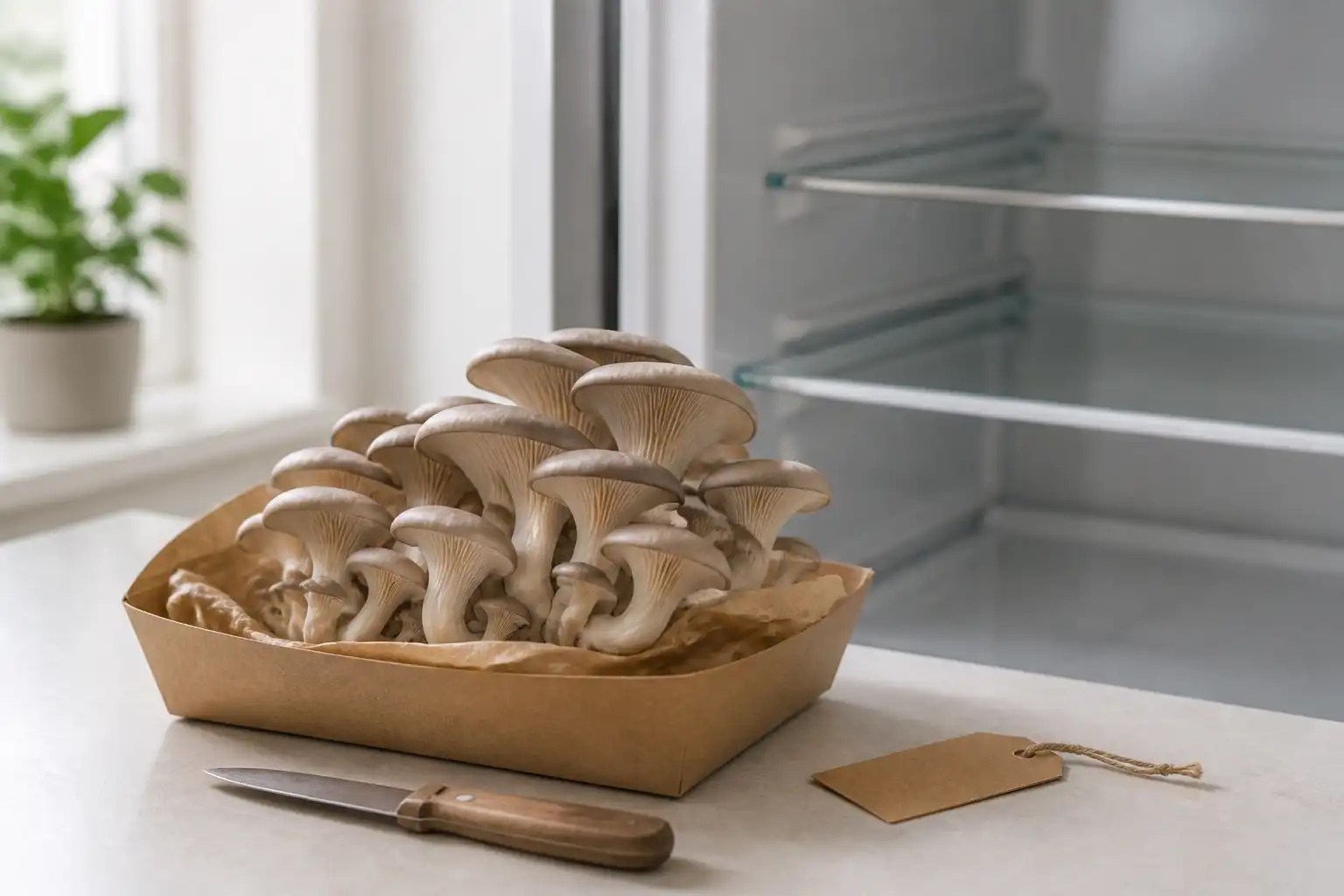
Keep homegrown culinary mushrooms cool, clean, and dry after harvest without treating a storage method as proof that food is safe.
health
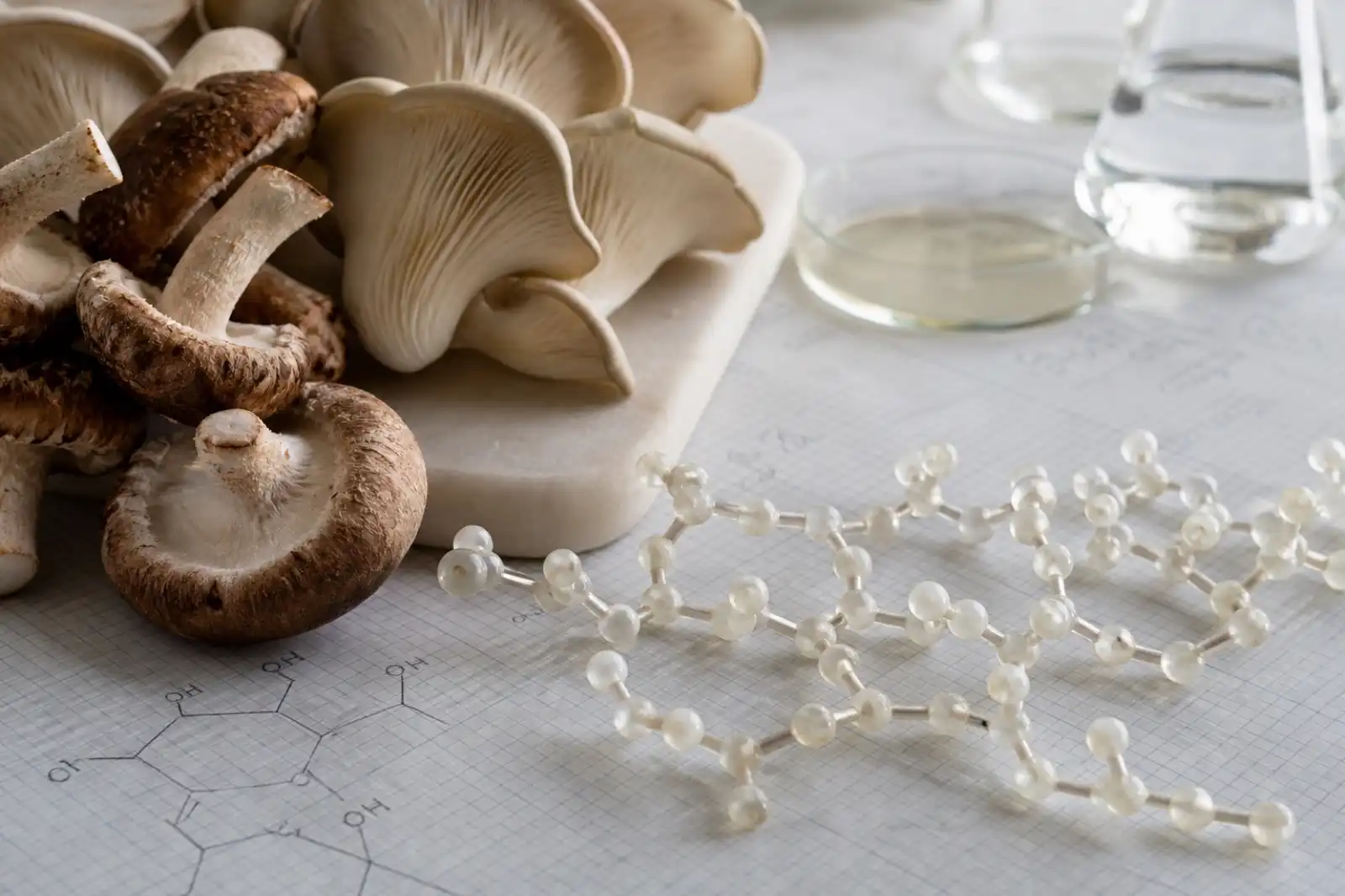
Fungal beta-glucans differ in structure, source, dose, and preparation; evidence for one purified product cannot validate every mushroom food or supplement.
health
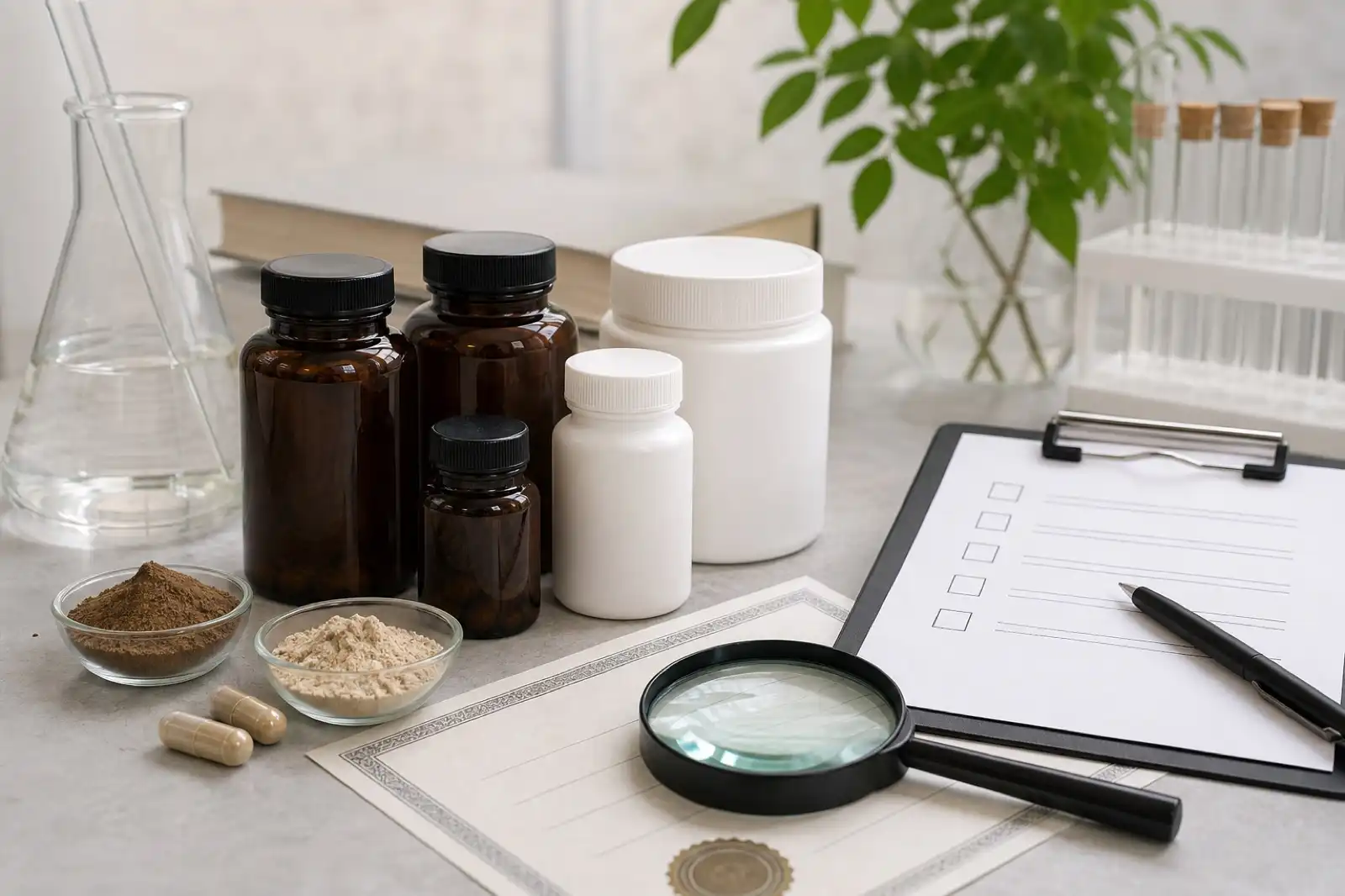
Learn how to check mushroom supplement identity, fungal part, extraction, dose, lot testing, claims, interactions, and regulatory limits.
health
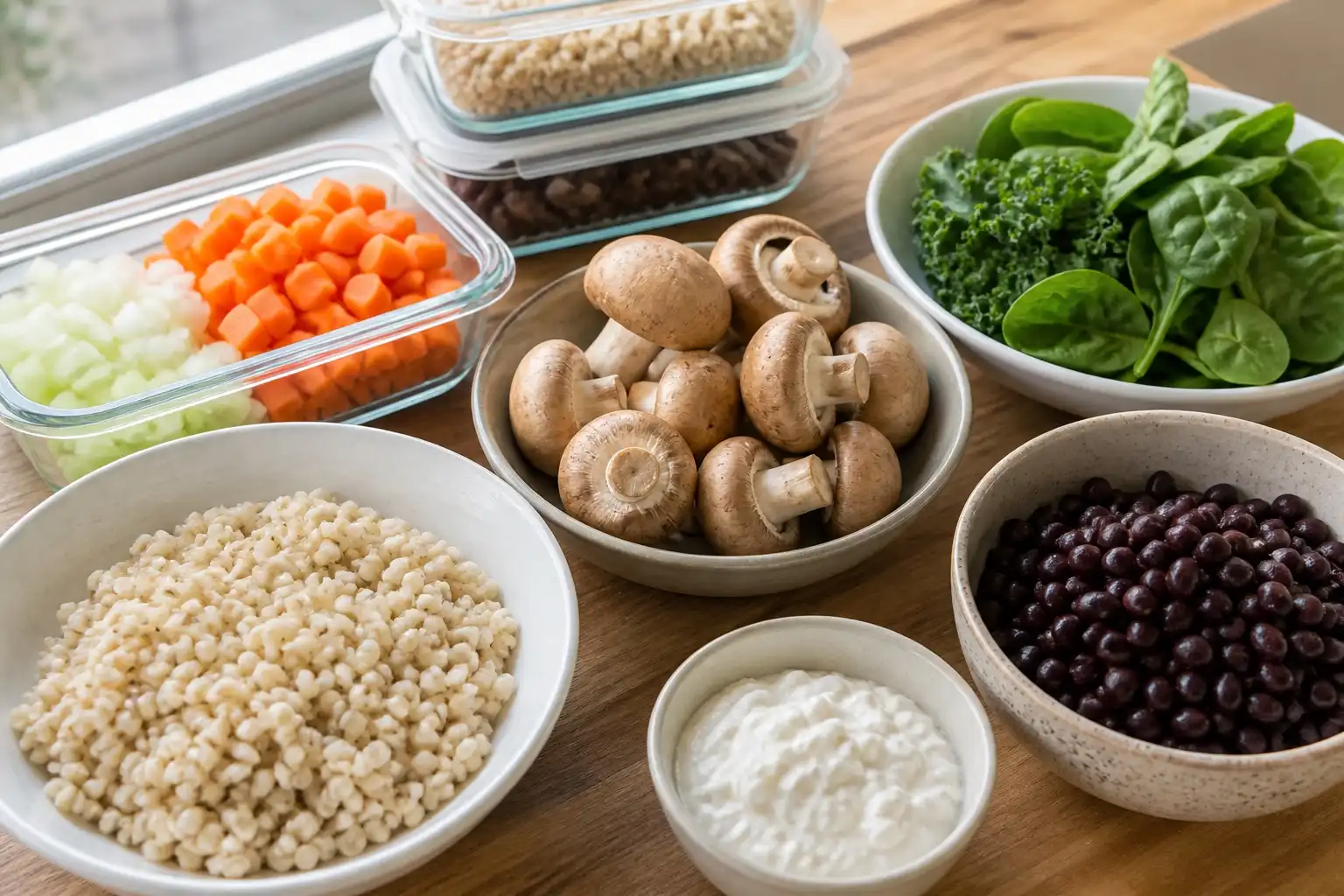
Review mushrooms and gut health through fiber, prebiotic research, evidence limits, tolerance issues, and practical food guidance.